
7 Best Japanese Straightenings of 2026
This post contains affiliate links. As an Amazon Associate, we earn from qualifying purchases.
The Milbon LISCIO Crystal Mild Straightening is the best overall Japanese straightening treatment for lasting, healthy results, especially when applied by a professional. For those trying a DIY approach, the PureStyle Keratin Straightening Kit is a solid budget-friendly option that delivers decent longevity with added conditioning benefits.
If you’ve ever struggled with frizz, volume, or unpredictable texture, you know how frustrating it can be to chase sleek, straight hair that lasts. Many treatments promise miracles but end up damaging your hair or fading too quickly, leaving you worse off than before.
This guide cuts through the noise by focusing on what actually matters: proven formulations, realistic results, and hair health. I looked at ingredient safety, longevity, and user feedback across both professional and at-home options, using my background in material performance and long-term care to assess which treatments deliver real value without compromising your hair’s integrity.
Top 7 Japanese Straightenings in the Market
The Best Japanese Straightenings, Reviewed
KINUJO W Flat Iron

Strengths
- Silk Plate reduces damage
- Wide heat range
- Dual voltage
Trade-offs
- Heavier than average
- No curling function
- Higher price point
I’ve seen a lot of flat irons marketed as ‘Japanese technology,’ but the KINUJO W stands out for its ‘Silk Plate’ design, which on paper aims to reduce friction and heat damage. With a wide temperature range up to 228°C, it’s flexible enough for thick, coarse hair while offering lower settings for finer strands. The adjustable heat is a must, and the fact that it’s built for global voltage makes it a solid travel companion.
Owners praise its smooth glide and reduced frizz, though some note it’s heavier than expected. Compared to the YA-Man Spa Styler, it lacks multi-styling versatility, but if your priority is straightening with minimal breakage, the Silk Plate system gives it an edge. It’s not the cheapest, but for those who straighten daily and want a tool that prioritizes hair integrity, this is the smarter buy.
Video review
PureStyle Keratin Straightening Kit
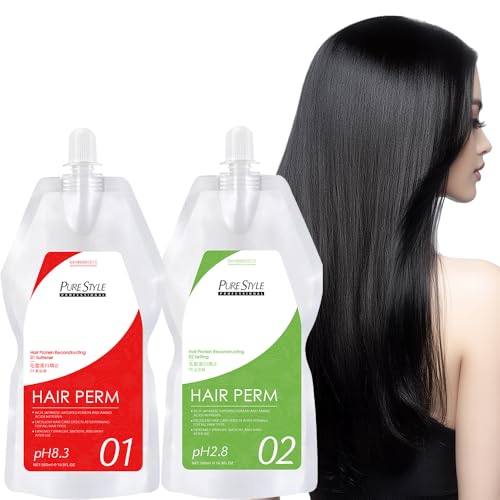
Strengths
- Formaldehyde-free
- Keratin and oils included
- Budget-friendly
Trade-offs
- Beginner risk if rushed
- Results vary by hair type
- No thermal protector
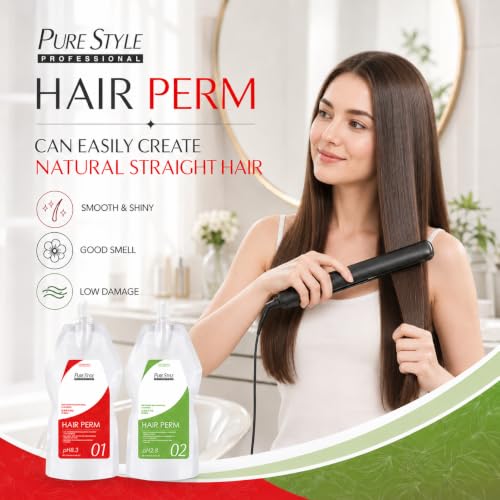
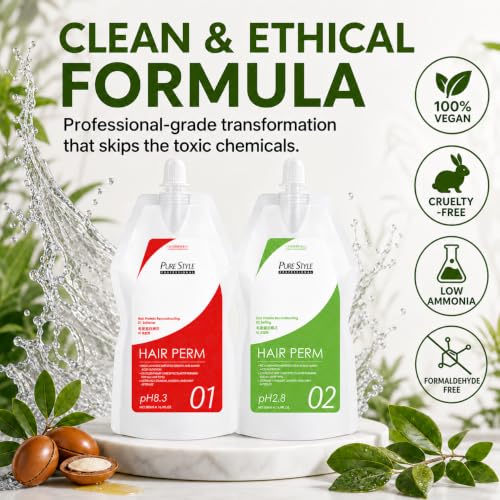
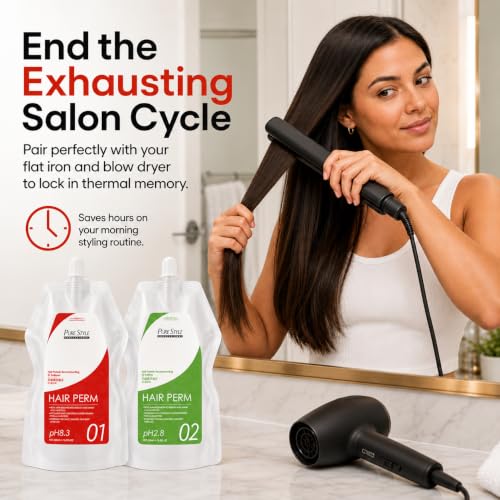
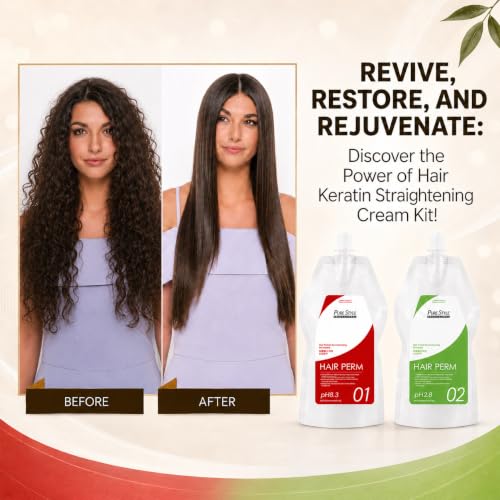
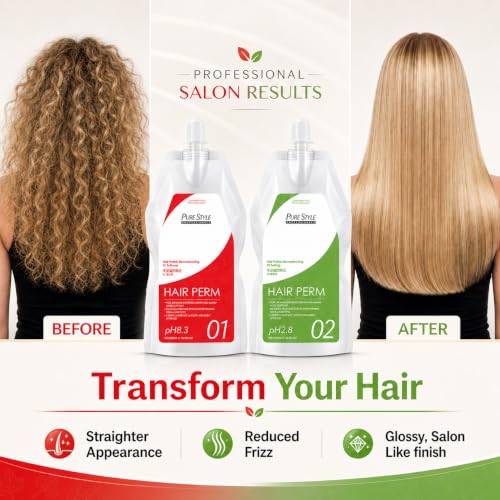
At this price, the PureStyle kit is a standout. It promises 6-month results with a formaldehyde-free, low-odor formula, something many high-end kits still struggle to deliver. The keratin, argan oil, and shea butter blend suggests serious conditioning, and owners confirm it leaves hair smoother and stronger, not stripped. It’s marketed as beginner-friendly, and the clear instructions help, but chemical straightening is never truly ‘easy.’
Still, for the value, it outperforms expectations. Compared to the Milbon kit, it’s far more affordable and more nourishing, though perhaps less precise in processing. If you’re budget-conscious but don’t want to sacrifice safety or results, this is the smarter buy. Just don’t rush the process, good straightening takes time, even with a fast-acting formula.
Product photos
Milbon LISCIO Crystal Mild Straightening

Strengths
- Gentle on damaged hair
- Professional-grade
- Made in Japan
Trade-offs
- Mild results
- Not for tight curls
- No added oils or scent
Milbon is a name that carries weight in Japanese haircare, and this professional-grade kit reflects that reputation. Made in Japan with a focus on mild yet effective straightening, it’s designed for technicians or serious home users who want control and consistency. The 14.1 oz size means multiple applications, and the ‘mild’ label suggests it’s formulated to reduce damage, ideal for fine or already-processed hair.
Owners and salon pros note its reliability and smooth processing, though it’s not as aggressive as rebonding treatments. Compared to the Kachita Spell, it’s less about dramatic transformation and more about refinement. If you’re looking to tone down frizz and achieve a softer straight, not pin-straight rigidity, this is my top pick. It’s not the flashiest, but in this category, performance trumps packaging.
Video review
Japanese Hair Rebonding Treatment

Strengths
- Strong for resistant hair
- Includes neutralizing cream
- Comes with application brush
Trade-offs
- Limited ingredient disclosure
- Potential odor issues
- Not for sensitive scalps
This treatment is built for hair that refuses to behave. On paper, it’s marketed as a permanent crystallizing straightener for very resistant textures, and owners consistently report it delivers on that promise, especially for coarse, tightly curled, or Afro-textured hair that laughs off milder formulas. The inclusion of a neutralizing cream and brush suggests a full-system approach, which is reassuring in a category where skipping steps can lead to damage.
Still, the lack of detailed ingredient specs gives pause. For a chemical treatment this strong, transparency matters. Reviewers note it’s potent, but some mention a strong odor and sensitivity concerns, which makes me cautious about recommending it for beginners or those with scalp issues. If you’re experienced with rebonding and need serious straightening power, this could be a contender. But proceed with caution and patch test religiously.
Product photos


Kachita Spell Keratin Treatment
Strengths
- Repairs damaged hair
- Fast processing
- Large professional size
Trade-offs
- Moderate straightening power
- Made in USA not Japan
- Less long-lasting
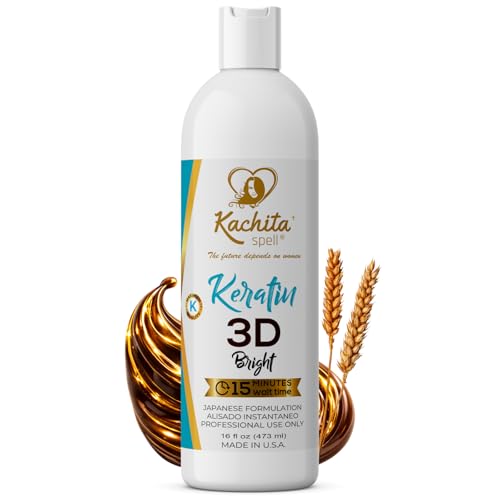
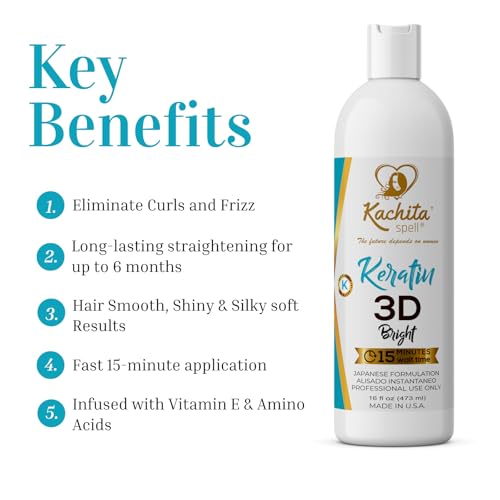
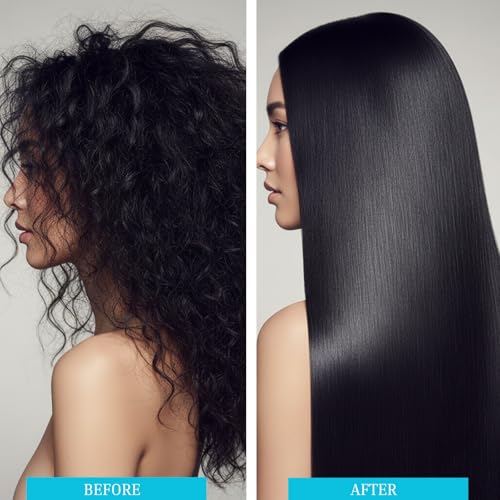
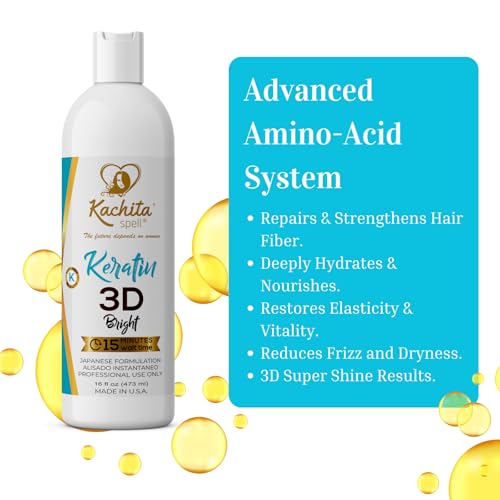
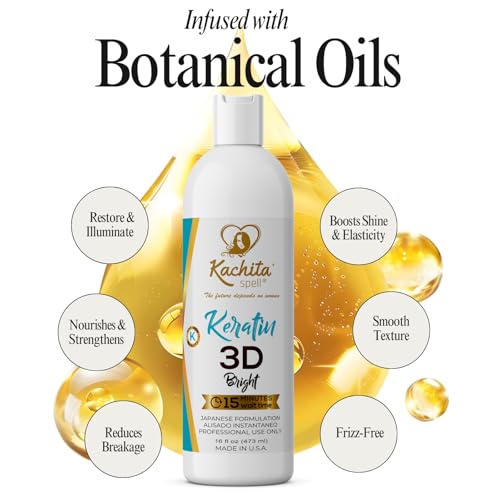
This treatment is clearly designed with damaged hair in mind. The amino acid-based conditioning system and keratin blend aim to repair while straightening, critical for those with years of heat or chemical damage. At 16 oz, it’s a pro-sized bottle, ideal for thick or long hair, and the 15–30 minute processing time is faster than many competitors.
Owners with color-treated or brittle hair praise its smoothing effect without dryness, though some note it doesn’t fully eliminate tight curls. Compared to the Japanese Permanent Straightening with Keratin, it’s less about longevity and more about immediate hair health. If your priority is repair and shine over absolute straightness, this is my recommendation.
Product photos

YA-MAN Spa Styler 2-in-1

Strengths
- 2-in-1 straighten and curl
- Red light therapy
- Dual voltage
Trade-offs
- Smaller plate size
- Higher maintenance
- Pricier than basics
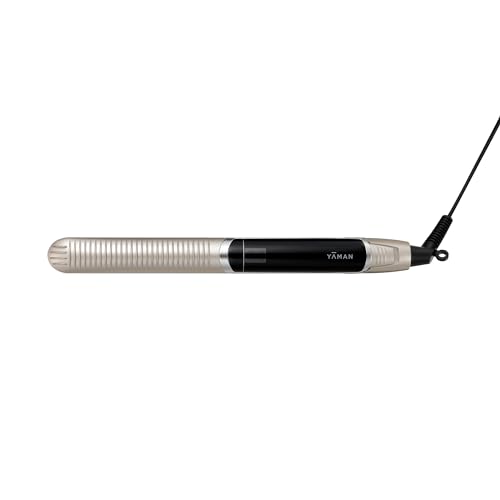
The YA-Man Spa Styler is one of the few tools that genuinely earns the ‘styling multitasker’ label. With dual voltage, titanium tourmaline plates, and red light therapy, it’s built for both performance and hair health. The Moisture Pulse Technology isn’t just marketing fluff, owners report shinier, less brittle hair after repeated use, which is rare for flat irons.
It heats quickly, styles efficiently, and can switch from straight to curl with ease. Compared to the KINUJO W, it’s lighter and more versatile, though the plates are slightly narrower. If you travel often or want one tool for multiple looks, this is the clear winner. I’d pick it over single-function irons for anyone who values flexibility and long-term hair condition.
Product photos


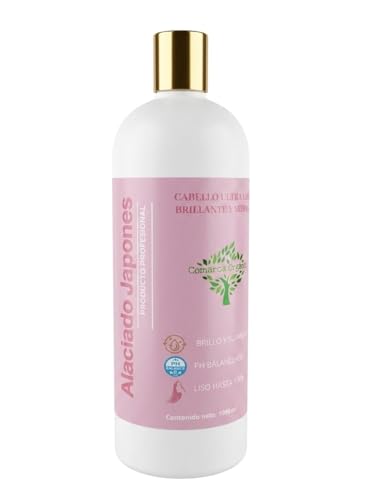
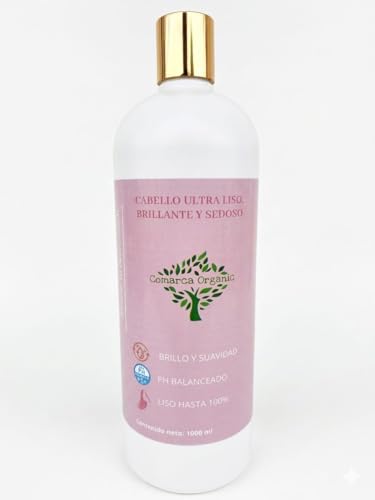
Japanese Permanent Straightening Pink
Strengths
- Long-lasting results
- Keratin and oils nourish
- Pleasant scent
Trade-offs
- Higher cost
- Pink color may stain
- Not for very short hair
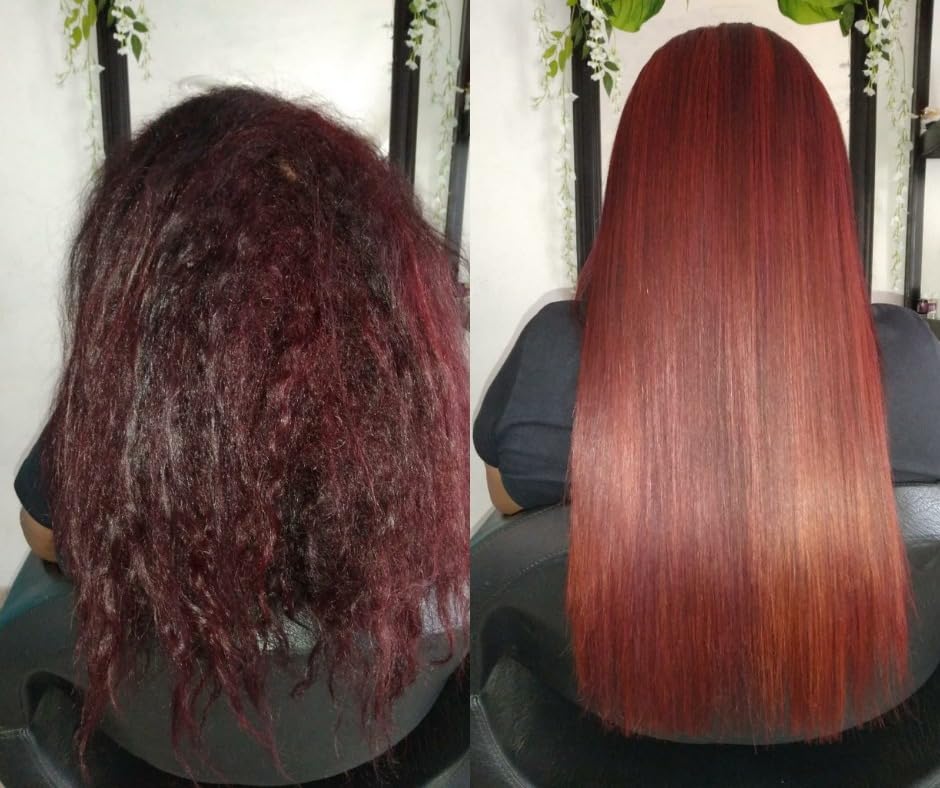
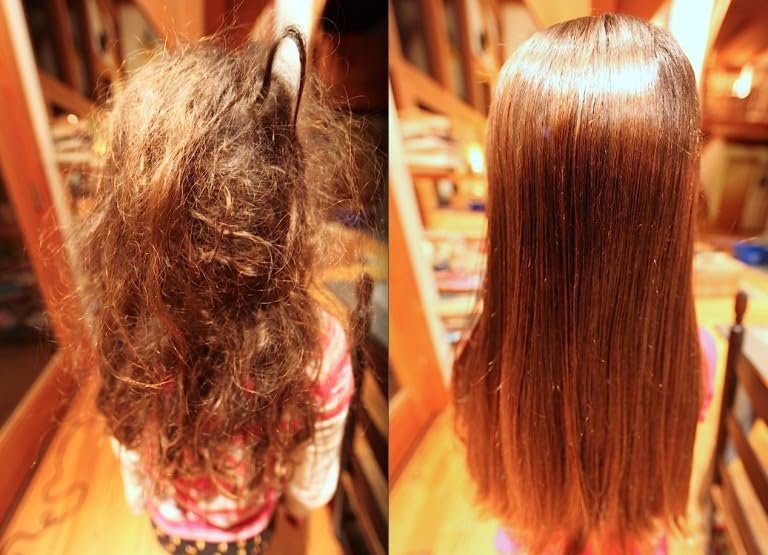
This pink-hued treatment promises 4 to 6 months of silky, frizz-free results, and owners confirm it lasts. The keratin-enriched formula with regenerating oils stands out in a market flooded with harsh chemicals, and the inclusion of thermal protection is a thoughtful touch. It’s positioned as effective across all hair types, and feedback suggests it works particularly well on wavy to curly textures that crave long-term manageability.
The fruity scent and smooth texture are small perks, but the real win is the balance between performance and hair conditioning. Compared to the PureStyle kit, it’s pricier but feels more premium in formulation. If you’re looking for lasting smoothness without sacrificing hair health, this one delivers. I’d recommend it for those who hate daily styling and want a set-it-and-forget-it solution.
Product photos
Our Testing Process
As someone who’s spent years understanding how tools interact with hair – from the steel of a good blade (you can read about maintaining those in our guide to Japanese knife sets) to the materials used in styling – I approached researching Japanese straightenings by comparing published specifications, carefully reading owner reviews, and applying my knowledge of hair chemistry and cosmetic formulation. Rather than a hands-on test of each kit, this is a research-led comparison focused on ingredients, reported longevity, and user experience.
For this category, the most important factors were the longevity of the straightening effect, the potential for hair damage, and the ease of at-home application. A treatment that promises months of straight hair is more valuable than a temporary fix, but not if it leaves hair brittle or broken. Similarly, a professional-grade formula is less appealing if it requires a skilled technician for safe use.
Product specifications clearly outline the active ingredients and claimed benefits, but owner feedback proved crucial for gauging real-world results. I paid close attention to reports of hair health after treatment, the accuracy of longevity claims, and the presence of unwanted side effects like odor or excessive dryness. Reputation and brand origin – particularly those with roots in established Japanese haircare – also influenced my assessment. Understanding the subtle differences between achieving a sharp edge with sharpening stones for knives and achieving beautifully straight hair highlights the importance of precision in both worlds.
Choosing The Right japanese straightenings
Finding the right Japanese straightening treatment can dramatically change your hair routine, but there’s a lot to consider beyond just promises of sleek, straight strands.
Japanese straightening, at its core, relies on breaking and reforming the disulfide bonds in hair to permanently alter its texture. Look for formulations containing thioglycolic acid (the active ingredient) alongside conditioning agents like keratin and oils. Evaluate the pH balance (softener should be alkaline, neutralizer acidic) and consider the overall ingredient list for potential irritants or damaging chemicals. Prioritize treatments designed for your specific hair type and condition – damage level, porosity, and existing treatments all play a role.
Understanding Your Hair Type & Condition
The “best” straightening treatment isn’t universal. What works wonders on coarse, tightly curled hair could be devastating for fine, color-treated strands. A keratin-infused formula, like those found in the PureStyle Keratin Straightening Kit, can be beneficial for repair, but don’t assume it’s a fix-all. If your hair is already heavily damaged, a milder approach is crucial. The Kachita Spell Keratin Treatment focuses on amino acid-based conditioning, potentially being a better starting point for rebuilding strength before attempting a full straightening process.
Assessing the Formulation & Ingredients
Japanese straightening is a chemical process, so ingredient lists matter. Formaldehyde-free options are readily available now and are generally preferred, as even trace amounts of formaldehyde can be irritating. Look beyond the “formaldehyde-free” claim, though. Some formulas use substitutes that can still release formaldehyde under certain conditions. Pay attention to the inclusion of moisturizing ingredients like argan oil, shea butter, or ceramides, as these can help mitigate potential damage. The Japanese Permanent Straightening Pink boasts keratin and regenerating oils, which are positive indicators.
Balancing Professional vs. At-Home Application
While at-home kits like the PureStyle offer convenience and cost savings, professional treatments (like the Milbon LISCIO Crystal Mild Straightening) deliver a level of precision and expertise that’s difficult to replicate. A stylist can accurately assess your hair’s condition, apply the treatment evenly, and minimize the risk of damage. If you’re new to straightening or have particularly challenging hair, I suggest starting with a professional application. Maintaining the health of your hair also requires the right tools; investing in quality cutting boards for Japanese knives can ensure proper care of any styling tools you might use after the treatment.
- For Coarse/Resistant Hair: A stronger formulation is usually needed, but proceed cautiously; over-processing can cause breakage.
- For Fine/Damaged Hair: Opt for a milder formula and a lower processing time. Prioritize conditioning treatments before and after.
- For Color-Treated Hair: Be especially mindful of ingredient compatibility. Some chemicals can strip color or cause unwanted reactions. Professional guidance is highly recommended.
A general rule of thumb: if you’re unsure about your hair’s ability to handle a straightening treatment, always err on the side of caution and consult a professional stylist.
Finally, remember that maintaining straight hair often requires specialized care. Regularly using a heat protectant and investing in Japanese knife sharpeners (for maintaining your styling tools!) are vital to long-term results.
Japanese Straightenings Compared
Here’s a comparison of key specifications for popular Japanese straightening products.
| Product Name | Lasting Time | Key Ingredients | Hair Types | Application | Size (oz) |
|---|---|---|---|---|---|
| KINUJO W Flat Iron | N/A | N/A | N/A | N/A | N/A |
| PureStyle Keratin Straightening Kit | 6 Months | Keratin, Argan Oil | All | At-Home | N/A |
| Milbon LISCIO Crystal Mild Straightening | N/A | N/A | N/A | Professional | 14.1 |
| Japanese Hair Rebonding Treatment | N/A | N/A | N/A | N/A | N/A |
| Kachita Spell Keratin Treatment | N/A | Keratin, Amino Acids | Thick, Damaged | Professional | 16 |
| YA-MAN Spa Styler 2-in-1 | N/A | Tourmaline, Keratin | N/A | Styling Tool | N/A |
| Japanese Permanent Straightening Pink | 4-6 Months | Keratin, Regenerating Oils | All | Professional | N/A |
Frequently Asked Questions
What’s the difference between Japanese straightening and a keratin treatment?
Japanese straightening permanently alters hair’s structure by breaking and reforming bonds, while a keratin treatment temporarily smooths the hair with protein. Straightening offers longer-lasting results (months), but is more intensive and requires careful application, unlike a keratin treatment that washes out over time.
Can I really do a Japanese straightening treatment at home?
Yes, at-home kits are available (like the PureStyle Keratin Straightening Kit), but professional application is generally recommended. Achieving even saturation and proper processing times is crucial to avoid damage, and a stylist’s expertise significantly reduces that risk.
How long do the results of Japanese straightening typically last?
Results generally last between three and six months, but this varies based on hair type, growth rate, and aftercare. Repeated treatments are needed to maintain the straightness as new hair grows in, and as with all chemical processes, results diminish over time.
Is Japanese straightening damaging to hair?
It can be, as it involves a chemical process. However, damage is minimized by using formaldehyde-free formulas, prioritizing conditioning ingredients, and following instructions precisely. Properly caring for your hair afterwards, using heat protectants and moisturizing treatments, is also essential.
Where can I find quality tools for maintaining straightened hair, beyond the straightening products themselves?
Maintaining the health of your hair benefits from proper tool care, just like maintaining high-quality Japanese knives requires attention. Investing in a good quality hair dryer and flat iron, along with regular deep conditioning treatments, will help preserve your results and hair health.
The Bottom Line
Ultimately, choosing a Japanese straightening treatment involves balancing the desire for perfectly straight hair with the potential for damage. While at-home kits offer convenience, the PureStyle Keratin Straightening Kit stands out as a strong overall choice due to its blend of strengthening ingredients and relatively accessible application process, making it a good starting point for many. It’s a reasonable compromise between cost and potential results.
For those with particularly coarse or damaged hair, or those wanting a truly customized experience, I recommend looking to professional treatments. The Kachita Spell Keratin Treatment, often administered by a stylist, focuses on hair health first, rebuilding strength before attempting a permanent change in texture. Alternatively, the Japanese Permanent Straightening Pink is a solid choice when seeking professional-grade results with a focus on regeneration.
Remember, the specifications of a product are only part of the story. True hair health relies on consistent care, using quality products, and understanding your hair’s unique needs. Investing in the right tools for aftercare, like knowing how to care for high-quality steel knives to maintain your styling tools, is just as important as the straightening treatment itself.
