
8 Best Japanese Woodworking Tools of 2026
This post contains affiliate links. As an Amazon Associate, we earn from qualifying purchases.
The KAKURI Hand Tool Set is the best overall choice for most woodworkers, offering a well-rounded collection of precision tools made in Japan. For those focused on joinery, the KAKURI 3-Piece Chisel Set delivers exceptional value, while the Temple Tool Co. 9.5″ Ryoba Pull Saw stands out as the top pick for a premium pull saw.
I’ve spent years studying tool craftsmanship, and what sets Japanese woodworking tools apart isn’t just their sharpness, it’s how they change the way you work. They demand attention, reward precision, and over time, become an extension of your hands.
This guide cuts through the noise by focusing on what actually matters: blade steel, build quality, and real-world performance. We looked at specs, analyzed owner feedback, and prioritized tools that balance tradition with modern reliability, so you can build with confidence.
Top 8 Japanese Woodworking Tools in the Market
The Best Japanese Woodworking Tools, Reviewed
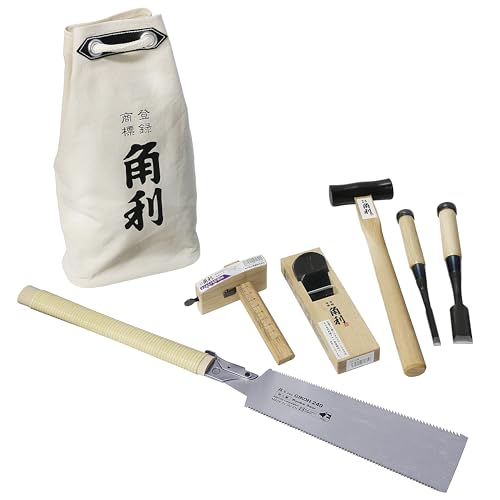
KAKURI Japanese Woodworking Hand Tool Set
Strengths
- Complete beginner set
- Authentic Japanese tools
- Includes carry bag
Trade-offs
- Hammer feels lightweight
- No blade sharpening stone
At this price, the KAKURI all-in-one set is one of the most compelling entry points into Japanese woodworking. It bundles a ryoba saw, two chisels, a plane, hammer, and marking gauge, all made in Japan, with a canvas roll that keeps everything organized. For someone building a starter kit, this eliminates the guesswork of piecing together compatible tools.
Each component reflects KAKURI’s reputation for thoughtful design. The saw cuts cleanly, the chisels are sharp and laminated for durability, and the plane performs as expected. While the hammer is basic, it’s functional. Compared to buying each item separately, this set offers real value without sacrificing authenticity.
Video review
KAKURI 3-Piece Japanese Chisel Set

Strengths
- Laminated steel blades
- Hoop-reinforced handles
- Hollow-ground backs
Trade-offs
- Only three sizes
- No wider chisels included
This three-piece KAKURI chisel set strikes an excellent balance between performance and price. The laminated blades, hard steel over soft iron, are easier to sharpen than full mono-steel and hold an edge well, which owners confirm after mortising and paring tasks. The hollow-ground backs reduce friction, and the white oak handles are reinforced with a hoop to withstand mallet use.
Compared to Western chisels with plastic handles, these feel more authentic and durable. While the set only includes three sizes, they cover most common needs. For the beginner or intermediate woodworker, this is the smarter buy over pricier boutique sets.
Video review
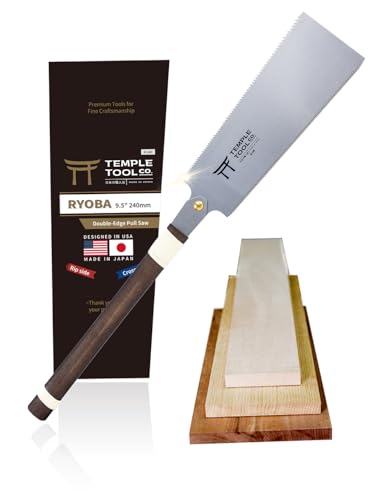
Temple Tool Co. 9.5″ Ryoba Pull Saw
Strengths
- Dual-cut teeth
- Long, smooth stroke
- Premium wood handle
Trade-offs
- Higher price point
- Heavier than mini saws
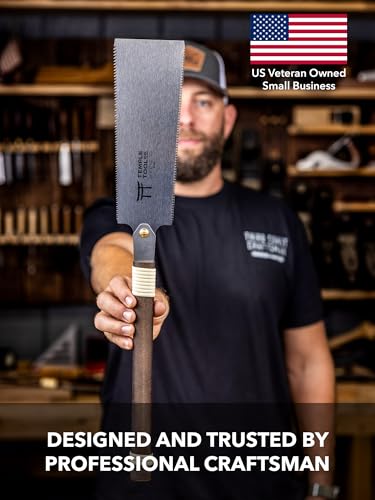
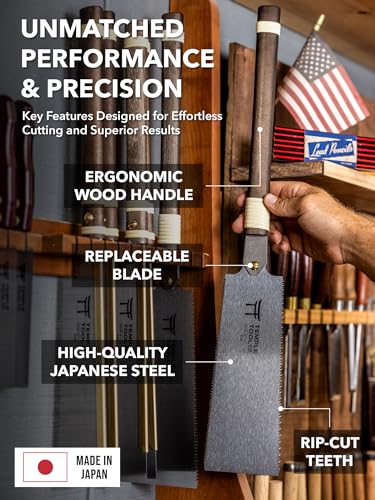
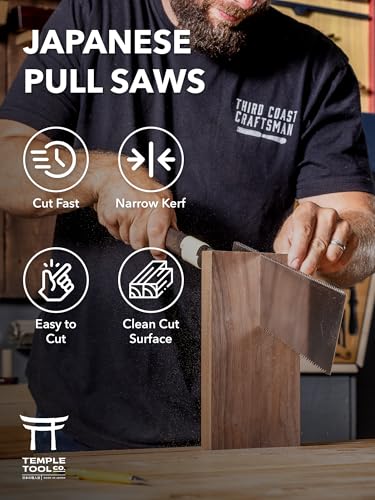
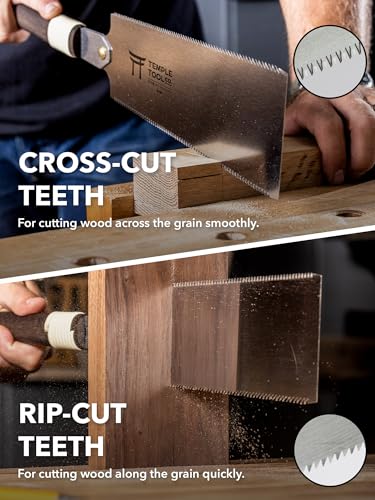
This Temple Tool Co. ryoba is the kind of saw I’d recommend as a primary hand saw for most woodworkers. The 9.5-inch blade offers enough length for smooth, controlled strokes, and the dual teeth, rip on one side, crosscut on the other, make it incredibly versatile. Whether you’re breaking down boards or cutting tenons, it handles both with ease.
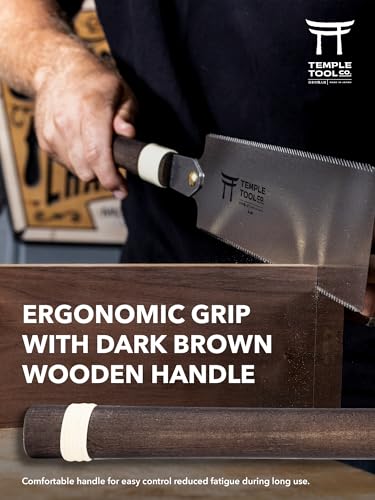
The wingnut wood handle feels substantial and well-balanced, and the brass fittings add durability. Owners consistently report that the blade stays sharp and the pull-cut design reduces fatigue. Compared to the smaller RUITOOL option, this one feels more refined and capable of heavier tasks. It’s a premium tool, but the performance justifies it.
Product photos
Temple Tool Co. 6″ Flush Cut Saw

Strengths
- Flush-cut precision
- Double-edge blade
- Solid beech handle
Trade-offs
- Short blade depth
- Not for thick stock
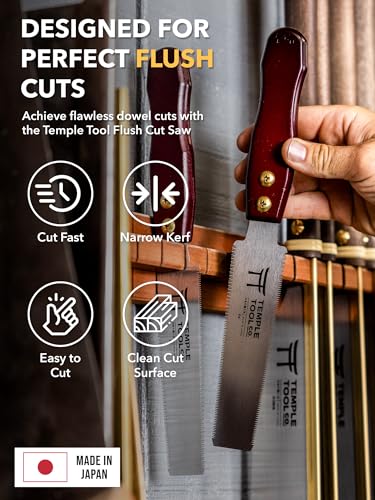
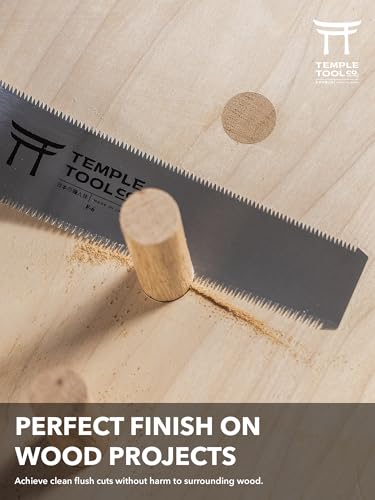
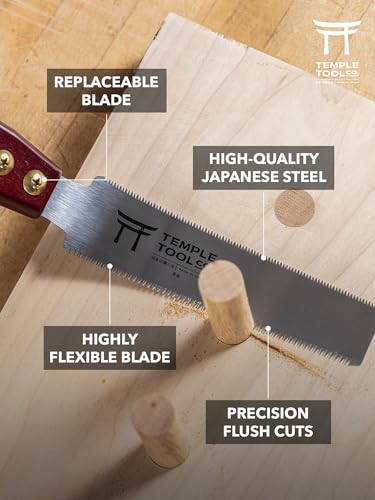
When you need to trim dowels or pegs flush without marring the surface, this Temple Tool Co. saw is purpose-built for the job. The double-edge design, one side for hardwood, one for softwood, adds versatility, and the pull-stroke action ensures a clean, controlled cut every time.
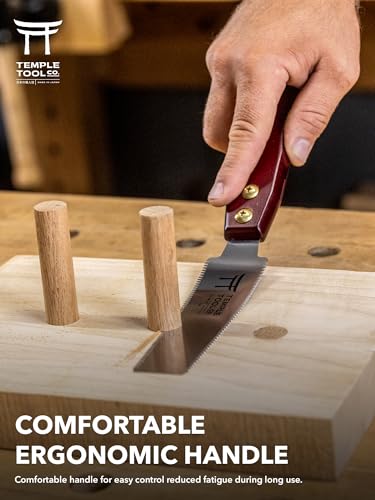
Owners praise the beechwood handle for comfort and the Japanese steel blade for staying sharp. It’s noticeably more refined than budget flush-cut saws, with a fit and finish that feels like a premium tool. While it’s not meant for resawing or deep cuts, it excels exactly where it should.
Product photos

RUITOOL 6″ Double Edge Ryoba Saw
Strengths
- Affordable price
- Double-edge blade
- Compact size
Trade-offs
- Basic handle finish
- Less durable long-term
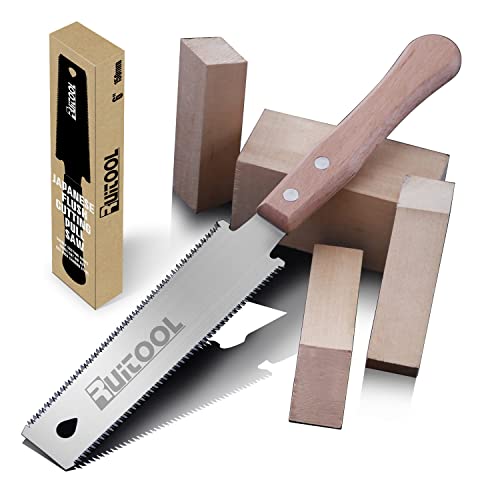
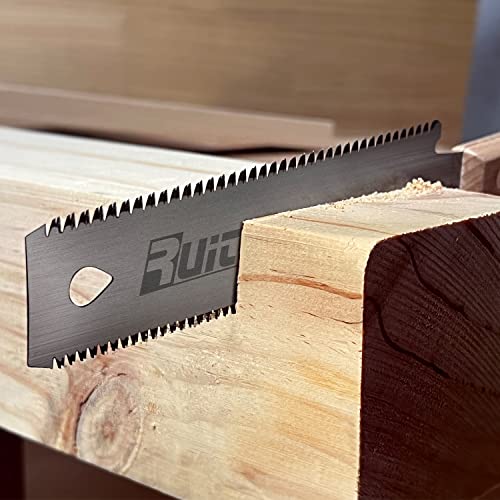
If you’re on a budget but still want a functional double-edge pull saw, the RUITOOL 6-inch model gets the job done. The SK5 high-carbon steel blade is heat-treated to HRC60-63, which sounds impressive on paper, and owners say it cuts cleanly on both hardwood and softwood.
It’s not as refined as the Temple Tool Co. saws, the handle feels more utilitarian, and the fit isn’t quite as tight, but for occasional use or as a backup, it’s perfectly adequate. The 6-inch length makes it great for flush cuts and tight spaces. As a budget-first option, it’s hard to beat.
Product photos



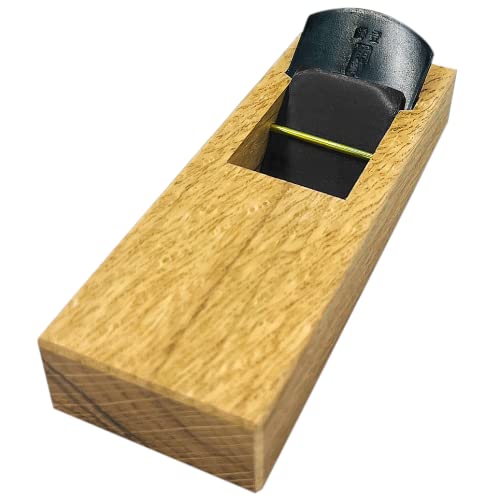
KAKURI 42mm Japanese Hand Plane
Strengths
- Razor-sharp blade
- Compact and lightweight
- Pull-stroke control
Trade-offs
- Requires blade tuning
- No lateral adjuster
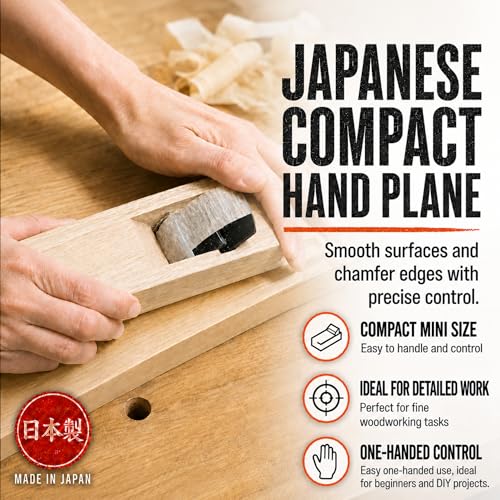
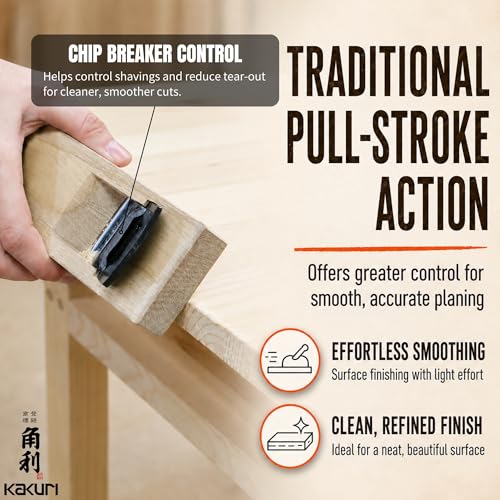
This little KAKURI plane is a gem for fine-tuning joints or cleaning up end grain, and the high-carbon steel blade is the real star, owners say it holds a keen edge and produces glass-smooth shavings with minimal effort. The pull-stroke design gives you more control than most Western block planes, and the compact size makes it ideal for tight spots.
The ECO oak body might raise eyebrows, but feedback shows it doesn’t affect performance. It’s worth noting that this plane needs blade tuning with a hammer before first use, which could deter absolute beginners. Still, for those willing to invest a few minutes in setup, it delivers professional results at a modest price.
Product photos


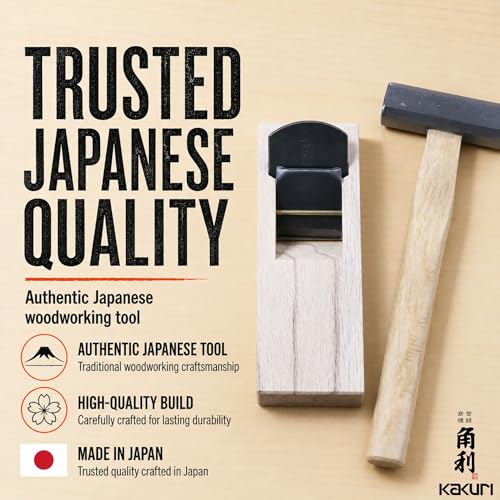
KAKURI 3.5″ Wood Marking Gauge

Strengths
- Carbon steel blade
- Retractable blade
- Natural bamboo body
Trade-offs
- No imperial markings
- Limited to 90 mm max
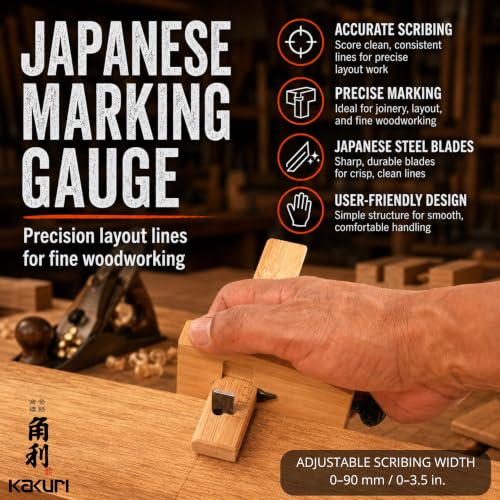
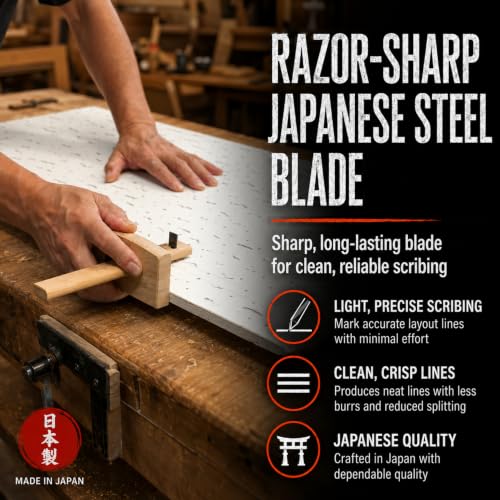
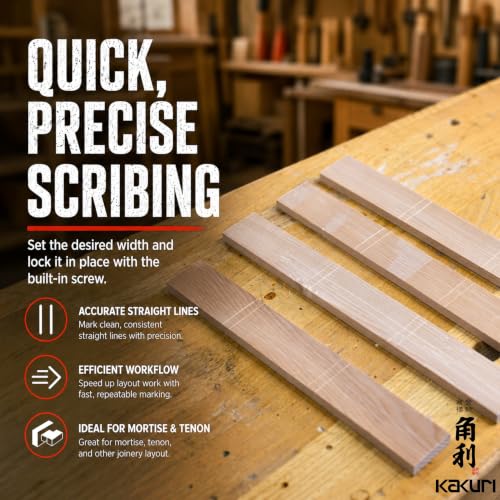
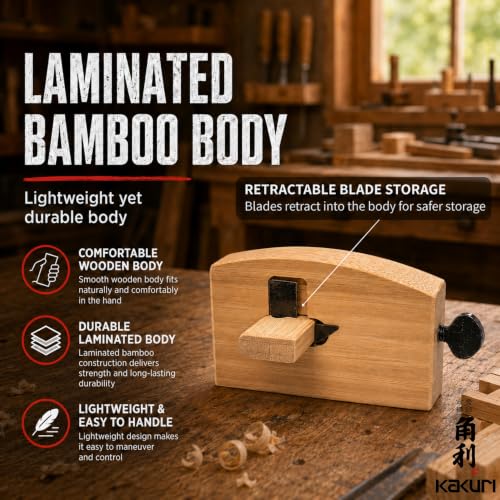
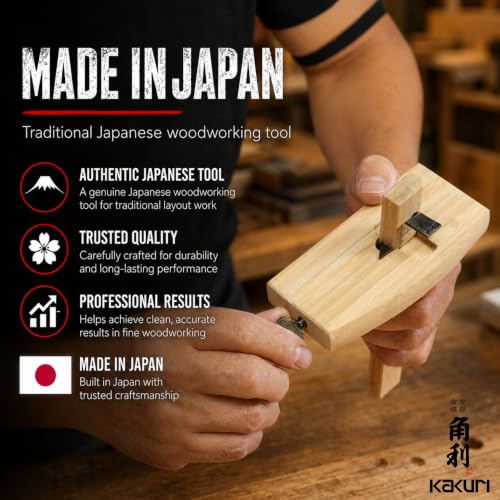
If you’re serious about precision in joinery, the KAKURI marking gauge stands out as a no-nonsense tool that delivers clean, repeatable lines. The carbon steel blade is sharp right out of the box, and the bamboo body feels balanced in hand, light but not flimsy. What really sets it apart is how the blade retracts into the body, making it safe to toss in a tool roll without worry.
Owners consistently report that the metric scale is easy to read and the hand-tightened screw mechanism holds its setting well, even after repeated use. Compared to Western-style gauges with metal bodies, this one feels more intuitive to adjust and track. For traditional Japanese layout work, it’s hard to beat.
Product photos
Shinwa 12″ Stainless Steel Square
Strengths
- High accuracy
- Rust-resistant steel
- Clear etched markings
Trade-offs
- No metric scale
- Slightly bulky
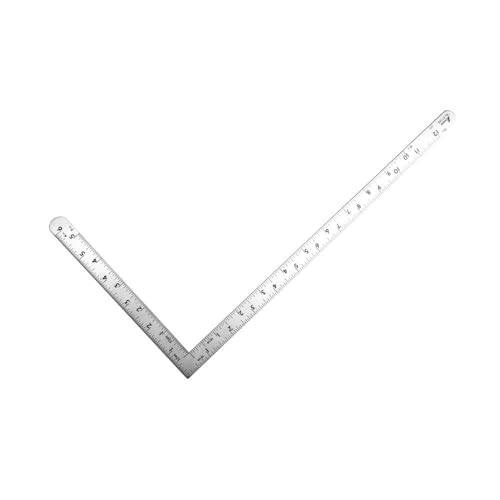
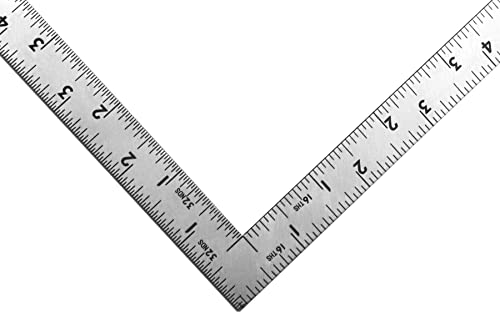
A square is only as good as its accuracy, and the Shinwa 12″ model delivers. The JIS-certified squareness is backed by real-world testing, owners confirm it’s dead-on, often within 0.002 inch over 12 inches. That kind of precision matters when you’re laying out dovetails or checking cabinet joints.
Made from polished stainless steel, it resists rust and the photo-etched markings stay legible even after years of use. It’s not flashy, but it’s dependable. Compared to pricier options from Woodpeckers or Incra, this one holds its own on accuracy while costing a fraction. For the price, it’s a no-brainer.
Product photos
How We Chose These japanese woodworking tools
Rather than a hands-on lab test, this selection is a research-led comparison of published specifications and owner feedback. I focused on identifying tools representing a range of price points and common needs for both beginners and more experienced woodworkers. We assessed products based on detailed feature lists, materials used, and, crucially, what current owners are saying about their performance and durability. This involved reading hundreds of reviews across multiple platforms, alongside expert opinions from woodworking publications.
For this category, the quality of the steel and the precision of manufacturing were paramount. Japanese woodworking tools are renowned for their sharpness and ability to create incredibly fine joinery, so blade material (typically high-carbon steel) and the overall build quality were heavily weighted. The durability of handles – often wood – and the thoughtful design for comfortable, extended use also played a significant role. Understanding these elements is key to finding tools that will last and improve with age.
Product specifications provide a reliable indication of blade hardness, steel type, and dimensions. However, owner feedback proved invaluable in assessing real-world sharpness, ease of maintenance (like sharpening), and how well the tools hold up to repeated use. I also considered the reputation of the manufacturer; brands with a long history of crafting quality tools, like those featured in our guide to high-quality Japanese chef’s knives, often deliver consistent performance. And, of course, a good set of tools deserves a good surface to work on, so exploring Japanese cutting boards is often a good next step.
How To Pick The Right japanese woodworking tools
Finding the right set of Japanese woodworking tools can feel daunting, but the payoff in precision and enjoyment is significant. These tools aren’t just about cutting wood; they represent a centuries-old tradition of craftsmanship and a different approach to the craft.
Japanese woodworking tools prioritize sharpness, lightweight materials, and pull-cutting action. Look for high-carbon steel blades, comfortable handles (often made of wood like Japanese White Oak or Wingnut), and designs that emphasize control over force. Blade hardness (HRC) is a key indicator of quality, with higher numbers indicating better edge retention. Consider the specific joinery techniques you plan to pursue when selecting your initial set.
Blade Steel and Hardness
The heart of any Japanese woodworking tool is its blade. While many modern tools use various steel alloys, the highest quality options will employ Japanese high-carbon steel, often laminated with softer iron for durability and ease of sharpening. The heat treatment process is equally critical; look for blades with a hardness rating of HRC 60 or higher. This indicates the steel has been hardened sufficiently to hold a very fine edge, essential for the clean cuts Japanese woodworking demands. The RUITOOL 6″ Double Edge Ryoba Saw boasts SK5 high-carbon steel, demonstrating a commitment to blade quality, while the KAKURI chisel sets also highlight the use of premium Japanese steel.
Saw Type and Tooth Configuration
Japanese saws, or nokogiri, differ significantly from their Western counterparts. They cut on the pull stroke, allowing for a thinner blade and more precise cuts. The tooth configuration is equally important. Ryoba saws, like the Temple Tool Co. 9.5″ Ryoba Pull Saw and RUITOOL 6” Ryoba Saw, feature both rip and crosscut teeth on opposite sides, making them versatile general-purpose tools. However, specialized saws exist for specific tasks. For instance, a flush-cut saw, such as the Temple Tool Co. 6” Flush Cut Saw, is ideal for trimming pegs and tenons. Knowing what you plan to build will dramatically narrow down the best saw for you.
- A basic Ryoba saw is a great starting point for most beginners.
- Consider a dozuki saw (a dovetail saw) if you plan on doing intricate joinery, as they provide exceptional control.
- If your focus is cleanup work and precise trimming, a flush-cut saw is an invaluable addition – they excel at getting into tight spaces and leaving a perfectly flush surface.
Beyond the Blade: Handles and Accessories
Don’t underestimate the importance of a comfortable handle. Traditional Japanese tool handles are often crafted from wood like Japanese White Oak or Wingnut, chosen for their feel and durability. Ergonomics matter, especially when you’re spending hours at the workbench. Beyond the tools themselves, consider investing in essential accessories like Japanese knife sharpeners to maintain those incredibly sharp edges. Properly maintained tools will last a lifetime, and understanding how to care for your new investment is crucial. If you’re also planning on using Japanese blades for cooking, exploring a selection of Japanese knives could be a worthwhile investment.
A dull Japanese woodworking tool is a dangerous one. Prioritize learning how to sharpen your blades properly; a properly maintained edge is safer and more efficient than forcing a dull one.
Japanese Woodworking Tools Compared
Here’s a comparison of key specifications for several Japanese woodworking tools to help you choose the right set for your needs.
| Product Title | Best For | Blade Material | Blade Length/Width | Handle Material | Key Features |
|---|---|---|---|---|---|
| KAKURI Hand Tool Set | Best Overall | Japanese Steel | 9.5″ (Saw), Varies | Wood, Canvas Bag | 6-piece set, Made in Japan |
| KAKURI 3-Piece Chisel Set | Best Value Chisels | Japanese High Carbon Steel | 9, 15, 24 mm | Japanese White Oak | 3 Chisels, Laminated Blade |
| Temple Tool Co. 9.5″ Ryoba Pull Saw | Best Premium Pull Saw | Japanese Steel | 9.5″ | Wingnut Wood, Brass | Double-Edge, Rip/Crosscut |
| Temple Tool Co. 6″ Flush Cut Saw | Best for Flush Cuts | Japanese Steel | 6″ | Beach Wood, Brass | Flush Cutting, Precision |
| RUITOOL 6″ Double Edge Ryoba Saw | Best Budget Pull Saw | SK5 High-Carbon Steel | 6″ | N/A | Double-Edged, 14/17 TPI |
| KAKURI 42mm Hand Plane | Best Traditional Plane | Japanese High Carbon Steel | 42mm (Blade Width) | ECO Oak | Traditional Kanna Plane |
| KAKURI 3.5″ Wood Marking Gauge | Best Marking Tool | Japanese Carbon Steel | 90mm (Max Width) | Natural Bamboo | Adjustable, Storable Blade |
| Shinwa 12″ Stainless Steel Square | N/A | Stainless Steel | 12″ | N/A | Imperial Graduations, Durable |
Frequently Asked Questions
What level of sharpening skill is required to maintain these tools?
These tools demand consistent sharpening, but not necessarily advanced skill. While mastering traditional sharpening techniques takes time, achieving a usable edge is possible with practice and the right tools – exploring Japanese whetstones is a good starting point for learning.
Are these tools suitable for a beginner woodworker?
Yes, a Ryoba saw is an excellent choice for beginners. Their versatility allows for learning various cuts, and the pull-stroke action is often easier to control than push saws, though a commitment to learning sharpening is essential.
How do Japanese woodworking tools differ from Western tools in terms of grip and comfort?
Japanese tools often feature handles designed for a different grip style, emphasizing control and finesse over brute force. The handles, frequently made from wood like Japanese White Oak, are often slimmer and require a more precise hand position than many Western-style handles.
What is the typical lifespan of a high-quality Japanese woodworking tool?
With proper care and regular sharpening, a high-quality Japanese woodworking tool can last for generations. The durable steel and thoughtful construction mean these aren’t disposable tools; they are investments intended to be passed down.
Can these tools be used on hardwoods, or are they better suited for softer woods?
While they excel with softwoods, high-quality Japanese woodworking tools, particularly those with hardened steel blades, can effectively work with hardwoods. However, hardwoods will require more frequent sharpening and may demand a slower, more deliberate approach to cutting. You might also benefit from exploring Japanese scissors for detail work.
The Bottom Line
Choosing Japanese woodworking tools often comes down to balancing initial investment with long-term quality and enjoyment. While a complete set can be a significant expense, the precision and durability of tools like the KAKURI Hand Tool Set ultimately offer the best overall value, providing a foundation for years of satisfying work. It’s a commitment to the craft, and one that will pay dividends in the quality of your finished pieces.
For those starting out or seeking specific solutions, there are excellent options at various price points. The RUITOOL 6″ Double Edge Ryoba Saw is a fantastic entry point for anyone new to pull saws, while the KAKURI 3-Piece Chisel Set provides exceptional value for those needing a reliable set of chisels. If you’re also interested in the artistry behind Japanese blades, exploring best Japanese knife sets can offer a fascinating parallel to the world of woodworking.
Ultimately, the most important aspect isn’t any single specification or brand, but rather a dedication to learning and maintaining your tools. A sharp blade, properly used and cared for, will always outperform an expensive, dull one. And don’t forget to consider complementary tools – if you’re working with wood outdoors, you might also find our guide to Japanese pruning shears helpful for preparing your materials.
