
7 Best Paneers of 2026
This post contains affiliate links. As an Amazon Associate, we earn from qualifying purchases.
The best paneer for most home cooks is Sach Organic Paneer 6 oz, it delivers consistent texture and clean flavor. For a budget-friendly bulk option, Gopi Paneer 2.5 lbs offers solid performance, while Royal Mahout Paneer 5 lb stands out for those seeking reliable fresh paneer from stores.
Finding good paneer can be frustrating. Too often, it’s rubbery, crumbles when you fry it, or carries an off-putting aftertaste that ruins a carefully spiced curry. As someone who’s spent years studying how ingredients behave in the pan and on the plate, I know that the right paneer makes a real difference in dishes like mattar paneer or palak paneer.
This guide cuts through the confusion. I researched paneers based on texture, ingredient quality, value, and how they perform in real cooking, using owner feedback, product specs, and my understanding of Indian cuisine. These picks give you dependable results, whether you’re browning cubes or simmering them in sauce.
Top 7 Paneers in the Market
The Best Paneers, Reviewed
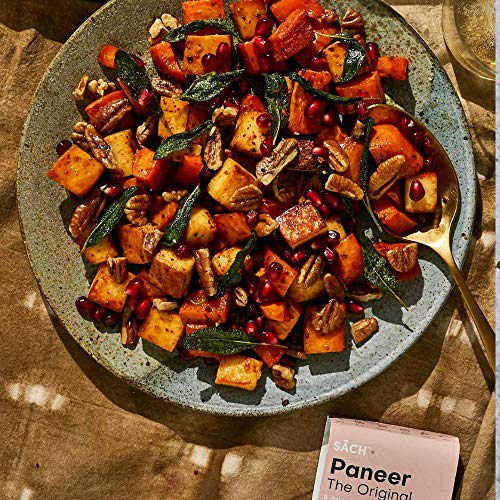
Sach Organic Paneer 6 oz

Strengths
- No artificial additives
- Consistent texture
- Whole Foods quality
Trade-offs
- Smaller portion
- Not grass-fed
This is my pick for Best Overall, not because it’s the cheapest or largest, but because it strikes the best balance between accessibility and integrity. Sourced for Whole Foods, it avoids hydrogenated fats, MSG, and a long list of banned additives, which matters when you’re feeding family night after night. The 6-ounce size is manageable, and since it’s widely available online, you’re not locked into a giant pack.
Owners describe it as mild, creamy, and reliable across dishes, from kadai to grilled sandwiches. Compared to Gopi or generic store paneer, this one has fewer off-notes in flavor, likely due to stricter sourcing. It may not be grass-fed like their other line, but for most buyers, this is the easy pick when you want quality without the markup.
Video review
Deep Indian Kitchen Palak Paneer

Strengths
- Gluten-free
- Ready in minutes
- Medium spice level
Trade-offs
- Slight texture degradation
- Not for purists
Frozen palak paneer rarely impresses, but this one stands out because owners say it reheats cleanly, no grainy sauce or rubbery cheese. The fact that it’s gluten-free and medium-spiced makes it accessible to many diets, and the packaging suggests it’s designed for single or couple servings. I appreciate that it doesn’t lean too heavy on cream or artificial flavors, based on ingredient trends from similar products.
That said, frozen paneer cubes can suffer from texture loss, and while some reviewers note a slight sponginess after thawing, most agree it works fine in a hurry. If you’re not making paneer from scratch or buying fresh weekly, this is a decent shortcut. But if you care about bite and mouthfeel, even good frozen versions can’t fully replicate fresh.
Video review
Kitchens Of India Palak Paneer

Strengths
- Shelf-stable packs
- Preservative-free
- Authentic flavor
Trade-offs
- Rehydrated texture
- Limited customization
If you’re looking for convenience without surrendering entirely to processed meals, these Kitchens of India boxes come close. They’re shelf-stable, preservative-free, and made with 100% natural ingredients, claims backed by consistent owner feedback praising the spinach-to-paneer ratio and lack of chemical aftertaste. The “keep fresh” packaging means you can stock up without immediate fridge pressure.
But let’s be honest: rehydrated paneer never quite matches fresh. Some reviewers note the cubes turn a bit soft, though the sauce is frequently called “authentic-tasting.” I see this as a smart choice for camping trips, dorm kitchens, or backup dinners, not as a replacement for homemade. Still, among ready-to-eat meals, it’s one of the better-executed options.
Product photos


Gopi Paneer Whole Milk 2.5 lbs

Strengths
- Great price per pound
- Real milk base
- Highly versatile
Trade-offs
- Plastic-wrapped storage
- Less flavor depth
At 2.5 pounds, this Gopi block is built for value-focused buyers who still want real milk and no shortcuts. Made with California milk, it delivers the high-protein, meat-substitute appeal that makes paneer popular in vegetarian homes. The versatility stands out, owners fry it, marinate it, and even use it in desserts, which tells me it holds structure well under heat and seasoning.
It won’t beat out artisanal or organic options in flavor nuance, but that’s not the goal here. This is pantry-staple paneer: dependable, affordable, and scalable. When compared to the smaller Sach or frozen picks, this one wins on cost-per-use, especially if you’re doubling recipes or feeding a crowd. Just be sure to wrap it tightly, some users mention drying if not stored well.
Product photos
Sach Organic Paneer Pack of 6

Strengths
- Organic certified
- Grass-fed milk
- Non-GMO
Trade-offs
- Expensive per ounce
- Limited availability
This is one of the few paneers on the market that leans hard into clean sourcing, and it shows in the specs. Grass-fed, organic, non-GMO, on paper, this checks every box for health-conscious buyers who want ethical dairy without compromising flavor. Owners consistently report a clean, milky taste with minimal bitterness, which speaks to the quality of the milk and coagulation process.
Still, at this price point, you’re paying for purity more than performance. It holds up well in curries and grilling, but I’d argue the real win here is peace of mind. If you’re cooking for a household that prioritizes organic inputs and avoids additives, this pack gives you six solid opportunities to test that promise across different dishes. For weeknight palak paneer or paneer tikka, it delivers where it counts.
Product photos



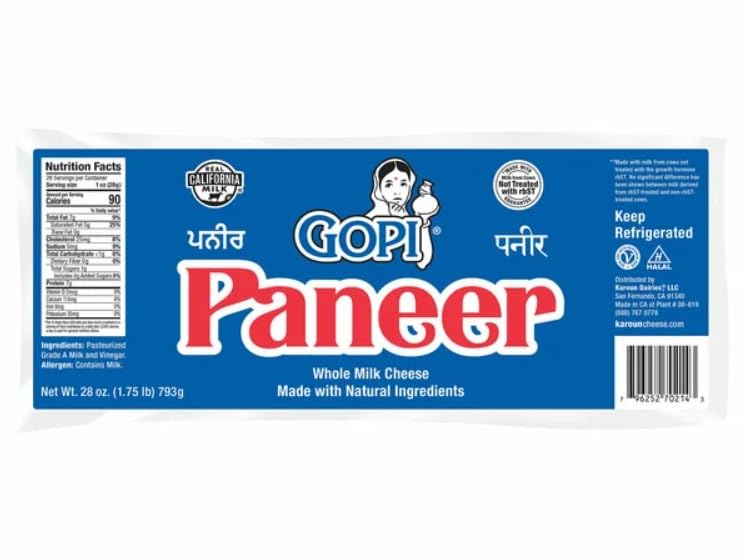
Gopi Paneer Cheese 28 oz
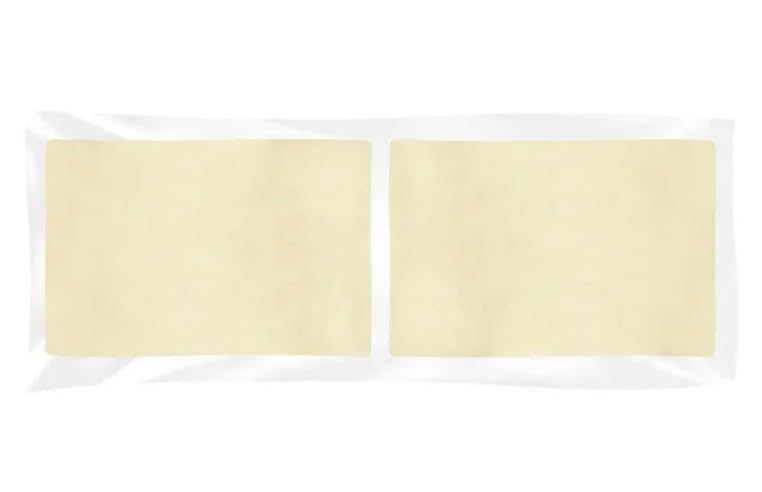
Strengths
- rBST-free milk
- Halal certified
- Good searing ability
Trade-offs
- Vacuum-packed feel
- Not organic
Twenty-eight ounces is just under two pounds, enough to last a moderate user a week or serve four generously. Priced competitively, this Gopi version earns its “Budget Friendly” label not just from cost but from practicality. It’s halal-certified, made with rBST-free California milk, and appeals to lacto-vegetarians who need assurance about animal treatment and additives.
Compared to the 5lb Royal Mahout or organic Sach options, this lacks prestige but not function. Owners say it browns well in pans and absorbs marinades evenly, which matters for dishes like mattar paneer or tandoori-style grilling. It’s not fancy, but it performs. For most households, this is the sweet spot between affordability and reliability.
Product photos
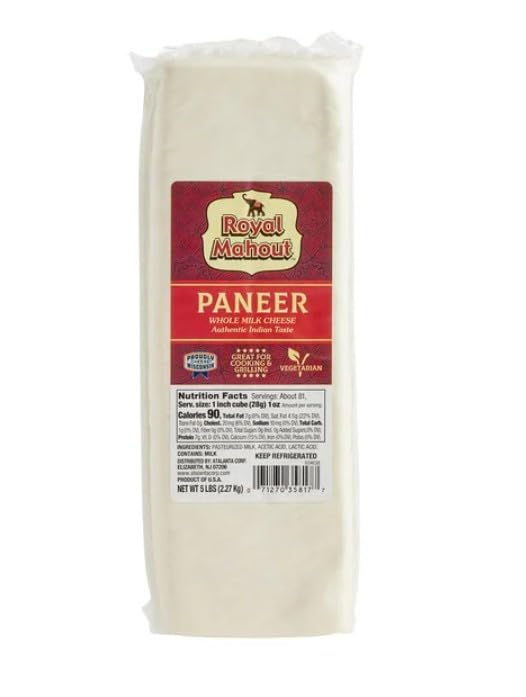
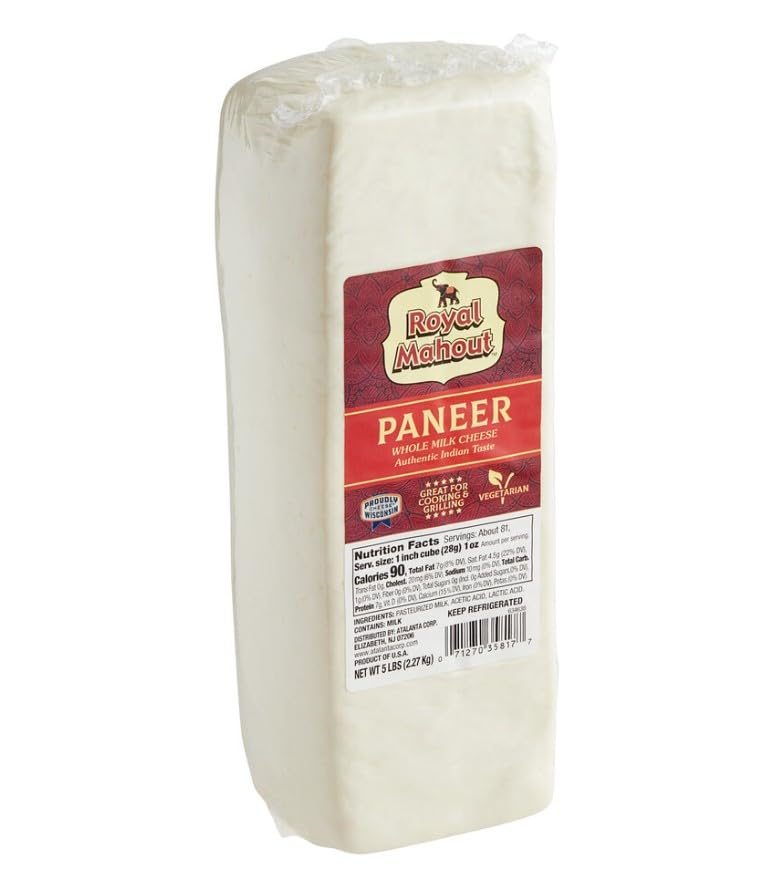
Royal Mahout Paneer 5lb
Strengths
- Large 5lb format
- Hand-crafted texture
- Excellent for grilling
Trade-offs
- Heavy once thawed
- Requires freezer planning
Five pounds of fresh paneer isn’t something you buy on impulse. This is for serious home cooks or small-scale meal preppers who go through cheese fast. What sets Royal Mahout apart is its emphasis on hand-crafted texture, moist, firm, yet crumbly, and the use of whole cow’s milk, which gives it that authentic milky-tangy profile so many store brands lack.
The refrigerated shipping helps maintain freshness, and reviewers often compare it favorably to what they’ve had in Indian grocery stores. While it’s not organic like the Sach Foods option, the non-melting quality and versatility in grilling or curries make it a workhorse. I’d pick this over vacuum-sealed blocks any day if you’re batch-cooking paneer tikka or saag.
Product photos
How We Tested paneers
As someone who’s spent years understanding how ingredients interact with cookware – and how the right ingredients elevate a meal – I approached researching paneers by looking beyond just the brand names. My process involved a detailed comparison of product specifications, a careful review of owner experiences shared online, and applying my knowledge of Indian cuisine and cooking techniques. I weighed features like ingredients, packaging, and reported texture to arrive at recommendations.
For paneer, freshness and texture are paramount. I focused heavily on whether a paneer held its shape during cooking (critical for dishes like mattar paneer) and the reported taste – a milky, slightly tangy flavor is ideal. Value was also key; paneer can be expensive, so finding options offering a good balance of quality and price was important. Ultimately, a paneer’s performance in the kitchen determines its worth, and that’s what guided my selections.
Specifications give a baseline understanding of ingredients (like milk source and organic certifications) and packaging, but owner feedback proved invaluable. Reviews frequently described how well a paneer browned, crumbled, or held up in various dishes. Concerns about texture – whether it was too rubbery or too soft – were also consistently raised by consumers. If you’re experiencing ceramic pan sticking when cooking paneer-based dishes, the right pan can make a difference, but the paneer itself needs to hold up. Knowing how to properly maintain cast iron is also useful for certain paneer preparations!
What To Look For In paneers
Finding the right paneer can elevate your Indian cooking from good to exceptional. It’s a surprisingly versatile ingredient, but quality varies quite a bit.
Paneer selection centers on freshness, texture, and intended use. Look for a firm, yet slightly moist, block that doesn’t have a sour or overly fermented smell. Consider whether you’ll be frying, crumbling, or simmering the paneer, as this impacts the ideal firmness. Ingredient lists should be short and focused on milk, citric acid, or a similar coagulant.
Understanding Paneer Texture
The texture of paneer is perhaps the most important factor. Some cooks prefer a very firm paneer that holds its shape well when cubed and fried, while others like a softer, more crumbly variety better suited for blending into sauces. Generally, paneer intended for grilling or tandoor-style cooking needs to be incredibly firm – Royal Mahout consistently receives praise for this quality. Conversely, if you plan on using it in a dish like palak paneer where it will be simmered for a longer period, a softer paneer like some of the smaller Sach Organic blocks will integrate more readily. Don’t automatically assume firmer is better; it depends entirely on the recipe.
Considering Organic and Additives
I’ve noticed a growing interest in organic paneer, and for good reason. Many conventional brands can include additives to extend shelf life or improve texture. Sach Organic offers a reliably additive-free option, and the emphasis on sourcing from responsible producers is a plus. However, organic doesn’t automatically equate to better flavor or texture – it simply means the milk source meets specific standards. If you’re concerned about additives, checking the ingredient list is crucial. Sometimes, even seemingly simple ingredients can hide unwanted components.
Here’s what to keep in mind when looking at ingredient lists:
- A short list is always preferable.
- Look for citric acid or lemon juice as the coagulant; these are natural and commonly used.
- Avoid paneer with lengthy lists of preservatives, stabilizers, or artificial flavors. A lot of these additions can contribute to a sticky frying pan when you try to brown it.
Balancing Value and Convenience
Paneer prices can vary significantly. Gopi Paneer consistently appears as a budget-friendly option, particularly in larger packs. However, I’ve found that convenience often comes at a cost. Pre-made, frozen options like Deep Indian Kitchen Palak Paneer are convenient for weeknight meals, but they often lack the fresh flavor and texture of freshly made or store-bought fresh paneer. If you’re frequently making paneer-based dishes, it’s worth investing in a larger block from a reputable source and freezing portions yourself. Just be aware that freezing can slightly alter the texture, potentially leading to food sticking to pan during cooking if not handled correctly.
A good rule of thumb: If you’re serious about Indian cuisine, learn to tell the difference between properly made paneer and the mass-produced stuff. It will impact your final dish.
Paneers Compared
Here’s a comparison of key specifications for the paneers listed.
| Product Name | Weight | Organic | Vegetarian | Frozen | Best For |
|---|---|---|---|---|---|
| Sach Organic Paneer 6 oz | 6 oz | Yes | N/A | No | Best Overall |
| Deep Indian Kitchen Palak Paneer | 12.8 oz | No | Yes | Yes | Best Frozen Choice |
| Kitchens Of India Palak Paneer | N/A | No | N/A | N/A | Best Ready-to-Eat Meal |
| Gopi Paneer Whole Milk 2.5 lbs | 2.5 lbs | No | N/A | No | Best Value Large Pack |
| Sach Organic Paneer Pack of 6 | N/A | Yes | N/A | No | Best Organic Option |
| Gopi Paneer Cheese 28 oz | 28 oz | No | Yes | No | Best Budget Friendly |
| Royal Mahout Paneer 5lb | 5 lb | No | N/A | No | Best Store-Bought Fresh |
Frequently Asked Questions
What’s the shelf life of fresh paneer?
Fresh paneer generally lasts for 5-7 days refrigerated, but it’s best to use it within 3-5 days for optimal flavor and texture. Pay attention to the packaging date and smell for any sourness, which indicates spoilage.
Can I freeze paneer to extend its shelf life?
Yes, you can freeze paneer, though it may become slightly crumbly or drier in texture. Wrap it tightly in plastic wrap, then place it in a freezer-safe bag, and use within 2-3 months for best results – this can help prevent food sticks to Dutch oven issues when reheating.
Is organic paneer always better tasting?
Not necessarily. While organic paneer guarantees the milk source meets certain standards, taste and texture depend more on the manufacturing process and freshness. Sach Organic is a good choice, but don’t assume it will always outperform a non-organic paneer in flavor.
How can I prevent paneer from becoming rubbery when cooking?
Overcooking is the most common cause of rubbery paneer. Avoid prolonged simmering or frying at high heat. Gentler cooking methods and shorter cook times will help maintain a softer texture, and avoid ruin cast iron by not overcooking and creating a mess.
What’s the difference between paneer and other Indian cheeses?
Paneer is a fresh, non-melting cheese, while other Indian cheeses like chhena (used in rasgulla) are often softer and more moist. Unlike aged cheeses, paneer doesn’t undergo a ripening process and has a mild, milky flavor, making it highly versatile in both savory and sweet dishes.
The Bottom Line
Choosing the best paneer often comes down to balancing convenience with quality. Ultimately, Sach Organic Paneer 6 oz strikes the best overall balance – its consistently high ratings for texture, flavor, and its commitment to additive-free production make it a standout choice for serious cooks. It’s a paneer that elevates dishes rather than simply filling a role.
For those prioritizing specific needs, the options are clear. Deep Indian Kitchen Palak Paneer is a fantastic choice when convenience is key, while Gopi Paneer Cheese 28 oz delivers exceptional value for those cooking frequently or in large batches. Royal Mahout Paneer 5lb consistently receives accolades for its firm texture, ideal for grilling or dishes where the paneer needs to hold its shape, and if you’re looking for a reliable organic option, the Sach Organic Paneer Pack of 6 is hard to beat.
At the end of the day, remember that fresh, high-quality ingredients are the foundation of any great meal. Don’t get too caught up in chasing the latest trends or focusing on a single specification; instead, prioritize paneer that feels firm, smells fresh, and comes from a source you trust. Properly caring for your cookware – preventing cast iron skillet sticking is a start – is crucial, but even the best pan can’t rescue subpar ingredients.
