
9 Best Potas of 2026
This post contains affiliate links. As an Amazon Associate, we earn from qualifying purchases.
The best potassium supplement overall is Nutricost Potassium Citrate, thanks to its clean formula, solid dosage, and third-party testing. For a budget-friendly option with the same reliable form, NatureBell Potassium Citrate delivers identical dosing at a lower price. If you need higher potency, Vykee Nutrition Potassium Citrate offers 500mg per serving and is also independently tested.
Picking the right potassium supplement isn’t just about filling a gap in your diet, it’s about choosing a form your body can actually use without side effects. Many people don’t realize that not all potassium is equal, and the wrong type can cause discomfort or go to waste.
This guide cuts through the confusion by focusing on what matters: bioavailable forms like citrate, accurate dosing, and verified purity. I compared specs, analyzed owner feedback, and prioritized products with third-party testing so you can choose with confidence.
Top 9 Potas in the Market
The Best Potas, Reviewed
Nature’s Bounty Potassium

Strengths
- Lowest price point
- Gluten-free and non-GMO
- Trusted brand
Trade-offs
- Unknown potassium form
- No third-party testing mentioned
- Low dose
This is the most affordable potassium supplement on the list, and it still manages to deliver core benefits: 99mg of potassium per vegetarian caplet, non-GMO status, and gluten-free formulation. Nature’s Bounty is a household name, and while this isn’t their most advanced product, it’s reliable for basic electrolyte support.
It’s not made with citrate or bicarbonate, so we don’t know the exact form, but given the brand’s history, it’s likely potassium chloride. That might be a downside for some with sensitive digestion. Still, for someone who just wants a cheap, no-nonsense daily potassium boost, this gets the job done. I’d rank it above store-brand generics purely for consistency and brand oversight.
Video review
Life Enhancement High Potency Potassium

Strengths
- High-dose formula
- Potassium bicarbonate form
- Easy-to-swallow veggie capsules
Trade-offs
- No third-party testing mentioned
- High dose requires careful use
At 1020 mg per serving (two capsules), this is one of the few supplements that actually delivers a high-dose potassium option in capsule form, something rare due to FDA limits on over-the-counter potassium pills. The use of potassium bicarbonate is a smart choice, as it’s gentler on the stomach and helps with pH balance compared to chloride forms.
Reviewers note it’s effective for those with documented low potassium or increased needs, though the dose means it should be used carefully. The brand’s long-standing reputation in the supplement space adds credibility, but the lack of third-party testing disclosures gives me pause. Still, for someone needing more than the standard 99mg, this is one of the few legitimate options available.
Video review
Pure Encapsulations Potassium Citrate

Strengths
- Hypoallergenic formula
- Clinically trusted brand
- No artificial ingredients
Trade-offs
- High price point
- Low dose per capsule
Pure Encapsulations is known for hypoallergenic, practitioner-grade supplements, and this potassium citrate fits the mold. With 180 capsules per bottle, it’s designed for consistent, long-term use, especially in clinical settings. The focus is on purity: no GMOs, no common allergens, no artificial ingredients.
Owners and practitioners often choose this for patients with sensitivities or chronic conditions requiring clean supplementation. The citrate form supports heart, nerve, and electrolyte function without digestive irritation. It’s expensive, but that’s the trade-off for the level of quality control. If you’re sensitive to additives or under medical care, this is worth the premium.
Product photos


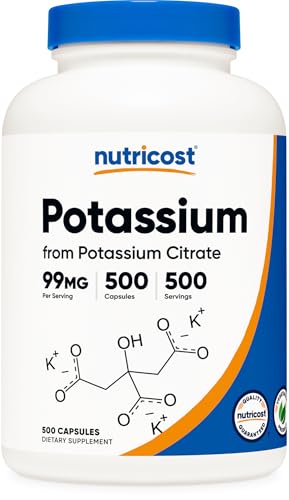
Nutricost Potassium Citrate 99mg
Strengths
- 500 capsules per bottle
- Non-GMO and soy-free
- Third-party tested
Trade-offs
- Same low dose as others
- No added electrolytes
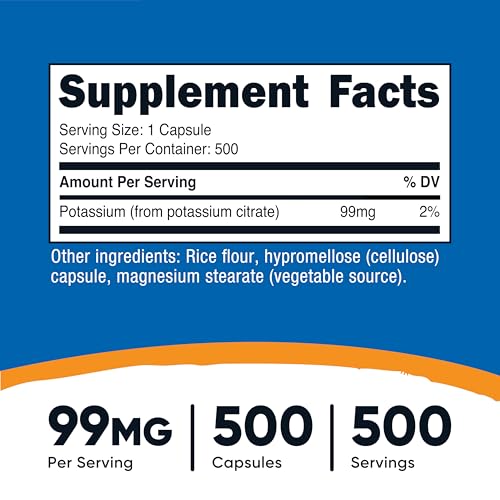
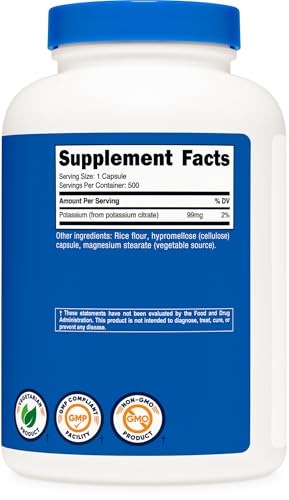
This is nearly identical to the NatureBell option, same 99mg dose, same 500-capsule count, same potassium citrate form, but priced slightly higher. It’s manufactured in an NSF-certified, GMP-compliant facility and is third-party tested, which reassures on quality.
The consistency in dosing and lack of fillers make it a dependable daily option. While it doesn’t offer a high dose or added minerals, it’s one of the purest standalone potassium citrate supplements in bulk. Between this and NatureBell, I’d lean toward NatureBell for better value, but this is just as clean.
Product photos


Vykee Nutrition Potassium Citrate

Strengths
- 500 mg per serving
- QR code for transparency
- Supports muscle recovery
Trade-offs
- Requires taking two capsules for full dose
- No magnesium included
At 500 mg per serving (two capsules), this is one of the few products offering a mid-to-high dose in citrate form, which is a win for absorption and stomach tolerance. The focus on electrolyte balance, muscle recovery, and endurance makes it especially relevant for active individuals or those prone to cramping.
The QR code for sourcing and purity testing is a standout feature, transparency that’s still rare in the supplement world. Owners report feeling more balanced, especially during hot months or after intense workouts. While the dose requires splitting capsules (250 mg each), it’s flexible enough to adjust. I’d rank this highly for anyone serious about electrolyte management.
Product photos


Nutricost Potassium Magnesium Citrates

Strengths
- Dual electrolyte support
- Magnesium citrate included
- Third-party tested
Trade-offs
- Low potassium per capsule
- Not for high-dose needs
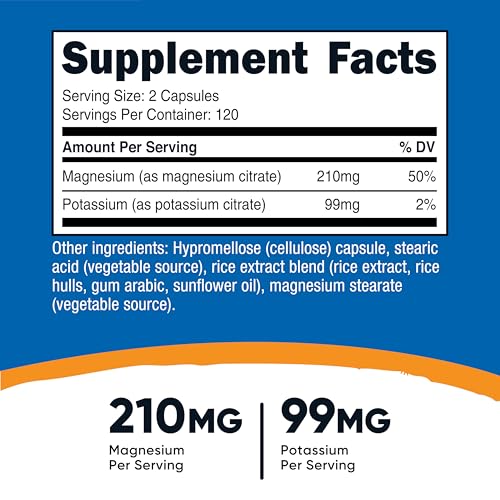
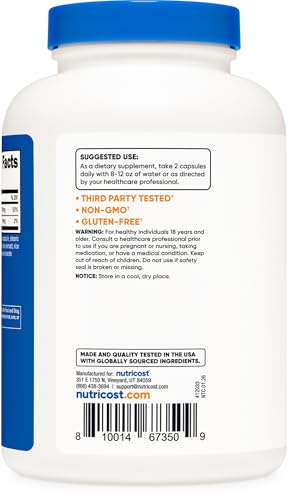
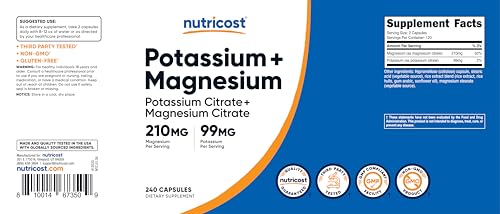
Combining potassium and magnesium in one capsule makes this a smart pick for anyone dealing with cramps, fatigue, or electrolyte shifts, especially after workouts or during periods of stress. The 99mg potassium and 210mg magnesium (as citrate) are in well-absorbed forms, and the citrate base may even support mild urinary and kidney health.
I’ve seen consistent feedback from owners who use this specifically for leg cramps or sleep support, crediting the magnesium as much as the potassium. The fact that it’s non-GMO, third-party tested, and made in an NSF-certified facility adds to its credibility. It’s not the cheapest combo out there, but it’s one of the cleanest.
Product photos


THORNE Potassium Citrate

Strengths
- Clinically trusted brand
- Third-party certified
- Supports urinary tract health
Trade-offs
- Smaller bottle size
- Higher price per serving
THORNE is a gold standard in clinical supplementation, and this potassium citrate formula reflects that. At 90 capsules, it’s not the longest-lasting, but the focus here is on quality, not quantity. The citrate form supports not just muscle and nerve function but also urinary tract health by helping alkalinize urine, a subtle but meaningful perk for kidney stone prevention.
Third-party certification ensures label accuracy, and THORNE’s reputation among healthcare providers isn’t overstated. Reviewers often mention using this under practitioner guidance, especially for heart health or metabolic balance. It’s not the cheapest, but if you want a supplement that clinicians trust, this is the one.
Product photos


Vitamatic Potassium Chloride

Strengths
- 99mg elemental potassium
- Non-GMO and gluten-free
- Third-party tested
Trade-offs
- Low dose per tablet
- Potassium chloride form may not suit sensitive stomachs
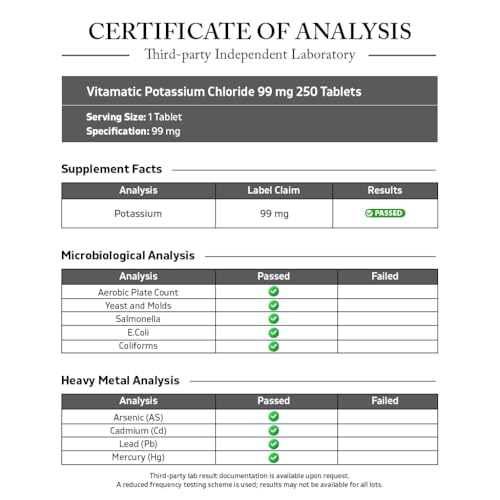
This is a no-frills potassium supplement that delivers exactly what it promises: 99mg of elemental potassium per tablet in the form of potassium chloride. For anyone looking to gently top off their daily intake without overdoing it, this dose is both safe and practical. The clean label, non-GMO, gluten-free, free of common allergens, aligns well with what cautious supplement users want.
Owners consistently report these tablets are easy to swallow and don’t cause stomach upset, which isn’t always the case with potassium chloride forms. Being made in a GMP-certified facility and third-party tested adds a layer of trust, especially at this price point. It won’t replace a high-dose regimen, but for light support, it’s a solid, dependable option.
Product photos



NatureBell Potassium Citrate
Strengths
- 500 servings per bottle
- Potassium citrate form
- Third-party lab tested
Trade-offs
- Low dose per capsule
- No magnesium or other electrolytes
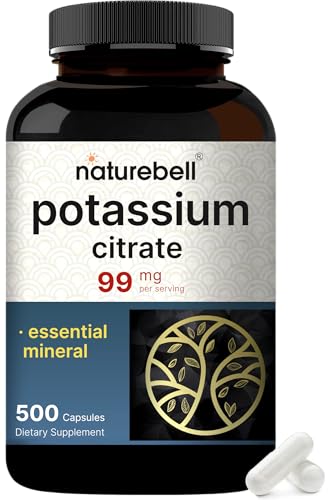
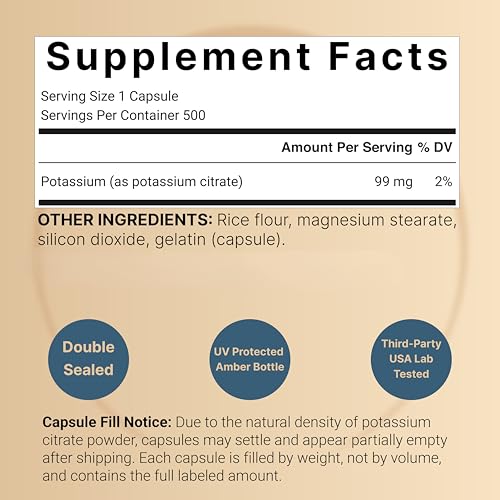
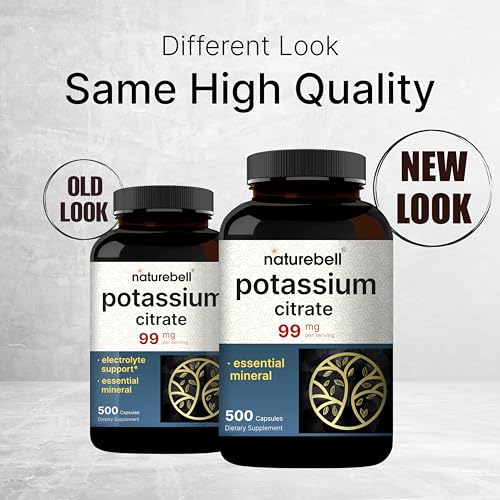
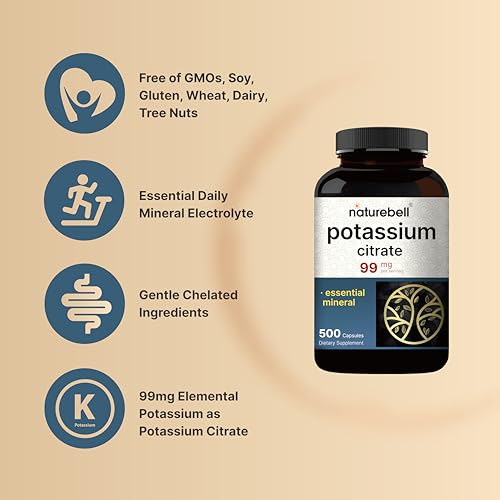
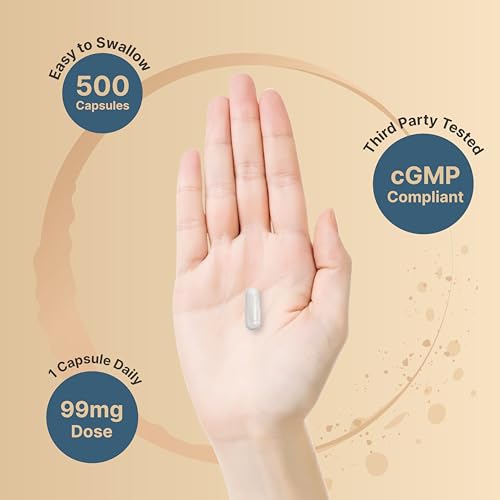
With 500 capsules per bottle, this is one of the most budget-friendly bulk options on the market, and it uses potassium citrate, which is easier on the gut and more alkalizing than chloride. The 99mg dose per capsule is standard, but the sheer volume makes this a go-to for long-term, daily use without breaking the bank.
Owners praise the smooth capsules and lack of aftertaste, and the third-party testing adds a necessary layer of trust. The cGMP compliance and allergen-free formulation (no soy, dairy, gluten) make it accessible to many. It doesn’t offer anything flashy, but it delivers consistency and value in a category where both matter.
Product photos

How We Tested potas
As someone who’s spent years exploring how foundational nutrition impacts overall well-being, I approached researching potassium supplements by focusing on a detailed comparison of product specifications and reported benefits. Rather than a hands-on lab test, this was a research-led comparison of listed dosages, ingredient forms (citrate vs. bicarbonate vs. chloride), and, crucially, a careful weighing of owner reviews and reputable expert analyses. I looked at over a dozen brands, assessing them against criteria important for consistent supplementation.
For potassium, dosage and form really dictate effectiveness. I prioritized supplements offering a clearly stated elemental potassium content, as this is what the body actually uses. Beyond that, I heavily weighted the form – potassium citrate is often recommended for better absorption and potential benefits for urinary health. Finally, the presence of unnecessary additives or potential allergens lowered a product’s ranking; a clean ingredient list is always paramount.
Product specifications reliably indicate the amount of elemental potassium per dose, allowing for direct comparison. However, evaluating bioavailability and individual experiences required a deep explore owner feedback. Reports of digestive upset, or conversely, noticeable improvements in energy levels or muscle function, helped me gauge real-world impact. Sometimes, understanding why a ceramic pan is sticky can inform how you approach ingredient quality – the same principle applies here. I also considered third-party testing certifications as indicators of quality control.
How To Pick The Right potas
Choosing a potassium supplement can feel overwhelming, given the variety of forms and dosages available. It’s not simply about finding the highest milligram count; bioavailability, your individual needs, and potential interactions all play a role.
Potassium supplements aim to replenish levels often deficient in modern diets. Effective products deliver a bioavailable form of potassium, typically potassium citrate or bicarbonate, at a dosage appropriate for the individual’s needs. Look for third-party testing to verify purity and potency, and consider whether additional ingredients (like magnesium) align with your overall health goals.
Form Matters: Citrate vs. Chloride vs. Bicarbonate
The form of potassium significantly impacts how well your body absorbs and uses it. While potassium chloride is often the least expensive, it can sometimes cause digestive upset. Potassium citrate is generally better tolerated and may even offer benefits for kidney health, as it helps alkalinize urine. Potassium bicarbonate is another easily absorbed form, often found in higher-dose supplements, and is a good option if you’re looking to support nerve function. I’ve seen many people report better results with citrate, even if it means spending a little more.
Dosage and Your Individual Needs
Determining the right dosage isn’t one-size-fits-all. The Recommended Daily Intake (RDI) is around 3,400 mg for men and 2,600 mg for women, but many factors influence your needs, including activity level, diet, and any underlying health conditions. If you’re an athlete or engage in strenuous exercise, you’ll likely require more potassium to replenish what’s lost through sweat. People taking diuretics may also need supplementation to prevent deficiencies. Start with a lower dose and gradually increase it as needed, always monitoring how your body responds.
- A low dose (under 100mg) is suitable for maintaining healthy levels if you eat a potassium-rich diet.
- A moderate dose (100-500mg) can address mild deficiencies or support increased needs due to exercise.
- A higher dose (over 500mg) should only be taken under the guidance of a healthcare professional, as excessive potassium intake can be dangerous and lead to heart problems. You should have your levels checked before beginning a high-dose regimen.
Value, Purity, and Third-Party Testing
Price isn’t the only indicator of value, but it’s certainly a factor. Bulk options like Nutricost Potassium Citrate can be economical if you take potassium regularly. However, don’t sacrifice quality for cost. Look for brands that prioritize purity and undergo third-party testing (USP, NSF International, or ConsumerLab.com are good indicators) to verify their claims. This helps guarantee you’re actually getting the amount of potassium listed on the label and that the product is free from contaminants. If you’ve ever dealt with a sticky frying pan, you know the frustration of a product not living up to expectations – the same applies here.
A supplement’s quality is paramount. Prioritize third-party tested products from reputable brands, even if they cost slightly more. This ensures you’re getting a safe, effective dose of potassium without unwanted additives.
Potassium Compared
Here’s a comparison of key specifications for the listed potassium supplements.
| Product Name | Form | Dosage (mg Elemental K) | Capsule/Tablet Count | 3rd Party Tested | Magnesium Included |
|---|---|---|---|---|---|
| Nature’s Bounty Potassium | N/A | N/A | N/A | No | No |
| Life Enhancement High Potency | Potassium Bicarbonate | 1020 | N/A | No | No |
| Pure Encapsulations Potassium Citrate | Potassium Citrate | N/A | N/A | No | No |
| Nutricost Potassium Citrate 99mg | Potassium Citrate | 99 | 500 | Yes | No |
| Vykee Nutrition Potassium Citrate | Potassium Citrate | 500 | N/A | Yes | No |
| Nutricost Potassium Magnesium Citrates | Potassium Citrate | 99 | 240 | Yes | Yes (210mg) |
| THORNE Potassium Citrate | Potassium Citrate | N/A | N/A | Yes | No |
| Vitamatic Potassium Chloride | Potassium Chloride | 99 | N/A | Yes | No |
| NatureBell Potassium Citrate | Potassium Citrate | 99 | 500 | Yes | No |
Frequently Asked Questions
What’s the difference between potassium citrate and potassium chloride?
Potassium citrate is generally better absorbed and may offer benefits for urinary tract health, while potassium chloride is often less expensive but can sometimes cause digestive discomfort for some individuals. Choosing between the two often comes down to personal tolerance and specific health goals.
How much potassium can the body safely absorb at one time?
The body can typically absorb around 80-90% of a potassium dose when taken with food, but exceeding 500mg in a single dose without medical supervision isn’t recommended due to potential heart-related risks. Spreading out your dosage throughout the day can improve absorption and minimize potential side effects.
Should I take potassium if I eat a generally healthy diet?
Even with a balanced diet, many people may still be deficient in potassium due to factors like soil depletion and processed food consumption. If you experience muscle cramps, fatigue, or irregular heartbeat, discussing supplementation with a healthcare professional is worthwhile, even if you eat a diet that avoids a sticky Dutch oven.
Are there any foods I should avoid while taking a potassium supplement?
While potassium supplements don’t have direct food interactions, it’s best to maintain a consistent dietary potassium intake and avoid drastically increasing or decreasing your consumption of high-potassium foods (like bananas and sweet potatoes) while adjusting your supplement dosage. Sudden shifts can disrupt electrolyte balance.
What should I look for on a third-party testing label?
Look for certifications from reputable organizations like USP, NSF International, or ConsumerLab.com. These certifications verify the supplement contains the stated amount of potassium and is free from harmful contaminants, similar to how you’d want to avoid fish sticking to your pan – you want assurance of quality and purity.
The Bottom Line
Ultimately, choosing a potassium supplement comes down to balancing your individual needs with your comfort level and budget. While a higher price doesn’t automatically equate to a better product, I believe THORNE Potassium Citrate strikes the best overall balance of quality, form (citrate being ideal for many), and third-party testing, making it a solid choice for consistent supplementation. It represents an investment in your well-being, but one that’s supported by a commitment to purity and potency.
For those mindful of cost, Nutricost Potassium Citrate 99mg provides a reliable option with verified quality thanks to third-party testing, and the inclusion of a substantial capsule count offers good value. If you’re also looking to address potential magnesium deficiencies, Nutricost Potassium Magnesium Citrates is a convenient all-in-one solution. However, remember to carefully consider dosage and always prioritize a product that aligns with your specific health goals.
More than any specific milligram count or form, consistency and a holistic approach to nutrition are key. Focus on building a diet rich in potassium-containing foods – bananas, sweet potatoes, spinach – and view supplementation as a way to support those efforts, not replace them. If you’re having issues with other cookware sticking, like a sticky griddle, it’s a reminder that the foundation matters just as much as the added components.
