
8 Best Canning Jars of 2026
This post contains affiliate links. As an Amazon Associate, we earn from qualifying purchases.
The Ball Wide Mouth 32oz Jars are the best overall for reliable sealing and durability, backed by decades of trusted use. For a budget-friendly option that still delivers consistent performance, the SPANLA 8oz Half Pint Jars stand out, while the Weck Tulip 1L Glass Jars offer unmatched versatility and a premium look for those who value design as much as function.
Canning jars seem simple, but a failed seal or cracked glass can ruin hours of work, and worse, compromise food safety. With so many options claiming to be the best, it’s easy to end up with jars that underperform or don’t fit your needs.
I’ve compared the top models based on specs, owner feedback, and real-world reliability, focusing on seal integrity, glass thickness, and how well they adapt to different uses. This guide cuts through the noise to highlight the jars that actually deliver, whether you’re processing a big harvest or making small-batch gifts.
Top 8 Canning Jars in the Market
The Best Canning Jars, Reviewed
Ball Wide Mouth 32oz Jars

Strengths
- Wide mouth design
- Strong sealing performance
- Freezer and dishwasher safe
Trade-offs
- Higher price per jar
- Heavy when full
This is the one I’d recommend to anyone starting out or stepping up their canning game. The wide mouth opening makes packing raw ingredients like peaches, cucumbers, or stew chunks dramatically easier, and cleanup is faster too. The SureTight lids have earned consistent praise across reviews for forming secure seals, even in water baths.
While pricier than pint sets, the 32 oz size offers real flexibility: great for soups, large fermentations, or storing leftovers. Compared to Galssmagic, the Ball brand inspires more trust in long-term storage safety. This isn’t the cheapest, but it earns the ‘Best Overall’ label by balancing usability, reliability, and reputation.
Video review
Ball Regular Mouth Pint Jars

Strengths
- Trusted brand
- Good for liquids
- Easy cleanup
Trade-offs
- Fewer jars per pack
- No accessories included
Ball remains a trusted name, and this basic 8-pack proves why: simple, BPA-free construction with solid performance for jams and pourable preserves. The regular mouth works fine for syrups and sauces, and the jars are freezer and dishwasher safe, no surprises. But compared to the Mcupper 15-pack, you’re paying more per unit for fewer jars and zero extras.
Owners confirm these seal well when used correctly, but there’s nothing special here beyond brand reliability. If you only need a few jars occasionally, this is the budget-friendly entry point. For heavier users, though, the math favors bigger sets.
Video review
ComSaf 4oz Mini Mason Jars
Strengths
- Ideal for favors
- Clear visibility
- Compact size
Trade-offs
- Too small for canning
- Limited sealing reliability
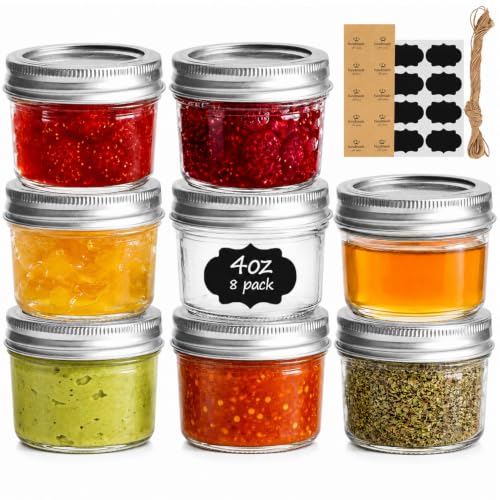
These tiny 4 oz jars are clearly designed with charm in mind, perfect for spice samples, mini dessert layers, or wedding favors. The compact size and clear glass make them ideal for portion control or gifting in curated sets. Owners appreciate how neatly they stack and display, though their narrow opening limits use with chunkier ingredients.
They’re not meant for serious canning, and you won’t find durability claims here, but for light reuse and decorative purposes, they perform as expected. Compared to larger jars, these are more about presentation than function. If you’re assembling gift baskets or refilling pantry minis, this set makes sense.
Product photos


Weck Tulip 1L Glass Jars

Strengths
- Elegant, timeless look
- Glass lids resist rust
- Excellent for fermentation
Trade-offs
- Specialized lid system
- Higher cost per unit
These German-made tulip jars stand out with a refined, vintage-inspired design and glass-on-glass sealing system. The rubber gaskets and stainless clips create an effective airtight environment, and owners consistently report success with fermentation and sourdough starters. Unlike metal lids, the glass tops resist corrosion and look elegant on countertops.
They’re not as widely compatible with standard canning gear, and replacement parts can be harder to source. But for someone who values aesthetics and eco-conscious materials, these are a joy to use. Compared to utilitarian mason jars, Weck feels like the premium upgrade, worth it if you care about design and longevity.
Product photos
Galssmagic 32oz Wide Mouth Jars

Strengths
- Large 12-jar pack
- Thick, durable glass
- True wide mouth access
Trade-offs
- Brand less proven than Ball
- Lid finish varies slightly
With 12 wide-mouth quarts, this set is built for batch processors. The thick glass stands up well to thermal stress, and owners report minimal breakage even after repeated boiling cycles. The airtight lids hold firm, making these suitable for both canning and fridge organization.
It beats the Ball 8-count on volume and total value, though the brand isn’t quite as established. Some users note slight variation in lid finish, but nothing that affects function. If you’re putting up tomato sauce or dill pickles every weekend, this pack saves trips to restock. My pick for high-volume households.
Product photos


SPANLA 8oz Half Pint Jars
Strengths
- Stylish quilted design
- Two lid finishes
- Excellent for gifting
Trade-offs
- Fewer accessories than rivals
- Lid color doesn’t affect seal
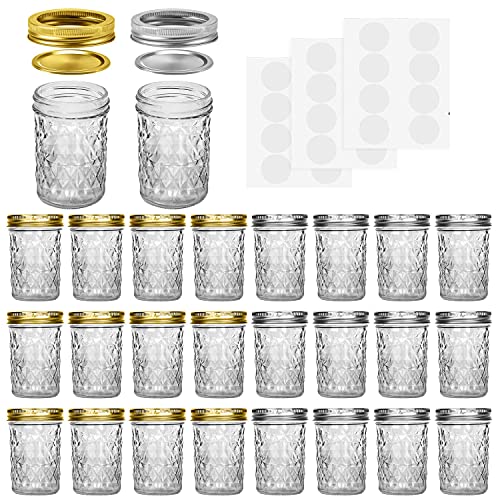
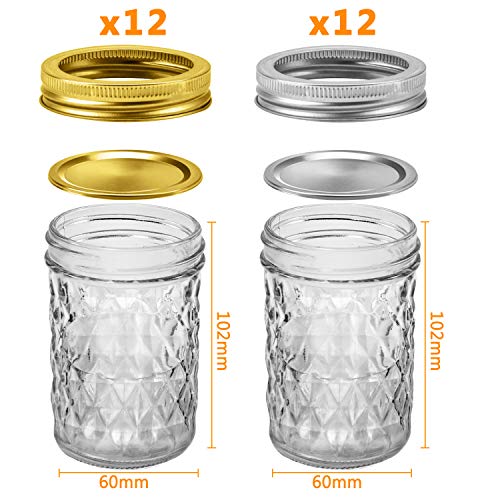
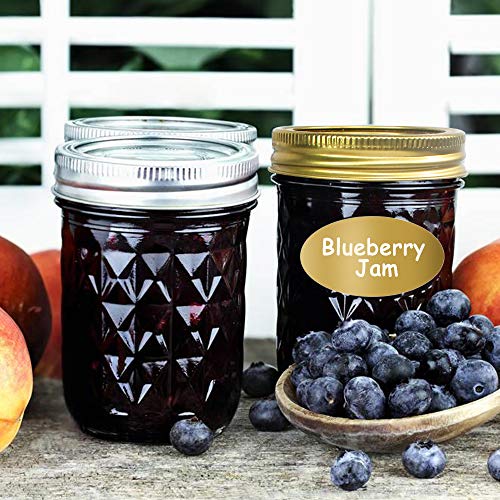
With 24 half-pint jars and a mix of silver and gold lids, this set leans into style as much as function. The vintage quilted look gives it aesthetic appeal, and the thick glass holds up well to freezing and water baths. Owners love using these for layered parfaits, spice blends, or honey gifts wrapped in twine.
The dual-lid color option adds flair for gift-giving, and the included labels help with organization. While not unique in capacity, it edges out UrSpeedtek in visual versatility. For someone making small-batch artisan goods or hosting craft nights, this is the more expressive choice.
Product photos


Mcupper 16oz Regular Mouth Jars

Strengths
- Great value multipack
- Durable food-grade glass
- Reliable airtight seal
Trade-offs
- Regular mouth only
- Lids may discolor over time
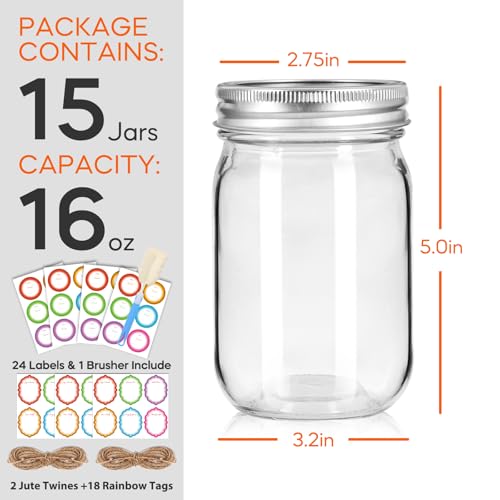
This 15-pack hits the sweet spot between value and versatility. The regular mouth design works well for liquids and smaller solids like green beans or berries, and the included silicone-seal lids boost confidence in leakproof storage. Owners consistently praise the clarity of the glass and the sturdiness of the build, many say they’ve reused these jars dozens of times without cracking.
It’s a smarter buy than the Ball pint set if you need more units per dollar and don’t mind skipping wide mouths. The added labels and sponge brush are thoughtful touches most competitors skip at this price. For everyday meal prep and moderate canning, this is my go-to recommendation over single-digit packs.
Product photos



UrSpeedtekLive 8oz Half Pint Jars

Strengths
- High quantity pack
- Includes labels and brush
- BPA-free glass
Trade-offs
- Lid seal inconsistency reported
- No wide mouth option
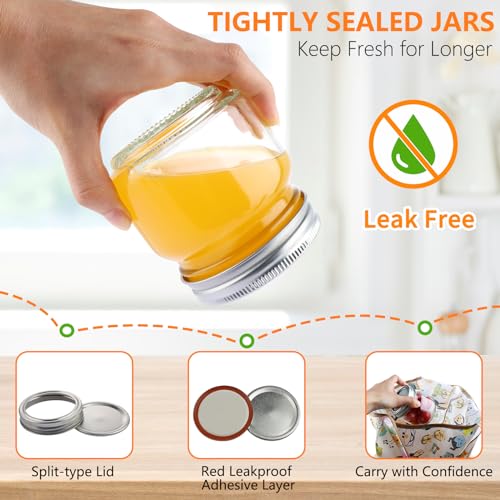
This set delivers serious volume for frequent small-batch canners or gift makers. With 30 half-pint jars and a full accessory kit, including labels, string, and a cleaning brush, it’s built for buyers who want everything in one box. The split-type lids are standard for this class and generally deliver reliable seals, though some owners note occasional inconsistencies if bands aren’t tightened properly.
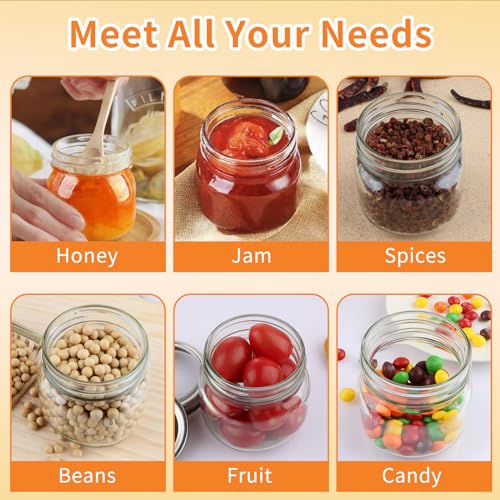
On paper, the glass is thick and food-safe, and reviewers consistently report success with jams, pickles, and fridge storage. It’s not the fanciest option, but for sheer utility and quantity, it punches above its price point. I’d choose this over pricier sets if I were prepping large quantities of condiments or party favors.
Product photos


How We Evaluated canning jars
My approach to evaluating canning jars, as with all cookware at CookwareCanvas, centers on a research-led comparison. Rather than a hands-on lab test of each jar’s sealing ability, I focused on compiling detailed specifications – glass thickness, lid materials, and capacity – alongside a thorough review of owner experiences and expert opinions from established food preservation resources. This allowed me to rank options based on real-world feedback and a clear understanding of how each jar performs in common canning scenarios.
For canning jars, seal integrity, glass durability, and versatility are paramount. A jar’s ability to create and maintain an airtight seal directly impacts food safety and shelf life, so I weighed this heavily. Equally important is the glass quality; thicker glass reduces the risk of breakage during processing and everyday use. Finally, jars offering flexibility, suitable for everything from jams to pickles to dry goods, scored higher, recognizing that most home cooks want a multipurpose solution. You can find more information about canning tools to complement your jar selection.
Specifications reliably indicate a jar’s capacity and basic construction. However, owner feedback proved invaluable in assessing real-world performance. Reports of consistent sealing, ease of cleaning, and lid quality significantly influenced my rankings. I also considered brand reputation; established names like Ball and Weck often benefit from decades of refinement and a track record of reliability. For a broader look at options, explore our guide to recommended mason jars.
What To Look For In canning jars
Finding the right canning jars is about more than just a pretty label; it’s about ensuring your preserves are safe, flavorful, and last.
Canning jars aren’t all created equal. Look for jars made from thick, durable glass, a reliable sealing system (whether it’s the traditional two-piece lid or a continuous-thread design), and a size appropriate for your typical batch sizes. Consider how you plan to use the jars – long-term storage, gifting, or simply keeping ingredients organized – as this will influence your choice.
Size and Capacity
One of the first things I consider when recommending canning jars is the typical batch size. A 32oz jar is fantastic for large quantities of pickles or a hearty fruit compote, but overkill for a small batch of homemade jam. Conversely, a 4oz mini jar is charming for gifting but impractical for preserving a significant harvest. Don’t feel pressured to buy one size exclusively; a mix of pint, half-pint, and larger jars allows flexibility. Many home canners find themselves repeatedly reaching for a 16oz regular mouth jar as a versatile all-rounder.
Lid and Seal Quality
The seal is everything when it comes to preserving food safely. Traditional two-piece lids (band and flat disc) are still the most common, and reliable when used correctly. Look for lids with a good quality sealing compound; some brands are more prone to failure than others. Weck jars use a glass lid with a rubber gasket and clips, offering a different sealing method – and a distinct aesthetic – that some canners prefer. If you’re new to canning, exploring different options in recommended canning jars can help you find the system you’re most comfortable with.
Material and Versatility
While glass is almost universal, the thickness and quality vary. Thicker glass is more durable, less prone to thermal shock, and generally lasts longer. Beyond canning, consider how you might repurpose the jars. Many people use them for dry goods storage in the pantry, as drinking glasses, or for small-batch yogurt or desserts. If you’re looking to get everything you need to start, take a look at available canning supplies to make sure you have all the necessary tools.
- A set of 8oz half-pint jars is ideal for single servings of jam or small portions of sauces.
- Larger 32oz wide-mouth jars are best for pickling whole vegetables or fruits, allowing easy packing and removal.
- A mix of sizes and mouth styles (regular vs. wide) gives you maximum versatility for different recipes and uses; a good starting point is a selection of both, alongside the necessary essential canning supplies.
A good rule of thumb: invest in quality lids and bands. Skimping here can lead to seal failures and food spoilage.
Canning Jars Compared
Here’s a comparison of key specifications for various canning jars to help you make an informed purchase.
| Product Name | Capacity | Mouth Type | Material | Included Lids | Key Features |
|---|---|---|---|---|---|
| Ball Wide Mouth 32oz Jars | 32oz | Wide Mouth | Glass | Yes | Airtight seal, BPA-free |
| Ball Regular Mouth Pint Jars | 16oz | Regular | Glass | Yes | Airtight seal, BPA-free |
| ComSaf 4oz Mini Mason Jars | 4oz | Regular | Glass | Yes | Small batches, gifts |
| Weck Tulip 1L Glass Jars | 1L (34oz) | Tulip | Glass | Yes | Premium design, airtight |
| Galssmagic 32oz Wide Mouth Jars | 32oz | Wide Mouth | Glass | Yes | Thick glass, airtight |
| SPANLA 8oz Half Pint Jars | 8oz | Regular | Glass | Yes | Multiple lid colors, labels |
| Mcupper 16oz Regular Mouth Jars | 16oz | Regular | Glass | Yes | Airtight, multipurpose |
| UrSpeedtekLive 8oz Half Pint Jars | 8oz | Regular | Glass | Yes | High-volume pack, sealing |
Frequently Asked Questions
What’s the difference between regular and wide-mouth jars?
Wide-mouth jars are easier to fill and empty, particularly for chunky preserves like pickles or whole fruits, while regular-mouth jars use less glass and are often preferred for smaller batch sizes like jams and jellies. Ultimately, the choice comes down to personal preference and what you plan to can most often.
Can I reuse canning lids?
While bands can be reused indefinitely if they are not rusted, flat lids should be replaced with each new jar and batch. The sealing compound degrades with use, potentially leading to seal failures and compromising food safety, even if the lid looks fine.
Are Weck jars really better than Ball jars?
Weck jars offer a different aesthetic and sealing system (glass lids and rubber gaskets) favored by some canners, but Ball jars remain a reliable and widely available option. Weck jars are often more expensive and require a specific set of clips, while Ball jars use the traditional two-piece lid system most people are familiar with.
How many jars should a beginner canner buy?
Starting with a variety pack of 12-24 jars in different sizes (8oz, 16oz, and 32oz) is a good approach. This allows you to experiment with different recipes and batch sizes without committing to a large quantity of a single size, and it’s a good starting point before investing in more specialized canning kits.
What’s the best way to prepare jars for canning?
Jars must be thoroughly washed in hot, soapy water and then kept hot until filling. This helps prevent thermal shock when adding hot food and promotes a better seal. You can sterilize them by boiling for 10 minutes, though this is only necessary for processing times under 10 minutes; otherwise, keeping them hot is sufficient, and many canners also use a best pressure canners to sterilize as part of their process.
The Bottom Line
Choosing canning jars often comes down to balancing upfront cost with the peace of mind that comes from reliable quality. While there are many options available, I consistently find the Ball Wide Mouth 32oz Jars to strike the best overall balance of durability, sealing performance, and availability. They’re a workhorse jar that will handle most preserving tasks with ease, and owner feedback consistently praises their dependability.
For those with specific needs, there are excellent alternatives. If you’re frequently pickling or making large batches of preserves, the Galssmagic 32oz Wide Mouth Jars offer a similar robust build at a competitive price, and exploring different jars suitable for pickling can help you find the ideal shape and size. If you prefer smaller batches or enjoy gifting homemade treats, the ComSaf 4oz Mini Mason Jars are a charming and practical choice.
Ultimately, the most important thing isn’t a particular brand or size, but rather understanding the fundamentals of safe canning practices. Investing in quality canning jar lids and following established preservation guidelines will do more to protect your harvest than any expensive jar. Focus on thick glass, a secure seal, and a system you’re comfortable with, and you’ll be well on your way to enjoying delicious, homemade preserves for years to come.
