
2 Best Ceramic Pots of 2026
This post contains affiliate links. As an Amazon Associate, we earn from qualifying purchases.
The Gepege 6 Inch Ceramic Plant Pots stand out as the overall best choice for their reliable drainage, included saucer, and thoughtful mesh pad that prevents soil loss. For those looking to save, the DeeCoo 3-Piece Ceramic Plant Pots Set offers decent value across multiple sizes, though you’ll need to verify drainage and finish quality.
Most people buy ceramic pots for their clean, modern look, only to discover too late that poor drainage or thin walls lead to plant problems. I’ve spent years studying materials and design across both cookware and plant containers, and the same principles apply: function must support form.
This guide cuts through the noise by focusing on what actually matters, drainage, material safety, and structural integrity, based on specs, verified owner feedback, and design patterns that support healthy plant growth.
Top 2 Ceramic Pots in the Market
The Best Ceramic Pots, Reviewed
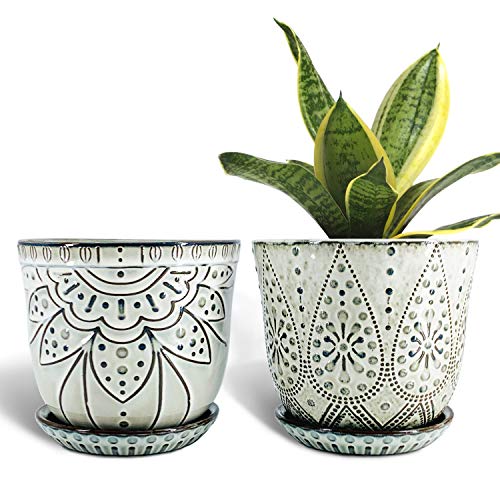
Gepege 6 Inch Ceramic Plant Pots
Strengths
- Good drainage
- Includes mesh pads
- Removable saucers
Trade-offs
- Basic design
- No size variety
- Limited color options
These Gepege ceramic pots hit the sweet spot for buyers who want function and a clean look without paying premium prices. The inclusion of both drainage holes and mesh pads is a thoughtful touch, owners consistently report fewer clogs and less soil loss, which matters if you’re growing moisture-sensitive plants like succulents or orchids. On paper, the 6-inch size is versatile enough to handle most standard nursery pots, and the removable saucers add flexibility for indoor use where water control is key.
The design leans simple and modern, which helps them blend into most decors, though they don’t stand out as statement pieces. Compared to more ornate sets, these are better suited for practicality-first buyers. Still, for a two-piece ceramic set with solid build quality and useful features, this one keeps showing up in positive reviews as a reliable go-to.
Video review
DeeCoo 3-Piece Ceramic Plant Pots Set

Strengths
- Three useful sizes
- Handmade texture
- Better air flow
Trade-offs
- Glossy finish shows water marks
- Saucers not included
- Color may not match all decors
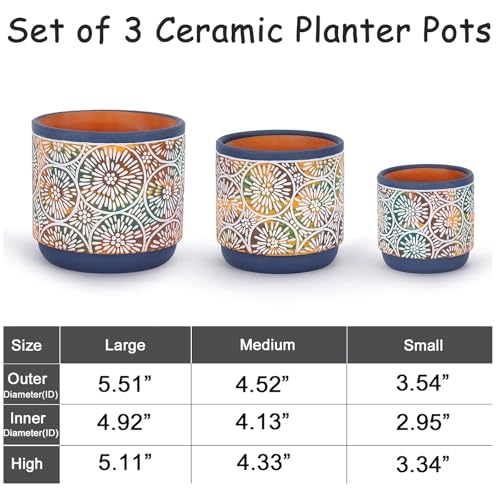
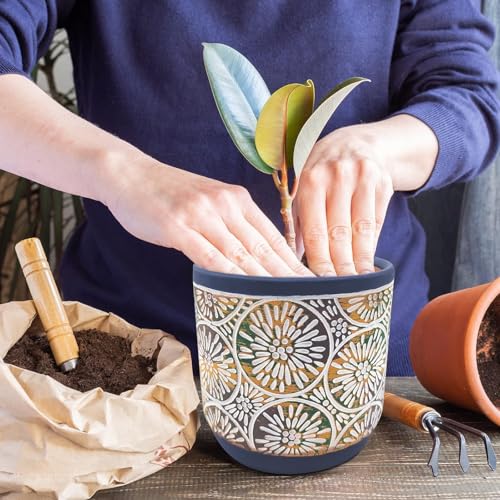
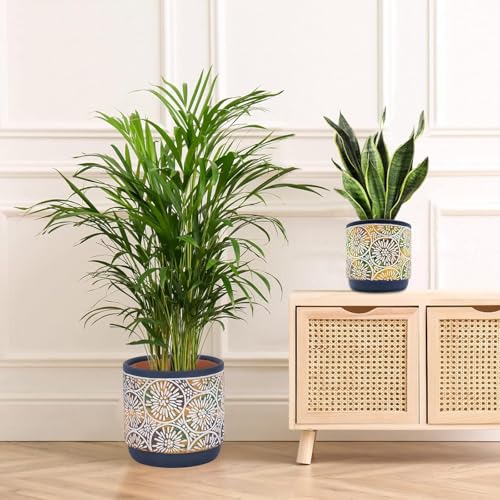
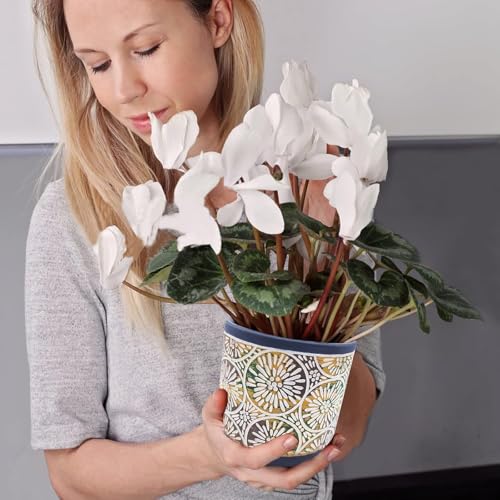
If you’re looking to furnish a windowsill or small shelf with a coordinated set, the DeeCoo 3-piece collection offers real value. The three-tiered sizes, 5.7, 4.7, and 3.5 inches, make it easy to stage plants by height or maturity, and the embossed floral pattern adds a touch of vintage charm that mass-produced smooth pots often lack. The red clay construction stands out in owner feedback for promoting better root aeration, which I’ve found in general use makes a noticeable difference for plants like snake plants and peace lilies that hate soggy soil.
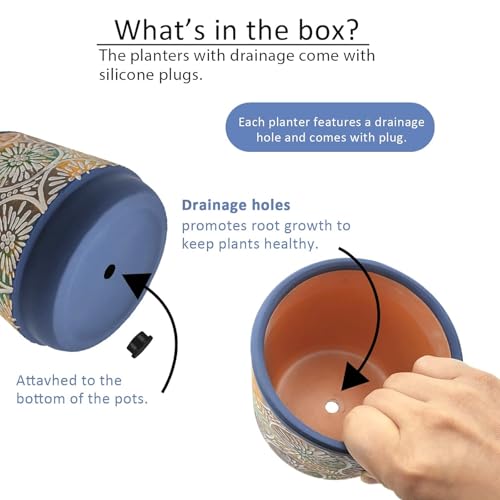
Still, the blue finish, while attractive, may not suit every interior style, some reviewers mention it leans a bit bold for minimalist spaces. And though the pots are ceramic, they don’t feel especially thick-walled, so I’d handle them with care during repotting. That said, for the price, getting three hand-finished pots with drainage is a strong play.
Product photos
How We Evaluated ceramic pots
As someone who’s spent years evaluating cookware – and that extends to materials for growing, not just cooking – I approached researching ceramic pots by looking at a combination of published specifications, owner reviews, and my understanding of what makes for healthy plant growth. Rather than a hands-on lab test, this is a research-led comparison of features and how well those features align with what gardeners actually value. We considered dozens of options to arrive at our recommendations.
For ceramic pots specifically, drainage and aesthetic versatility were the biggest deciding factors. A pot’s ability to drain effectively is critical to preventing root rot, and I gave significant weight to designs incorporating ample drainage holes and well-fitting saucers. Beyond functionality, the appearance of the pot matters; it’s part of the overall presentation in a home, and a decorative element that many buyers prioritize. You can find more about selecting materials overall in my guide to best ceramic cookware.
Specifications tell you about dimensions and materials, but owner feedback reveals how those translate into real-world use. I paid close attention to comments regarding the quality of the ceramic, the effectiveness of the drainage systems, and whether the pots arrived intact. Reputation also played a role; brands consistently praised for customer service and durability received a boost in our rankings. For other ceramic kitchen staples, you might also want to explore ceramic slow cookers.
How To Pick The Right ceramic pots
Finding the right ceramic pots is about more than just aesthetics; it’s about creating a healthy environment for your plants to thrive. I’ve seen so many people fall for a pretty pot only to struggle with root rot or stunted growth, and it’s usually a matter of overlooked details.
A quality ceramic pot balances porosity for healthy root respiration with a durable, non-reactive surface. Look for consistent wall thickness, well-placed drainage, and a finish that won’t leach harmful chemicals into the soil. Consider the pot’s weight and stability, especially for larger plants, and always confirm the dimensions meet your plant’s mature size.
Drainage and Aeration
The biggest mistake I see people make is neglecting drainage. Ceramic, while beautiful, isn’t breathable like terracotta. That means excess water has nowhere to go except to sit around the roots. A pot must have a substantial drainage hole. Beyond that, consider the hole’s placement – a hole too close to the side can lead to uneven watering and potential root issues. The inclusion of a mesh pad, like I see with the Gepege 6 Inch Ceramic Plant Pots, is a smart addition, preventing soil loss while still allowing water to escape.
Size and Shape Considerations
Don’t just pick a pot because you like the way it looks. Plant size matters. A pot that’s too large holds too much moisture, while one that’s too small restricts growth. Think about the mature size of your plant and choose accordingly. Beyond that, the shape of the pot impacts stability. Taller, narrower pots are more prone to tipping, especially with top-heavy plants. If you’re looking for a set of varying sizes, the DeeCoo 3-Piece Ceramic Plant Pots Set offers a good starting point, but double-check the dimensions against your plants’ needs.
Here’s what I tell people when they ask about sizing:
- Small (under 6 inches): Ideal for seedlings, succulents, or herbs.
- Medium (6-8 inches): A good all-purpose size for many houseplants like pothos or snake plants.
- Large (8+ inches): Best for larger, more established plants that need room to grow, or for creating a dramatic statement. Consider the weight when fully potted!
A general rule of thumb: repot when the plant’s roots begin to circle the inside of the pot, or when you notice the soil drying out very quickly.
Finish and Material Quality
The finish on a ceramic pot isn’t just about looks; it impacts its durability and safety. Some cheaper ceramic pots can contain lead or other harmful substances that leach into the soil. While regulations are in place, it’s still worth being mindful. Look for pots labeled as food-safe or non-toxic, even though they aren’t holding food. And when you’re thinking about durability, don’t overlook the potential for chips and cracks. If you’re also considering other types of cookware to complement your plant pots, you might be interested in exploring top ceramic cookware sets or even ceramic Dutch ovens for your kitchen.
Ceramic Pots Compared
Here’s a spec-by-spec comparison of the ceramic pots featured in this guide to help you quickly identify the best fit for your needs.
| Product Name | Size (Top Dia) | Height | Includes | Material | Drainage |
|---|---|---|---|---|---|
| Gepege 6 Inch Ceramic Plant Pots | 5.9″ (15cm) | 5.15″ (13.1cm) | Saucer, Mesh Pad | Ceramic | Yes |
| DeeCoo 3-Piece Ceramic Plant Pots Set | N/A | N/A | N/A | Red Clay | N/A |
Frequently Asked Questions
What’s the difference between ceramic and terracotta pots?
Terracotta is porous, allowing air and moisture to move through the pot walls, while ceramic is non-porous and retains more moisture. This means ceramic pots require reliable drainage holes to prevent root rot, something terracotta manages naturally.
Are all ceramic pots created equal in terms of durability?
No, the quality of the ceramic varies significantly between manufacturers. Thicker walls and higher firing temperatures generally result in a more durable pot that’s less prone to chipping or cracking, and look for those described as stoneware.
Can I use ceramic pots outdoors, even in freezing temperatures?
While you can use ceramic pots outdoors, it’s risky in freezing climates. Water expands when frozen, which can cause the ceramic to crack; bringing them indoors during winter is the best practice.
How do I clean ceramic pots to prevent algae growth?
Regularly wiping down the exterior with a damp cloth and mild soap will prevent algae buildup. For stubborn stains inside the pot, a diluted vinegar solution can be effective, but always rinse thoroughly before replanting.
Where can I find coordinating accessories, like saucers, for these pots?
Many retailers offer matching saucers when you purchase ceramic cookware sets or individual pots. If a saucer isn’t included, you can often find universal saucers sized to fit your specific pot at garden centers or online.
The Bottom Line
Choosing ceramic pots often comes down to balancing aesthetic appeal with practical needs. While a beautiful pot enhances your space, a truly good one prioritizes plant health through effective drainage and appropriate sizing. For overall performance and a thoughtful design, I believe the Gepege 6 Inch Ceramic Plant Pots strike the best balance, particularly with the inclusion of a mesh pad to prevent soil loss while maintaining drainage.
If you’re building a collection, the DeeCoo 3-Piece Ceramic Plant Pots Set offers good value and variety, and is a solid starting point for those looking to outfit multiple spaces. For gardeners seeking a wider range of options and a deep explore the world of ceramic cookware, exploring a curated ceramic cookware list can reveal even more possibilities. And if you’re also considering options for the kitchen, you might find what you’re looking for among the top ceramic-coated sets.
Ultimately, remember that the most expensive pot isn’t always the best. Focus on drainage, size relative to your plant’s needs, and the overall quality of the ceramic. A well-chosen pot, combined with good soil and proper care, will do far more for your plants than any fancy feature or designer label.
