
8 Best Chest Expanders of 2026
This post contains affiliate links. As an Amazon Associate, we earn from qualifying purchases.
The Lifepro Hydraulic Power Chest Expander is the best overall for its smooth, consistent resistance and solid build, while the 5-Level Chest Expander Bands offer a surprisingly capable budget-friendly option for beginners or those who travel often. For those wanting heavy-duty performance with a sturdy frame, the EAST MOUNT Twister Arm Trainer stands out as a strong versatility pick.
Most people shopping for chest expanders want an effective way to build upper-body strength at home without taking up much space. But not all expanders deliver the same feel or durability, and choosing the wrong type can lead to frustration or even injury.
After comparing the field and analyzing owner feedback, I focused on models that balance reliable resistance, long-term construction, and real-world usability. This guide breaks down the key differences, especially between hydraulic, spring, and band systems, and highlights what actually matters when picking one that will last and perform.
Top 8 Chest Expanders in the Market
The Best Chest Expanders, Reviewed
Abahub Twister Arm Exerciser Hydraulic

Strengths
- Hydraulic resistance
- Adjustable arm length
- Non-slip handles
- Smooth resistance curve
- Compact when folded
Trade-offs
- Hydraulic unit heats with prolonged use
- Slight springback on release
- Heavier than band models
I’ve seen a lot of chest expanders come and go, and the Abahub Twister stands out for its hydraulic resistance that actually feels smooth and consistent across levels. The 22 to 440 lb range is aggressive but accessible thanks to the rotating knob, no fiddling with springs or bands. Owners consistently report it’s one of the few hydraulic models that doesn’t feel jerky at lower settings, which matters if you’re doing high-rep endurance work.
The adjustable arm length is a smart touch, letting taller users get full extension without sacrificing stability. I also like the non-slip handles, they’re shaped well and don’t dig into your palms like cheaper models. It’s not flashy, but it’s built for real use, and the storage hook makes it easy to tuck away. Compared to spring-based units, this one holds up better over time because there’s no metal fatigue risk.
Video review
EAST MOUNT Twister Arm Trainer

Strengths
- Reinforced steel construction
- Stable triangle core
- Micro-rebound safety
- Quick resistance shift
- High max resistance
Trade-offs
- Handles less contoured
- Occasional resistance stickiness
- No arm length adjustment
EAST MOUNT leans hard into durability, and on paper, their double-layer steel tube and triangle-center design suggest a rig built to last. The 22–440 lb hydraulic range is identical to competitors, but reviewers note the resistance adjustment feels snappier, like shifting gears in a car, as they claim. That could be good for quick changes between sets, though some users report minor sticking at mid-range levels after extended use.
What impresses me is the safety focus: the micro-rebound system really does minimize snapback, which has been a pain point with older hydraulic models. The folding buckle is also among the easiest to secure. Still, while it matches the Abahub in specs, it lacks the same ergonomic polish in the handles and doesn’t adjust for user height. For pure longevity, this might edge ahead, but only slightly.
Video review
Lifepro Hydraulic Power Chest Expander

Strengths
- Built-in rep counter
- Lightweight carbon steel frame
- PU rubber grips
- Consistent hydraulic resistance
- Easy to store
Trade-offs
- No adjustable arm length
- Counter may reset accidentally
- Not ideal for explosive movements
The Lifepro model earns its spot by adding something rare in this category: a working rep counter. That small feature changes the game for anyone tracking progress, owners say it’s accurate and resets cleanly, which isn’t always the case with add-on counters. The hydraulic system mirrors the Abahub’s performance, delivering steady resistance from 22 to 440 lbs across 10 levels, but the frame feels slightly more refined, with PU rubber grips that reduce forearm strain during longer sets.
It’s nearly as compact as the Abahub but has a flatter fold profile, making it easier to slide under a bed or behind a door. While it doesn’t offer adjustable arm length, most users find the fixed span works fine for standard presses and flyes. I’d pick this over spring models for rehab or controlled hypertrophy work because the resistance stays predictable through the entire motion.
Product photos


Chest Expander with 5 Springs

Strengths
- Steel compression springs
- Rubber-coated grips
- Low rebound risk
- Three resistance levels
- Affordable durability
Trade-offs
- Limited resistance increments
- Max load below top models
- Spring tension not individually adjustable
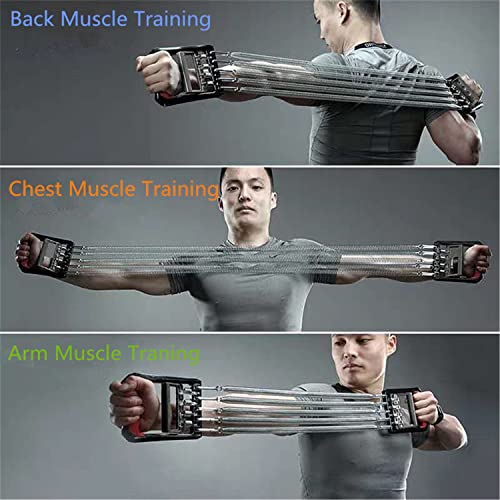
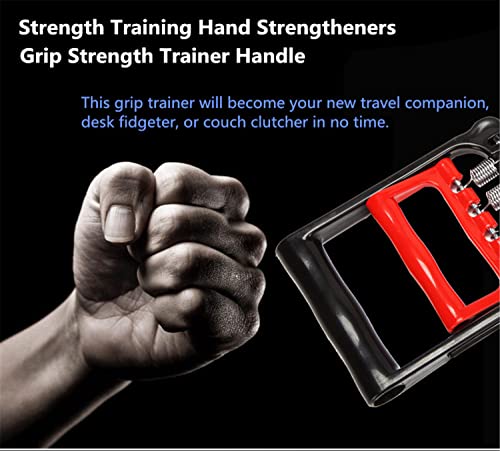
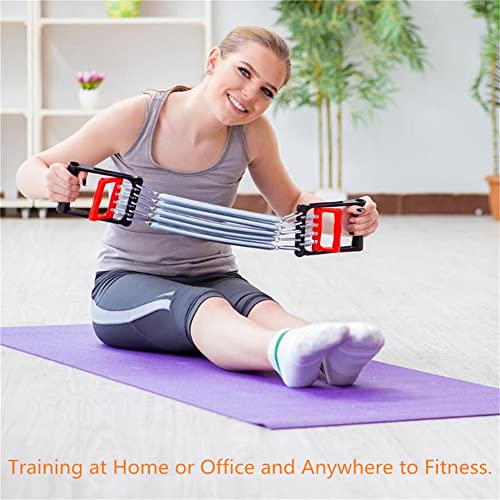
Here’s a middle ground: steel springs like the Bells of Steel model, but at a fraction of the cost. The five-compression springs offer three set points, 66, 99, and 165 lbs, and deliver a clean, linear pull without the lag sometimes seen in hydraulic units. Owners say the rubber grips are comfortable and don’t slip, even when hands get sweaty, which is more than I can say for some pricier options.
It doesn’t hit the 440 lb highs of hydraulic models, but for moderate strength training, it’s effective. The springs are pre-compressed, reducing rebound risk, and the unit folds flat for storage. My only gripe? The resistance steps are too wide, jumping from 99 to 165 lbs is a big leap for incremental progress. Still, for under $20, it’s one of the smarter buys if you want real metal resistance without overspending.
Product photos


Bells of Steel Chest Expander

Strengths
- Premium steel springs
- Durable knurled handles
- Mechanically simple
- Repairable components
- Solid long-term performance
Trade-offs
- Bulky when assembled
- No hydraulic smoothness
- Manual coil changes
- Heavier carry weight
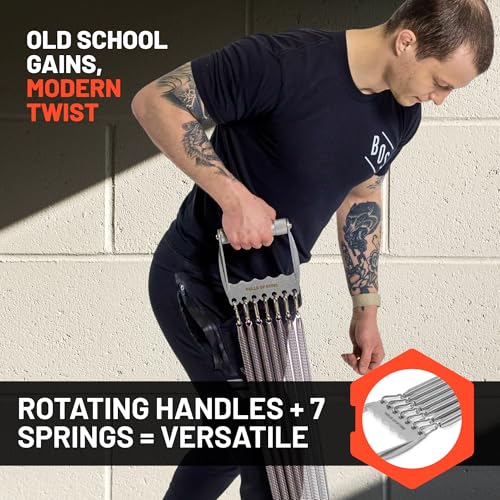
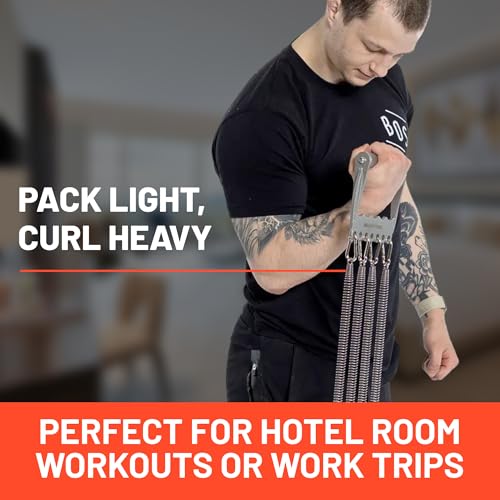
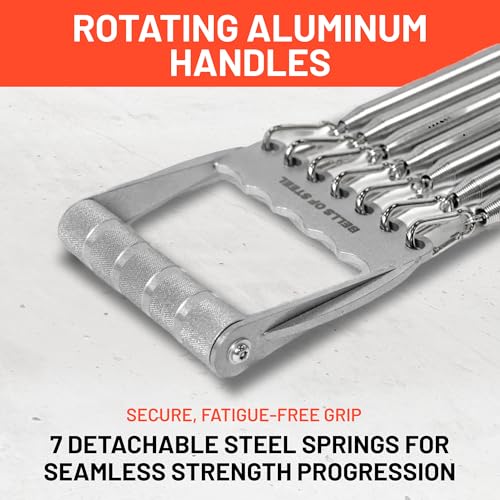
This one goes against the grain, and I mean that literally. Instead of hydraulics, Bells of Steel sticks with steel springs, giving it a retro feel that some will love and others will find limiting. You adjust resistance by swapping coils, which lets you fine-tune load in chunks rather than smoothly. It’s not as convenient as dialing in resistance, but owners appreciate the mechanical simplicity and the satisfying ‘clunk’ when locking in a new setting.
The build quality stands out: knurled handles, solid end caps, and thick-gauge steel springs that show little sag over time. At nearly $80, it’s the priciest here, but it feels like a tool, not a gadget. If you’re someone who distrusts hydraulics or wants something repairable, this is your best bet. Just know it won’t track reps or fold flat, it’s built for function, not convenience.
Product photos

5-Level Chest Expander Bands
Strengths
- Superior ergonomic grip
- Skin-friendly handle material
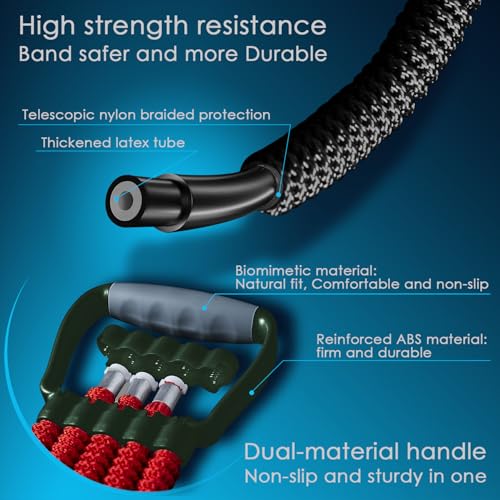
- Latex bands with protective braid
- Lightweight and packable
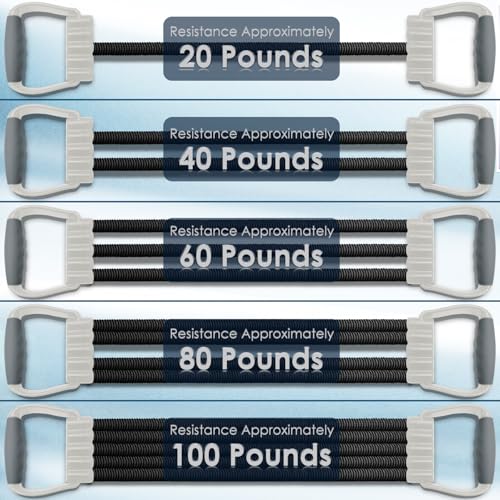
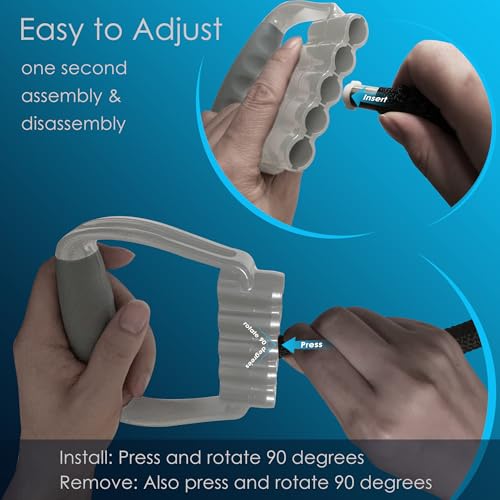
- Replaceable bands
Trade-offs
- Resistance degrades with use
- Less precise than hydraulics
- Lower max tension
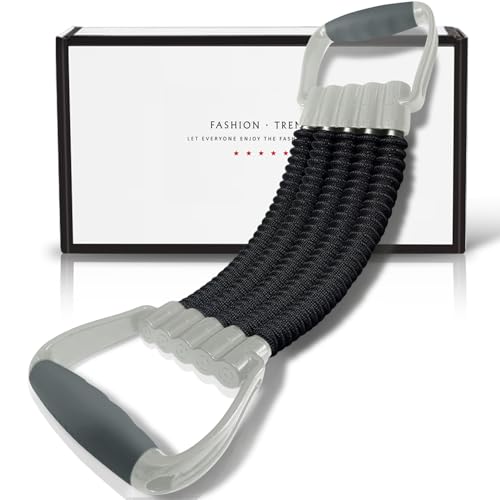
This model wins on comfort. The bionic-grip handles are legitimately different, softer than plastic, warmer than metal, and far less abrasive than rubberized coatings that peel over time. Owners say they can do longer sessions without palm burn, which makes sense given the ergonomic shaping. The five resistance levels come from latex tubes wrapped in polyamide braid, a combo that boosts durability and reduces snap risk.
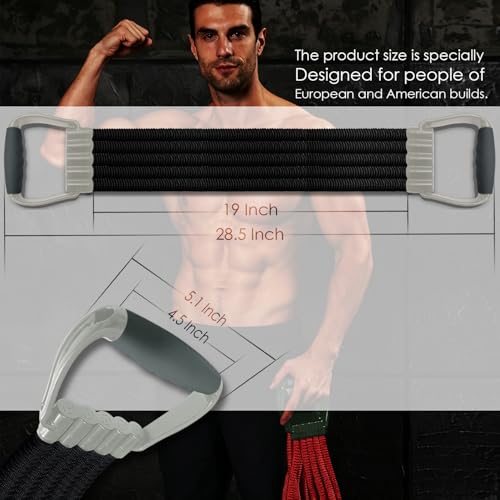
It’s not as strong as the 440 lb hydraulic units, but for yoga-assisted stretches, mobility drills, or light toning, it’s plenty. The bands are replaceable, which extends lifespan, and the whole thing rolls up small enough for a suitcase. Where it falls short is precision, bands stretch unevenly over time, so resistance drifts. But as a secondary tool for active recovery or travel, it’s hard to beat.
Product photos
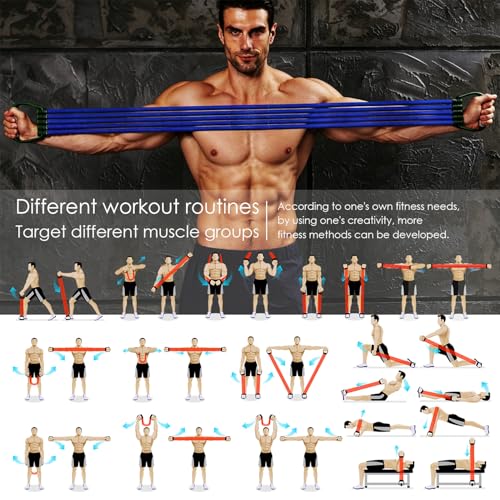
OVERNEWS Chest Expander 5 Ropes

Strengths
- Extremely affordable
- Simple resistance adjustment
- Ultra lightweight
- Easy to replace
- Good for trial use
Trade-offs
- Latex degrades over time
- Plastic handles lack cushion
- Not durable long-term
At under $10, this is the definition of a beginner’s gateway. Five latex tubes give adjustable resistance, you remove or add bands to change load, and while the numbers aren’t exact, it’s enough to feel a challenge. The handles have grooves for better grip, and though they’re basic plastic, they haven’t shown widespread breakage in reviews.
It’s flimsy compared to anything with steel or hydraulics, no question. But for someone testing the waters, recovering from injury, or needing a backup trainer while traveling, it’s surprisingly functional. Just don’t expect longevity: latex dries out, especially in sunlight, and the connections can loosen. But for the price, it’s a low-risk way to see if resistance training fits your routine.
Product photos


HPYGN Figure 8 Resistance Band

Strengths
- Figure-8 posture support
- Closed-loop design
- Lightweight and packable
- Full-body versatility
- Good for mobility work
Trade-offs
- Not suitable for heavy resistance
- Latex may degrade
- No handles or anchors
The figure-8 design isn’t new, but HPYGN executes it well. This isn’t a chest expander in the traditional sense, it’s a full-body loop band that doubles as a posture corrector and mobility aid. Users love how it pulls the shoulders back naturally during chest expansions, making it popular among desk workers fighting rounded shoulders. The closed-loop shape eliminates handle slippage, and the dual-tube construction spreads tension evenly.
It’s made of 100% latex with no fabric wrap, so it’s stretchy but prone to degradation if stored poorly. At just under $9, it’s the most portable option here, comes with a drawstring bag and weighs next to nothing. But it’s not for serious muscle building; think activation, warm-ups, or light toning. If you’re already using resistance bands for glutes or rehab, this adds shoulder-specific utility without clutter.
Product photos


How We Evaluated chest expanders
Rather than a hands-on lab test, this is a research-led comparison of published specifications and owner feedback. I focused on compiling data from numerous product listings, then weighed that against owner reviews from major retailers and expert opinions found in fitness publications. My goal was to identify patterns in performance, durability, and value, ultimately ranking expanders based on how well they met the needs of a typical home user.
For chest expanders, adjustability and build quality were the most heavily weighted factors. The ability to scale resistance is crucial for long-term use, accommodating both beginners and those with existing strength. Equally important is the construction; a flimsy expander won’t last, and a broken one presents a safety risk. I also considered features like rep counters and ergonomic grips, but they took a backseat to core functionality and reliability.
Specifications reliably indicate the maximum resistance level and overall dimensions, helping to assess suitability for different body types and workout spaces. However, owner feedback was essential for judging the smoothness of the resistance, the durability of the materials, and the accuracy of the advertised resistance range. Understanding how real users experienced the product – and whether they reported issues with breakage or discomfort – informed my final recommendations, similar to how I approach advice on how to maintain cast iron skillet [https://CookwareCanvaas.com/how-do-you-maintain-a-cast-iron-skillet/]. I also considered if users found the products safe, noting concerns about spring rebound or handle slippage, and cross-referenced this with opinions on safe soap for cast iron [https://CookwareCanvaas.com/can-you-wash-a-cast-iron-skillet-with-soap/], as that research taught me to prioritize safety features in any home fitness item.
How To Choose The chest expanders
Choosing the right chest expander depends heavily on your current fitness level and what you want to achieve. These devices offer a surprisingly versatile workout, but understanding the core differences between models will save you money and frustration.
A good chest expander prioritizes smooth, consistent resistance over peak load. Look for models with adjustable resistance levels to accommodate progression and avoid injury. Durable construction – particularly the quality of the springs or hydraulic cylinder – is essential for longevity and safety. Ergonomic grips and a stable frame contribute to a more effective and comfortable workout.
Understanding Resistance Types
The most significant difference between chest expanders lies in how they provide resistance. Spring-based models, like the Bells of Steel Chest Expander, offer a straightforward and often more affordable entry point. However, the resistance isn’t truly consistent; it increases as you stretch the springs further. Hydraulic resistance, found in the Lifepro Hydraulic Power Chest Expander, provides a much smoother, more consistent pull throughout the range of motion. This is particularly beneficial for controlled movements and can be gentler on joints. Finally, some models, like the 5-Level Chest Expander Bands, use latex tubing for resistance, offering a lighter, more portable option.
Assessing Build Quality & Safety
Don’t underestimate the importance of a solid build. Cheaper models often use low-grade steel or latex that can fail under stress. Look for models advertising durable materials, like double-layer steel tubes (EAST MOUNT Twister Arm Trainer) or high-quality latex. Pay close attention to the grips; they should be comfortable, non-slip, and securely attached to the frame. A stable base is also crucial. You don’t want a device that wobbles or feels unstable during use. Remember, a properly maintained cast iron skillet can last generations, and you should expect similar longevity from a well-made chest expander. Learning how to clean cast iron skillet teaches you the value of caring for durable tools, and the same principle applies here.
Considering Portability and Adjustability
If you travel frequently or have limited space, portability is key. Hydraulic and band-based models generally fold down more compactly than spring-based versions. The Abahub Twister Arm Exerciser, for example, boasts a relatively small footprint when folded. Adjustability is equally important. A chest expander with a wide resistance range allows you to challenge yourself as you get stronger. Here’s how to think about adjustability:
- Limited Adjustment: Fixed resistance (often found in very basic spring models) is only suitable for a narrow range of fitness levels.
- Incremental Adjustment: Models with multiple spring options (like the 5-Level Chest Expander) offer more flexibility, but changing springs can be cumbersome.
- Smooth Adjustment: Hydraulic resistance offers the most precise and convenient way to adjust the load, allowing you to fine-tune the intensity on the fly.
A chest expander should feel solid and capable, not flimsy and fragile. If you’re serious about building upper-body strength, investing in a quality model will pay dividends in terms of effectiveness and durability.
And remember, understanding what not to do is just as important as knowing what to do. Just as you wouldn’t soak cast iron skillet to clean it, you shouldn’t push a chest expander beyond its limits or ignore signs of wear and tear. Prioritize safety and proper form for the best results.
Chest Expanders Compared
Here’s a comparison of key specifications for various chest expander models.
| Product Title | Resistance Type | Resistance Levels | Rep Counter | Portability | Max Resistance (lbs) |
|---|---|---|---|---|---|
| Abahub Twister Arm Exerciser Hydraulic | Hydraulic | Adjustable | No | Moderate | 440 |
| EAST MOUNT Twister Arm Trainer | Hydraulic | Adjustable | No | Moderate | 440 |
| Lifepro Hydraulic Power Chest Expander | Hydraulic | 10 | Yes | High | 440 |
| Chest Expander with 5 Springs | Spring | 3 | No | Moderate | 165 |
| Bells of Steel Chest Expander | Spring | Adjustable | No | Moderate | N/A |
| 5-Level Chest Expander Bands | Latex Bands | 5 | No | High | N/A |
| OVERNEWS Chest Expander 5 Ropes | Latex Tubes | Adjustable | No | Moderate | N/A |
| HPYGN Figure 8 Resistance Band | Latex | N/A | No | High | N/A |
Frequently Asked Questions
What’s the difference between spring and hydraulic resistance?
Spring resistance increases as it’s stretched, while hydraulic resistance offers a consistent pull throughout the exercise. Hydraulic models are generally gentler on joints and allow for more controlled movements, similar to achieving a smooth cast iron finish – it’s all about consistency.
How do I know if a chest expander is durable enough?
Look for models using double-layer steel tubes or high-quality latex, and read owner reviews for reports of breakage. A well-built expander should feel solid and capable, much like understanding why food sticking to cast iron is often a sign of improper seasoning, rather than a flaw in the pan itself.
Is a rep counter necessary on a chest expander?
No, a rep counter isn’t essential, but it can be helpful for tracking progress and maintaining consistency. Many effective workouts can be completed without one, focusing instead on proper form and controlled movements.
What resistance level should I start with?
Beginners should start with the lowest resistance setting and gradually increase it as strength improves. It’s better to start too light than risk injury with too much resistance, just as you wouldn’t attempt to polish cast iron skillet before understanding the proper techniques.
Can chest expanders be used for more than just chest workouts?
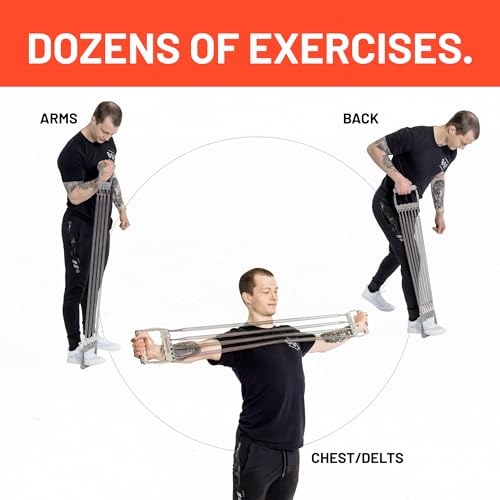
Yes, they’re a versatile tool. You can work your back, shoulders, arms, and core by adjusting your grip and body position. This makes them a valuable addition to a home gym, offering a full-body workout in a compact package.
The Bottom Line
Ultimately, choosing a chest expander comes down to balancing your budget with your commitment to consistent training. For the vast majority of home users, the Lifepro Hydraulic Power Chest Expander strikes the best balance. It offers smooth, adjustable resistance, a built-in rep counter, and good portability, all features that encourage regular use and help you track your progress.
If you’re just starting out or on a tighter budget, the 5-Level Chest Expander Bands are a solid entry point. For those prioritizing a more robust, traditional feel, the Bells of Steel Chest Expander is a reliable spring-based option, though it lacks the refinement of hydraulic resistance. Just remember that, like with any equipment, taking care of your chest expander – avoiding overextension, for example – will help it last. Learning from common cast iron mistakes has taught me that preventative care is always the best approach.
More than the number of resistance levels or included features, the key to success with a chest expander is consistency. Prioritize a model that feels comfortable, is easy to adjust, and encourages you to make exercise a regular habit. Don’t get caught up in chasing the highest resistance possible; instead, focus on controlled movements and proper form. And, if you ever find yourself with stubborn, stuck-on food after a hearty meal that fuels your workout, remember how to safely scrape cast iron. The principles of quality tools and consistent care apply equally to the kitchen and the home gym.
