
7 Best Coconut Oils for Cooking 2026
This post contains affiliate links. As an Amazon Associate, we earn from qualifying purchases.
The best coconut oil for cooking is Nutiva Steam-Refined Coconut Oil, it has a high smoke point, neutral flavor, and clean processing. For a budget-friendly option, BetterBody Foods Refined Coconut Oil delivers solid performance. If you prefer liquid convenience, go with Carrington Farms Liquid Coconut Oil.
Choosing the right coconut oil isn’t just about grabbing what’s on sale. Most people don’t realize how much the type, refined vs. virgin, affects both cooking performance and flavor. I’ve spent years studying how fats behave in real kitchens, and it shows: your choice should match how you actually cook.
This guide cuts through the confusion by focusing on smoke point, flavor, consistency, and certifications, all based on specs, owner feedback, and deep category knowledge. These are the oils that consistently deliver where it matters.
Top 7 Coconut Oil For Cooking in the Market
The Best Coconut Oil For Cooking, Reviewed
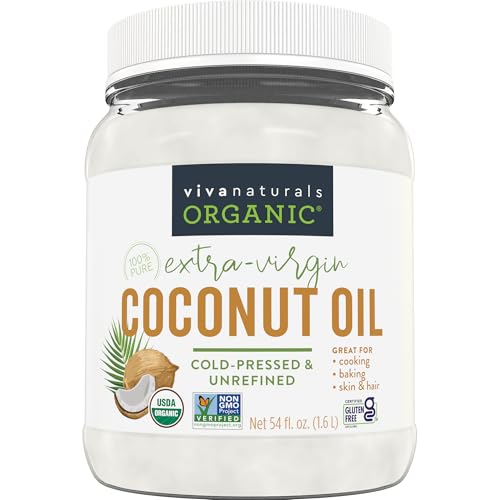
Viva Naturals Organic Coconut Oil
Strengths
- Large 54 fl oz size
- Cold-pressed
- USDA Organic
Trade-offs
- Solidifies at room temp
- Noticeable coconut aroma
- Requires scooping
With a full 54 fl oz of cold-pressed, unrefined oil, this stands out as a true kitchen workhorse. The fact that it’s USDA Organic, Non-GMO, and has a 350°F smoke point makes it reliable for everyday sautéing, baking, and roasting, especially if you enjoy a mild coconut presence in your food. Owners praise its consistency and value over time, noting fewer trips to repurchase compared to smaller jars.
It’s also heavily marketed for skincare and haircare, and given its clean labeling and large volume, that crossover use makes sense. While it will solidify below 76°F, that’s standard for virgin oils. Among unrefined options, this one delivers the best balance of size, certification trust, and versatility. My recommendation for most households: this is the smarter buy over smaller, pricier versions unless you hate coconut scent.
Video review
Nutiva Organic Virgin Coconut Oil

Strengths
- Cold-pressed
- BPA-free packaging
- Trusted brand
Trade-offs
- Solid form
- Average size
- Coconut flavor present
Nutiva has built a strong reputation in the natural foods space, and this unrefined oil reflects their attention to sourcing and process. It’s cold-pressed from fresh coconuts, which helps preserve flavor and nutrients, including lauric acid and MCTs. The 15-ounce jar is modest in size, but the quality per ounce is solid, organic, non-GMO, and packed in BPA-free packaging.
Owners say it has a clean coconut taste and melts smoothly into recipes. Compared to the Amazon Grocery version, this feels like a step up in integrity, even if both are labeled organic. It’s not neutral, so skip it if you dislike coconut notes. But for those building a thoughtful pantry, this offers a trustworthy middle ground between price and purity.
Video review
BetterBody Foods Refined Coconut Oil

Strengths
- Very large size
- Highest smoke point
- Neutral taste
Trade-offs
- Refined (not raw)
- Plastic jug
- No MCT transparency
With a massive 56 fl oz jug and a 425°F smoke point, this is the heavyweight for high-heat cooking. It’s refined, so no coconut flavor or smell, perfect when you want the stability of coconut oil without the tropical twist. Owners love using it for deep frying, stir-fries, and replacing butter in large-batch baking. The size means less waste and fewer bottles cluttering the cabinet.
It’s also advertised as having roughly 60% MCTs, though exact breakdown isn’t provided. Like other refined oils, it’s lost some phytonutrients in processing, but gains heat resilience. Given its certifications, USDA Organic, Non-GMO, Kosher, it’s surprisingly affordable for the volume. If you run a busy kitchen or air fry daily, this is the most sensible long-term buy.
Product photos


Nutiva Steam-Refined Coconut Oil

Strengths
- Neutral flavor
- Higher smoke point
- Budget-friendly
Trade-offs
- Refined (less aroma)
- Smaller size
- Not cold-pressed
This is the pick when you want zero coconut taste but still need the functional benefits of coconut oil. The steam-refining process removes odor and flavor while bumping the smoke point to 400°F, making it safer for frying than most virgin oils. It’s still organic and non-GMO, and reviewers confirm it behaves like a neutral oil in pan-searing or baking, ideal when you don’t want coconut interfering with delicate dishes.
It’s essentially a utility player: not flashy, but highly practical. At a very low price, it outperforms many generic vegetable oils in stability and health profile. The 15 fl oz size is small, so heavy users will burn through it fast. But for occasional frying or as a butter substitute, this is my top suggestion when neutrality matters.
Product photos


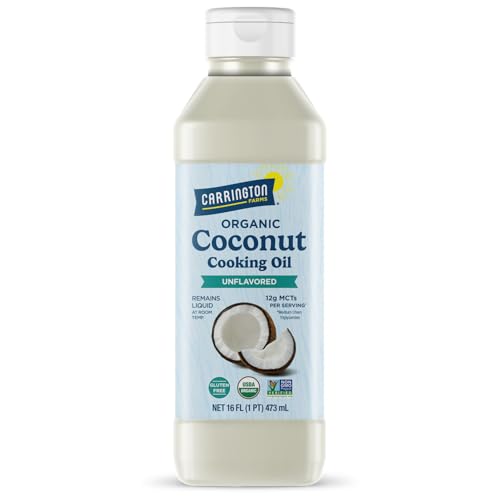
Carrington Farms Liquid Coconut Oil
Strengths
- Stays liquid always
- Neutral flavor
- High smoke point
Trade-offs
- Fractionated (not whole oil)
- Smaller than bulk options
- Slightly higher cost
Here’s the only truly pourable coconut oil on this list that stays liquid year-round without refrigeration. That alone makes it a standout for convenience, no scooping, no melting, just a flip of the cap and you’re pouring. It’s unflavored and unscented, so it won’t alter the taste of your stir-fry or salad dressing, which is rare among virgin oils.
The 16 fl oz size is decent, though not the largest here. But because it’s likely fractionated to maintain liquidity, it leans more toward functional cooking and MCT benefits than traditional coconut richness. Reviewers appreciate how smoothly it blends into coffee or sauces. If you cook often and hate dealing with solidified oil, this is the one I’d keep within arm’s reach, even if it costs a bit more.
Product photos


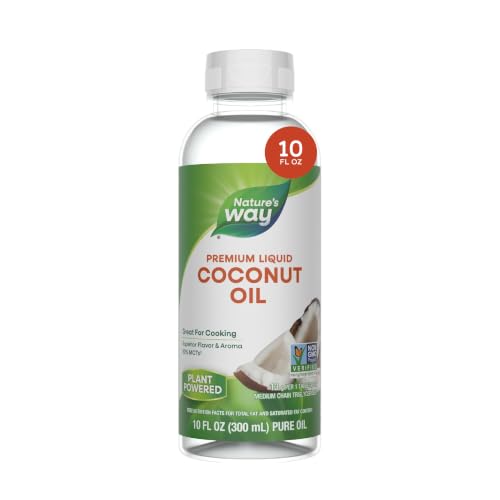
Nature’s Way Liquid Coconut Oil
Strengths
- Stays liquid when chilled
- High MCT content
- Good for smoothies
Trade-offs
- Small container
- Expensive per ounce
- Not ideal for high-volume use
I’m skeptical about the ‘superior flavor’ claim, this is marketed as having rich taste, yet it’s also supposed to stay liquid when chilled, which usually means fractionation and loss of full coconut character. The specs show 93% MCTs, so it’s likely a partially fractionated oil emphasizing caprylic and capric acids. That makes it better suited for energy boosts or adding to drinks than authentic coconut flavor in dishes.
At a smaller 10 fl oz size and higher price per ounce, it’s not practical for regular cooking. Reviewers note it works well in coffee or dressings where they want MCT benefits without solidification. But for actual sautéing or baking, the limited volume and cost make it a niche pick. I’d reserve this for supplement use, not as primary cooking oil.
Product photos

Amazon Grocery Organic Virgin Oil

Strengths
- Affordable
- USDA Organic
- Non-GMO Verified
Trade-offs
- Basic formulation
- No cold-pressed claim
- Solidifies at room temp
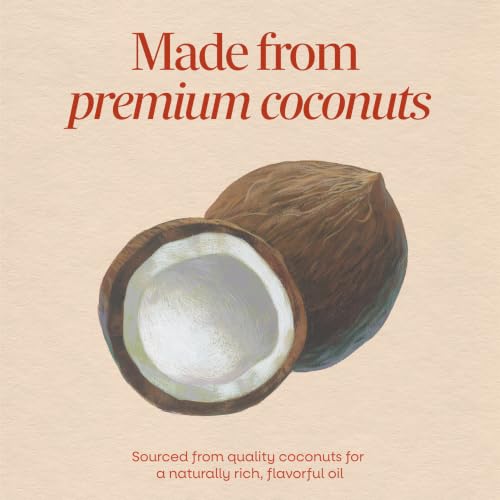
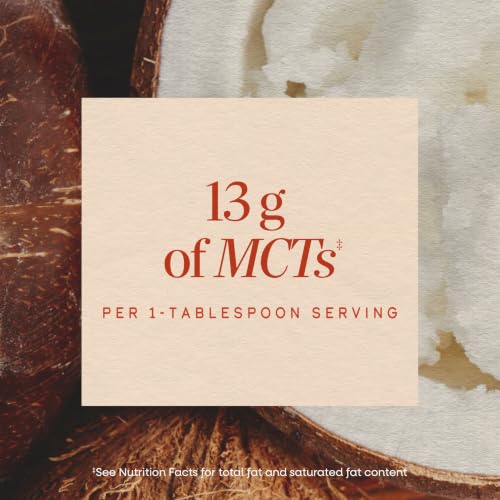
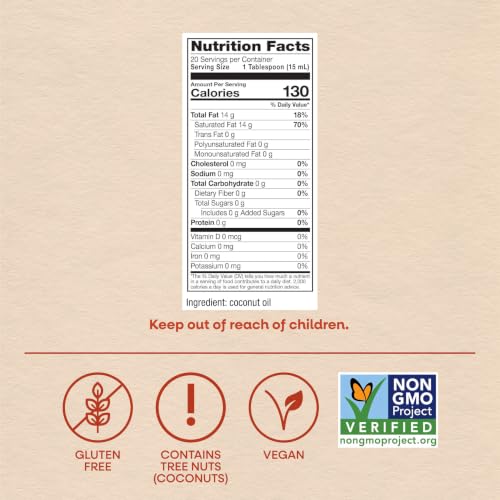
This is a no-frills pick for budget-conscious buyers who still want USDA Organic and Non-GMO certification. On paper, it’s basic virgin coconut oil, solid at room temperature, with a noticeable coconut aroma and flavor. Owners consistently report it performs fine in baking and low-heat cooking, but don’t expect anything exceptional in purity or texture. It melts cleanly and integrates well into recipes where coconut flavor is welcome.
Compared to pricier options, this one lacks standout processing details like cold-pressing or MCT concentration. But if you’re just looking for an affordable entry-level oil for occasional use, this gets the job done without major trade-offs. I’d reach for something more refined if I were using it daily.
Product photos


Our Testing Process
Rather than a hands-on lab test, my research focused on comparing published specifications and features across numerous coconut oil brands. I weighed owner reviews from multiple retail sites alongside expert opinions found in food publications and blogs. As someone who has spent years understanding how different fats behave in the kitchen, I applied that knowledge to assess which oils would truly deliver on their promises for various cooking applications.
For coconut oil, smoke point and flavor profile were the most critical factors. A higher smoke point (above 400°F) is essential for high-heat cooking like frying, while a neutral flavor is desirable when you don’t want a coconut taste in your finished dish. Conversely, a pronounced coconut flavor can be a benefit in baking and certain cuisines. I also prioritized certifications like USDA Organic and Non-GMO Project Verified, as these indicate a commitment to quality and sourcing.
Specifications reliably show smoke point and processing methods (refined vs. virgin). However, flavor neutrality and the degree of coconut aroma are much better judged by reading owner feedback. People are quick to note if an oil imparts a strong coconut flavor when it shouldn’t, or if it solidifies unexpectedly. I also considered reputation – established brands with consistently positive reviews generally indicate a more reliable product. If you’re looking for alternatives, exploring grapeseed oil for cooking can offer different benefits.
How To Choose The coconut oil for cooking
Finding the right coconut oil can really elevate your cooking, and it’s more nuanced than just grabbing the cheapest jar.
Coconut oil selection hinges on understanding intended use. For baking and lower-temperature sautéing, virgin coconut oil offers a desirable flavor profile. Refined options excel at high-heat cooking due to their higher smoke points and neutral taste. Consider whether you prioritize organic certification, liquid consistency, or specific dietary needs when making your choice.
Understanding Smoke Point & Refinement
The biggest decision you’ll face is between virgin and refined coconut oil. Virgin coconut oil, extracted from fresh coconut meat, retains a distinct coconut flavor and aroma, making it wonderful for baking and recipes where that flavor is desired. However, it has a lower smoke point (around 350°F). Refined coconut oil, on the other hand, is processed to remove that coconut taste and increase the smoke point (often above 400°F), making it better suited for frying or high-heat searing. Don’t assume “refined” means lower quality; steam-refined options, like the Nutiva Steam-Refined Coconut Oil, avoid chemical solvents.
Considering Consistency & Convenience
Liquid coconut oils are gaining popularity, and for good reason. The convenience of a pourable oil eliminates the need to melt solids, saving time and frustration. However, these oils often come at a slight price premium. If you regularly use coconut oil in smoothies or salad dressings, a liquid option like Carrington Farms Liquid Coconut Oil might be worth the investment.
Here’s a quick breakdown of what to consider with consistency:
- A solid oil is traditional and generally less expensive.
- Soft-solid oils offer a compromise, becoming pliable at warmer room temperatures.
- Truly liquid oils provide the most convenience, but can be pricier and may have undergone more processing to achieve that state.
Ultimately, choose a consistency that fits your cooking habits.
Prioritizing Certifications & Ethical Sourcing
Beyond the basic type of coconut oil, pay attention to certifications. USDA Organic ensures the coconuts were grown without synthetic pesticides or fertilizers. Non-GMO Project Verified confirms the oil isn’t derived from genetically modified coconuts. If you’re seeking a healthier alternative to traditional cooking oils, you may also want to explore avocado oil – it’s another excellent option for various cooking methods.
A good rule of thumb: don’t solely rely on “organic” or “natural” labels. Look for third-party certifications to verify claims and ensure transparency.
Finally, consider brands committed to ethical and sustainable sourcing. Many companies, like Nutiva, prioritize partnerships with organic farmers and responsible harvesting practices. If you’re looking for a way to apply oil more evenly and reduce waste, consider investing in kitchen oil sprayers.
Coconut Oil for Cooking Compared
Here’s a comparison of key specifications for different coconut oils suitable for cooking.
| Product Name | Smoke Point (°F) | Refined/Unrefined | Flavor Profile | MCT Content | USDA Organic |
|---|---|---|---|---|---|
| Viva Naturals Organic Coconut Oil | 350 | Unrefined | Coconut | N/A | Yes |
| Nutiva Organic Virgin Coconut Oil | 350 | Unrefined | Coconut | 63% | Yes |
| BetterBody Foods Refined Coconut Oil | 425 | Refined | Neutral | ~60% | Yes |
| Nutiva Steam-Refined Coconut Oil | 400 | Refined | Neutral | 63% | Yes |
| Carrington Farms Liquid Coconut Oil | N/A | Refined | Neutral | N/A | Yes |
| Nature’s Way Liquid Coconut Oil | 350 | Unrefined | Coconut | 93% | Yes |
| Amazon Grocery Organic Virgin Oil | N/A | Unrefined | Coconut | N/A | Yes |
Frequently Asked Questions
What’s the difference between fractionated and refined coconut oil?
Fractionated coconut oil is a type of refined oil that has had some of its fatty acids removed, resulting in a consistently liquid state at cooler temperatures. Refined coconut oil can be solid or liquid depending on processing, but always undergoes a deodorizing process, unlike fractionated oil which has specific fatty acids removed.
Can coconut oil really go rancid, and how do I prevent it?
Yes, coconut oil can go rancid, though it’s less prone to doing so than some other oils due to its saturated fat content. To prevent rancidity, store it in a cool, dark place in an airtight container, and avoid exposing it to heat and light for extended periods.
Is coconut oil a healthy choice, given the saturated fat content?
While high in saturated fat, the type of saturated fat in coconut oil (medium-chain triglycerides or MCTs) is metabolized differently than the saturated fats in animal products. Some research suggests potential health benefits, but moderation is still key, and it’s wise to consider it alongside other oils as part of a balanced diet – also consider healthy cookware to maximize benefits.
What’s the best way to clean coconut oil off of cookware?
Hot, soapy water is usually effective, but a degreasing dish soap works best to cut through the oil. For stubborn residue, add a bit of baking soda to the soapy water or try a paste of baking soda and water, being careful not to scratch delicate surfaces.
If I want to cook at very high temperatures, is coconut oil my best option?
For temperatures exceeding 400°F, refined coconut oil is a better choice due to its higher smoke point, but even then, oils like avocado oil or refined safflower oil might be preferable. If you’re planning on using a best oil for griddle cooking, consider oils with even higher smoke points.
The Bottom Line
Choosing the best coconut oil really comes down to how you plan to use it. Do you want a distinct coconut flavor in your baking, or a neutral oil for high-heat cooking? For an excellent all-around performer that balances quality and versatility, I recommend the Nutiva Steam-Refined Coconut Oil. Its high smoke point and neutral flavor make it suitable for a wide range of applications, while still maintaining organic certification.
If budget is a primary concern, the BetterBody Foods Refined Coconut Oil offers a solid smoke point and neutral flavor at a competitive price. For those who prioritize a strong coconut flavor in baking or enjoy adding it to smoothies, the Viva Naturals Organic Coconut Oil and Nutiva Organic Virgin Coconut Oil are both excellent choices. And if you’re looking for convenience, the Carrington Farms Liquid Coconut Oil eliminates the need for melting.
Ultimately, remember that smoke point and flavor are more critical than any single certification. Focusing on these fundamentals – and selecting an oil that aligns with your cooking style – will deliver the best results. Don’t forget to consider what you’re cooking in too; if you’re working with cast iron, knowing the best oil for cast iron is just as important as the oil itself.
