
7 Best Cookware for Steak of 2026
This post contains affiliate links. As an Amazon Associate, we earn from qualifying purchases.
The best cookware for steak delivers a perfect sear and even cooking, and after comparing the field, the Umite Chef 10 Inch 5-Ply stands out as the top all-around performer. For budget-minded cooks, the stackbear 10 Inch Carbon Steel Pan offers excellent heat control at a lower price, while the Lodge 10.25 Inch Dual Handle Pan is a reliable, classic cast iron option if you don’t mind the extra maintenance.
Cooking a great steak at home shouldn’t mean wrestling with a pan that heats unevenly or can’t hold high temperatures. Too many pans promise restaurant-quality searing but fall short when it matters.
This guide cuts through the noise by focusing on real performance, what specs actually matter, what owners report after months of use, and how each material handles the intense demands of steak cooking. I looked at heat retention, build quality, and long-term durability to find the few pans worth your kitchen space.
Top 7 Cookware For Steak in the Market
The Best Cookware For Steak, Reviewed
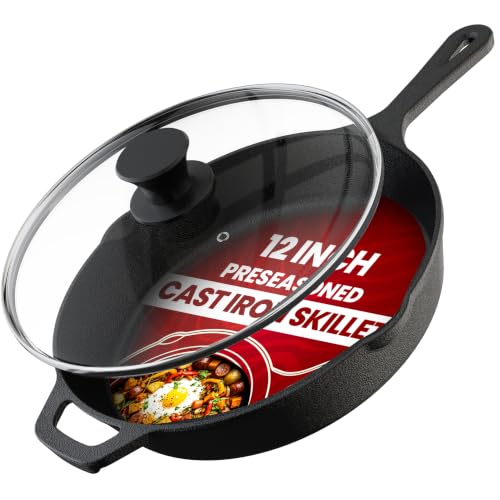
Utopia Kitchen 12 Inch Cast Iron
Strengths
- Pre-seasoned
- Includes glass lid
- Even heat distribution
Trade-offs
- Inconsistent seasoning
- Heavier than alternatives
A 12-inch pre-seasoned cast iron skillet with a lid is rare at this price, and that alone makes the Utopia Kitchen model stand out. On paper, it delivers everything you’d expect from cast iron, excellent heat retention, stovetop-to-oven versatility, and natural non-stick performance as seasoning builds. Owners consistently report strong searing results on steaks, especially when preheated properly, and the lid helps trap moisture for braises or finishing thicker cuts.
Still, while the specs look solid, some reviewers note inconsistencies in thickness and initial seasoning quality compared to established brands like Lodge. That said, for the price and included lid, it’s a compelling entry point. I’d pick this over bare-bones models if you want one pan that can both sear and cover.
Video review
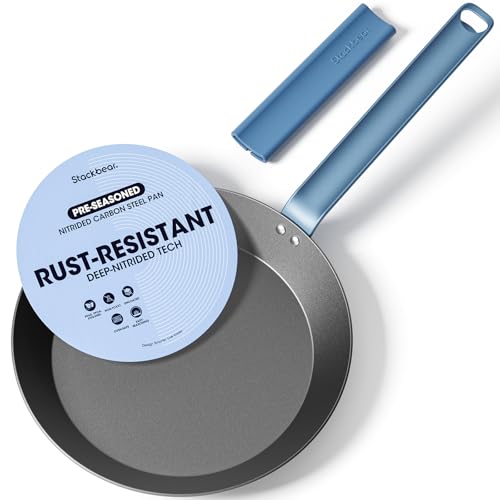
stackbear 10 Inch Carbon Steel Pan
Strengths
- Lightweight yet sturdy
- Nitride-enhanced durability
- Fast heat response
Trade-offs
- Smaller cooking area
- Handle can loosen over time
Carbon steel is the chef’s secret for lightweight, high-heat searing, and the stackbear 10-inch pan brings that pro advantage within reach. At 2mm thick, it heats quickly and holds temperature well, rivaling cast iron with about half the weight. The nitrided surface adds extra protection against rust and pitting, especially useful when cooking acidic ingredients alongside steaks.
Owners appreciate how nimble it feels during tosses and flips, and the preseasoned finish works well right away, improving with each cook. Compared to Lodge’s heavier iron, this is the smarter choice if you value control and responsiveness. The removable silicone grip is a thoughtful touch for stove-to-oven transitions. For weekday steaks without arm fatigue, this is my personal favorite.
Video review
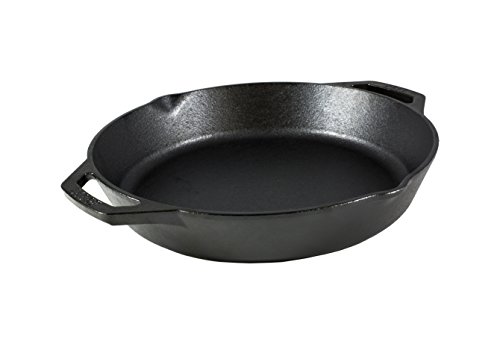
Lodge 10.25 Inch Dual Handle Pan
Strengths
- PFAS-free seasoning
- Excellent heat retention
- Oven and grill safe
Trade-offs
- No lid included
- Prone to rust if mistreated
Lodge remains the gold standard for entry-level cast iron, and this 10.25-inch dual-handle pan proves why. It’s simple, rugged, and built for high-heat searing, ideal for steaks. The pre-seasoning works well out of the box, and owners confirm it improves with use, developing that slick patina over time. Its compact size fits most stovetops and oven racks, and the dual side handles make transfers safer, especially when going from burner to broiler.
Compared to larger skillets, this one heats more evenly on modest burners and is easier to store. While it doesn’t have a lid, its reliability and American-made construction make it my top pick for beginners. If you’re building a foundation, this is the smarter buy over pricier imitations with questionable QC.
Product photos


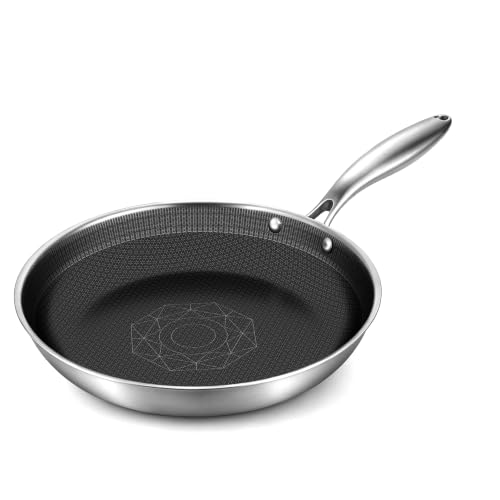
COOKER KING 12-Inch Stainless Steel
Strengths
- High heat tolerance
- Metal utensil safe
- Large cooking surface
Trade-offs
- Inconsistent release
- Hybrid coating durability unclear
This hybrid stainless steel pan tries to bridge performance and convenience with a ceramic-etched nonstick surface and an aluminum core. On paper, it’s promising: 900°F oven-safe, induction-ready, and metal-utensil friendly, rare for nonstick. The 12-inch size gives plenty of room for multiple steaks, and reviewers note fast, even heating with minimal hot spots.
But here’s the catch: despite being labeled ‘nonstick’, several owners report food sticking unless the pan is perfectly preheated and oiled. It behaves more like polished stainless than true nonstick. Still, for high-heat searing where PTFE coatings would fail, this is a safer alternative. I’d recommend it over flimsy nonsticks, but not over full clad stainless like the Umite Chef below.
Product photos


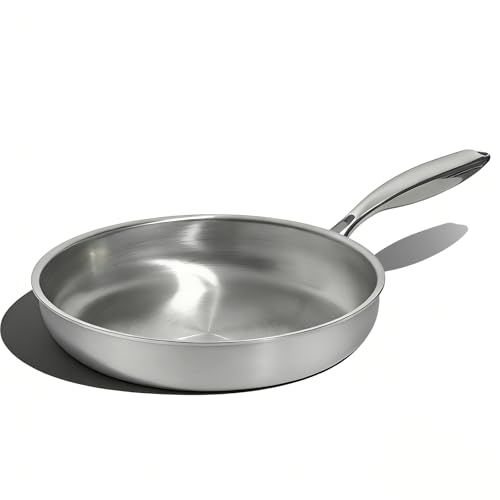
Umite Chef 10 Inch 5-Ply
Strengths
- 5-ply even heating
- Rivet-free seamless interior
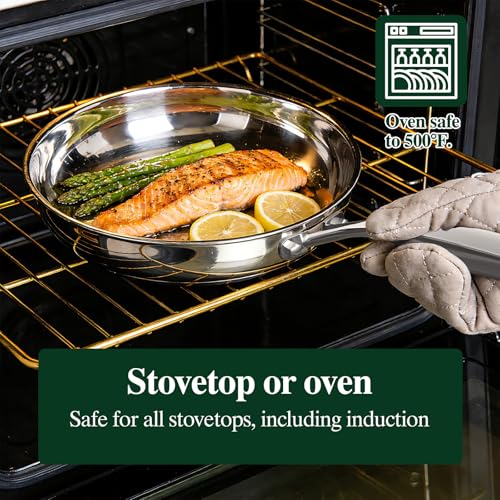
- Oven safe to 500°F
Trade-offs
- Requires learning curve
- Heavier than average
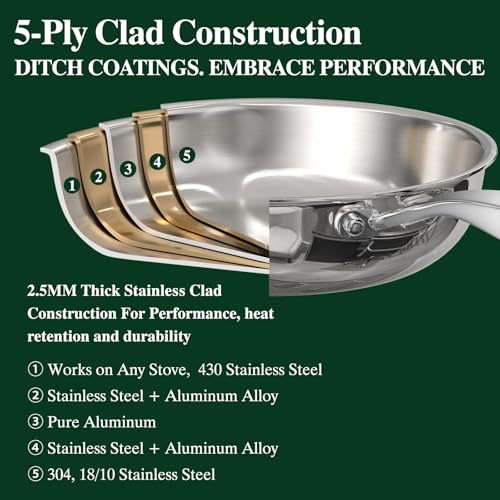
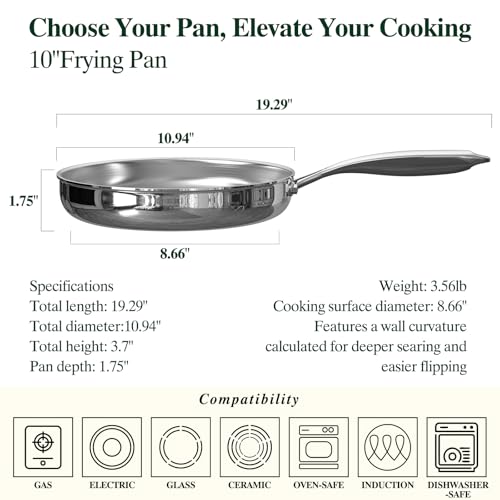
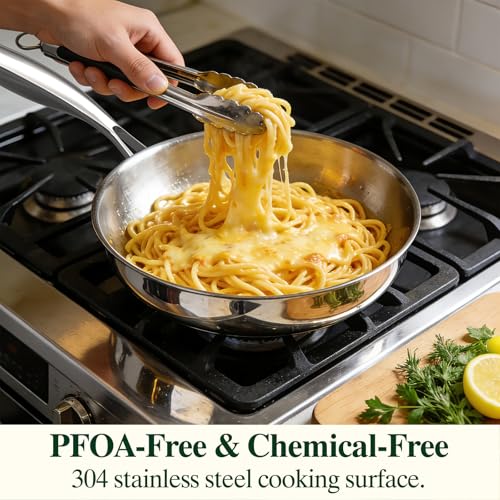
When even heating and long-term durability matter, the Umite Chef 5-ply skillet rises to the top. Its fully clad construction, with dual aluminum cores and a 2.5mm thickness, delivers restaurant-level heat distribution, far surpassing single-core competitors. Reviewers highlight how it maintains temperature during searing, reducing cold spots that ruin crust development on steaks.
The rivet-free spot-welded handle is a standout for hygiene and cleaning, eliminating trapped food particles common in cheaper pans. And because it’s pure stainless with no synthetic coatings, it’s safe for lifelong use. While it demands proper preheating (water droplet test recommended), once mastered, it releases food surprisingly well. In this class, it’s the clear winner for serious home cooks.
Product photos

SENSARTE 9.5 Inch Nonstick Grill

Strengths
- Effective nonstick
- Cool-touch handle
- Grease drainage spouts
Trade-offs
- Limited heat retention
- Not oven-safe
The SENSARTE grill pan stands out with its die-cast aluminum body and Swiss ILAG nonstick coating, a combo aimed at quick indoor grilling with easy cleanup. At 9.5 inches, it’s compact, but the square shape maximizes usable space, and the pour spouts make draining grease simple after searing fatty steaks. Owners praise how little oil it needs and how easily it wipes clean.
However, being aluminum, it can’t match cast iron’s thermal mass. It heats quickly but cools fast, which means less carryover cooking and potentially uneven crusts on thick steaks. It’s also not oven-safe beyond moderate temps. Compared to carbon steel or cast iron, this is more about convenience than depth of flavor. I’d pick it only if speed and cleanup are your top priorities.
Product photos


Lodge Square Cast Iron Grill
Strengths
- Bold grill marks
- Durable cast iron build
- Indoor and outdoor use
Trade-offs
- Harder to clean
- Less browning surface
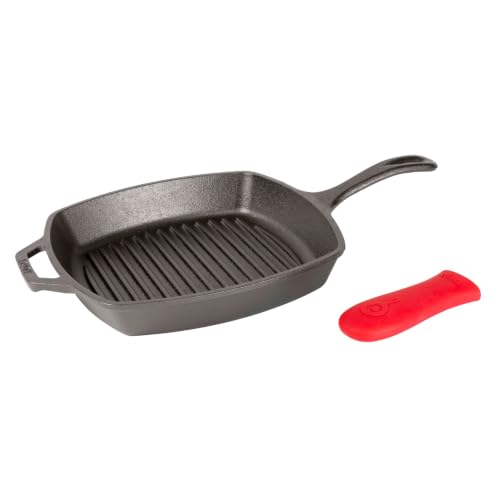
If you crave steakhouse-style grill marks indoors, this square Lodge model is hard to beat. The raised ridges create deep sear lines while channeling fat away from the meat, owners love how it mimics outdoor grilling even in winter. Made with the same trusted pre-seasoned cast iron as Lodge’s skillets, it handles high heat without warping and develops better release over time.
It’s not ideal for delicate foods or sauces (the grooves trap bits), but for steaks, chops, and veggies, it performs beautifully. Compared to flat skillets, it offers less surface contact, so don’t expect full-crust searing, but that’s the trade-off for dramatic presentation. I’d choose this over flat pans only if visual appeal matters as much as flavor.
Product photos


Our Testing Process
My approach to recommending cookware for steak, as with all my guides at CookwareCanvas, begins with a detailed comparison of published specifications and features. I then weigh those against a broad spectrum of owner reviews and assessments from respected culinary experts. This isn’t about personal preference from hands-on testing; rather than a hands-on lab test, this is a research-led comparison of specs and owner feedback. Finally, I apply my experience with cookware materials and construction to determine which options truly stand out.
For steak cookware, heat retention and even heating are paramount. Achieving a good sear requires consistently high temperatures, and a pan that doesn’t distribute heat evenly will leave you with unevenly cooked results. Durability also factored heavily, as a quality steak pan should withstand frequent high-heat use for years. I also considered ease of cleaning – nobody wants to spend more time scrubbing than enjoying their meal! Understanding how rust on cast iron affects longevity was also key.
Specifications reliably indicate things like material thickness, maximum heat tolerance, and cooktop compatibility. However, owner feedback is invaluable for understanding real-world performance. Reports on non-stick durability, handle comfort, and how easily the pan cleans up are crucial. I paid close attention to comments regarding warping or developing hot spots, as those issues aren’t always apparent from a spec sheet. While some pans boast about features like hard anodized cookware, owner experiences help determine if those benefits translate into practical improvements.
How To Pick The Right cookware for steak
Finding the right pan for steak is about more than just searing; it’s about achieving a crust, even cooking, and ultimately, a delicious result. I’ve spent years observing what separates a good steak pan from a truly exceptional one, and it comes down to a few key features.
A quality steak pan needs to deliver consistent, high heat. Look for heavy-gauge construction, materials known for heat retention (like cast iron or multi-ply stainless steel), and a design that facilitates even heat distribution across the cooking surface. Consider your stovetop type, preferred cooking style, and desired level of maintenance when making your choice.
Material Matters Most
The material a steak pan is made from profoundly influences its performance. While stainless steel offers versatility and ease of care, it’s often the combination of materials, like the clad construction in the Umite Chef 10 Inch 5-Ply, that really shines. These pans combine stainless steel with aluminum cores, giving you the best of both worlds: durability and even heating. If you’re leaning towards cast iron, understand it requires more upkeep, but provides incredible heat retention and searing capabilities. Learning about cast iron cookware will help you appreciate its unique properties.
Heat Distribution and Retention
Consistent heat is paramount for a good sear. Thin pans simply won’t cut it; they develop hot spots, leading to uneven cooking. Look for pans with a substantial weight and thick base. Carbon steel, like the Stackbear 10 Inch Carbon Steel Pan, provides a good balance of heat retention and lighter weight compared to cast iron, making it easier to maneuver. However, don’t assume all stainless steel is created equal.
- A 3-ply or 5-ply construction is a good indicator of even heating.
- Heavier gauge pans (measured in millimeters, with 2.5mm or higher being a good target) will hold heat better.
- A flat cooking surface is critical; pans that warp won’t distribute heat evenly, and can be frustrating to use, especially on induction cooktops.
Usability and Maintenance
A fantastic steak pan is useless if it’s a pain to clean or difficult to handle. Consider the handle design – is it comfortable and heat-resistant? The COOKER KING 12-Inch Stainless Steel pan highlights the importance of easy cleaning, but even with nonstick coatings, proper care is essential. Also, some materials, like stainless steel, can benefit from learning about seasoning stainless steel to improve their nonstick properties over time.
A well-maintained pan will outlast cheaper alternatives. Don’t be afraid to invest in quality; a steak pan is a kitchen workhorse that, with proper care, can serve you for decades.
Cookware for Steak Compared
Here’s a comparison of key specifications for popular cookware options designed for cooking steak.
| Product Name | Material | Size (in) | Heat Compatibility | Nonstick? | Oven Safe (°F) |
|---|---|---|---|---|---|
| Utopia Kitchen 12 Inch Cast Iron | Cast Iron | 12 | All | Yes | N/A |
| stackbear 10 Inch Carbon Steel Pan | Carbon Steel | 10 | All | Yes | 600 |
| Lodge 10.25 Inch Dual Handle Pan | Cast Iron | 10.25 | All | Yes | N/A |
| COOKER KING 12-Inch Stainless Steel | Stainless Steel | 12 | All | Yes | 900 |
| Umite Chef 10 Inch 5-Ply | Stainless Steel | 10 | All | No | 500 |
| SENSARTE 9.5 Inch Nonstick Grill | Aluminum | 9.5 | All | Yes | N/A |
| Lodge Square Cast Iron Grill | Cast Iron | N/A | All | Yes | N/A |
Frequently Asked Questions
What size steak pan should I buy for a family of four?
A 12-inch pan is generally sufficient for cooking steaks for four people, allowing space for proper searing without overcrowding. However, if you prefer larger portions or frequently cook side dishes in the pan, consider a 14-inch option.
Are carbon steel pans really easier to season than cast iron?
Yes, carbon steel generally seasons more quickly and with less effort than cast iron because of its finer grain structure. While both require initial seasoning and ongoing maintenance, carbon steel is often considered more forgiving for beginners.
Can I use any metal utensils with stainless steel cookware?
You can, but it’s best to use silicone or wooden utensils to prevent scratching the surface of stainless steel pans. While stainless steel is durable, abrasive metal tools can dull the finish and potentially cause stainless steel sticking over time.
What’s the difference between a clad and a disc-bottom stainless steel pan?
A clad pan has layers of metal (typically aluminum) running through the entire pan, including up the sides, for even heating. A disc-bottom pan only has a metal core on the base, which can lead to uneven heat distribution on the sides and potentially affect cooking performance.
How do I know if a steak pan is compatible with my induction cooktop?
Check the product specifications; a pan must be labeled as “induction compatible” and contain a magnetic stainless steel or cast iron base. You can also test compatibility by seeing if a magnet firmly attaches to the bottom of the pan – if it does, it should work on an induction cooktop.
The Bottom Line
Choosing the right steak pan often comes down to balancing control and convenience. If you want the ultimate searing power and are willing to commit to the maintenance, the Utopia Kitchen 12 Inch Cast Iron pan delivers exceptional heat retention. However, for those who prefer a balance of performance and ease of use, the Umite Chef 10 Inch 5-Ply Stainless Steel pan provides excellent even heating and durability without the demands of cast iron.
For specific needs, the Stackbear 10 Inch Carbon Steel Pan is a fantastic choice if you want something lighter than cast iron but still offers impressive heat retention. If a nonstick surface is a priority, the COOKER KING 12-Inch Stainless Steel pan receives consistently positive feedback regarding its easy cleanup. And for those curious about alternatives, understanding cast aluminum cookware can broaden your perspective on material options.
Ultimately, the most important factors aren’t necessarily the highest-end materials or the latest technology. Consistent heat, a heavy gauge for even cooking, and a comfortable handle will contribute far more to a perfectly seared steak than any single feature. Don’t underestimate the importance of proper care and maintenance, either – a well-maintained pan, regardless of material, will reward you with years of reliable performance and delicious meals. And rest assured, cast iron cookware safety concerns are often overstated with proper seasoning and use.
