
2 Best Custom Loaf Pans of 2026
This post contains affiliate links. As an Amazon Associate, we earn from qualifying purchases.
The Personalized Ceramic Loaf Pan stands out as the best overall custom loaf pan, combining reliable baking performance with beautiful, lasting personalization. For a more specialized option, the USA Pan Pullman Loaf Pan delivers exceptional even baking and durability, though it lacks custom engraving.
Choosing a custom loaf pan means balancing sentiment with function. You want something that feels special but also bakes well, release after release. Too many personalized pans sacrifice performance for looks, leading to stuck bread or uneven browning.
This guide cuts through the clutter by focusing on what actually matters: materials that promote even heat, coatings that work in real kitchens, and construction that lasts. I selected these picks based on specs, owner feedback, and my experience evaluating bakeware, prioritizing pans that perform as well as they look.
Top 2 Custom Loaf Pans in the Market
The Best Custom Loaf Pans, Reviewed
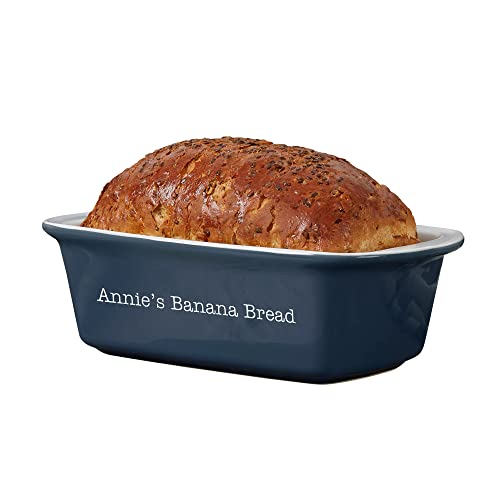
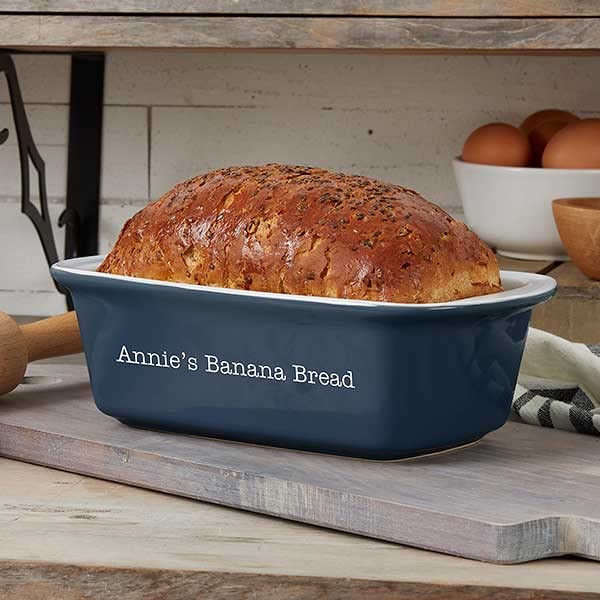
Personalized Ceramic Loaf Pan
Strengths
- Personalized design
- Oven and dishwasher safe
- Stoneware durability
Trade-offs
- Slower heat response
- Heavier than metal pans
This ceramic loaf pan stands out not for high-performance baking science but for charm and versatility in both cooking and serving. The stoneware construction heats slowly and evenly, which works well for meatloaf or casseroles, but it’s not the fastest or most responsive for yeast breads that need a sharp oven spring. Still, owners love that it goes from oven to table with style, and the personalized etching, whether a family name or a cheeky phrase, makes it a favorite for gifts.
It’s oven safe to 400°F and handles freezer-to-oven transitions without drama, which is a win for make-ahead meals. The glazed interior resists staining, and most reviewers say cleanup is easy, even with baked-on cheese or meat drippings. Compared to metal pans, it doesn’t sear or brown edges as aggressively, but that’s the nature of ceramic. If you want a pan that feels like part of your tableware, not just bakeware, this one earns its place.
Product photos
USA Pan Pullman Loaf Pan

Strengths
- Aluminized steel construction
- Nonstick Americoat coating
- Includes airtight lid
Trade-offs
- Larger footprint
- No handle grips
If you’re serious about baking sandwich breads or pain de mie, this Pullman pan delivers the kind of performance that matters in texture and shape. The aluminized steel construction heats evenly and holds temperature well, which owners consistently report leads to consistent rise and browning. The nonstick Americoat is a standout, it’s PTFE, PFOA, and BPA free, and reviewers say baked loaves release cleanly without greasing, though a light spray doesn’t hurt for sticky doughs.
The 13-inch length gives you extra slicing surface compared to standard loaf pans, and the included lid ensures those square-edged, tear-free slices ideal for toast or tea sandwiches. It’s made in the USA, which carries weight for buyers who value domestic manufacturing, and the build feels rugged enough to last years in a busy kitchen. Compared to lighter aluminum pans, this one resists warping even at high heat.
Video review
How We Chose These custom loaf pans
Rather than a hands-on test of each pan, my research focused on comparing published specifications and features, then weighing owner reviews and expert opinions. As someone who’s spent years evaluating cookware, I understand that seemingly small details matter. I looked at dimensions, materials, nonstick properties, and overall versatility, aiming to identify which pans consistently deliver reliable results and lasting value. This process guided my ranking and selection.
For custom loaf pans, heat distribution and ease of release are paramount. A beautifully personalized pan is useless if your bread sticks or bakes unevenly! I heavily weighted the material and coating, looking for options that promise even baking and simple cleanup. Durability also factored in; a custom piece should withstand regular use, and I considered how well each pan’s construction supports that. You can find more information about general superior bread loaf pans on my site.
Specifications reveal a lot about a pan’s potential, but owner feedback tells the real story. I scrutinized reviews for comments on sticking, chipping, and how well the personalization held up over time. I also looked for consistent praise regarding even baking and ease of cleaning. While specs detail a nonstick coating, for example, reviews indicate whether it actually performs as advertised, and I prioritized options with a reputation for truly safe loaf pans.
What To Look For In custom loaf pans
Finding the right loaf pan goes beyond simply picking a shape. It’s about understanding how materials, construction, and features impact your baking results and overall experience.
A truly useful loaf pan balances heat distribution, durability, and ease of release. Look for heavy-gauge materials, consider the coating (or lack thereof) and its safety profile, and prioritize a size appropriate for your typical recipes. Nonstick is convenient, but quality construction can minimize sticking even with uncoated pans.
Material Matters
The material a loaf pan is made from significantly affects how evenly it bakes and how long it lasts. Stoneware, like in the Personalized Ceramic Loaf Pan, retains heat beautifully, which is fantastic for achieving a good rise and crust on breads. However, it can be heavier and more prone to chipping if dropped. Carbon steel is another excellent heat conductor, often favored by professional bakers, but requires seasoning to prevent rust (and it’s not dishwasher safe). Aluminum is lightweight and affordable, but thinner gauge aluminum can lead to hot spots. Look for heavier-gauge aluminum, or aluminum with a reinforcing core, and always check for a safe nonstick coating if you go that route. If you’re interested in exploring all your options, I’ve written about the best loaf pans in detail.
Coating Considerations
Nonstick coatings are undeniably convenient, but they aren’t all created equal. PTFE, PFOA, and BPA are chemicals some bakers prefer to avoid, and for good reason. The USA Pan Pullman Loaf Pan uses their Americoat, a patented silicone-based coating that avoids those chemicals – a definite plus. Keep in mind, even the best nonstick will degrade over time with heavy use and abrasive cleaning. If you’re baking frequently, be prepared to replace nonstick pans every few years.
Here’s what to keep in mind about nonstick: * A light coating is often sufficient. * Hand washing extends the life of the coating. * Avoid metal utensils, which will scratch and damage the surface, shortening its lifespan and potentially leaching particles into your food.
Size and Shape for Your Needs
Don’t assume one size fits all! A standard loaf pan is around 9×5 inches, but Pullman pans (like the USA Pan model) offer a different shape – taller and with straight sides – ideal for classic sandwich loaves. If you frequently bake smaller portions or enjoy making mini loaf pans for gifts, explore those options.
A pan that’s too large for your recipe will result in a flat, spread-out loaf, while a pan that’s too small will overflow.
Custom Loaf Pans Compared
Here’s a comparison of key specifications for the custom loaf pans described.
| Product Title | Capacity | Dimensions (in) | Material | Non-Stick | Customization |
|---|---|---|---|---|---|
| Personalized Ceramic Loaf Pan | 1.5 qt | 9 x 5 x 3.25 | Stoneware | Yes | Yes |
| USA Pan Pullman Loaf Pan | N/A | 13 x 4 x 4 | N/A | Yes | No |
Frequently Asked Questions
What’s the best way to care for a personalized ceramic loaf pan?
Hand washing is key to preserving the personalization and preventing chipping. Avoid harsh detergents and abrasive scrubbers, as these can dull the design and damage the ceramic over time.
Can I use metal utensils in a custom loaf pan with a nonstick coating?
No, you should always use silicone, nylon, or wooden utensils with nonstick coatings. Metal will scratch and compromise the coating, reducing its effectiveness and potentially releasing particles into your food.
Are custom loaf pans suitable for baking recipes beyond traditional loaf bread?
Absolutely. Many are versatile enough for baking cakes, brownies, or even savory dishes like meatloaf. Consider whether the dimensions suit the recipe; a Pullman pan, for example, works well for creating perfect sandwich bread pans.
What should I do if my loaf gets stuck even in a nonstick custom pan?
Let the pan cool completely before attempting to remove the loaf. If it still sticks, gently run a thin knife around the edges or try placing the pan briefly in the freezer, which can help shrink the bread slightly for easier release.
Are there custom loaf pans specifically designed for sourdough bread?
Yes, while many standard loaf pans can be used, some bakers prefer a Dutch oven or a pan specifically designed for the high hydration of sourdough. You can find a selection of specialty sourdough pans to help achieve optimal crust and rise.
The Bottom Line
Choosing a custom loaf pan really comes down to how much you value personalization versus pure baking performance. While the aesthetic appeal of a custom design is lovely, consistent results rely on even heat and reliable release. For an excellent all-around choice offering both, the Personalized Ceramic Loaf Pan strikes a good balance – its stoneware construction and nonstick surface consistently receive positive feedback from bakers.
If you’re focused on creating perfectly shaped sandwich loaves or simply need a durable workhorse, consider the USA Pan Pullman Loaf Pan. It doesn’t offer customization, but it is specifically designed for those who want to explore baking with Pullman loaf pans. For those wanting to bake something a little different, I’ve also covered the best loaf pans for banana bread on the site.
Ultimately, the best loaf pan is the one that inspires you to bake. Don’t get too caught up in chasing the latest materials or features; focus on a well-constructed pan that feels right in your hands and delivers consistent results. A little care and attention will go a long way in ensuring your baked goods are a success, no matter which pan you choose.
