
8 Best Cutting Boards for Japanese Knives 2026
This post contains affiliate links. As an Amazon Associate, we earn from qualifying purchases.
The Yoshihiro Hinoki Anti-Twist Core Board is the best overall choice for Japanese knives, combining superior edge protection with stable construction, while the Solari Aomori Hiba Juice Groove offers a strong budget-friendly alternative with practical features like a juice groove. For those prioritizing maximum blade preservation, the Yoshihiro Hi Soft EVA Cutting Board stands out as the most versatile option, especially for delicate slicing tasks.
If you own Japanese knives, you know how quickly a poor cutting surface can ruin their precision edge. Most standard boards are too hard or unstable, leading to dulling, slipping, and frustrating prep sessions. After comparing the field based on material science, owner feedback, and design intent, I focused on boards that balance knife safety, durability, and real-kitchen usability. This guide cuts through the noise to highlight options that protect your investment and perform consistently, from traditional hinoki cypress to innovative synthetics.
Top 8 Cutting Boards For Japanese Knives in the Market
The Best Cutting Boards For Japanese Knives, Reviewed
Yoshihiro Hinoki Anti-Twist Core Board
Strengths
- Anti-warp maple core
- Generous X-large size
- Professional-grade durability
Trade-offs
- Heavy and bulky
- Higher price point
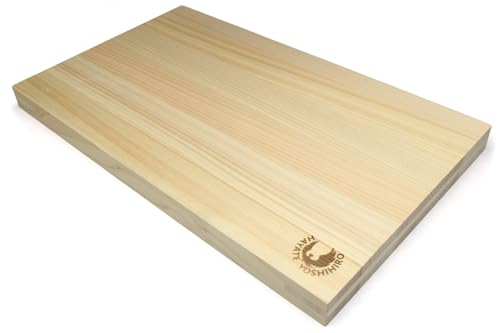
This is the board I’d pick if I wanted one high-performance, long-lasting hinoki surface for everything. The X-large size gives serious prep room, and the maple anti-twist core is a standout, owners consistently report less warping than with solid wood boards, even after years of use. The hinoki surface is smooth, aromatic, and as knife-friendly as you’d expect from a professional-grade Japanese board.
It’s thick (2.5 cm), which adds stability and durability, and the one-piece construction feels solid. While it requires hand washing and occasional oiling, it’s built to last decades, not years. Compared to the Shun medium board, it’s larger and more stable; compared to the Yamasan Kyoto, it has better structural integrity. For serious home cooks or pros who want a single, heirloom-quality board, this is the one to beat.
Video review
Shun Hinoki 3-Piece Cutting Board Set

Strengths
- Three versatile sizes
- FSC-certified hinoki
- Double-sided use
Trade-offs
- Expensive for occasional users
- Redundant if you already own boards
A set like this makes sense only if you actually use multiple boards, and if you do, this one delivers serious value. The FSC-certified hinoki is beautiful, fragrant, and consistently praised for being gentle on knife edges, which is exactly what you want from Japanese wood. The three sizes cover most prep needs, and the double-sided functionality means you can flip them for even wear or repurpose one as a charcuterie display.
But let’s be honest: at this price, you’re paying for the Shun name and the convenience of a curated set. If you already own a good medium board, adding two more might be overkill. Still, for someone building a kitchen from scratch or gifting to a serious home cook, the variety and craftsmanship justify the cost. It’s the kind of set that looks as good on a countertop as it performs during prep.
Video review
Shun Medium Hinoki Cutting Board

Strengths
- Affordable single board
- Gentle on knife edges
- Sustainable hinoki wood
Trade-offs
- No stand or drying feet
- Requires regular maintenance
This is the sweet spot for most home cooks who want a single, well-made hinoki board without overspending. It’s the same premium FSC-certified Japanese cypress as the set version, just standalone and affordably priced. The medium size is practical, large enough for most tasks, small enough to store easily, and the double-sided design doubles its lifespan.
Owners love the subtle hinoki scent and the way it feels under a blade: firm but slightly yielding, which helps protect delicate edges. The care routine is typical for wood (dampen before use, towel dry, avoid soaking), but it’s manageable. Compared to the Kai AP5226, it lacks the stand and dishwasher-safe feature, but it feels more authentic. If you’re okay with hand washing and proper care, this is the smarter buy for everyday elegance and performance.
Product photos


YAMASAN KYOTO UJI Hinoki Board

Strengths
- 100% natural hinoki
- Excellent value
- Lightweight yet durable
Trade-offs
- No stand or drying aids
- Requires hand care
What makes this board special is its purity: no coatings, no resins, no chemicals, just solid Tono hinoki from Gifu Prefecture, one of Japan’s most revered wood sources. It’s lightweight yet sturdy, with a fine grain that’s gentle on blades and a natural scent that many find calming. Owners praise its quick drying and resistance to odors, even with fish and garlic.
It’s also a standout value. For less than the Shun set, you get a large, single-piece hinoki board with FSC certification and traditional craftsmanship. The care is standard for wood, but the quality feels above its price. Compared to the Kai AP5226, it lacks the stand and dishwasher-safe claim, but it feels more authentic. If you want a no-compromise natural wood board without paying premium brand prices, this is the pick.
Product photos


Solari Aomori Hiba Juice Groove Board

Strengths
- Juice groove included
- Non-slip feet
- Natural untreated surface
Trade-offs
- Higher price for size
- Hand wash only
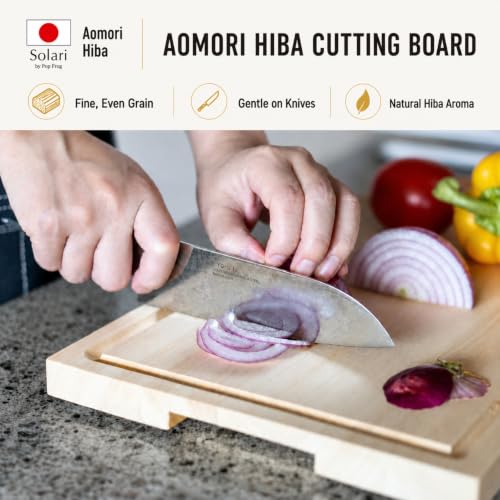
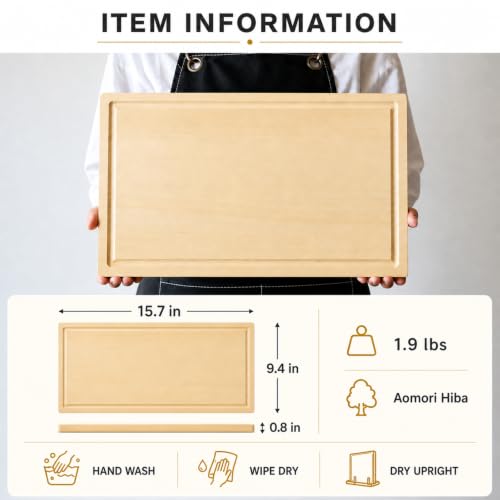
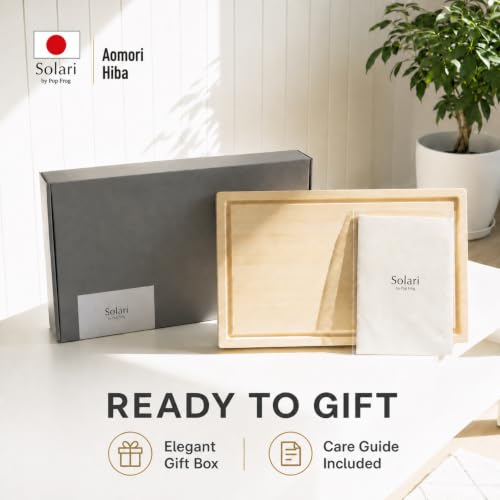
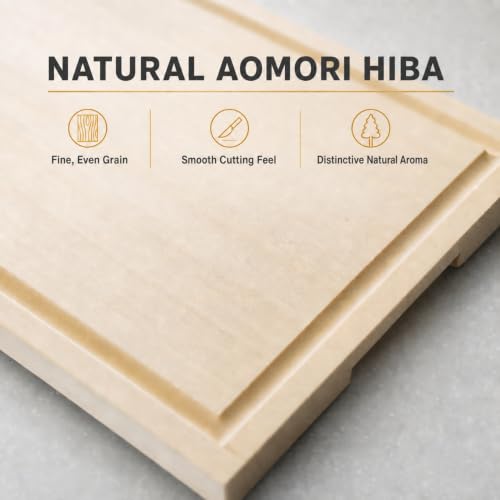
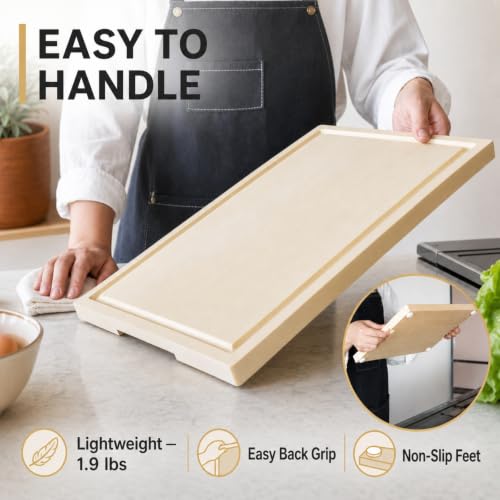
Aomori Hiba is a rare and beautiful wood, denser and more aromatic than standard hinoki, and this board showcases it well. The built-in juice groove is a practical upgrade, keeping countertops dry during juicy cuts, and the non-slip feet help it stay put during use. It’s lightweight but feels solid, and the back grip makes handling easy, even with wet hands.
Owners love the calming scent and the way it ages gracefully with use. The untreated surface means you can oil it as you like, or just use it raw. It’s not dishwasher safe, but the design encourages quick air drying, which helps prevent warping. Compared to other hinoki boards, it’s a bit more refined in function, though the price reflects that. For someone who wants both beauty and utility in one board, this is a top-tier choice.
Product photos
Mifoci LDPE Sushi Chopping Block

Strengths
- Very affordable
- Dishwasher safe
- Large stable surface
Trade-offs
- Basic aesthetic
- Plastic feel under knife
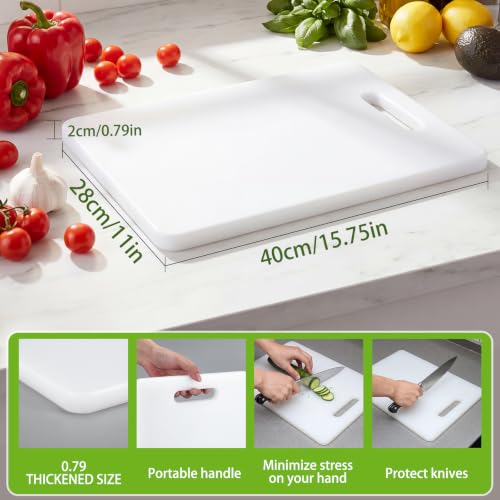
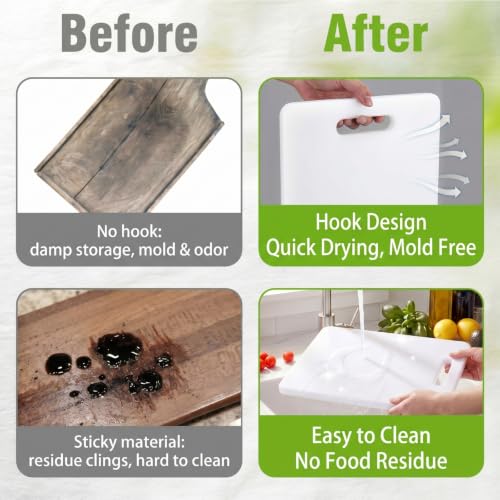
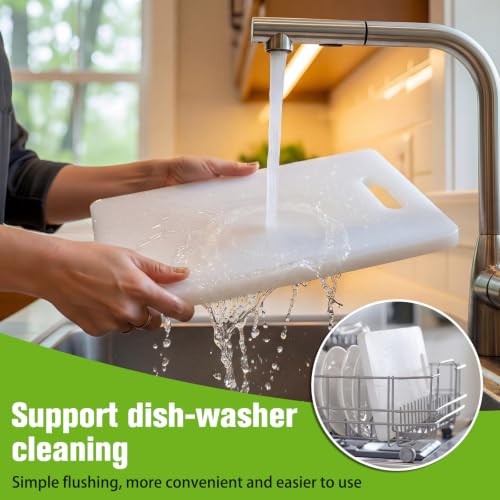
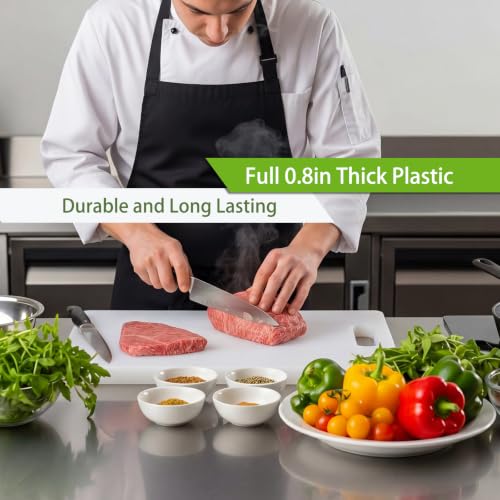
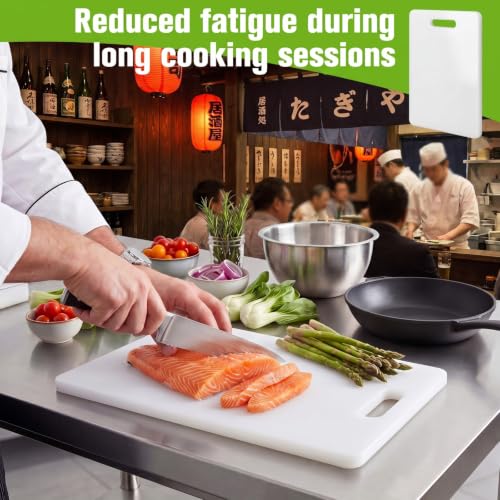
At this price, it’s hard to ignore. The LDPE material is dense, non-porous, and genuinely knife-friendly, more so than cheap plastic boards that scar quickly. It’s designed to mimic the soft resistance of wood without the upkeep, and owners report it handles fish prep exceptionally well, with minimal odor retention. The large size and built-in handle add real utility, especially for those filleting or portioning.
It won’t win any beauty contests, but it’s a workhorse. Compared to the Yoshihiro EVA board, it’s less refined in feel but far more budget-friendly. And unlike wood, it can go in the dishwasher without issue. For a beginner with a Japanese knife or someone who just needs a dedicated fish board, this is the no-brainer pick. It’s not luxurious, but it’s honest, functional, and gets the job done.
Product photos
Yoshihiro Hi Soft EVA Cutting Board

Strengths
- Superior knife edge protection
- Zero maintenance
- Odor resistant
Trade-offs
- Not traditional wood aesthetic
- Soft feel may lack feedback
This isn’t wood, it’s EVA, a closed-cell foam material used in high-end sushi bars where knife preservation is essential. And that’s the whole point. If you own expensive high-carbon Japanese knives and use them daily, this board will extend their life better than almost anything else here. The material absorbs blade impact instead of resisting it, which reviewers say results in noticeably less edge wear over time.
It’s also incredibly low maintenance: no oiling, no warping, no fear of odors. Just rinse and air dry. The trade-off? It doesn’t look or feel like traditional wood, and some find the soft surface a bit too yielding for precise cuts. But for serious knife owners, especially those prepping sashimi or doing fine slicing, this is the ultimate protective surface. My recommendation: keep a wood board for presentation, but use this one for daily sharpening preservation.
Product photos


Kai Seki Magoroku Cypress Board
Strengths
- Dishwasher safe
- Built-in stand
- Lightweight design
Trade-offs
- Coated surface alters wood feel
- Smaller size limits prep space
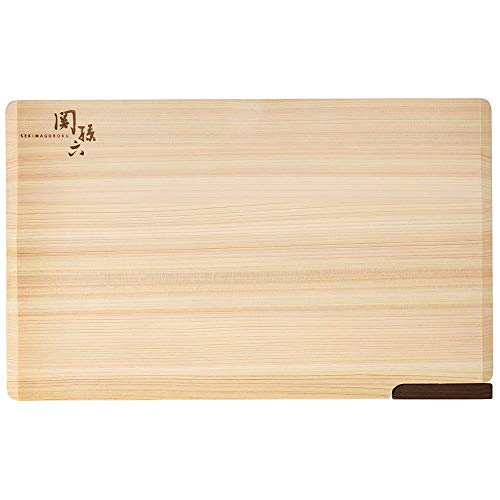
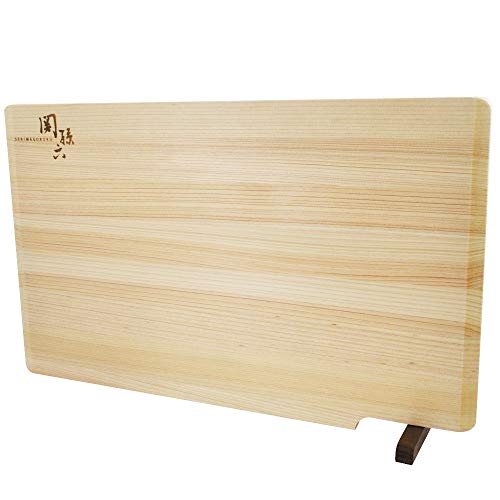
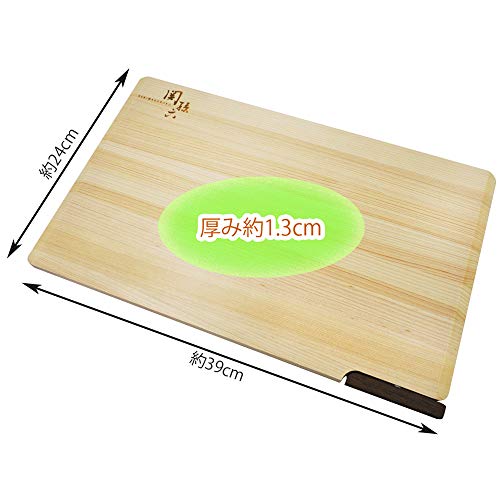
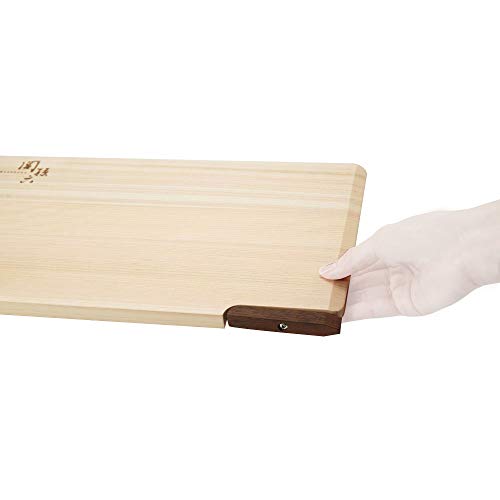
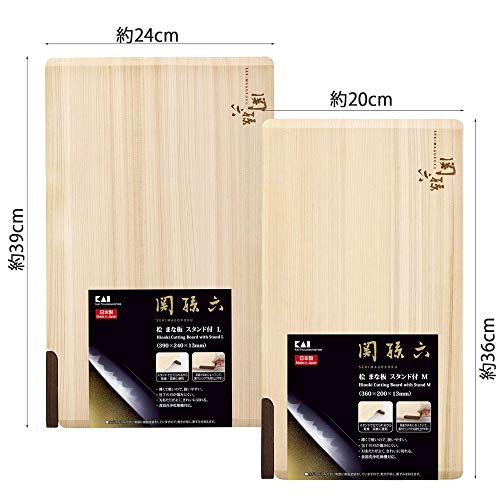
This board stands out for its thoughtful engineering, especially the built-in stand and angled ends that make drying and handling genuinely easier. The urethane resin coating is a smart touch, it seals the cypress core against moisture without turning the board into a plastic hybrid, which many purists will appreciate. On paper, it strikes a balance between traditional wood charm and modern convenience, and owners consistently report it holds up well in daily use without warping.
What really sets it apart is the dishwasher-safe claim, which is rare for wood-adjacent boards. While I’d still recommend hand washing any board with a wood component to maximize lifespan, the fact that it can survive a cycle without immediate damage speaks to its resilience. It’s not the most luxurious hinoki option here, but for someone who values low maintenance and smart design, it’s a strong contender.
Product photos

How We Chose These cutting boards for japanese knives
Rather than a hands-on lab test, this is a research-led comparison of specifications and owner feedback. I focused on compiling data from manufacturer details, carefully reading owner reviews across multiple retail sites, and drawing on my decade of experience with cookware to understand what truly matters in a cutting surface for delicate blades. We prioritized features directly impacting knife edge retention and hygiene, ranking boards based on materials, construction, and reported performance.
For Japanese knives, the material and surface give are paramount. A board that’s too hard will quickly dull a blade, while one that’s inflexible won’t hold up over time. We heavily weighted boards made from Hinoki cypress or similar soft, yet resilient woods, as these are traditionally favored for their knife-friendly properties. Equally important was the board’s ability to resist odor and bacterial absorption – a key concern when working with fish and other proteins, and something owners consistently commented on.
Specifications reliably indicate size, thickness, and core materials, helping determine overall durability and stability. However, real-world performance – how well a board actually protects a blade, resists staining, and feels in use – comes from analyzing owner experiences. I also considered reputation; brands known for quality Japanese knives, like Shun and Yoshihiro, often extend that expertise to their accessories. Ensuring your high-quality Japanese knives stay sharp also requires the right knife sharpening tools.
Choosing The Right cutting boards for japanese knives
Finding the right cutting board is essential, especially if you’ve invested in quality Japanese knives. It’s not just about a surface to chop on; it’s about protecting your blade, ensuring food safety, and enhancing your overall cooking experience.
A truly good cutting board for Japanese knives will prioritize blade health above all else. Look for materials with a degree of softness that “give” with the cut, rather than resisting it. Consider wood species known for their self-healing properties, moderate weight for stability, and a construction that minimizes warping. Proper care and maintenance are also vital for longevity.
Wood Species Matters
Hinoki cypress consistently rises to the top when discussing boards for Japanese knives, and for good reason. Its softness protects the delicate edges of high-quality steel. However, not all hinoki is created equal. Boards made from Tono Hinoki from Gifu Prefecture, as seen in options like the YAMASAN KYOTO UJI board, are particularly prized for their density and resilience. Aomori Hiba, featured in the Solari Aomori Hiba board, is another excellent choice, known for its naturally aromatic qualities and knife-friendliness. Don’t automatically dismiss other woods, though; maple is a sensible alternative if hinoki is outside your budget, but be aware it won’t offer the same level of protection.
Construction and Stability
Warping is a common issue with wood cutting boards, especially wider ones. A core of a more stable wood, like maple as used in the Yoshihiro Hinoki Anti-Twist Core Board, can significantly improve durability. Beyond the core material, pay attention to board thickness. A board that’s too thin will move around during use, creating a safety hazard.
Here’s what I look for in terms of size and construction:
- Thickness: At least 2cm is a good starting point.
- Size: Consider your counter space and typical prep tasks. Larger boards are versatile, but can be unwieldy.
- One-piece vs. Edge-grain/End-grain: One-piece boards (like the YAMASAN) minimize glue points, reducing the risk of delamination. Edge-grain boards are more common and affordable, while end-grain boards, though often more expensive, are the gentlest on knives.
A simple rule of thumb: if a board slides around easily, it’s not safe or practical. Invest in a board with non-slip feet or be prepared to place a damp cloth underneath.
Beyond the Board: Practical Considerations
While preserving your knife’s edge is paramount, usability shouldn’t be overlooked. A juice groove, as found on the Solari Aomori Hiba board, is a welcome addition for prepping juicy fruits and vegetables, keeping your countertop cleaner. Maintenance is also key. While many traditional hinoki boards require oiling, some, like the Kai Seki Magoroku Cypress Board, are treated for dishwasher safety – a huge convenience for some cooks. If you’re exploring different options, you may also want to check out our guide to the best cutting boards to see what else is available. And, of course, don’t forget to complete your knife station with a quality set of Japanese knife sets to truly elevate your culinary experience.
Cutting Boards for Japanese Knives Compared
This table provides a side-by-side comparison of key specifications for various cutting boards designed for use with Japanese knives.
| Product Title | Material | Dimensions (LxW x H) | Juice Groove | Dishwasher Safe | Knife Edge Protection |
|---|---|---|---|---|---|
| Yoshihiro Hinoki Anti-Twist Core | Hinoki Cypress | 15.75″x9.53″x2.5cm | No | No | High |
| Shun Hinoki 3-Piece Cutting Board | Hinoki Cypress | N/A | No | No | Medium |
| Shun Medium Hinoki Cutting Board | Hinoki Cypress | N/A | No | No | Medium |
| YAMASAN KYOTO UJI Hinoki Board | Hinoki Cypress | N/A | No | No | High |
| Solari Aomori Hiba Juice Groove | Aomori Hiba | 15.7″x9.4″x0.8″ | Yes | No | Medium |
| Mifoci LDPE Sushi Chopping Block | LDPE Plastic | 16″x11″x0.8″ | No | Yes | Medium |
| Yoshihiro Hi Soft EVA Cutting Board | EVA | N/A | No | No | Very High |
| Kai Seki Magoroku Cypress Board | Cypress/Urethane | 1.5″x0.9″x0.5″ | No | Yes | Medium |
Frequently Asked Questions
What wood is gentlest on a Japanese knife’s blade?
Hinoki cypress is widely considered the gentlest wood for Japanese knives, due to its softness and ability to “give” with the cut. Tono Hinoki from Gifu Prefecture is particularly prized for its density and resilience, making it an excellent choice for preserving your blade’s edge.
Are end-grain cutting boards really better for Japanese knives?
Yes, end-grain boards are generally better as the wood fibers run vertically, allowing the knife to slide between them rather than cutting across them. This results in less resistance and, therefore, less wear on the blade, though they typically come at a higher price point.
How can I prevent my wooden cutting board from warping?
Boards with a stable core material, like maple, are less prone to warping. Keeping the board properly oiled and avoiding extreme temperature or humidity changes will also help maintain its shape and stability over time.
Is it okay to put a Hinoki cutting board in the dishwasher?
Generally, no. Most traditional Hinoki boards require hand washing and oiling to maintain their integrity and prevent cracking. However, some boards, like the Kai Seki Magoroku Cypress Board, are treated to be dishwasher safe, so always check the manufacturer’s instructions.
Can I use a plastic cutting board with my Japanese knives?
While you can use a plastic cutting board, it’s not ideal. Plastic offers less give than wood, potentially dulling your blade faster. If you choose plastic, consider one made of softer materials like LDPE, and remember that even the best Gyuto knife models will benefit from a wood surface.
The Bottom Line
Ultimately, choosing a cutting board for Japanese knives comes down to balancing your priorities. If you’re committed to preserving your knife’s edge and appreciate the tradition behind Japanese culinary tools, the Yoshihiro Hinoki Anti-Twist Core Board stands out as the strongest overall choice. It provides excellent knife protection, good stability thanks to its core construction, and represents a solid investment for serious cooks.
For those seeking specific solutions, the Solari Aomori Hiba Juice Groove board is an excellent pick for those who frequently work with juicy produce, while the Kai Seki Magoroku Cypress Board offers unbeatable convenience with its dishwasher-safe finish. And for cooks looking to pair their new cutting board with other essential tools, exploring quality Japanese chef knives is a natural next step.
Above all else, remember that a cutting board is a partner to your knife. Focusing on materials that offer a degree of give, proper board maintenance (including regular oiling where needed), and consistent use of whetstones for Japanese knives will do more for your blades’ longevity than any single feature or price point.
