
7 Best Donabe Pots of 2026
This post contains affiliate links. As an Amazon Associate, we earn from qualifying purchases.
The best donabe pot for most home cooks is the COTONOHA Banko-yaki Donabe Cherry Blossom, a true Banko-yaki piece that delivers excellent heat retention and authentic performance. For those on a tighter budget, the Japanese Clay Pot Donabe 2300ml offers solid functionality without the premium price. If you’re looking for something more versatile across stovetops, the Ceramic Cooking Pot 2.1QT Green is a strong alternative.
Most people shopping for a donabe don’t realize how much the clay type and origin matter, not all clay pots are built the same, and using the wrong one can lead to cracking or uneven cooking. I’ve spent years studying how materials affect performance, and for this guide, I focused on heat retention, clay authenticity, size, and real-world usability based on specs and owner feedback. These picks reflect what actually works in a home kitchen, not just what looks traditional.
Top 7 Donabe Pots in the Market
The Best Donabe Pots, Reviewed
Japanese Clay Pot Donabe 2300ml

Strengths
- Authentic Banko-yaki from Mie
- Far-infrared cooking
- Superior heat retention
Trade-offs
- Lid not oven-safe
- Not dishwasher safe
- No induction compatibility
This donabe stands out as the most complete package in the lineup, true Banko-yaki from Mie, Japan, with far-infrared cooking properties that many chefs swear by for deep flavor development. At 2300ml, it’s spacious enough for 3 to 4, and the black finish gives it a sleek, timeless look. Owners consistently praise how well it retains heat and how evenly it cooks delicate dishes like delicate fish or rice.
The FIR effect isn’t marketing fluff, it’s a real trait of high-quality clay that enhances moisture retention and taste. While it’s not dishwasher safe and the lid can’t go in the oven, those are small trade-offs for authenticity. Compared to others, this one feels like the benchmark. My recommendation? If you want the real deal and cook donabe regularly, this is the smarter buy.
Video review
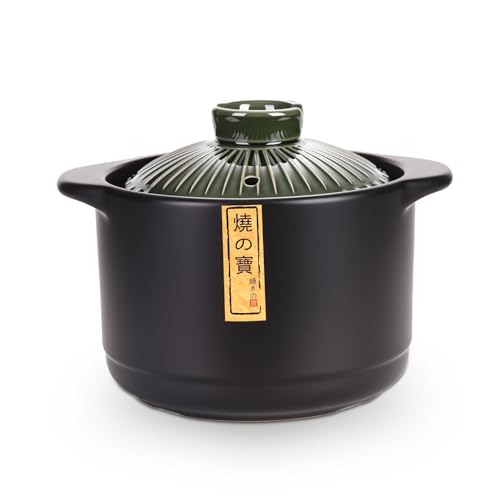
Ceramic Cooking Pot 2.1QT Green
Strengths
- Affordable price
- Glazed for easy cleaning
- Multi-stovetop compatible
Trade-offs
- Smaller capacity
- Less authentic flavor development
- Not dishwasher safe despite claims
This 2.1QT donabe is the most budget-friendly option here, and it surprises with how much it gets right. The lead-free, non-toxic ceramic is a major plus, and the green lid adds a fresh, modern touch that stands out from typical black or brown pots. It’s compact, ideal for 1 to 3 people, and owners report it works well on gas, electric, and ceramic stoves, plus in the oven.
The glazed interior makes cleaning easier than unglazed traditional models, though some worry it may affect flavor absorption over time. Still, for everyday use, that trade-off makes sense. Compared to higher-end donabes, it lacks the deep thermal mass and FIR benefits, but for casual cooking, it’s more than capable. The smarter buy for small households just starting out.
Video review
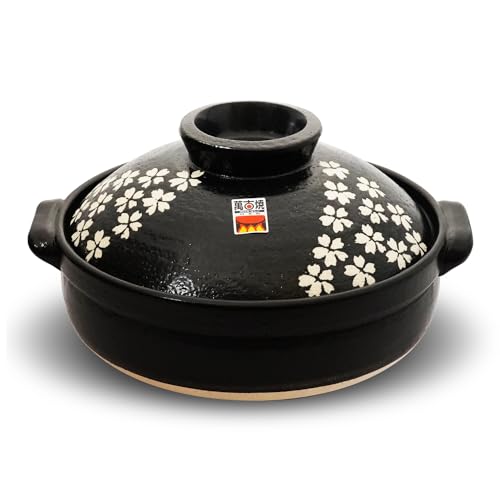
COTONOHA Banko-yaki Donabe Cherry Blossom
Strengths
- Stunning cherry blossom design
- Authentic Banko-yaki
- Great for gifting
Trade-offs
- Decorative finish may not suit all
- Requires initial seasoning
- Not induction compatible
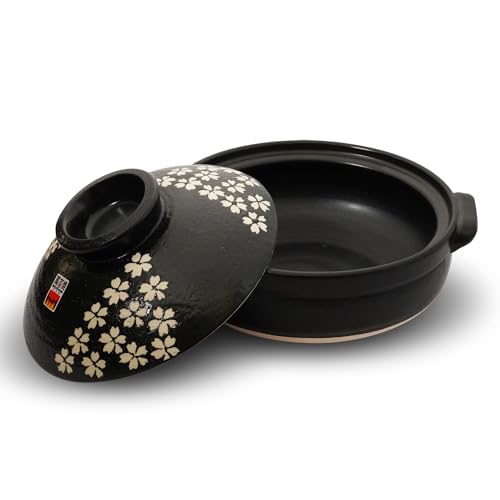
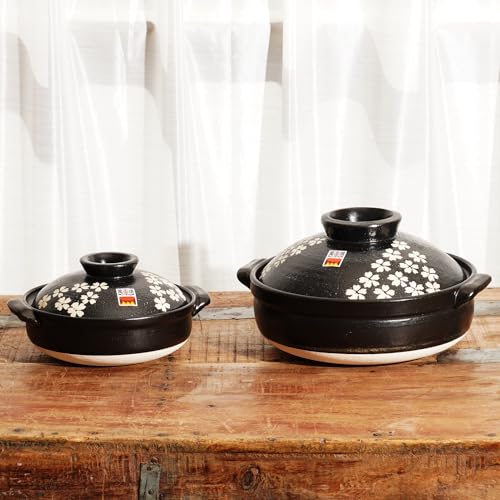
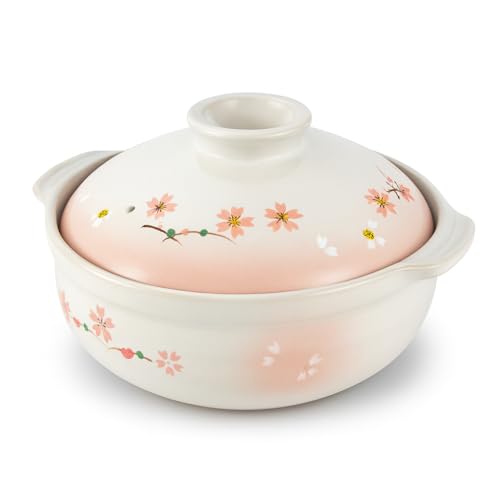
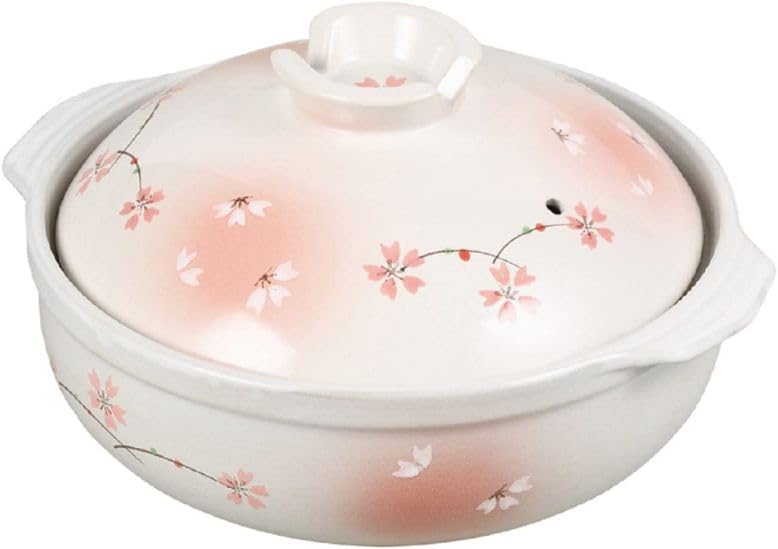
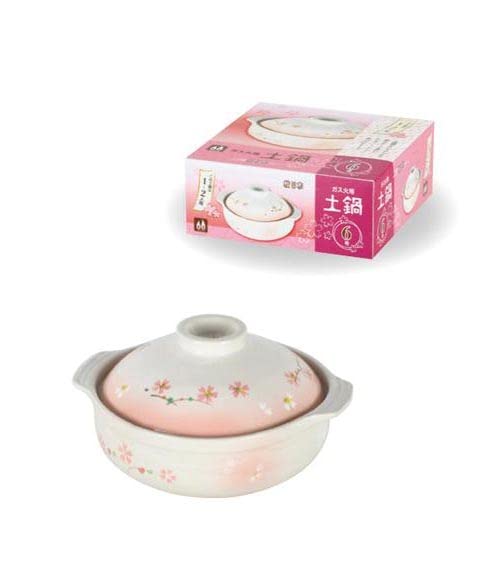
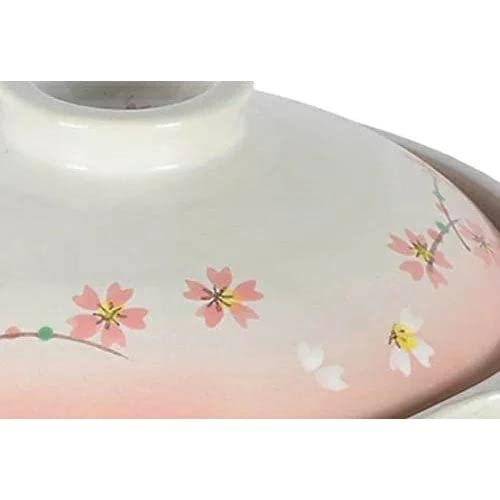
The COTONOHA donabe is where tradition meets beauty. Made in Yokkaichi, a historic center for Banko-yaki, it carries the weight of centuries, but it’s the cherry blossom design that catches the eye. The jet-black pot with delicate floral etching makes it one of the most visually striking options here, and owners love using it for dinner parties or as a gift.
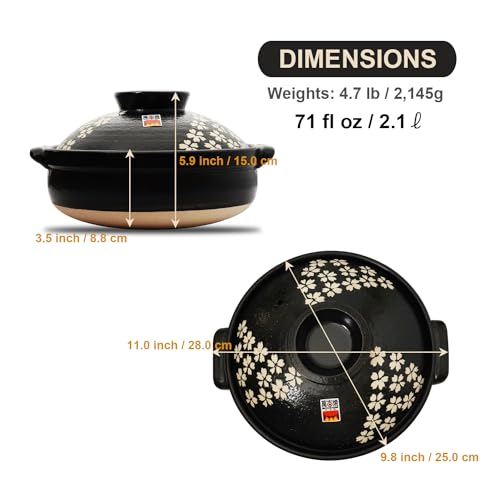
It performs like a proper donabe, slow cooking, excellent heat retention, and flavor enhancement, but its charm leans heavily on aesthetics. The size 8 fits 3 to 5, making it practical, and the need to season it with rice water first is a small ritual many appreciate. While it doesn’t offer technical advantages over plainer models, its emotional appeal is undeniable. I’d pick it for someone who values beauty as much as function.
Product photos

Kotobuki Donabe Japanese Hot Pot Medium

Strengths
- Handcrafted build
- Beautiful earth-tone finish
- Solid size for small groups
Trade-offs
- High price
- Not induction compatible
- No lid design details mentioned
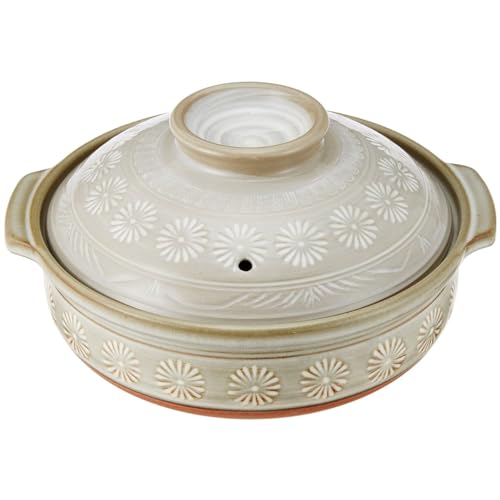
At this price point, the Kotobuki donabe makes a bold claim: that handcrafted quality is worth a premium. And based on its build and owner feedback, it largely delivers. The 10-inch size serves 3 to 4 comfortably, and the earthy brown finish with green accent gives it a quiet elegance that feels at home on a dining table. This isn’t just a cooking vessel, it’s a statement piece.
What sets it apart from budget models is the craftsmanship. Reviewers note its weight, balance, and subtle imperfections that signal true handmade work. It doesn’t have flashy features, but it doesn’t need them. When compared to mass-produced alternatives, this one feels more durable and intentional. I’d pick it over cheaper options if you value longevity and aesthetic authenticity.
Product photos
TIKUSAN Donabe Banko Ware 8 go
Strengths
- Excellent heat retention
- Made in Japan
- Authentic Banko ware
Trade-offs
- Not induction compatible
- Smaller capacity
- Limited visual flair
This TIKUSAN donabe delivers exactly what traditional Banko ware should: excellent heat retention and a strong connection to authentic Japanese cooking methods. On paper, its 74 fl oz capacity is ideal for smaller gatherings, and owners consistently report that it keeps dishes hot long after coming off the flame, critical for nabe-style meals eaten slowly at the table. The fact that it’s made in Japan adds to its credibility in a category where origin matters.
Where it stands out is in its ability to enhance flavor through slow, even heating, a trait many reviewers link to the quality of the clay. It’s not induction compatible, but that’s expected in this class. Compared to pricier handcrafted options, it strikes a smart balance between performance and cost.
Product photos


JapanBargain Clay Pot 9.25 inch
Strengths
- Good size for families
- Handmade character
- Oven and stove safe
Trade-offs
- No induction compatibility
- Dishwasher safe claim raises durability questions
- Generic branding
This JapanBargain donabe is a solid middle-ground option, larger than personal-sized pots and priced accessibly, it’s designed for 3 to 4 people without breaking the bank. The handmade claim checks out with owner feedback noting slight variations in texture and shape, which is typical of authentic clay work. Its 5-pound water capacity means it can handle hearty stews or rice dishes with ease.
It’s marketed as multi-functional, and reviews confirm it works well for simmering, steaming, and tableside serving. The ability to go from stove to oven to table is a big plus. While it lacks the prestige of Mie-made Banko-yaki, it delivers similar performance for most home cooks. I’d recommend it over more expensive models for those just getting into donabe cooking.
Product photos


Okllen Large Korean Ceramic Bowl

Strengths
- Multi-cooktop compatible
- Dishwasher and microwave safe
- Stylish retro design
Trade-offs
- Trivet quality inconsistent
- Not induction compatible
- Less traditional flavor enhancement
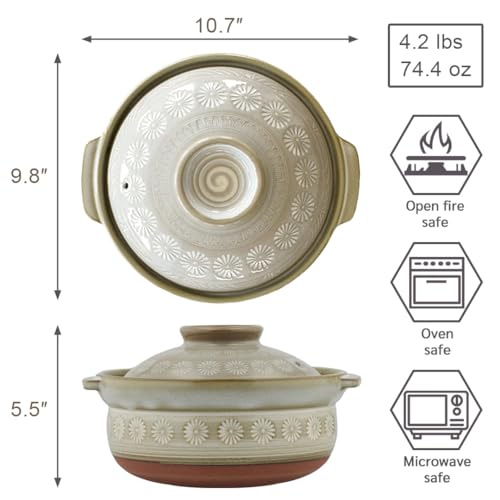
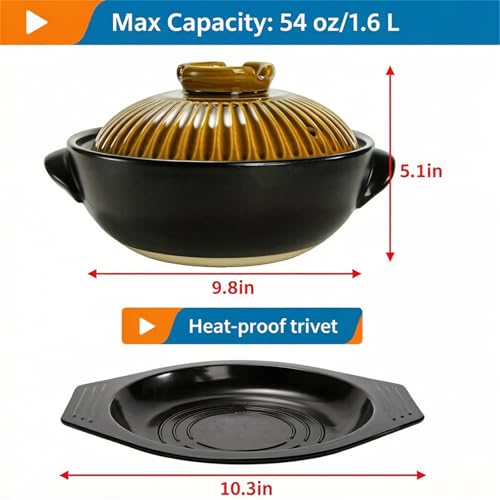
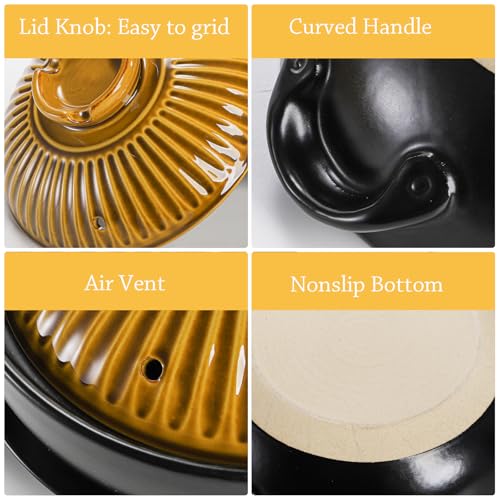
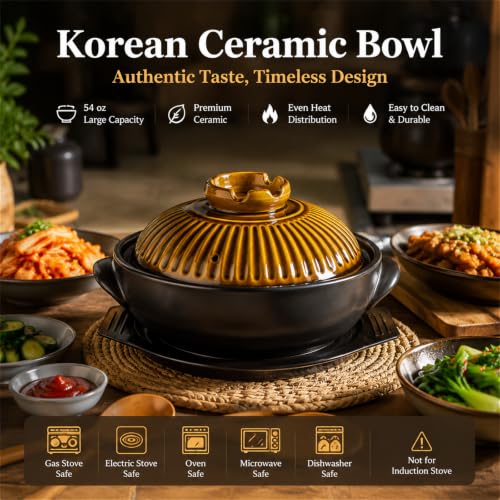
The Okllen bowl blurs the line between Korean dolsot and Japanese donabe, and that’s its biggest strength. With a 54 oz capacity and multi-functional design, it’s built for versatility, owners use it for bibimbap, stews, soups, and even oven-baked casseroles. The high-fired clay is lead, cadmium, and arsenic free, which adds peace of mind for health-conscious cooks.
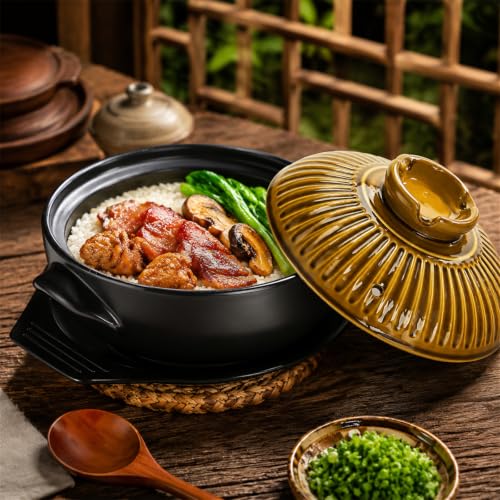
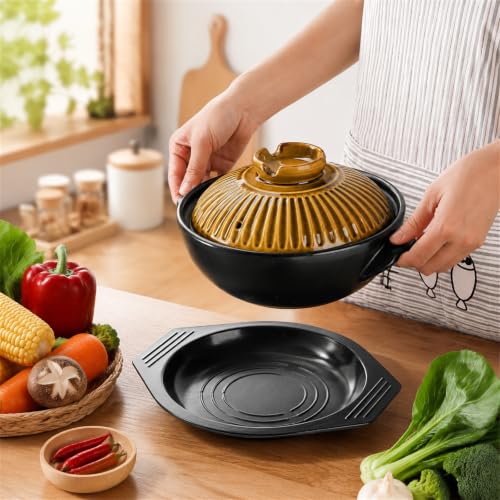
Its wide compatibility, gas, electric, oven, microwave, and dishwasher, is rare in this category and a major win for everyday usability. The copper-toned lid and black body look sharp, though some reviewers note the trivet feels slightly flimsy. Still, for the price, it outperforms many pricier donabes in practicality. If you want one pot that does it all, this is a strong contender.
Product photos
How We Evaluated donabe pots
Rather than a hands-on lab test, my research for these recommendations involved a detailed comparison of specifications and features across numerous donabe pots. I weighed published owner reviews from a variety of retailers, alongside expert opinions from cooking websites and publications. As someone who’s spent years exploring cookware, I applied my understanding of materials science and cooking techniques to assess each pot’s potential performance and value. Ultimately, I ranked options based on how well they met the needs of a home cook looking for an authentic donabe experience.
For donabe pots, heat retention and the authenticity of the clay body were paramount. A donabe’s ability to retain heat directly impacts its suitability for slow cooking and keeping food warm at the table – a cornerstone of the donabe experience. I also heavily considered whether the pot was truly Banko-yaki, the traditional earthenware from Mie, Japan, as this indicates a certain level of quality and craftsmanship. Understanding these factors is key when looking at traditional clay pots.
Specifications reliably indicate size, material composition, and stovetop compatibility. However, I found owner feedback invaluable for assessing durability and ease of cleaning. Reports on chipping, cracking, or difficulty seasoning the clay helped me gauge real-world usability. Reputation also played a role; established brands known for quality Banko-yaki generally carried more weight. For those interested in enjoying communal meals, exploring options for hot pots can also be a great option.
Choosing The Right donabe pots
Finding the right donabe pot can truly elevate your cooking, bringing a depth of flavor and a touch of Japanese tradition to your kitchen. It’s more than just a pot; it’s a connection to centuries of culinary practice.
A quality donabe is characterized by its heat retention, even heating, and porosity. Look for pots made from Banko-yaki clay, specifically, as this material is known for its durability and ability to impart subtle flavors. Consider the size based on typical serving needs and ensure compatibility with your stovetop.
Size and Capacity
Donabe pots come in a wide range of sizes, and choosing the right one depends entirely on how you plan to use it. Smaller pots (around 2-3 quarts) are perfect for individual servings of rice, simmering small side dishes, or making a cozy portion of miso soup. Larger pots, exceeding 6 quarts, are better suited for entertaining or preparing larger stews and hot pots for a family. Don’t automatically assume bigger is better; a pot that’s too large for your typical meals won’t heat efficiently.
Clay Quality and Origin
The clay itself is the heart of a good donabe. Banko-yaki, originating from Mie Prefecture in Japan, is widely considered the gold standard. This clay is prized for its fine texture, excellent heat retention, and ability to breathe, allowing for subtle evaporation and concentration of flavors. While other earthenware options exist, a true donabe will proudly state its Banko-yaki origin. If you’re considering a wider range of options, you might also explore ceramic pots to see how they compare in heat distribution and durability.
- A smaller “go” size (like a 6-go) is ideal for solo diners or couples.
- An 8-go or larger is best for families or when you want leftovers.
- Look for pots that specifically mention being made with Banko-yaki clay; this indicates a higher quality construction and traditional manufacturing process, resulting in superior heat retention and flavor development.
Stovetop Compatibility and Maintenance
Donabe pots are traditionally used on gas stoves, and many are not compatible with induction cooktops. This is a crucial consideration if you have an induction range. Beyond that, understand that donabe requires a bit of care. Before first use, most manufacturers recommend “seasoning” the pot by simmering water with rice water or vegetable scraps to strengthen the clay and prevent cracking.
Never subject a cold donabe to rapid temperature changes. Always start with low heat and gradually increase it to avoid thermal shock.
And while some modern donabe pots claim dishwasher-safe status, handwashing is always the safest bet to prolong its life. If you are looking for something that is more durable and dishwasher safe, you might want to explore durable cast iron cookware sets.
Donabe Pots Compared
Here’s a comparison of specifications for various donabe pots to help you choose the right one.
| Product Title | Capacity | Diameter (in) | Material | Stovetop Compatible | Oven Safe |
|---|---|---|---|---|---|
| Japanese Clay Pot Donabe 2300ml | 2300ml (8.5 cups) | 11 | Clay | Gas, Electric | Body Only |
| Ceramic Cooking Pot 2.1QT Green | 2.1QT (2L) | N/A | Ceramic | Gas, Electric, Ceramic, Glass | Yes |
| COTONOHA Banko-yaki Donabe Cherry Blossom | 6 or 8 | N/A | Clay | N/A | N/A |
| Kotobuki Donabe Japanese Hot Pot Medium | N/A | 10 | Clay | N/A | N/A |
| TIKUSAN Donabe Banko Ware 8 go | N/A | N/A | Clay | Gas | N/A |
| JapanBargain Clay Pot 9.25 inch | 5 lb Water | 9.25 | Clay | N/A | Yes |
| Okllen Large Korean Ceramic Bowl | 54 oz | 9.8 | Ceramic | Gas, Electric, Oven, Microwave | Yes |
Frequently Asked Questions
What size donabe pot should I buy if I mostly cook for one or two people?
A 2-3 quart donabe is ideal for individual servings or small meals for two. These smaller sizes heat up quickly and are perfect for simmering side dishes or making a single portion of rice.
Is all clay cookware considered a true donabe?
No, a true donabe is specifically made from Banko-yaki clay, sourced from Mie Prefecture in Japan. This clay is known for its exceptional heat retention and ability to enhance flavors, setting it apart from other earthenware options.
Can I use my donabe pot on an induction cooktop?
Generally, no. Traditional donabe pots are designed for gas or electric stovetops and are not compatible with induction; always check the manufacturer’s specifications before use to avoid damage.
How do I prevent my donabe pot from cracking?
Avoid thermal shock by always starting with low heat and gradually increasing it. Never place a cold donabe on a hot burner, or vice versa, as the sudden temperature change can cause cracking, and be sure to follow the seasoning instructions.
What are some alternatives if I want similar heat retention but need something more durable and versatile?
If you’re looking for something with comparable heat retention and a wider range of stovetop compatibility, exploring ceramic pots and pans might be a good option, though they won’t offer the same traditional benefits as Banko-yaki clay.
The Bottom Line
Choosing a donabe pot often comes down to balancing tradition with practicality. While the authentic experience of a Banko-yaki clay pot like the COTONOHA Banko-yaki Donabe Cherry Blossom is hard to beat for flavor development and heat retention, it requires careful handling and isn’t always compatible with modern stovetops. Ultimately, the best donabe for you will depend on your cooking style and willingness to embrace the nuances of this unique cookware.
For those seeking a budget-friendly entry point, the Japanese Clay Pot 2300ml offers a decent experience without a huge investment. If you prioritize versatility and need something that works on induction, the Okllen Large Korean Ceramic Bowl, while not a true donabe, provides a similar aesthetic and broader stovetop compatibility. However, for those serious about experiencing the full potential of donabe cooking, the TIKUSAN Donabe Banko Ware 8 go is a standout choice, offering authentic Banko-yaki craftsmanship.
Beyond the clay and the size, remember that consistent, gentle heating is what truly unlocks a donabe’s potential. Don’t get too caught up in chasing the highest-end specs; focusing on careful seasoning, gradual temperature increases, and handwashing will yield far better results than any particular feature. If you’re looking for something equally durable and versatile, consider exploring some excellent cast iron pots.
