
8 Best Donut Pans of 2026
This post contains affiliate links. As an Amazon Associate, we earn from qualifying purchases.
The HONGBAKE 2-Pack Deep Donut Pan is our top pick for its durable carbon steel construction and reliable nonstick performance, baking evenly without warping. For a budget-friendly option, the Good Dee’s 12-Cavity Donut Pan delivers solid results, while the KASHME silicone pan with a metal frame offers excellent release and stability for those who prefer flexible materials.
Baking homemade donuts sounds fun until you wrestle with a pan that sticks or bakes unevenly. Too many pans sacrifice durability for convenience, leaving you with misshapen treats or a coating that flakes after a few uses.
In this guide, I break down the best donut pans based on material, nonstick performance, and real-world feedback from home bakers. These picks reflect what matters most: consistent baking, easy release, and pans that last beyond a single Sunday recipe.
Top 8 Donut Pans in the Market
The Best Donut Pans, Reviewed
HONGBAKE 2-Pack Deep Donut Pan
Strengths
- Deeper cavities
- Thicker carbon steel
- Two pans included
Trade-offs
- Black coating may show wear
- Not dishwasher recommended
- Slight learning curve
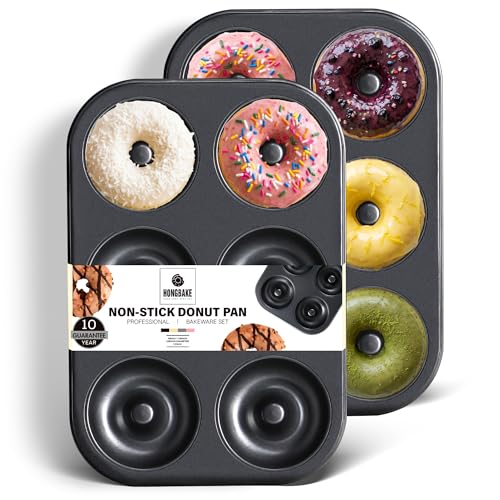
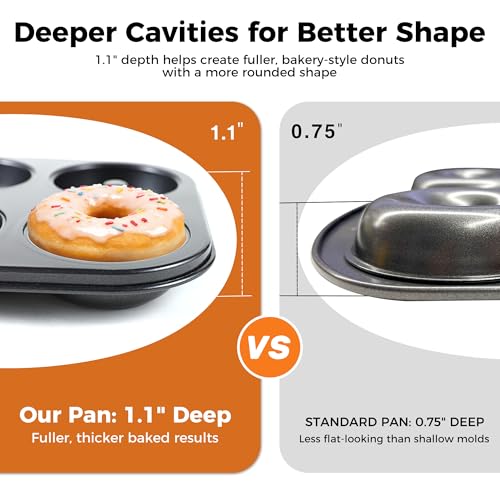
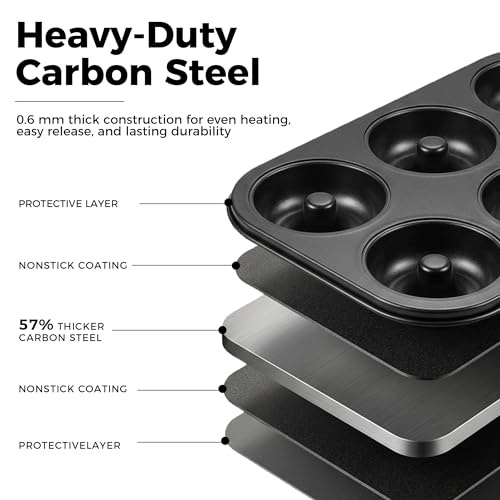
This is my pick for best overall, and the reason is simple: it balances depth, durability, and value better than any other option. The 57% thicker carbon steel means less warping and more even heat distribution, owners consistently praise the consistent browning and structural integrity. The deeper cups produce bakery-style, plump donuts that hold toppings well, and having two pans lets you bake 12 at once without crowding.
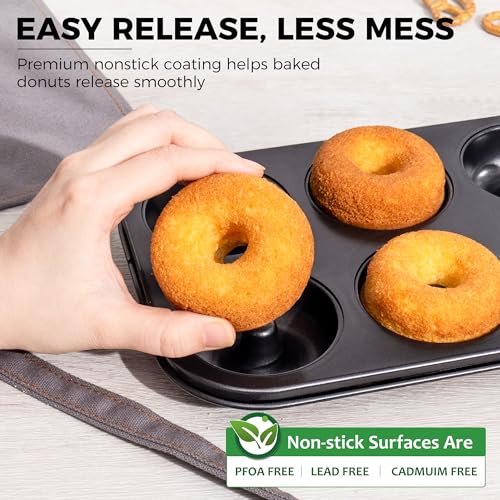
The nonstick coating holds up well in reviews, with most users reporting easy release and simple cleanup. While it’s not stainless or silicone, this pan nails the sweet spot for home bakers who want reliable, everyday performance without gimmicks.
Product photos

Walfos Silicone Donut Mold Set
Strengths
- Extremely affordable
- Set of three
- Chemical-free silicone
Trade-offs
- No structural support
- Thinner material
- Sags when filled
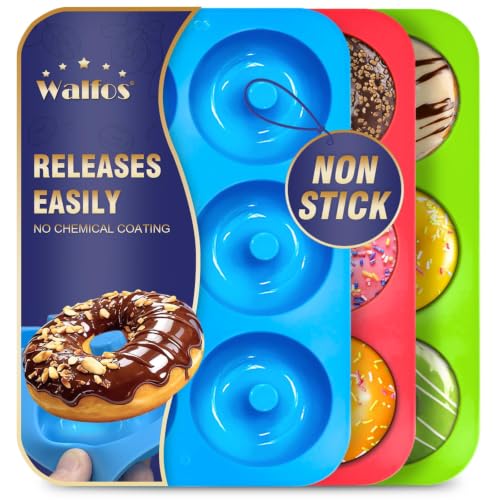
Three pans for under $8? That’s hard to beat for budget-conscious bakers. The Walfos set delivers on the basics, food-grade silicone, no chemical coatings, and easy release with just a light spray. Owners say cleanup is a breeze, and the flexibility makes storage simple, even in tight cabinets.
But with no metal frame, the pans sag when full, increasing spill risk. And while the material claims to handle 500°F, long-term durability is questionable, some users report thinning after repeated use. Still, for occasional bakers or families doing weekend projects, the value is undeniable.
Video review
KASHME Silicone Pan with Metal Frame
Strengths
- Metal-reinforced frame
- Excellent release
- Multi-use design
Trade-offs
- Slight learning curve
- Frame can trap crumbs
- Not for crisp browning
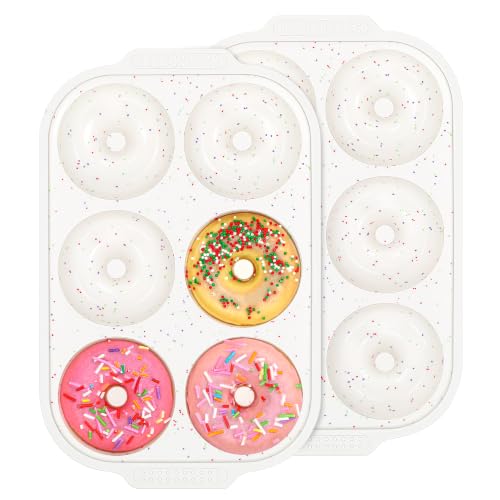
The metal frame changes everything for silicone. Without it, silicone pans can collapse under batter; with it, you get the best of both worlds, rigid structure and flawless release. Owners love how the donuts pop out whole, and the 3-inch size is perfect for portion control or kid-friendly treats. The set of two gives you 12 cavities total, which is great for parties or meal prep.
It’s also impressively versatile, people use these for bagels, onion rings, even baby food. The BPA-free silicone handles extreme temps without odor, and the frame prevents warping. At $10, it’s a steal for the innovation. If you’ve been burned by floppy silicone before, this one fixes that.
Video review
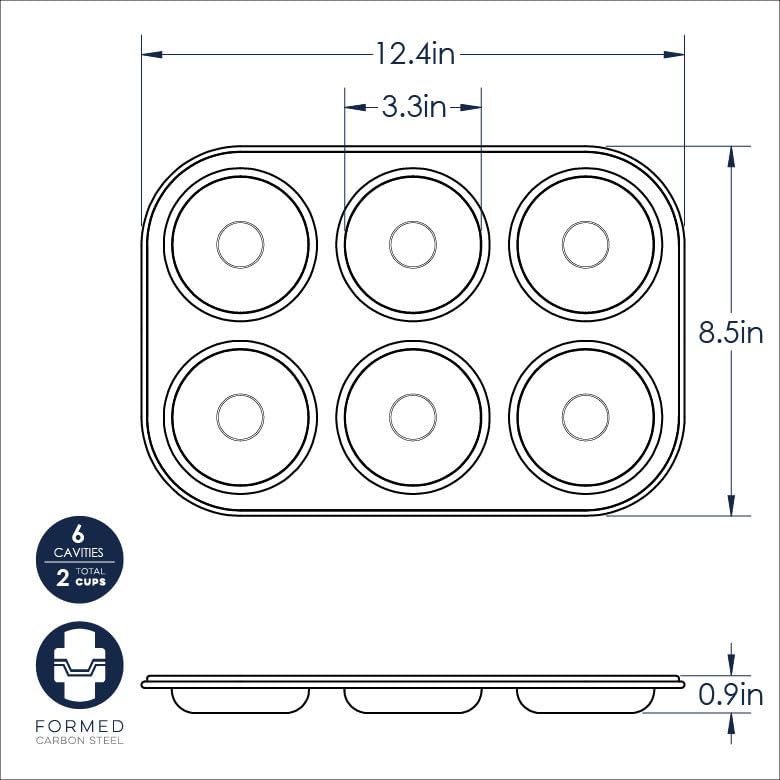
Nordic Ware 6-Cavity Metal Pan
Strengths
- Trusted brand
- Reliable nonstick
- Great value
Trade-offs
- No depth for thick donuts
- Single pan
- Basic design
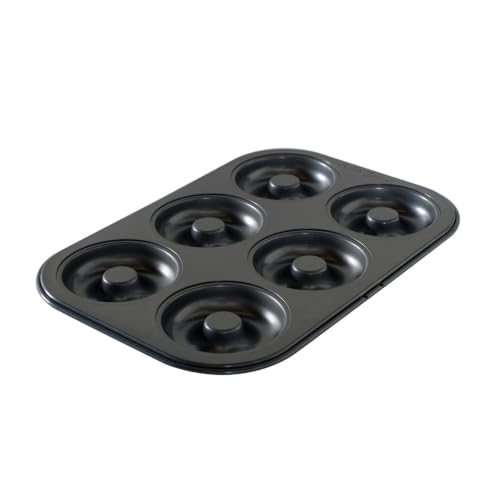
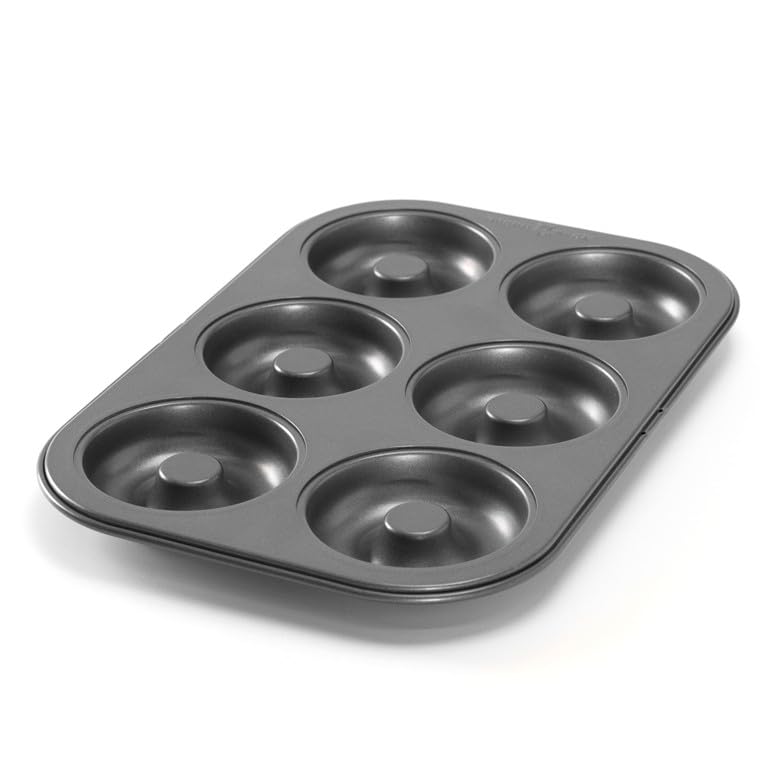
Nordic Ware is a name you see in nearly every serious baker’s cabinet, and this pan proves why, they keep it simple. At under $10, it’s the best value pick not because it does more, but because it does the basics well. The nonstick surface works as advertised, the carbon steel holds its shape, and it bakes evenly. Owners report years of reliable use with no coating breakdown.
It’s not flashy, no extra depth, no second pan, no trendy color, but it’s the kind of workhorse I’d recommend to someone setting up their first kitchen. When compared to pricier options, this one earns its spot through consistency, not features.
Product photos
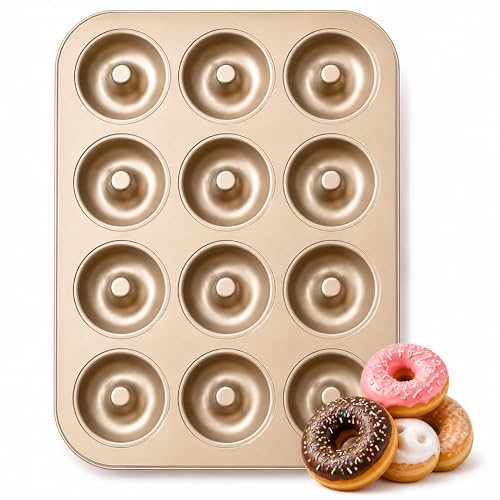
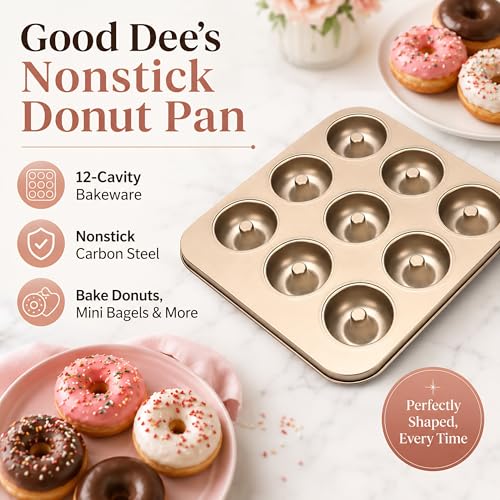
Good Dee’s 12-Cavity Donut Pan
Strengths
- 12-cavity capacity
- Nonstick coating
- Versatile use
Trade-offs
- Prone to warping
- Large footprint
- Single pan only
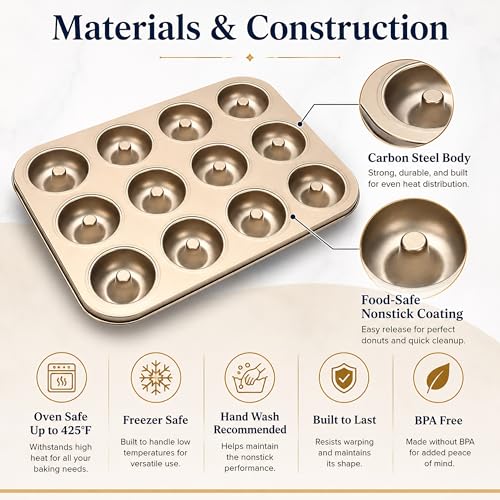
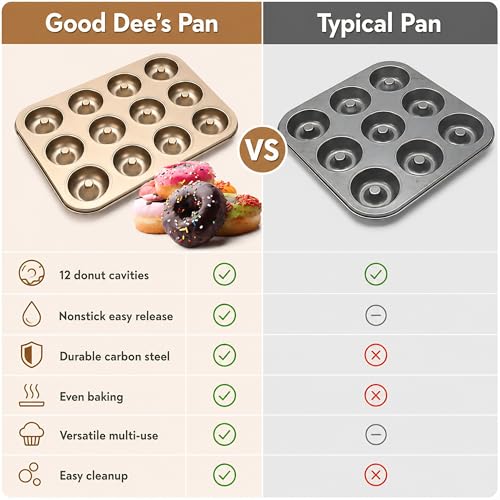
If you’re planning to bake donuts for a crowd or want to stock your freezer in one go, this 12-cavity pan makes a strong case on paper. The carbon steel build with a nonstick coating aligns with what most bakers expect from a reliable metal pan, and owners consistently report clean releases when lightly greased, even with delicate batters. Its size means it’s not ideal for small ovens or occasional use, but for those who bake in bulk, it’s a logical pick.
Still, some reviewers note warping after repeated high-heat cycles, which is a known risk with thinner carbon steel. Compared to heavier options, this one feels more utilitarian than heirloom. That said, its versatility for muffins and bagels adds real value if you’re tight on specialty bakeware.
Product photos


Bellemain Stainless Steel Donut Pan

Strengths
- Stainless steel build
- Two pans included
- Durable construction
Trade-offs
- Inconsistent release
- Heavier than alternatives
- Requires extra greasing
Stainless steel donut pans are rare, and Bellemain’s two-pack stands out for durability claims. On paper, stainless should resist warping better than carbon steel, but the real story is in the nonstick performance, owners report mixed results, with some needing extra greasing to avoid stuck donuts. That’s a red flag for a pan marketed as nonstick. The 6-cavity design is practical, and having two pans lets you bake a full dozen at once, which I appreciate for weekend routines.
Still, stainless isn’t the ideal material here. It doesn’t conduct heat as evenly as carbon steel, and without a proper nonstick layer that lasts, you’re trading durability for cleanup hassle. In this category, consistent release matters more than rust resistance.
Product photos


Aichoof Silicone Donut Pan Blue

Strengths
- Excellent release
- Affordable price
- Flexible and safe
Trade-offs
- Lacks structural support
- Wobbles when full
- Less heat conduction
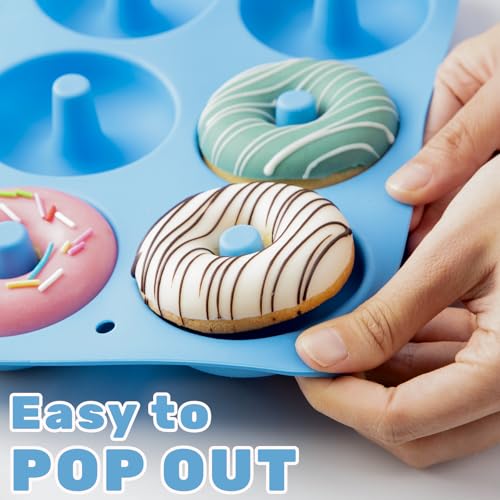
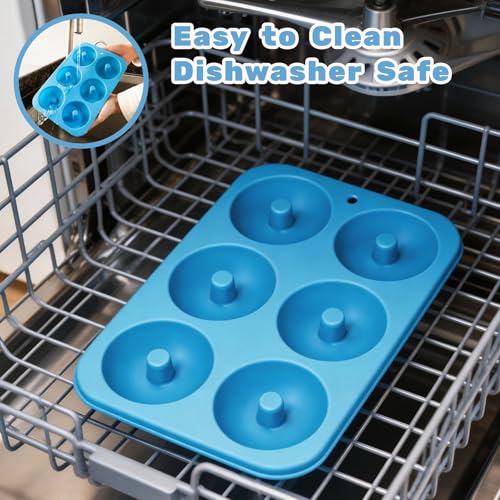
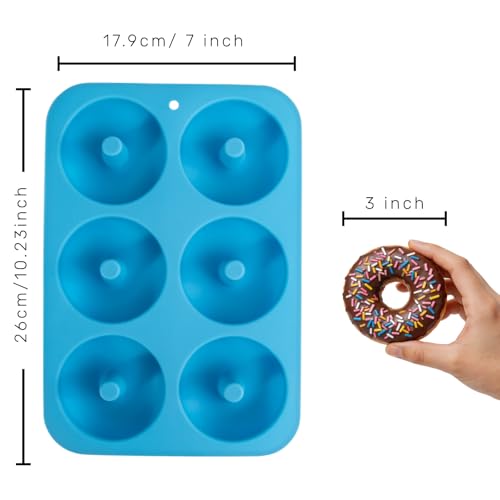
Silicone pans live and die by flexibility and release, and this set delivers on both. At under $7 for two pans, it’s one of the most budget-friendly options, and owners love how cleanly donuts pop out, no scraping, no breaking. The BPA-free, food-grade silicone handles oven temps without odor or warping, and cleanup is genuinely effortless, either by hand or in the dishwasher.
But there’s a trade-off: without a metal frame, the pan can wobble when filled, making it tricky to move from counter to oven without spillage. I’d recommend placing it on a baking sheet. For occasional bakers or families with kids, the ease and price win out over rigidity.
Product photos


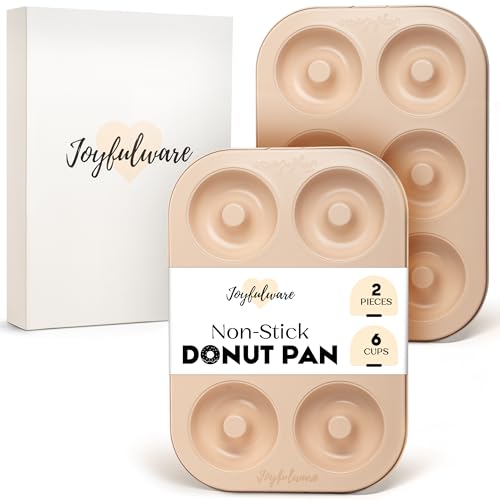
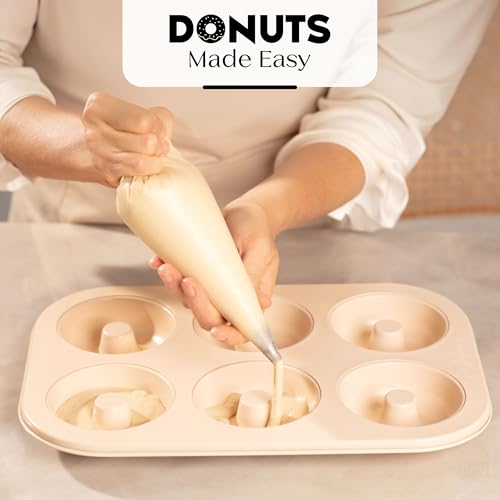
Joyfulware Nonstick Donut Pans Beige
Strengths
- Stylish neutral color
- Sturdy carbon steel
- Set of two pans
Trade-offs
- Premium price for design
- Beige shows stains
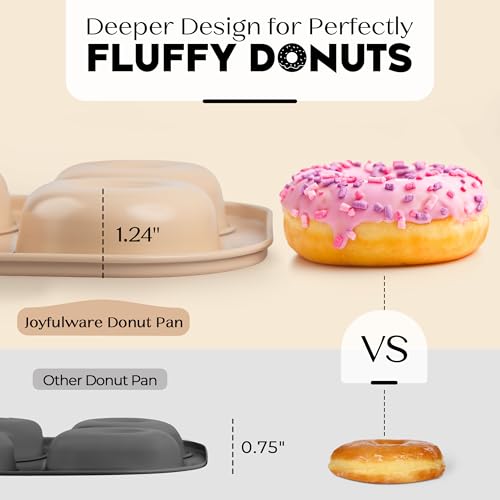
- No depth advantage
Let’s talk aesthetics, this beige two-pack stands out in a sea of black and silver. If your kitchen leans modern or neutral, these pans will look at home on a shelf or in a gift basket. Beyond looks, they’re built with durable carbon steel and a full nonstick coating, and owners confirm they resist warping and release donuts cleanly.
But at nearly $22, you’re paying for color. Functionally, they’re on par with other mid-tier carbon steel pans, good but not groundbreaking. The wider center hole does help with even baking, though, which is a subtle win. I’d pick these if design matters to you, but not if you’re purely chasing performance.
Product photos


Our Testing Process
Rather than a hands-on lab test, my research focused on comparing the published specifications and features of numerous donut pans, alongside a careful examination of owner reviews and expert opinions. I weighed factors like material, nonstick performance, cavity size and depth, and overall durability to determine which pans consistently rose to the top. Understanding what home bakers actually experience – the frustrations and the successes – was critical to this assessment.
For donut pans, the most important factors are consistently even baking and easy release. Pans that warp or have uneven heat distribution will result in frustratingly inconsistent donuts. Equally important is a truly nonstick surface; no one wants to spend ages coaxing delicate baked goods from a pan. These elements directly impact the final product and the overall enjoyment of the baking process, so they were heavily weighted in my evaluations.
Specifications provide a baseline understanding of materials and dimensions, but owner feedback truly reveals the long-term performance. I paid close attention to comments regarding the durability of nonstick coatings and whether the pans held their shape over time. Reputation also mattered; brands known for quality baking tools, and those I’ve previously recommended when discussing options like the best 9-inch pans or even larger sheet cake pans, generally carried more weight in my assessment.
How To Choose The donut pans
Finding the right donut pan can really elevate your weekend baking. It’s not just about the shape; the material, coating, and construction all play a huge role in how easily your donuts release, how evenly they bake, and how long the pan will last.
A truly effective donut pan balances durability with nonstick performance. Look for heavier gauge materials – whether carbon steel or reinforced silicone – to resist warping. The cavity depth should be sufficient for a substantial donut, and the coating (if present) needs to be reliably nonstick without containing harmful chemicals. Consistent heat distribution is also key for even baking.
Material Matters
The first thing I always tell people is to think about the material. Silicone pans are undeniably easy to work with, and they’re incredibly flexible, making donut removal a breeze. However, they often struggle with heat distribution and can be flimsy when filled with batter. Traditional metal pans, like those from Nordic Ware, provide excellent heat conductivity, but you must grease them thoroughly to prevent sticking. Carbon steel, like you see in the HONGBAKE pans, offers a nice middle ground, providing some rigidity and better heat retention than silicone, though still benefitting from a good nonstick coating.
Coating and Release
Nonstick coatings are, of course, desirable, but quality varies dramatically. Some cheaper coatings wear away quickly, rendering the pan useless. Look for pans that specify a PTFE-free coating if you’re concerned about chemicals, though keep in mind that even PTFE coatings are generally considered safe. The KASHME silicone pan with its metal frame is an interesting approach. The metal frame provides structure, preventing warping, while the silicone offers that easy release. I’ve found that a well-maintained nonstick coating will dramatically simplify the process, and it’s worth investing a bit more upfront to get a pan that won’t leave you fighting to remove your treats.
- A truly nonstick pan requires minimal greasing – a light spray is usually sufficient.
- Avoid abrasive cleaners or scouring pads, as these will damage the coating over time.
- Even with a good coating, letting the pan cool slightly before attempting to release the donuts can make a big difference; warm donuts are more pliable.
Capacity and Versatility
Consider how many donuts you typically bake at once. A 6-cavity pan is fine for a small family, but if you frequently bake for larger gatherings, a 12-cavity pan, like the Good Dee’s option, will save you time and effort. Don’t limit yourself to just donuts, either. Many of these pans can also be used to make bagels, mini muffins, or even savory bites. If you enjoy exploring different recipes, a versatile pan that can handle a variety of baked goods is a smart investment. You might also find you need additional versatile baking pans for other kitchen projects.
A little patience goes a long way when it comes to donut pans. Always allow the pan to cool slightly before attempting to release the donuts, and use a gentle touch to avoid damaging them.
Donut Pans Compared
Here’s a comparison of features for various donut pans to help you choose the best one for your needs.
| Product Name | Capacity (Cavities) | Material | Nonstick Coating | Temperature Max | Dimensions (in) |
|---|---|---|---|---|---|
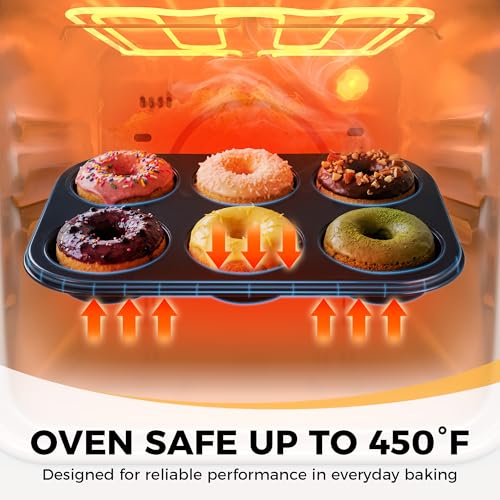
| HONGBAKE 2-Pack Deep Donut Pan | 12 (2 x 6) | Carbon Steel | Yes | 450°F | 11 x 7.5 x 1.18 |
| Walfos Silicone Donut Mold Set | 3 | Silicone | N/A | 500°F | N/A |
| KASHME Silicone Pan with Metal Frame | 12 (2 x 6) | Silicone/Metal | Yes | 446°F | N/A |
| Nordic Ware 6-Cavity Metal Pan | 6 | Metal | Yes | N/A | N/A |
| Good Dee’s 12-Cavity Donut Pan | 12 | N/A | Yes | N/A | N/A |
| Bellemain Stainless Steel Donut Pan | 6 | Stainless Steel | Yes | N/A | 12.5 x 8.5 x 3 |
| Aichoof Silicone Donut Pan Blue | 6 | Silicone | Yes | 446°F | N/A |
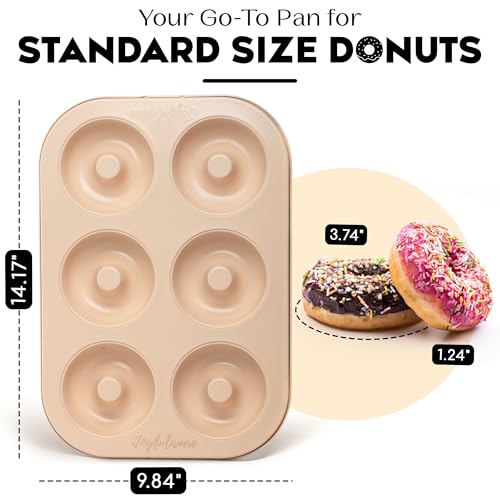
| Joyfulware Nonstick Donut Pans Beige | 6 | Carbon Steel | Yes | N/A | 14.17 x 9.84 x 1.26 |
Frequently Asked Questions
What temperature is too high for most donut pans?
Generally, exceeding 450°F can damage the nonstick coating on many donut pans and even cause warping, especially with carbon steel options. Silicone pans can usually handle up to 500°F, but it’s best to check the manufacturer’s instructions for your specific pan.
Are silicone donut pans as good as metal ones?
While silicone pans offer easy release, metal pans, particularly those made of carbon steel or aluminum pans, tend to bake donuts more evenly due to superior heat conductivity. However, the KASHME pan attempts to bridge this gap with a metal frame for stability.
How can I prevent my donuts from sticking, even with a nonstick pan?
Even with a good nonstick coating, a light coating of baking spray or butter can provide an extra layer of insurance against sticking. Letting the pan cool for about 10-15 minutes before attempting to remove the donuts also significantly improves release.
Can I use a donut pan for anything else?
Absolutely. Many donut pans are surprisingly versatile. Beyond donuts, you can use them to make bagels, mini muffins, savory bites, or even small quiches. If you are looking for other versatile options, consider investing in some quality square pans.
What’s the best way to care for a nonstick donut pan?
Avoid abrasive cleaners and scouring pads, as these will quickly degrade the nonstick coating. Hand washing is generally recommended, and storing the pan carefully to prevent scratches will extend its lifespan. Investing in quality lightweight baking pans can also pay off in the long run.
The Bottom Line
Choosing a donut pan often comes down to balancing convenience with consistent results. While silicone offers easy release, I believe the HONGBAKE 2-Pack Deep Donut Pan strikes the best overall balance, providing the heat conductivity of carbon steel with a reliable nonstick coating for beautiful, evenly baked donuts. It’s a durable choice that will deliver consistent performance for years to come.
For those on a tighter budget or who only bake donuts occasionally, the Walfos Silicone Donut Mold Set is a perfectly acceptable starting point. And if you’re looking for versatility beyond donuts – perhaps wanting to experiment with crispy edge brownies using some all-edges pans – the KASHME Silicone Pan with Metal Frame offers a sturdy, adaptable option that’s good for a range of recipes.
Ultimately, the best donut pan is the one you’ll actually use. Don’t get too caught up in chasing the perfect material or coating; focus on finding a pan that fits your baking frequency, desired capacity, and personal preferences. Consistent heat distribution and a little patience are far more important than any single specification.
