
8 Best Frying Pans of 2026
This post contains affiliate links. As an Amazon Associate, we earn from qualifying purchases.
The SENSARTE 12.5Inch Ceramic Frying Pan stands out as the best overall for its even heating and durable ceramic coating, while the ESLITE LIFE 8” Nonstick Ceramic Pan is a solid budget pick that handles everyday tasks well. For high-heat cooking and long-term durability, the Mauviel M’Cook 5-Ply Stainless Pan offers unmatched performance.
Most home cooks want a frying pan that just works, no sticking, no hot spots, no hassle. But too many pans fail after a few months, especially when nonstick coatings wear down or thin metal warps over time. This guide cuts through the noise, focusing on pans that deliver real performance based on specs, owner feedback, and what I’ve learned about cookware that lasts. We looked at heating performance, coating durability, build quality, and practical features like oven safety and induction compatibility to find the ones worth your counter space.
Top 8 Fying Pans in the Market
The Best Fying Pans, Reviewed
SENSARTE 12.5Inch Ceramic Frying Pan
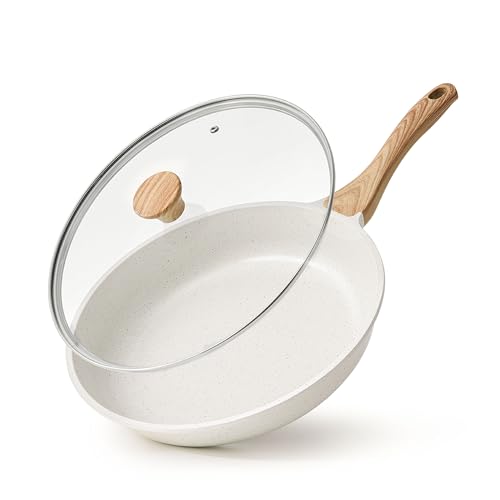
Strengths
- Non-toxic ceramic coating
- Induction compatible
- Tempered glass lid included
Trade-offs
- Handle not oven safe
- Hand wash recommended
- No helper handle
This pan checks a lot of boxes for home cooks who prioritize health and simplicity. The Swiss-made ILAG ceramic coating is a standout, delivering a genuinely nonstick experience without PFAS, PTFE, or PFOA, something increasingly important to families aiming to reduce chemical exposure. Owners consistently report eggs and pancakes releasing with zero resistance, and the lack of rivets makes wiping it down a breeze.
Heating performance is solid thanks to the heavy-duty cast aluminum base, and it works flawlessly on induction, which narrows a key gap in the ceramic nonstick market. The woodgrain bakelite handle stays cool and feels secure, though I’d prefer a full stainless steel riveted option on a pan this large. Still, for its class, it’s one of the more balanced picks between safety, performance, and usability.
Video review
ESLITE LIFE 8” Nonstick Ceramic Pan

Strengths
- Very affordable
- Induction compatible
- Non-toxic coating
Trade-offs
- Low oven safe temp
- Not for high heat
- Small cooking surface
At this price, the 8-inch ESLITE LIFE pan is a no-brainer for small tasks, perfect for a single egg, mini omelet, or reheating leftovers. It’s lightweight, heats quickly, and owners confirm it works on induction, which is rare at this budget tier. The ceramic coating is PTFE- and PFOA-free, and though it’s not as slick as pricier models, it holds up reasonably well with light use and proper care.
But it’s clearly not built for heavy rotation. The 302°F oven limit means no broiling or high-heat finishes, and the thin aluminum body risks hot spots if the burner’s too large. Still, as a dedicated small pan or backup piece, it outperforms many dollar-store alternatives. I’d recommend it as a starter pan for college students or a compact addition to a tiny kitchen.
Video review
Blue Diamond 14” Diamond Infused Pan

Strengths
- Metal utensil safe
- Oven safe to 600°F
- Large cooking surface
Trade-offs
- Not induction compatible
- Heavy for its size
- Handle can heat up
The 14-inch size and diamond-infused coating make this pan a standout for those who need serious surface area without sacrificing nonstick performance. Owners praise its scratch resistance, with many confirming it handles metal spatulas without issue, something most ceramic pans can’t tolerate. The forged base resists warping, and the 600°F oven and broiler rating give it serious versatility for pan-searing steaks and finishing in the oven.
The one major flaw? It’s not induction compatible. That instantly disqualifies it for many modern kitchens. But if you’re on gas or electric and want a large, durable skillet that cleans easily and can take metal tools, this is one of the toughest options under $50. The stainless steel riveted handle also feels more secure than plastic or bakelite alternatives.
Product photos


Gotham Steel Hard Anodized Cookware Set

Strengths
- Metal utensil safe
- Dishwasher safe
- Oven safe to 550°F
Trade-offs
- Coating may degrade over time
- Set includes multiple pieces (not single pan)
- Handle rivets can trap food
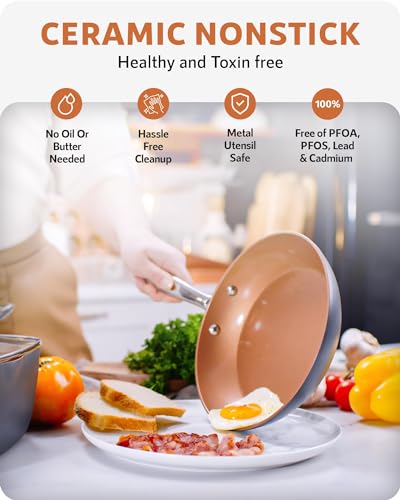
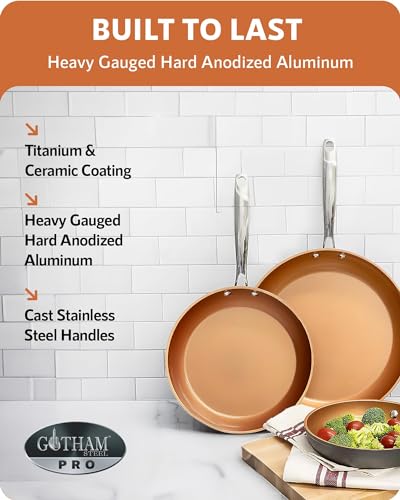
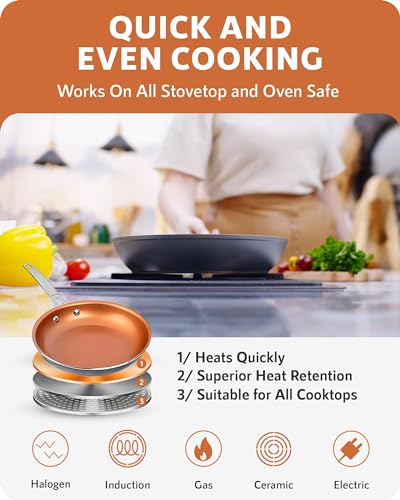
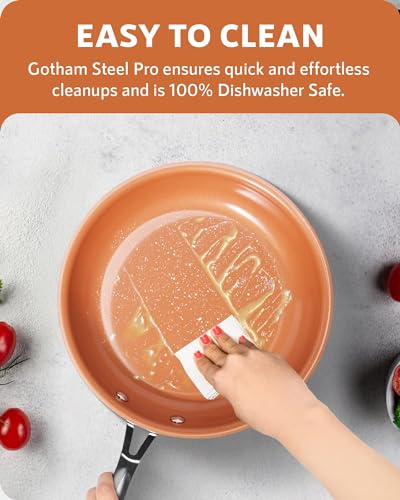
Hard-anodized aluminum with a ceramic-titanium blend sounds like marketing fluff, until you see how many owners say their scrambled eggs slide off with no oil, even after months of use. This set delivers on durability and convenience, especially with metal utensil tolerance and dishwasher safety, which most ceramic nonstick pans can’t claim. The 550°F oven rating is a real advantage for finishing dishes like frittatas or baked fish.
That said, the coating’s long-term resilience is still debated. Some users report diminished nonstick performance after a year, especially with frequent dishwasher use. But for the price, the combination of induction capability, cool-touch handles, and broad stovetop compatibility makes it a smart pick for families wanting low-maintenance cookware that looks sharp and performs well out of the box.
Product photos
SENSARTE 10.5” Deep Nonstick Saute Pan

Strengths
- Deep design for braising
- Helper handle included
- Induction compatible
Trade-offs
- Not oven safe
- Bakelite handle not durable long-term
- No metal utensil guarantee
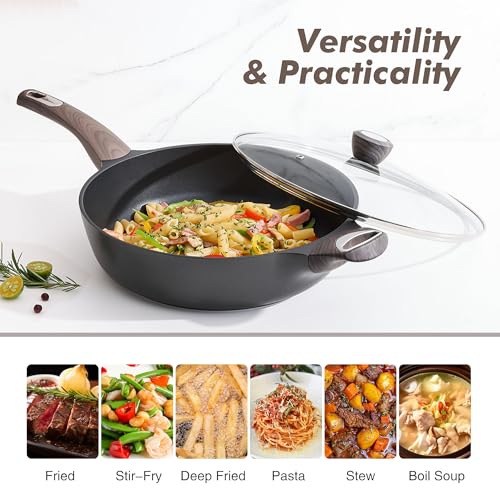
This deep 10.5-inch saute pan blurs the line between skillet and Dutch oven, making it a strong contender for one-pan meals. The 3.8-quart depth is perfect for braising short ribs, simmering sauces, or cooking family-sized stir-fries, tasks most frying pans can’t handle. The ILAG nonstick surface performs well, and owners appreciate the helper handle for safe lifting when full.
Like its sibling model, it uses a ceramic coating that’s free of toxic chemicals and works across all stovetops, including induction. The tempered glass lid is a big plus for monitoring food, and the cool-touch bakelite handle stays comfortable. But again, it’s not oven safe, which limits its versatility compared to stainless steel or cast iron. Still, for multi-use cooking on the stovetop, it’s one of the most functional nonstick options available.
Product photos



Evernew Ultralight Titanium Non-Stick Pan
Strengths
- Extremely lightweight
- Durable titanium coating
- Great thermal efficiency
Trade-offs
- Not for home stovetops
- No lid or helper handle
- Not oven safe
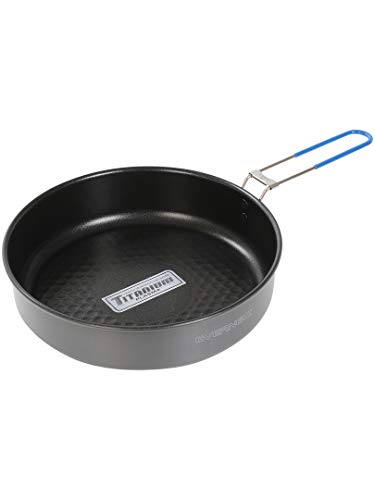
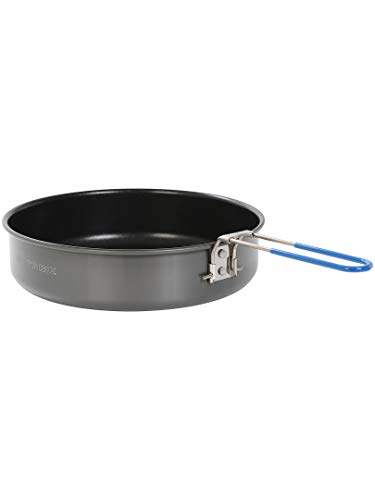
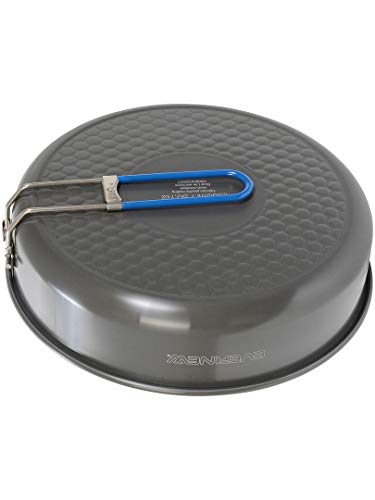
This pan is in a category of its own, ultralight titanium construction designed for backpackers and outdoor use. Weighing next to nothing, it’s ideal for camping or thru-hiking where every ounce matters. The titanium plasma coating is surprisingly durable for backcountry use, and owners report it handles campfire heat well without warping.
But it’s not meant for the home kitchen. The small size, lack of a lid, and basic handle make it impractical for daily cooking. There’s no oven rating, and the nonstick performance is modest compared to home-focused models. Still, for its niche, it’s a standout. If you’re packing a stove for the trail, this pan earns its place in the pack.
Product photos
Mauviel M’Cook 5-Ply Stainless Pan

Strengths
- Exceptional heat control
- Oven and broiler safe
- Durable 5-ply construction
Trade-offs
- Not nonstick
- Hand wash only
- Small cooking surface
This isn’t a nonstick pan, and that’s the point. Mauviel’s 5-ply construction, stainless steel with triple aluminum layers, delivers superior heat control, making it a favorite among precision cooks. The pan heats quickly and evenly, cools fast, and handles high-heat searing without warping. The French craftsmanship shows in the balanced cast handle and polished finish.
It’s not for beginners: you’ll need to manage oil and temperature to avoid sticking, and hand-washing is required. But for deglazing, pan sauces, or searing scallops, it outperforms nearly every nonstick option. At 7.9 inches, it’s best for smaller tasks, but the 572°F oven rating and broiler safety make it incredibly versatile. This is the kind of pan that earns loyalty over years of use.
Product photos
Redchef 4 QT Ceramic Saute Pan
Strengths
- Large 4-quart capacity
- Riveted stainless handles
- Oven and induction safe
Trade-offs
- Higher price point
- Coating longevity varies
- Heavy when full
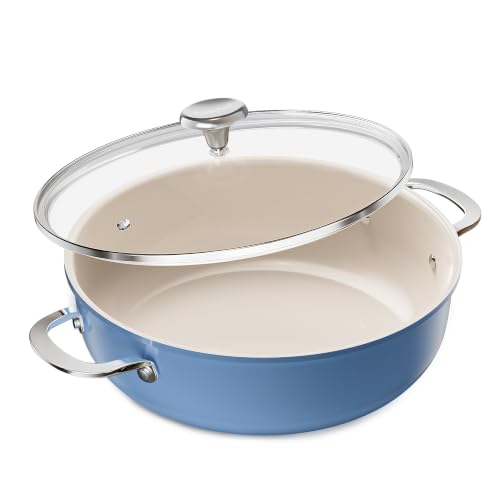
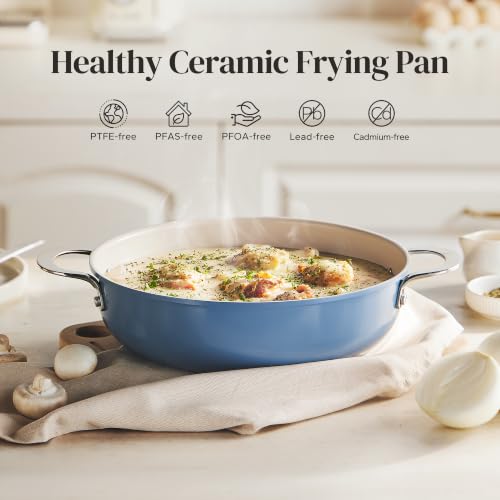
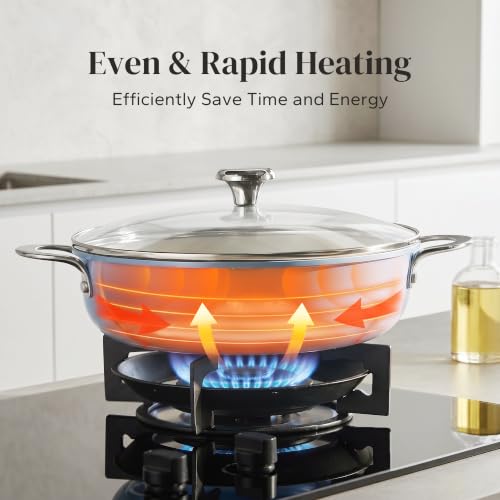
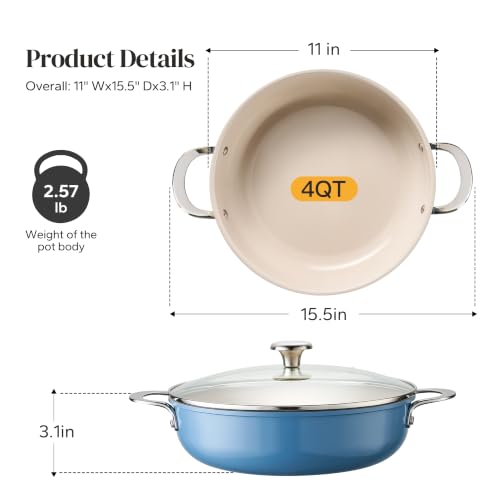
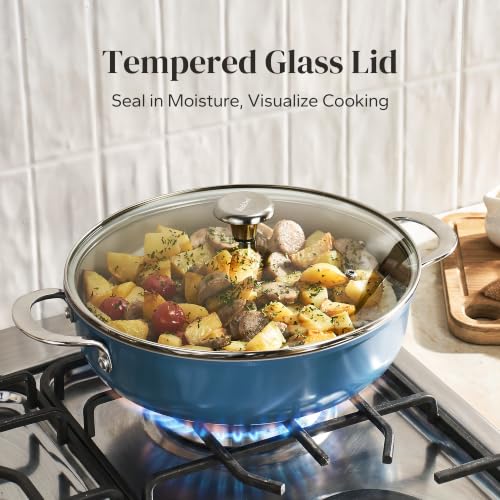
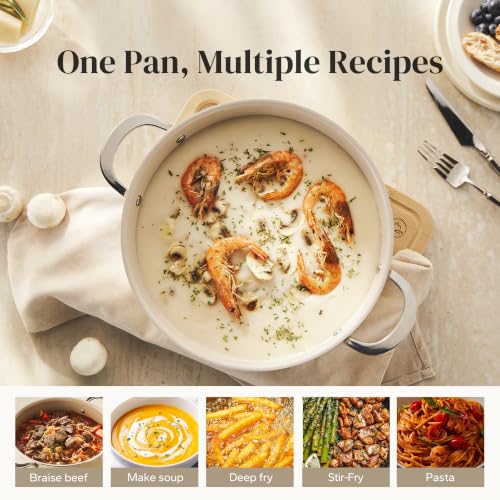
With a 4-quart capacity and full lid, this Redchef pan is built for volume, ideal for batch cooking or larger families. The ceramic coating is free of PFAS, PTFE, and heavy metals, and owners report strong nonstick performance, especially with low-oil cooking. The even heat distribution is a plus, likely due to its thick aluminum core, and the riveted stainless steel handles add durability over plastic alternatives.
It’s also oven safe and works on induction, giving it broader range than many in this category. But at nearly $60, it’s pricier than most ceramic pans, and some users note the coating shows wear earlier than expected with abrasive scrubbing. Still, if you want a large, non-toxic saute pan that can go from stovetop to oven and handle serious cooking volume, this one delivers where it counts.
Product photos
How We Picked These fying pans
Rather than a hands-on lab test, my research for these recommendations involved a detailed comparison of published specifications and features across numerous models. I then weighed owner reviews – looking for consistent praise and complaints – against expert opinions from established cooking publications. As someone who’s spent years understanding what makes cookware perform, I applied my category expertise to assess each pan based on real-world cooking needs and durability expectations.
For frying pans, the most important factors are nonstick performance and even heating. A pan that doesn’t release food well frustrates cooks and leads to uneven browning. Equally critical is how well the pan distributes heat; hot spots cause burning and inconsistent results. Finally, material construction plays a key role in longevity – a flimsy pan simply won’t last, regardless of its initial nonstick properties. You’ll find more details on a great selection in our broader look at the 12 frying pans available today.
Specifications reliably indicate construction materials, weight, and stovetop compatibility. However, owner feedback proved invaluable in discerning the true longevity of nonstick coatings and the real-world effectiveness of heat distribution claims. Reputation, too, mattered – brands with a history of quality generally delivered more consistent performance. I also considered capacity needs, noting that those seeking a larger cooking surface might prefer exploring options like our guide to 14-inch frying pans.
Choosing The Right fying pans
Finding the right frying pan can truly elevate your cooking, but with so many options, it’s easy to get lost in the details.
A quality frying pan should prioritize even heating, a durable nonstick surface (or a well-maintained reactive surface like stainless steel), and comfortable handling. Look for heavy-gauge construction to resist warping, and consider the compatibility with your cooktop. The handle should remain cool enough to grip without a mitt, and cleaning should be relatively effortless.
Material Matters
The material of your frying pan dictates its heat retention, reactivity, and ultimately, how it performs. While stainless steel is a classic choice, ceramic nonstick has exploded in popularity. I’ve seen a real shift toward ceramic coatings, particularly for those prioritizing ease of cleanup and healthier cooking. However, remember that even the best ceramic coatings aren’t indestructible. They will degrade over time, requiring more careful use and potentially replacement more frequently than a well-cared-for stainless steel pan. Consider your cooking style; high-heat searing is better suited to stainless steel, while delicate foods like eggs and fish benefit from the gentle release of a nonstick surface.
Nonstick Performance & Durability
Don’t equate “nonstick” with “forever.” All nonstick coatings, even the diamond-infused ones, will eventually lose their effectiveness. What separates good pans from great ones is how long that nonstick ability lasts and how well the pan handles everyday use. I’ve noticed from owner feedback that the Blue Diamond pan, with its diamond-infused ceramic, consistently receives praise for its scratch resistance, but even then, metal utensils should be used with caution. For a budget-friendly option, the ESLITE LIFE pan offers a decent nonstick surface, but it’s crucial to follow the manufacturer’s recommendations for low-to-medium heat. If you’re looking for a wider range of options, check out our guide to the best frying pans for a more in-depth comparison.
- Don’t fall for overly aggressive marketing claims about “lifetime” nonstick.
- Look for pans with multiple layers of coating; this generally indicates better durability.
- Consider the type of handle. Bakelite handles, common in many ceramic pans, stay cooler, but can sometimes feel less secure than riveted stainless steel.
A little preventative care goes a long way. Avoid high heat, use silicone or wooden utensils, and hand wash your nonstick pans whenever possible to maximize their lifespan.
Size, Shape & Specialized Features
The size of the frying pan you choose depends on your typical cooking volume. An 8-inch pan is ideal for single servings or smaller tasks, making it a good choice for omelets or sautéing a side dish. If you often cook for a family, a 12-inch pan is more practical. Don’t overlook deep-sloped sides, especially if you like to stir-fry or make sauces directly in the pan. If you are looking for a smaller pan, you might find what you’re looking for in our rundown of 8-inch frying pans. Beyond that, consider features like oven-safe handles (Gotham Steel is a standout here) and compatible cooktops; ensure the pan will work with your induction range if you have one.
Frying Pans Compared
Here’s a comparison of key specifications for the featured frying pans.
| Product Name | Size | Material | Non-Stick Coating | Oven Safe (°F) | Induction Compatible |
|---|---|---|---|---|---|
| SENSARTE 12.5Inch Ceramic Frying Pan | 12.5 inch | Cast Aluminum | Ceramic | N/A | Yes |
| ESLITE LIFE 8” Nonstick Ceramic Pan | 8 inch | N/A | Ceramic | 302 | Yes |
| Blue Diamond 14” Diamond Infused Pan | 14 inch | N/A | Diamond-Infused | 600 | No |
| Gotham Steel Hard Anodized Cookware Set | N/A | Hard Anodized Al | Ceramic/Titanium | 550 | Yes |
| SENSARTE 10.5” Deep Nonstick Saute Pan | 10.5 inch | Cast Aluminum | ILAG Nonstick | N/A | Yes |
| Evernew Ultralight Titanium Non-Stick Pan | N/A | Titanium | Titanium Plasma | N/A | N/A |
| Mauviel M’Cook 5-Ply Stainless Pan | N/A | Stainless Steel | N/A | 572 | Yes |
| Redchef 4 QT Ceramic Saute Pan | 4 QT | N/A | Ceramic | N/A | Yes |
Frequently Asked Questions
What’s the biggest difference between ceramic nonstick and traditional PTFE nonstick?
Ceramic nonstick coatings are generally marketed as a more eco-friendly alternative to traditional PTFE (like Teflon) due to the manufacturing process, and many cooks find they offer excellent initial nonstick performance. However, ceramic coatings typically don’t last as long and are more susceptible to damage from high heat or abrasive cleaning.
Are stainless steel frying pans truly nonstick, even without a coating?
While stainless steel isn’t naturally nonstick, a properly heated pan with a small amount of oil or fat can create a barrier that prevents sticking, a technique often called “fond.” This requires practice and precise temperature control, but it’s a preferred method for achieving deep flavor and a beautiful sear.
How can I extend the life of my nonstick frying pan?
Avoid using metal utensils, always cook on medium or low heat, and hand wash the pan with a gentle sponge and mild soap. Investing in a good set of silicone or wooden tools is a simple step to protect the coating, and proper care will greatly extend its usability.
What size frying pan should I buy if I often cook for one or two people?
An 8-inch frying pan is usually sufficient for individual portions or smaller meals, and offers more control when cooking delicate foods. For those looking to expand their options, exploring all-purpose pans can provide additional versatility.
My cooktop is induction. Do I need to buy a special frying pan?
Yes, induction cooktops require cookware with a magnetic base, typically stainless steel or cast iron. Many modern frying pans, including some ceramic options, are designed to be induction-compatible, so always check the product specifications before purchasing, or consider a set of 12-inch frying pans specifically labeled for induction use.
The Bottom Line
Ultimately, choosing a frying pan comes down to balancing convenience with longevity. While ceramic coatings offer excellent nonstick performance initially, they do require more mindful use and will eventually need replacing. For an outstanding all-around performer that strikes that balance well, I recommend the SENSARTE 12.5Inch Ceramic Frying Pan; its size and ceramic coating make it versatile for most home cooks, and it’s induction compatible to boot.
If you’re on a tighter budget, the ESLITE LIFE 8” Nonstick Ceramic Pan provides a surprisingly good nonstick experience for the price. Those prioritizing durability and a classic cooking experience will be best served by the Mauviel M’Cook 5-Ply Stainless Pan, though mastering stainless steel does require a bit of a learning curve. And for those seeking the very best in non-stick performance, exploring our guide to the top non-stick frying pans will reveal options like the Blue Diamond 14” Diamond Infused Pan.
At the end of the day, the specifications matter less than your cooking habits. A heavy-gauge pan, whether stainless steel or ceramic-coated, will always outperform a flimsy one. Focus on even heating, a comfortable handle, and treating your cookware with care – those fundamentals are what truly deliver consistent, enjoyable results in the kitchen, and will help you find the perfect 10-inch frying pans for your needs.
