
5 Best Glass Jars of 2026
This post contains affiliate links. As an Amazon Associate, we earn from qualifying purchases.
The Weck Tulip Jars 1 Liter are the best overall for their durability, elegant design, and reliable seal, while the ComSaf 32 oz Wide Mouth Jars offer unbeatable value for large-volume storage and canning. For small portions and spice storage, the ComSaf 4 oz Mini Mason Jars stand out as a practical, budget-friendly pick.
If you’ve ever dealt with stale flour, spilled grains, or mismatched lids cluttering your cabinets, you know that not all glass jars are built the same. The right set should keep food fresh, fit neatly in your space, and hold up to daily use, without breaking the bank.
In this guide, I’ve compared top models based on real-world feedback, build quality, and functionality to help you choose the best glass jars for your kitchen. These picks reflect what actually works for home cooks, from meal prep to long-term storage.
Top 5 Glass Jars in the Market
The Best Glass Jars, Reviewed
ComSaf 4 oz Mini Mason Jars
Strengths
- Perfect mini size
- Clear glass visibility
- Great for gifting
Trade-offs
- Lids not for canning
- No measurement markings
- Small capacity limits use
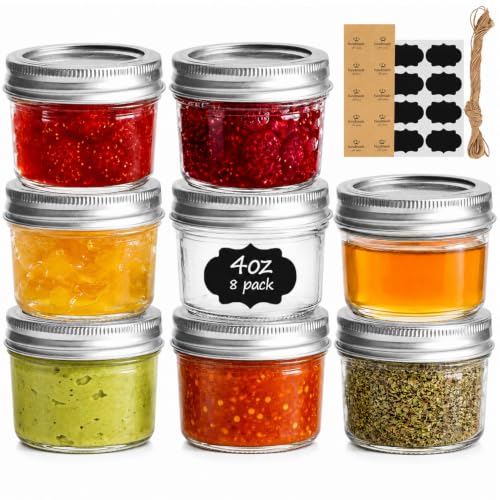
These 4 oz ComSaf jars hit a sweet spot for small-scale storage, and owners love them for portioning spices, mini desserts, or DIY gifts. The 8-pack gives you flexibility without clutter, and the regular mouth design, paired with BPA-free lids, makes them compatible with most standard accessories. What stands out is the clarity and consistency of the glass; labels and colors show through sharply, which is a small but meaningful detail for organization or presentation. They’re not meant for pressure canning, but for everyday use, they deliver where it counts.
Compared to larger jars, these excel in precision. You won’t find measurement marks, and the metal lids aren’t meant for long-term canning seals, but for fridge or pantry use, they’re perfectly adequate. The included twine and labels add a thoughtful touch for gifting.
Video review
YINGERHUAN 16 oz Mason Jars 4-Pack
Strengths
- Affordable 4-pack
- Clear, functional glass
- Dishwasher safe
Trade-offs
- Basic lid durability
- No measurement marks
- Limited sealing longevity
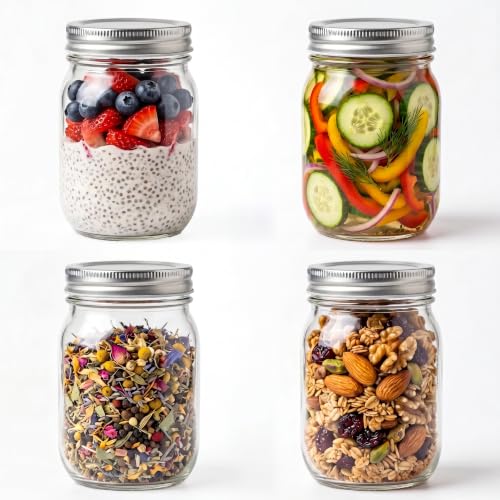
At this price, the YINGERHUAN 16 oz jars offer solid value for basic storage needs. The 4-pack gives you enough units for pantry rotation, and the regular mouth design works well for scooping or cleaning. Owners report the glass is clear and consistent, and the silver lids create a decent seal for dry goods like rice, pasta, or coffee. They’re dishwasher safe, which matters for frequent use, and the BPA-free build checks the safety box most buyers care about. For everyday organization, they’re a no-frills win.
That said, they don’t stand out in any one area. The lids are functional but not exceptional, some reviewers note they can warp over time with repeated washing. And while they can be used for cold storage or simple canning, they’re not built for high-pressure applications. Compared to Weck or even ComSaf, they’re less about design and more about utility.
Video review
Weck Tulip Jars 1 Liter

Strengths
- Elegant tulip shape
- Thick, durable glass
- Reusable sealing components
Trade-offs
- Fiddly gasket system
- Higher price for design
- Not standard lid compatibility
If you’re after glass jars that feel like heirloom pieces but still function in a modern kitchen, the Weck Tulip Jars stand out. On paper, they’re built for serious canning with glass lids, rubber gaskets, and stainless steel clips, components that owners say create a reliable seal when used correctly. The 1-liter size and wide mouth make them practical for sourdough starters, fermenting, or storing dry goods, but it’s the aesthetic that really defines their appeal. Reviewers consistently note how these jars elevate pantry organization into a design statement, and the thick glass feels substantial in hand.
Still, that elegance comes with trade-offs. The sealing system isn’t as straightforward as standard mason jar lids, and some users report gaskets needing replacement over time. They’re dishwasher safe, but the clips and gaskets require more attention than typical metal lids. Compared to budget jars, these are an investment in form as much as function.
Product photos
ComSaf 32 oz Wide Mouth Jars
Strengths
- Large 32 oz capacity
- Wide mouth access
- Airtight lid seal
Trade-offs
- No measurement markings
- Lids require hand washing
- Only 2 jars per pack
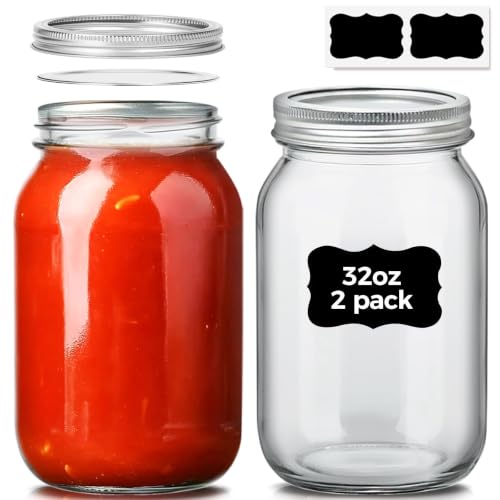
When you need volume without sacrificing usability, these 32 oz ComSaf jars deliver. The wide mouth, 3 inches across, makes them ideal for sourdough starters, layered salads, or scooping out beans and grains. Owners appreciate the ease of cleaning and the fact that the split lids create a solid airtight seal, especially for fridge or pantry storage. The 2-pack is smart for beginners who want to test larger capacity without overcommitting. On paper, they’re nearly identical to classic mason jars, but with a smoother finish and no measurement lines, which keeps the look clean.
They’re not dishwasher-safe for the lids, and like all metal components, those will wear over time. But for meal preppers or sourdough bakers, the size and simplicity win out. Compared to the smaller ComSaf jars, these trade portability for utility.
Product photos


Artcochan 16 oz Overnight Oats Jars

Strengths
- Stackable design
- Freezer and fridge safe
- Leak-resistant lids
Trade-offs
- Not for canning
- No measurement marks
- Lids not replaceable
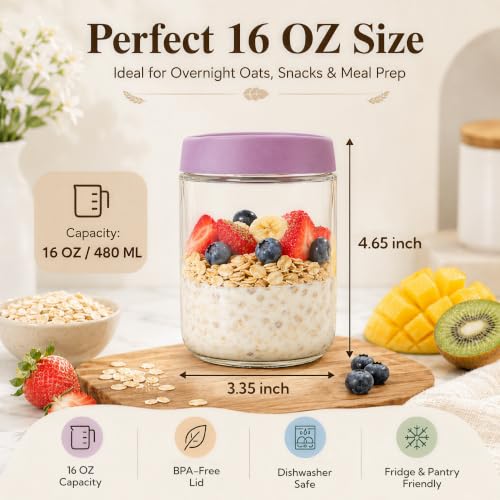
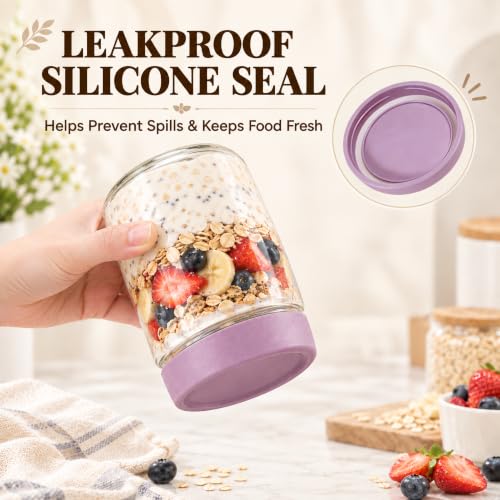
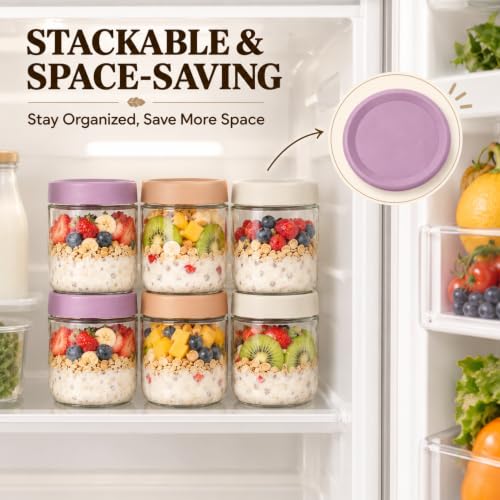
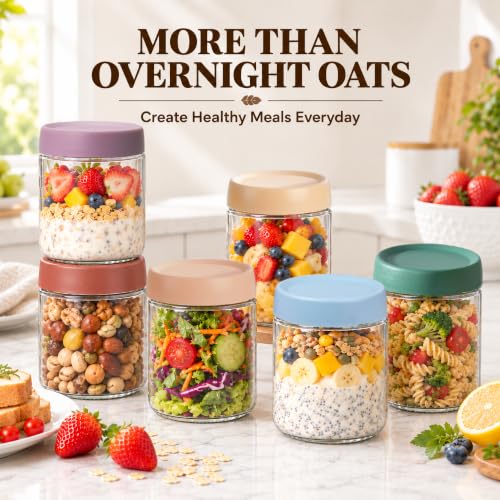
These 16 oz glass jars are built with meal prep in mind, and owners consistently praise their stackable design and leak resistance. The recessed lid and edge guard make them stable in the fridge or a bag, which is a real win for anyone taking oats or chia pudding to work. The textured lids are easy to grip, even when cold, and the airtight seal holds up well for liquid-heavy mixes. They’re freezer-safe, which sets them apart from many basic mason jars, and the 6-pack offers great value for weekly prep.
They’re not ideal for canning, the lids aren’t designed for high heat, but for fridge and freezer storage, they outperform standard jars. Compared to the YINGERHUAN set, they offer better sealing and smarter ergonomics, though at a slightly higher cost.
Product photos

How We Picked These glass jars
Rather than a hands-on lab test, my research for these recommendations was a detailed comparison of published specifications and features across numerous brands. I weighed owner reviews from major retailers alongside expert opinions found in cooking and food storage publications. As someone who’s spent years evaluating kitchen tools, I applied my understanding of materials, functionality, and durability to rank these jars against key criteria for everyday use.
For glass jars, capacity and seal quality are paramount. I prioritized those offering a range of sizes to suit different needs, from small spice jars to larger options for preserving. Airtight seals are critical for maintaining freshness and preventing leaks, so I paid close attention to lid designs and materials. Beyond that, durability and ease of cleaning were significant factors in my evaluations. You’ll find more information about overall best glass storage containers in another of our guides.
Specifications reliably tell you about capacity, material composition (like the presence or absence of BPA), and dimensions. However, assessing real-world performance – how easily a jar opens, how well a lid actually seals over time, or how durable the glass is – requires carefully reading owner feedback. I also considered brand reputation and history within the wider world of canning jars to gauge overall reliability and quality.
What To Look For In glass jars
Choosing the right glass jars can feel surprisingly complex. There’s a world beyond the basic canning jar, and finding the perfect fit for your needs requires a little thought.
A good glass jar balances airtight sealing, durable construction, and practical usability. Consider the intended use – long-term storage, meal prepping, decorative gifting, or active canning – and look for features like mouth size, lid type, and glass thickness. Prioritize BPA-free materials and designs that facilitate easy cleaning and stacking.
Capacity & Intended Use
The first step is honestly assessing what you plan to jar. A tiny 4oz jar (like the ComSaf mini mason jars) is fantastic for individual spice portions, homemade vanilla extract, or small party favors, but obviously impractical for pickling a batch of cucumbers. Larger, quart-sized jars (such as the ComSaf 32oz wide mouth jars) excel at sourdough starters or bulk dry goods. Don’t overestimate your needs; buying a range of sizes is often smarter than committing to one overly large volume. If you’re leaning toward meal prep, consider jars specifically designed for that purpose, such as the Artcochan 16oz overnight oats jars, which often feature wider mouths for easy access and stacking designs.
Lid Style & Seal Quality
Lids are where things get interesting. The classic two-part canning lid (flat lid + screw band) is excellent for creating a vacuum seal for long-term preservation, but requires proper processing for safety. For everyday storage, a simple, airtight screw-on lid is often sufficient. Weck jars, with their glass lids, rubber gaskets, and clips, offer a distinctive look and a reliably tight seal. Consider how often you’ll be opening and closing the jars. Some lids can be fiddly, while others are designed for quick, easy access.
Here’s a quick guide:
- Two-part canning lids: Best for long-term preservation (canning).
- Screw-on lids: Good for everyday storage and short-term preservation.
- Glass lids with clips (Weck style): A stylish, secure option, but potentially more delicate.
- Airtight silicone seals: Increasingly common, these offer a good balance of security and ease of use.
Don’t assume a lid is reusable indefinitely. Rubber gaskets degrade over time, and even metal lids can rust. Budget for replacements, especially if you plan on frequent canning.
Material & Overall Build
While most glass jars are made of soda-lime glass, the thickness and quality vary. Thicker glass is more durable and less prone to cracking, especially when exposed to temperature changes. If you’re concerned about leaching, always choose jars labeled as BPA-free. Beyond safety, consider aesthetics. Do you want a rustic, vintage look (like the YINGERHUAN jars), or a sleek, modern style? Thinking about how the jars will look on your shelves is perfectly valid. If you’re looking for a broader selection of options for keeping food fresh, you might also want to explore our guide to the best food jars. And for a wider look at options for all your glass container needs, check out our guide to the top jars.
Glass Jars Compared
Here’s a comparison of key specifications for the glass jars described.
| Product Name | Capacity | Mouth Width | Material | Dishwasher Safe | Airtight Seal |
|---|---|---|---|---|---|
| ComSaf 4 oz Mini Mason Jars | 4 oz | 2.8 in | Glass | Yes | Yes |
| YINGERHUAN 16 oz Mason Jars | 16 oz | 2.75 in | Glass | Yes | Yes |
| Weck Tulip Jars 1 Liter | 1 Liter | N/A | Glass | Yes | Yes |
| ComSaf 32 oz Wide Mouth Jars | 32 oz | 3 in | Glass | Yes | Yes |
| Artcochan 16 oz Overnight Oats Jars | 16 oz | N/A | Glass | N/A | Yes |
Frequently Asked Questions
What’s the difference between “canning jars” and regular glass jars?
Canning jars, like those from Ball or Kerr, are specifically designed and tested to withstand the higher temperatures and pressures involved in the canning process. While many glass jars can be used for storage, only dedicated canning jars guarantee a safe, long-term vacuum seal for preserving food.
Are Weck jars really worth the higher price?
Weck jars offer a unique aesthetic and a very reliable, though somewhat more involved, sealing system using glass lids, rubber gaskets, and clips. For those prioritizing a stylish, reusable, and airtight solution for short- to medium-term storage, they’re a worthwhile investment, though high-quality glass storage containers with lids offer similar functionality at a lower cost.
Can I use glass jars in the freezer?
Generally, yes, but only if the jar is specifically labeled as freezer-safe and you leave adequate headspace. Temperature shock – rapidly changing from warm to cold – is the biggest risk, potentially causing the glass to shatter, so avoid filling jars completely.
What’s the best way to clean glass jars to remove lingering odors?
A paste of baking soda and water, left to sit inside the jar for several hours or overnight, is very effective at neutralizing odors. Alternatively, a vinegar and water soak can also help, but always ensure the jar is thoroughly rinsed before use.
Where can I find jars specifically suited for making fermented foods?
While many glass jars can be used for fermentation, jars specifically designed for it, like jars for fermenting, often feature airlocks or other mechanisms to allow gases to escape during the process without letting oxygen in, which is crucial for successful fermentation.
The Bottom Line
Choosing glass jars often comes down to balancing convenience with long-term storage needs. If you’re primarily focused on airtight preservation and aren’t bothered by the extra steps, the YINGERHUAN 16 oz Mason Jars offer a reliable, classic solution at a reasonable price. They strike a good balance between functionality and affordability for everyday use.
For those prioritizing versatility and specific applications, there are excellent alternatives. The Artcochan 16 oz Overnight Oats Jars are a great choice for meal prepping, while the ComSaf 4 oz Mini Mason Jars excel at smaller portions and gifting. And if you’re looking for a beautiful, secure option for a variety of foods, exploring sealed glass food containers might be the right path.
Ultimately, the “best” glass jar is the one that best suits your habits and needs. Don’t get too hung up on individual features; focus on durable construction, a reliable seal, and a size that works for how you intend to use them. A beautiful set of glass cookie jars won’t help much if they don’t keep your ingredients fresh!
