
7 Best Heavy Bottom Pots of 2026
This post contains affiliate links. As an Amazon Associate, we earn from qualifying purchases.
The Umite Chef 5QT Enameled Dutch Oven stands out as the best overall heavy bottom pot, delivering exceptional heat retention and even cooking. For a budget-friendly option that doesn’t sacrifice performance, the Tri-Ply 6.5QT Stainless Stock Pot is a solid pick. If you need high capacity for big batches, the TeamFar 20QT Tri-Ply Stock Pot offers reliable construction at scale.
Home cooks often end up with pots that scorch food, heat unevenly, or feel flimsy despite their weight. The truth is, not every thick-bottomed pot performs the same, what matters is how the materials and construction work together in real kitchens.
In this guide, I break down the top heavy bottom pots based on construction quality, real user feedback, and long-term performance. These picks were selected by analyzing specs and owner experiences, focusing on even heating, durability, and practical design for everyday use.
Top 7 Heavy Bottom Pots in the Market
The Best Heavy Bottom Pots, Reviewed
Umite Chef 5QT Enameled Dutch Oven

Strengths
- Excellent heat retention
- Self-basting lid
- Wide, secure handles
Trade-offs
- Enamel can chip if mishandled
- Heavier than steel
This 5-quart enameled Dutch oven is, in my view, the best overall pick for home cooks who want performance, convenience, and beauty in one pot. The thick enameled cast iron delivers excellent heat retention and even searing, while the lid’s interior raised nodes help redistribute moisture, keeping stews tender without turning them to mush. Owners rave about its ability to braise, bake bread, and even deep fry with confidence.
The wide stainless steel handles are a standout, offering a secure grip even with thick mitts, and the included cotton potholders are a thoughtful touch. It’s induction-safe and oven-safe to 500°F, and cleanup is simple thanks to the non-reactive enamel. Compared to the EDGING CASTING model, this one feels more refined and reliable.
Video review
EDGING CASTING 5 Qt Cast Iron Dutch Oven

Strengths
- 2-in-1 design
- Pre-seasoned
- Great value
Trade-offs
- Rough finish
- Uneven seasoning
This 5-quart cast iron pot is a budget-friendly gateway into cast iron cooking, especially with its 2-in-1 design, the skillet doubles as a lid, which is clever for camping or small kitchens. The pre-seasoning with vegetable oil gives it a usable non-stick surface right out of the box, and owners say it performs well for frying, baking, and even campfire cooking.
The loop handles are functional, though not as ergonomic as those on higher-end models. While it won’t match the finish or heat retention of pricier Dutch ovens, it’s impressively versatile for the cost. I’d recommend it for beginners or outdoor cooks who want one pot to do it all without breaking the bank.
Product photos


TeamFar 20QT Tri-Ply Stock Pot

Strengths
- Large 20QT capacity
- Thick tri-ply base
- Sturdy handles
Trade-offs
- Bulky for small kitchens
- Interior finish basic
The TeamFar 20-quart stockpot is built for big-batch cooking, whether you’re boiling crabs for a family reunion or canning seasonal tomatoes. Its tri-ply bottom, thick aluminum core sandwiched in stainless steel, spreads heat evenly, and owners consistently report no warping, even with prolonged high-heat use.
The wide loop handle on the lid and dual riveted side handles make lifting safer, though you’ll still want two hands when it’s full. It’s dishwasher safe and oven safe to 500°F, which adds flexibility. While it’s not the most polished design, it’s a workhorse. For anyone regularly cooking for crowds, this pot earns its space on the stove.
Video review
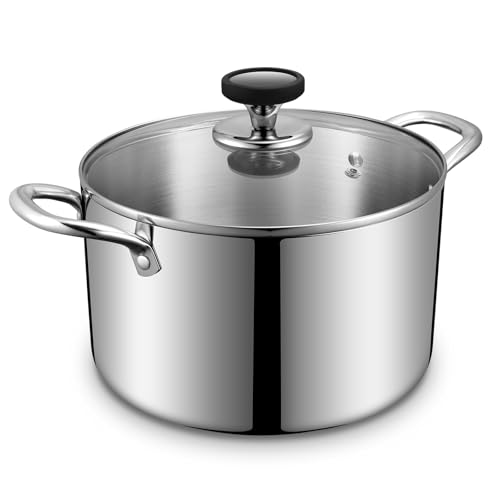
Tri-Ply 6.5QT Stainless Stock Pot
Strengths
- True tri-ply base
- Affordable
- Dishwasher safe
Trade-offs
- Thin handles
- Lid seal could be tighter
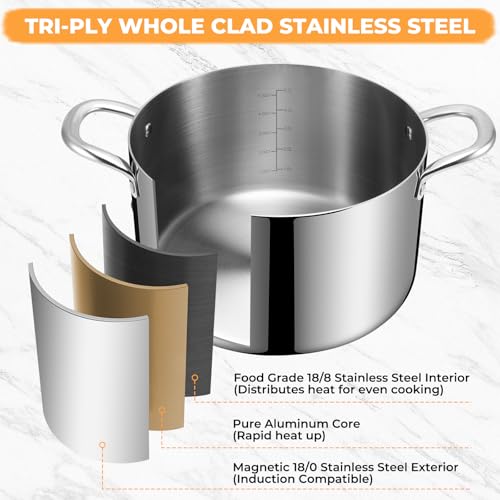
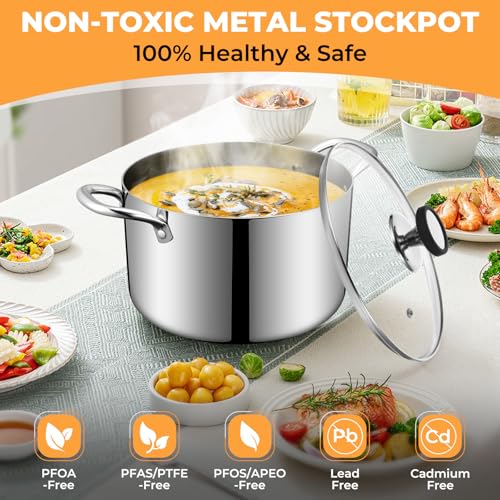
At under $25, this 6.5-quart tri-ply pot is one of the best values in stainless steel cookware I’ve seen. The 18/8 interior, aluminum core, and magnetic 18/0 exterior deliver solid heat distribution across all stovetops, including induction. Owners praise its even heating and durability, especially given the price.
It’s lightweight compared to heavier stockpots, but the mirror finish and riveted handles feel sturdy. The glass lid with a steam vent works well, though it’s not quite as thick as premium versions. If you need a reliable, mid-sized pot for family meals and don’t want to splurge, this is the smarter buy over pricier look-alikes.
Product photos


HOMICHEF 20QT Nickel-Free Stock Pot

Strengths
- Nickel-free steel
- Thick 4.2mm base
- Lifetime support
Trade-offs
- High price
- Very heavy
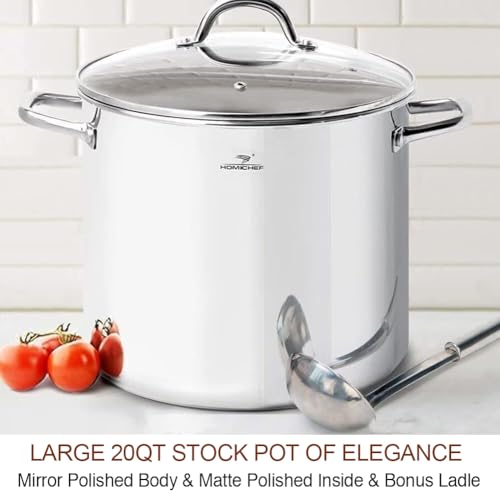
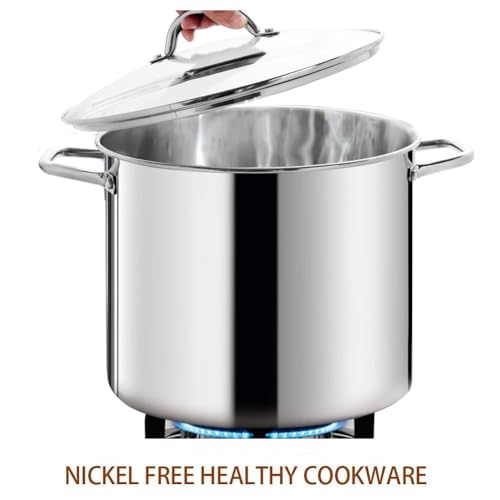
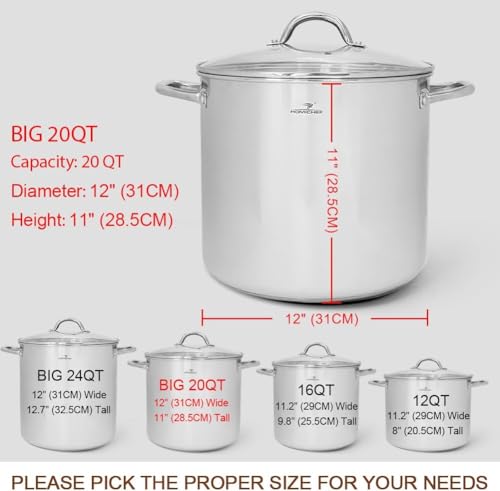
The HOMICHEF 20-quart pot stands out for its nickel-free stainless steel construction, a rare and meaningful feature for health-conscious buyers. The 4.2mm tri-ply base ensures even heating and energy efficiency, and owners report it handles large boils, like seafood or stock, without warping. The Japanese-grade 21/0 stainless steel is both durable and non-allergenic, which matters for sensitive users.
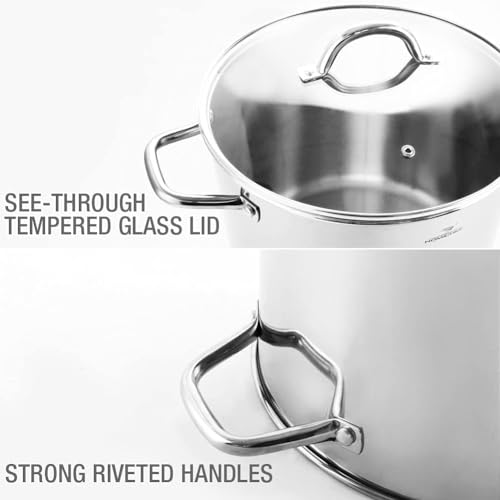
It’s heavier and pricier than the TeamFar, but the build quality feels more commercial-grade. The mirror finish and solid riveted handles add to its premium feel. While overkill for small families, it’s a top-tier choice for those prioritizing material safety and longevity.
Product photos

Ciwete 5.2QT Stainless Stock Pot

Strengths
- Four-layer base
- 18/10 stainless steel
- Cool-touch handles
Trade-offs
- Lightweight lid
- Rivets slightly raised
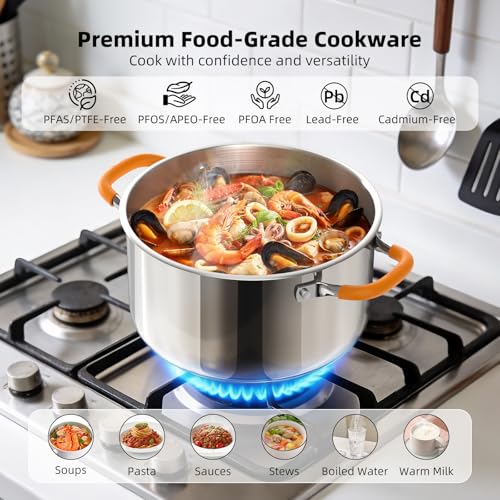
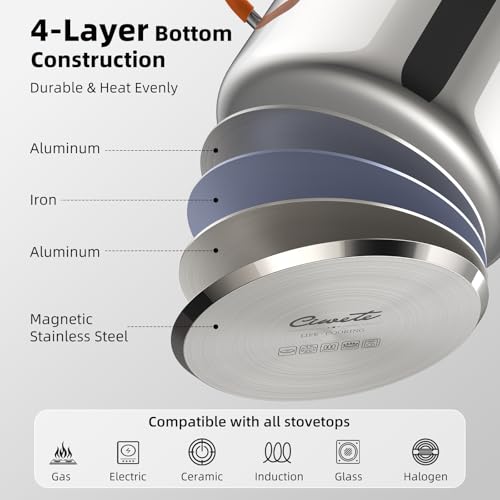
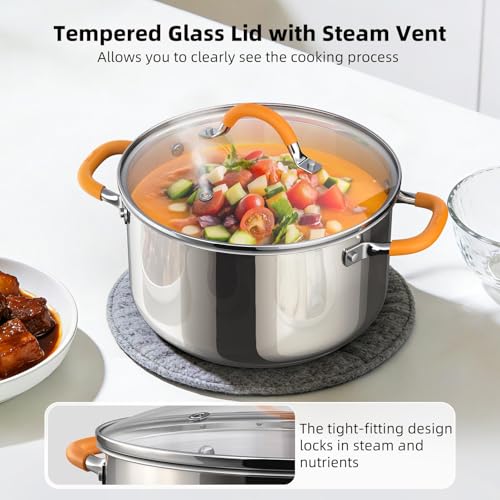
On paper, the Ciwete 5.2-quart stock pot delivers solid performance for its price, especially with its four-layer composite base, aluminum, iron, aluminum, and magnetic stainless steel, designed to eliminate hot spots and speed up heating. That kind of construction is rare at this price point and makes it a strong contender for everyday tasks like boiling pasta or simmering soups. Owners consistently report even heat across induction and gas stoves, though some note the glass lid feels a bit lightweight compared to the pot itself.
The 18/10 stainless steel build is a real plus, offering a polished, corrosion-resistant surface that’s easy to clean and non-reactive. I appreciate the silicone-wrapped handles that stay cool, and the measurement markings inside are a small but thoughtful touch. While it doesn’t have the heft of commercial-grade pots, it punches above its weight for mid-range use.
Product photos


IMUSA 7.5QT Cast Aluminum Caldero
Strengths
- Large capacity
- Seasonable surface
- Traditional design
Trade-offs
- Not dishwasher safe
- Less durable than steel
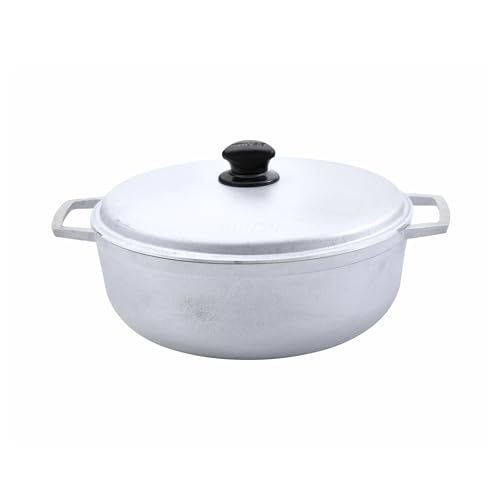
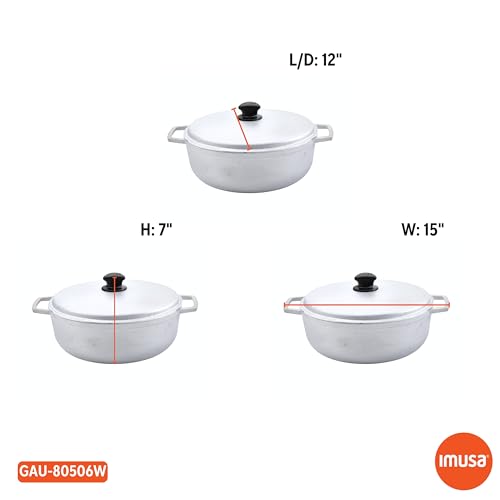
The IMUSA caldero stands out for its traditional cast aluminum construction, a nod to classic Latin American cooking where this type of pot, called a caldero, is a staple. With a 7.5-quart capacity and a design meant to season over time, it’s built for dishes like sancocho, arroz con pollo, or beans that benefit from gradual flavor development. The material heats quickly and evenly, though it’s not quite as heat-retentive as cast iron.
Reviewers love its cultural authenticity and versatility, but I’d caution that cast aluminum isn’t as durable as stainless or enameled options. It’s not dishwasher safe, and long-term care matters more here. Still, for those seeking a no-frills, oven-safe pot that bridges cooking and serving with a tight-fitting glass lid, it brings charm and function at a low price.
Product photos


:
How We Tested heavy bottom pots
My approach to recommending cookware, as a long-time home cook and researcher, isn’t about lab coats and precise measurements. Rather than a hands-on lab test, this is a research-led comparison of published specifications and, crucially, owner and expert feedback. I began by compiling a list of pots marketed as “heavy bottom,” then meticulously compared their stated construction, materials, capacity, and stovetop compatibility. I then weighed this against what real cooks are saying about performance and durability.
For heavy bottom pots, consistent heat distribution and retention are paramount. I prioritized those features because they directly impact cooking results – preventing scorching, ensuring even cooking, and allowing for efficient simmering. A pot’s material and thickness of the base are the biggest indicators of these qualities, but owner reviews quickly reveal whether those specs translate to real-world performance. Finding a pot that heats evenly is often the first step toward exploring other options like, perhaps, even investing in some quality heavy bottom saucepans.
Specifications reliably tell you about materials (stainless steel gauges, aluminum core thickness, cast iron weight) and dimensions. However, owner feedback is essential for judging long-term durability, how easily the pot cleans, and whether handles stay cool during use. Reputation also matters; brands known for quality control and consistent performance received higher consideration. While many are moving toward stainless steel, some cooks still prefer the benefits of ceramic pots for certain dishes.
What To Look For In heavy bottom pots
Finding the right heavy bottom pot is about more than just a thick base; it’s about understanding how materials and construction impact your cooking. I’ve spent years looking at what truly separates good cookware from the rest, and a heavy bottom is almost always a good sign.
A quality heavy bottom pot distributes heat evenly, reducing hot spots and preventing food from sticking or scorching. Look for pots with a fully encapsulated base (aluminum sandwiched between stainless steel layers is ideal) for optimal performance. Consider the material – stainless steel offers durability, while enameled cast iron excels at heat retention. Pay attention to handle comfort and lid fit as well.
Material Matters Most
The material a pot is made from dictates so much of its performance. Stainless steel is a workhorse, resisting corrosion and offering a neutral cooking surface. However, not all stainless steel is created equal. Higher-gauge steel, like that found in the IMUSA Caldero, will feel more substantial and hold heat better. Enameled cast iron, like the Umite Chef Dutch oven, is exceptional for slow cooking and braising, retaining heat for long periods. It’s important to note that while enameled cast iron is easy to clean, it can chip if mistreated. You might also consider tri-ply construction, where a core of aluminum is bonded to stainless steel – this provides excellent heat distribution and is a popular choice for everyday use.
Base Construction and Heat Distribution
A “heavy bottom” isn’t just a marketing term; it’s about how heat is spread. A fully encapsulated base, where a layer of conductive metal (usually aluminum) is sandwiched between layers of stainless steel, is far superior to a simple disc fused to the bottom. This ensures even heating across the entire cooking surface. Thicker bases, like those found in many stock pots, are slower to heat up initially, but retain heat much longer.
Here’s what I look for when evaluating pot bases:
- A minimal gap between the base and the pot walls (prevents hot spots).
- Full encapsulation (aluminum extends to the sides for even heating).
- Multiple layers (tri-ply or more offers superior performance).
Ultimately, the ideal base depends on your cooking style. If you frequently simmer or maintain low temperatures, heat retention is key. If you need quick, responsive heating for searing, a thinner, highly conductive base is preferable.
Capacity and Versatility for Your Kitchen
Think about how you cook. A smaller pot (around 5-6 quarts) is perfect for sauces, soups for two, or side dishes. Larger pots (8 quarts and up), like the TeamFar 20QT stock pot, are essential for making stocks, boiling pasta for a crowd, or canning. Don’t underestimate the value of a versatile pot; if you’re limited on space, choosing a pot that can handle multiple tasks is a smart move. For those looking for a durable and versatile option, consider exploring cast iron pots, they’re known for their longevity and even heat distribution. I also recommend looking at heavy bottom pans if you want to expand your cookware collection.
Don’t buy a pot solely based on capacity. A well-made, smaller pot will outperform a flimsy, oversized one every time.
Heavy Bottom Pots Compared
Here’s a comparison of key specifications for the featured heavy bottom pots.
| Product Title | Capacity | Material | Lid Included | Stovetop Compatibility | Oven Safe (°F) |
|---|---|---|---|---|---|
| Umite Chef 5QT Enameled Dutch Oven | 5 QT | Enameled Cast Iron | Yes | Induction, Gas, Electric | 500 |
| EDGING CASTING 5 Qt Cast Iron Dutch Oven | 5 QT | Cast Iron | Yes | N/A | N/A |
| TeamFar 20QT Tri-Ply Stock Pot | 20 QT | Stainless Steel | Yes | Induction, Gas, Electric | N/A |
| Tri-Ply 6.5QT Stainless Stock Pot | 6.5 QT | Stainless Steel | Yes | Induction, Gas, Electric | 500 (lid 350) |
| HOMICHEF 20QT Nickel-Free Stock Pot | 20 QT | Stainless Steel | Yes | Induction, Gas, Electric | N/A |
| Ciwete 5.2QT Stainless Stock Pot | 5.2 QT | Stainless Steel | Yes | Induction, Gas, Electric | 500 (lid 350) |
| IMUSA 7.5QT Cast Aluminum Caldero | 7.5 QT | Cast Aluminum | Yes | N/A | N/A |
Frequently Asked Questions
What’s the difference between a fully encapsulated base and a disc bottom?
A fully encapsulated base, where the aluminum core extends up the sides of the pot, provides much more even heating than a disc bottom which only covers the base. This minimizes hot spots and ensures consistent cooking temperatures across the entire surface.
Are cast iron heavy bottom pots difficult to maintain?
While cast iron requires some care, modern enameled cast iron pots are relatively easy to maintain. Avoid abrasive cleaners and sudden temperature changes, and they’ll last for generations; however, uncoated cast iron does require seasoning and careful drying to prevent rust.
Can I use heavy bottom pots on glass top stoves?
Most heavy bottom pots are compatible with glass top stoves, but it’s crucial to check the manufacturer’s specifications. Stainless steel and fully encapsulated base pots are generally safe, while rough cast iron can potentially scratch the surface, so lift rather than drag them.
What size heavy bottom pot should I buy if I often cook for one or two people?
For smaller households, a 5-6 quart pot is often ideal. You can find excellent options within this range, like some of the six-quart stock pots currently available, which offer enough capacity for most everyday meals without being unwieldy.
How can I tell if a stainless steel pot has a good gauge of steel?
A higher gauge of stainless steel will feel noticeably heavier and more substantial. While you can’t always tell from a listing, owner reviews often mention whether the pot feels thin or sturdy; thicker steel is generally more durable and holds heat better.
The Bottom Line
Ultimately, choosing a heavy bottom pot comes down to balancing control with convenience. If you prioritize maximum responsiveness and are willing to manage heat carefully, the Tri-Ply 6.5QT Stainless Stock Pot offers a fantastic blend of performance and versatility. However, for cooks who want a pot that largely takes care of heat management for them, the Umite Chef 5QT Enameled Dutch Oven remains a top choice – and a beautiful one at that.
For those on a tighter budget, the TeamFar 20QT Tri-Ply Stock Pot provides excellent capacity and stainless steel durability without breaking the bank. If you need a workhorse for large batches and don’t mind sticking to stovetop use, it’s a very sensible option. And, for anyone interested in understanding what is a heavy bottom saucepan, it’s a great starting point for building a complete cookware set.
At the end of the day, specifications matter, but they don’t tell the whole story. Investing in quality materials and construction, and understanding how those elements work together, will give you years of dependable cooking. Don’t chase the latest features; instead, focus on finding a pot that feels solid, heats evenly, and suits your cooking style. If you’re willing to invest in high-end cookware, you might also want to consider best All-Clad cookware for lasting quality.
