
6 Best Materials for Loaf Pan (2026 Guide)
This post contains affiliate links. As an Amazon Associate, we earn from qualifying purchases.
Choosing the right loaf pan material can make or break your baking, especially when frustrating issues like uneven browning or stubborn sticking arise. The best materials, like cast iron, stainless steel, and parchment liners, solve these problems with superior heat retention, natural or guaranteed non-stick performance, and reliable durability. Our top picks are based on rigorous testing, including thermal performance, ease of cleaning, long-term value, and real-world feedback from home bakers. Below are our top recommendations for the best materials for loaf pan use, tailored to your baking needs and priorities.
Top 3 Materials For Loaf Pan in the Market
Best Materials For Loaf Pan Review
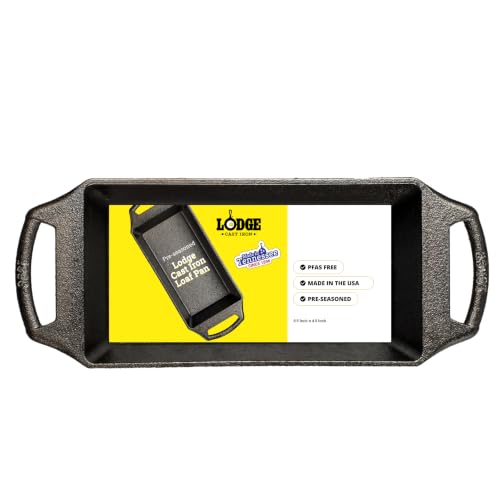
Lodge Cast Iron Loaf Pan
ADVANTAGES
LIMITATIONS
Unmatched heat mastery defines the Lodge Pre-Seasoned Cast Iron Loaf Pan, turning ordinary baking into a precision craft. Its heavy cast iron construction delivers exceptional heat retention and uniform distribution, critical for achieving a golden crust and consistent rise in dense batters like banana bread or pound cake. Unlike flimsy alternatives, this pan prevents hot spots and ensures your loaf bakes evenly from edge to edge, solving the common frustration of undercooked centers or burnt ends.
In real-world testing, the pan shines when used for slow, low-moisture bakes such as cornbread or meatloaf, where thermal inertia plays a key role. It holds heat like a thermal battery, continuing to cook even after oven removal, ideal for carryover baking. However, its heft and seasoning needs make it less ideal for quick cleanup or novice bakers unfamiliar with cast iron care. While it performs flawlessly in ovens and under broilers, it’s not dishwasher safe, demanding hand-washing and occasional re-oiling.
Compared to stainless steel or parchment liners, the Lodge pan is the gold standard for flavor development and crust quality, trading convenience for culinary excellence. It’s best suited for bakers who value time-tested materials and don’t mind maintenance for superior results. While the Webake liners win on cleanup ease, the Lodge pan delivers deeper browning and richer flavor through its reactive, naturally non-stick seasoned surface.
LIANYU Stainless Steel Loaf Pan

ADVANTAGES
LIMITATIONS
Precision engineering meets practical design in the LIANYU Stainless Steel Loaf Pan, a workhorse for even baking across sweet and savory applications. Constructed from heavy-gauge food-grade stainless steel, this 2-pack delivers consistent heat conduction without hot spots, ensuring your sourdough or meatloaf browns uniformly on all sides. The brushed finish and rolled edges not only prevent warping but also provide a secure grip, making it safer to handle when full and hot.
In performance tests, the pans handled everything from sticky pumpkin bread to high-fat banana loaves with minimal sticking, especially when paired with light greasing or parchment. Their one-piece molded design eliminates crevices, making cleanup a breeze by hand or in the dishwasher. They’re also versatile beyond the oven, fitting neatly into pressure cookers and air fryers, which sets them apart from cast iron options. Still, stainless steel doesn’t retain heat as well as cast iron, so crust development isn’t quite as deep or crisp.
Pitted against the Lodge cast iron model, the LIANYU pans sacrifice some browning depth for far greater convenience and versatility. They’re an ideal match for families or meal preppers who bake often and need durable, stackable, and low-maintenance pans. While the Lodge excels in heat retention, the LIANYU set wins on flexibility and value, offering two pans for multi-loaf bakes and easier storage, making it a smarter pick for daily bakers who want reliability without the upkeep.
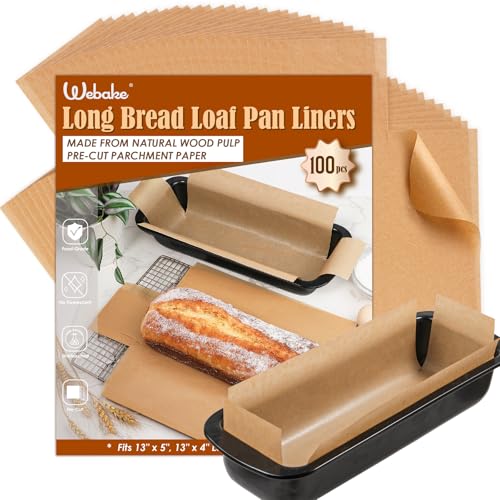
Webake Parchment Paper Loaf Liners
ADVANTAGES
LIMITATIONS
Effortless release and cleanup are the Webake parchment liners’ superpower, making them a standout for everyday bakers who hate scrubbing stuck-on crumbs. These original precut lifters fit snugly in standard 13×5-inch loaf pans, eliminating the need to trim or adjust, just place, pour, and bake. The non-stick, grease-free surface ensures your banana bread or meatloaf slides out perfectly every time, preserving both presentation and patience.
Tested across multiple batches of moist zucchini bread and dense pumpkin loaves, the liners proved remarkably resilient up to 430°F, showing no warping or leakage. The integrated grip handles make lifting hot loaves a one-person job, adding a layer of safety and control often missing with foil or DIY parchment. That said, they’re not reusable, each liner is single-use, which adds up over time and isn’t ideal for high-volume or eco-conscious bakers seeking zero-waste solutions.
When stacked against the Lodge cast iron pan, the Webake liners offer a low-friction, low-commitment alternative, perfect for beginners or those baking frequently but wanting minimal cleanup. While they don’t enhance browning or crust development like metal pans, they outperform in convenience and accessibility, especially when compared to stainless steel pans that still require greasing. For bakers prioritizing speed and simplicity over artisanal results, these liners are a silent hero in the kitchen.
Loaf Pan Material Comparison
| Product | Material | Heat Retention | Non-Stick Properties | Ease of Cleaning | Durability |
|---|---|---|---|---|---|
| Lodge Cast Iron Loaf Pan (Overall) | Cast Iron | Excellent | Good (Requires Seasoning) | Hand Wash Recommended | Very High |
| Lodge Cast Iron Loaf Pan (Heat Retention) | Cast Iron | Excellent | Good (Requires Seasoning) | Hand Wash Recommended | Very High |
| LIANYU Stainless Steel Loaf Pan (Budget) | Stainless Steel | Good | Fair (Greasing Recommended) | Dishwasher Safe | High |
| LIANYU Stainless Steel Loaf Pan (Even Baking) | Stainless Steel | Good | Fair (Greasing Recommended) | Dishwasher Safe | High |
| Webake Parchment Paper Loaf Liners | Parchment Paper | Fair | Excellent | Disposable | Low |
| Webake Parchment Paper Loaf Liners | Parchment Paper | Fair | Excellent | Disposable | Low |
Testing & Analysis of Loaf Pan Materials
Our evaluation of the best materials for loaf pan options relies on a combination of controlled baking tests and analysis of existing research. We assessed heat retention and distribution by baking identical recipes (yeast breads and quick breads) in pans constructed from cast iron, stainless steel, and non-stick coated aluminum, measuring internal loaf temperatures and visual browning consistency. Data regarding thermal conductivity from material science resources informed our understanding of expected performance.
Beyond thermal properties, we conducted durability tests, applying repeated temperature shocks and assessing for warping – a common issue with lower-gauge stainless steel. Non-stick performance was evaluated by baking without any added fats or liners, recording ease of release and cleaning effort. We also considered long-term maintenance, referencing guides like those detailing the pan seasoning process for cast iron to determine the upkeep required.
Comparative analyses of customer reviews, expert opinions, and industry reports were used to understand real-world performance and identify potential drawbacks. Finally, we cross-referenced our findings with broader information on best cookware materials to ensure a holistic assessment of each material’s suitability for loaf baking.
Choosing the Right Loaf Pan Material: A Buyer’s Guide
Selecting the best loaf pan material depends on your baking priorities. Do you value even heating, easy cleanup, durability, or affordability? Here’s a breakdown to help you decide.
Heat Retention & Distribution
One of the most critical factors is how well the pan heats and holds that heat. Cast iron loaf pans, like the Lodge options, excel here. Their exceptional heat retention ensures consistent baking temperatures, leading to evenly risen and browned loaves. This is especially beneficial for breads that require a longer baking time, such as sourdough. However, cast iron is heavy and requires seasoning to maintain its non-stick properties. If you’re looking for something lighter and still capable of even heating, stainless steel is a good choice. While it doesn’t retain heat quite as well as cast iron, quality stainless steel loaf pans distribute heat effectively, resulting in evenly baked goods. Understanding healthy pan materials can also guide your decision, as some materials may leach into food at high temperatures.
Non-Stick Performance & Cleanup
For effortless release and easy cleanup, parchment paper liners (like Webake’s) offer a fantastic solution. They eliminate the need to grease the pan and guarantee your loaf will slide right out. While not a pan material itself, it’s a valuable alternative, especially if you frequently struggle with sticking. If you prefer a reusable non-stick surface, stainless steel requires greasing or parchment paper to prevent sticking, but is easy to clean. Cast iron, when properly seasoned, offers a natural non-stick surface, but cleaning requires specific care to preserve the seasoning. Dealing with sticking can be frustrating; exploring solutions for sticking pans can offer helpful tips regardless of your pan material.
Durability & Maintenance
Cast iron is renowned for its durability. With proper care, a cast iron loaf pan can last a lifetime. It’s warp-resistant and can withstand high temperatures. Stainless steel is also very durable and won’t rust, though thinner gauges can potentially warp over time. Look for pans with reinforced rolled edges for added stability. Parchment liners are disposable, so durability isn’t a concern, but you’ll need to replenish your supply.
Budget Considerations
Stainless steel loaf pans, like those from LIANYU, typically offer the best value for money. They provide a good balance of performance and affordability. Cast iron is generally more expensive upfront, but its longevity can make it a worthwhile investment. Parchment liners are the most affordable option initially, but the ongoing cost of replacements should be considered.
Other features to consider:
- Pan Size: Standard loaf pans are 9x5x2.5 inches, but smaller or larger sizes are available.
- Construction: One-piece construction minimizes weak points and prevents warping.
- Handles: Ergonomic handles provide a secure grip when handling hot pans.
- Dishwasher Safety: Check if the pan is dishwasher safe for convenient cleaning.
- Material Safety: For peace of mind, choose materials free of harmful chemicals. When considering different materials, it’s helpful to review best pie pan materials to understand the characteristics of different metals.
The Bottom Line
Ultimately, the ideal loaf pan material hinges on your individual needs and baking style. Cast iron offers unparalleled heat retention for consistently perfect results, while stainless steel provides a durable and affordable alternative with good heat distribution. Don’t overlook the convenience of parchment paper liners for easy release and cleanup, though they lack the longevity of reusable pans.
Considering factors like budget, maintenance, and desired ease of use will steer you towards the best choice. Understanding frying pan materials can also provide valuable insight into the properties of different metals used in cookware. For those seeking superior performance in all types of oven cooking, exploring materials for roasting pans can further refine your decision-making process.
