
7 Best Microwave Cookware of 2026
This post contains affiliate links. As an Amazon Associate, we earn from qualifying purchases.
The MCIRCO Deep Glass Baking Dish Set is our top pick for its durability, even heating, and thermal shock resistance. For a budget-friendly option, the WRINGKIT 3-Pack Microwave Bowls offer solid performance in BPA-free plastic. If you want to cook full meals with layered components, the M-Cuisine Stackable Microwave Cookware Set delivers unmatched versatility.
Microwave cooking often gets a bad rap for being uneven or limited, but a lot of that comes down to using the wrong cookware. Most people grab whatever container is handy, only to end up with spills, cold spots, or worse, melting plastic. After years of studying how materials and design impact performance, I’ve learned that the right microwave-safe pieces can transform how you cook, not just reheat.
This guide cuts through the clutter by focusing on what actually matters: safety, real-world durability, and practical design. We compared specs, analyzed owner feedback, and looked at how each piece fits into everyday cooking routines, so you can choose with confidence.
Top 7 Microwave Cookware in the Market
The Best Microwave Cookware, Reviewed
M MCIRCO Deep Glass Baking Dish Set
Strengths
- Oven and microwave safe
- Stackable with tight lids
- Durable borosilicate glass
Trade-offs
- Lids are plastic
- Heavier than plastic
- Higher price point
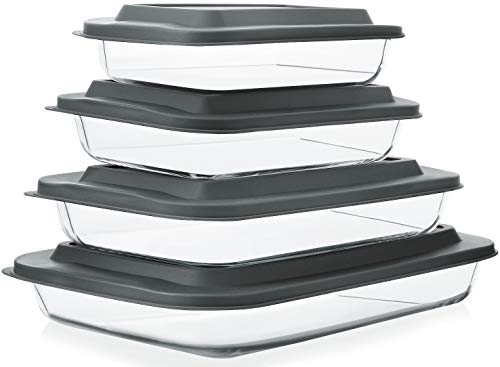
If you want one set that does it all, microwave, oven, freezer, dishwasher, this borosilicate glass set is the most versatile option here. The four deep dishes range from 1 to 3.2 quarts, ideal for everything from casseroles to lasagnas to batch-cooked stews. The glass allows you to monitor cooking progress, and the tight-fitting plastic lids are sloshproof and stackable, which owners love for fridge organization.
The rounded, thickened handles offer a secure grip, even when hot, and the non-slip lid design makes stacking safe. While the lids aren’t glass, they’re durable and create a solid seal. This set leans into the idea of true multi-use cookware: cook, store, reheat, serve, all without changing dishes. For most home cooks, this is the smarter long-term buy over single-purpose items.
Video review
Nordic Ware Microwave Multi-Boiler
Strengths
- Compact design
- Dual-function lid
- BPA-free plastic
Trade-offs
- Plastic construction
- Limited capacity
- Not for browning
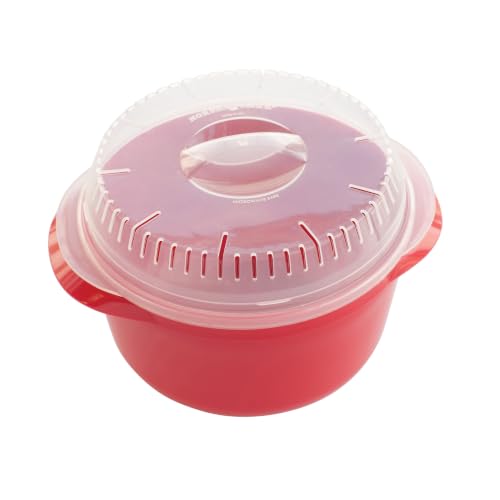
This little two-piece set does one thing well: it turns your microwave into a mini steamer and boiler with minimal fuss. The 5.5-cup capacity is practical for single servings or small portions of rice, pasta, or vegetables, and the dual-use lid, boil guard on one side, strainer on the other, is genuinely clever. On paper, it’s a smart design for fast, no-mess cooking, and owners consistently report it works reliably for basic tasks like reheating oatmeal or steaming broccoli without boil-overs.
It’s made from BPA-free plastic, which keeps it lightweight and microwave-safe, but that also means it won’t handle high-heat browning or searing. It’s not going to replace a saucepan, but it’s not meant to. For quick, simple jobs where you want to avoid dirtying multiple pots, this is a solid, no-frills tool.
Video review
M-Cuisine Stackable Microwave Cookware Set

Strengths
- Stackable for full meals
- Lid doubles as plate
- Space-saving design
Trade-offs
- No browning capability
- Plastic construction
- Limited heat tolerance
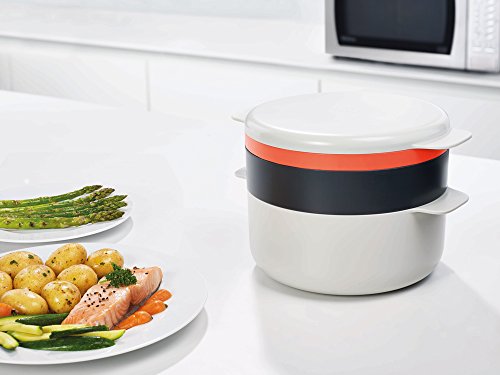
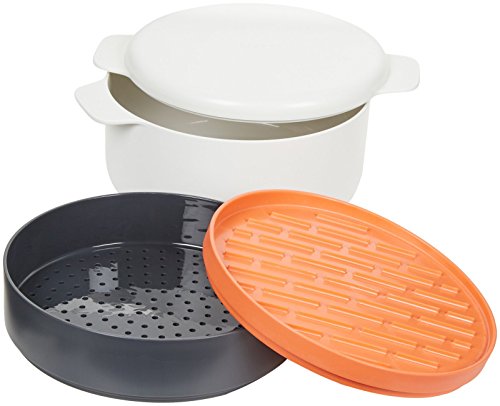
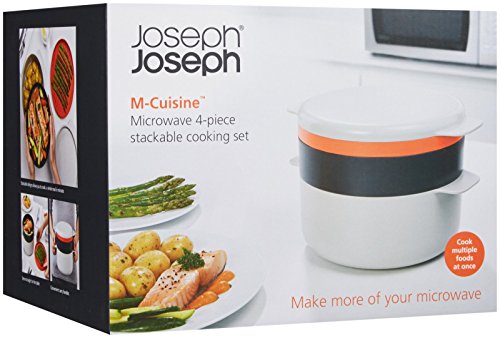
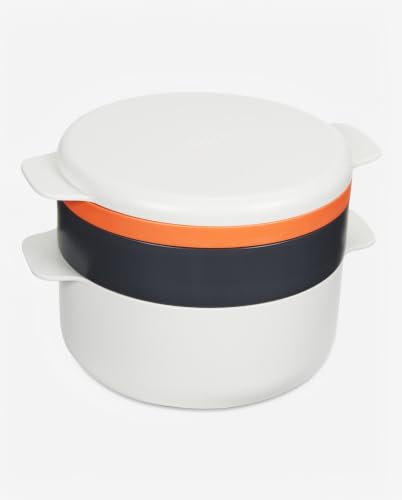
The stackable design here is the real innovation: you can cook a main dish, steam veggies, and grill a protein all in one microwave session. The 2L pot serves as the base, the steamer fits on top, and the griddle uses the lid as a stand, making it possible to assemble a full meal without multiple appliances. Owners appreciate the space efficiency and the fact that everything nests neatly for storage.
It’s made from microwave-safe plastic, so don’t expect browning or high-heat performance. But for steamed rice and fish with vegetables, or reheating layered meals, it’s impressively functional. The integrated handles make removal safer, and the lid’s dual role as a plate adds convenience. It’s not for searing, but for efficient, layered cooking, it’s unmatched in this category.
Product photos
Microwave Grill Pan with Lid

Strengths
- Grill marks possible
- Nonstick surface
- Heat-resistant lid
Trade-offs
- Inconsistent browning
- Requires preheating
- Not oven-safe
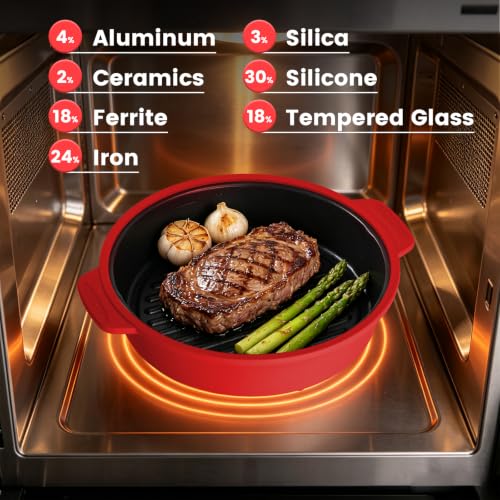
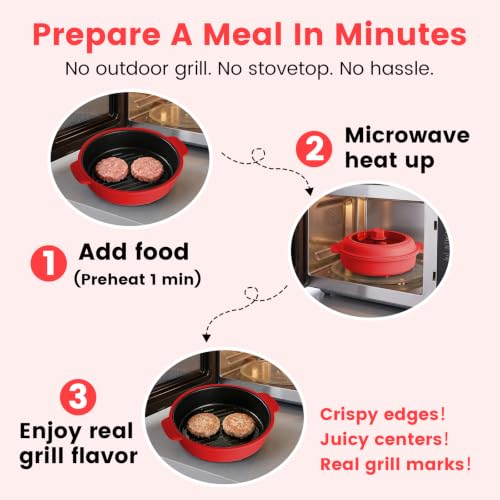
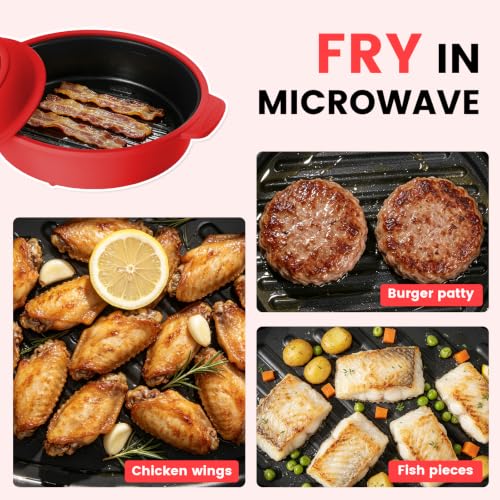
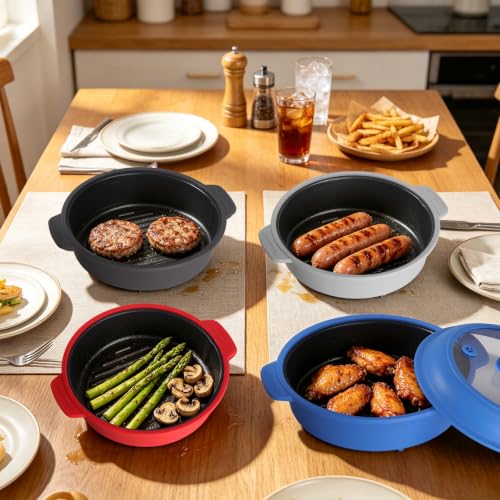
This is one of the few microwave cookware pieces that actually promises browning, and delivers, at least to a degree. The aluminum-coated base absorbs microwave energy to create a grilling effect, and reviewers note visible grill marks on bacon, burgers, and chicken. The nonstick coating and silicone-topped tempered glass lid make it safe and easy to use, and the ability to sear or crisp food in minutes is a real upgrade over standard microwave reheating. For people tired of soggy leftovers, this pan offers a noticeable texture improvement.
Still, results depend heavily on your microwave’s wattage, and thicker cuts of meat may cook unevenly. The pan works best in 700W to 1200W models, and preheating is recommended for crispiness. It’s not going to replace a cast iron skillet, but for quick meals where you want some browning without firing up the stove, it stands out.
Product photos

WRINGKIT 3-Pack Microwave Bowls

Strengths
- Nesting design saves space
- Handles for easy grip
- Includes steam rack
Trade-offs
- Lids not fully leakproof
- Plastic may discolor
- Not oven-safe
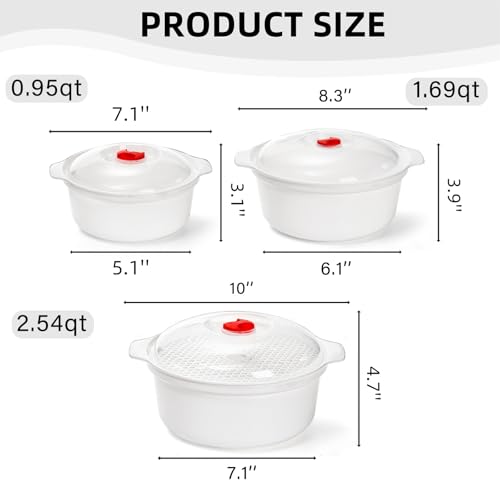
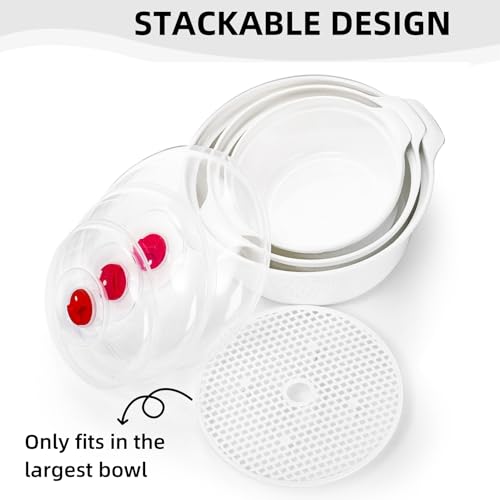
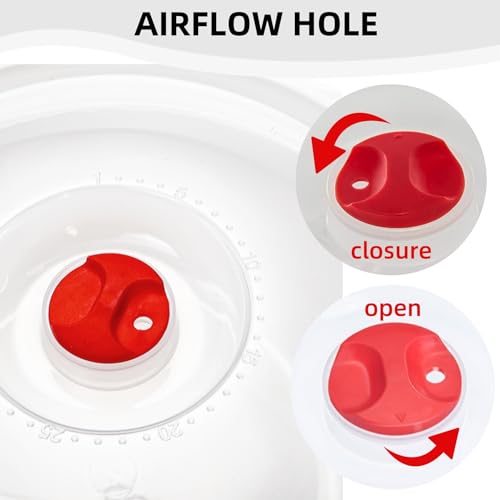
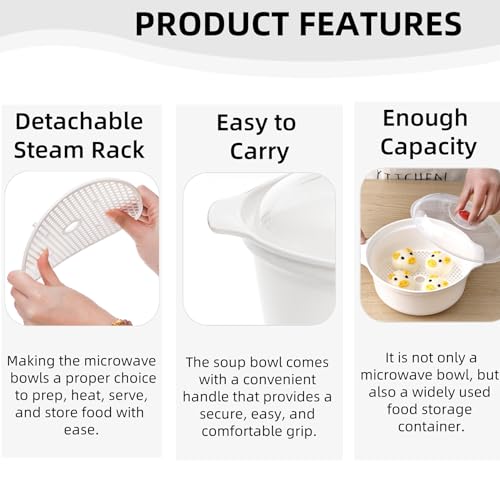
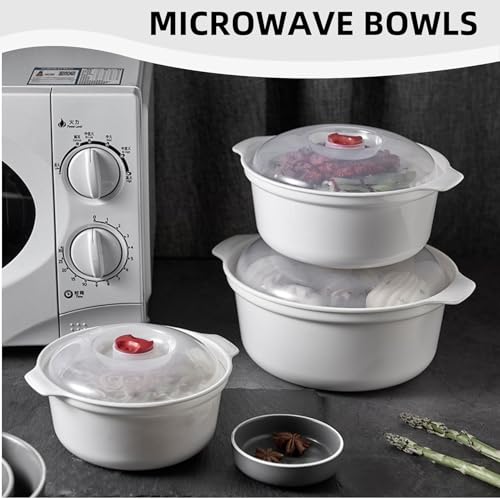
These nesting plastic bowls are a win for small kitchens or anyone tight on cabinet space. The three sizes, nearly 1 to 2.5 quarts, cover most reheating and prep needs, and the fact they nest together makes storage effortless. The included steam rack adds value, letting you cook or reheat multiple items at once. Made from food-grade PP plastic, they’re rated for a wide temperature range and are BPA-free, which aligns with safety expectations.
Owners find them lightweight and easy to carry, thanks to the dual handles, but some note the lids don’t seal as tightly as glass containers, making them less ideal for liquid-heavy foods. They’re microwave and dishwasher safe, but like all plastic, they may discolor over time. Still, for everyday reheating and light cooking, they strike a good balance of function and footprint.
Product photos
Evelots 10-Piece Microwave Bowls

Strengths
- Multiple sizes included
- Vented, secure lids
- Cool-touch handles
Trade-offs
- Plastic may stain
- Not oven-safe
- Lids can warp
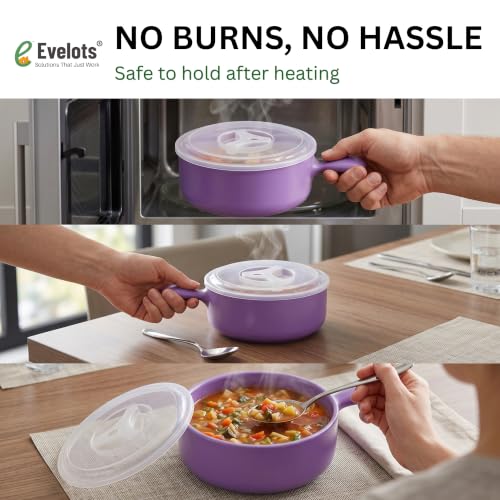
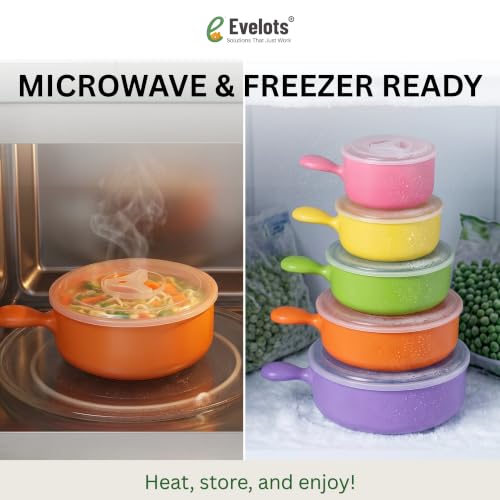
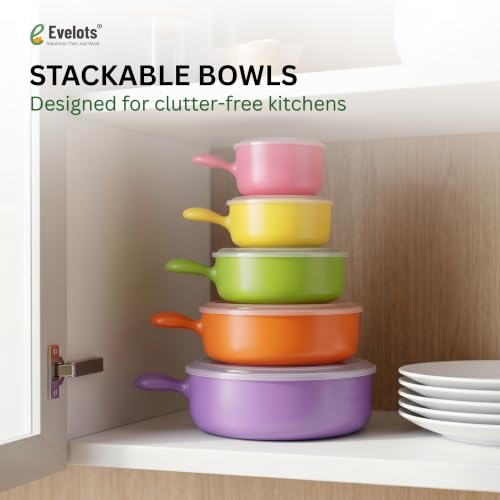
This 10-piece set covers a wide range of portion sizes, from 7 oz to 32 oz, making it a practical choice for families who meal prep or reheat frequently. The vented lids are a standout feature, closed for storage, opened for microwaving, so you can go from freezer to table without switching containers. Owners praise the colorful, durable plastic and the fact that the handles stay cool after heating, which is a small but meaningful safety perk.
The bowls are BPA-free and dishwasher-safe, but being plastic, they’re not suited for oven use or high-heat browning. Over time, some users report staining or odor retention, especially with strong-smelling foods. Still, for everyday reheating and storage, the variety of sizes and functional lids make this a workhorse set.
Product photos


Rubbermaid Brilliance Glass Containers

Strengths
- Oven and microwave safe
- Leakproof, airtight lids
- Modular, stackable design
Trade-offs
- Expensive
- Heavy when full
- Lids require top-rack washing
This set is built for people who hate transferring food between containers. The glass bases are oven-safe up to 450°F, microwave-safe, freezer-safe, and dishwasher-safe, so you can cook, store, reheat, and serve all in one vessel. The crystal-clear, universal lids are 100% airtight and leakproof, which owners consistently praise for meal prep and fridge organization. The modular design means they stack neatly, saving space.
The 9-container variety covers everything from small sides to large entrees, and the stain-resistant glass holds up better than plastic over time. Yes, it’s one of the pricier options, but the durability and true multi-use functionality justify the cost for serious meal preppers. If you’re tired of mismatched lids and warped containers, this set solves those frustrations.
Product photos


How We Picked These microwave cookware
Rather than a hands-on lab test, this selection is a research-led comparison of published specifications, owner reviews, and expert opinions. I approached this guide as I do all my cookware recommendations – by looking at what features genuinely improve a cook’s experience. We examined materials, capacity, included features (like lids and handles), and price points across a wide range of available microwave cookware. Then, we weighed those factors against what current owners are saying about durability, ease of cleaning, and actual performance.
For microwave cookware, three factors stood out as most important. Heat resistance is paramount, as is the material’s ability to withstand repeated use without warping or leaching chemicals. Beyond that, versatility – how many different tasks a piece can handle – significantly impacted our ranking. Finally, ease of cleaning and storage were key considerations, as even the best cookware is useless if it’s a pain to maintain.
Specifications reliably reveal a product’s capacity and material composition. However, owner feedback proved crucial for gauging real-world durability and whether a product lives up to its marketing claims. For example, many products claim to be stain-resistant, but owner reviews tell a different story. We also considered reputation; brands known for quality in other cookware categories generally carry that forward. If you’re looking for dedicated appliances, you might also be interested in our guide to microwave rice steamers. And, before you try to repurpose other kitchen tools, check out our article on using saucepans in the microwave.
How To Pick The Right microwave cookware
Finding the right microwave cookware isn’t about chasing the latest gadget; it’s about understanding what materials and designs actually work well in this unique cooking environment.
Effective microwave cookware prioritizes even heating, material safety, and ease of cleaning. Look for materials explicitly labeled microwave-safe, and consider whether you prioritize functionality like steaming, grilling, or simply reheating. Durability and the ability to transition from microwave to table are also key considerations.
Material Matters
The material is the foundation of any good piece of microwave cookware. While glass and some plastics are commonplace, not all are created equal. Borosilicate glass, like you find in the MCIRCO Deep Glass Baking Dish Set, is a fantastic choice because it resists thermal shock – meaning it’s less likely to shatter when going from cold fridge to hot microwave. However, even with borosilicate glass, avoid drastic temperature changes. Standard glass can be problematic. Plastics are convenient, but you absolutely must verify they are BPA-free and designed for microwave use. Lower-quality plastics can leach chemicals into your food when heated. Look for polypropylene (PP) plastic, as it’s generally considered safe and durable, like in the WRINGKIT 3-Pack Microwave Bowls.
Considering Your Cooking Style
Think about how you actually use your microwave. Are you primarily reheating leftovers? Then a set of basic, stackable containers, like the Rubbermaid Brilliance Glass Containers, will be sufficient. Do you want to expand your microwave cooking beyond just reheating? Then you’ll want more specialized pieces. If you’re looking to quickly cook bacon, you might also want to explore dedicated microwave bacon cookers to achieve perfectly crisp results.
Here’s a breakdown of what to look for based on cooking needs:
- Reheating: Simple, microwave-safe bowls or containers with lids.
- Steaming: Consider options with built-in steamers or dedicated microwave steamers for vegetables and fish.
- Full Meals: Sets like the M-Cuisine Stackable Microwave Cookware Set offer multiple components for layered cooking, but understand these can sometimes sacrifice even heating.
A good rule of thumb: if a container doesn’t explicitly state it’s microwave-safe, don’t risk it.
Beyond the Basics: Features and Usability
Don’t overlook the practical details. Handles are important; they should remain cool to the touch, or at least be designed to prevent scalding, as the Evelots 10-Piece Microwave Bowls attempt to do. Lids are also crucial. Vented lids, like those on the Evelots set, allow steam to escape, preventing pressure build-up and messy splatters. The Nordic Ware Microwave Multi-Boiler has a clever convertible lid that functions as both a cover and a strainer, demonstrating how thoughtful design can add significant value. Finally, consider cleaning. Dishwasher-safe cookware saves time and effort, and non-stick surfaces are a bonus for easy food release.
Microwave Cookware Compared
Here’s a comparison of different microwave cookware options based on key specifications.
| Product Title | Capacity | Material | Dishwasher Safe | Microwave Safe | Lid Included |
|---|---|---|---|---|---|
| M MCIRCO Deep Glass Baking Dish Set | 1-3.2 Quarts | Borosilicate Glass | Yes | Yes | Yes |
| Nordic Ware Microwave Multi-Boiler | 5.5 Cups | Plastic | Yes | Yes | Yes |
| M-Cuisine Stackable Microwave Cookware Set | 2L (Total) | N/A | Yes | Yes | Yes |
| Microwave Grill Pan with Lid | N/A | Silicone/Aluminum | N/A | Yes | Yes |
| WRINGKIT 3-Pack Microwave Bowls | Small/Med/Large | PP Plastic | Yes | Yes | Yes |
| Evelots 10-Piece Microwave Bowls | 7oz-32oz | Plastic | Yes | Yes | Yes |
| Rubbermaid Brilliance Glass Containers | 1.3-8 Cups | Glass | Yes | Yes | Yes |
Frequently Asked Questions
What cookware materials are safest for the microwave?
Borosilicate glass and polypropylene (PP) plastic are generally considered the safest options. While glass is excellent at resisting thermal shock, always verify plastics are BPA-free to avoid potential chemical leaching when heated, and be sure they’re specifically marked for microwave use.
Can I use my regular dishes in the microwave?
You should only use dishes explicitly labeled as microwave-safe. Many standard ceramics and metals can heat unevenly or even damage your microwave, and some may not be food-safe at higher temperatures. If you’re looking for alternatives to plastic, exploring options like ceramic cookware for microwave use is worth considering, but always double-check the manufacturer’s guidelines.
How do vented lids improve microwave cooking?
Vented lids allow steam to escape during cooking, preventing pressure from building up inside the container. This helps avoid messy splatters and promotes more even heating, especially when reheating or steaming foods.
Is it possible to get crispy food in the microwave?
Achieving truly crispy results in a microwave can be challenging, but not impossible. Dedicated microwave crisper pans use special designs and materials to promote browning and crisping, and are a good option if that’s a priority.
What capacity cookware set should I choose for a small household?
For one or two people, a set offering a total capacity of around 2-3 liters, comprised of a few different sized containers, is usually sufficient. This allows for reheating individual portions and cooking simple meals without unnecessary bulk.
The Bottom Line
Choosing microwave cookware often comes down to balancing convenience with a bit of caution. While many materials can be used, prioritizing safety and even heating, as demonstrated by the MCIRCO Deep Glass Baking Dish Set, offers the most reliable results. It represents a solid investment for those who want dependable performance without unnecessary frills.
For specific needs, the options broaden nicely. If you’re frequently reheating and storing leftovers, the Rubbermaid Brilliance Glass Containers are a practical choice. Those interested in expanding their microwave cooking repertoire, perhaps exploring making full meals or even venturing into dedicated appliances like microwave egg cookers, will appreciate the versatility of the M-Cuisine Stackable Microwave Cookware Set.
Ultimately, remember that the “best” cookware is the set you’ll actually use. Prioritize materials known for safety and durability, and don’t hesitate to invest in quality pieces – particularly if you’re also looking for quality glass cookware for your stovetop. Focusing on these fundamentals will serve you better than any specific feature or brand claim.
