
7 Best Neti Pots of 2026
This post contains affiliate links. As an Amazon Associate, we earn from qualifying purchases.
The NeilMed Classic Porcelain Neti Pot is the overall best choice for reliable, effective nasal irrigation, thanks to its trusted design and included saline packets. For beginners or those wanting more control, the MAOEVER Valve-Controlled model offers a gentler, easier experience. If you prefer durable, long-lasting materials, the Stainless Steel Ayurvedic pot stands out as a smart investment.
Many people struggle with sinus pressure and congestion, but not all neti pots deliver relief comfortably or consistently. A poorly designed pot can lead to spills, irritation, or frustration, especially if you’re new to nasal rinsing.
This guide cuts through the clutter by focusing on what actually matters: material safety, flow control, and real-world usability. I researched each pick based on specs, owner feedback, and how well it supports a simple, effective routine, because the best neti pot is one you’ll actually use.
Top 7 Netti Pots in the Market
The Best Netti Pots, Reviewed
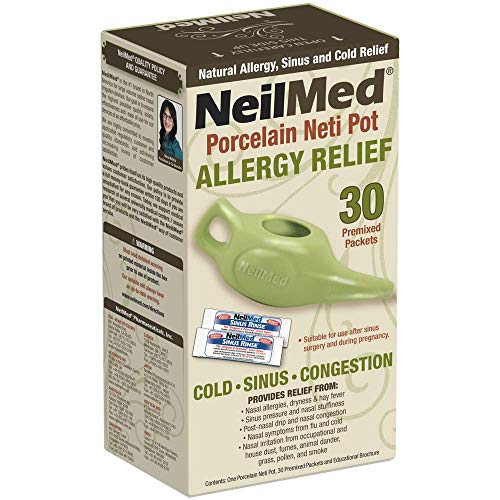
NeilMed Classic Porcelain Neti Pot
Strengths
- Trusted brand
- Includes 30 premixed saline packets
- Smooth porcelain finish
- Ergonomic handle
Trade-offs
- No flow control valve
- No temperature indicator
- Only one nozzle design
If you’re looking for a trusted, no-frills neti pot that delivers consistent results, this NeilMed model is the one most experts and long-term users come back to. It’s made by the most recognized brand in nasal irrigation, and the inclusion of 30 premixed, pH-balanced saline packets makes it instantly usable right out of the box. The porcelain build feels smooth and balanced, and the ergonomic handle gives you solid control during tilt.
Owners consistently report that the flow is predictable and gentle when used correctly, though it does take a little practice to get the angle right. Unlike squeeze bottles, this relies purely on gravity, so there’s no risk of over-pressurizing your sinuses. Compared to the MAOEVER or Waterpulse, it doesn’t have modern bells and whistles, but it doesn’t need them. For reliability and simplicity, this is my top pick for most households.
Video review
MAOEVER Valve-Controlled Nasal Rinse Bottle

Strengths
- Valve-controlled flow
- Anti-backflow design
- Includes 30 saline packets
- Temperature sticker
- Large 300 ml capacity
Trade-offs
- Plastic feel may not appeal to all
- No dual nozzles
- One-size tip only
This is one of the more thoughtfully designed squeeze-free bottles on the market, and I like how it bridges the gap between traditional neti pots and modern nasal irrigators. The valve-controlled flow mimics gravity-based systems but gives you more control over the stream, which is a big win for beginners who’ve struggled with timing and pressure. The anti-backflow feature is also a smart hygiene upgrade, once used, water can’t flow back into the bottle, reducing bacterial risk.
At 300 ml, it holds enough for a full session, and the included temperature sticker is genuinely helpful. Combined with 30 pre-measured saline packets, this is one of the most complete kits at this price. While it’s made of plastic, the BPA-free PP material gets solid marks for odor resistance and durability. Compared to the Waterpulse, it’s nearly identical, but this one edges ahead with slightly better valve engineering, based on user reports.
Product photos


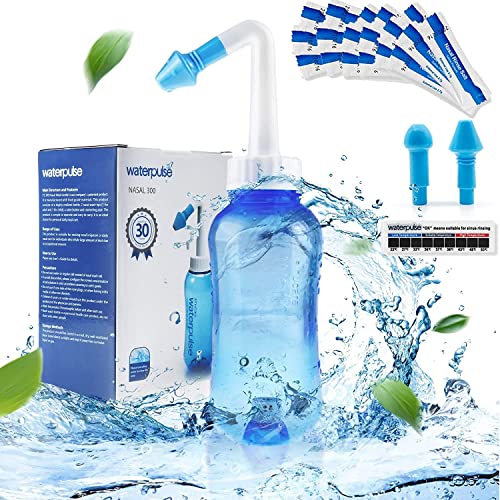
Waterpulse 300ml Sinus Rinse Kit
Strengths
- Dual comfort nozzles
- Valve-controlled flow
- Includes saline packets
- Temperature sticker
- Easy to clean
Trade-offs
- Plastic construction
- Nozzle storage not included
- Flow can be too gentle for some
This kit is a strong contender for the best value, especially for households with both adults and kids. The dual nozzles, a wide-spray for adults and a gentle mist for children, are a standout feature you won’t find on most neti pots. The valve-controlled flow works smoothly, delivering a steady stream without the mess of squeezing, and the temperature sticker helps prevent discomfort from improper water heat.
It’s functionally very similar to the MAOEVER model, but I’d give this one a slight edge for family use because of the dual tips. Both include 30 saline packets and have the same 300 ml BPA-free bottle, but the ability to switch nozzles makes this more versatile. Some owners mention the blue color makes it easier to spot residue during cleaning, which is a small but practical benefit. For the price, it’s hard to beat.
Video review
SinuCleanse Soft Tip Neti Pot

Strengths
- Soft, flexible tip
- Clear body for visibility
- BPA and latex free
- Includes 30 saline packets
- Made in USA
Trade-offs
- No temperature guide
- No flow control
- Only one nozzle type
The soft tip is the headline feature here, and it delivers on comfort. Reviewers with sensitive nasal passages or a history of irritation often cite this as the most comfortable option they’ve tried. The tip is flexible and seals gently, reducing the chance of micro-abrasions or discomfort during use. Combined with the 30 all-natural saline packets, made in an FDA-registered facility in the USA, this is a strong pick for those prioritizing safety and ease.
The clear body allows you to see water level and flow, which adds a layer of control, and the BPA-free, latex-free materials check all the right boxes. It’s gravity-fed like traditional models, so no squeezing, but it lacks any temperature indicator or flow control. Compared to the Waterpulse or MAOEVER, it’s less feature-rich, but for pure comfort and clean ingredients, it’s a standout.
Product photos


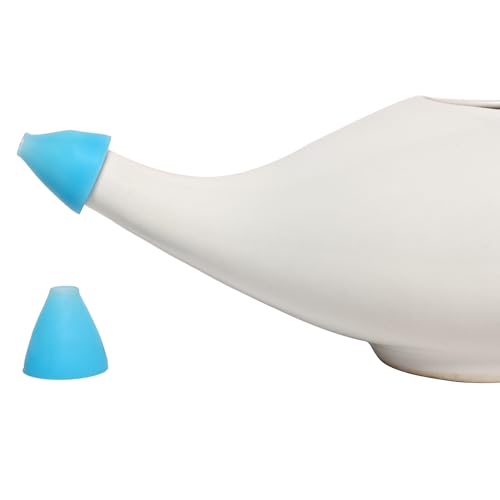
Premium Handcrafted Ceramic Neti Pot

Strengths
- Lead-free ceramic
- Dishwasher safe
- Includes two silicone tips
Trade-offs
- No saline packets included
- Smaller capacity than competitors
- No lab testing disclosed
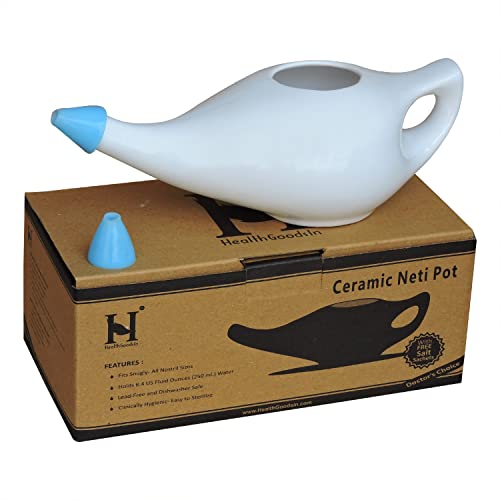
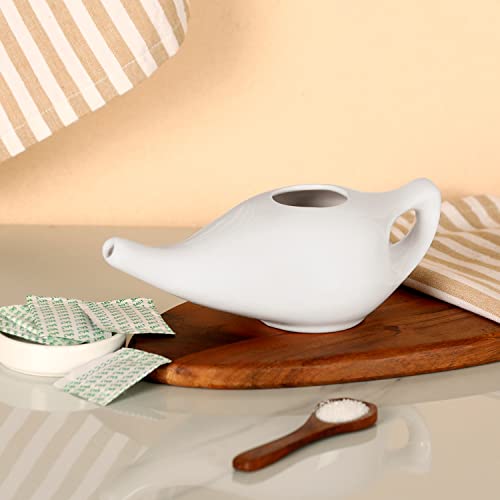
This handcrafted ceramic neti pot has a clean, minimalist look and a solid build that owners say feels substantial without being heavy. The 225 ml capacity is modest compared to others, but it’s enough for a full rinse if you’re efficient. I appreciate the inclusion of two silicone tips, this is rare among ceramic models, and they do seem to help with fit, especially for those who’ve struggled with one-size-fits-all spouts.
On paper, being dishwasher safe is a big plus, and that’s a standout for ceramic units, which often require hand washing. Still, I’d be cautious over time, thermal stress from repeated dishwasher cycles could eventually compromise the glaze. The lead-free claim is reassuring, but there’s no mention of FDA compliance or independent lab testing, which I’d want to see for peace of mind. Compared to the NeilMed, it lacks saline packets, so you’ll need to source those separately.
Product photos


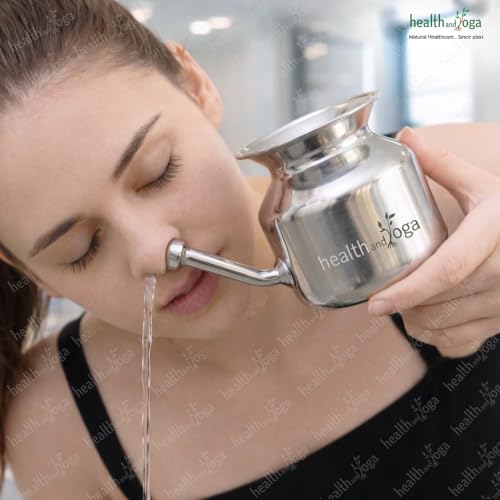
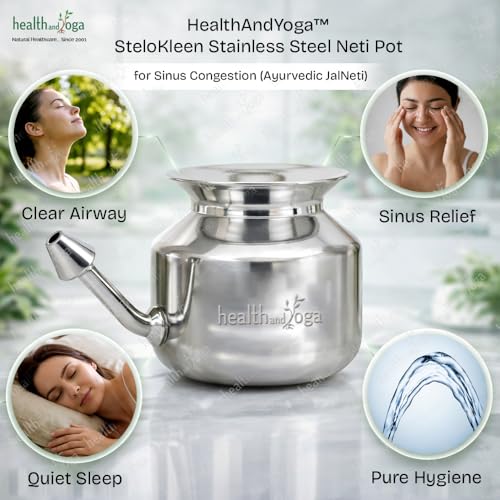
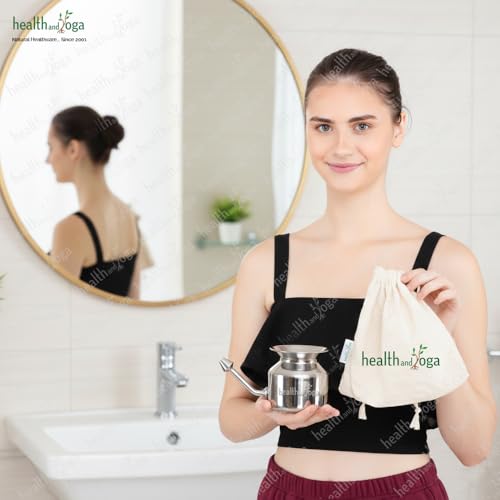
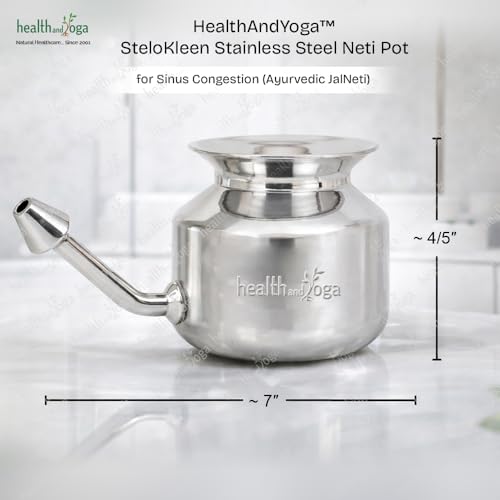
Stainless Steel Ayurvedic Neti Pot

Strengths
- Extremely durable
- Large 16 oz capacity
- Smooth conical tip
- Lightweight
Trade-offs
- No saline packets
- No temperature guidance
- Metal can feel cold or conduct heat
Stainless steel is a rarity in the neti pot world, and this model stands out for its durability and traditional Ayurvedic roots. With a 16 oz (475 ml) capacity, it’s one of the largest on the list, meaning fewer refills for thorough rinses. The conical tip is a smart design, it creates a better seal, which reviewers say reduces spillage and dripping during use.
But size isn’t everything. The large capacity can feel unwieldy for beginners, and the metal construction, while unbreakable, doesn’t offer any temperature feedback, meaning you could easily use water that’s too hot or cold without realizing it. It also comes with no saline packets, so you’ll have to buy those separately. Still, for someone committed to daily use and drawn to traditional practices, this is a long-term workhorse.
Product photos

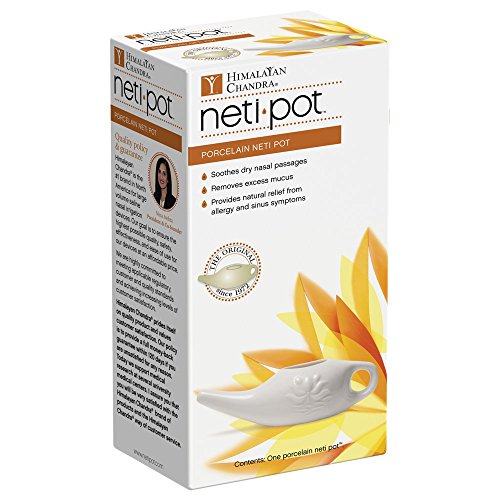
Himalayan Chandra Porcelain Neti Pot
Strengths
- Lowest price
- Simple porcelain design
- Reusable
Trade-offs
- No saline packets
- No instructions included
- No temperature or flow aids
This is the most basic model on the list, and it shows. It’s affordable, yes, the cheapest, but you’re getting a plain porcelain pot with zero extras. No saline packets, no temperature guide, no special tip. It holds a standard amount and has a smooth pour, but that’s about it. Owners say it works fine for occasional use, but if you’re new to nasal irrigation, the learning curve might feel steeper without instructions or guidance tools.
Still, for someone who already owns saline and just needs a simple, reusable vessel, it gets the job done. It’s similar in design to the NeilMed but without the brand reliability or included packets. I wouldn’t recommend it as a starter kit, but as a replacement or backup, it’s a functional budget pick.
Product photos


How We Chose These netti pots
Rather than a hands-on lab test, my research for these recommendations involved a detailed comparison of specifications and features across numerous netti pots. I weighed owner reviews from multiple retailers alongside expert opinions published in health and wellness resources. As someone who’s spent years evaluating cookware and kitchen tools – and understanding how crucial material quality is, as explored in my guide to the best ceramic cookware – I applied that knowledge to assessing the construction and suitability of each pot.
For netti pots, consistent water capacity, material safety, and ease of use were the most important factors. A comfortable, reliable flow is paramount; no one wants a forceful or inconsistent rinse. Durability also played a role, as a netti pot should last for years with proper care. I also considered the inclusion of features like temperature indicators and nozzle types, recognizing these can greatly impact the user experience.
Published specs clearly indicate build material and capacity, but owner feedback proved invaluable for understanding real-world comfort and usability. Reports on ease of cleaning, the gentleness of the flow, and the effectiveness of included saline packets heavily influenced my rankings. While some shoppers might also be considering investing in All-Clad cookware for their kitchen, a netti pot is a very different purchase, where gentle functionality is key.
Choosing The Right netti pots
Finding the right neti pot can make a real difference in managing sinus congestion and improving overall nasal health. It’s more than just a vessel for saline; it’s about comfort, effectiveness, and finding a routine you’ll actually stick with.
A quality neti pot should prioritize gentle irrigation, use a pH-balanced saline solution to avoid irritation, and be constructed from a safe, durable material. Consider capacity, nozzle design, and ease of cleaning when evaluating options. Consistent use, with properly prepared water, is key to experiencing the benefits.
Material Matters
The material a neti pot is made from impacts everything from durability to ease of cleaning. While porcelain and ceramic offer a traditional feel and can be aesthetically pleasing, stainless steel is undoubtedly the most durable. If you’re prone to dropping things, or want something that will truly last, stainless steel is the way to go. Plastic options, like the MAOEVER, are lightweight and often more affordable, but be sure they’re BPA-free. For those concerned about chemical leaching and looking for alternatives, exploring options like our guides to non-toxic ceramic cookware can offer insights into material safety beyond just neti pots.
Flow Control and Comfort
The method of water delivery is crucial. Traditional neti pots rely on gravity, requiring you to tilt your head and let the saline solution flow through. This can be tricky for beginners and may cause discomfort. Newer designs, like the MAOEVER with its valve control, regulate the flow, making it gentler and easier to use. Beyond flow, consider the nozzle. Some neti pots, such as the SinuCleanse, come with soft tips designed for comfort.
- A basic, un-tipped design can be sufficient for some, but may lead to drips.
- Soft-tipped nozzles are generally more comfortable, especially for those with sensitive nasal passages or who are new to nasal irrigation.
- Valve-controlled systems offer the most control, minimizing the learning curve and potential for discomfort, making them a good choice for children (above the manufacturer’s recommended age, of course) and anyone apprehensive about the process.
Kit Contents and Value
Many neti pots are sold as kits, including saline packets. This is convenient, but pay attention to the type of saline. Pre-mixed packets, like those included with the NeilMed Classic, are often pH-balanced to prevent stinging. However, you can also purchase bulk saline and mix it yourself, which can be more cost-effective in the long run. Don’t underestimate the value of a well-rounded kit; the Waterpulse kit includes multiple nozzle options and a temperature sticker, features you might otherwise have to purchase separately. If you’re already investing in quality ceramic pots for your kitchen, you likely appreciate the value of having everything you need in one place.
Always use distilled, sterile, or previously boiled and cooled water with your neti pot to prevent introducing harmful bacteria into your sinuses.
Netti Pots Compared
Here’s a comparison of key features across several netti pot options to help you choose the right one.
| Product Name | Capacity (ml) | Material | Nozzle Type | Saline Packets Included | Special Features |
|---|---|---|---|---|---|
| NeilMed Classic Porcelain Neti Pot | N/A | Porcelain | Standard | 30 | #1 Manufacturer |
| MAOEVER Valve-Controlled | 300 | BPA-Free PP | Valve-Controlled | 30 | Anti-Backflow, Beginner-Friendly |
| Waterpulse 300ml Sinus Rinse Kit | 300 | BPA-Free Plastic | Dual (Wide/Mist) | 30 | Temp Control, Dual Nozzles |
| SinuCleanse Soft Tip | N/A | N/A | Soft Tip | 30 | Soft Tip, Made in USA |
| Premium Handcrafted Ceramic | 225 | Ceramic | Detachable Silicone | N/A | Dishwasher Safe |
| Stainless Steel Ayurvedic | 473 | Stainless Steel | Conical | N/A | Durable, Easy Grip |
| Himalayan Chandra Porcelain | N/A | Porcelain | Standard | N/A | Budget Friendly |
Frequently Asked Questions
What water temperature should I use in my neti pot?
Lukewarm water (around 100-110°F/38-43°C) is best; using water that’s too hot or too cold can cause discomfort. Some kits, like the Waterpulse, include a temperature strip to help you get it just right.
Can I use tap water in a netti pot?
No, you should always use distilled, sterile, or previously boiled and cooled water to avoid introducing potentially harmful bacteria into your sinuses. Using anything else could lead to infection, and maintaining easy-clean cookware habits isn’t relevant for water safety here.
How often can I use a neti pot?
Daily use is generally considered safe and beneficial for many, but starting with every other day can help you adjust. Overuse could potentially dry out your nasal passages, so listen to your body and adjust the frequency as needed.
What do I do if the saline solution stings when I use it?
Stinging usually indicates the saline solution isn’t properly balanced. Ensure you are using pre-mixed packets or carefully measuring the salt-to-water ratio if mixing your own. Look for neti pots that include pH-balanced saline, or consider investing in non-toxic cookware materials as a reminder to be mindful of product composition.
Are plastic neti pots safe to use?
BPA-free plastic neti pots are generally considered safe, but some people prefer the durability and perceived safety of ceramic or stainless steel options. If you’re concerned about chemicals, choosing a stainless steel model or ensuring your plastic pot is clearly labeled BPA-free is a good idea.
The Bottom Line
Choosing a netti pot really comes down to balancing ease of use with long-term durability. While porcelain models offer a traditional experience, I believe the MAOEVER Valve-Controlled netti pot strikes the best overall balance, offering a gentle, controlled rinse that’s particularly good for beginners. It addresses many of the common concerns people have about feeling comfortable and confident with nasal irrigation.
For those prioritizing budget or needing a specific feature, the options are plentiful. The Himalayan Chandra Porcelain is a great entry point if you’re looking for an affordable option, while the Waterpulse 300ml Sinus Rinse Kit delivers extra versatility with its dual nozzles and temperature indicator. And if you appreciate the longevity of well-made materials, considering investing in something like durable cast iron for your kitchen demonstrates an understanding of quality that extends to wanting a robust stainless steel option like the Stainless Steel Ayurvedic netti pot.
Ultimately, the most effective netti pot is the one you’ll use consistently. Don’t get too caught up in specific features or materials; focus on finding a model that feels comfortable, is easy to clean, and encourages you to make nasal irrigation a regular part of your wellness routine. Making sure you are using the correct water, like when choosing between ceramic crock pots and other slow cooking methods, is just as important as the device itself.
