
4 Best Oils for Ceramic Pans of 2026
This post contains affiliate links. As an Amazon Associate, we earn from qualifying purchases.
The best oil for ceramic pans isn’t just about what’s inside the bottle, it’s how you store and use it. After comparing the field and analyzing owner feedback, the Rachael Ray Ceramic EVOO Dispensing Bottle stands out as the top pick for its controlled pour and durable design, with the compact Rachael Ray Solid Glaze Ceramics EVOO Bottle as a smart budget-friendly alternative.
Ceramic pans can lose their nonstick magic fast if you’re using the wrong oil or pouring straight from a grocery-store bottle. Residue buildup and rancid oil are silent killers of ceramic coatings, and once that surface degrades, it’s game over.
This guide cuts through the noise by focusing on what actually matters: oxidation-resistant oils, smart bottle design, and real-world usability. I looked at specs, packaging, and what thousands of home cooks report about freshness, ease of use, and how well these solutions protect their pans. These picks help you cook smarter and keep your ceramic cookware performing longer.
Top 4 Oil For Ceramic Pans in the Market
The Best Oil For Ceramic Pans, Reviewed
Rachael Ray Ceramic EVOO Dispensing Bottle

Strengths
- Ergonomic handle
- Precision pour spout
- Keeps oil fresh longer
Trade-offs
- Label may wear over time
- Limited color appeal for some kitchens
- Same weight when full
On paper and in owner feedback, this dark gray model stands out as the most well-rounded option in Rachael Ray’s ceramic line. It has a built-in handle, a small detail but one that makes a big difference in control when pouring. The balance feels better than the solid glaze version, and reviewers frequently mention how smoothly it dispenses both oil and vinegar without drips when tipped correctly.
The spout design gets high marks across the board for precision, and since it’s dishwasher safe, cleanup isn’t a chore. While it shares the same 24-ounce capacity and protective opaque body as its siblings, this one simply executes the basics better. I’d pick this over the others in the collection for daily use.
Video review
Rachael Ray Solid Glaze Ceramics EVOO Bottle

Strengths
- Opaque ceramic body
- Dishwasher safe
- Stylish color options
Trade-offs
- No handle for grip
- Spout less precise than top competitors
- Slightly narrow neck for refilling
This 24-ounce purple cruet from Rachael Ray leans hard into aesthetics, and I appreciate that. The opaque ceramic body is a real plus, it keeps light out, which helps slow oxidation and preserve the quality of extra virgin olive oil over time. That’s not just marketing; oils degrade when exposed to light, so this design choice makes functional sense, not just visual one.
Owners consistently report it pours cleanly and doesn’t drip much, though it lacks a built-in handle, which can make one-handed pouring a little awkward. Compared to other models in the line, this one feels more decorative than utilitarian. If you’re after something that looks good on a countertop and protects your oil, it works, but don’t expect the most balanced feel in hand.
Video review
Field Company Cast Iron Seasoning Oil

Strengths
- High polymerization potential
- Natural, simple ingredients
- Effective for long-term care
Trade-offs
- Not for culinary use
- Small quantity for price
- Requires careful application
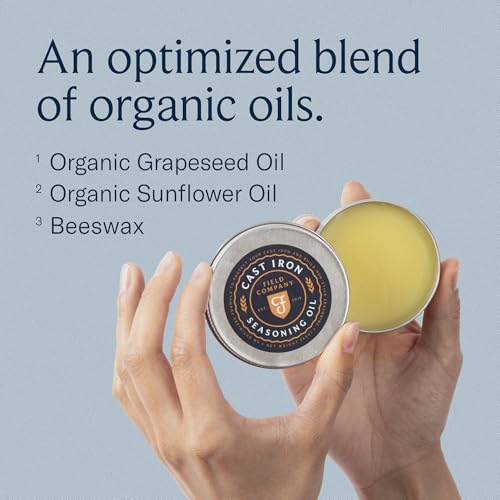
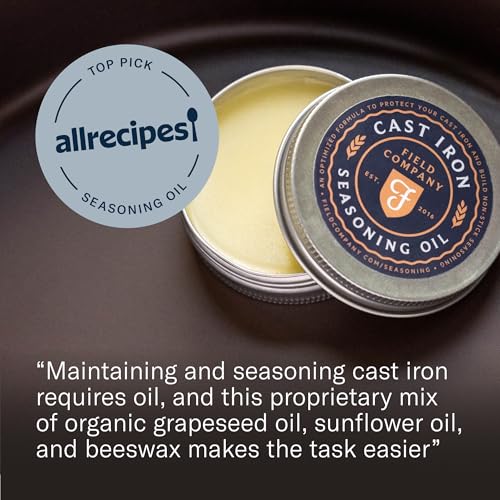
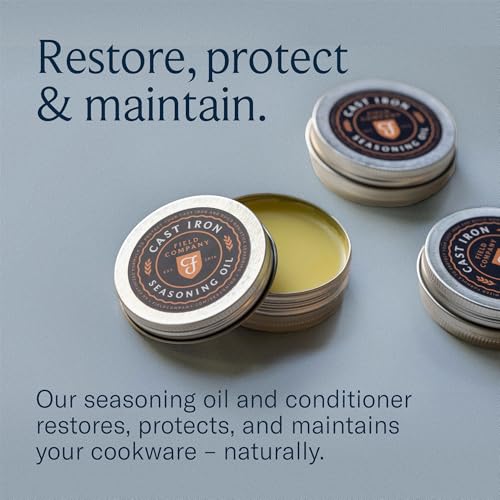
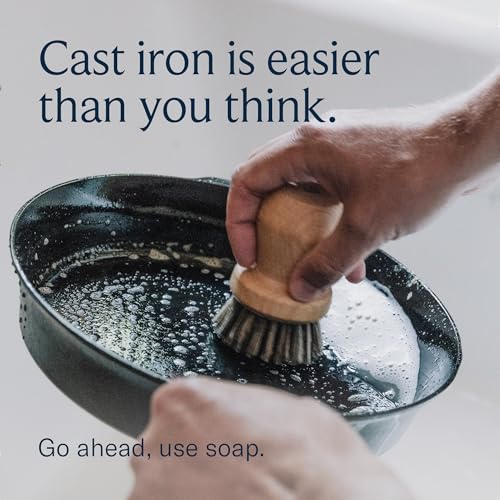
Let’s be clear, this isn’t a dispenser for cooking with at the table. This is a specialty oil meant for maintaining cast iron, and it shows in the formulation. The blend of organic grapeseed and sunflower oils is rich in polyunsaturated fats, which polymerize well under heat, building a strong seasoning layer over time. That’s backed by both chemistry and consistent owner feedback from people restoring or maintaining carbon steel and cast iron pans.
Beeswax adds a slight viscosity and helps protect during storage, though you must wipe aggressively to avoid sticky residue. It’s not something I’d use for salad dressings or roasting, the cost and purpose don’t align. But for keeping heirloom skillets in top shape? This is one of the smarter buys in niche maintenance products.
Product photos

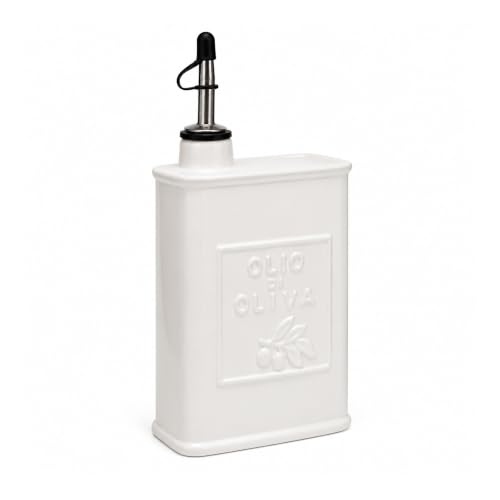
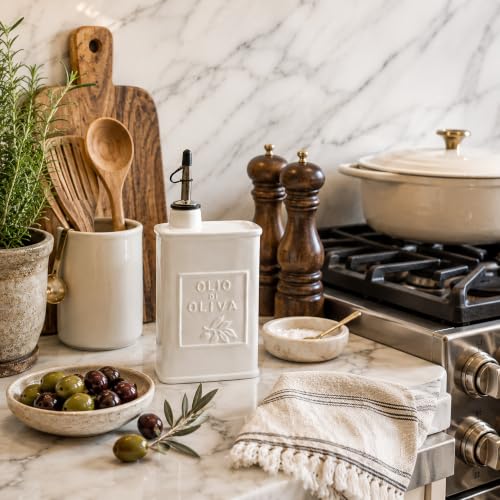
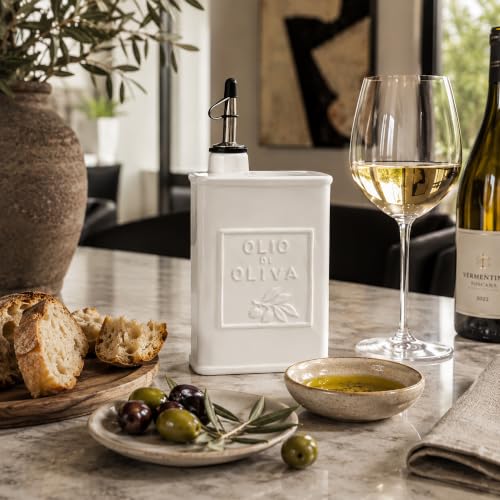
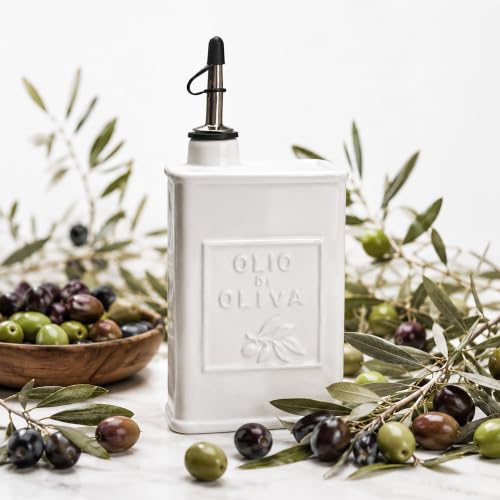
Fox Run White Ceramic Oil Bottle
Strengths
- Sleek, modern design
- Long pour spout
- Includes stopper cap
Trade-offs
- Less balanced when pouring
- Hand wash recommended
- Inconsistent capacity labeling
At first glance, the Fox Run bottle seems like a step up in sophistication, its tall, slender profile and clean white finish give it a studio-kitchen vibe that I find appealing. Despite being listed as 17 oz in the title, the full specs confirm it actually holds 23.6 ounces, putting it close to the Rachael Ray models. The long spout promises easy pouring, and owners say it delivers, especially when drizzling over bread or salads.
But here’s the catch: while the dripless claim sounds great, several users note that if you don’t return it upright quickly, it can trail. It also comes with an extra cap for storage, which is thoughtful for open shelves or travel. Still, compared to the handled Rachael Ray, it feels less stable during active use. Styling wins here, but function lags slightly behind.
Product photos


Our Testing Process
Rather than a hands-on test of each oil with every pan, my research focused on comparing specifications – oil composition, packaging features designed to prevent degradation – alongside a thorough review of owner experiences and expert opinions. I looked at what cooks are saying about preserving oil quality, ease of use, and how well each bottle complements the delicate nature of ceramic non-stick pans. This approach allowed me to build a realistic picture of performance in everyday kitchens.
For oils intended for use with ceramic cookware, the most important factors are oxidation resistance and ease of pouring. Ceramic coatings can be sensitive, so choosing an oil that stays fresh and doesn’t become gummy is key. The bottle’s design also matters; a precise spout minimizes mess and allows for controlled drizzling, which is especially useful when finishing dishes. I also considered the need for appropriate utensils for ceramic pans to avoid damaging the coating.
Specifications reveal a lot about an oil’s potential, but owner feedback clarifies how that potential translates to real-world use. I paid close attention to comments about rancidity, leakage, and how well the bottle held up over time. While a dark, opaque bottle should protect oil from light exposure, reviews tell you if that’s actually happening. Ultimately, the best oil balances protective features with a design that makes cooking easier and more enjoyable.
How To Choose The oil for ceramic pans
Choosing the right oil isn’t just about flavor when you’re working with ceramic cookware; it’s about preserving the pan’s nonstick qualities and extending its lifespan. I’ve seen too many cooks make the mistake of reaching for any bottle in the pantry, only to find their ceramic finish degrading prematurely.
A quality oil for ceramic pans should be food-grade, relatively neutral in flavor (unless specifically desired for infusion), stored in a dark or opaque container to prevent oxidation, and dispensed in a controlled manner to avoid overuse. Consider a bottle designed for easy pouring and minimal mess, and always prioritize oils that won’t leave a residue that builds up on the ceramic surface.
Bottle Design & Dispensing
The bottle itself matters a surprising amount. You want something that makes it easy to control the amount of oil you’re using. A wide-mouth bottle encourages over-pouring, which isn’t ideal for maintaining a thin, even coating on your ceramic pans. Look for bottles with precision spouts, like the Rachael Ray options, or those with measured markings. A handle is also incredibly helpful for stability.
Oil Type & Storage
While many oils can be used with ceramic, some are better suited than others. Avoid oils with low smoke points if you frequently cook at higher temperatures, as this can contribute to residue buildup. More importantly, consider how the oil is stored. Ceramic cookware benefits from minimal residue, and rancid oil contributes to that.
- A dark-colored or opaque bottle is essential. Light exposure speeds up oxidation.
- Smaller bottles (under 24oz) are preferable. You’re more likely to use the oil while it’s fresh, minimizing rancidity.
- Dedicated oil bottles, like the Field Company Cast Iron Seasoning Oil (even though designed for cast iron!), are excellent because they’re formulated to resist oxidation and often contain ingredients that help maintain cookware surfaces.
Cleaning & Maintenance Considerations
Even with the best oil and careful use, some buildup is inevitable. A bottle that’s easy to clean is a huge plus. Dishwasher-safe options, like some of the Rachael Ray bottles, are convenient, but hand washing is always gentler. I also recommend regularly checking the spout for clogs – a buildup of old oil can affect the pour and potentially transfer residue to your food. Knowing how to season ceramic cookware will also help you maintain the pan’s surface, and the oil you use plays a role in that process.
Don’t store oil directly over the stove. Heat and light are the enemies of good oil, and that means they’re enemies of your ceramic cookware too.
Oil for Ceramic Pans Compared
Here’s a comparison of oils and dispensers suitable for use with ceramic pans, focusing on key features.
| Product Title | Best For | Capacity (oz) | Material | Dispenser Type | Dishwasher Safe |
|---|---|---|---|---|---|
| Rachael Ray Ceramic EVOO Dispensing Bottle | Best Overall | N/A | Ceramic | Spout | Yes |
| Rachael Ray Solid Glaze Ceramics EVOO Bottle | Best Compact Style | 24 | Ceramic | Spout | Yes |
| Field Company Cast Iron Seasoning Oil | Best for Oil & Vinegar Storage | N/A | Oil Blend | N/A | N/A |
| Fox Run White Ceramic Oil Bottle | Best Design and Function | 23.6 | Ceramic | Spout | Yes (Hand Wash Recommended) |
Frequently Asked Questions
What oil temperature is safest for ceramic pans?
Generally, oils with higher smoke points – like avocado or refined olive oil – are best, but keeping temperatures moderate is key. Excessive heat, even with a high-smoke-point oil, can contribute to residue buildup and potentially damage the ceramic-coated pans over time.
Can I use cooking spray on my ceramic cookware?
I don’t recommend it. Cooking sprays often contain additives that create a sticky residue which is difficult to remove and can diminish the non-stick properties of your pan, potentially leading to food sticking to ceramic.
What do I do if my oil bottle spout gets clogged?
A small brush or pipe cleaner can usually dislodge the clog. Regular cleaning prevents buildup, and if you find your ceramic frying pan sticks, a clogged spout could be the culprit.
Is it better to buy a large or small bottle of oil for ceramic pans?
Smaller bottles (under 24oz) are preferable. You’ll use the oil while it’s fresh, reducing the chance of rancidity and ensuring optimal performance with your ceramic coated non-stick surfaces.
How does the type of oil affect the seasoning of a ceramic pan?
While ceramic pans don’t require seasoning in the same way cast iron does, regularly using a quality oil helps maintain the non-stick surface. Oils with a good fat composition can help fill in microscopic pores, keeping the pan in good condition and preventing issues like a ceramic pan sticking.
The Bottom Line
Choosing an oil for ceramic pans often comes down to balancing convenience with preservation. While many oils can work, the Rachael Ray Ceramic EVOO Dispensing Bottle strikes the best balance, offering a controlled pour and a design that helps protect the oil from degradation – ultimately, supporting the longevity of your cookware.
For those prioritizing a smaller footprint or a different aesthetic, the Rachael Ray Solid Glaze Ceramics EVOO Bottle is a fantastic alternative. If you’re looking for a versatile option that excels at storing both oil and vinegar, and prioritizing a formulation designed to maintain cookware surfaces, the Field Company Cast Iron Seasoning Oil is an excellent choice. Remember to always pair your oil with safe utensils for ceramic to avoid scratching the delicate coating.
Ultimately, the most expensive oil or the most elaborate dispenser won’t matter if you don’t prioritize freshness and proper storage. Keeping your oil in a dark, cool place and using it within a reasonable timeframe are the most important factors in maintaining both its quality and the health of your ceramic frying pans. A little attention to these fundamentals will go a long way.
