
7 Best Oils for Seasoning Carbon Steel Pan 2026
This post contains affiliate links. As an Amazon Associate, we earn from qualifying purchases.
The Field Company Organic Grapeseed Blend is the best overall oil for seasoning carbon steel, thanks to its high polymerization potential and added beeswax for protection. For a budget-friendly option, the Crisbee Rub Seasoning Stik offers mess-free application, while Clark’s Coconut Oil Seasoning is ideal if you want something that won’t go rancid.
Seasoning a carbon steel pan doesn’t have to be complicated, but choosing the wrong oil can lead to sticky residue, poor non-stick performance, or off-flavors down the line. Many home cooks struggle with inconsistent results because they’re using oils that don’t polymerize well or spoil too quickly.
In this guide, I break down the top options based on smoke point, fatty acid composition, shelf life, and real-world feedback from users who’ve maintained their pans long-term. These picks reflect what actually builds a durable, reliable seasoning, not just marketing claims.
Top 7 Oil For Seasoning Carbon Steel Pan in the Market
The Best Oil For Seasoning Carbon Steel Pan, Reviewed
Field Company Organic Grapeseed Blend

Strengths
- Strong polymerization
- Balanced oil blend
- Includes beeswax
Trade-offs
- Refrigeration needed
- Short shelf life
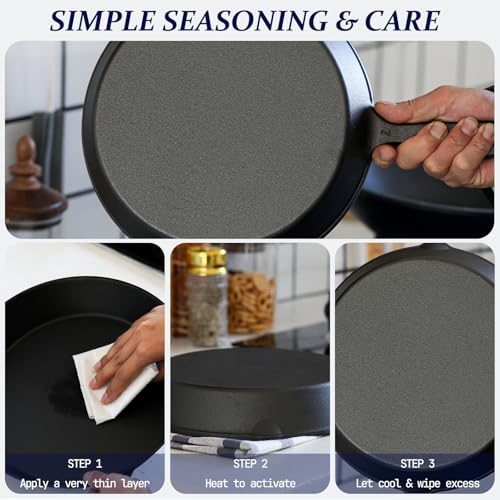
Field Company’s blend hits the sweet spot for what I consider the best overall option: a thoughtful mix of organic grapeseed and sunflower oils, both high in polyunsaturated fats, plus beeswax for surface protection. These oils polymerize well when heated correctly, leading to a tough, nonstick finish that improves with each cook.
Owners consistently report smoother performance on carbon steel pans over time, and the instructions emphasize proper technique, like wiping thin and heating post-application, which aligns with best practices. The only downside? A one-year shelf life unless refrigerated. But if you cook regularly, that won’t be an issue. This is the kind of product that rewards consistent use.
Video review
Crisbee Rub Seasoning Stik
Strengths
- Affordable
- Long-lasting
- Great for upkeep
Trade-offs
- No listed ingredients
- Limited transparency
- Not for new pans
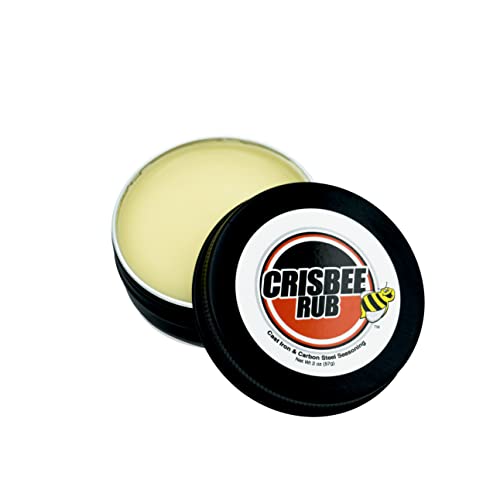
Crisbee Rub is the budget-friendly version of their lineup, same brand trust, smaller price tag. It’s a wax-based conditioner that applies sparingly, so a little really does go far. Users love how efficiently it maintains seasoning between deep cooks, especially on well-established pans.
But unlike their Cream Iron version, there’s no ingredient disclosure here, which gives me pause. You’re trusting the brand entirely, and while many swear by it, I’d hesitate to recommend it for initial seasoning on raw carbon steel. Better as a maintenance boost than a foundation builder.
Video review
CLARK’S Coconut Oil Seasoning (12 oz)
Strengths
- Never goes rancid
- Long shelf life
- Easy application
Trade-offs
- Weaker polymerization
- Not ideal for initial seasoning
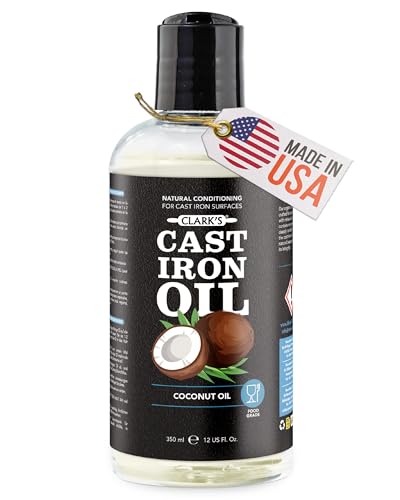
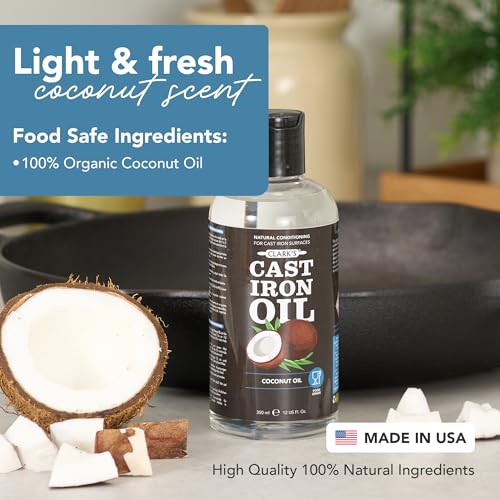
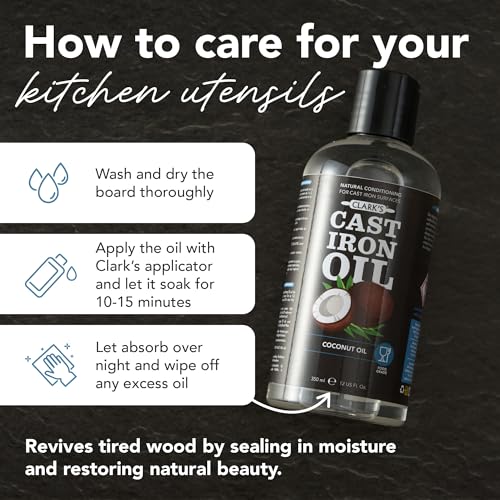
If shelf stability is your top concern, CLARK’S refined coconut oil formula is hard to beat. Unlike flaxseed or grapeseed oils, this one won’t go rancid on the shelf, even years down the line. That makes it a practical choice for infrequent users or anyone tired of rotating out spoiled seasoning oils.
It doesn’t polymerize as aggressively as flaxseed, so it’s better suited for maintenance than foundational seasoning. But owners praise how easily it spreads and how well it prevents rust between uses. I wouldn’t rely on it alone to build a heavy-duty nonstick layer from scratch, but as a final wipe after cleaning? It shines.
Product photos


Cowboy Bob’s Avocado Oil & Beeswax
Strengths
- Seed-oil free
- Avocado oil base
- Made in USA
Trade-offs
- Slower seasoning build
- Higher price
- Less aggressive bond
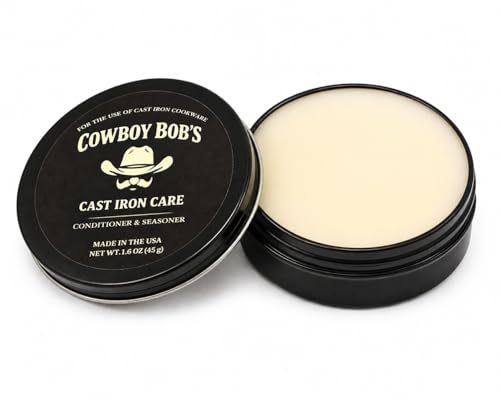
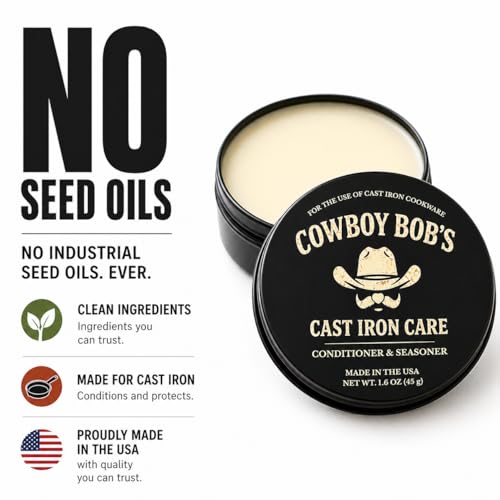
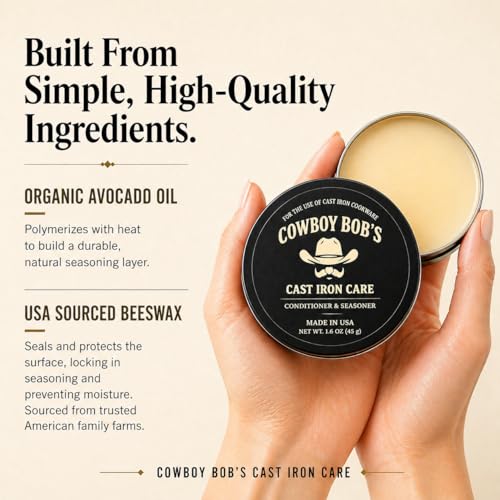
Cowboy Bob’s wins points for being seed-oil free, a growing priority for health-conscious buyers avoiding soy, canola, and similar oils. Instead, it uses organic avocado oil, which has excellent heat stability and a high smoke point. Avocado oil doesn’t polymerize quite as aggressively as flaxseed, but it builds a smooth, durable layer over time with less risk of flaking.
The triple-filtered beeswax adds real rust protection, and the made-in-USA sourcing appeals to those supporting small producers. It’s not the fastest to build a black patina, but it’s consistent and clean. If you’re wary of seed oils, this is the most credible alternative on the list.
Product photos

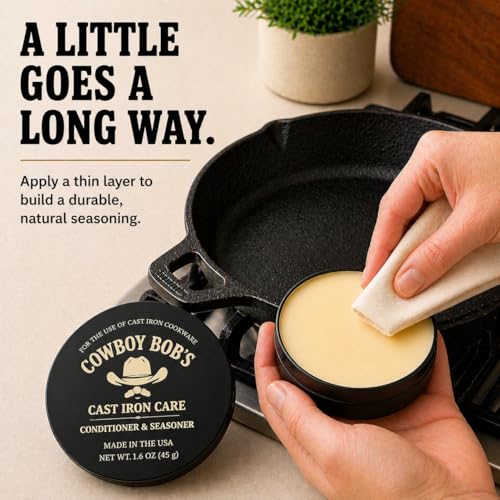

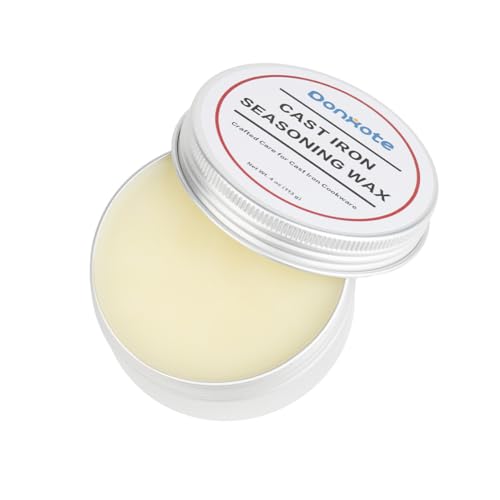
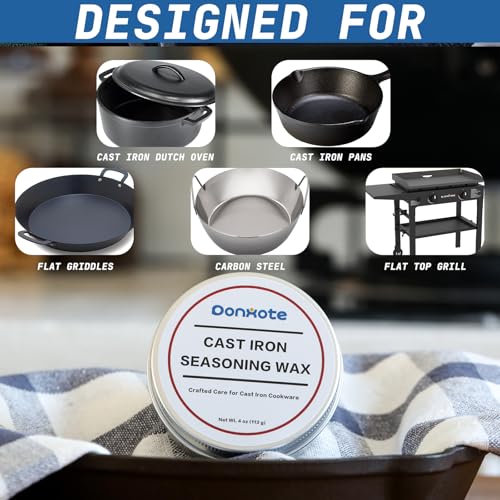
Donxote Seasoning Wax for Carbon Steel
Strengths
- Refined flaxseed oil
- High smoke point
- Beeswax protection
Trade-offs
- Wax requires warming
- Slight learning curve
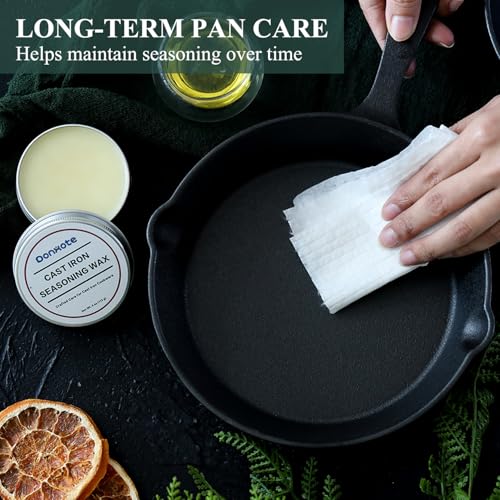
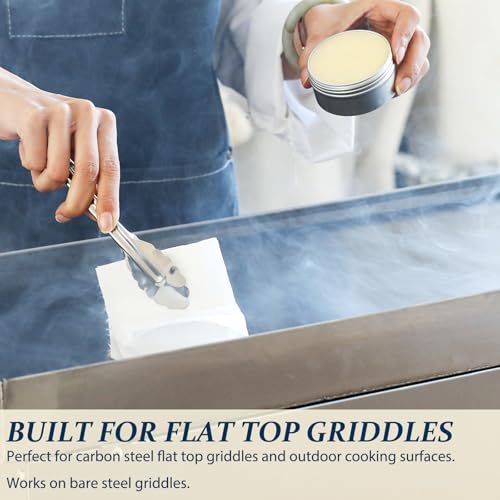
Donxote stands out by leaning into refined flaxseed oil, a longtime favorite among seasoning purists because of its strong polymerization capability. This is the kind of formula that, when heated properly, bonds tightly to carbon steel and builds a glassy, resilient patina over time. Reviewers note smoother finishes after repeated use, and the addition of beeswax adds a nice moisture-resistant finish that helps during storage.
The wax form makes application controlled and waste-minimal, which I appreciate. Since it melts evenly on warm pans, you’re less likely to leave sticky patches. It’s not the flashiest product, but it’s purpose-built and does exactly what it promises. For carbon steel users aiming to build a rock-solid base, this is a smart pick.
Product photos

The Delighted Dragon Natural Seasoning
Strengths
- All-natural ingredients
- Good smoke point
- Beeswax included
Trade-offs
- Limited shelf life
- Requires refrigeration
- Risk of sticky residue
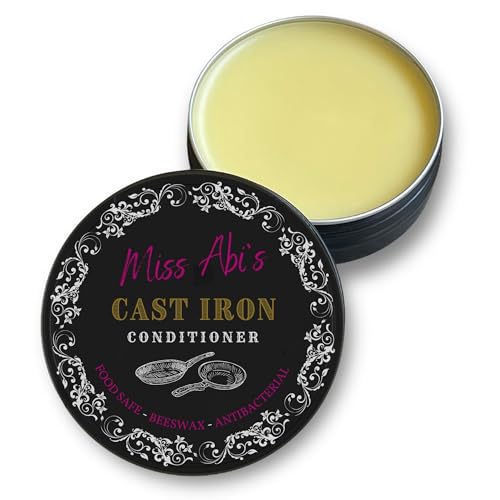
This one leans into organic grapeseed oil and beeswax, aiming for a clean, all-natural profile that avoids synthetic additives. Grapeseed oil has solid polymerization potential and a high smoke point, making it a credible option for carbon steel. The inclusion of beeswax gives it a slight edge in moisture resistance, which helps during off-season storage.
However, grapeseed oil can degrade faster than others if not refrigerated, and the label recommends using it within two years. Some owners mention a faint residue if too much is applied, so thin layers are key. It’s a good natural pick, but demands more attention than shelf-stable alternatives.
Product photos


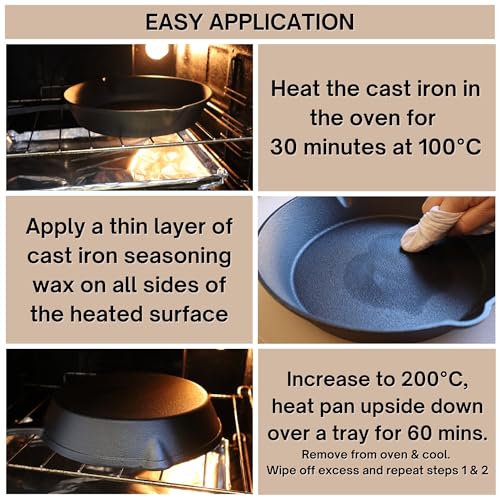

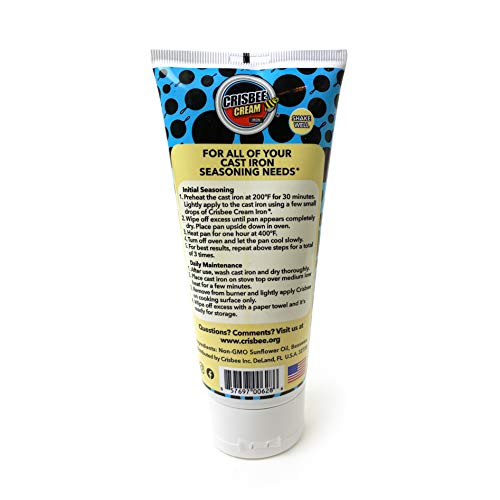
Crisbee Cream Iron® Seasoning

Strengths
- Beeswax fortified
- Good for griddles
- Non-GMO ingredients
Trade-offs
- Sunflower oil less durable
- Shorter shelf life
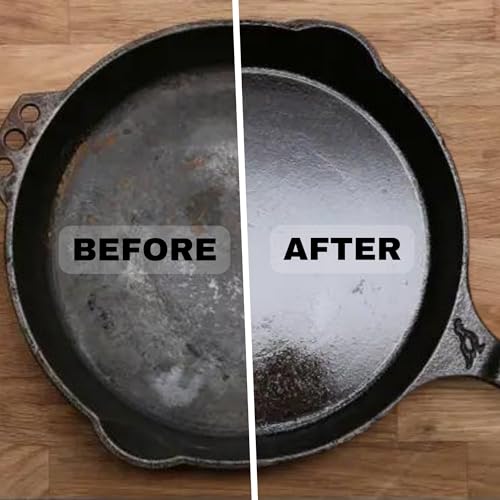
Crisbee Cream Iron gets a lot of love in the cast iron community, and on paper, it’s easy to see why. The blend of non-GMO sunflower oil and beeswax is simple, effective, and designed specifically for building a stable seasoning layer. Owners consistently report that it works well for both initial seasoning and daily upkeep, especially on griddles where even coverage matters.
That said, sunflower oil has a moderate smoke point and can be prone to going rancid over time if not stored properly. While the brand leans hard into its expert endorsements, I’d still give the nod to oils with higher polymerization potential for long-term carbon steel care. Still, for quick touch-ups and surface protection, this one pulls through.
Product photos


How We Picked These oil for seasoning carbon steel pan
As someone who’s spent over a decade exploring cookware – and particularly the nuances of carbon steel and cast iron – I approached this guide by first looking at the core purpose of seasoning oil: polymerization. I compared the detailed specifications of each oil blend, focusing on smoke point, fatty acid composition, and added ingredients. Then, I weighed owner reviews and expert opinions from sources like Serious Eats and Cook’s Illustrated to understand real-world performance and longevity. Ultimately, my recommendations are based on a combination of these factors and my understanding of what truly builds a durable seasoning.
For carbon steel, the oil’s ability to polymerize (transform into a hard, plastic-like coating) and its resistance to becoming rancid are paramount. A high smoke point is also crucial, preventing breakdown during the seasoning process. The presence of beeswax often signals an intention to protect against moisture and rust, important for carbon steel’s vulnerability. I also considered ease of application, as a product that’s simple to use encourages consistent maintenance – a key to long-term seasoning success.
Specifications reliably tell you about an oil’s composition and smoke point, but owner feedback illuminated how those translate into practical use. For example, reports of stickiness or uneven seasoning often pointed to oils with lower polymerization rates or inconsistent formulations. Reputation, too, matters. Brands consistently recommended by experienced cooks and featured in trusted publications earned higher consideration – and I often refer readers to my guide on best carbon steel cookware for context on overall pan care. If you are specifically looking to maintain a seasoning a carbon steel wok, the principles here remain the same.
How To Choose The oil for seasoning carbon steel pan
Finding the right seasoning oil is crucial for maintaining carbon steel and cast iron cookware, and it’s a topic often clouded by misinformation. It’s about more than just preventing rust; a good seasoning creates a naturally non-stick surface that improves with use.
A quality seasoning oil should be high in polyunsaturated fats to polymerize effectively, forming a hard, durable layer. Look for options with added beeswax for moisture resistance, and consider the oil’s smoke point to avoid rancidity. Consistent, thin application is more important than the specific oil chosen, but some perform better than others.
Understanding Oil Types & Polymerization
The core of seasoning is polymerization – the process where the oil breaks down and bonds to the metal, creating a plastic-like coating. Not all oils polymerize equally well. Flaxseed oil was once the gold standard, but its tendency to become sticky and flakey has led many to explore alternatives. Grapeseed and sunflower oils are popular because they polymerize readily, but they’re also prone to going rancid over time. Coconut oil offers a long shelf life, but it’s a saturated fat and doesn’t polymerize as effectively as unsaturated options. Ultimately, a blend, like Field Company’s Organic Grapeseed Blend, can offer a good balance of polymerization and stability.
Shelf Life and Rancidity Concerns
Rancidity is a common issue with seasoning oils, especially those high in unsaturated fats. Once an oil goes rancid, it leaves a foul odor and can impart unpleasant flavors to your food. If you don’t cook frequently, or tend to forget about these things, choosing an oil with a longer shelf life is vital. Clark’s Coconut Oil Seasoning stands out here, as it’s formulated to resist rancidity, eliminating the need for refrigeration. However, even with a stable oil, proper storage is key – keeping it in a cool, dark place will extend its usability.
Application Method & Convenience
Applying seasoning oil can be a bit messy, and achieving a consistently thin coat is critical. Too much oil leads to stickiness, while too little won’t provide adequate protection. This is where products like the Crisbee Rub Seasoning Stik really shine. It allows for controlled application, minimizing waste and ensuring an even layer. If you’re new to seasoning or prefer a no-fuss approach, a stick format is a great entry point.
- A spray bottle can work, but it’s easy to apply too much.
- Using a cloth or paper towel requires practice to get the right amount and spread it evenly.
- For serious carbon steel enthusiasts wanting the best polymerization, Donxote Seasoning Wax for Carbon Steel offers a refined flaxseed oil blend specifically formulated for a durable seasoning layer, but it demands careful application and consistent maintenance.
A thin, even coat is always better than a thick, uneven one. Wipe away all excess oil after application.
Before you begin seasoning, it’s helpful to understand what is carbon steel cookware and its unique properties. And, if you’re still unsure which oil is right for you, exploring the best oil to season a pan can provide further clarity.
Oil for Seasoning Carbon Steel Pan Compared
Here’s a comparison of oils designed for seasoning and maintaining carbon steel cookware.
| Product Title | Key Oils | Beeswax | Shelf Life | Smoke Point | Best Use |
|---|---|---|---|---|---|
| Field Company Organic Grapeseed Blend | Grapeseed, Sunflower | Yes | 1 year | N/A | Overall |
| Crisbee Rub Seasoning Stik | N/A | Yes | N/A | N/A | Budget Friendly |
| CLARK’S Coconut Oil Seasoning (12 oz) | Coconut | No | Indefinite | N/A | Long Shelf Life |
| Cowboy Bob’s Avocado Oil & Beeswax | Avocado | Yes | N/A | High | Seed-Oil Free |
| Donxote Seasoning Wax for Carbon Steel | Flaxseed | Yes | N/A | 420°F+ | Polymerization |
| The Delighted Dragon Natural Seasoning | Grapeseed | Yes | 2 years | N/A | All-Natural |
| Crisbee Cream Iron® Seasoning | Sunflower | Yes | N/A | N/A | Griddles |
Frequently Asked Questions
What smoke point should I look for in a seasoning oil?
A higher smoke point is better, ideally above 400°F (204°C), as it minimizes the risk of the oil breaking down and becoming sticky during the seasoning process. While exact numbers aren’t always provided, prioritizing oils known for their stability at high temperatures is a good approach.
Can I use regular cooking oil from my pantry to season carbon steel?
You can, but it’s generally not recommended. Most common cooking oils, like olive oil or vegetable oil, don’t polymerize well and can become gummy or rancid quickly, leading to a poor seasoning. Dedicated seasoning oils are formulated with the correct fatty acid profile for optimal results.
How does beeswax benefit seasoning carbon steel?
Beeswax acts as a protective barrier against moisture and rust, which carbon steel is prone to. It doesn’t directly polymerize, but it helps create a more durable and resilient seasoning layer, extending the life of your pan and preventing corrosion.
What do I do if my seasoning feels sticky after applying oil?
Sticky seasoning indicates you likely applied too much oil. The fix is to heat the pan in the oven for an hour at 500°F (260°C) to encourage further polymerization, or to scrub it down with steel wool and start the seasoning process again with a thinner coat. Consistent, thin layers are key to avoiding this.
Where can I find more information about choosing the right carbon steel pan to season?
If you’re still deciding on a pan, exploring reviews of the best carbon steel pans can help you select a quality piece of cookware that will respond well to seasoning and provide years of reliable performance. Understanding the pan’s material will also help you troubleshoot issues like why pans stick during cooking.
The Bottom Line
Choosing the right oil for seasoning carbon steel really comes down to balancing your priorities. Do you want the absolute most durable seasoning, even if it requires a bit more attention? Or are you looking for something convenient and low-maintenance? For the best overall performance and a reliable seasoning that will hold up to frequent use, I recommend the Field Company Organic Grapeseed Blend. It strikes a good balance between polymerization, stability, and ease of use, based on how consistently it’s praised by serious cooks.
If you’re on a budget, or just starting out with carbon steel, the Crisbee Rub Seasoning Stik is an excellent choice. It simplifies the application process and minimizes waste, making it perfect for beginners. For those prioritizing long shelf life and avoiding rancidity concerns, CLARK’S Coconut Oil Seasoning is a solid option, though it won’t polymerize quite as readily as some of the grapeseed or flaxseed blends. And for those looking to explore options for their best oil for cast iron cookware, many of these principles apply.
Ultimately, the specific oil you choose is less important than how you use it. Consistent, thin coats are the foundation of a good seasoning, and regular maintenance is key. Don’t get too hung up on chasing the perfect smoke point or polymerization rate; focus on building layers and protecting your pan from rust, and you’ll be well on your way to enjoying a beautifully seasoned carbon steel skillet for years to come. You might also find it helpful to review how to season a carbon steel wok as the process is largely the same.
