
7 Best Oils to Cook Steak in Pan 2026
This post contains affiliate links. As an Amazon Associate, we earn from qualifying purchases.
The best oil to cook steak in a pan is Chosen Foods Refined Avocado Oil, thanks to its 500°F smoke point and neutral flavor. For a budget-friendly option, BetterBody Foods Refined Avocado Oil delivers solid performance at a lower price, while Graza Frizzle offers a versatile, high-heat olive oil blend in a large, value-packed bottle.
Getting the perfect sear on a steak means working with intense heat, and the wrong oil can smoke, burn, or clash with the beef’s natural flavor. Too many home cooks reach for extra virgin olive oil or butter without realizing how quickly those break down, ruining both the taste and the health integrity of the meal.
This guide cuts through the confusion by focusing on what actually matters: smoke point, flavor neutrality, and real-world performance. I researched each oil based on specs, user feedback, and how well it holds up under high-heat searing, so you can choose with confidence, whether you’re using a cast iron skillet or a stainless steel pan.
Top 7 Oil To Cook Steak In Pan in the Market
The Best Oil To Cook Steak In Pan, Reviewed
Chosen Foods Refined Avocado Oil

Strengths
- 500°F smoke point
- Independently tested purity
- Dark glass bottle
Trade-offs
- Higher price than basics
- Not organic
This is the benchmark by which other avocado oils should be judged. With a verified 500°F smoke point and independent testing confirming it’s 100% pure, no seed oil adulteration, it earns its title as ‘America’s #1’. Reviewers note its reliability across techniques: whether you’re searing a ribeye in cast iron or roasting potatoes at high heat, it doesn’t smoke or leave off-flavors. The neutral profile means it won’t compete with your seasoning, and the heart-healthy monounsaturated fats are a real nutritional upside.
Compared to cheaper brands like BetterBody Foods, this one has more consistent third-party validation and better packaging, the dark glass bottle helps prevent oxidation. While some oils cut corners with blends or unclear sourcing, Chosen Foods stands out for transparency. My recommendation? This is the smarter buy over generic avocado oils, especially if you cook at high heat regularly.
Video review
Chosen Foods Avocado Oil Spray

Strengths
- Propellant-free
- 500°F safe
- Air-powered spray
Trade-offs
- Small capacity
- Frequent refills needed
- Higher cost per ounce
If you’re tired of aerosol sprays loaded with propellants and mystery oils, this is the best alternative. It uses air pressure, not butane or propane, to deliver a fine mist of 100% pure avocado oil. That means no chemical residues on your cookware, and a 500°F tolerance that makes it safe for air fryers, grills, and broilers. Owners love using it to lightly coat cast iron or baking sheets without oversaturating.
The convenience factor is high, though the small size means frequent refills if you use it daily. Compared to pump sprays that clog or aerosols that gunk up pans, this strikes a balance of cleanliness and function. I’d pair it with a full bottle of Chosen Foods oil for complete coverage, literally and practically.
Video review
BetterBody Foods Refined Avocado Oil

Strengths
- Affordable
- 500°F smoke point
- Non-GMO verified
Trade-offs
- Plastic bottle
- No independent testing
- Less brand trust
This is the value play, and it works fine for basic tasks. At a lower price point, it still delivers a 500°F smoke point and a neutral flavor, making it capable of handling steak sears and stir-fries without issue. The specs line up with pricier options, and many owners say they can’t tell the difference when using it in daily cooking. It’s Non-GMO and additive-free, which keeps it aligned with clean-eating goals.
But it lacks the third-party verification and brand reputation of Chosen Foods. There’s no mention of independent purity testing, and the packaging isn’t UV-protected glass. For occasional use or bulk needs, it’s a solid economical choice. But if you’re searing expensive cuts of meat or relying on consistent quality, I’d still lean toward the more trusted name.
Product photos


La Tourangelle Grapeseed Oil

Strengths
- Delicate flavor
- Good for dressings
- Tin packaging
Trade-offs
- Lower smoke point
- Less heat stability
- Polyunsaturated fat risk
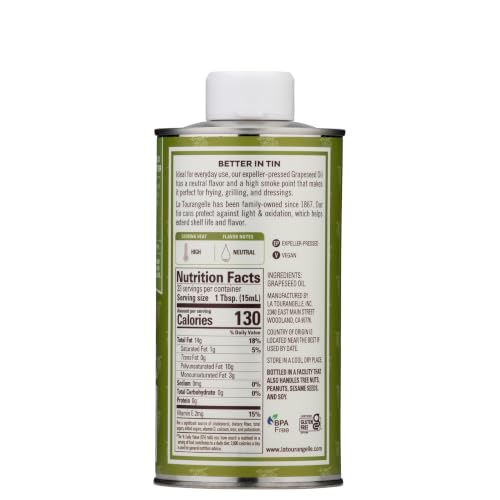
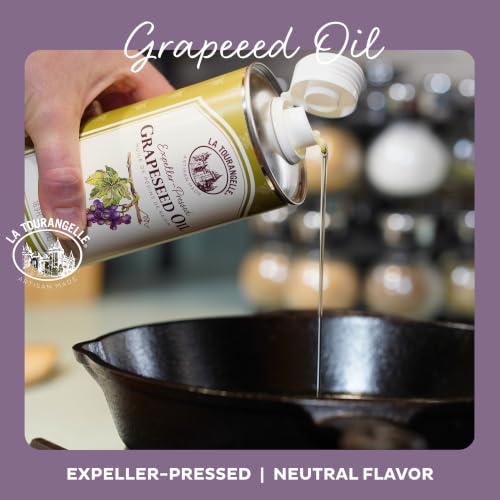
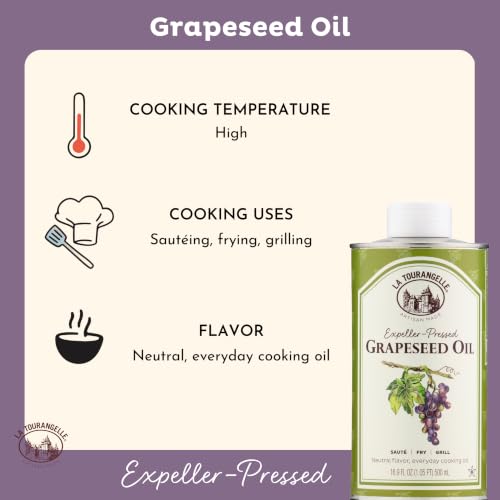
With a smoke point around 420°F, this sits below avocado and algae oils but still handles sautéing and medium-high stir-fries well. Its biggest strength is flavor: extremely light and clean, letting herbs and proteins shine. Reviewers often reach for it when making dressings or delicate sauces where even a hint of oil taste would distract. The expeller-pressed method avoids chemical solvents, and the tin packaging helps protect against light degradation.
But grapeseed oil has faced scrutiny over potential refinement issues and polyunsaturated fat content, which can oxidize faster under heat. For searing steaks at max temperature, I wouldn’t rely on it. Compared to avocado oil, it’s less stable. Still, for low-to-medium heat cooking where subtlety matters, it holds its own.
Product photos


Algae Cooking Club Chef-Grade Algae Oil

Strengths
- 535°F smoke point
- High omega-9 content
- Exceptional stability
Trade-offs
- Very expensive
- Limited availability
- Niche appeal
At 535°F, this oil technically outperforms every other option here, and that’s significant if you’re chasing the crispiest possible sear or running your oven at full blast. The oxidative stability is reportedly 3–5x higher than avocado oil, meaning it degrades slower under heat and light, which could matter for long searing sessions or repeated use. Owners praise its neutral buttery hint, which adds subtle richness without overpowering dishes, and the omega-9 content is impressively high while saturated fat stays low.
But all this comes at nearly triple the price per ounce. For everyday use, that premium is hard to justify unless you’re doing extreme cooking regularly. Compared to Chosen Foods, it’s overkill for most home kitchens. I’d reserve this for serious enthusiasts or anyone avoiding seed oils completely and willing to pay for next-level stability. It’s innovative, but not essential.
Product photos


Chosen Foods Organic Avocado Oil
Strengths
- USDA Organic certified
- 500°F smoke point
- No chemical solvents
Trade-offs
- Pricier than non-organic
- Slight overkill for searing
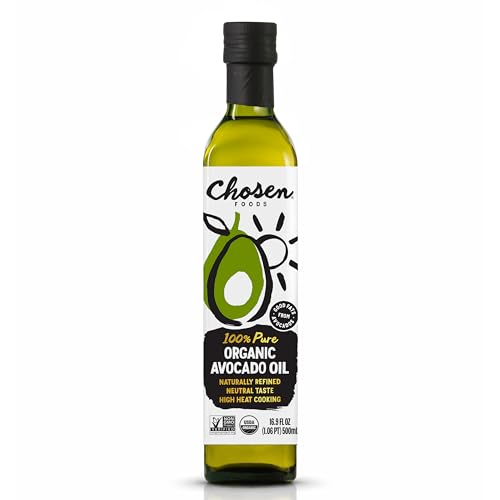
This is the pick if you prioritize organic certification without sacrificing performance. On paper, it’s identical to the standard Chosen Foods refined version, same 500°F smoke point, same clean neutral taste, same UV-protective dark bottle, but here, the sourcing is USDA Organic certified, which matters to buyers who want traceable, chemical-free ingredients from farm to bottle. Owners consistently report it performs just as well for searing steaks or roasting vegetables as its non-organic sibling, and the fact that it’s made with 100% pure organic avocado oil (no fillers, no seed oils) aligns with clean-label priorities.
That said, unless you’re committed to an organic pantry, the upgrade may not be worth it purely for cooking performance. The core benefit here is ethical and agricultural, not culinary. I’d recommend this over the regular refined version only if you’re already buying organic produce and want consistency across your kitchen staples. For most home cooks focused on high-heat searing, the difference between this and the non-organic Chosen Foods oil is negligible.
Product photos


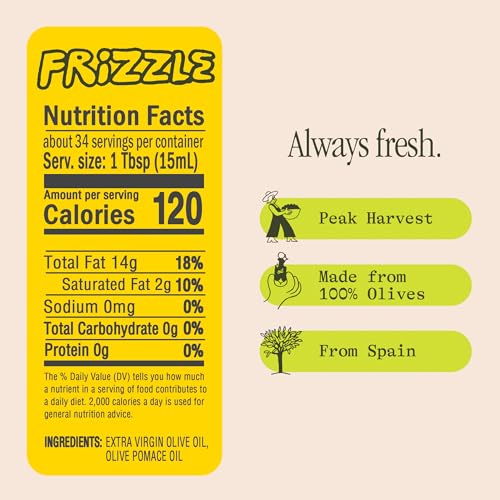
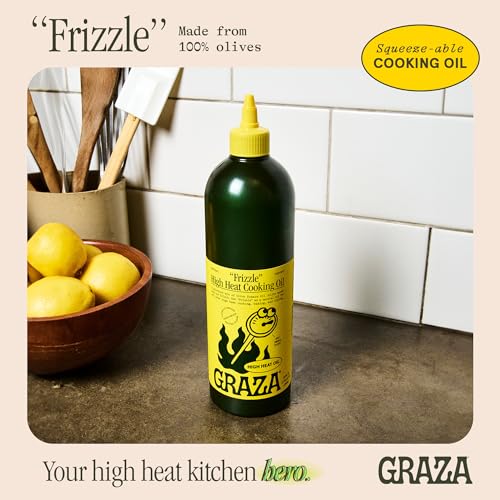
Graza Frizzle High Heat Cooking Oil

Strengths
- Low cost
- 450°F smoke point
- Clean olive sourcing
Trade-offs
- Lower heat limit
- Not 100% EVOO
- Shorter shelf life
Made from a blend of olive pomace and extra virgin olive oil, this hits a 450°F smoke point, solid, though not quite at avocado oil levels. What sets it apart is the price: it’s one of the cheapest high-heat oils here, yet still delivers a clean, neutral taste with a slight buttery depth. Reviewers like using it for air frying, grilling, and pan-searing because it doesn’t burn quickly and adds a pleasant crispness.
It won’t replace avocado oil for 500°F+ tasks, but for most stovetop searing, it’s perfectly capable. Compared to traditional EVOO, it’s far more heat-stable. And unlike many budget oils, it avoids seed oil blends. If you’re looking to simplify your pantry with one affordable, versatile bottle, this is a strong contender, even if avocado oils technically outperform it on heat.
Product photos

How We Picked These oil to cook steak in pan
As someone who’s spent over a decade immersed in the world of cookware and cooking, I approached this guide by first looking at the technical side – smoke points, fat composition, and refining processes. Rather than a hands-on lab test, this is a research-led comparison of published specifications, owner reviews, and expert opinions from culinary sources. I weighed this data against my understanding of how different oils behave in a home kitchen, and what qualities truly matter for consistently good results.
For oils intended for steak and high-heat cooking, smoke point and stability were paramount. A high smoke point prevents the oil from breaking down and imparting a burnt flavor, while stability ensures it doesn’t oxidize quickly. Beyond those factors, neutral flavor profile was also heavily weighted; you want the steak to shine, not the oil. Understanding these priorities helped me narrow the field and assess each oil’s suitability. If you’re also looking to explore options for other cooking methods, you might find our guide to the best frying oil helpful.
Specifications reliably tell you about smoke points and fat content, providing a baseline for comparison. However, real-world performance – how an oil holds up to repeated use, its subtle flavor nuances, and reported experiences with smoking – came from weighing owner feedback and reputable culinary reviews. I also considered the sourcing and refining methods, as these impact both quality and sustainability. For delicate proteins like fish, you may want to explore our recommendations for the best oil for fish.
How To Pick The Right oil to cook steak in pan
Finding the right oil for cooking steak is about more than just preventing sticking; it’s about flavor development, smoke point, and ensuring you’re using a product that can withstand high heat without breaking down.
A quality cooking oil for steak should possess a high smoke point (above 400°F is ideal), a neutral or complementary flavor profile, and be stable enough to avoid oxidation during high-heat cooking. Consider refined oils over extra virgin varieties for searing, as the latter tend to have lower smoke points and can impart a grassy flavor. Look for oils with minimal processing and clear labeling regarding origin and refinement methods.
Smoke Point is Paramount
When you’re aiming for a beautiful sear on a steak, temperature is your ally. But exceeding an oil’s smoke point doesn’t just ruin the flavor – it releases harmful compounds. Don’t assume all oils are created equal. Olive oil, for example, varies significantly. Extra virgin olive oil typically smokes around 375°F, while refined olive oil can handle closer to 465°F. Avocado oil consistently ranks high with a smoke point around 500°F, making it incredibly versatile. Algae oil is even higher, reaching 535°F, though it’s a newer option and might not be as widely available. Choosing an oil suited to your cooking method is key; if you’re regularly using stovetop searing pans, a higher smoke point is essential.
Flavor Profile and Neutrality
While a high smoke point is critical, the flavor of the oil matters too. Some oils, like sesame oil, impart a distinct taste that can complement certain dishes, but for a classic steak sear, you generally want something neutral. Avocado oil and grapeseed oil are excellent choices here. Consider that even “refined” oils retain some flavor, and that flavor will subtly influence the final result. If you want the pure, unadulterated taste of the beef to shine, a very neutral option is best.
- For budget-conscious cooks, a refined avocado oil like BetterBody Foods offers a good balance of price and performance.
- If you’re prioritizing organic options, Chosen Foods Organic Avocado Oil delivers the same high smoke point and neutral flavor as their standard refined oil, with USDA certification.
- For those looking to experiment, Grapeseed oil from La Tourangelle can add a subtle nuance without overpowering the steak, but be mindful of its slightly lower smoke point.
Value and Versatility
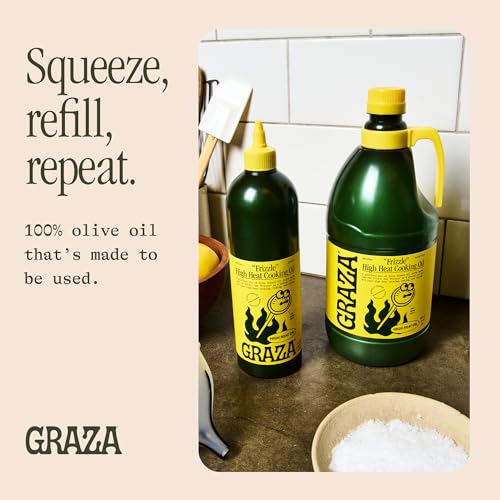
Often, a cooking oil isn’t just used for steak. You want something that can handle everyday tasks in the kitchen. A large format, like the 750ml bottle of Graza Frizzle, can be a great value if you use a lot of oil. Look for oils that are multi-purpose – something you can use for sautéing vegetables, roasting potatoes, and, of course, oil for searing steak.
Don’t be fooled by marketing hype. A higher price tag doesn’t always equal better performance. Focus on smoke point, flavor neutrality, and the versatility of the oil to ensure you’re getting the most for your money.
Oil to Cook Steak in Pan Compared
Here’s a comparison of cooking oils suitable for searing steak, based on key specifications.
| Product Name | Smoke Point (°F) | Oil Type | Organic | Flavor Profile | Bottle Size |
|---|---|---|---|---|---|
| Chosen Foods Refined Avocado Oil | 500 | Avocado | No | Neutral | N/A |
| Chosen Foods Avocado Oil Spray | 500 | Avocado | No | Neutral | N/A |
| BetterBody Foods Refined Avocado Oil | N/A | Avocado | No | Light | N/A |
| La Tourangelle Grapeseed Oil | N/A | Grapeseed | No | Mild | N/A |
| Algae Cooking Club Algae Oil | 535 | Algae | No | Buttery | N/A |
| Chosen Foods Organic Avocado Oil | 500 | Avocado | Yes | Neutral | N/A |
| Graza Frizzle High Heat Cooking Oil | 450 | Olive/Pomace | No | Neutral | 750ml |
Frequently Asked Questions
What oil is best for achieving a dark sear on steak?
Avocado oil is consistently recommended for a dark sear due to its exceptionally high smoke point (around 500°F) and neutral flavor, allowing the steak’s natural flavors to develop without a burnt taste. Algae oil, with a smoke point of 535°F, is another excellent, though less common, option.
Is olive oil a good choice for cooking steak?
While extra virgin olive oil has health benefits, it’s generally not ideal for searing steak because of its lower smoke point (around 375°F). Refined olive oil has a higher smoke point (around 465°F) and can be used, but other options like avocado oil offer a more neutral flavor.
Can I reuse oil after cooking steak?
You can reuse cooking oil a few times, but only if it hasn’t been overheated or contaminated with food particles. Filtering the oil after each use through a fine-mesh sieve or cheesecloth helps remove impurities and prolong its life, but discard it if it darkens or smells rancid.
Are organic oils always superior for cooking steak?
Organic certification ensures the oil is produced without synthetic pesticides or fertilizers, but it doesn’t necessarily impact the oil’s smoke point or stability. A refined, non-organic oil with a high smoke point can often perform better for searing than an organic option with a lower smoke point.
What’s the difference between refined and unrefined oils, and why does it matter for steak?
Refined oils have been processed to remove impurities, resulting in a higher smoke point and more neutral flavor; these are best for high-heat cooking like searing steak. Unrefined oils, like extra virgin olive oil, retain more of their natural characteristics but have lower smoke points and more pronounced flavors, making them better suited for finishing dishes or lower-temperature cooking. Choosing the right steak cooking pans is important too.
The Bottom Line
Cooking steak in a pan is a balancing act between achieving a perfect sear and preserving the natural flavor of the beef. While many oils can work, consistently great results come down to choosing one with a high smoke point and a neutral profile. For the best overall performance, I recommend Chosen Foods Refined Avocado Oil; its combination of high heat tolerance, neutral flavor, and widespread availability makes it a reliable choice for both novice and experienced cooks.
If budget is a primary concern, BetterBody Foods Refined Avocado Oil provides an excellent value without sacrificing too much in terms of quality. Those seeking versatility and a larger format will appreciate Graza Frizzle High Heat Cooking Oil, though it’s smoke point is slightly lower. And for those prioritizing organic options, Chosen Foods Organic Avocado Oil delivers the same reliable performance with added peace of mind. Don’t forget to consider the best oil for cast iron pans if that’s your preferred cooking surface.
Ultimately, the “best” oil isn’t about a single number or a fancy label. It’s about understanding your cooking style, the type of steak you’re preparing, and the importance of a stable, neutral medium for heat transfer. Mastering the fundamentals – proper pan temperature, quality steak, and careful seasoning – will have a far greater impact on your results than any specific oil ever could. Ensuring your pan is properly prepped with the right pan seasoning oil is also key.
