
7 Best Pans Without PFAS of 2026
This post contains affiliate links. As an Amazon Associate, we earn from qualifying purchases.
The FogDream 12″ Honeycomb Stainless Pan is the best overall for its durability, even heating, and reliable performance without any coating at all. For a budget-friendly option, the Lodge 6.5″ Cast Iron Skillet delivers unmatched value and longevity. If you want a lightweight, truly non-stick alternative, the Blue Diamond 10″ Diamond Pan stands out among ceramic-coated choices.
Most people want pans that cook evenly, release food easily, and won’t introduce harmful chemicals into their meals. But finding a pan that’s truly PFAS-free, actually performs well, and lasts more than a year is harder than it should be.
This guide cuts through the noise. I compared materials, construction, heat tolerance, and real owner feedback to find the best PFAS-free pans worth your counter space. These picks balance safety, performance, and practicality for real home cooking.
Top 7 Pans Without Pfas in the Market
The Best Pans Without Pfas, Reviewed
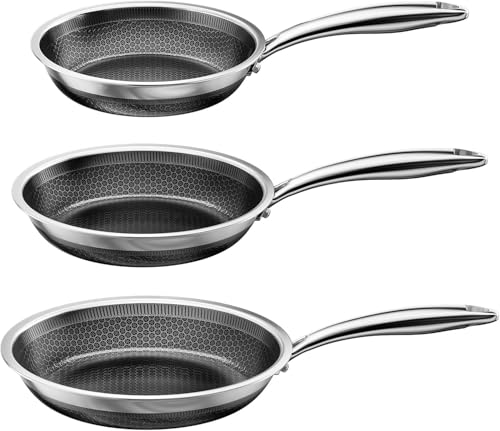
FogDream 12″ Honeycomb Stainless Pan
Strengths
- No coating to flake
- Works on induction
- Even tri-ply heating
Trade-offs
- Requires seasoning-like routine
- Learning curve for best results
- Heavier than ceramic pans
This set earns the ‘Best Overall’ label by balancing performance, safety, and versatility better than any other here. The laser-etched honeycomb surface is clever, it creates a naturally low-friction zone without relying on traditional nonstick chemicals. Since there’s no coating to wear off, it’s inherently PFAS-free and metal-utensil safe, which owners love. The tri-ply construction delivers even heating, and the thick base prevents warping, even under prolonged high heat.
It works on all stovetops, including induction, and handles 500°F in the oven, plenty for most recipes. Some users note it takes a minute to master the preheating and oil timing, but once dialed in, it performs like a restaurant-grade pan. Compared to coated ceramics that degrade, this one actually improves with care. For the price, getting three sizes makes it a smarter long-term investment.
Video review
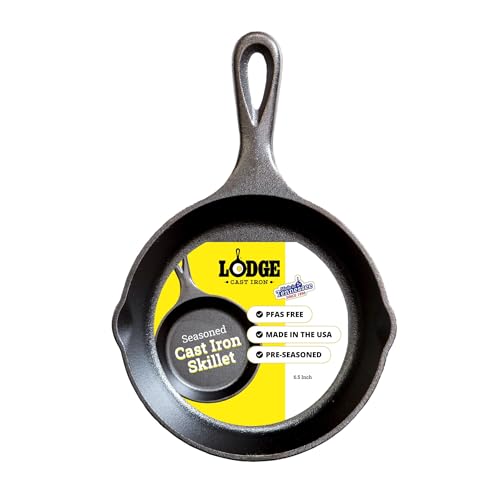
Lodge 6.5″ Cast Iron Skillet
Strengths
- Durable construction
- Even heat distribution
- Compact and portable
Trade-offs
- Requires seasoning maintenance
- Not truly non-stick initially
- Hand wash only
This little skillet punches above its weight for the price. Cast iron of this size isn’t meant to be your go-to pan for family dinners, but it’s ideal for small tasks like frying a single egg or searing a mini steak. The pre-seasoned surface works well on paper and owners consistently report solid non-stick performance after just a few uses, especially once you build up that natural patina. It’s compact enough to store easily, which is rare for cast iron.
That said, calling it ‘non-stick’ out of the box is a stretch, like all raw cast iron, it needs some care and cooking time to reach its full potential. You’ll need to hand wash it and dry it thoroughly to avoid rust, but that’s just part of the cast iron commitment. For beginners dipping their toes into traditional cookware, this is a low-cost way to learn the ropes without overspending.
Video review
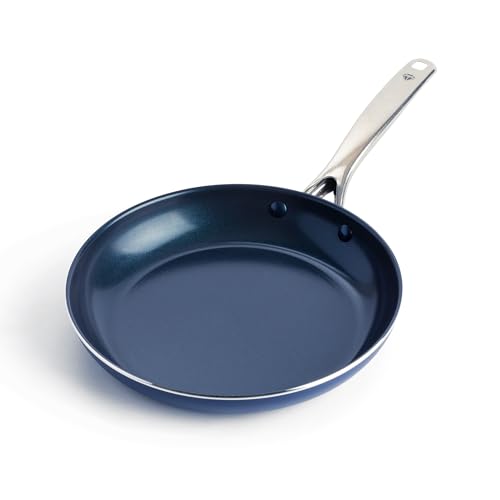
Blue Diamond 10″ Diamond Pan
Strengths
- Larger cooking surface
- Strong warp resistance
- Longer-lasting coating
Trade-offs
- Not suitable for induction
- Performance dips at very high heat
- Handle can get hot
The 10-inch version of Blue Diamond’s line improves on the practicality of the 8-inch by offering more cooking space without jumping in price. This is where the value really shines, owners consistently rank it as one of the more durable ceramic pans in its class, especially given the cost. The diamond-infused coating resists scratching better than expected, and the heavy-duty base helps prevent warping, a common flaw in cheaper pans.
It heats quickly thanks to the conductive properties of the infused material, and the riveted handle feels secure. Like its sibling, it maxes out at 600°F and skips induction compatibility. But for families or couples needing a mid-sized pan for weekday dinners, this is a solid workhorse that balances performance and price.
Product photos


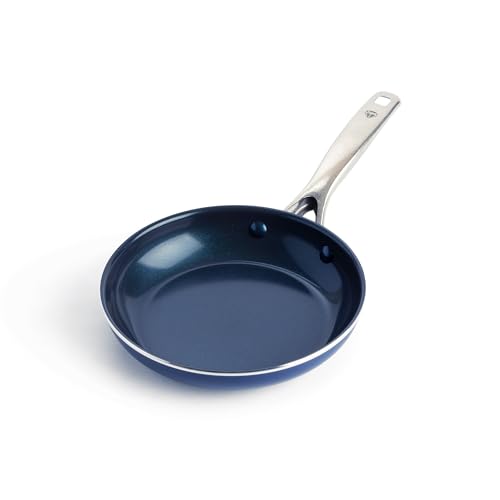
Blue Diamond 8″ Diamond Pan
Strengths
- Affordable entry price
- Bright, attractive design
- Good initial nonstick
Trade-offs
- Not induction compatible
- Durability concerns over time
- Smaller cooking area
Blue Diamond builds on the same diamond-infused ceramic concept as GreenPan, but at a noticeably lower price point. On paper, it matches up well, 600°F oven safety, dishwasher-safe convenience, and a forged base designed to resist warping. The coating claims to be five times harder than standard ceramic, and while owner reports are mixed on long-term durability, many confirm it performs well in the first year with moderate use.
It’s a smart pick for someone wanting a small, colorful pan for light tasks like reheating leftovers or cooking single servings. But like most budget ceramic pans, aggressive scrubbing or frequent high heat can shorten its lifespan. Also, no induction support limits its appeal for modern kitchens.
Product photos


VocVoi Titanium 12″ Frying Pan

Strengths
- No chemical coatings
- Extremely heat resistant
- Metal utensil safe
Trade-offs
- High price tag
- Steeper learning curve
- Less slick than ceramic
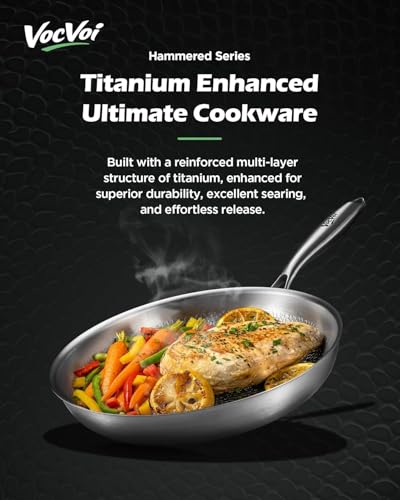
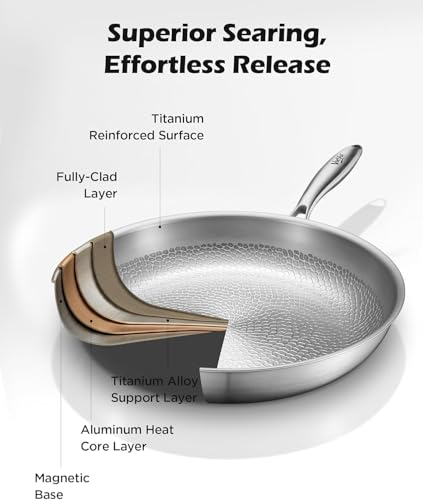
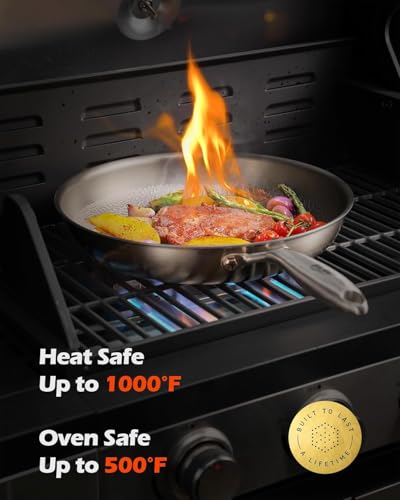
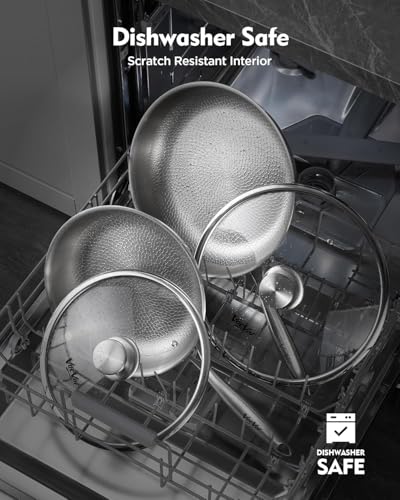
This pan stands out because it ditches coatings altogether. Instead of relying on ceramic or polymer layers, it uses pure titanium construction with a patented no-coating surface. That means no flaking, no chemical off-gassing, and no worries about PFAS, ever. Owners who’ve switched from coated pans appreciate the peace of mind, especially those cooking for kids or health-sensitive diets. The 12-inch size gives serious coverage, and the 1000°F oven rating is unmatched in this list.
But that premium build comes at a steep price. While it handles metal utensils and extreme heat without issue, the nonstick performance isn’t quite as slick as top ceramic pans when cooking delicate foods like eggs. It requires proper preheating and oil use to perform well. If you’re willing to adjust your technique, it’s incredibly durable. But it’s not a drop-in replacement for a true nonstick.
Product photos

GreenPan Swift 8″ Ceramic Pan
Strengths
- Oven safe to 600°F
- Diamond-reinforced coating
- Dishwasher safe
Trade-offs
- Not induction compatible
- Coating longevity varies with heat use
- Smaller cooking surface
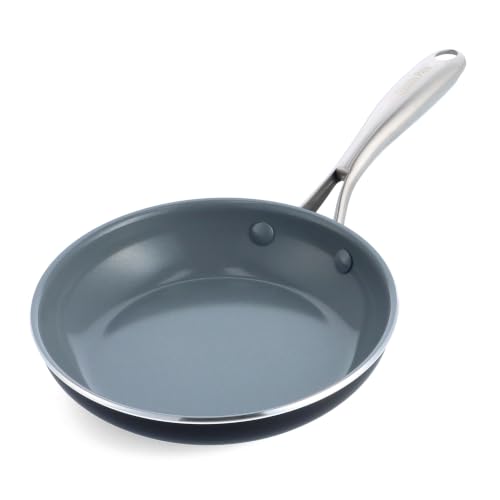
GreenPan has been a front-runner in ceramic nonstick for years, and this 8-inch model shows why. The diamond-infused coating stands out because owners say it holds up better than average against scratches, even when metal utensils sneak in by accident. That durability boost matters, most ceramic pans degrade fast under heavy use, but feedback suggests this one lasts longer if treated with basic care. The aluminum body heats quickly and evenly, though I’d still recommend medium heat to protect the coating.
Its 600°F oven safety is a big plus over many competitors, making it useful beyond the stovetop. But it doesn’t work on induction, which is a real drawback if that’s your primary cooktop. Still, for gas or electric users who want a reliable, chemical-free small pan, this delivers where it counts.
Product photos


Jovire 9.25″ PFAS-Free Egg Pan
Strengths
- Induction compatible
- Excellent release for eggs
- Even heating
Trade-offs
- Not ideal for high-temp searing
- Handle may loosen over time
- Limited size for larger meals
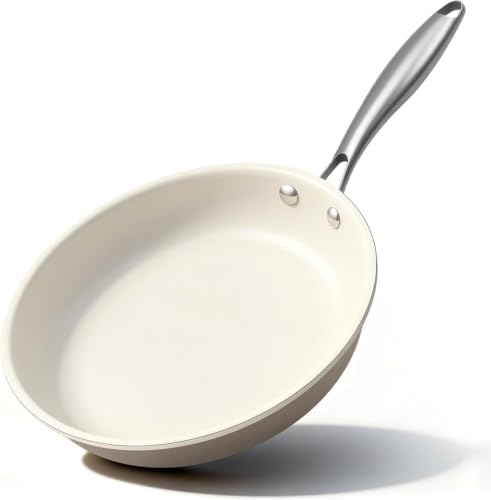
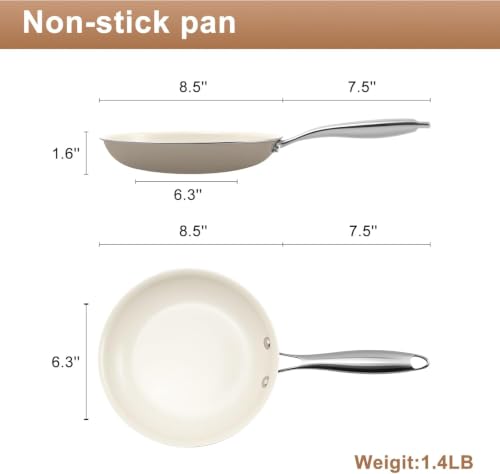
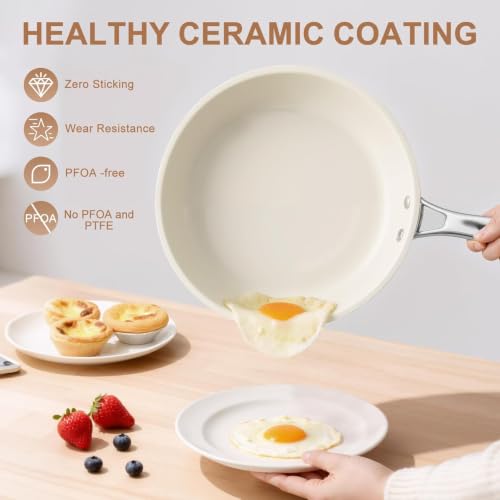
If your mornings revolve around eggs, omelettes, or delicate breakfasts, this pan makes a strong case for itself. At 9.25 inches, it hits the sweet spot between compact and usable, offering enough room to flip without splatter while staying manageable on smaller burners. Owners praise how effortlessly food releases, even when overheated slightly, which is common during rushed breakfasts. The fact that it’s induction-ready sets it apart from many ceramic options, giving it broader compatibility.
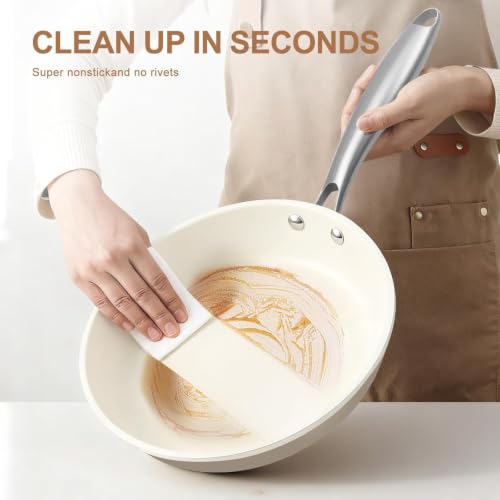
The cast aluminum core does a good job eliminating hot spots, and the stainless handle stays cool enough to handle during normal use. While it’s labeled dishwasher safe, most reviewers opt for hand washing to extend the life of the ceramic layer. Given its focus, it’s not meant for heavy-duty searing, but that’s not its job.
Product photos
How We Evaluated pans without pfas
As someone who’s spent years evaluating cookware, I approached this guide by combining detailed specification comparisons with a thorough review of owner and expert opinions. Rather than a hands-on lab test of each pan, this is a research-led comparison focusing on materials, construction, and reported performance. I looked at manufacturer claims, weighed customer feedback from multiple sources, and applied my knowledge of what makes for durable and effective cookware. This allowed me to build a ranking based on real-world usability.
For pans specifically marketed as PFAS-free, three factors stood out as most crucial: the durability of the non-stick surface, the evenness of heating, and the pan’s overall materials. A truly effective pan needs to release food reliably without relying on harmful chemicals, and it must do so consistently over time. I also prioritized oven-safety and compatibility with various cooktops, understanding that flexibility is key for many home cooks. You can find more information on the broader topic of non-stick pans without PFAS.
Specifications reliably indicate construction quality – ply layers, gauge of materials, and maximum temperature ratings. However, long-term non-stick performance and the reality of “metal utensil safe” claims require digging into owner feedback. Reputable reviewers help separate marketing from actual experience. I also considered brand reputation; established brands with a history of quality tend to deliver more consistent results, and expanding your research to include cookware free from synthetic coatings can be a useful step.
How To Choose The pans without pfas
Finding truly safe and effective cookware these days requires a little digging. We’ve seen a huge shift in awareness around traditional non-stick coatings, and thankfully, there are now many excellent options available that prioritize your health without sacrificing performance.
A good PFAS-free pan balances a durable construction, effective heat distribution, and a genuinely non-stick surface that doesn’t rely on potentially harmful chemicals. Look for materials like stainless steel, cast iron, ceramic, or titanium, and pay close attention to the oven-safe temperature and stovetop compatibility to ensure it suits your cooking style.
Material Matters Most
The material a pan is made from dictates so much about its performance and longevity. Stainless steel, like that found in the FogDream pan, offers incredible durability and even heating, but relies on technique (and often a bit of fat) for non-stick performance. Ceramic coatings, as seen in options from GreenPan and Jovire, provide that initial non-stick ease, but their durability can vary significantly. It’s worth understanding that “diamond-infused” ceramic, while a marketing term, can indicate a harder, more resilient surface. Ultimately, considering how you cook is key; a gentle simmer benefits from a ceramic’s easy cleanup, while high-heat searing demands the robustness of stainless steel or titanium.
Assessing Non-Stick Longevity
Don’t assume all “non-stick” surfaces are created equal. Many ceramic coatings degrade over time, even with careful use. Look for pans advertising increased durability – the Blue Diamond pans, for instance, claim a significantly longer lifespan than standard ceramic. To get the most from any non-stick surface, avoid high heat and abrasive cleaning tools. Here’s how to think about it:
- Initial Performance: Most new non-stick pans will excel.
- Mid-Range Use (6-12 months): This is where quality differences emerge. Look for user reviews detailing performance after regular cooking.
- Long-Term Reliability (1+ years): This is where truly durable options like titanium (VocVoi) or high-quality stainless steel with a well-maintained seasoning shine.
Remember, even the best non-stick will eventually lose some of its initial slickness.
Balancing Value and Utility
Price shouldn’t be the sole deciding factor, but it’s a significant one. The Lodge cast iron skillet is a fantastic entry point for anyone building a PFAS-free kitchen, offering exceptional value. However, it requires a learning curve and specific maintenance. If you’re looking for something ready to go, you’ll likely spend more. Consider your needs: do you need a dedicated egg pan (like the Jovire) or a versatile everyday workhorse? Also, if you’re concerned about harmful chemicals, exploring non-toxic cookware options is critical.
A little oil goes a long way. Even with the best non-stick surfaces, a small amount of oil or butter will improve food release and extend the life of your pan.
Ultimately, the best pan is the one you’ll use consistently. If you’re also looking to replace other potentially harmful cookware, you might want to explore ceramic and cast iron pans as alternatives to Teflon.
Pans Without PFAS Compared
Here’s a comparison of key specifications for pans marketed as being free of PFAS chemicals.
| Product Title | Diameter (in) | Material | Max Temp (°F) | Dishwasher Safe | Induction Compatible |
|---|---|---|---|---|---|
| FogDream 12″ Honeycomb Stainless Pan | 12 | Stainless Steel | 500 | Yes | Yes |
| Lodge 6.5″ Cast Iron Skillet | 6.5 | Cast Iron | N/A | No | No |
| Blue Diamond 10″ Diamond Pan | 10 | Aluminum | 600 | Yes | No |
| Blue Diamond 8″ Diamond Pan | 8 | Aluminum | 600 | Yes | No |
| VocVoi Titanium 12″ Frying Pan | 12 | Titanium | 1000 | N/A | Yes |
| GreenPan Swift 8″ Ceramic Pan | 8 | Aluminum | 600 | Yes | No |
| Jovire 9.25″ PFAS-Free Egg Pan | 9.25 | Aluminum | 450 | Yes | Yes |
Frequently Asked Questions
What’s the biggest drawback of ceramic non-stick pans?
Durability is the primary concern with ceramic coatings; they generally don’t last as long as stainless steel or titanium, even with careful use and proper care. While initial non-stick performance is excellent, many owners report a noticeable decline within a year of regular cooking.
Are titanium pans truly superior to other PFAS-free options?
Titanium pans, like the VocVoi, offer exceptional durability and can withstand very high temperatures (up to 1000°F). However, they tend to be more expensive than ceramic or stainless steel, and some models aren’t compatible with all cooktops.
Can I really avoid using any oil when cooking with PFAS-free pans?
While these pans are designed for low-fat cooking, a small amount of oil or butter is always recommended. It improves food release, enhances flavor, and extends the life of the non-stick surface, even on the best options.
What’s the best way to clean PFAS-free non-stick cookware?
Avoid abrasive cleaners and scrubbing pads, as these can damage the non-stick coating. Gentle handwashing with warm, soapy water is best, though many are dishwasher safe (check the manufacturer’s instructions). For stubborn residue, a paste of baking soda and water can be effective. If you’re looking for more information, exploring pans without Teflon might offer additional insights into care and maintenance.
If I need a large pan for family meals, which size and material should I prioritize?
For larger families, considering a well-made 12-inch frying pan is a good starting point, and you can find many 12-inch frying pans available. Stainless steel offers the best durability and even heating for larger volumes of food, while titanium provides a durable non-stick option, though at a higher price point.
The Bottom Line
Choosing a PFAS-free pan often comes down to balancing convenience with long-term durability. While a ceramic coating offers immediate non-stick performance, options like the FogDream 12″ Honeycomb Stainless Pan represent a commitment to lasting quality, even if it requires a bit more skill in the kitchen. Ultimately, the best choice depends on your cooking style and how much effort you’re willing to invest in maintenance.
For those prioritizing affordability and getting started with PFAS-free cooking, the Lodge 6.5″ Cast Iron Skillet is a fantastic entry point. If you’re seeking a specialized tool, the Jovire 9.25″ PFAS-Free Egg Pan excels at a specific task, while the Blue Diamond 10″ Diamond Pan offers a good balance of non-stick performance and convenience for everyday use. And for those seeking a wider range of options, exploring non-stick pans without chemicals is a worthwhile endeavor.
Beyond materials and coatings, remember that cooking technique and proper care are paramount. A quality pan, well-maintained, will always outperform a poorly cared-for expensive one. Focusing on consistent heat control, appropriate oil usage, and gentle cleaning will extend the life of any cookware – and ensure you’re enjoying delicious, safely-prepared meals for years to come.
