
7 Best Pots for Desert Rose of 2026
This post contains affiliate links. As an Amazon Associate, we earn from qualifying purchases.
The best pot for desert rose is the MUZHI 2 Pack Unglazed Ceramic Bonsai Pots, thanks to their superior breathability and proper drainage. For a budget-friendly yet reliable option, the DREAMLOOM Terracotta Pots with Drainage deliver solid performance. If you need a larger, more decorative choice, the PSW 10-Inch Composite Bowl Planter offers durability and a modern look, though it lacks natural breathability.
Choosing the wrong pot can doom a desert rose, no matter how carefully you water or how much sunlight it gets. I’ve seen too many thrive in the right container and struggle in a pretty but unsuitable one.
This guide cuts through the noise, focusing on what actually matters: drainage, airflow, and space for the caudex. My picks are based on material performance, owner feedback, and the plant’s natural needs, not just looks.
Top 7 Pots For Desert Rose in the Market
The Best Pots For Desert Rose, Reviewed
SQOWL 6 Inch Glazed Ceramic Planter

Strengths
- Striking peacock blue glaze
- Durable kiln-fired ceramic
- Includes ceramic saucer
Trade-offs
- Taller profile may encourage overwatering
- Glazed walls limit breathability
This peacock-blue glazed pot is the kind of piece that draws compliments, and for good reason. The color is vibrant without being gaudy, and the matching ceramic saucer feels like a premium upgrade over plastic or bamboo trays. At 6 inches in diameter and nearly 4.6 inches deep, it’s on the taller side for a shallow planter, which could be a pro or con depending on your desert rose’s root maturity.
On paper, the depth might encourage deeper watering than necessary, but the drainage hole and included mesh pad help maintain control. Owners praise its durability, especially the kiln-fired construction that resists chipping. Still, like all glazed ceramics, it doesn’t breathe, so I’d only recommend this for growers who are confident in their soil mix and watering habits. Compared to the DREAMLOOM terracotta, it’s prettier but less forgiving.
Video review
PSW 10-Inch Composite Shallow Bowl Planter

Strengths
- Lightweight and durable
- Weather and UV resistant
- Eco-friendly composite material
Trade-offs
- No drainage hole (must drill)
- Non-porous material holds moisture
This composite pot is the outlier, lightweight, durable, and made from recycled materials, but it comes with a catch: no pre-drilled hole. That means you’ll need to drill one yourself, which isn’t hard but adds a step. The 10-inch width is generous for a desert rose’s root spread, and the 3.63-inch depth keeps things appropriately shallow. The stone-like texture gives it a premium feel, and the UV resistance makes it a solid pick for sun-drenched patios.
Owners love how easy it is to move, especially compared to heavy ceramic or terracotta. But because it’s made from composite, it doesn’t breathe at all, so without proper drilling and a gritty mix, it’s a rot risk. That said, for someone in a windy or high-sun area who needs a durable, lightweight container, this could be the most practical choice. It’s not the best for root health out of the box, but with a drilled hole, it becomes a solid workhorse.
Video review
EPFamily 8 Inch Ceramic Bonsai Planter

Strengths
- Wide footprint for root spread
- Sturdy glazed finish
- Natural bamboo tray
Trade-offs
- Limited breathability
- Heavier than terracotta
At 8 inches wide, this glazed ceramic pot offers generous surface area for a desert rose’s lateral root system, which matters more than depth for this plant. The bamboo saucer adds a natural aesthetic and lifts the pot slightly off surfaces, improving airflow underneath, a detail many overlook. On paper, the 3.14-inch height is modest, but paired with the wide diameter, it creates a stable, low-profile base that suits the plant’s natural form.
Reviewers note the glaze is thick and chip-resistant, which is a win for indoor use where knocks from tools or pets might occur. But because it’s glazed, the sides don’t wick moisture, so it’s best paired with a gritty soil mix and a disciplined watering routine. Compared to the SQOWL or MUZHI options, it’s more decorative than functional for plant health, but that’s fine if your priority is style in a living room or office.
Product photos
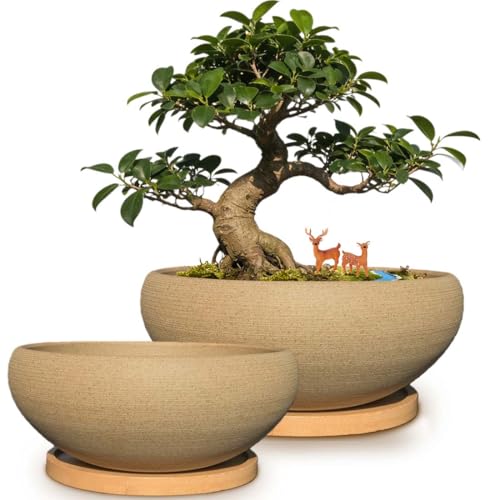
MUZHI 2 Pack Unglazed Ceramic Bonsai Pots
Strengths
- Highly breathable unglazed ceramic
- Includes two sizes
- Rustic vintage style
Trade-offs
- Bamboo trays less durable in wet conditions
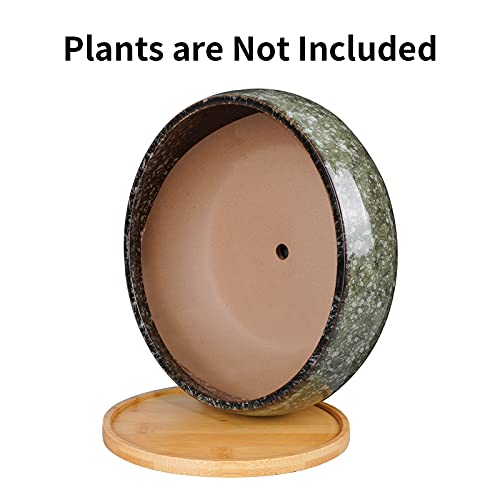
- No mesh pads included
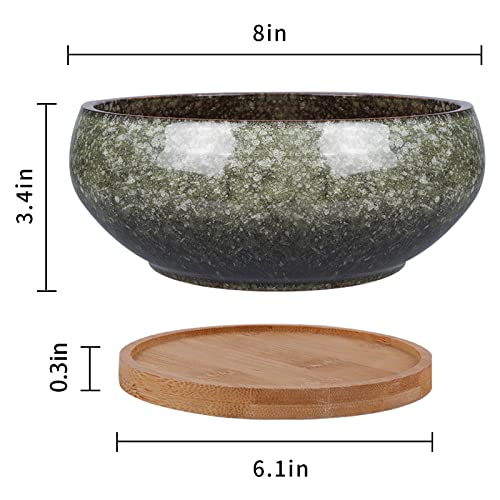
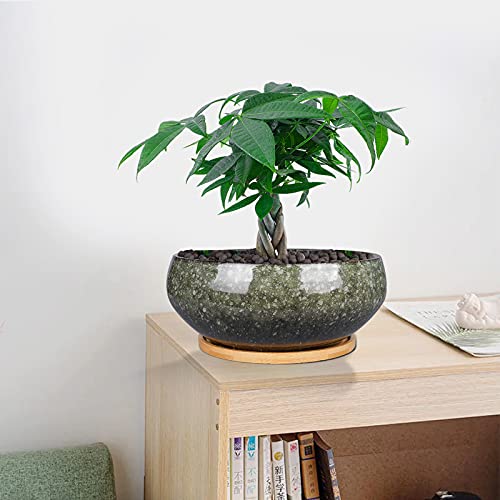
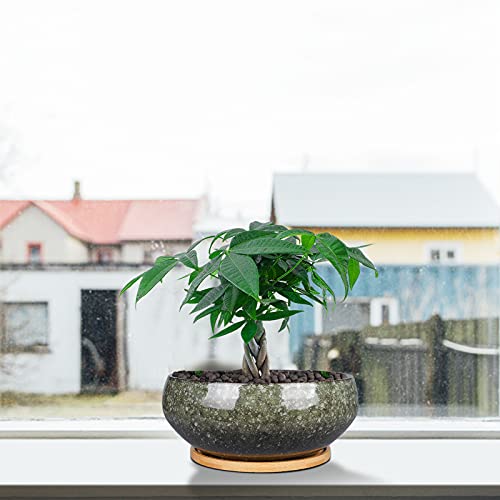
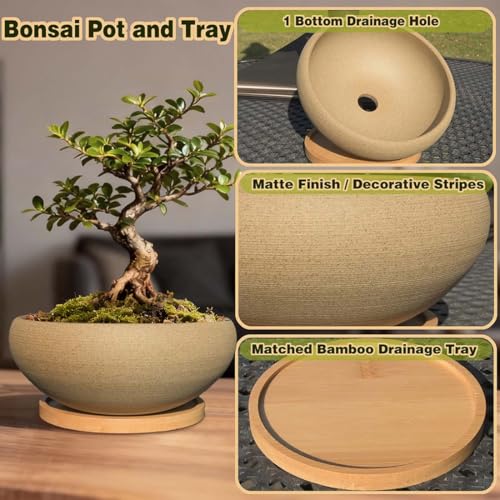
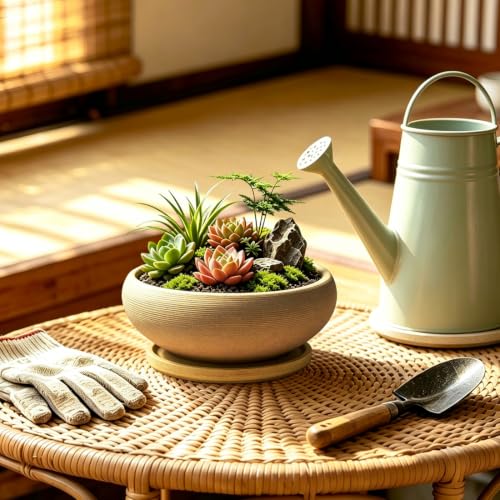
For desert rose enthusiasts, this two-size pack is one of the smartest buys on the list. The unglazed ceramic is highly breathable, and the 8-inch pot gives mature plants room to thrive while the 6-inch works for cuttings or smaller specimens. The vintage, rough-textured finish isn’t just stylistic, it enhances evaporation and root hardening, which is critical for a plant that hates wet feet.
The bamboo trays are lightweight and complement the rustic look, though they’re not as protective as ceramic or plastic in high-moisture settings. What sets this apart from other unglazed options like the DREAMLOOM is the size range and dual-pot value. I’d pick this over single-pot sets because it lets you scale your collection without buying multiple brands. Compared to glazed ceramics, it’s simply a healthier environment for desert rose roots.
Product photos



TINYVISTA 7 Inch Unglazed Ceramic Bonsai Pot
Strengths
- Excellent breathability
- Wire anchors for training
- Natural clay texture
Trade-offs
- No tray included
- Minimalist look may not appeal to all
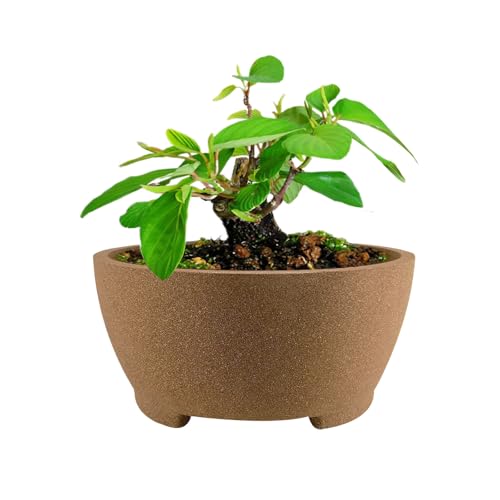
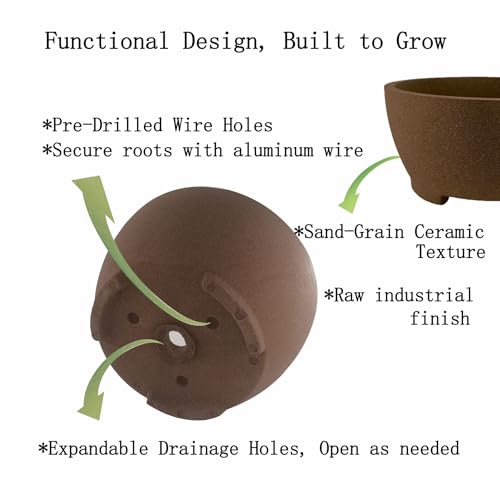
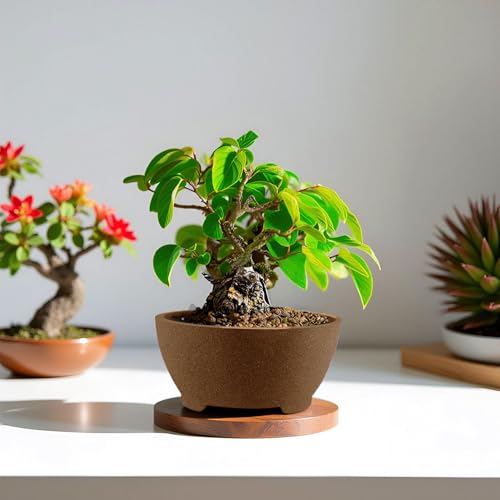
This pot is built for plant health first, aesthetics second, and that’s why I like it. The unglazed, porous ceramic promotes airflow and moisture evaporation in a way that glazed pots simply can’t match. At 7 inches wide and 3.3 inches high, it gives a desert rose enough lateral space without encouraging deep, water-retentive soil columns. The natural clay texture isn’t just for show; it supports root aeration and helps prevent the damp, stagnant conditions that kill these plants.
Reviewers note the build feels substantial, and the included wire anchors are a bonus for bonsai-style shaping, useful if you’re training your desert rose into a compact form. It’s not the flashiest option, but for someone focused on long-term plant vitality, the design choices make sense. Compared to the SQOWL or EPFamily glazed models, this one is drier, faster, and far more forgiving of minor watering lapses.
Product photos



DREAMLOOM Terracotta Pots with Drainage

Strengths
- Highly breathable terracotta
- Affordable 2-pack
- Natural moisture regulation
Trade-offs
- Rough texture may not suit all decors
- Smaller size limits long-term growth
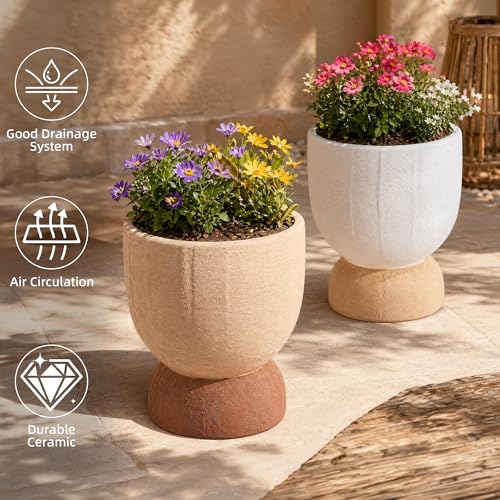
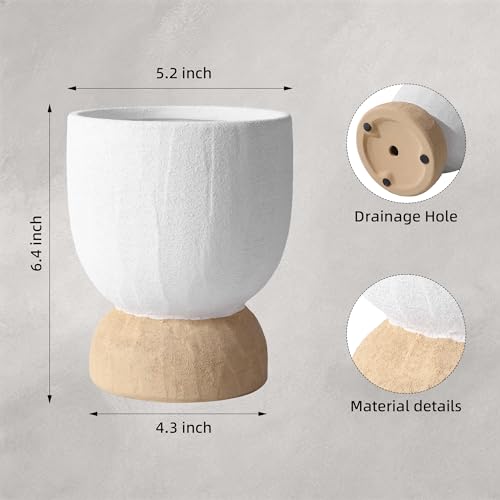
If you’re serious about desert rose health, terracotta is where you should start, and this 2-pack delivers solid value. The coarse, porous walls actively wick moisture from the soil, which is exactly what a desert rose needs to avoid rot. At 6.4 inches, they’re not huge, but they’re deep enough for young to mid-sized plants, and the included non-slip pads are a small but appreciated detail for hardwood or tile floors.
Owners consistently report these pots dry out faster than glazed options, which is a feature, not a bug, for succulent growers. The rustic texture isn’t for everyone, but it fits well in earthy, boho, or minimalist spaces. Compared to the MUZHI unglazed ceramic, these are slightly less refined in finish but more affordable and still highly functional. For the price, it’s hard to beat this level of breathability.
Product photos
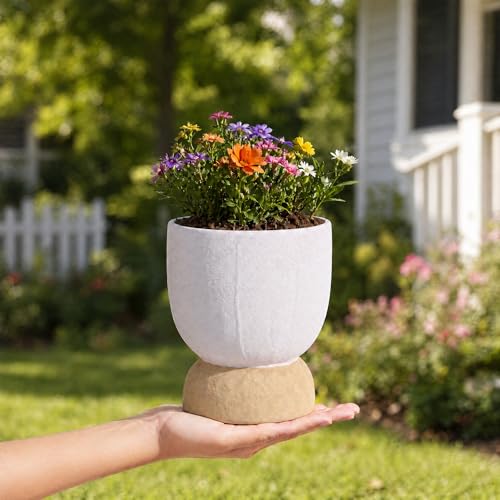


Succulent Pots 7.3 Inch Shallow Planter

Strengths
- Glazed ceramic
- Drainage hole
- Includes tray and mesh pad
Trade-offs
- Shallow depth may limit root spread
- Not ideal for very mature desert roses
This set hits the sweet spot for buyers who want a no-fuss, functional ceramic pot with a matching tray at a fair price. The 7.3-inch diameter gives desert rose enough room to spread without overwhelming a windowsill, and the included mesh pad is a small but thoughtful touch that helps keep the drainage hole from clogging. Owners consistently report the glaze holds up well over time, and the smooth finish makes wiping off dust or water marks easy.
What stands out most is the full package, pot, tray, and mesh, all working together to support basic plant health while keeping surfaces dry. It’s not the most breathable option for a desert rose, since it’s glazed ceramic, but for someone who tends to water on a schedule rather than by feel, the drainage hole and saucer combo helps prevent common overwatering mistakes. Compared to deeper or non-draining pots, this one keeps things balanced.
Product photos


How We Evaluated pots for desert rose
My approach to recommending cookware – and, by extension, plant pots – is rooted in understanding materials and how they interact with their intended use. Rather than a hands-on lab test of each pot, this selection is a research-led comparison of published specifications, owner reviews, and my own experience with plant needs. I weighed factors like material breathability, drainage solutions, and overall durability, looking for pots that genuinely support the health of a desert rose.
For desert roses, the most crucial attributes are drainage and airflow. These plants are prone to root rot if kept in overly moist conditions, so a pot’s ability to allow excess water to escape and air to circulate is paramount. I also heavily considered the material itself; unglazed ceramic consistently emerged as superior for breathability, but durability and weight were factored in, too. Understanding these elements is key, as I’ve discussed in guides to other kitchen essentials like ceramic cookware.
Specifications clearly indicate pot dimensions and materials. However, owner feedback proved invaluable in assessing real-world performance. Reviews often highlighted issues like chipping, cracking, or drainage effectiveness that specs alone couldn’t reveal. Reputation also played a role – established brands with consistent positive feedback were given more consideration. This is similar to how I approach evaluating the longevity of versatile cast iron, where user experiences often determine a product’s true value.
Choosing The Right pots for desert rose
Choosing the right pot for a desert rose (Adenium obesum) is more than just aesthetics; it’s about supporting the plant’s specific needs to thrive. It’s a surprisingly nuanced decision, and I’ve seen plenty of beautiful plants struggle simply because their container wasn’t up to the task.
A good pot for desert roses prioritizes drainage and airflow. Unglazed ceramic is often preferred for its breathability, preventing root rot. Consider the plant’s growth habit – these plants develop a prominent caudex (swollen stem base) which benefits from a pot shape that allows space for development. Material durability and size relative to the plant’s root system are also key considerations.
Material Matters: Drainage and Breathability
Desert roses are succulents, meaning they’re highly susceptible to root rot if left in consistently wet soil. Therefore, the material of your pot is paramount. While glazed ceramic pots are lovely (and I often recommend exploring ceramic pots for other houseplants), unglazed ceramic is generally superior for desert roses. The porous nature of unglazed clay allows for excellent airflow, speeding up evaporation and reducing the risk of overwatering. Terracotta is another option, offering similar benefits, though it can be less durable than a well-fired ceramic. Avoid plastic pots unless you’re extremely diligent about watering, as they retain moisture.
Size and Shape: Supporting the Caudex
A desert rose’s defining feature is its caudex, that bulbous base. Choosing a pot that accommodates this growth is crucial. A wider pot, rather than a tall, narrow one, allows room for the caudex to expand. Don’t jump to a drastically larger pot when repotting; increase the size incrementally (around 1-2 inches in diameter).
Here’s what I look for in sizing: * Small Plants/Seedlings: A 4-6 inch diameter pot is sufficient. * Mature, Young Plants: 6-8 inches is a good range for continued growth. * Established Plants: 8-12 inches or larger, depending on the desired size and growth rate, allowing ample space for root and caudex development.
Aesthetics vs. Functionality: Finding the Right Balance
It’s tempting to choose a pot solely based on its appearance, but remember that form should follow function. While a beautifully glazed pot might catch your eye, prioritize breathability and drainage. If you fall in love with a glazed pot, be extra cautious with watering or consider drilling additional drainage holes (especially with options like the PSW composite pots). For those prioritizing a long-lasting, reliable solution, exploring options like durable cast iron pots – while not typical – can provide a unique and stable base, provided you address drainage.
A desert rose dislikes being disturbed, so choose a pot you’re happy with long-term. Frequent repotting stresses the plant and can hinder its growth.
Pots for Desert Rose Compared
Here’s a comparison of specifications for various pots suitable for desert rose plants.
| Product Title | Diameter (in) | Height (in) | Material | Drainage | Tray Included | Breathable |
|---|---|---|---|---|---|---|
| SQOWL 6 Inch Glazed Ceramic Planter | 6 | 4.6 | Ceramic | Yes | Yes | No |
| PSW 10-Inch Composite Bowl Planter | 10 | 3.63 | Composite | Optional | No | N/A |
| EPFamily 8 Inch Ceramic Bonsai Planter | 8 | 3.14 | Ceramic | Yes | Yes (Bamboo) | No |
| MUZHI 2 Pack Unglazed Ceramic Bonsai Pots | 8/6.8 | 3.5/2.7 | Ceramic | Yes | Yes (Bamboo) | Yes |
| TINYVISTA 7 Inch Unglazed Ceramic Bonsai Pot | 7 | 3.3 | Ceramic | Yes | No | Yes |
| DREAMLOOM Terracotta Pots with Drainage | N/A | N/A | Terracotta | Yes | No | Yes |
| Succulent Pots 7.3 Inch Shallow Planter | 7.3 | 2.17 | Ceramic | Yes | Yes | No |
Frequently Asked Questions
What pot size should I start with for a newly rooted desert rose cutting?
A 4-6 inch diameter pot is ideal for a newly rooted cutting. Starting small helps prevent overwatering, which is a common issue with desert roses, and allows the roots to establish themselves without being overwhelmed by soil volume.
Can I use a glazed ceramic pot for my desert rose if I really like the look?
You can use a glazed ceramic pot, but you’ll need to be very careful with watering as they don’t breathe like unglazed terracotta. Consider adding extra drainage holes to help prevent root rot, or be prepared to water far less frequently.
How often will I need to repot my desert rose?
Desert roses dislike being disturbed, so repotting should be done infrequently – typically only when the plant becomes root-bound. Look for roots circling the inside of the pot as a sign it’s time to move up to a pot only 1-2 inches larger in diameter.
Are plastic pots completely unsuitable for desert roses?
While not ideal, plastic pots can be used if you are a very attentive waterer. Plastic retains moisture, so you must allow the soil to dry out completely between waterings and monitor closely for signs of root rot. For those looking for alternatives, exploring traditional clay pots might be a better option.
What’s the benefit of choosing an unglazed ceramic pot over terracotta?
Unglazed ceramic typically offers superior durability compared to terracotta, which can be prone to cracking, especially in colder climates. Both materials offer excellent breathability, but high-fired unglazed ceramic tends to be more resistant to chipping and damage over time, similar to the longevity you find in durable stainless pots.
The Bottom Line
Ultimately, choosing a pot for your desert rose comes down to balancing your aesthetic preferences with the plant’s fundamental needs. While a beautiful glazed pot like the SQOWL 6 Inch Glazed Ceramic Planter might be tempting, prioritizing breathability and drainage will yield a healthier, more vibrant plant in the long run. For most growers, the MUZHI 2 Pack Unglazed Ceramic Bonsai Pots strike the best balance, offering the porous qualities desert roses crave alongside a reasonable price and included trays.
If you’re on a tighter budget, the DREAMLOOM Terracotta Pots with Drainage are a solid choice, providing excellent airflow without breaking the bank. For those who prefer a more modern look and don’t mind being extra careful with watering, the PSW 10-Inch Composite Bowl Planter offers size and durability, though it doesn’t naturally offer the same breathability as terracotta or unglazed ceramic. And, if you’re looking to expand your kitchen cookware beyond plant pots, you might enjoy exploring options for safe ceramic pots for preparing meals.
Don’t get too caught up in chasing the perfect specification. More important than any single feature – material, size, or shape – is attentive care. Consistent monitoring of soil moisture, appropriate sunlight exposure, and mindful fertilization will have a far greater impact on your desert rose’s well-being than the pot it lives in. Just like selecting the right 6-quart pots for your kitchen, a good pot is a foundation for success, but it’s your technique that truly makes the difference.
