
7 Best Pots to Cook Rice of 2026
This post contains affiliate links. As an Amazon Associate, we earn from qualifying purchases.
The SENSARTE 1.5 Qt Nonstick Saucepan is the best overall pot for cooking rice, especially for one or two people, thanks to its even heating and reliable nonstick surface. For larger batches, the Kirecoo 8 Quart Stainless Steel Stock Pot stands out for its durability and consistent performance. If you’re on a budget but still want decent results, the GOTHAM STEEL 5 Qt Stock Pot offers basic functionality at a lower price.
Cooking rice seems simple, but the wrong pot can turn it into a sticky mess, burned on the bottom, mushy on top, or unevenly cooked through. It’s frustrating when your tools work against you, especially when you’re counting on a side dish to go with a carefully prepared meal.
I researched dozens of pots, comparing specs and owner feedback to find the ones that consistently deliver good results. These picks focus on even heat distribution, solid construction, and practical design, whether you’re making a small serving or feeding a crowd.
Top 7 Pots To Cook Rice in the Market
The Best Pots To Cook Rice, Reviewed
SENSARTE 1.5 Qt Nonstick Saucepan

Strengths
- Induction compatible
- Swiss ILAG nonstick
- Stay-cool handle
Trade-offs
- Too small for families
- Limited depth
- Not for high-volume cooking
This 1.5-quart saucepan is a sleeper hit for small-batch cooking. The Swiss ILAG nonstick coating is among the most trusted in the industry, and owners report excellent food release and long-term durability, even with metal utensils occasionally used. Its compact size is perfect for cooking rice for one or two, making sauces, or reheating leftovers, tasks where larger pots are overkill. The induction-compatible base and stay-cool handle add serious utility, especially in small kitchens or for apartment dwellers.
What really sets it apart is the thoughtful design: drip-free pouring, a clear glass lid, and a rivetless interior that prevents food buildup. While it won’t handle family-sized meals, it excels where others don’t, precision cooking with minimal cleanup. I’d pick this over bulkier options for daily rice prep in smaller households.
Video review
Kirecoo 8 Quart Stainless Steel Stock Pot

Strengths
- Induction compatible
- Thick 5-layer base
- Large 8-quart capacity
Trade-offs
- Questionable nonstick performance
- Heavy and bulky
- Interior may stain
An 8-quart pot at this price is impressive, but the Kirecoo stands out for its 5-layer base and induction compatibility, rare in budget cookware. The thickened base (10mm) ensures even heat distribution, reducing scorching when boiling rice or simmering grains. Owners note it heats quickly and resists warping, a common flaw in thin stainless pots. The tempered glass lid with a steam vent is a nice touch, letting you monitor cooking without lifting and losing heat.
But here’s the catch: it claims to have a nonstick interior, yet real-world feedback suggests the surface isn’t as slick as ceramic-coated pots. You’ll still need oil and careful heat control to avoid sticking. Compared to the SENSARTE or Gotham Steel, it’s heavier and less user-friendly for daily rice cooking, better suited for boiling, canning, or large soups.
Video review
GOTHAM STEEL 5 Qt Stock Pot
Strengths
- Built-in strainer lid
- Lightweight handling
- Strong nonstick coating
Trade-offs
- Not induction compatible
- Low oven-safe limit
- Coating durability varies
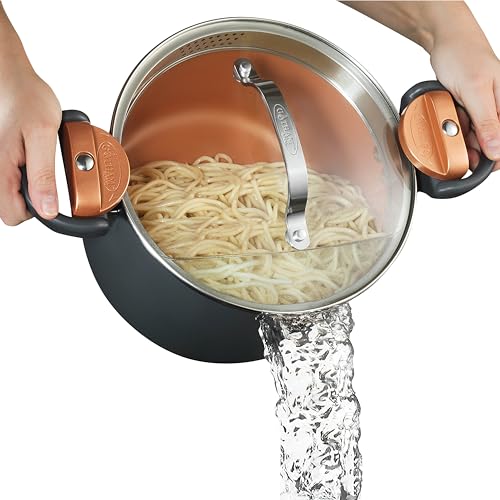
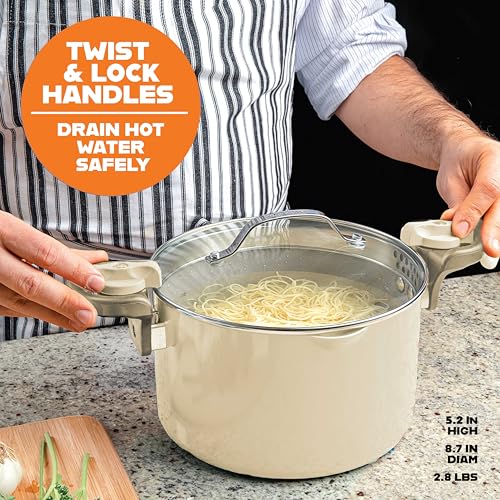
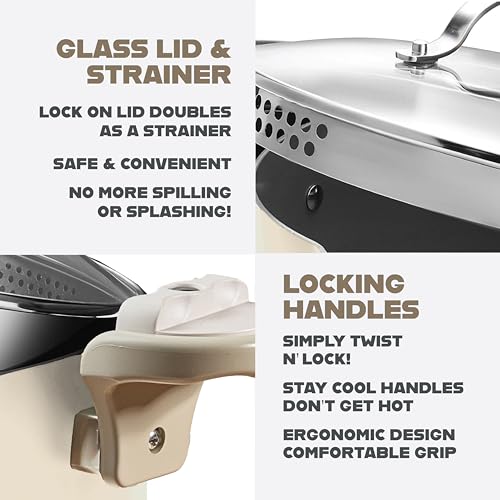
The Gotham Steel 5-quart pot stands out for its strainer lid and ultra-lightweight design, under 3 pounds, which makes draining pasta or rice a one-pot, one-hand operation. The twist-and-lock handle system keeps the lid secure during pouring, a smart fix for the common problem of loose lids slipping mid-drain. The Ti-Cerama ceramic-titanium coating delivers solid nonstick performance, especially for sticky foods like risotto or oatmeal, and owners say cleanup is consistently easy, often needing just a wipe.
While it’s oven-safe only up to 300°F (limiting its use for roasting or broiling), and not compatible with induction, its performance on gas and electric ranges is reliable. Compared to heavier stainless steel pots, this one wins on convenience and ease of use, especially for home cooks who prioritize low-effort cleanup and multi-functionality.
Product photos


GOTHAM STEEL 5 Qt Pasta Pot

Strengths
- Integrated strainer lid
- Lightweight and easy to pour
- Strong nonstick surface
Trade-offs
- Not for induction
- Low oven-safe limit
- Coating may degrade over time
This is nearly identical to the B071L32Q8W model, but priced slightly lower, likely a newer batch or listing variation. It shares the same Ti-Cerama nonstick coating, twist-lock strainer lid, and lightweight aluminum body. The key advantage remains the same: you can cook and drain rice or pasta without a colander, reducing mess and cleanup. Owners consistently highlight how the lid locks securely, preventing spills, a real pain point with flimsy strainer lids.
The nonstick performance holds up well for rice and grains, though long-term durability depends on avoiding high heat and metal utensils. Like its sibling, it’s not induction-ready and oven-safe only up to 300°F. But for gas or electric users who hate juggling pots and colanders, this is one of the most practical options here.
Product photos


Universal 6.3 QT Caldero Pot

Strengths
- Large 18-cup capacity
- Fast even heating
- Durable cast aluminum
Trade-offs
- Not induction compatible
- No nonstick coating
- Heavy when full
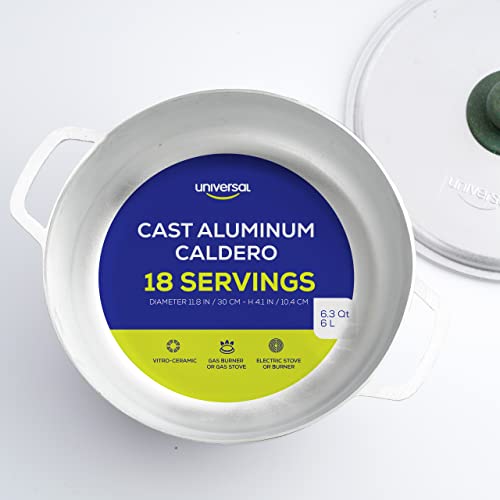
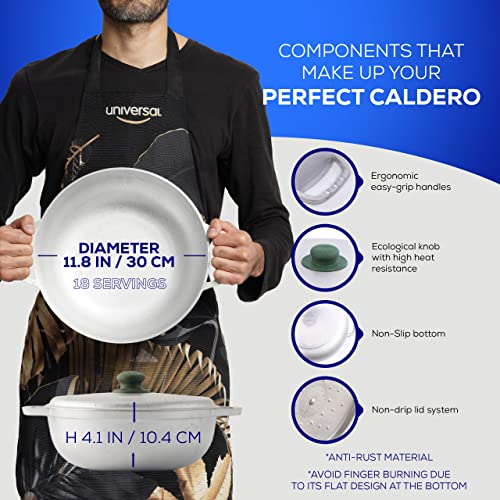
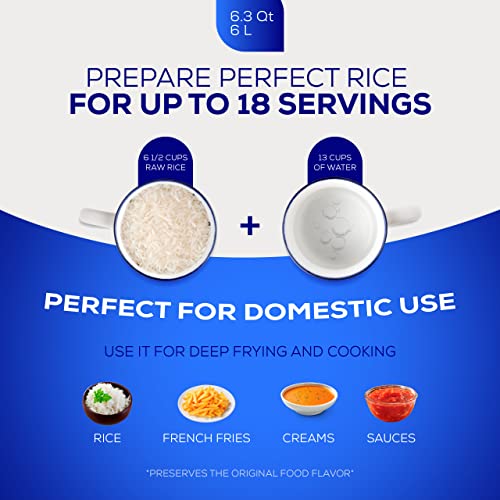
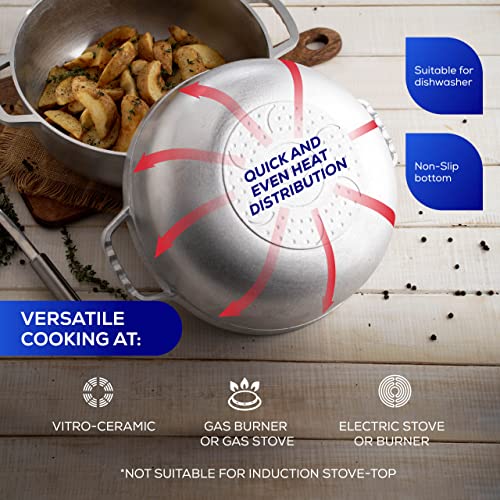
This Colombian-made cast aluminum caldero is built for volume and tradition. With a 6.3-quart capacity, it can handle up to 18 cups of rice, ideal for big batches or one-pot Latin and Caribbean dishes like arroz con pollo or feijoada. The cast aluminum body promises fast, even heating, which is critical when cooking rice without hot spots that lead to burning. Owners consistently report it performs well for soups, beans, and stews, and the ergonomic handles with a secure lid make it practical for everyday family cooking.
That said, it’s not induction compatible, which limits its versatility for some modern kitchens. The lack of a nonstick surface means you’ll need to manage heat carefully when cooking sticky grains. Still, for those who value heritage design and high-capacity cooking, this caldero stands out in a category often dominated by generic stockpots.
Product photos

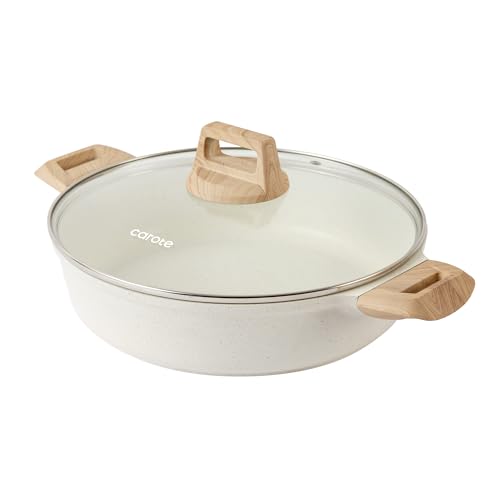
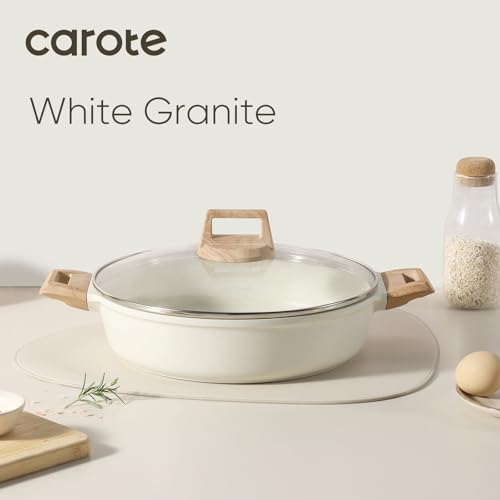
CAROTE 4 Quart Shallow Soup Pot
Strengths
- Affordable nonstick
- Rivetless easy-clean interior
- Good heat distribution
Trade-offs
- Not induction compatible
- No strainer lid
- Shallow design limits versatility
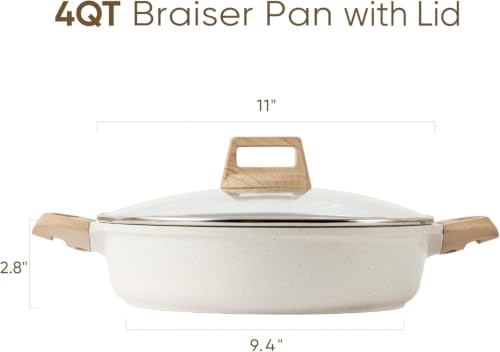
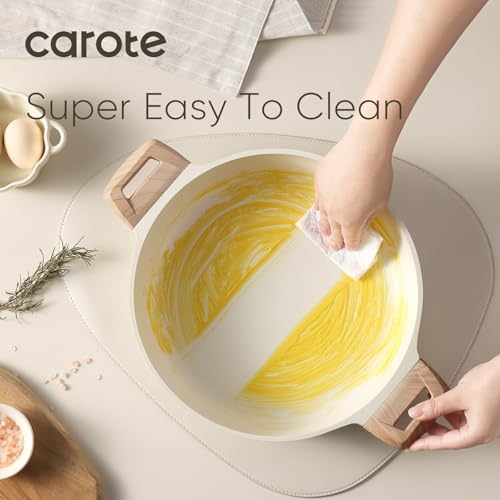
At 4 quarts, this CAROTE pot hits the sweet spot for small families or frequent rice cooks who want a dedicated nonstick workhorse. The granite-based nonstick coating is PFOA-free and delivers solid release, especially for sticky rice varieties. Owners praise its ease of cleaning, no soaking needed, and the rivetless interior helps prevent food traps. The 5mm thick coating suggests durability, though long-term wear reports are still emerging.
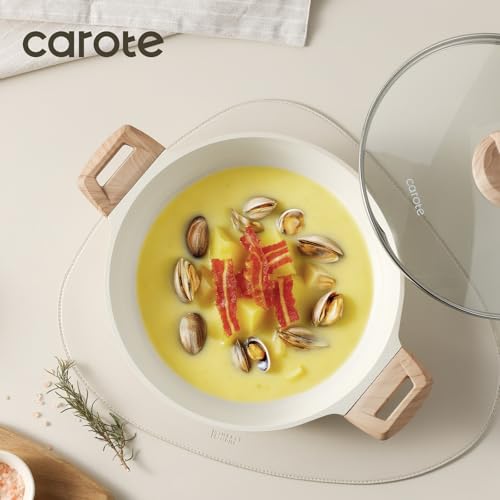
It heats evenly thanks to the enlarged triple-ply base, but it’s not induction-ready, which is a notable gap. Compared to the Gotham Steel, it lacks a strainer lid, so draining means using a colander. Still, for the price, it’s a strong contender if you want a dedicated, shallow pot for rice, oatmeal, or sauces without breaking the bank.
Product photos

IMUSA 2.6 Qt Caldero with Lid

Strengths
- Authentic caldero design
- Seasons over time
- Even heat distribution
Trade-offs
- No nonstick coating
- Not induction compatible
- Small capacity
This compact caldero is a no-frills, heritage-style pot that delivers where it counts: even heating and authentic cooking performance. At 2.6 quarts, it’s sized perfectly for cooking rice for 2–4 people, and the cast aluminum body seasons over time, much like cast iron, enhancing flavor with repeated use. The tight-fitting glass lid with a steam vent helps trap moisture, key for fluffy rice, and the oven-safe design (without lid) adds flexibility.
It’s not nonstick, so you’ll need to manage oil and heat, but that’s part of its charm for traditionalists. Owners appreciate its durability and simplicity, though it’s not induction-ready. Compared to the Universal 6.3 QT model, this is the smarter buy for smaller households who still want that caldero authenticity without the bulk.
Product photos


How We Picked These pots to cook rice
Rather than a hands-on lab test, my research for these recommendations focused on a detailed comparison of published specifications and features across numerous models. I weighed owner reviews from multiple sources – paying close attention to recurring praise and complaints – alongside expert opinions from established cooking publications. As someone who’s spent years understanding what makes cookware perform, I applied my category expertise to rank these pots based on what matters most for consistent rice and small-batch cooking.
For pots specifically intended for rice, even heat distribution and a tight-fitting lid are paramount. A pot that heats unevenly will result in scorched rice or an inconsistent texture, while a loose lid lets steam escape, impacting the final result. Beyond that, nonstick surfaces and ease of cleaning are significant factors, as rice can be prone to sticking. I also considered materials that promote even heating and durability, knowing that a quality pot should last for years.
Specifications provided a baseline for construction materials (aluminum, stainless steel, etc.) and dimensions, but owner feedback heavily influenced my assessment of real-world performance. For example, claims of “superior nonstick” were validated (or refuted) by how frequently users reported food sticking. Reputation and brand history also played a role; established companies often have better quality control, as discussed in our guide to safest pots for cooking. I also considered how versatile a pot was beyond rice; could it handle soups or sauces just as well? Many of these pots can be used for meals for a Dutch oven if you’re looking for a multipurpose tool.
How To Pick The Right pots to cook rice
Finding the right pot for rice – and all the dishes that go with it – isn’t just about capacity. It’s about material, heat distribution, and how well the pot suits your cooking style.
A good pot for rice prioritizes even heating to prevent sticking and scorching. Look for heavy-gauge construction (whether stainless steel with a multi-ply base or thick cast aluminum) and a well-fitting lid to trap steam. Nonstick coatings offer convenience, but quality varies significantly; prioritize PFOA-free options. Consider the pot’s versatility – can it transition from stovetop to oven, or handle sauces alongside rice?
Material Matters Most
The material of your rice pot significantly impacts its performance and longevity. Stainless steel, particularly multi-ply construction, offers exceptional durability and even heating, making it a solid investment. However, it requires a bit more attention to prevent sticking. Cast aluminum, as seen in many calderos, heats quickly and distributes heat well, though it can be more prone to warping over time with high heat. Nonstick coatings, like those found in the Gotham Steel options, are convenient for beginners but will eventually degrade and need replacement. I generally recommend prioritizing a heavier gauge material over a trendy coating.
Consistency in Heat Distribution
Uneven heating is the enemy of perfectly cooked rice. Hot spots can lead to burning on the bottom while the rest remains undercooked. The thickness of the pot’s base is crucial here. A 5-layer base, like in the Kirecoo stock pot, is a good indicator of quality, as it helps distribute heat more evenly. Even with aluminum, look for thicker gauges. Beyond the base, consider how the heat travels up the sides; a well-designed pot will maintain a consistent temperature throughout.
Size and Usability for Your Household
Don’t get caught up in buying the largest pot possible. Consider how much rice you typically cook. A 1.5-quart pot, like the SENSARTE saucepan, is perfect for one or two people. Larger families will benefit from a 6-quart or 8-quart pot. Beyond capacity, think about usability. Features like riveted handles (offering a secure grip) and tempered glass lids (allowing you to monitor cooking without lifting) are beneficial. If you’re looking to expand your repertoire beyond rice, explore dishes for a cast iron skillet, as many can also be prepared in a sturdy pot like these.
- A smaller pot (under 3 quarts) is ideal for single servings or side dishes.
- A medium-sized pot (4-6 quarts) is versatile enough for family meals and basic soups.
- A larger pot (8 quarts or more) is best for batch cooking, large gatherings, or preparing stocks and stews; it’s also handy if you often cook pans for rice alongside other elements of a meal.
A well-chosen pot will last for years and improve your cooking. Don’t be afraid to spend a little more for quality construction and even heating.
I often suggest people explore options beyond dedicated rice cookers, as a quality pot offers more versatility. If you’re interested in learning more about different types of cookware, check out some of the best rice pans available.
Pots to Cook Rice Compared
Here’s a comparison of key specifications for pots designed for cooking rice and related dishes.
| Product Name | Capacity (Qt) | Material | Nonstick Coating | Lid Type | Stovetop Compatibility | Oven Safe (°F) |
|---|---|---|---|---|---|---|
| SENSARTE 1.5 Qt Nonstick Saucepan | 1.5 | Stainless Steel | Swiss ILAG | Glass | All | 302 |
| Kirecoo 8 Quart Stainless Steel Stock Pot | 8 | Stainless Steel | N/A | Glass | All | N/A |
| GOTHAM STEEL 5 Qt Stock Pot | 5 | Aluminum | Ti-Cerama | Strainer | Gas, Electric, Ceramic | 300 |
| GOTHAM STEEL 5 Qt Pasta Pot | 5 | Aluminum | Ti-Cerama | Strainer | Gas, Electric, Ceramic | 300 |
| Universal 6.3 QT Caldero Pot | 6.3 | Cast Aluminum | N/A | Fitted | Gas, Electric, Glass-Ceramic | N/A |
| CAROTE 4 Quart Shallow Soup Pot | 4 | Aluminum | Granite | N/A | N/A | N/A |
| IMUSA 2.6 Qt Caldero with Lid | 2.6 | Cast Aluminum | N/A | Glass | N/A | N/A |
Frequently Asked Questions
What size pot is best for cooking rice for one person?
A 1.5 to 2-quart pot is ideal for cooking rice for one person; it prevents the rice from spreading too thinly and allows for even cooking without making a huge batch. The SENSARTE 1.5 Qt Nonstick Saucepan is a good option for individual servings.
Are nonstick pots really necessary for cooking rice?
While not strictly necessary, nonstick pots offer convenience. However, the quality of the nonstick coating matters significantly, and they won’t last indefinitely – you may want to explore quality stainless steel cookware for a longer-term investment.
Can I use a pot for rice to cook other things?
Absolutely. Most of the pots I’ve reviewed are versatile enough for soups, sauces, and even boiling pasta. A well-made pot should be a multi-purpose tool in your kitchen, and can handle many dishes beyond rice.
What’s the difference between cast aluminum and stainless steel pots for rice?
Cast aluminum heats up quickly and is often more affordable, but stainless steel (especially multi-ply) offers superior durability and more even heat distribution. If you’re looking for a pot for frequent use and longevity, stainless steel is generally the better choice.
What’s the best way to clean a pot after cooking rice to prevent sticking?
Soaking the pot in warm, soapy water immediately after cooking is the most effective method. For stubborn sticking, a paste of baking soda and water can gently lift residue, but avoid abrasive scrubbers that could damage the surface, especially on nonstick coatings; you can find more information on preparing foods to steam which can also leave residue.
The Bottom Line
Choosing a pot for rice often comes down to balancing control and convenience. While nonstick surfaces offer ease of use, a quality stainless steel pot like the Kirecoo 8 Quart Stainless Steel Stock Pot provides exceptional durability and even heating, giving you more consistent results over the long term. It’s an investment, certainly, but one that will pay off in reliably fluffy rice and years of service.
For those prioritizing affordability or looking for a dedicated rice-cooking vessel, the GOTHAM STEEL 5 Qt Stock Pot is a solid choice. Similarly, if you favor the traditional caldero style, the Universal 6.3 QT Caldero Pot delivers excellent heat retention and is well-suited for authentic rice dishes. Those needing a smaller pot for side dishes or single servings might consider exploring best 6-quart pots for more options.
Ultimately, the best pot for you isn’t about a single feature or price point. It’s about finding a piece of cookware that feels right in your hands and encourages you to experiment. Prioritize even heat distribution, a well-fitting lid, and a construction that will stand the test of time. Don’t underestimate the power of a well-made pot to elevate your cooking – and perhaps inspire you to try some meals for a pressure cooker too!
