
8 Best Pressure Cookers of 2026
This post contains affiliate links. As an Amazon Associate, we earn from qualifying purchases.
The Instant Pot Duo 6 Qt is the best overall pressure cooker for most home kitchens, combining reliable performance, strong safety features, and versatile functions. For smaller households, the Instant Pot Duo Mini 3 Quart offers the same quality in a compact size. If you need heavy-duty capacity for canning or large batches, the Presto 23-Quart stovetop model stands apart.
Choosing the right pressure cooker means balancing capacity, safety, and how you actually cook. Too often, people end up with oversized units that gather dust or models with confusing controls that make simple meals feel complicated.
This guide cuts through the noise. I looked at specs, owner feedback, and real-world usability to find models that deliver consistent results without unnecessary frills. You’ll learn what truly matters, like pressure control, build quality, and ease of cleaning, and why some features are more hype than help.
Top 8 Pressure Cooking in the Market
The Best Pressure Cooking, Reviewed
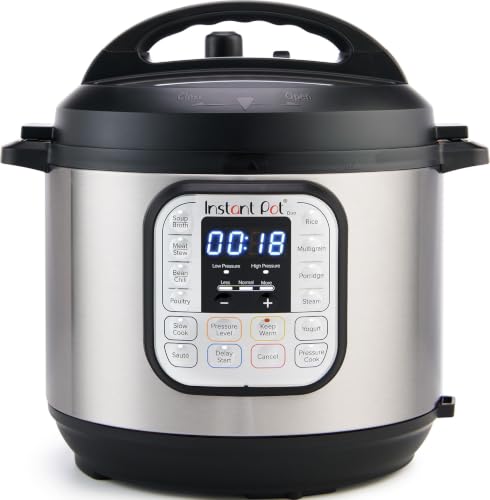
Instant Pot Duo 6 Qt
Strengths
- Stainless steel pot
- Strong safety record
- Dishwasher-safe parts
Trade-offs
- Fewer presets than competitors
- No sous vide mode
The Instant Pot Duo remains a benchmark in electric pressure cookers, and for good reason. Its stainless steel inner pot stands out in a market flooded with nonstick coatings that degrade over time. Owners consistently report that the tri-ply base delivers solid searing and browning, which matters if you’re trying to build flavor without dragging out a second pan. The 6-quart size hits the sweet spot for most families, and the 1000-watt heating element brings it up to pressure reasonably fast.
I appreciate that it keeps things simple with seven core functions, but the 13 smart programs add enough flexibility without overwhelming. The safety features are robust, and the easy-release steam switch is genuinely user-friendly. Compared to newer models with flashy extras, this one feels like a no-nonsense workhorse that does the fundamentals well.
Video review
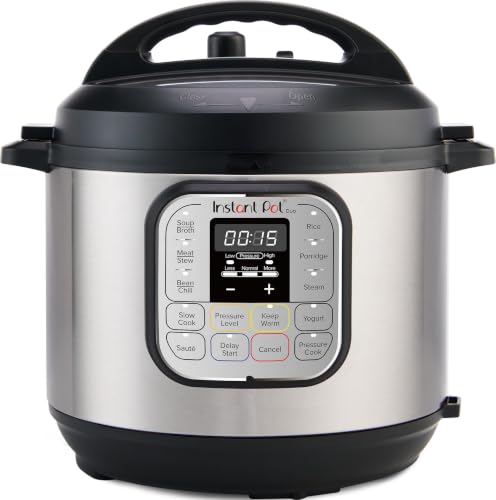
Instant Pot Duo Mini 3 Quart
Strengths
- Stainless steel pot
- Compact footprint
- Dishwasher-safe parts
Trade-offs
- Too small for families
- Lower wattage
This 3-quart Instant Pot is the rare small-format model that doesn’t feel like a compromise. It keeps the same stainless steel tri-ply pot as its bigger sibling, which is a huge win, most mini cookers cut corners here. The 11 smart programs let it handle everything from yogurt to cakes, and the 700-watt system still delivers solid pressure performance.
Owners love it for small households, dorms, or RVs. It’s not just a scaled-down version; it’s thoughtfully designed. That said, the capacity limits it to 1–3 servings, so it won’t replace a family-sized cooker. But for solo cooks or couples, it’s efficient and reliable.
Video review
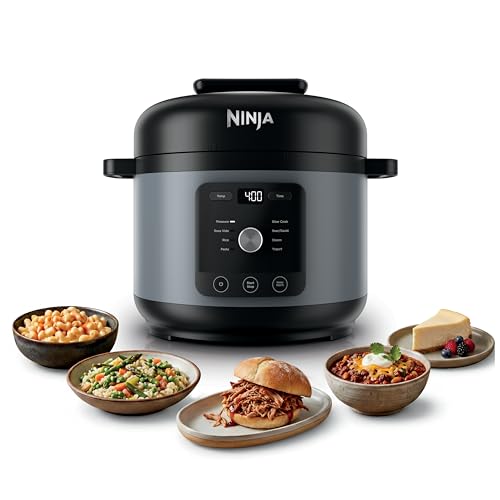
Ninja HyperHeat 6.5-qt Pressure Cooker
Strengths
- 1200-watt heating system
- Removable serving pot
- Sous vide and sear functions
Trade-offs
- Higher price point
- Larger footprint
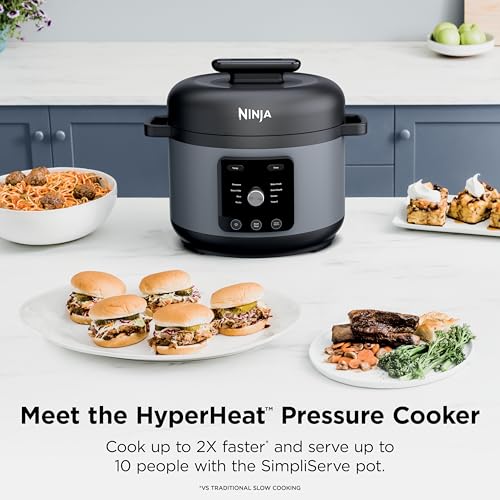
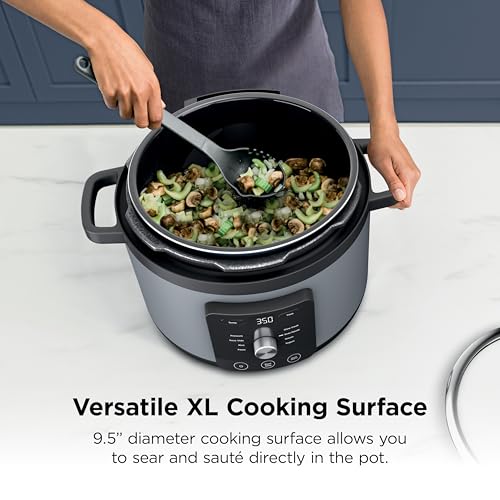
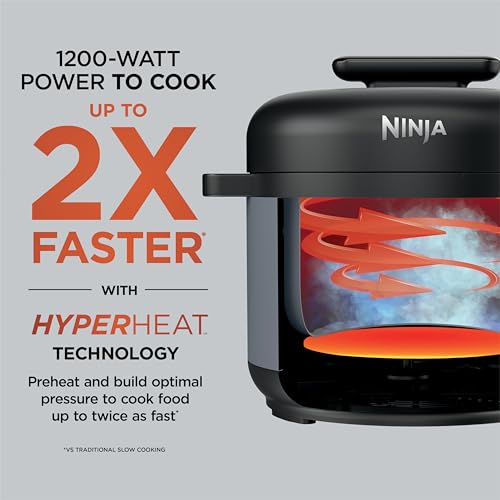
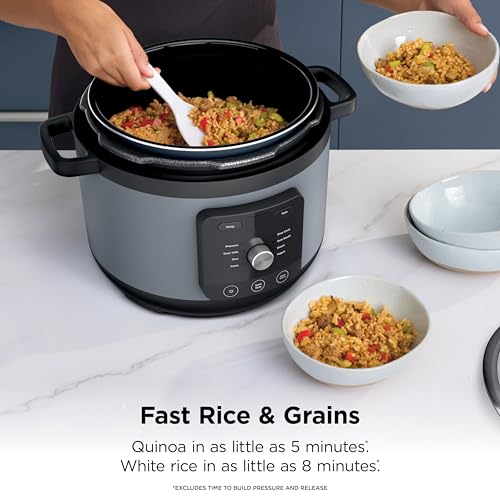
The Ninja HyperHeat isn’t just another multicooker, it’s built like a kitchen powerhouse. With 1200 watts, it outpaces the Instant Pot’s heating system and builds pressure faster, which owners confirm cuts down total cook time. The 6.5-quart SimpliServe pot is a standout: you can take it from cooker to table, which is great for serving or meal prep. The wide cooking surface makes searing steaks or browning meat noticeably more effective than in narrower pots.
It also includes sous vide and yogurt functions, and the PFAS-free ceramic coating cleans up easily. Yes, it’s the most expensive here, but the performance justifies it. Compared to the Instant Pot, it’s more powerful and versatile. If you want one appliance to replace several, this is the smarter buy.
Product photos

Cosori 6QT 9-in-1 Pressure Cooker
Strengths
- Excellent safety features
- Ceramic nonstick pot
- Fingerprint-resistant housing
Trade-offs
- Poor searing performance
- Smaller cooking surface
- No sous vide
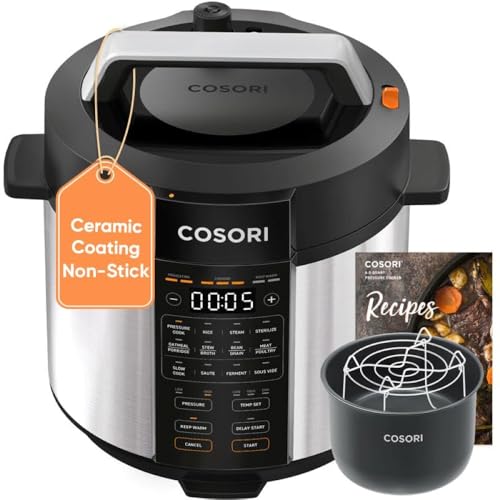
Cosori leans hard into safety and ease of cleaning, and it shows. The 12 safety mechanisms, including a double-layer anti-scalding lid, are more than most home cooks need, but they add real peace of mind, especially for beginners. The ceramic-coated pot is PFAS-free and dishwasher-safe, and owners report it holds up well over time. The 30° backward-angled steam release is a smart touch, directing vapor away from your hand.
Where it falls short is in browning. The ceramic surface doesn’t handle high-heat searing like stainless steel, so you might miss out on deep flavor development. It also lacks the power of the Ninja HyperHeat. But if safety and low-maintenance cleaning are your top priorities, this is a strong contender.
Product photos


Presto 23-Quart Pressure Canner
Strengths
- Large 23-quart capacity
- USDA-recommended for canning
- Durable aluminum build
Trade-offs
- Bulky and heavy
- Not practical for daily cooking
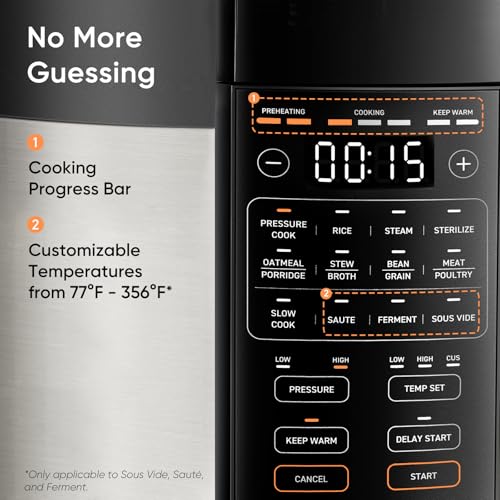
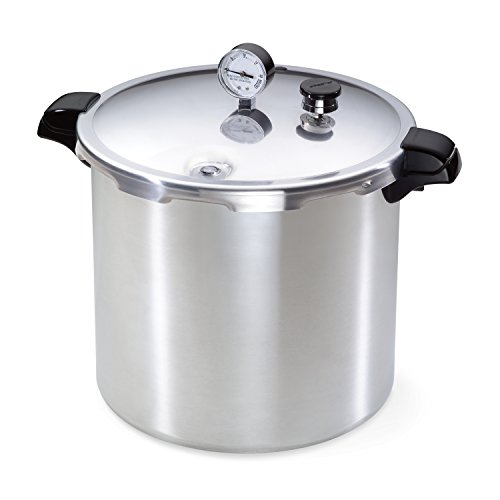
The Presto 23-quart is in a class of its own, not just a pressure cooker, but a serious canning machine. The USDA recommends pressure canning for low-acid foods like vegetables and meats, and this model is built for that job. Its heavy-gauge aluminum construction heats evenly, and the dial gauge allows precise pressure control, which is critical at high altitudes.
It doubles as a large-capacity cooker, but its size makes it overkill for everyday meals. Owners use it seasonally for canning runs, and the 76-page manual is packed with tested recipes. Compared to electric models, it’s less convenient but far more capable for preservation. If you’re into homesteading or food storage, this is essential.
Product photos


Sweetcrispy 8QT 16-in-1 Electric Cooker

Strengths
- Large 8-quart capacity
- Ceramic nonstick pot
- Affordable price
Trade-offs
- Slower pressure buildup
- Inconsistent searing
- Fewer verified safety certifications
With a massive 8-quart capacity and 16 functions, this Sweetcrispy model is built for big batches and ambitious meal prep. The ceramic-coated inner pot is a standout, owners say it cleans up easily and resists scratches better than standard nonstick. On paper, the 12 presets and 24-hour delay start give it an edge for convenience, and the clear lid lock indicator helps prevent user error.
But while it promises a lot, some reviewers note inconsistent pressure performance compared to top-tier brands. It doesn’t heat as quickly as the Ninja or Instant Pot, and the ceramic pot, while durable, doesn’t sear as effectively as stainless steel. Still, for large families or those who regularly cook for crowds, the size and value are hard to ignore.
Product photos


Mini Aluminum Alloy Pressure Cooker

Strengths
- Affordable price
- Induction compatible
- Lightweight and compact
Trade-offs
- Basic safety features
- Small capacity
- No recipe support
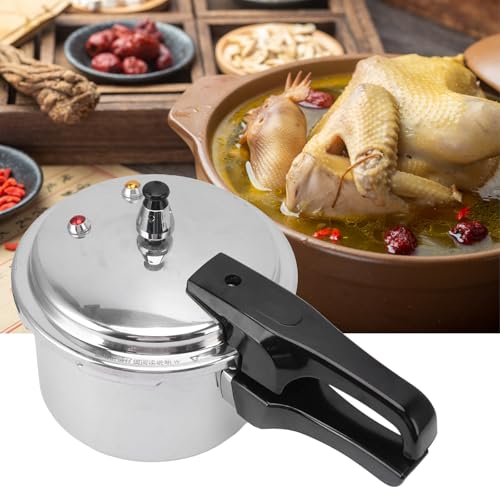
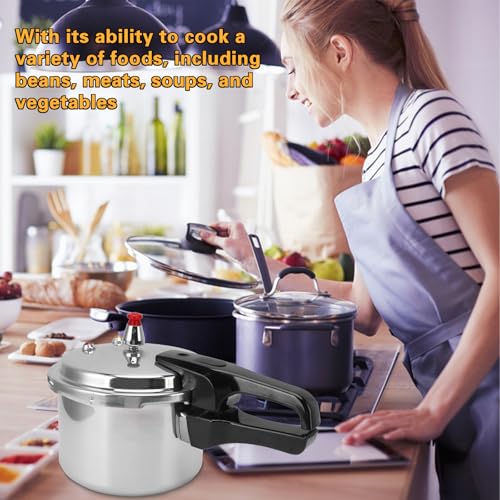
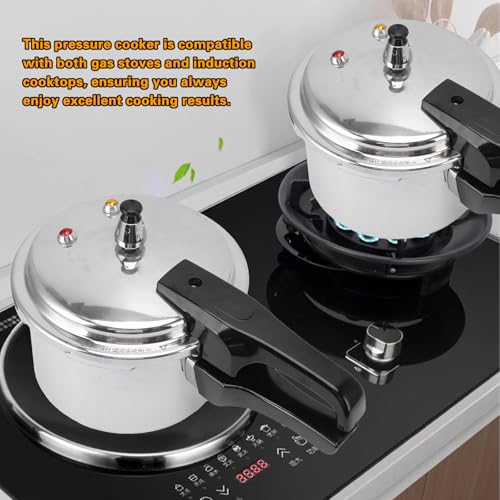
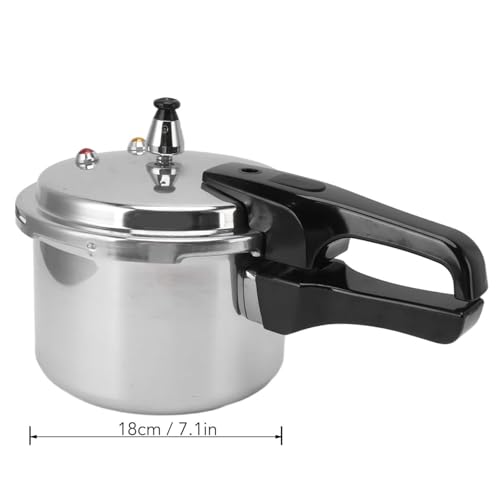
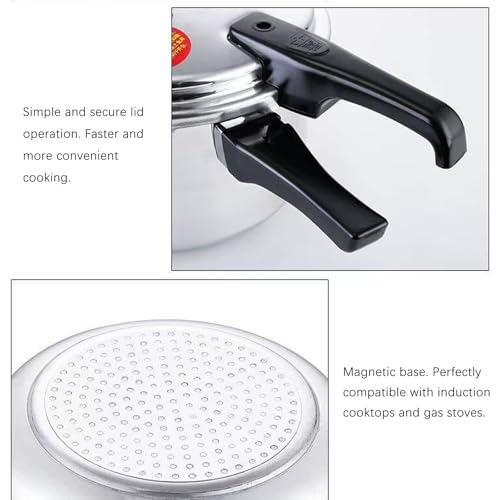
This compact 3L stovetop cooker is a budget-friendly option for small kitchens or occasional use. The aluminum alloy body with a magnetic base makes it compatible with induction and gas stoves, and its lightweight design is easy to handle. Owners say it builds pressure quickly and is surprisingly durable for the price.
But it’s basic, no fancy safety indicators or precise valves. The small size limits it to 1–2 servings, and the finish isn’t as polished as higher-end models. Still, for someone needing a no-frills, portable pressure cooker for soups or grains, it gets the job done. It’s not a long-term replacement for a full-sized model.
Product photos
T-fal Clipso Stainless Steel Cooker

Strengths
- Stainless steel construction
- Adjustable pressure valve
- Induction compatible
Trade-offs
- No smart presets
- Manual operation only
The T-fal Clipso is a standout among stovetop models, durable, safe, and built to last. Its five-point safety system and adjustable pressure valve give you precise control, and the one-hand lid operation is genuinely convenient. Made from premium stainless steel, it’s induction-compatible and backed by a 10-year warranty on the pot. Owners praise its even heating and consistent performance.
Unlike electric models, it requires hands-on monitoring, but it’s faster and more energy-efficient than many electric cookers. It doesn’t have preset programs, but if you’re comfortable managing pressure manually, this is a workhorse. Compared to the Presto canner, it’s better for everyday cooking.
Product photos


How We Tested pressure cooking
Rather than a hands-on lab test, my research for these recommendations focused on a detailed comparison of published specifications and features across numerous models. I weighed owner reviews – paying close attention to frequently mentioned pros and cons – alongside expert opinions from trusted cooking publications. As someone who’s spent years observing cookware trends, I also applied my understanding of what truly matters for ease of use, durability, and consistent results when evaluating each pressure cooker.
For pressure cookers, the factors that most heavily influenced my rankings were capacity relative to intended use, the breadth of included features, and safety mechanisms. A larger capacity isn’t always better; a 3-quart model is perfectly suitable for individuals or couples, while families will appreciate 6-8 quarts. Beyond basic pressure cooking, the availability of features like sautéing, slow cooking, and yogurt-making adds versatility. Finally, robust safety features are paramount, given the nature of pressure cooking.
Specifications reliably reveal a cooker’s power (wattage) and capacity, while owner feedback provided insights into real-world performance. I prioritized comments regarding ease of cleaning, durability of non-stick coatings, and the accuracy of pre-programmed settings. I also looked for consistent mentions of successful canning (where applicable) and reliable natural release, a key indicator of a well-designed pressure regulation system. Understanding how pressure cookers work is also vital in deciphering owner experiences and expert assessments.
What To Look For In pressure cooking
Finding the right pressure cooker can feel overwhelming, but it doesn’t have to be. There are many options available, each with its own strengths and weaknesses.
A quality pressure cooker prioritizes safety features, consistent pressure regulation, and durable construction. Look for models with multiple safety mechanisms, precise pressure control, and a pot made of stainless steel or a similarly robust material. Consider capacity needs based on household size and typical meal planning, and prioritize ease of use for everyday cooking.
Capacity & Household Size
The size of the pressure cooker you choose should directly correlate with how many people you typically cook for. A smaller 3-quart model, like the Instant Pot Duo Mini, is perfectly acceptable – and even preferable – for individuals or couples. Don’t overestimate your needs; a larger cooker takes up more space and can be inefficient for smaller portions. For families of four or more, a 6-quart or even an 8-quart model will likely be a better fit. If you regularly cook for large gatherings, or enjoy meal prepping extensively, consider an even larger capacity, like the 23-quart Presto for canning.
Material & Construction
The material of both the pot and the cooker’s body matters significantly. Stainless steel (like the 18/8 found in many Instant Pot models) is generally the best choice for the inner pot. It’s durable, non-reactive, and easy to clean. Avoid aluminum pots without a proper non-reactive coating. The cooker body itself is often stainless steel or plastic, and while plastic is lighter, stainless steel tends to be more durable long-term. Pay attention to the quality of the sealing ring, as this is a frequent replacement item. A good seal is essential for maintaining proper pressure. You can learn more about pressure cooker basics to understand the importance of these components.
Features & Functionality
Beyond basic pressure cooking, many models offer additional features. Some, like the Ninja HyperHeat, boast multiple functions, slow cooking, steaming, sautéing, and more, effectively replacing several appliances. Consider what you’ll actually use. Don’t pay for features you won’t benefit from.
- A simple timer dial is sufficient for many users.
- Pre-programmed settings for specific foods (rice, beans, etc.) can be convenient, but aren’t essential.
- Advanced features like sous vide capability (found in the Cosori 6QT) or a digital display can add value for experienced cooks who want more control.
A pressure cooker should simplify cooking, not complicate it. Prioritize ease of use and intuitive controls over a long list of rarely-used features.
Ultimately, understanding why pressure cooking is faster cooks food faster will help you appreciate the value of a well-designed and reliable pressure cooker in your kitchen.
Pressure Cooking Compared
Here’s a comparison of key specifications for various pressure cookers to help you make an informed decision.
| Product Title | Capacity (Qt) | Power (Watts) | Functions | Material (Pot) | Stovetop Compatible | Safety Features |
|---|---|---|---|---|---|---|
| Instant Pot Duo 6 Qt | 6 | 1000 | 7 | Stainless Steel | No | 10+ |
| Instant Pot Duo Mini 3 Quart | 3 | 700 | 7 | Stainless Steel | No | 10+ |
| Ninja HyperHeat 6.5-qt | 6.5 | 1200 | 9 | Ceramic | No | N/A |
| Cosori 6QT 9-in-1 | 6 | N/A | 9 | Ceramic | No | 12 |
| Presto 23-Quart | 23 | N/A | 2 (PC & Canner) | Aluminum | Yes | N/A |
| Sweetcrispy 8QT 16-in-1 | 8 | N/A | 16 | Ceramic | No | Multi-Level |
| Mini Aluminum Alloy Pressure Cooker | 3 | N/A | N/A | Aluminum | Yes | 4+ |
| T-fal Clipso Stainless Steel Cooker | 6.3 | N/A | N/A | Stainless Steel | Yes | 5-Point System |
Frequently Asked Questions
What’s the difference between a pressure cooker and an Instant Pot?
An Instant Pot is actually a brand of electric pressure cooker, but the terms are often used interchangeably. While all Instant Pots are pressure cookers, not all pressure cookers are Instant Pots – stovetop models exist too.
How often do I need to replace the sealing ring?
You should replace the silicone sealing ring every 12-18 months, or sooner if it cracks, stretches, or retains odors. Consistent use and cleaning will degrade the silicone over time, impacting the cooker’s ability to maintain pressure.
Can I use a pressure cooker for canning?
Yes, certain models – like the Presto 23-Quart – are specifically designed for both pressure cooking and canning. However, not all pressure cookers are suitable for canning; always verify the manufacturer’s instructions before attempting to can food.
What wattage should I look for in an electric pressure cooker?
Generally, 1000 watts is sufficient for most electric pressure cookers, though some models, like the Ninja HyperHeat, reach 1200 watts for faster heating. Higher wattage doesn’t necessarily equate to better performance; consider it alongside other features and capacity.
Are ceramic-coated inner pots as durable as stainless steel?
Stainless steel is typically more durable than ceramic, and less prone to scratching or chipping over time. While ceramic coatings offer non-stick benefits, they generally don’t last as long as a quality stainless steel pot and may require more careful handling.
The Bottom Line
Choosing a pressure cooker often comes down to balancing convenience with control. While some models boast a dizzying array of features, the Instant Pot Duo 6 Qt consistently stands out as the best all-around performer, offering a solid set of functions, reliable safety features, and a reputation for durability based on owner feedback. It’s a great choice for most home cooks looking to simplify weeknight meals.
For those on a tighter budget or cooking for one or two people, the Instant Pot Duo Mini 3 Quart is an excellent option. It delivers the core benefits of pressure cooking in a compact, affordable package. And if you’re interested in expanding your repertoire, exploring what to cook in a pressure cooker can truly open up a world of possibilities.
Ultimately, the best pressure cooker isn’t about the highest number of features or the biggest capacity. It’s about finding a model that fits your cooking style and needs, and prioritizing dependable construction and robust pressure cooker safety features above all else. A well-made cooker, used thoughtfully, will deliver years of reliably delicious results.
