
7 Best Salts for Canning of 2026
This post contains affiliate links. As an Amazon Associate, we earn from qualifying purchases.
The best salt for canning is Morton Canning & Pickling Salt, it’s pure, fine-grained, and dissolves fast, which is critical for clear brines and safe preservation. For a budget-friendly option, Sea Salt Superstore Pickling & Curing Salt delivers the same purity in a larger bag. If you need versatility and easy storage, Hampton Distribution Canning & Pickling Salt’s resealable pack stands out.
Most home canners don’t realize that using the wrong salt can ruin a batch of pickles or compromise shelf stability. Cloudy brine, off-color veggies, or uneven curing often come down to additives or grain size.
This guide cuts through the confusion by focusing on what actually matters: purity, grain consistency, and dissolvability. I looked at specs, brand reputation, and real user feedback to find salts that perform reliably in real kitchens. These picks ensure your preserves stay crisp, clear, and safe, batch after batch.
Top 7 Salt For Canning in the Market
The Best Salt For Canning, Reviewed
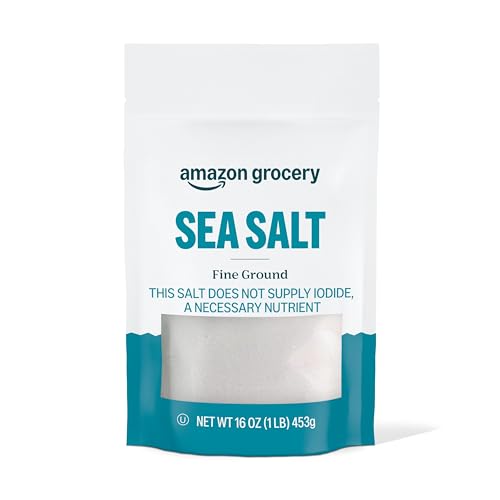
Amazon Grocery Fine Ground Sea Salt 16 oz
Strengths
- Extremely affordable
- Fine texture
- Easy to find
Trade-offs
- Unclear if non-iodized
- May contain additives
- Not ideal for brines
This Amazon Grocery fine sea salt is shockingly cheap, and for general cooking, that makes it a steal. But when it comes to canning, the label doesn’t explicitly state whether it’s non-iodized or free of anti-caking agents, two dealbreakers for safe, clear pickling. Some reviewers use it for canning without issues, but others warn of slight cloudiness, which hints at additives.
On paper, it’s risky. I wouldn’t bet a summer’s harvest on a salt that doesn’t guarantee purity. Compared to dedicated pickling salts, this one cuts corners. But if you’re on a tight budget and only doing occasional, low-stakes pickles, it might suffice. For anything fermented or shelf-stable, I’d spend a little more for certainty.
Product photos


Diamond Crystal Kosher Salt 3 lb

Strengths
- No additives
- Less sodium
- Flaky texture
- Multi-use
- Trusted brand
Trade-offs
- Coarse grain
- Slower dissolution
- Not ideal for brines
Diamond Crystal’s kosher salt is a favorite in kitchens for its light, flaky texture and 53% less sodium by volume than table salt. It’s pure, no additives, and many home cooks use it for pickling in a pinch. But its coarse, hollow flakes dissolve slower than fine pickling salt, which can lead to uneven brines if not fully dissolved first.
Reviewers love it for seasoning and brining meats, and it’s excellent for general use. But for precise canning where consistency matters, I’d rather see a fine, uniform grain. Compared to dedicated pickling salts, it’s less reliable for water-based preservation. That said, if you already have this in your kitchen, it’s safe to use, just dissolve it completely.
Video review
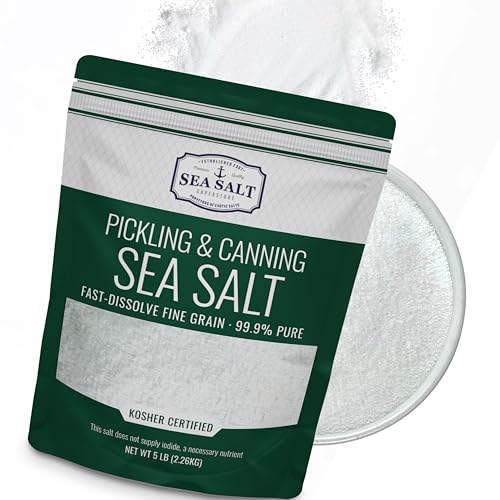
Sea Salt Superstore Pickling & Curing Salt 5 lb
Strengths
- Best value size
- Kosher certified
- No additives
- Fine consistent grain
- Gluten free
Trade-offs
- No resealable bag
- Heavy for small kitchens
This 5 lb bag is the smart buy for most serious home preservers. It’s non-iodized, free of anti-caking agents, kosher-certified, and dissolves cleanly in brines, everything you need for safe, clear pickling and curing. The fine grain ensures even distribution, and owners report consistent results across ferments and canned goods.
At this size, the price per ounce is among the lowest in the lineup, beating even the smaller Sea Salt Superstore options. Compared to Morton, it offers kosher certification and sea-based sourcing, which some prefer. If you can store it, this is the most balanced mix of value, purity, and trust.
Video review
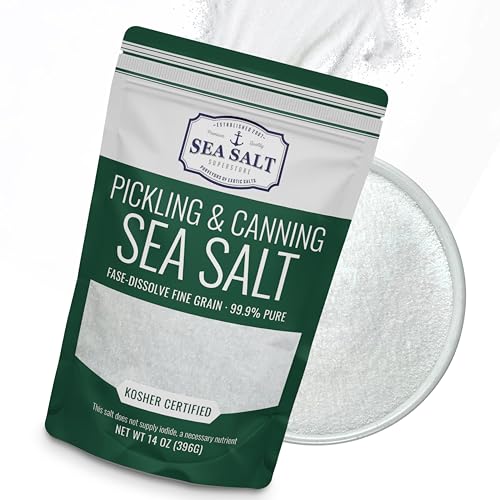
Sea Salt Superstore Pickling Salt 14 oz
Strengths
- Perfect for small batches
- Dissolves quickly
- Additive free
Trade-offs
- Expensive per ounce
- Limited quantity
- Redundant if buying larger sizes
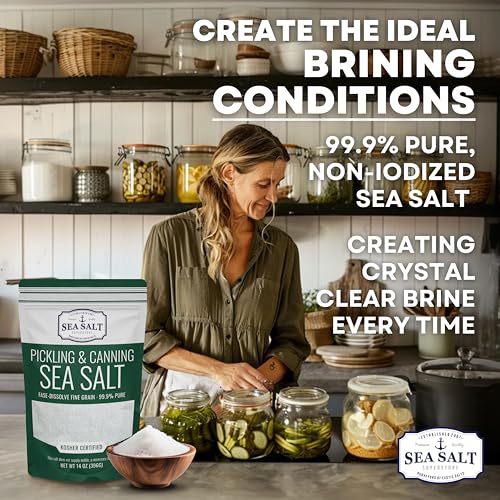
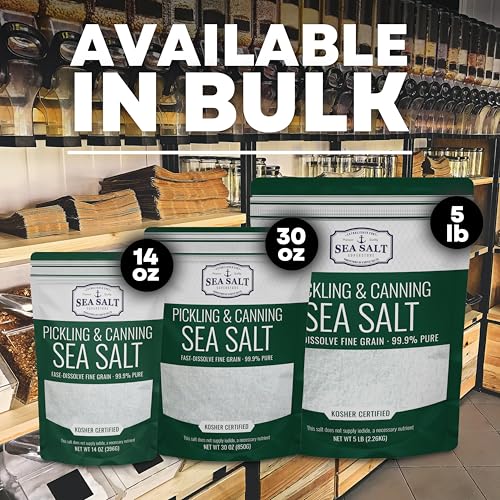
At 14 oz, this is the smallest offering from Sea Salt Superstore in their pickling line, and it’s clearly aimed at small-batch fermenters or occasional pickle makers. The specs match their other versions, fine grain, non-iodized, no anti-caking agents, so performance in brines should be consistent with their larger bags. Reviewers note it works well for quick pickles and small ferments like sauerkraut or kimchi jars.
But at nearly the same price per ounce as their 30 oz bag, it’s hard to justify unless you’re truly making tiny batches. If you’re just starting out or have limited storage, this lets you test their salt without waste. Still, I’d only recommend it if you’re not ready to commit to bigger sizes.
Product photos
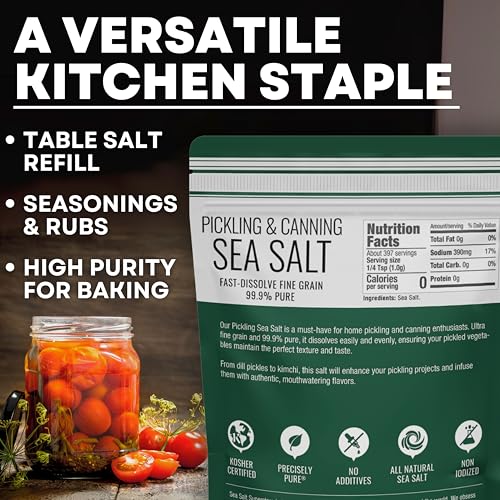


Sea Salt Superstore Pickling Salt 30 oz
Strengths
- Non-iodized
- Fine grain
- Kosher certified
- Gluten free
- No additives
Trade-offs
- Higher cost per ounce
- Smaller value than 5 lb
- Same quality as bigger bag
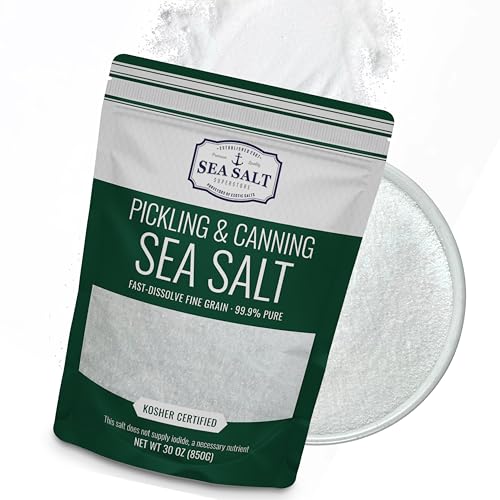
This 30 oz option from Sea Salt Superstore delivers exactly what serious home canners need: a clean, non-iodized salt with fine, consistent crystals that dissolve smoothly in brines. The absence of anti-caking agents and iodine is critical for clear pickling liquids and stable fermentation, and owners consistently report no cloudiness or off-flavors. On paper, it’s nearly identical to their larger 5 lb version, but at a higher price per ounce.
Still, for someone who wants a mid-sized premium option without committing to bulk, this is a solid middle ground. It’s kosher-certified and gluten-free, which matters for those following strict dietary guidelines. I’d pick the 5 lb bag if I were stocking a pantry long-term, but this one suits cooks who process seasonally and value resealable freshness without overspending on storage.
Product photos
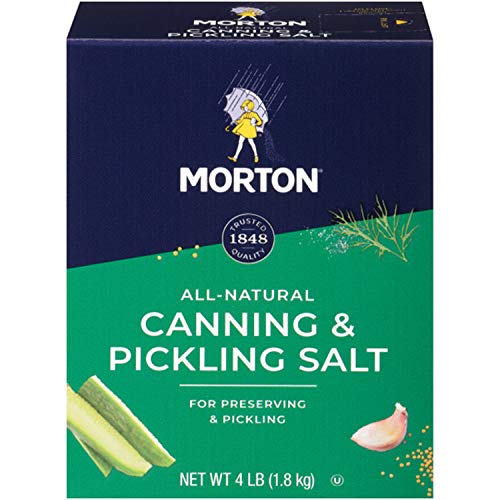
Morton Canning & Pickling Salt 4 lb (4-Pack)

Strengths
- High volume
- Low cost
- Fine texture
- Trusted brand
- No additives
Trade-offs
- No resealable bag
- Not kosher certified
- Bulk packaging awkward
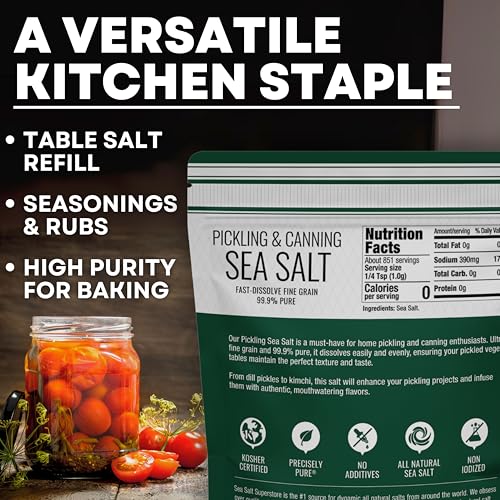
Morton’s 4 lb bag, sold as a 4-pack, so actually 16 pounds total, is the go-to for high-volume canners who hate running out. The salt itself is pure, fine-grained, and non-iodized, which is essential for clean brines. It’s not sourced from the sea like some others, but it’s reliable, widely trusted, and has been used in home kitchens for generations.
Owners praise its consistency and low cost, though some mention the packaging isn’t resealable, which can be a problem in humid climates. Compared to the Sea Salt Superstore 5 lb, it’s cheaper and more readily available, but lacks kosher certification. If you’re doing bushels of pickles every summer, this is the workhorse you want.
Product photos

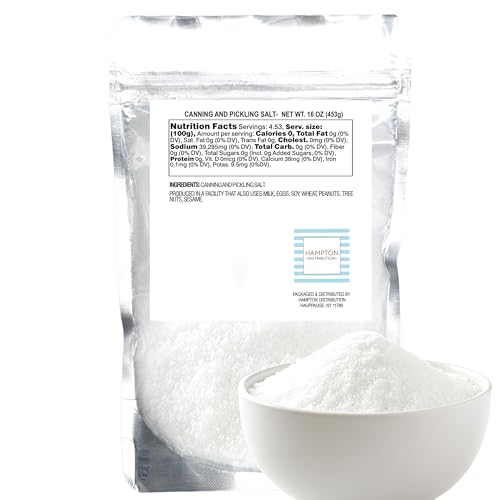
Hampton Distribution Canning & Pickling Salt 1 lb
Strengths
- Resealable packaging
- Fine grain
- Multi-use
Trade-offs
- No kosher certification
- Limited provenance info
- Higher price for 1 lb
The standout here is the resealable bag, rare in this category and a real win for anyone fighting humidity or storing salt long-term. The salt itself is ultra-fine and dissolves fast, which is ideal for brines, and the listing emphasizes its versatility beyond canning, like seasoning snacks or meats. But unlike others, it doesn’t specify kosher certification or source origin.
Owners like the convenience, but some note it’s priced like a premium product without clear advantages over Morton or Sea Salt Superstore. If you live in a damp climate or hate transferring salt to another container, this packaging edge might be worth the cost. Otherwise, you’re paying more for convenience than performance.
Product photos
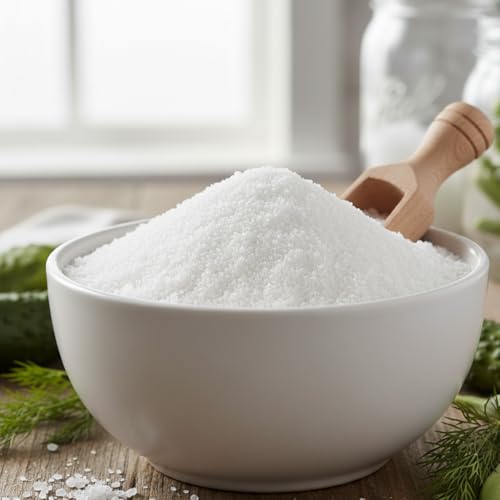

How We Evaluated salt for canning
My approach to recommending cookware – and, in this case, canning salt – begins with a thorough review of product specifications and reported features. Rather than a hands-on lab test, this is a research-led comparison of what manufacturers claim and how those claims align with the needs of successful home canning. I then weigh those details against a large volume of owner reviews and expert opinions from trusted food preservation sources to build a complete picture of performance.
For canning salt, purity and grain size are paramount. A salt that isn’t specifically designed for canning – meaning it doesn’t contain iodine or anti-caking agents – can lead to cloudy brine and potentially compromise the preservation process. Equally important is a fine grain; it needs to dissolve quickly and evenly for consistent results. You can find more information about the nuances of types of sea salt elsewhere on the site, but for canning, those factors take priority.
Specifications reliably indicate whether a salt is iodized or contains additives, a critical distinction. However, owner feedback provides valuable insight into how easily the salt dissolves, how well it flows from containers, and whether it truly delivers a clear brine. Reputation also matters; established brands specializing in preserving ingredients often have a track record of consistent quality. If you’re looking to build out the rest of your kitchen, we also have a guide to essential canning equipment.
Choosing The Right salt for canning
Choosing the right salt for canning is surprisingly nuanced. It’s not simply about flavor; it’s about safety, texture, and the overall success of your preserved foods.
Proper canning salt should be pure sodium chloride, free of additives like iodine or anti-caking agents. These additions can darken pickles, create cloudy brines, and potentially interfere with the curing process. A fine grain is essential for even distribution and quick dissolving, crucial for consistent preservation and flavor. Look for salts specifically labeled for canning or pickling, they’re formulated to avoid these issues.
Grain Size and Dissolvability
The texture of the salt matters enormously when you’re creating brines and pickling solutions. A coarser salt, like some kosher salts, might be wonderful for seasoning a steak (and I frequently recommend exploring kosher salt brands for everyday cooking), but it won’t dissolve as quickly or evenly in a cold liquid. This can lead to inconsistent salinity throughout your jars. Generally, a very fine grain is preferred, ensuring the salt distributes thoroughly and doesn’t leave gritty residue. Diamond Crystal, while a favorite for general seasoning, might require more stirring to fully dissolve compared to a dedicated canning salt.
Iodine and Additives: A Critical Distinction
This is where many home canners go wrong. Table salt, often iodized, is absolutely not the best choice. Iodine can cause discoloration in your pickles and may even impact the effectiveness of the preservation process. Anti-caking agents, also frequently found in table salt, can create cloudiness in your brine. Look specifically for salts labeled as “non-iodized” and “without additives.” Many brands, like Sea Salt Superstore’s pickling salt, highlight this purity as a key feature.
- For small-batch projects, a smaller container like the 14oz Sea Salt Superstore option provides enough salt without excessive waste.
- If you can regularly, processing large yields of fruits and vegetables, a larger 5lb or 4lb bag (Morton or Sea Salt Superstore) offers better value.
- Resealable packaging, as found in the Hampton Distribution salt, is a small but significant detail. It protects the salt from moisture and keeps it flowing freely.
Purity and Brand Reputation
While many salts can technically be used for canning, opting for a brand specifically geared towards preserving offers peace of mind. These brands understand the unique requirements of canning and prioritize purity. It’s also vital to consider the quality of your other canning supplies, such as ensuring you have reliable canning lids for a proper seal. A reputable brand will consistently deliver a product free of unwanted additives, and will clearly state its sourcing on the packaging.
Never substitute table salt for canning salt. The additives present in table salt can compromise the quality, color, and safety of your preserved goods.
Salt for Canning Compared
Here’s a comparison of key specifications for various salts used in canning.
| Product | Weight | Grain Size | Iodized? | Kosher? | Best Use |
|---|---|---|---|---|---|
| Amazon Grocery Fine Ground Sea Salt 16 oz | 16 oz | Fine | N/A | N/A | General Use |
| Diamond Crystal Kosher Salt 3 lb | 3 lb | Coarse | No | Yes | Multi-Use |
| Sea Salt Superstore Pickling & Curing Salt 5 lb | 5 lb | Fine | No | Yes | Brining/Curing |
| Sea Salt Superstore Pickling Salt 14 oz | 14 oz | Fine | No | Yes | Small Batch |
| Sea Salt Superstore Pickling Salt 30 oz | 30 oz | Fine | No | Yes | Mid-Size |
| Morton Canning & Pickling Salt 4 lb (4-Pack) | 4 lb | Fine | Yes | N/A | Canning/Brining |
| Hampton Distribution Canning & Pickling Salt 1 lb | 1 lb | Ultra-Fine | N/A | N/A | Versatile |
Frequently Asked Questions
What’s the biggest mistake people make when choosing salt for canning?
The most common error is using iodized table salt; the iodine and anti-caking agents can discolor your preserves and potentially affect the seal. Always choose a salt specifically labeled for canning or pickling to avoid these issues.
Is kosher salt a suitable substitute for canning salt?
While some kosher salts are pure sodium chloride, most have a coarser grain than ideal for canning and may not dissolve quickly enough for consistent results. For reliable preservation, I recommend sticking with a fine-grain canning salt.
How important is the packaging of the canning salt?
Resealable packaging is surprisingly important as it protects the salt from humidity, preventing clumping and ensuring it flows freely when you need it. A good seal helps maintain the purity and usability of the salt over time.
Can I use sea salt for canning if it doesn’t contain iodine?
Generally, yes, a pure sea salt without additives can work, but it’s crucial to verify the grain size is fine enough for quick dissolving. Dedicated canning salts provide more assurance of both purity and appropriate texture, and are often more economical for frequent canners.
Where can I find all the other supplies I’ll need to get started?
Beyond the right salt, you’ll need quality equipment to can safely and effectively. Consider investing in complete canning kits that include everything from jars to funnels, or browse a selection of durable canning jars to build your own set.
The Bottom Line
Choosing the right canning salt often comes down to balancing convenience with control. While a larger bag offers economy, a smaller container might be more practical if you only can occasionally. Ultimately, though, I believe the Morton Canning & Pickling Salt 4 lb (4-Pack) strikes the best balance for most home canners – it’s a trusted brand, readily available, and provides a substantial quantity at a competitive price.
For those who prioritize small-batch projects or want to minimize waste, the Sea Salt Superstore Pickling Salt 14 oz is an excellent choice. And if you’re looking for a versatile option that works well for various preserving tasks, the Hampton Distribution Canning & Pickling Salt 1 lb offers an ultra-fine grain and resealable packaging. Don’t forget to consider investing in proper canning tools alongside your salt to ensure a safe and efficient process.
Beyond grain size and purity, remember that successful canning relies on following tested recipes and adhering to proper safety procedures. A quality salt is a crucial component, but it’s just one piece of the puzzle. Proper technique and careful attention to detail – along with appropriate salt storage containers to keep your salt dry – will ultimately determine the quality and longevity of your preserved harvest.
