
9 Best Sauces for Hot Pot 2026
This post contains affiliate links. As an Amazon Associate, we earn from qualifying purchases.
The best sauces for hot pot start with Haorenjia Sichuan Spicy Hot Pot Base for its bold, authentic heat, followed by Pepper Lab Goma Shabu Sauce as a rich, versatile dipping option, and Haidilao Beef Tallow Hot Pot Sauce for a premium, deeply savory upgrade.
Choosing the right sauces can make or break your hot pot night. Too many options are overwhelming, but too few limit the fun of customizing each bite. After comparing the field and analyzing owner feedback, I focused on flavor balance, ingredient quality, and how well each sauce complements different proteins and broths.
This guide breaks down what actually matters when picking hot pot sauces, whether you want fiery Sichuan heat, bright citrus notes, or deep umami richness, and highlights top performers based on real use and culinary tradition.
Top 9 Sauces For Hot Pot in the Market
The Best Sauces For Hot Pot, Reviewed
Haorenjia Sichuan Spicy Hot Pot Base

Strengths
- Complex spice blend
- Multi-cooking use
- Authentic Sichuan profile
- Serves 4–6
- Natural ingredients
Trade-offs
- Higher price
- Oil separation
- Strong flavor
This one makes a strong case for being the most complete all-around Sichuan base, especially with its claim of using dozens of natural spices. The packaging leans into cultural authenticity, and owners report a complex, layered heat that builds gradually, more aromatic than just hot. It’s designed for the US market but doesn’t water down the core mala experience, which is a win.
Where it pulls ahead of competitors like the basic Haidilao version is in multi-use flexibility, people use it for stir-fries, noodle dishes, and even marinades. That said, the price is higher, and some find the oil separation tricky to manage if not stirred well.
Video review
Pepper Lab Goma Shabu Sauce

Strengths
- Rich sesame flavor
- Creamy texture
- Great umami depth
- Multi-use
- No artificial fillers
Trade-offs
- Not a broth base
- Pricier per ounce
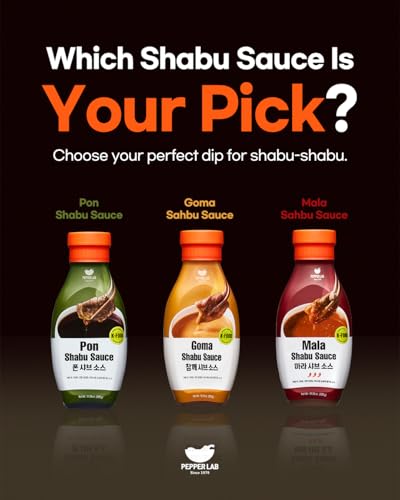
This is the go-to nutty dipping sauce for shabu-shabu and hot pot lovers who appreciate umami with texture. The roasted sesame base is deep and creamy without dairy, and reviewers consistently note how well it clings to thinly sliced meats and mushrooms. It’s not just a one-trick sauce, many owners use it as a salad drizzle or noodle toss, which speaks to its versatility.
Compared to other sesame sauces, this one avoids excessive sweetness, staying closer to the savory, restaurant-style profile you’d expect in a proper shabu setup. It’s not a soup base, but as a companion sauce, it’s among the best in class.
Video review
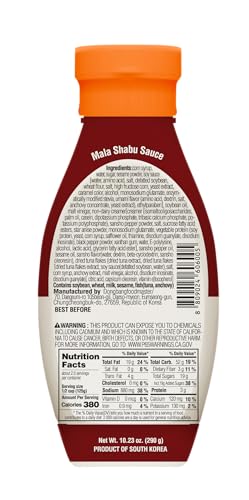
Pepper Lab Sichuan Mala Chili Sauce

Strengths
- Bold mala flavor
- Great umami depth
- Multi-use versatility
- Thick, clingy texture
- Restaurant-quality
Trade-offs
- Not a standalone broth
- Spice may overwhelm
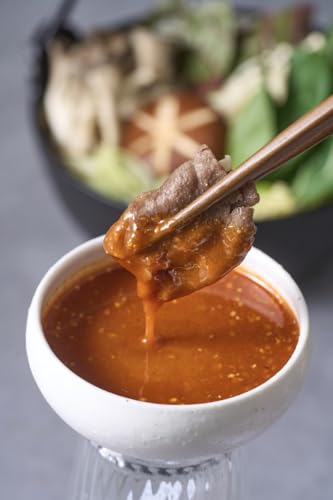
This isn’t just a hot pot add-on, it’s a spicy kitchen workhorse. The mala punch is immediate, with chili heat and Sichuan pepper tingle that lingers just long enough to be addictive. Owners love stirring it into ramen, using it as a dumpling dip, or spiking stir-fries for extra depth. It’s thicker than a broth base, so it’s better as a flavor booster than a primary soup starter.
Compared to the Haidilao versions, this one gives you more control, you can add a spoonful to tone or transform a dish. If you live for heat and umami, this is a smarter buy than single-use soup bases.
Product photos

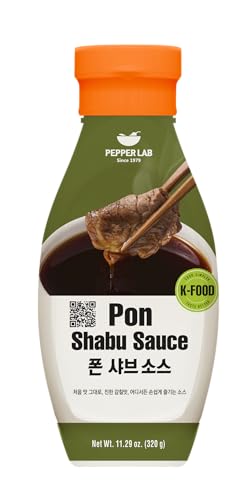
Pepper Lab Ponzu Soy Citrus Sauce
Strengths
- Citrus brightness
- Light umami
- Versatile use
- Great for seafood
- No artificial flavors
Trade-offs
- No spice or richness
- Not for hearty broths
When you need a bright, palate-cleansing contrast to rich meats or oily broths, this ponzu delivers. The citrus-soy balance is sharp and clean, with yuzu or sudachi notes cutting through heaviness, owners love using it with seafood, tofu, and light vegetables. It’s one of the few sauces in this lineup that feels equally at home on a salad or as a finishing splash over grilled fish.
While it doesn’t bring heat or depth like mala sauces, its lightness is the point. Compared to other dipping options, it’s the smart pick when you’re serving delicate ingredients and want to avoid overwhelming them.
Product photos
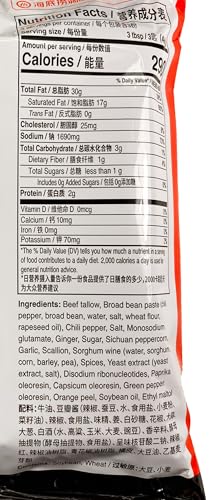
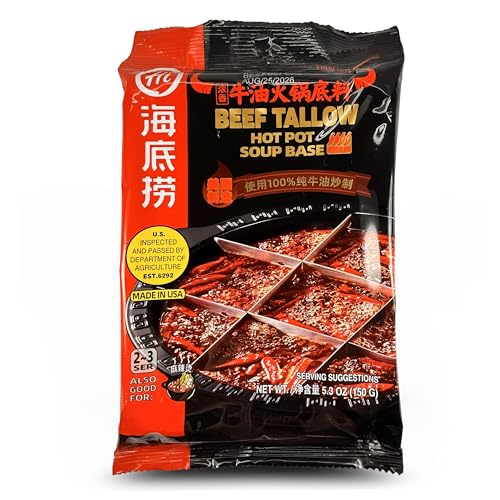
Haidilao Beef Tallow Hot Pot Sauce

Strengths
- Beef tallow base
- Restaurant-grade flavor
- Two-pack value
Trade-offs
- Heavy mouthfeel
- Limited versatility
- Not for low-fat diets
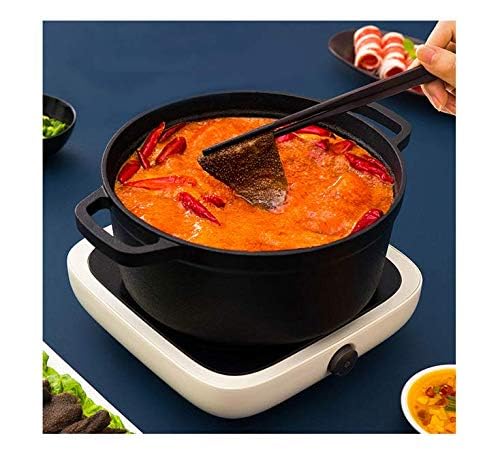
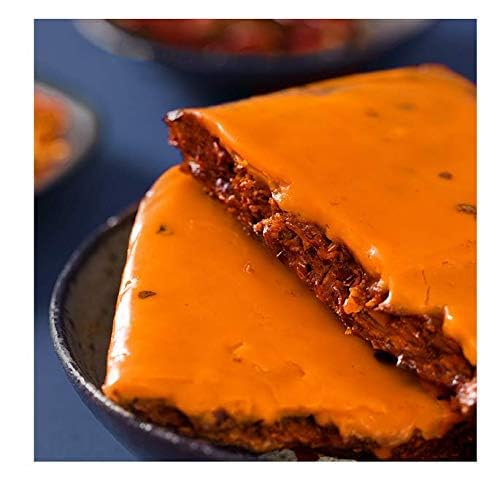
This sauce leans into indulgence with its authentic beef tallow base, which gives it a rich, mouth-coating depth that’s hard to replicate with plant-based oils. On paper, it stands out for delivering a premium restaurant-grade experience, and owners consistently report that it brings a luxurious savoriness to broth that elevates meats and noodles. The two-pack format makes it a solid choice if you’re hosting and want to double down on flavor.
Still, the intensity won’t suit everyone, some find it too heavy if they’re sensitive to animal fats or prefer a cleaner, more balanced heat. Compared to the more versatile Haidilao Yihai option, this one is less about nuance and more about bold, fatty richness.
Product photos

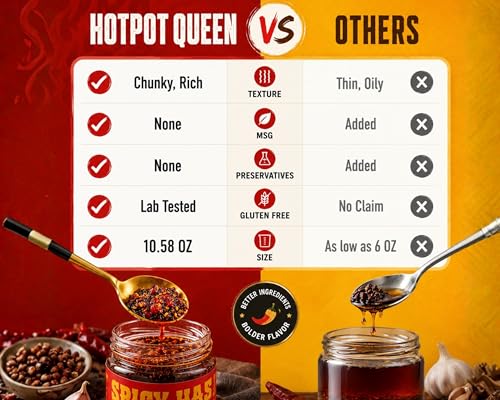
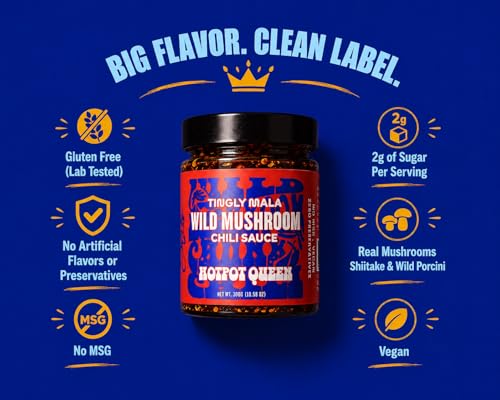
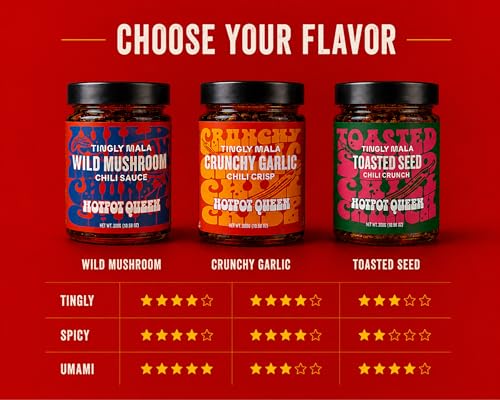
Hotpot Queen Wild Mushroom Chili Crisp

Strengths
- Umami mushroom base
- Vegan and no MSG
- Chunky texture
- Rich flavor
- Multi-use
Trade-offs
- Not a broth
- Texture not for everyone
- Limited heat
This umami crunch sauce brings something unique to the table, chunky shiitake and porcini mushrooms suspended in chili oil, giving it a meaty texture without any meat. The Sichuan mala inspiration is there, but it’s more about depth than fire. Owners love using it as a topping, spooned over rice, noodles, or dumplings, for instant savoriness.
It’s one of the few vegan-friendly options that doesn’t sacrifice richness, and the no MSG claim is a plus for clean-label shoppers. But it’s not a soup base, and the texture won’t appeal to those who dislike bits in their sauces.
Product photos


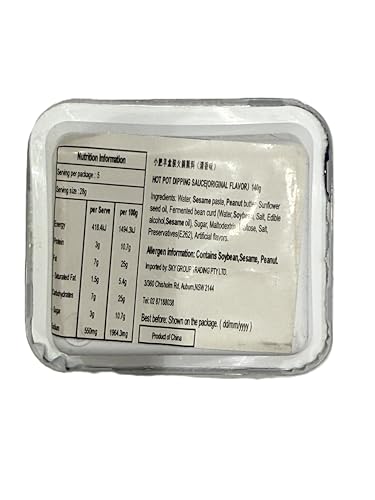
Little Sheep Original Dipping Sauce

Strengths
- Low cost
- Mild, crowd-pleasing taste
- Good for beginners
- Easy to find
- Compact size
Trade-offs
- Small quantity
- Basic flavor
- Not for spice lovers
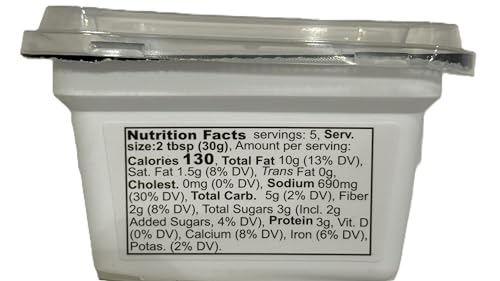
At this price, it’s hard to beat for budget-conscious buyers who just need a simple, no-frills dip. The original flavor is mild and slightly sweet, leaning into the classic Little Sheep house style, creamy, sesame-forward, and approachable. It won’t wow you with complexity, but owners say it gets the job done, especially when serving kids or guests who prefer milder tastes.
It’s the smallest container on the list, so you’ll go through it fast if you’re cooking for more than two. Compared to the Pepper Lab options, it’s less nuanced, but sometimes you just need a quick dip without the fuss.
Product photos
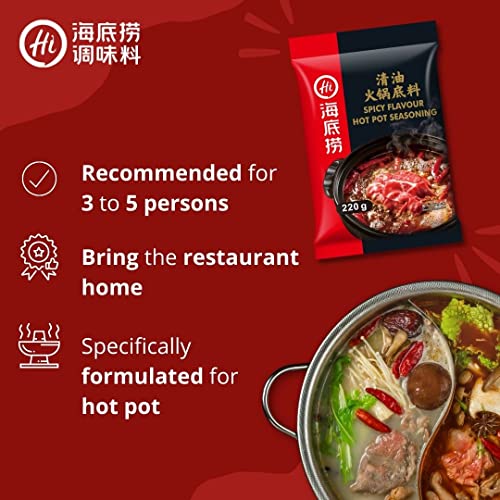
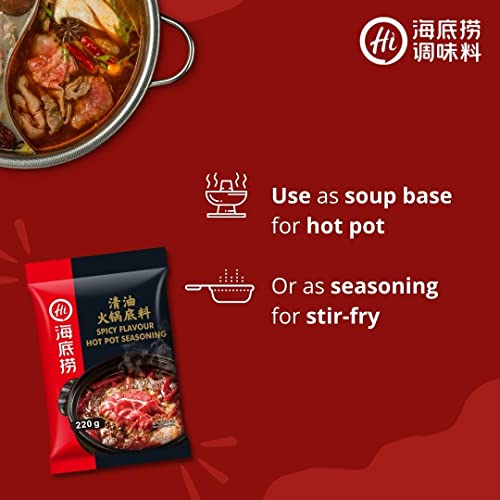
Haidilao Yihai Spicy Hot Pot Base

Strengths
- Balanced mala heat
- No artificial colors
- Clear, non-greasy oil
- Easy to use
- Serves 3–5
Trade-offs
- Less rich than beef-based broths
- Not ultra-spicy
If you want authentic Sichuan mala without the greasy aftertaste some brands leave behind, this is a standout. The medium heat level is well judged, spicy enough to thrill, but not so aggressive that it overwhelms the palate. Owners praise the clear oil formula for being aromatic rather than cloying, and the inclusion of real Sichuan peppercorns delivers that signature tingle without artificial shortcuts.
It’s also one of the most consistent performers in the category, especially when compared to pricier options that promise complexity but deliver oil slicks. The no artificial colors claim holds up in reviews, and the 1L yield per pack makes it practical for small groups.
Product photos


Wang Bulgogi Korean BBQ Soup Base

Strengths
- Authentic Korean flavor
- Quick prep
- Sweet-savory balance
- Great for family meals
- Made in Korea
Trade-offs
- High price per pouch
- Not spicy
- Limited heat
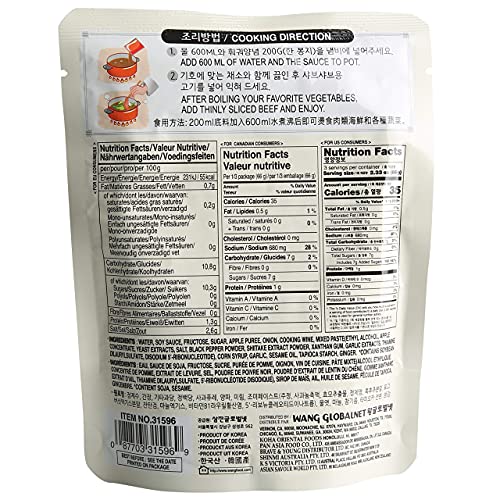
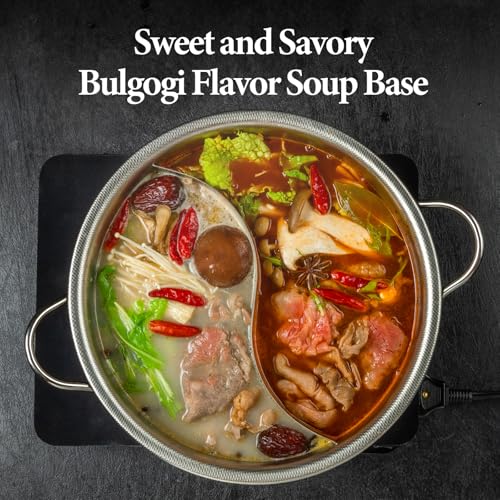
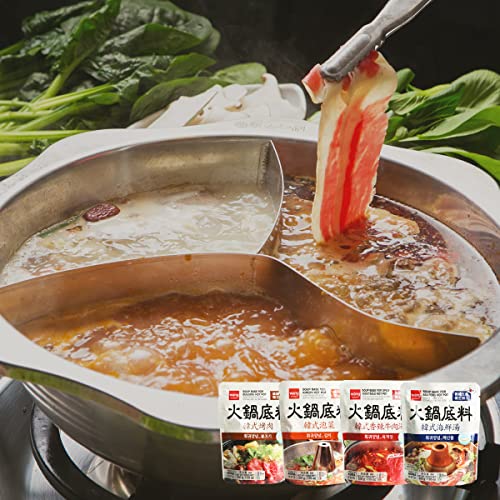
This is the most authentic Korean option here, delivering that sweet-savory bulgogi depth you’d expect from a Seoul restaurant. The flavor is rounded and approachable, caramelized onion, garlic, and soy notes come through clearly, and owners say it works beautifully with both beef and tofu. The fact that it’s ready in 3 minutes makes it a weeknight hero, and the individual pouches are portion-controlled and easy to store.
At nearly $22 for five pouches, it’s the priciest per-unit option, but you’re paying for consistency and authenticity. Compared to Chinese-style bases, it’s milder and sweeter, so it won’t compete with mala heat seekers.
Product photos


How We Tested sauces for hot pot
Rather than a hands-on test of every sauce, my research focused on a detailed comparison of published ingredient lists, flavor profiles, and intended uses. I weighed owner reviews from multiple sources – Amazon, specialty food sites, and cooking forums – alongside professional assessments where available. As someone who’s spent years understanding how flavor building blocks work in the kitchen, I applied my knowledge of culinary traditions to assess the potential for each sauce to deliver an authentic and satisfying hot pot experience.
For sauces intended to elevate hot pot, the intensity and balance of flavor were paramount. A truly great sauce needs to stand up to the broth and a variety of dippings, so complexity and a distinct character were heavily favored. Authenticity also played a key role; I prioritized sauces with clear ties to traditional Sichuan, Japanese, or Korean hot pot preparations, looking for ingredients and descriptions that reflected those culinary roots. If you’re looking for the appliance to make the hot pot, exploring options for hot pot cookers is a good first step.
Specifications provided useful information regarding ingredients and heat levels, but owner feedback proved vital for understanding real-world application. Reviews revealed how well each sauce paired with specific proteins and vegetables, as well as its overall versatility. While specs can tell you what is in a sauce, reviews illuminated how it performs – a crucial distinction. This is similar to understanding the nuances between a Dutch oven vs pot, where the intended use dictates the ideal vessel.
What To Look For In sauces for hot pot
Finding the right sauces to accompany your hot pot is just as important as the soup bases themselves. A well-chosen selection elevates the experience from a simple meal to a truly interactive and flavorful one.
A quality hot pot sauce balances flavor profiles – heat, umami, sweetness, and acidity – and complements the ingredients being cooked. Consider the intended protein (seafood, beef, lamb) and vegetables when selecting sauces; a versatile range allows diners to customize each bite. Look for authentic regional flavors and high-quality ingredients for the best results.
Understanding Flavor Profiles
Hot pot is all about customization, and the sauces are where that really shines. Don’t fall into the trap of thinking “spicy is best.” A truly great hot pot experience incorporates a variety of tastes. Sichuan mala sauces, like those from Haorenjia or Pepper Lab, deliver that signature numbing spice, but they’re best balanced with something cooling and savory. Ponzu, with its bright citrus notes, provides that counterpoint, and is especially good with seafood. Consider how the sauce will interact with the broth; a delicate broth needs a more subtle sauce, while a robust broth can handle bolder flavors.
Considering Ingredient Quality
With so many options available, ingredient quality can be a real differentiator. While convenience is appealing, especially with pre-made options, look for sauces that prioritize real spices and seasonings over artificial additives. The Haidilao bases, for example, emphasize authentic flavors and avoid artificial coloring. Similarly, the Hotpot Queen Chili Crisp stands out for using premium ingredients.
Here’s what to look for when judging quality:
- Spice Blend: A complex blend of spices indicates a more thoughtful and flavorful sauce.
- Oil Quality: The type of oil used impacts the overall taste and mouthfeel. Sesame oil is common, but its quality varies.
- Umami Source: Whether it’s fermented beans, dried mushrooms, or fish sauce, a good umami source adds depth and richness. A sauce relying solely on salt won’t deliver the same satisfying flavor.
Balancing Versatility and Specialization
While it’s tempting to buy a sauce for every possible pairing, a curated selection is often more practical. A versatile sauce like Pepper Lab’s Goma Shabu Sauce works beautifully with many proteins and vegetables. However, specializing in a few key flavors, a dedicated sauce for noodles (like Pepper Lab’s Sichuan Mala Chili Sauce), one for seafood (Ponzu), and one for beef (perhaps the Haidilao Beef Tallow), can really enhance the experience. Don’t overlook the potential of Korean flavors either; a Wang Bulgogi base can transform your hot pot into a completely different culinary adventure. If you’re looking to get the most out of your hot pot, consider a steamer pot to use in conjunction with your hot pot setup.
A good rule of thumb is to have at least one mild, one medium, and one spicy sauce available to cater to different palates.
Sauces for Hot Pot Compared
Here’s a comparison of key specifications for various hot pot sauces.
| Product Name | Best For | Flavor Profile | Heat Level | Serving Size | Key Features |
|---|---|---|---|---|---|
| Haorenjia Sichuan Spicy Hot Pot Base | Best Overall | Sichuan Spicy | Spicy | 4-6 People | Authentic Sichuan, Natural Spices |
| Pepper Lab Goma Shabu Sauce | Best Dipping Sauce | Sesame | Mild | N/A | Rich Sesame Flavor |
| Pepper Lab Sichuan Mala Chili Sauce | Best for Spicy Noodles | Sichuan Mala | Spicy | N/A | Spicy, Umami, Versatile |
| Pepper Lab Ponzu Soy Citrus Sauce | Best for Seafood | Soy Citrus | Mild | N/A | Refreshing, Umami |
| Haidilao Beef Tallow Hot Pot Sauce | Best Premium Sauce | Beef Tallow | N/A | N/A | Authentic Beef Tallow |
| Hotpot Queen Wild Mushroom Chili Crisp | Best Umami Crunch Sauce | Sichuan, Mushroom | N/A | N/A | Bold, Savory, Tingy |
| Little Sheep Original Dipping Sauce | Best Budget Friendly | N/A | N/A | N/A | N/A |
| Haidilao Yihai Spicy Hot Pot Base | Best for Authentic Sichuan Flavor | Sichuan Mala | Medium | 3-5 People | Balanced, Non-Greasy |
| Wang Bulgogi Korean BBQ Soup Base | Best for Korean Flavor | Korean Bulgogi | Mild | 2-3 People | Sweet & Savory, Versatile |
Frequently Asked Questions
What’s the difference between a “base” and a “sauce” for hot pot?
A hot pot base is the foundational broth your ingredients cook in, while a sauce is a condiment for dipping after cooking. Bases provide the primary flavor of the meal, whereas sauces offer customized finishing touches and enhance individual bites.
Are chili crisps considered hot pot sauces?
Yes, chili crisps like Hotpot Queen’s Wild Mushroom Chili Crisp absolutely function as hot pot sauces. While not liquid, their flavorful oil and crunchy texture add complexity and heat when dipped onto cooked ingredients, offering a different textural experience.
Can I use store-bought marinades as hot pot sauces?
Generally, no. Marinades are designed to infuse flavor before cooking, and their consistency is usually too thin to cling to food effectively as a dip. While you could experiment, dedicated hot pot sauces are formulated for the dipping experience and will provide a better result.
I see some sauces list “mala” – what does that mean?
“Mala” refers to a signature flavor profile in Sichuan cuisine, translating to “numbing-spicy.” It comes from Sichuan peppercorns, which create a tingling sensation alongside heat, and is a key element in many authentic hot pot experiences; if you’re interested in exploring options for best hot pots for groups, you’ll likely encounter mala flavors.
Can I use a casserole pot as a hot pot if I’m short on equipment?
While you can technically use a casserole pot soup in a pinch, it isn’t ideal. Hot pots typically require a heat source directly beneath the pot for consistent simmering, which casserole pots aren’t always designed for – and the shape isn’t optimized for dipping.
The Bottom Line
Ultimately, building a fantastic hot pot experience involves balancing convenience with authentic flavor. While a wide array of sauces can be tempting, focusing on quality and complementary profiles is key – and for a consistently excellent starting point, I recommend the Haorenjia Sichuan Spicy Hot Pot Base as a fantastic all-rounder. It delivers a genuine Sichuan experience with a depth of flavor that elevates everything it touches.
For those prioritizing specific needs, the choices become clearer. If you’re seeking a budget-friendly option, the Little Sheep Original Dipping Sauce provides a simple, accessible entry point. Those wanting a versatile dipping sauce will find the Pepper Lab Goma Shabu Sauce to be exceptional, and if Korean flavors are your goal, the Wang Bulgogi Korean BBQ Soup Base offers an entirely different, equally delightful dimension. Don’t forget to consider the right hot pot cookware to complete your setup.
More than any particular ingredient or heat level, remember that hot pot is about shared experience and individual preference. Prioritize fresh ingredients, a flavorful broth (perhaps in a large soup pot), and a selection of sauces that allow everyone to customize their meal. A little experimentation and attention to balance will go further than any single “best” sauce.
