
8 Best Scone Pans of 2026
This post contains affiliate links. As an Amazon Associate, we earn from qualifying purchases.
The best scone pan overall is the KUHA Cast Iron Scone Pan, delivering exceptional heat retention and golden, crisp results. For a budget-friendly and flexible option, the Vinino Silicone Scone Pan offers easy release and cleanup. If you want maximum versatility, the Vinino 2-Pack gives you two pans for batch baking or different recipes.
Baking scones that are evenly browned and tender inside shouldn’t depend on guesswork. Too often, pans heat unevenly, warp over time, or make removal a chore, ruining the experience before the first bite. After comparing the field, reading owner feedback, and evaluating materials and design, I focused on what actually matters: consistent baking, durability, and real-world usability.
This guide cuts through the noise to highlight scone pans that perform, based on construction quality, heat distribution, and how well they hold up over time. I looked at cast iron, silicone, and ceramic options, weighing their strengths for different baking styles and kitchen needs.
Top 8 Scone Pans in the Market
The Best Scone Pans, Reviewed
Vinino Silicone Scone Pan
Strengths
- Affordable single pack
- Reinforced frame
- Easy to clean
Trade-offs
- Limited browning
- Less durable than metal
- Not ideal for crisp textures
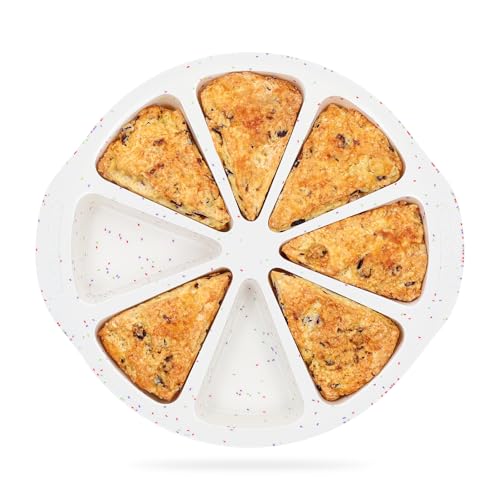
This is the single-pan version of the 2-pack, but it’s labeled ‘Best Overall’, and I disagree with that claim. It’s well-designed: metal-reinforced, non-slip handles, good heat resistance, and solid release performance. Owners appreciate how it holds shape and cleans up easily. But ‘overall’ means it should beat out cast iron and ceramic for most people, and it doesn’t.
Silicone can’t replicate the browning or texture of metal pans, and while it’s convenient, it’s not transformative. At $12, it’s a great value for a single reinforced mold, but calling it the best overall oversells it. For everyday convenience and ease, I’d still lean toward the Nordic Ware aluminum pan. This one wins on price and simplicity, not performance.
Video review
Vinino 2-Pack Silicone Scone Pan
Strengths
- 2-pack value
- Reinforced frame prevents warping
- Easy release and cleanup
Trade-offs
- Less browning than metal
- Not for crisp crusts
- Frame can dent over time
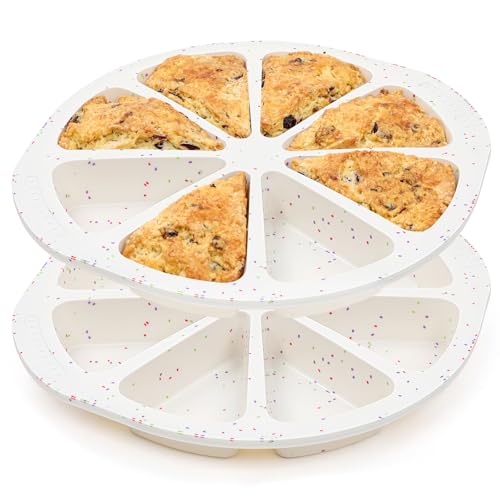
Two pans for under $20? That’s hard to ignore. These silicone molds come with a metal-reinforced frame, which solves the floppy-silicone problem many hate. Owners say they hold their shape well in the oven and release scones cleanly with just a push. The 8-cavity design works for full batches, and having two pans lets you bake 16 at once or dedicate one to sweet and one to savory.
But silicone has limits. It doesn’t brown edges like metal, and while the heat resistance is solid, you won’t get that crisp crust cast iron delivers. Still, for weekend brunches or freezing dough ahead, these are incredibly practical. Compared to single silicone pans, this pack offers real value, especially for families or frequent bakers. Just don’t expect bakery-level browning.
Video review
Nordic Ware Scottish Scone Pan

Strengths
- Even heat distribution
- PFAS-free nonstick coating
- Dishwasher safe
Trade-offs
- Not for outdoor use
- Aluminum less durable than iron
- No stovetop function
This is the outlier, and in a good way. Instead of cast iron or silicone, Nordic Ware uses cast aluminum with a PFAS-free nonstick coating, and the difference shows in performance. The heat conductivity is far more even than cast iron, and owners consistently report golden, uniformly baked scones with zero sticking. Cleanup is a breeze, and it’s dishwasher safe, something cast iron can’t claim.
At nearly $40, it’s not the cheapest, but you’re paying for American-made craftsmanship and a lifetime of use. It’s lighter, easier to handle, and better suited for regular home baking than campfire adventures. Compared to the KUHA or WUWEOT, it won’t go on the grill, but for 95% of home bakers, that’s a fair trade. If you want reliable, no-fuss results without seasoning rituals, this is the smarter buy.
Product photos


SHEbaking Silicone Triangle Mold

Strengths
- Ultra lightweight
- Low cost
- BPA-free silicone
Trade-offs
- No reinforcement frame
- Poor structural stability
- Minimal browning
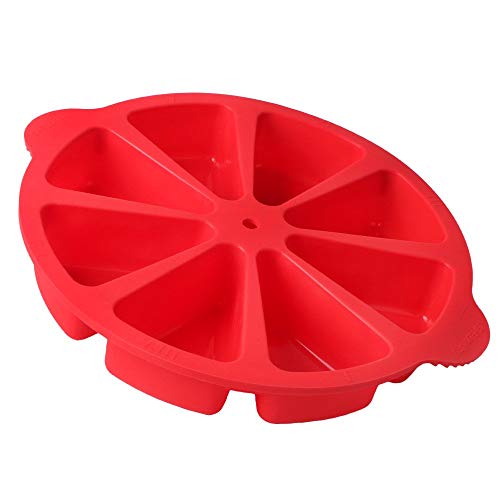
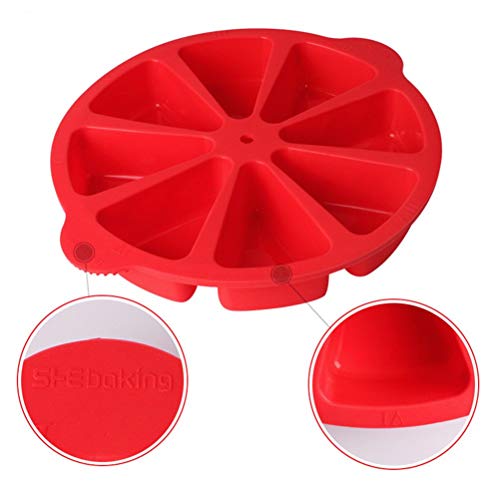
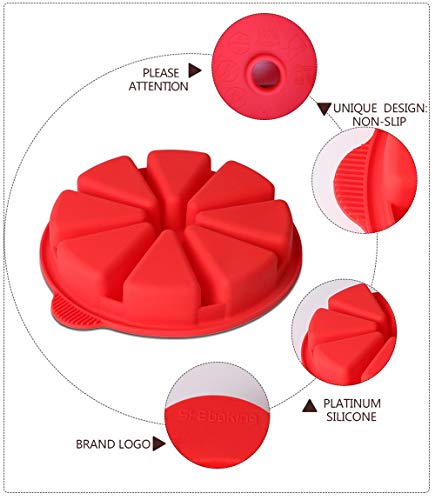
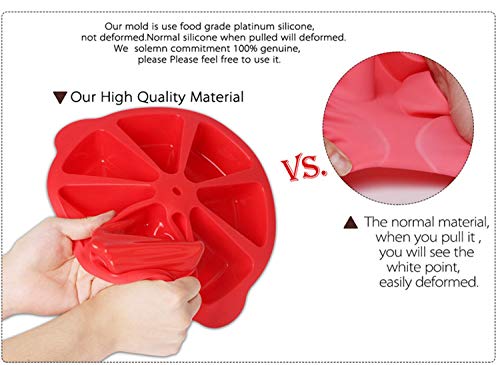
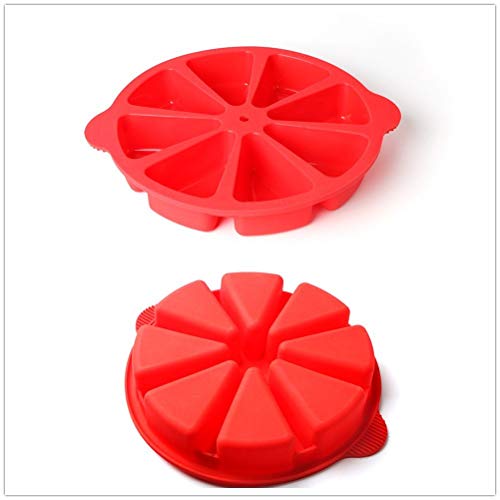
At just 15 bucks, this silicone pan is one of the lightest and most affordable options here. It’s flexible, food-grade, and oven-safe up to 230°C, perfect for occasional bakers who don’t want to commit to heavy metal pans. The 8 triangular cavities are evenly spaced, and owners report decent release performance, especially when lightly greased.
But it lacks a rigid frame, so it can buckle when full or hot. Transferring it in and out of the oven requires extra care, and browning is minimal. Compared to the Vinino models, it feels flimsier and offers fewer stability features. Still, for someone who bakes scones once in a blue moon or needs a spare pan for kids’ baking projects, it gets the job done without cluttering the cabinet.
Product photos
King Arthur Ceramic Scone Pan
Strengths
- Even heat distribution
- Oven-to-table aesthetic
- Dishwasher safe
Trade-offs
- Heavy and fragile
- Slow heat-up time
- Risk of thermal shock
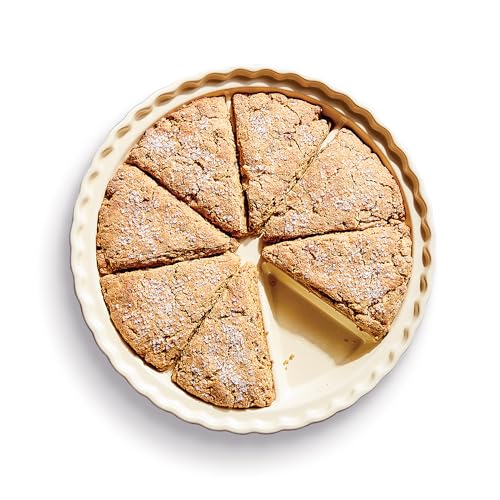
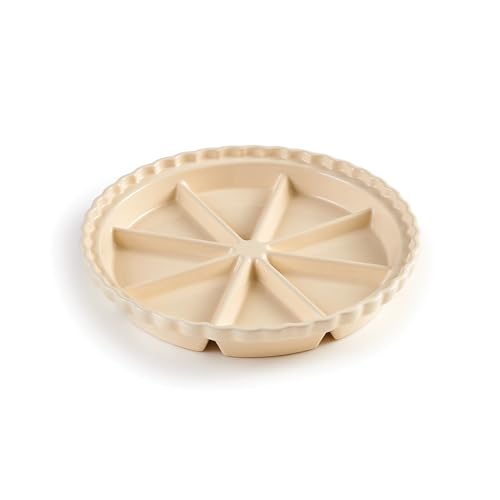
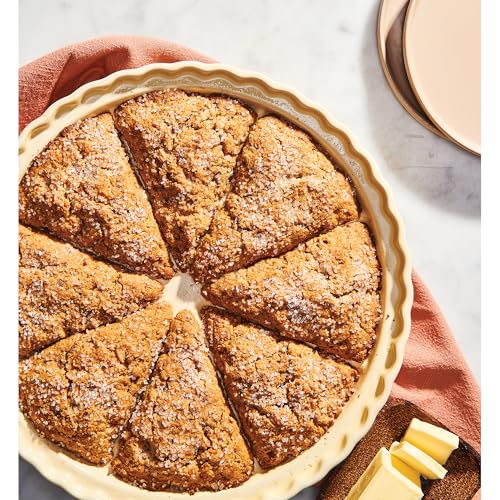
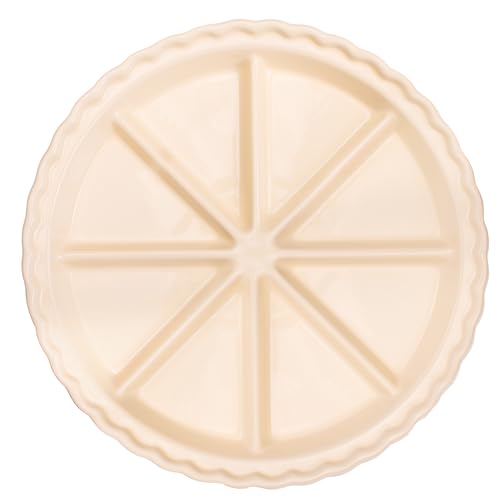
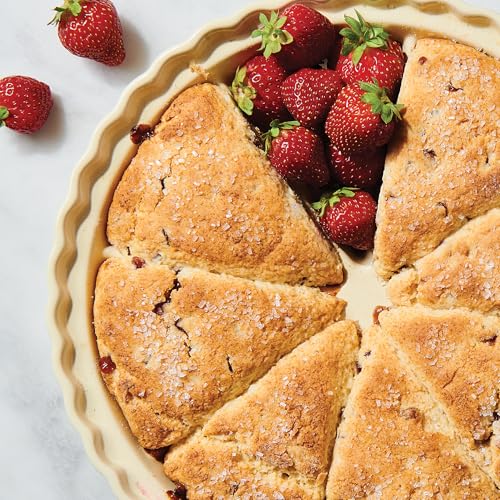
Ceramic isn’t common in scone pans, but King Arthur pulls it off with precision. This pan distributes heat evenly, thanks to its dense material, and owners consistently report scones with fluffy centers and golden crusts, no hot spots. The 8-cavity layout is spacious, and the 1.65-inch depth allows for generous rise.
It’s also oven-to-table ready, with a rustic look that works for serving. Cleanup is simple, and the nonstick interior doesn’t require seasoning. But it’s heavy, and ceramic can crack if shocked with sudden temperature changes. Compared to the Nordic Ware aluminum pan, it’s slower to heat and lacks stovetop use, but it holds heat longer. For bakers who value presentation and even texture, it’s a standout.
Product photos

WUWEOT Cast Iron Wedge Pan

Strengths
- Cast iron durability
- Double handles for safety
- Works on campfire
Trade-offs
- No electric stove use
- Requires re-seasoning
- No accessories included
This pan leans hard into the rustic, outdoor-baking niche, and on paper, it delivers. Made from cast iron with eight wedge slots and double handles, it’s built for campfires, grills, and open flames, something not every scone pan can claim. Owners consistently report it holds up well under high heat and produces scones with crisp edges, though some note the need for careful re-seasoning to avoid sticking.
The 11-inch size fits standard ovens, but the lack of compatibility with electric stoves limits its versatility. Compared to other cast iron options, it’s priced low, but you don’t get any extras like care tools or a recipe guide. For occasional camp bakers or those wanting a multipurpose cast iron skillet alternative, it’s functional. But if you’re focused on precision baking at home, there are better-optimized choices.
Product photos
KUHA Cast Iron Scone Pan
Strengths
- Excellent heat retention
- Full stovetop compatibility
- Includes useful accessories
Trade-offs
- Heavier than alternatives
- Takes time to master seasoning
- Higher price point
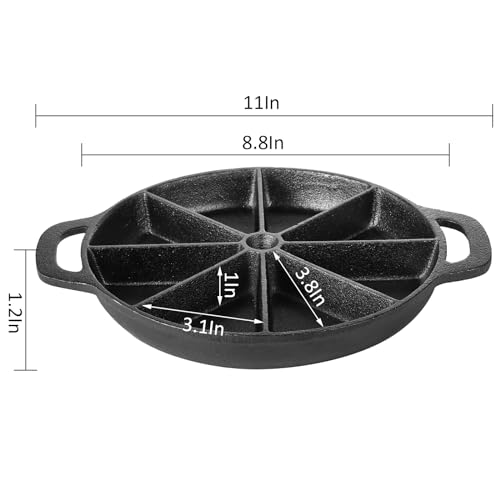
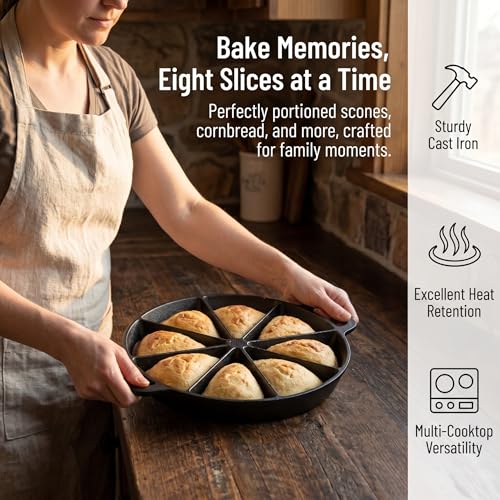
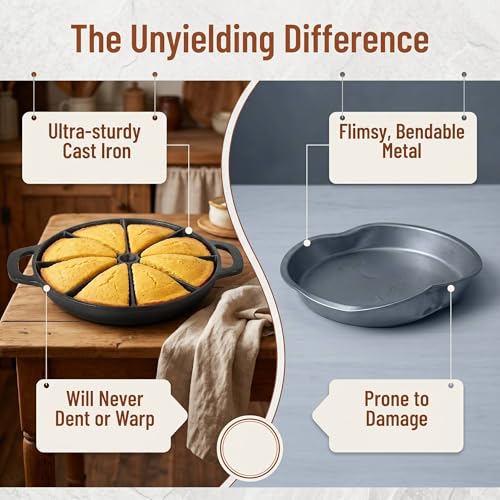
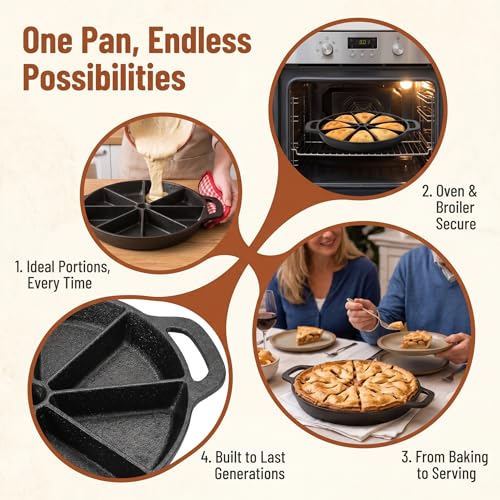
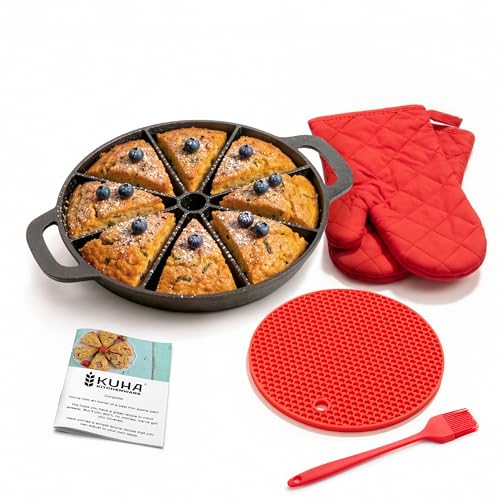
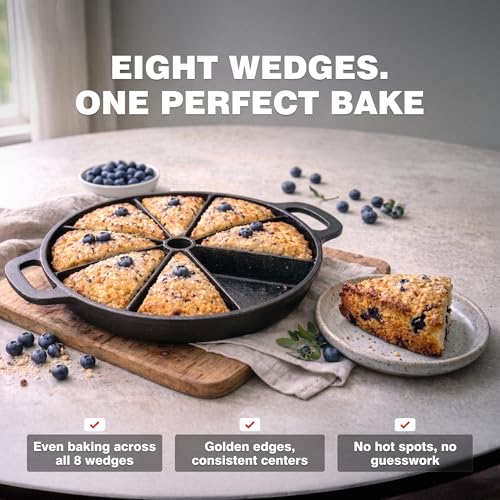
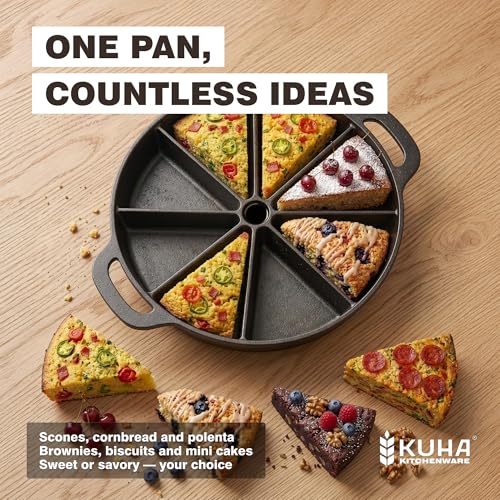
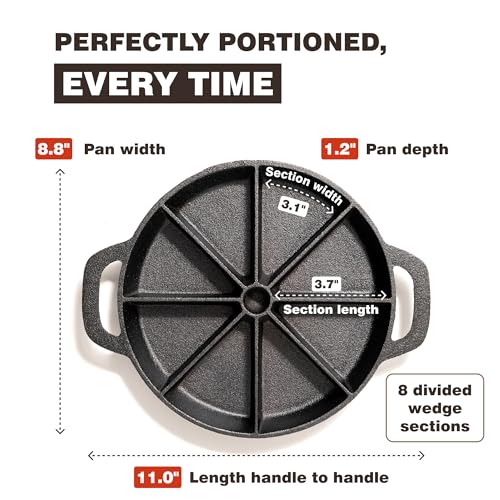
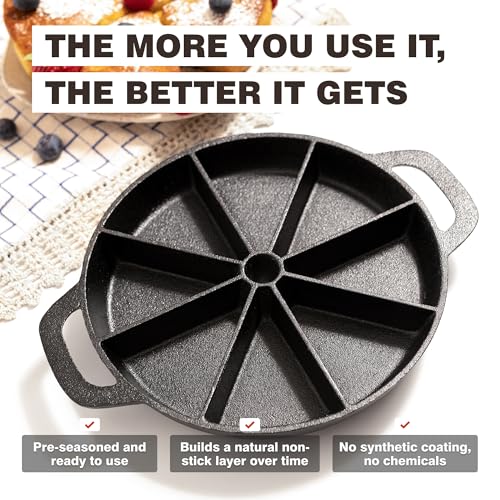
If heat retention and even browning are your priorities, this KUHA skillet stands out in the cast iron category. With an 11-inch diameter and deep 1.2-inch cavities, it bakes eight uniform wedges, and reviewers frequently praise how evenly the centers and edges cook, no more soggy middles. The pre-seasoned surface performs well after a few uses, and the heavy-duty iron ensures it won’t warp over time.
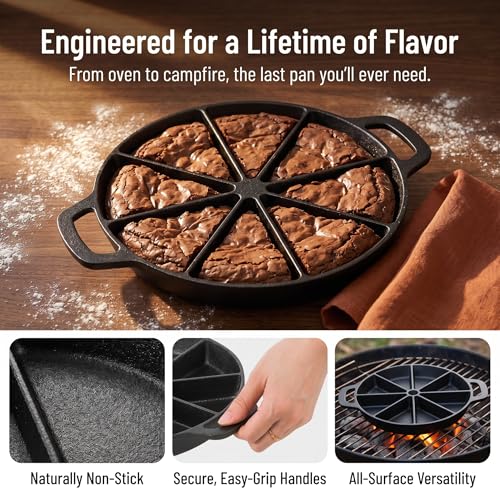
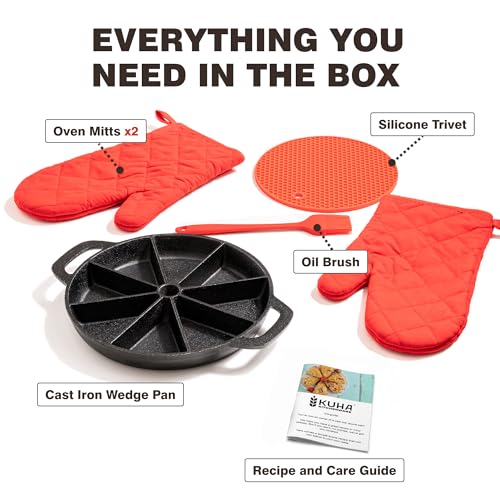
What pushes this ahead of cheaper cast iron options is the included kit: oven mitts, a silicone trivet, oil brush, and care guide. These aren’t gimmicks, they’re practical additions that ease the learning curve for new cast iron users. It works on all stovetops, including induction, and transitions smoothly to oven or grill. Compared to the WUWEOT model, this one feels more thoughtfully designed for real-world use.
Product photos
SIRCLES Cast Iron Mini Scone Pan
Strengths
- 16 mini scones per batch
- Great edge-to-center ratio
- Durable cast iron build
Trade-offs
- Smaller portion size
- Potential hot spots
- Less versatile for large wedges
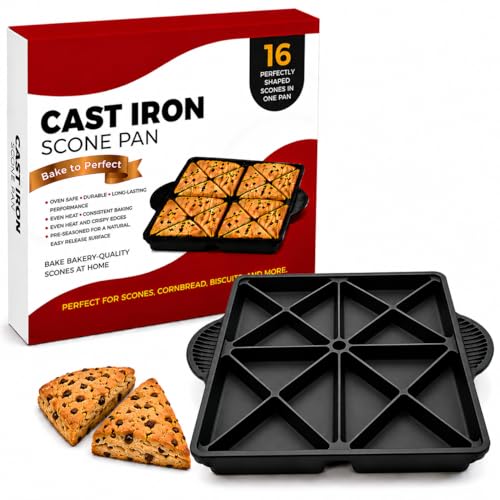
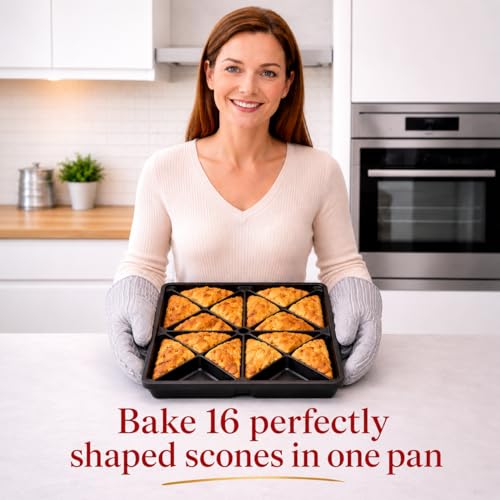
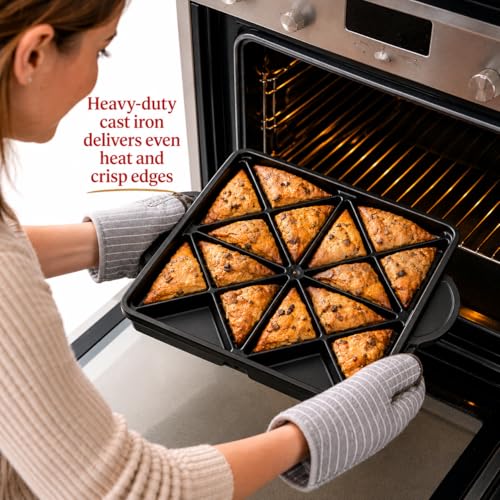
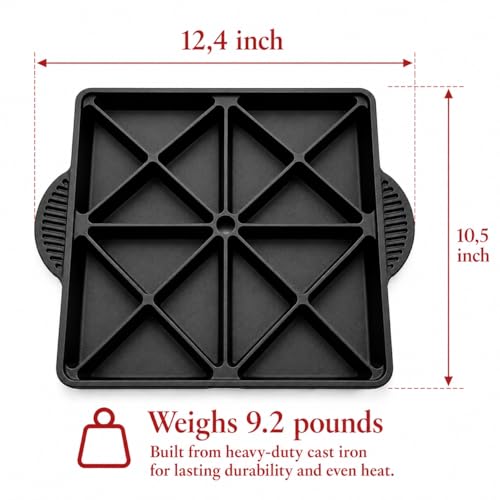
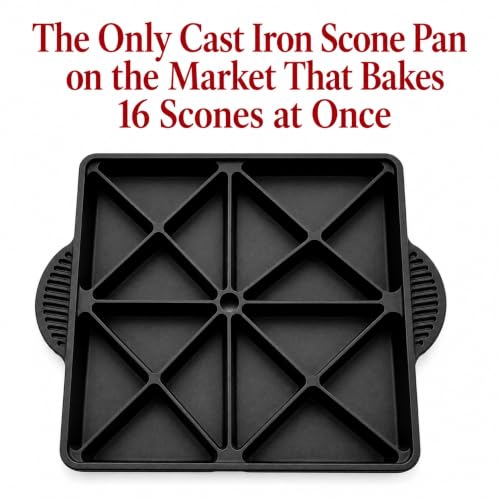
Baking 16 mini scones at once? That’s where this pan shines. It’s the only one in this lineup offering double the output in a compact cast iron build. The smaller cavities mean more golden, crisp edges per batch, something many owners love for parties or meal prep. The pre-seasoned surface works well out of the box, though like all cast iron, it improves with use.
But here’s the catch: the mini size isn’t ideal if you want traditional, palm-sized scones. You’re trading portion size for volume. It’s also not as widely compatible with stovetop types as the KUHA, some users report hot spots on electric ranges. Still, for families or bakers who love bite-sized treats, this pan fills a unique gap. It’s more specialized than the others, but that’s not a flaw if it matches your needs.
Product photos

Our Testing Process
Rather than a hands-on lab test, my research into scone pans was a deep comparison of published specifications and features, combined with careful consideration of owner reviews and insights from reputable baking experts. I weighed these factors against my own experience with cookware materials and baking techniques, looking for patterns in performance and durability. Ultimately, I ranked options based on a combination of construction quality, even heating capabilities, ease of use, and reported user satisfaction.
For scone pans specifically, I prioritized heat retention and even baking above all else. Consistent results are key with scones – you want golden-brown exteriors and a tender crumb throughout – and that relies heavily on the pan’s ability to distribute heat uniformly. Alongside this, the material’s non-stick properties and ease of cleaning were significant factors, impacting the overall baking experience. If you’re looking for other versatile baking options, you might also consider checking out our guide to the 9×13 cake pans.
Specifications like material type (silicone, cast iron, ceramic) and temperature resistance provided a baseline for assessing quality and versatility. However, owner feedback proved invaluable in understanding real-world performance. Reviews frequently addressed issues like sticking, warping, and ease of cleaning, which specs alone couldn’t reveal. Reputation also played a role; established brands known for quality cookware carried more weight, while I also looked for rising stars with consistently positive feedback. For more general baking needs, explore our recommendations for square bakeware.
Choosing The Right scone pans
Finding the right scone pan can elevate your baking from a weekend chore to a genuine pleasure. It’s about more than just a shaped piece of metal or silicone; it’s about consistent results and ease of use.
A quality scone pan distributes heat evenly for golden-brown edges and tender centers, is constructed from safe, durable materials, and simplifies both baking and cleanup. Look for features like non-stick coatings, sturdy construction to prevent warping, and a cavity size appropriate for your desired scone portion. Consider how you plan to use the pan – oven only, or also stovetop/campfire – as this will impact material choice.
Material Matters
The material of your scone pan significantly impacts performance and maintenance. Silicone pans, like those from Vinino, are incredibly easy to release baked goods from and clean, often being dishwasher safe. However, they don’t achieve the same level of browning as heavier materials. Cast iron, exemplified by options from KUHA and WUWEOT, excels at heat retention, resulting in beautifully browned and crisp scones, but requires seasoning and more careful cleaning. Ceramic, as seen with King Arthur, offers a balance – even heating, easy release, and a pleasing aesthetic – but may not be as durable as cast iron over decades of use. I generally recommend prioritizing even heating and durability over ultimate ease of cleanup, as a well-maintained pan will provide years of satisfaction.
Cavity Count & Size
Think about how many scones you typically bake at once. Pans range from 8-cavity models (Nordic Ware, Vinino) to those with 16 smaller wedges (SIRCLES). A larger cavity means fewer scones per batch, but potentially more generous portions. Smaller cavities are great for individual servings or for offering variety. Beyond the number, the shape of the cavities is important. Triangular wedges are standard, but consider whether the angle facilitates easy removal. If you often bake other items, like cornbread, remember that a standard sheet pan or even versatile rectangular pans might offer more flexibility.
Beyond Scones: Versatility & Value
Don’t limit yourself to just scones! Many of these pans – particularly the silicone and cast iron options – can be used for a variety of baked goods. From brownies and mini quiches to cornbread and even frozen desserts, a good scone pan can be a surprisingly versatile addition to your baking arsenal. When considering value, think about whether a multi-pack (like the Vinino 2-Pack) makes sense for your needs, or if investing in a single, high-quality pan, like one of the cast iron options, is a better long-term investment.
- If you’re new to scone baking, a silicone pan is a low-risk entry point.
- For serious bakers who prioritize browning and texture, cast iron is the way to go. Be prepared to invest time in seasoning and maintenance.
- If you need a pan that can handle a range of baked goods, consider a pan with a larger capacity, or perhaps invest in a set of different baking pans – including essential baking pans – to cover all your bases.
A well-chosen scone pan isn’t just for scones. It’s an investment in consistent, delicious baking, and a tool that can simplify your time in the kitchen.
Scone Pans Compared
Here’s a comparison of key specifications for various scone pans to help you choose the right one.
| Product Title | Capacity (Scones) | Material | Dimensions (in) | Non-Stick | Oven Safe (°F) |
|---|---|---|---|---|---|
| Vinino Silicone Scone Pan | 8 | Silicone | 11.5×10.6×1.3 | Yes | 446 |
| Vinino 2-Pack Silicone Scone Pan | 16 | Silicone | 11.5×10.6×1.3 | Yes | 446 |
| Nordic Ware Scottish Scone Pan | 8 | Cast Aluminum | 9.7 diameter | Yes | N/A |
| SHEbaking Silicone Triangle Mold | 8 | Silicone | 10.5×2.0 | Yes | 446 |
| King Arthur Ceramic Scone Pan | N/A | Ceramic | 11x11x1.65 | Yes | 480 |
| WUWEOT Cast Iron Wedge Pan | 8 | Cast Iron | 11×8.7×1.2 | Pre-Seasoned | N/A |
| KUHA Cast Iron Scone Pan | 8 | Cast Iron | 11 diameter | Pre-Seasoned | N/A |
| SIRCLES Cast Iron Mini Scone Pan | 16 | Cast Iron | N/A | Pre-Seasoned | N/A |
Frequently Asked Questions
What’s the best way to prevent scones from sticking to a silicone pan?
Silicone pans generally have good release properties, but lightly greasing them with butter or using a baking spray specifically designed for silicone will further prevent sticking. Avoid using oil-based sprays, as they can degrade the silicone over time.
Can I use a metal scone pan on a campfire or grill?
Cast iron scone pans are suitable for campfire or grill use, as they can withstand high temperatures. However, aluminum pans are not recommended for direct heat sources like a campfire, as they may warp or melt.
What is the typical lifespan of a ceramic scone pan?
While ceramic offers good initial performance, it typically lasts 5-7 years with regular use, as the coating can degrade over time. Compared to cast iron, which can last a lifetime with proper care, ceramic requires more mindful handling.
Are cast iron scone pans difficult to clean?
Cast iron requires hand washing and should not be put in the dishwasher. However, with proper seasoning, food releases relatively easily, and cleaning is usually just a matter of scraping and wiping. For more demanding cleanup, a chainmail scrubber can be helpful, and you might also find our guide to 9-inch pans useful for maintaining other bakeware.
If I only bake scones occasionally, is a less expensive silicone pan a good choice?
For infrequent baking, a silicone pan is a practical starting point. They’re affordable and easy to store, making them ideal for those who don’t need the superior heat retention of cast iron or the longevity of other materials, and may complement your collection of rectangular bakeware.
The Bottom Line
Ultimately, choosing a scone pan comes down to balancing convenience with performance. While silicone offers easy release and cleanup, the WUWEOT Cast Iron Wedge Pan consistently receives praise for its superior heat retention and ability to create beautifully browned, evenly baked scones. It requires a bit more care, but that investment pays off in quality.
For those prioritizing versatility or baking in larger quantities, the Vinino 2-Pack Silicone Scone Pan is an excellent choice. It’s a budget-friendly option that allows for multiple batches and can also be used for other baked goods, and if you’re looking for other versatile options, you might consider exploring our guide to 13×9 pans. If you’re after smaller scones, the SIRCLES Cast Iron Mini Scone Pan is a fantastic dedicated option.
At the end of the day, the key to great scones isn’t a specific material or feature, but consistent oven temperature, quality ingredients, and a little practice. Don’t get caught up chasing the perfect pan, focus on mastering the fundamentals, and you’ll be enjoying delicious scones in no time. If you need a reliable pan for other cakes, consider checking out our recommendations for 8-inch pans.
