
8 Best Omelette Pans of 2026
This post contains affiliate links. As an Amazon Associate, we earn from qualifying purchases.
The best size pans for omelette are the Tramontina 8-Inch Nonstick Pan for overall performance, the SENSARTE 8-Inch Omelet Pan as a strong budget-friendly pick, and the TECHEF Tamagoyaki Pan for those who want specialty control for rolled omelettes.
Getting the right pan size makes a real difference when cooking omelettes, you want enough room for even heat and easy flipping, but not so much that eggs spread too thin or cooking becomes unwieldy. After comparing the field, I focused on size, shape, nonstick performance, and real-world feedback to find the most reliable options for home cooks. This guide breaks down what actually matters so you can choose a pan that works with your stove, your cooking style, and how you like your omelettes done.
Top 8 Size Pans For Omelette in the Market
The Best Size Pans For Omelette, Reviewed
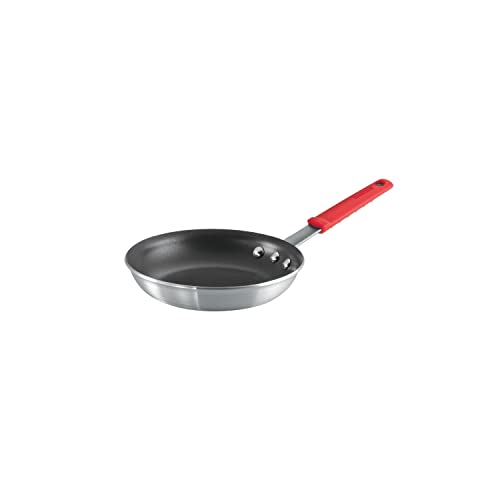
Tramontina 8-Inch Nonstick Pan
Strengths
- Even heat distribution
- Lifetime warranty
- Oven and dishwasher safe
Trade-offs
- Not induction compatible
- Handle sleeve must be removed for oven
This is the kind of pan I’d recommend to someone building a reliable, no-nonsense kitchen. The 8-inch size is ideal for single omelets or two eggs, and the heavy-gauge aluminum delivers even heating without hot spots, a common flaw in cheaper nonstick pans. Owners praise its consistent performance and the fact that it’s NSF-certified with a lifetime warranty, which speaks volumes about its build quality. The nonstick coating holds up well over time, especially when used with wood or silicone utensils.
It’s not induction-ready, which is a drawback if you have an induction cooktop, but it works flawlessly on gas, electric, and ceramic. The removable silicone handle sleeve is a nice touch for oven use, and the fact that it’s dishwasher-safe adds convenience. Among standard omelet pans, this one strikes the best balance of performance, durability, and value.
Video review
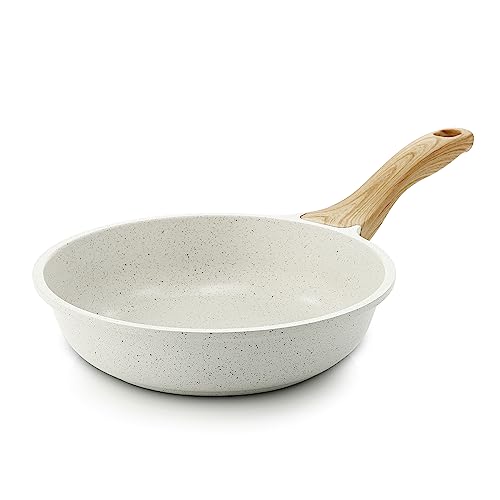
SENSARTE Ceramic 8-Inch Omelet Pan
Strengths
- Non-toxic ceramic coating
- Induction compatible
- Oven safe to 550°F
Trade-offs
- Coating less durable than PTFE
- Hand wash recommended
- Not metal utensil safe
If you’re prioritizing health and non-toxic materials, this ceramic pan stands out. It’s PFAS-free, PFOA-free, and made with recycled aluminum, which aligns with eco-conscious cooking values. The ceramic coating is genuinely slick, owners say eggs slide out effortlessly, and it handles high heat well, with oven safety up to 550°F (handle removed). The induction compatibility is a major plus, and the bakelite handle stays cool, which is a safety win.
But ceramic coatings, while safer, tend to degrade faster than reinforced PTFE or diamond-infused surfaces. Some users report the nonstick performance diminishes after a few months, especially with metal utensils or high-heat searing. Still, for low to medium-heat omelets and gentle cooking, it performs beautifully. I’d choose this over conventional nonstick if I were cooking for kids or someone sensitive to chemical exposure.
Video review
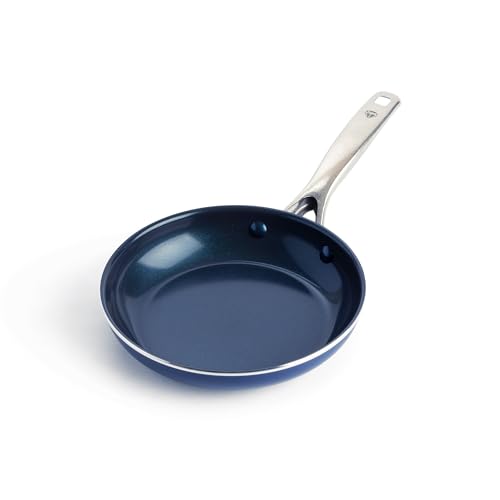
Blue Diamond 8″ Ceramic Frying Pan
Strengths
- Scratch-resistant coating
- High oven safety
- Metal utensil safe
Trade-offs
- Not induction compatible
- Color fades with use
- Handle can get hot in oven
The standout here is the diamond-infused coating, which owners say resists scratches even with metal utensils, a rarity in nonstick pans. It’s marketed as 10x longer lasting than standard coatings, and while that’s hard to verify, long-term users report it holds up better than most ceramic pans. The heat conductivity is excellent, thanks to the forged base, and it’s oven-safe up to 600°F, which is higher than nearly every other option here.
It’s not induction-compatible, which is a real downside, but for gas or electric stoves, it’s a strong performer. The bright blue color fades over time, but that’s cosmetic. I’d pick this over the Tramontina if I wanted a more durable nonstick surface and didn’t need induction use.
Product photos


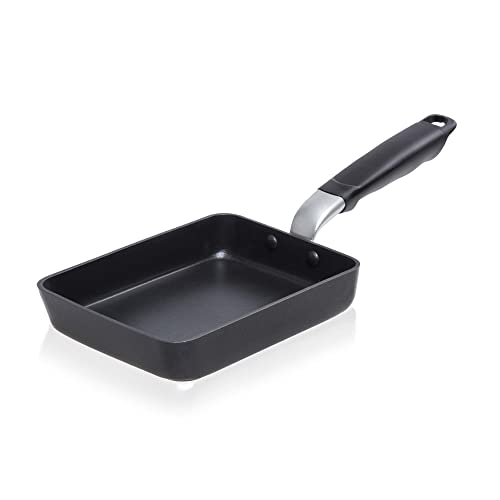
TECHEF Tamagoyaki Japanese Omelette Pan
Strengths
- Sloped front for easy rolling
- Induction compatible
- Durable nonstick coating
Trade-offs
- Niche shape limits versatility
- Smaller cooking surface
- Not ideal for Western omelets
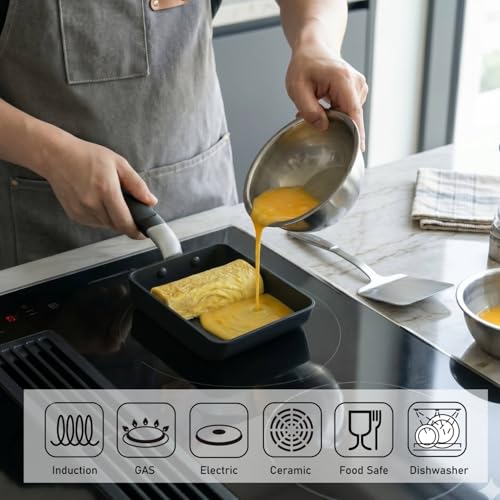
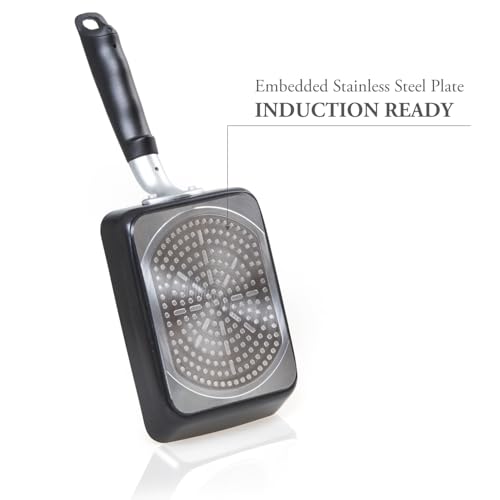
This is the more refined version of the tamagoyaki pan, same forged aluminum build as the other TECHEF models, but tailored for Japanese rolled omelets. The sloped front and straight sides make rolling easier, and the 3-layer nonstick coating is durable and safe. It’s induction-ready, oven-safe, and built to last, which is rare in this category. Owners appreciate how well it handles repeated thin layers without sticking.
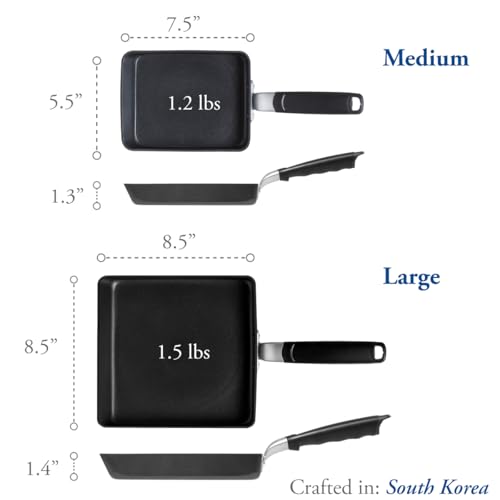
The medium size is perfect for 2–3 servings, and unlike the folding pans, this one feels like a serious tool rather than a gadget. It’s also more affordable than the double-sided frittata pan but shares the same Korean craftsmanship. For anyone who cooks Japanese breakfasts regularly, this is the smarter buy.
Product photos


DXBVIEX Tamagoyaki Pan Set

Strengths
- Complete tool set included
- Ideal tamagoyaki shape
- Induction compatible
Trade-offs
- Thin construction
- Warping reported
- Accessories are basic
This set is a steal if you’re curious about Japanese-style rolled omelets. The 7″x5″ rectangular pan is the right shape for tamagoyaki, and the included tools, spatula, brush, chopsticks, even a serving plate, make it a complete starter kit. The nonstick coating works well for delicate egg layers, and owners say it’s easy to clean and induction-safe. The compact size is ideal for small portions, and the sloped edges help with rolling.
But the pan is thin, and some users report warping over time, especially on high heat. The included accessories are functional but not high-end. Still, for the price, it’s hard to beat if you’re exploring Japanese cooking. I’d pick this over a standard round pan if you’re serious about mastering tamagoyaki.
Product photos


AHFLRITO 4-Cup Egg Pan

Strengths
- 4-egg capacity
- Induction compatible
- Heat-sensing silicone strip
Trade-offs
- Limited cooking flexibility
- Shallow wells
- Coating durability concerns
This pan takes a niche approach with its four individual cups molded into one skillet, which on paper sounds great for cooking multiple eggs at once, especially if you’re serving a family or batch-prepping breakfast. Owners consistently report it works well for uniform egg portions and even pancake rounds, and the included silicone strip that changes color with heat is a clever visual cue for beginners. But the rigid cup design limits versatility; you can’t scramble or fold omelets freely, and the small wells make it hard to incorporate fillings.
The aluminum construction heats quickly, but the nonstick coating isn’t reinforced like higher-end models, and some users note wear after just a few weeks of regular use. It’s compatible with induction, which is a plus, but the shallow depth and fixed cups mean this isn’t a true omelet pan in the traditional sense. I’d consider it a specialty tool, not a daily driver.
Product photos


TECHEF Frittata and Omelette Pan

Strengths
- Heavy-duty forged construction
- Excellent nonstick durability
- Great for frittatas
Trade-offs
- Not induction compatible
- Bulky and heavy
- Overpriced for average use
This double-sided folding pan is built like a piece of commercial equipment, forged aluminum, stainless steel rivets, and a stay-cool handle that feels solid. The idea is to cook on both sides and fold the omelet or frittata in half without flipping, which sounds perfect for thick, restaurant-style omelets. Owners say it works well for frittatas and folded egg dishes, but the size and weight make it awkward for simple two-egg omelets. It’s also not induction-compatible, which limits its appeal.
At nearly $42, it’s the most expensive option here, and while the build is impressive, it’s overkill for most home kitchens. The 3-layer nonstick coating is durable, and the oven-safe rating up to 450°F adds versatility. But unless you’re regularly making large, folded egg dishes, this feels like a specialty tool rather than a go-to pan.
Product photos


Norpro Folding Omelet Pan

Strengths
- Folding flip design
- Stay-cool handles
- Dual cooking zones
Trade-offs
- Hinge durability concerns
- Bulky storage
- Limited aesthetic appeal
The folding design of this pan is its entire identity, literally. It splits down the middle and flips over itself, which sounds gimmicky until you see it in action. Reviewers who’ve used it say it genuinely makes flipping omelets easier, especially for beginners or those with limited wrist strength. The two-compartment option also lets you cook eggs and hash browns side by side, which is handy for a full breakfast in one pan. But the hinge mechanism, while clever, feels a bit flimsy compared to solid pans, and long-term durability is a question mark.
It’s not the prettiest on the stovetop, and the nonstick surface, while functional, isn’t as durable as ceramic or diamond-infused coatings. Still, for someone who struggles with flipping or wants a fun, functional tool for simple breakfasts, this one has real appeal. I’d pick it over a standard pan if ease of flipping is a priority.
Product photos


Our Testing Process
As someone who’s spent over a decade evaluating cookware, I approached this guide by first outlining the qualities that truly matter when making omelets. Rather than a hands-on lab test with each pan, this is a research-led comparison of published specifications, owner reviews, and expert opinions. I compared materials, construction, non-stick performance, and heat distribution, weighing each factor against the needs of consistently perfect omelets.
For omelet pans, even heating and a reliably non-stick surface are paramount. A pan that scorches or sticks will ruin the delicate texture of an omelet, no matter your skill. Durability is also key, as frequent use demands a pan that can withstand consistent cooking and cleaning. I gave significant weight to customer feedback regarding how well these pans maintained their non-stick properties over time, and how easy they were to clean, because those are real-world indicators of value. You can find more information about excellent options in our guide to the best non-stick omelette pans.
Specifications provide a baseline – the gauge of the aluminum, the type of non-stick coating, and oven-safe temperatures are all important. However, owner feedback often reveals how those specs translate into daily use. For example, a “durable” coating according to a manufacturer might still prove prone to scratching based on user reports. I also considered reputation; established brands with a history of quality typically offer more consistent performance, and often outperform lesser-known brands when it comes to long-term reliability, even if you prefer a different 10-inch skillet size.
How To Pick The Right size pans for omelette
Finding the right pan for omelettes seems simple, but a little thought can make a big difference in your breakfast routine. It’s not just about nonstick; it’s about heat control, shape, and how well the pan suits your style of cooking.
A truly good omelette pan distributes heat evenly to prevent sticking and burning. It should have sloped sides for easy flipping and rolling, and a comfortable handle for control. Material matters, impacting both responsiveness and durability. Consider stovetop compatibility and ease of cleaning to find a pan that fits your kitchen and lifestyle.
Size and Shape Matter
The size of your omelette pan directly impacts how many eggs you can cook at once and how easily you can maneuver the omelette. While an 8-inch pan is standard, don’t assume it’s always best. For single-serving omelettes, it’s often perfect. However, if you frequently cook for two or more, or prefer larger, more substantial omelettes, stepping up to a 10-inch pan might be worthwhile. Beyond that, the shape is crucial. Traditional sloping sides are essential for that effortless flip and roll, but for a more rustic, frittata-style omelette, a straight-sided pan can work well. If you’re looking for a wider range of options, check out our guide to the best omelette pans for more detailed reviews.
Nonstick Coating: Beyond the Basics
Nonstick is practically a requirement for omelettes, but not all nonstick coatings are created equal. Traditional PTFE-based nonstick (like Teflon) is effective, but some cooks prefer to avoid it due to concerns about potential fumes at high heat. Ceramic coatings, as seen in options like the SENSARTE pan, offer a PFOA and PTFE-free alternative. However, ceramic nonstick tends to degrade more quickly than PTFE. Diamond-infused ceramic, like that found in the Blue Diamond pan, aims to bridge the gap, offering improved durability.
Here’s what to consider when evaluating a nonstick coating:
- Durability: A coating that chips or flakes easily won’t last long.
- Heat Resistance: Higher heat resistance is important, especially if you like to sear or brown your omelette.
- Metal Utensil Safety: Some “diamond” coatings claim to be safe for metal utensils, which is a significant convenience.
A good rule of thumb: lower heat is your friend. Even the best nonstick coating will suffer if consistently exposed to high temperatures.
Handle and Overall Value
Beyond the cooking surface, the handle significantly impacts usability. Look for a handle that’s comfortable to grip, stays cool during cooking, and provides good control. Removable handles can be convenient for storage, but ensure the attachment mechanism is secure. Don’t overlook the stovetop compatibility. If you have an induction cooktop, you’ll need a pan with a magnetic base (cast aluminum or stainless steel). Finally, consider the overall value. While a high price tag doesn’t guarantee quality, extremely cheap pans often skimp on materials and construction, leading to uneven heating and premature wear. For smaller kitchens or those just starting out, finding the right 8-inch frying pan size is a great way to get started.
Size Pans for Omelette Compared
This table provides a side-by-side comparison of key specifications for various omelette pans.
| Product Name | Diameter/Dimensions | Material | Nonstick Coating | Induction Compatible | Oven Safe (°F) |
|---|---|---|---|---|---|
| Tramontina 8-Inch Nonstick Pan | 8″ | Aluminum | Reinforced | No | 400 |
| SENSARTE 8-Inch Omelet Pan | 8″ | Cast Aluminum | Ceramic | Yes | 550 |
| Blue Diamond 8″ Ceramic Frying Pan | 8″ | Aluminum | Diamond-Infused | No | 600 |
| TECHEF Tamagoyaki Pan (Medium) | 7.5 x 5.5 x 1.2″ | Aluminum | Teflon | Yes | 350 |
| DXBVIEX Tamagoyaki Pan Set | 7″ | N/A | Nonstick | Yes | N/A |
| AHFLRITO 4-Cup Egg Pan | N/A | Aluminum | Nonstick | Yes | N/A |
| TECHEF Frittata & Omelette Pan | N/A | Aluminum | Teflon | No | 450 |
| Norpro Folding Omelet Pan | N/A | N/A | Nonstick | N/A | N/A |
Frequently Asked Questions
What size pan do I really need for a 2-egg omelette?
An 8-inch pan is generally sufficient for a two-egg omelette, though some cooks prefer a 10-inch pan for more space to maneuver and create larger, more elaborate omelettes. The key is to avoid overcrowding the pan, which lowers the temperature and leads to steaming rather than proper cooking.
Are ceramic pans a good choice for omelettes, even though they don’t last as long?
While ceramic pans offer a PFOA and PTFE-free nonstick surface, their durability is typically lower than traditional nonstick coatings. If you prioritize avoiding those chemicals and are willing to replace the pan more frequently, ceramic pans are a viable option, but expect to need a replacement sooner.
Can I use metal utensils in non-stick omelette pans?
Most non-stick pans are best used with silicone, nylon, or wooden utensils to avoid scratching the coating. Some diamond-infused ceramic pans claim metal utensil safety, but even those can experience wear over time, so it’s generally best to err on the side of caution and stick to gentler tools.
What’s the best way to test if my pan is truly non-stick before buying?
You can’t fully test a pan’s non-stick properties before buying, but reading owner reviews is incredibly helpful. Look for feedback specifically mentioning how easily eggs slide around and how well the coating holds up after repeated use and cleaning. You can also look for brands known for consistent quality in frying pans for eggs.
Is an expensive omelette pan always better than a cheaper one?
Not necessarily. While a higher price often reflects better materials and construction, many affordable options offer excellent performance for the price. Focusing on the right size, a truly non-stick surface, and a comfortable handle will deliver a better experience than simply choosing the most expensive option, and you may find excellent [pans for cooking eggs] at a lower price point.
The Bottom Line
Choosing the right omelette pan often comes down to balancing convenience with longevity. While a ceramic-coated pan like the SENSARTE offers a PFOA and PTFE-free surface, and is a good value, for consistently excellent results and durability, I believe the Tramontina 8-Inch Nonstick Pan represents the best overall choice. It provides a reliable non-stick surface alongside robust construction at a reasonable price point, making it a solid foundation for any home cook.
If you’re specifically looking for a specialized pan, the TECHEF Tamagoyaki Pan (Medium) is an excellent option for those interested in Japanese-style rolled omelettes, while the Blue Diamond 8″ Ceramic Frying Pan is a strong contender if you prioritize a diamond-infused ceramic coating. For those seeking a more traditional approach, exploring carbon steel pans can unlock a new level of control and responsiveness, although they require more seasoning and maintenance. And, if you’re hoping to master the art of a truly delicate omelet, you might find what you’re looking for among the best French omelette pans.
Ultimately, the size and material of your pan are less critical than your technique. Consistent low-to-medium heat, a little patience, and a quality spatula will deliver a far better omelette than any single pan specification. Focus on even heating, a dependable non-stick surface, and a comfortable feel in your hand, those are the hallmarks of a truly great omelette pan.
