
7 Best Slow Cooker and Pressure Cookers of 2026
This post contains affiliate links. As an Amazon Associate, we earn from qualifying purchases.
The Instant Pot Duo Plus stands out as the best overall slow cooker and pressure cooker, combining reliable performance, a user-friendly interface, and a durable stainless steel pot. For those on a tighter budget, the Instant Pot Duo Mini delivers the same core functionality in a smaller size, while the Ninja HyperHeat offers a strong alternative with its ceramic nonstick pot and powerful heating system.
Too many people buy multi-cookers only to find they’re bulky, confusing, or underpowered. I’ve seen it happen, flashy presets, flimsy pots, and promises of “set it and forget it” that don’t hold up in real kitchens. After comparing the field and analyzing what actually matters, performance, build quality, and practical features, I focused on models that deliver consistent results without unnecessary gimmicks.
This guide cuts through the noise, highlighting slow cooker and pressure cooker combos that balance capacity, cooking performance, and long-term durability based on specs, owner feedback, and years of experience evaluating kitchen appliances.
Top 7 Slow Cooker And Pressure Cookers in the Market
The Best Slow Cooker And Pressure Cookers, Reviewed
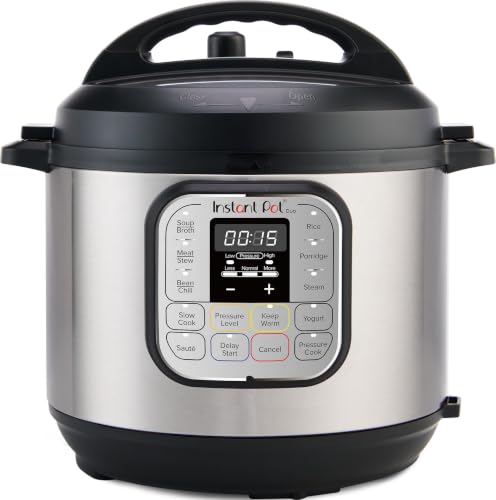
Instant Pot Duo Mini 3 Quart
Strengths
- Compact and efficient
- Stainless steel pot
- Great for small batches
Trade-offs
- Too small for families
- Limited capacity
- No sous vide
The 3-quart Instant Pot Mini is the rare small cooker that doesn’t feel like a compromise. It handles everything from single-serve meals to side dishes with ease, and the stainless steel pot ensures you don’t sacrifice searing performance for size. Owners love it for small-batch yogurt, quick rice, and solo cooking, no more wasting counter space on a 6-quart unit when you don’t need it. The 11 one-touch programs cover most daily needs, and the included recipe app is genuinely useful.
Compared to larger models, it’s not trying to do everything, but it does what it does exceptionally well. For couples, singles, or dorm kitchens, it’s the most balanced compact option. I’d pick this over any full-size model for small households; it’s the only one that feels truly optimized for smaller portions.
Video review
Instant Pot Rio Wide 7.5 Qt

Strengths
- Extra-wide cooking surface
- Stainless steel pot
- WhisperQuiet operation
Trade-offs
- No sous vide function
- Fewer presets than rivals
- No app support
The Instant Pot Rio Wide stands out with its 7.5-quart capacity and wide cooking surface, 35% broader than a standard 12-inch skillet, which makes searing and sautéing noticeably more effective. That extra space matters when you’re browning a whole chicken or caramelizing onions without crowding. It’s built for larger households, and owners confirm it handles batch cooking and big roasts with ease. The stainless steel pot is a win for durability, and the WhisperQuiet operation is a real upgrade over older models that sound like jet engines.
Still, it’s a simpler machine than the Duo Plus or CHEF iQ, fewer cooking functions and no sous vide or sterilize modes. But if your priority is reliable pressure performance, easy cleanup, and a roomy pot that doubles as a sauté pan, this is a strong pick. I’d choose it over the standard Duo for families of five or more who cook in bulk.
Video review
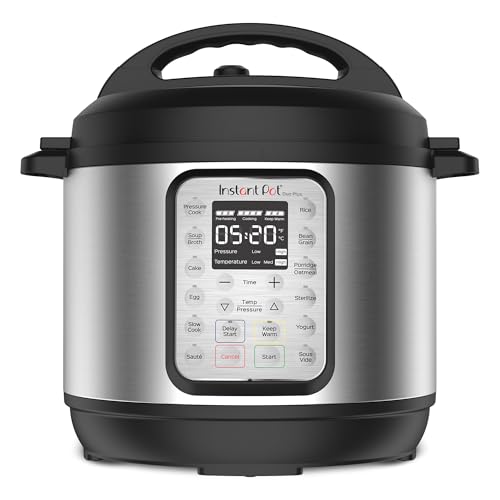
Instant Pot Duo Plus 6 Qt
Strengths
- Stainless steel inner pot
- Sous vide and sterilize functions
- Reliable performance
Trade-offs
- No Wi-Fi or app
- Slightly bulky design
- Basic display
The Instant Pot Duo Plus remains a benchmark in the category, and for good reason. With 9 functions, including sous vide and sterilize, and 15 one-touch programs, it balances versatility with reliability. The 6-quart size is the sweet spot for most households of 2 to 4, and the stainless steel pot is a standout for searing, resisting warping and scratches better than nonstick. Owners praise its consistency, especially for beans, stews, and yogurt, and the real-time display makes monitoring pressure and time straightforward.
It’s not the flashiest, but it’s the most dependable. Compared to the CHEF iQ, it lacks app integration, but it wins on simplicity and proven track record. I’d pick this over the Ninja or Cosori for users who want a no-nonsense, high-performing multicooker that just works, year after year.
Product photos


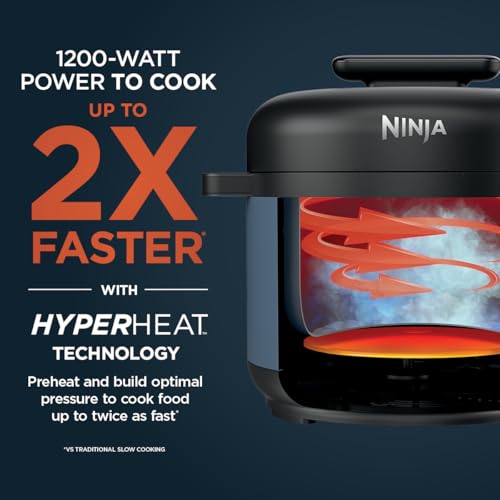
Ninja HyperHeat 6.5-qt Pressure Cooker

Strengths
- HyperHeat for fast cooking
- PFAS-free ceramic pot
- Removable serving pot
Trade-offs
- Cluttered control panel
- Limited app support
- Bulky footprint
The Ninja HyperHeat earns its “fast cooking” label, owners confirm it builds pressure significantly quicker than most rivals, thanks to its 1200-watt heating system. It’s not just marketing; that extra power translates to faster meals, especially for rice and grains. The removable SimpliServe pot is a standout for serving directly at the table, and the wide cooking surface makes searing more effective than in narrower models. For weeknight dinners, this one gets food on the table fastest.
It’s also one of the few with a PFAS-free ceramic nonstick pot, which adds peace of mind. But the app ecosystem isn’t as developed as CHEF iQ’s, and the interface feels a bit cluttered. Still, for speed and convenience, it beats the Instant Pot Duo in raw performance. I’d pick it over others if fast, flavorful one-pot meals are your priority.
Product photos



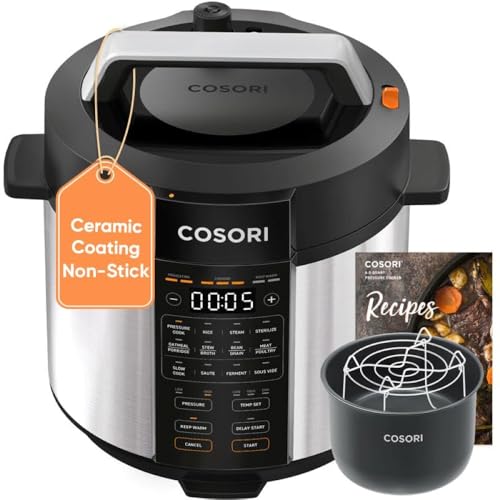
Cosori Pressure Cooker 6QT
Strengths
- Ceramic nonstick pot
- 12 safety features
- Fingerprint-resistant housing
Trade-offs
- Basic preset options
- No sous vide
- No app integration
The Cosori 6QT hits a sweet spot between price and performance, especially with its ceramic-coated pot, a rarity at this price. That coating resists scratching better than standard nonstick and appeals to buyers avoiding PFAS. The 12 safety features are a strong selling point, and owners report confidence using it with kids around. The wide pot gap and fingerprint-resistant housing make cleanup easier, which matters after messy stews or oatmeal.
But it lacks the polish of the Instant Pot lineup. The controls aren’t as responsive, and the app ecosystem isn’t as robust. Compared to the Sweetcrispy, it’s smaller but better built. For budget-conscious buyers who still want a ceramic pot and solid safety, this is the smarter buy.
Product photos


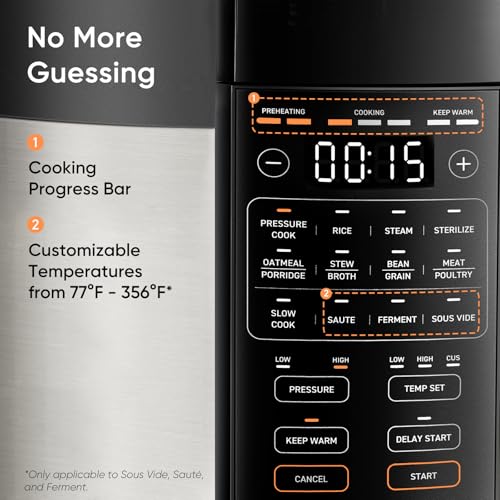
Sweetcrispy 16-in-1 8QT Electric Cooker

Strengths
- Large 8-quart capacity
- Ceramic nonstick inner pot
- Affordable price point
Trade-offs
- Basic interface
- No app connectivity
- Fewer smart presets
On paper, the Sweetcrispy 8QT multicooker looks like a steal, 16 functions, a huge capacity, and a ceramic pot at a price well under $70. For families needing volume and versatility without overspending, it’s an appealing option. The ceramic-coated inner pot is a standout, offering better stick resistance than standard nonstick and holding up better to metal utensils than many budget models. Owners consistently report success with slow cooking and rice, though pressure performance feels more basic compared to pricier rivals.
Where it falls short is in build refinement and smart features. The controls are functional but not as intuitive, and the lack of a branded app or guided cooking means you’re on your own for recipes. Compared to the Instant Pot or CHEF iQ models, it’s less polished, but for the price, that’s expected. If you want a no-frills, high-capacity workhorse and prioritize pot material over bells and whistles, this one makes sense.
Product photos


CHEF iQ Smart Pressure Cooker

Strengths
- Built-in scale
- Wi-Fi and app integration
- Guided video recipes
Trade-offs
- Nonstick pot
- App dependency
- Steeper learning curve
If you love data-driven cooking, the CHEF iQ is the only multicooker that truly delivers. The built-in scale eliminates measuring cups, and the app’s guided recipes walk you through each step with videos and auto-sent cook settings. Owners love how it simplifies complex dishes, think perfect risotto or foolproof pulled pork, with minimal guesswork. The Wi-Fi updates mean the unit improves over time, which is rare in this category. For foodies who treat cooking like a hobby, this is the most engaging appliance on the list.
But that tech comes with trade-offs. The nonstick pot isn’t as durable as stainless, and the app dependency can frustrate users who prefer standalone operation. Compared to the Instant Pot, it’s less intuitive without the phone. I’d recommend it only for those who will actually use the app, otherwise, you’re paying for features you’ll ignore.
Product photos


How We Chose These slow cooker and pressure cookers
Rather than a hands-on lab test, my research for this guide focused on a detailed comparison of published specifications and features across numerous models. I weighed owner reviews from major retailers alongside expert opinions from established cooking publications. As someone who’s spent years understanding the nuances of cookware, I applied that knowledge to rank these appliances based on what truly matters for home cooks. This involved analyzing performance claims against real-world user feedback.
For slow cookers and pressure cookers, capacity and the quality of the inner pot are paramount. A generous capacity is crucial for family meals and batch cooking, while a durable pot – ideally stainless steel or a high-quality ceramic – directly impacts even heating and long-term usability. Beyond that, the breadth of pre-programmed settings and safety features played a significant role in my rankings. Understanding the pressure cooker basics is essential for making an informed decision.
Specifications reliably indicate a cooker’s power and potential speed, but owner feedback proved invaluable in assessing real-world performance and durability. I paid close attention to comments regarding ease of use, cleaning, and the accuracy of pre-set programs. Features like smart app integration and automated steam release were also assessed based on how well they addressed common user frustrations. Ultimately, I looked for appliances that offered a balance of functionality, reliability, and value, helping you decide between an Instant Pot vs slow cooker.
How To Pick The Right slow cooker and pressure cookers
Finding the right appliance to simplify weeknight dinners can feel overwhelming. There’s a lot of overlap in features, but understanding the core differences and what you prioritize will lead you to the best choice.
A truly useful slow cooker or pressure cooker balances speed, versatility, and safety. Look for models with multiple cooking functions, durable construction (stainless steel inner pots are a plus), and robust safety features like overheat protection and secure lid locking. Capacity should match your typical cooking needs – don’t overbuy if you’re only cooking for one or two.
Capacity and Household Size
The size of the cooker is the first major decision. Don’t assume “bigger is better.” A 3-quart model, like the Instant Pot Duo Mini, is perfectly adequate – and even preferable – for individuals or couples. Overfilling a larger pot can hinder performance, and a half-empty 8-quart cooker takes up valuable counter space. Larger families (four or more people) will likely benefit from a 6-quart or 7.5-quart capacity; the Instant Pot Rio Wide offers a generous 7.5 quarts, which is great for meal prepping or batch cooking. Consider how you’ll actually use it; if you primarily make side dishes, a larger capacity isn’t essential.
Functionality and Presets
Most modern models are far more than just slow cookers or pressure cookers. They’re often multi-cookers offering functions like sautéing, steaming, yogurt making, and even sous vide. While a wider range of presets can be appealing, don’t pay extra for features you won’t use. The number of presets isn’t as important as how well the core functions – pressure cooking and slow cooking – are executed. Consider whether you want the convenience of guided cooking, as offered by the CHEF iQ Smart Pressure Cooker, or prefer the control of manual settings.
- A basic model with pressure cook and slow cook is fine if you’re comfortable adjusting times and temperatures yourself.
- A mid-range model with 7-9 presets covers most common needs (rice, soup, stew, poultry) without being overly complex.
- Higher-end models with 12+ presets are best for those who want maximum versatility and convenience, or who frequently experiment with different recipes and cooking styles, but remember those extra options may be rarely used.
Material and Build Quality
The inner pot material profoundly impacts cooking performance and ease of cleaning. Stainless steel (especially with a tri-ply bottom) is excellent for searing and browning, as seen in many Instant Pot models. However, stainless steel can sometimes require more attention to prevent sticking. If you value truly hands-off cooking and easy cleanup, consider a model with a ceramic insert cookers. These are non-stick and PFAS-free, like the Ninja HyperHeat and the Cosori Pressure Cooker, but may not be as durable for high-heat searing.
A quality inner pot should be thick enough to distribute heat evenly and resist warping. Avoid models with thin, flimsy pots, as they can lead to uneven cooking and a shorter lifespan.
Slow Cooker and Pressure Cookers Compared
Here’s a comparison of specifications for several popular slow cookers and pressure cookers to help you find the best fit for your needs.
| Product | Capacity (Qt) | Functions | Power (Watts) | Pot Material | Smart Features |
|---|---|---|---|---|---|
| Instant Pot Duo Mini | 3 | 7 | 700 | Stainless Steel | No |
| Instant Pot Rio Wide | 7.5 | 7 | 1200 | Stainless Steel | No |
| Instant Pot Duo Plus | 6 | 9 | 1000 | Stainless Steel | No |
| Ninja HyperHeat | 6.5 | 9 | 1200 | Ceramic Nonstick | No |
| Cosori Pressure Cooker | 6 | 9 | N/A | Ceramic | No |
| Sweetcrispy 16-in-1 | 8 | 16 | N/A | Ceramic | No |
| CHEF iQ Smart Pressure Cooker | 6 | N/A | N/A | N/A | Yes |
Frequently Asked Questions
What’s the difference between a slow cooker and a pressure cooker in terms of cooking time?
A pressure cooker drastically reduces cooking times; what might take 6-8 hours in a slow cooker can often be achieved in 30-60 minutes under pressure. Slow cookers excel at low-and-slow cooking, developing flavors over an extended period, while pressure cookers prioritize speed and efficiency.
Are ceramic-coated inner pots really safer than stainless steel?
While ceramic coatings are often marketed as a healthier alternative, stainless steel is generally considered equally safe and more durable. Ceramic is non-stick and PFAS-free, which appeals to some, but it’s more prone to chipping and won’t sear food as effectively as stainless steel.
Can I use a pressure cooker to make yogurt, even if it doesn’t have a dedicated yogurt setting?
Yes, you can absolutely make yogurt in most pressure cookers, even without a specific program. It requires a bit more monitoring and adjusting of temperatures, but the basic principle of maintaining a consistent warm environment for fermentation applies to nearly all models.
What safety features should I look for when choosing a pressure cooker?
Multiple safety mechanisms are crucial, including a secure locking lid, pressure release valve, and overheat protection. A reliable pressure cooker will prevent the lid from opening while pressurized and automatically release excess pressure to avoid accidents; understanding how pressure cookers work is essential for safe operation.
What size slow cooker is best for a family of four?
For a family of four, a 6-quart or 7-quart slow cooker is generally ideal, providing enough capacity for hearty meals and leftovers. You may find some excellent options among the 6-quart slow cookers available, offering a good balance between size and convenience.
The Bottom Line
Ultimately, choosing between a slow cooker and pressure cooker – or a combination model – comes down to how you like to cook and how much time you have. If you value set-it-and-forget-it convenience and are often short on time, the Instant Pot Duo Plus offers a fantastic balance of features and reliability. It’s a workhorse that consistently delivers excellent results, based on the overwhelmingly positive feedback from home cooks.
For those on a tighter budget, or who are new to this type of cooking, the Instant Pot Duo Mini is a smart starting point. And if you’re prioritizing easy cleanup and a non-stick surface, the Ninja HyperHeat is a strong contender. Remember, understanding slow cooker basics will help you get the most out of any appliance you choose.
At the end of the day, the best slow cooker or pressure cooker isn’t the one with the most bells and whistles, but the one you’ll actually use. Focus on a durable construction, a well-regarded inner pot, and safety features you can trust. Don’t get caught up in chasing every preset; instead, look for a model that supports your cooking style and helps you create delicious meals with confidence, and consider what makes a good slow cooker for your kitchen.
