
7 Best Stock Pots of 2026
This post contains affiliate links. As an Amazon Associate, we earn from qualifying purchases.
The All-Clad 16 Qt Multipot with Strainer is the best overall stock pot for its even heating, durable construction, and built-in strainer that makes draining pasta or straining stocks effortless. For a budget-friendly option, the Amazon Basics 12 Quart Stock Pot delivers solid performance with an aluminum-clad base. If you need maximum versatility, the CAROTE 8QT Tri Ply Stock Pot offers excellent heat distribution and a glass lid for easy monitoring.
Buying the wrong stock pot means struggling with uneven heating, awkward handling, or not having enough capacity when you need it most. I’ve seen too many home cooks end up with pots that warp, develop hot spots, or are just plain unwieldy. This guide cuts through the noise by focusing on real-world performance, durability, and smart design, based on specs, owner feedback, and what actually matters when you’re cooking.
Top 7 Stock Pots in the Market
The Best Stock Pots, Reviewed
GOTHAM STEEL 5 Qt Pasta Pot
Strengths
- Strainer lid included
- Lightweight design
- Nonstick interior
Trade-offs
- Not induction compatible
- Low oven safety
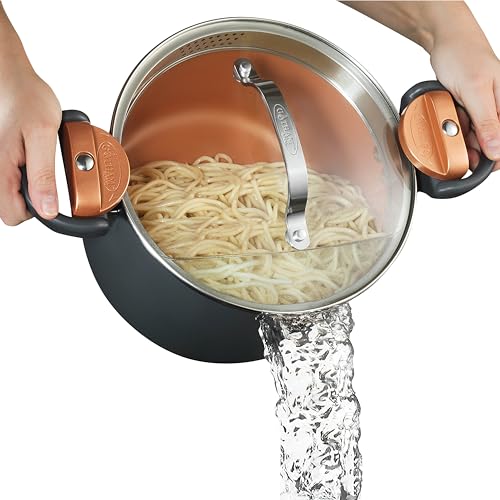
This 5-quart Gotham Steel pot is a different beast altogether, compact, lightweight, and built around convenience. The Ti-Cerama ceramic nonstick interior is a standout, especially for sticky foods like rice or reduced sauces. The strainer lid works as advertised: twist to lock, pour, and you’re done. No extra colander, no mess.
But it’s not for everything. The aluminum body heats quickly but doesn’t retain heat like stainless. It’s oven safe only up to 300°F, so no finishing braises under the broiler. And it’s not induction compatible. Still, for quick pasta meals or small-batch soups, it’s efficient and easy to handle, especially for those who find larger pots unwieldy. Compared to full stainless models, it trades durability for ease.
Video review
CAROTE 8QT Tri Ply Stock Pot

Strengths
- Full tri-ply clad
- Even heating
- Stay-cool handles
Trade-offs
- Smaller capacity
- Unique color may not match
The CAROTE 8-quart pot stands out for its full tri-ply clad construction, a rarity at this price. That means the aluminum core extends up the sides, not just the base, which translates to more even heating and fewer hot spots. Owners consistently praise its performance on induction, where heat responsiveness matters.
The ceramic exterior layer resists stains and gives it a unique purple finish, distinctive, though not for everyone. The glass lid seals well, and the stay-cool handles are a thoughtful touch. It’s lighter than most clad pots, making it easier to handle when full. Compared to the All-Clad or even the 16-quart mid-range model, it’s smaller but more advanced in construction. For cooks who want professional-level even heating in a compact size, this punches above its weight.
Video review
IMUSA 20 Quart Stainless Stock Pot

Strengths
- Large 20-quart capacity
- Riveted handles
- Good for parties
Trade-offs
- Basic heat distribution
- Bulky storage
If you regularly cook for a crowd, this 20-quart IMUSA pot is one of the few stock pots that truly scales up without breaking the bank. At nearly 2 feet in height, it’s built for boiling lobsters, making gallon batches of chili, or prepping large canning projects. The stainless steel is basic but durable, and the riveted handles are essential for safe maneuvering when full.
Owners consistently report it performs well on gas and electric ranges, though it lacks the impact-bonded base found in higher-end models, so expect some hot spots if you’re not careful with heat management. It’s not the most elegant piece of cookware, but it’s functional and straightforward. Compared to the All-Clad multipot, it lacks versatility but wins on pure volume and price.
Product photos


NutriChef 12-Quart Induction Stock Pot

Strengths
- 12-quart capacity
- Induction compatible
- See-through lid
Trade-offs
- Basic heat distribution
- Shows scratches
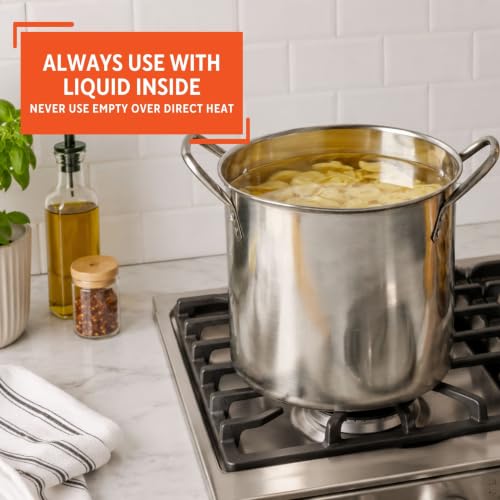
At 12 quarts, this NutriChef pot hits a sweet spot for most home cooks who want serious volume without wrestling a commercial-sized cauldron. The 18/8 stainless steel build is standard but solid, and the impact-bonded base suggests more even heating than basic stamped pots, though owners note it’s not quite All-Clad level. I appreciate the see-through glass lid with vent hole, which makes monitoring simmering broths easier without losing heat.
Where this pot really stands out is on induction. It’s built to handle it, and the base thickness is sufficient to prevent hot spots. The mirror-polished exterior looks sharp on the stovetop, but it’ll show water spots and scratches over time, handwashing is recommended for a reason. Compared to pricier rivals, it delivers honest performance for the price, though it lacks the heft of fully clad tri-ply designs.
Product photos
Amazon Basics 12 Quart Stock Pot

Strengths
- Affordable price
- Aluminum-clad base
- Induction compatible
Trade-offs
- Thinner gauge steel
- Reduced capacity with lid
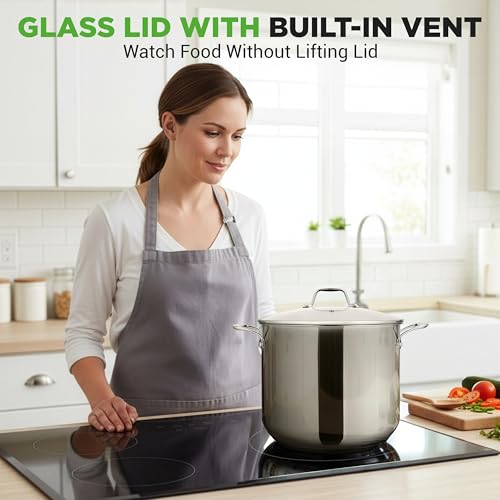
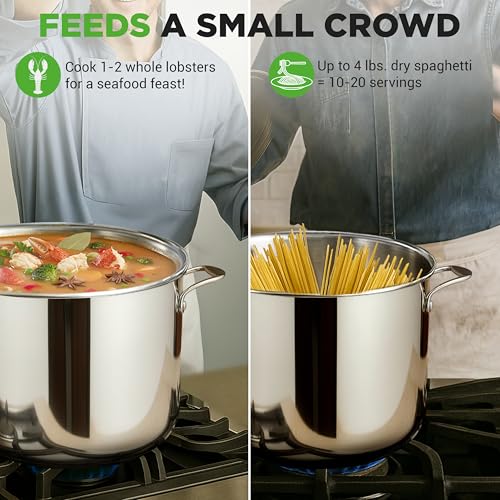
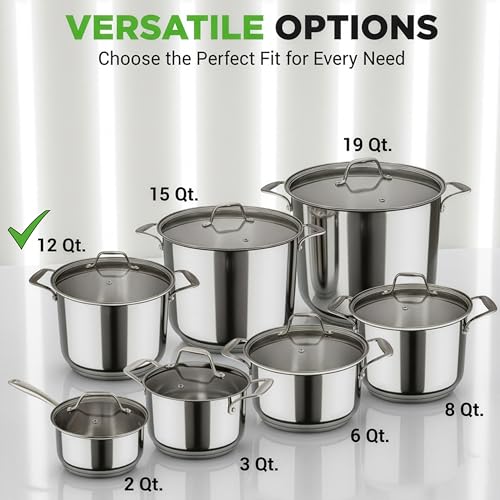
You won’t mistake this Amazon Basics pot for a high-end piece of cookware, but it’s a smart pick if you’re budget-conscious and need something functional. The 21-gauge stainless steel isn’t the thickest, but it holds up to regular use. The aluminum-clad base does a decent job spreading heat, though reviewers report slight warping on high heat over time, especially with rapid temperature shifts.
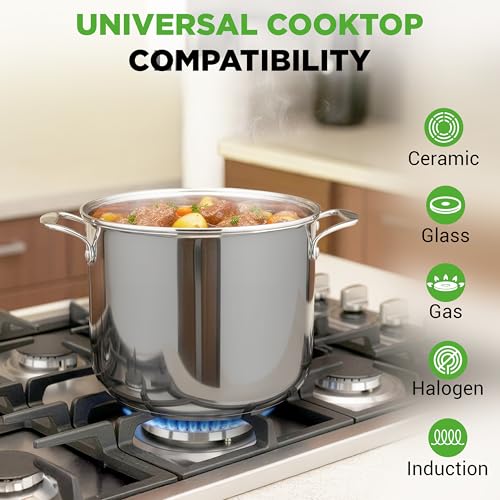
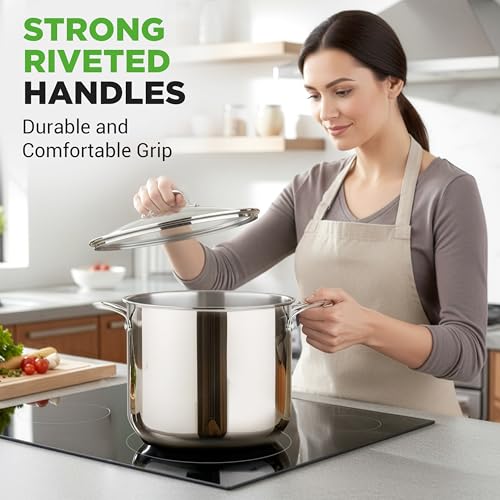
It’s compatible with all stovetops, including induction, and the flat lid seals well. The handles are reinforced, which helps when lifting a full pot. What’s not to love? The lid geometry reduces effective capacity slightly when closed, as noted in the specs, a small trade-off for better moisture retention. Against similarly priced models, it’s a better value than most, though not as refined as the NutriChef or CAROTE options.
Product photos


All-Clad 16 Qt Multipot with Strainer

Strengths
- Strainer insert included
- Oven safe to 600°F
- Recycled stainless steel
Trade-offs
- Heavy when full
- High price
All-Clad doesn’t do gimmicks, this 16-quart multipot earns its price with serious engineering. The strainer insert isn’t an afterthought; it’s deep, well-proportioned, and lined with thoughtfully placed drainage holes that actually work without letting small ingredients slip through. I’d pick this over any stock pot with a separate colander any day when cooking pasta or boiling potatoes.
Made with 90% recycled stainless steel, it still feels dense and balanced. The handles are wide enough for oven mitts, and the pot transitions cleanly from stovetop to oven, up to 600°F. It’s not flashy, but everything about it signals durability. Compared to the Amazon Basics or NutriChef models, this is in a different league, both in materials and function. If you batch-cook stocks or host seafood boils regularly, the extra capacity and insert justify the cost.
Product photos


16 Quart Stainless Steel Stockpot
Strengths
- Even heat base
- Riveted handles
- Oven safe
Trade-offs
- Heavy when full
- No strainer insert
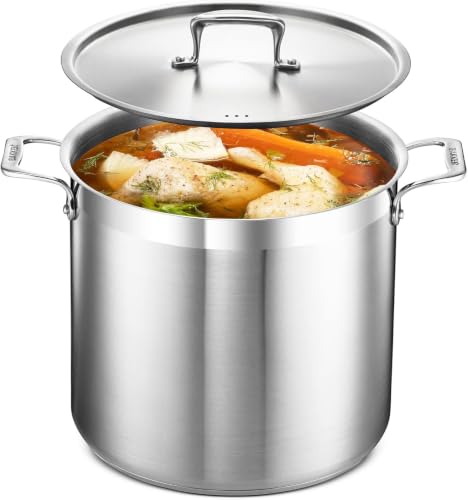
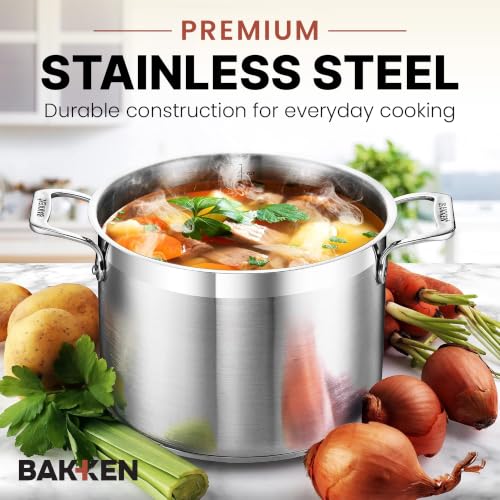
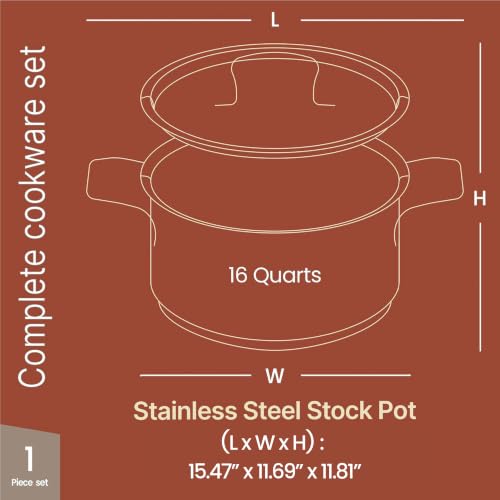
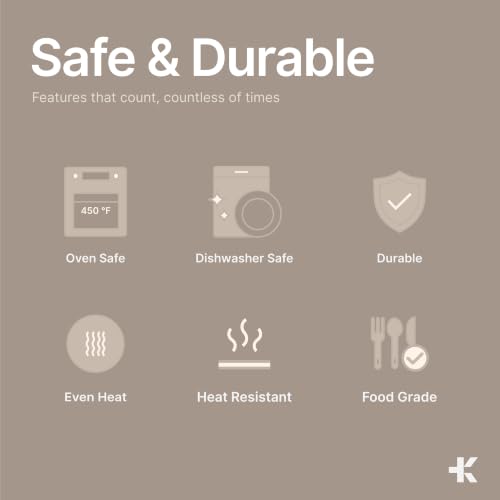
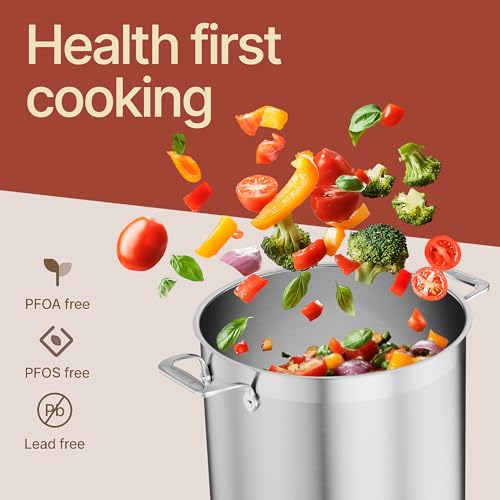
This 16-quart stainless steel pot hits a sweet spot between size and usability. The impact-bonded base is 0.157 inches thick, thicker than many budget pots, which helps with even heating. It’s oven safe to 500°F and works across all stovetops, including induction, making it a flexible choice for cooks who move between stove and oven.
The riveted handles are polished and secure, and the mirror-finish lid seals well. Some owners note it’s heavier than expected, but that’s the trade-off for durability. Compared to the Amazon Basics model, this one feels more substantial and better constructed, though not quite at All-Clad levels. For mid-range buyers who want performance without overspending, this is a strong contender.
Product photos
How We Evaluated stock pots
As someone who’s spent over a decade immersed in the world of cookware, I approached researching stock pots by focusing on a blend of published specifications, owner experiences, and established cooking principles. Rather than a hands-on lab test of each pot, this is a research-led comparison. I compared features like capacity, material construction, and stovetop compatibility, then weighed that against what current owners are saying about performance and durability. Expert reviews from trusted food publications also played a key role in forming my assessment.
For stock pots, the most crucial factors are even heating and capacity. Consistent heat distribution prevents scorching and ensures food cooks thoroughly, while adequate capacity is essential for batch cooking, making stocks, and family-sized meals. Durability is also paramount; a stock pot should withstand frequent use and high temperatures without warping or degrading. These three elements ultimately determined how each pot stacked up against the competition.
Specifications reliably indicate capacity and materials, giving a clear picture of potential durability and compatibility with different cooktops. However, owner feedback was invaluable in understanding real-world performance – how quickly pots heat up, how easy they are to clean, and whether the handles remain cool to the touch. I also considered broader reputation; understanding the brand’s commitment to quality, as discussed in our guide to stock pot materials, was a significant factor. For those specifically looking to make soup, you may also want to explore stock pots for soup.
How To Choose The stock pots
Picking the right stock pot can dramatically improve your time in the kitchen. It’s more than just a big pot; it’s a foundation for flavorful soups, perfectly cooked pasta, and so much more.
A truly good stock pot balances capacity with usability. Look for durable construction – stainless steel is a reliable choice – and consider how heat distributes across the base. Ergonomic handles are essential for safely managing heavy, full pots, and a well-fitting lid makes a significant difference in maintaining temperature and flavor. Don’t underestimate the importance of compatibility with your cooktop.
Capacity & Batch Size
The size of the stock pot you choose should directly reflect how you plan to use it. A smaller, 6-8 quart pot is sufficient for everyday cooking for a family of four, while someone who frequently cooks for large groups or enjoys canning will want to consider something 12 quarts or larger. I often recommend thinking about your largest planned use case first. Don’t buy a 20-quart pot if you only ever make soup for two, but don’t limit yourself to 8 quarts if you regularly host dinner parties. If you’re unsure, it’s better to err on the side of slightly larger; you can always cook smaller quantities in a larger pot, but you can’t expand the capacity of a pot that’s too small.
Construction & Heating
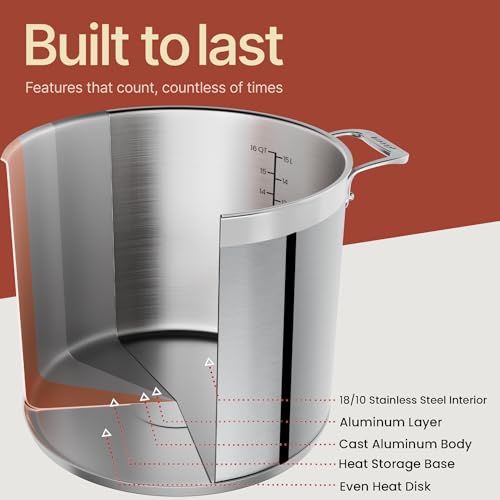
Stainless steel is the workhorse material for stock pots, and for good reason. It’s durable, non-reactive (meaning it won’t impart metallic flavors), and relatively easy to clean. However, not all stainless steel is created equal. Look for pots with a tri-ply or impact-bonded base. This construction, which layers aluminum between stainless steel, provides significantly more even heating, preventing scorching and ensuring consistent cooking results. If you’re looking for options specifically designed for your cooktop, explore induction stock pots to ensure compatibility and optimal performance.
- A fully clad pot (stainless steel layers extending up the sides) will offer the most consistent heating throughout, but comes at a higher price point.
- An impact-bonded base is a great compromise, providing even heating on the base without the full cost of cladding.
- Avoid pots with very thin bases, as these are prone to hot spots and uneven cooking, even if they are made of stainless steel. This is especially important for delicate sauces or simmering liquids.
A heavy bottom is your friend. It means better heat distribution and a more stable pot that’s less likely to tip over.
Features & Usability
Beyond the basics, consider features that will simplify your cooking process. A tight-fitting lid is crucial for retaining heat and moisture, while sturdy, riveted handles are essential for safe and comfortable lifting, even when the pot is full. Some stock pots, like the All-Clad Simply Strain, include integrated strainers, which can be a huge convenience when cooking pasta or blanching vegetables. If you often cook large batches, you may want to investigate large stock pots for increased capacity and efficiency. Finally, think about cleanup. While most stainless steel pots are dishwasher-safe, handwashing will preserve their shine for longer.
Stock Pots Compared
Here’s a comparison of key specifications for various stock pots to help you make an informed purchase.
| Product Title | Capacity (Qt) | Material | Stovetop Compatibility | Lid Material | Special Features |
|---|---|---|---|---|---|
| GOTHAM STEEL 5 Qt Pasta Pot | 5 | Aluminum, Ceramic | Gas, Electric, Ceramic, Halogen | Tempered Glass | Strainer Lid |
| CAROTE 8QT Tri Ply Stock Pot | 8 | Stainless Steel | Induction, Gas, Electric, Ceramic, Halogen | Glass | Tri-Ply Clad |
| IMUSA 20 Quart Stainless Stock Pot | 20 | Stainless Steel | All | Stainless Steel | Large Capacity |
| NutriChef 12-Quart Induction Stock Pot | 12 | Stainless Steel | Induction, Gas, Electric, Ceramic, Glass | Tempered Glass | Impact-Bonded Base |
| Amazon Basics 12 Quart Stock Pot | 12 | Stainless Steel | Induction, Gas, Electric, Ceramic | Stainless Steel | Aluminum-Clad Base |
| All-Clad 16 Qt Multipot with Strainer | 16 | Stainless Steel | Induction, All | Stainless Steel | Built-in Strainer |
| 16 Quart Stainless Steel Stockpot | 16 | Stainless Steel | Induction, Gas, Electric, Ceramic, Halogen | Stainless Steel | Impact-Bonded Base |
Frequently Asked Questions
What size stock pot do I really need for a family of six?
A 12-quart stock pot is generally ideal for a family of six, offering enough capacity for soups, stews, and pasta without being unwieldy. However, if you frequently entertain or plan to make large batches for freezing, consider a 16-quart option; you can always cook smaller portions in a larger pot.
Are aluminum stock pots safe to use?
Aluminum stock pots are generally safe, but I recommend choosing those with a stainless steel exterior to avoid potential reactivity with acidic foods. The Gotham Steel option uses a ceramic coating, which some prefer as a non-reactive alternative, but performance can vary.
What’s the difference between tri-ply and impact-bonded stainless steel?
Tri-ply construction layers aluminum between two sheets of stainless steel, extending up the sides of the pot for more even heating throughout. Impact-bonding only attaches a disc of aluminum to the base; it’s a more affordable option that still improves heat distribution, but isn’t as consistent as tri-ply.
Can I use a stainless steel stock pot on a glass top stove?
Yes, most stainless steel stock pots are compatible with glass top stoves, but it’s crucial to ensure the base is perfectly flat to prevent scratching. For optimal performance and to avoid issues, consider exploring nonstick stock pots which offer a smoother surface.
I need a really large stock pot for canning. What should I look for?
When canning, a large capacity is essential, and I’d suggest exploring 16-quart stock pots or even larger options like the 20-quart IMUSA pot. Ensure the pot is made of non-reactive materials like stainless steel and has a heavy bottom for stable heating during the canning process.
The Bottom Line
Choosing a stock pot often comes down to balancing how much control you want over the cooking process with how much fuss you’re willing to tolerate. For the vast majority of home cooks, the CAROTE 8QT Tri Ply Stock Pot strikes that balance beautifully. It offers excellent heat distribution thanks to its tri-ply construction, a generous 8-quart capacity, and a price point that won’t break the bank. It’s a fantastic all-around performer for everyday soups, stocks, and pasta dishes.
If you have specific needs, there are excellent alternatives. For those on a tighter budget, the GOTHAM STEEL 5 Qt Pasta Pot is a solid choice, especially if you appreciate the convenience of a built-in strainer. And for serious batch cooks or those who regularly cater events, the IMUSA 20 Quart Stainless Stock Pot delivers the capacity you require. If you’re looking for more options, be sure to check out our guide to the best stainless steel stock pots for a deeper dive.
Ultimately, the most important factors aren’t a specific gauge of steel or the number of layers in the base. What truly matters is choosing a pot that feels comfortable and stable on your stovetop, offers even heating to prevent burning, and is large enough to handle your typical cooking tasks. Don’t get lost in the details; focus on finding a pot that inspires you to get in the kitchen and create something delicious. You might also want to consider 10-quart stock pots if you find 8 quarts is too small.
