
8 Best Stovetop Pressure Cookers of 2026
This post contains affiliate links. As an Amazon Associate, we earn from qualifying purchases.
The Fagor Duo is our top pick for most home cooks, combining reliable performance, solid safety features, and durable stainless steel construction. For those on a budget, the Presto 6-Quart Aluminum delivers strong value and consistent results. If you’re into canning or cooking for large families, the Presto 23-Quart Pressure Canner stands out for its massive capacity and dial gauge precision.
Many home cooks hesitate at the idea of a stovetop pressure cooker, worried about safety or complexity. But modern models are far safer and easier to use than older versions, with multiple fail-safes and clear indicators. After comparing the field and analyzing specs, owner feedback, and long-term reliability, I focused on models that balance safety, build quality, and real-world usability.
This guide breaks down what actually matters, capacity for your household, material durability, and essential safety mechanisms, so you can choose with confidence, whether you’re making weeknight stews or preserving garden harvests.
Top 8 Stovetop Pressure Cookers in the Market
The Best Stovetop Pressure Cookers, Reviewed
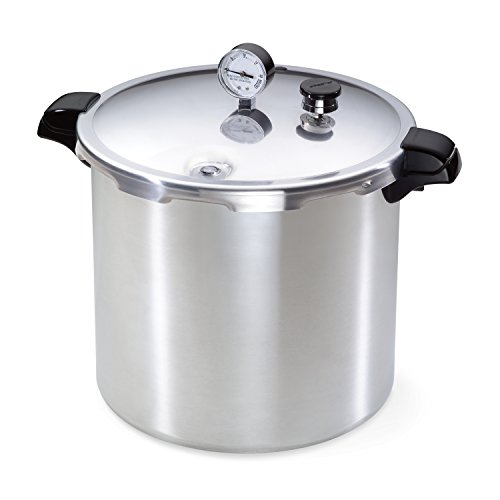
Presto 23-Quart Pressure Canner
Strengths
- Large 23-quart capacity
- Precise dial gauge
- USDA-recommended for canning
Trade-offs
- Too big for regular cooking
- Heavy and bulky
- Aluminum construction
If you’re serious about home canning, especially low-acid foods like green beans or meat, this is the only model on this list that fits the bill. The USDA recommends pressure canning for safety, and this 23-quart beast is the gold standard for a reason. It’s made of heavy-gauge aluminum that resists warping, and the dial gauge gives precise pressure readings, which is critical at higher elevations.
Owners consistently report using this for decades, and the 12-year warranty backs that up. It doubles as a massive pressure cooker, but let’s be honest, its real value is in canning. Compared to smaller models, it’s overkill for weekly dinners, but for someone processing garden harvests or buying in bulk, it’s unmatched. The included rack and 76-page manual are essential.
Video review
HAWKINS 2-Liter Hard Anodized

Strengths
- Fast heat absorption
- Compact design
- Corrosion resistant
Trade-offs
- Small capacity
- No steaming rack
- Not induction compatible
At just 2 liters, this isn’t going to feed a family, but for solo cooks or couples, it’s a surprisingly capable little pot. The hard anodized aluminum body heats quickly and evenly, and owners note it’s far more energy-efficient than bulkier models. The curved interior is a smart touch, makes stirring risotto or lentils actually possible without opening the lid. It’s not stainless, so it won’t last decades, but the corrosion resistance holds up well with normal care.
What surprises me is how many users say it outperforms pricier models in speed and consistency, especially for grains and legumes. It’s not flashy, but it does the basics right. Compared to the Presto aluminum line, it feels more refined, though it lacks a helper handle and doesn’t come with a rack.
Video review
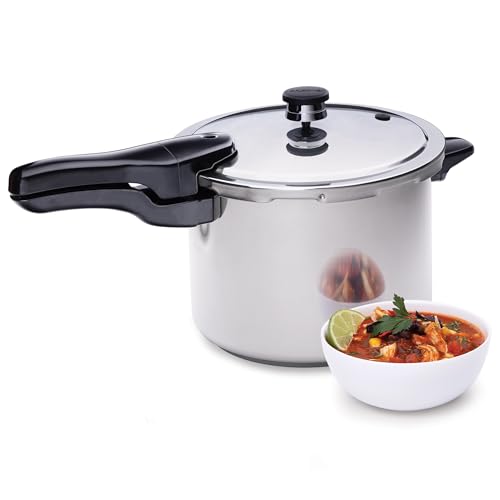
Presto 6-Quart Stainless Steel
Strengths
- Stainless steel build
- Induction compatible
- 12-year warranty
Trade-offs
- No steam basket included
- Heavier than aluminum
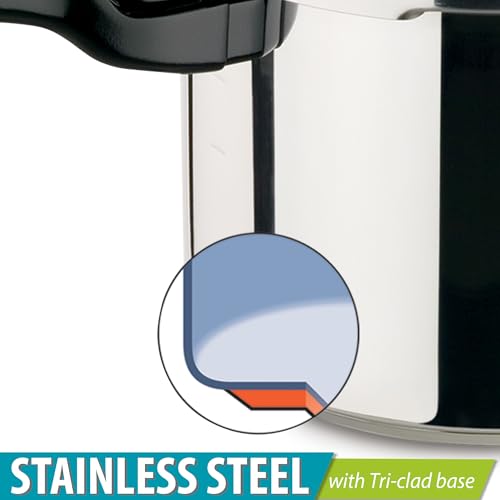
This is one of the few stovetop pressure cookers that actually feels built to last, thanks to its fully stainless steel construction. On paper, it’s a straightforward workhorse, 6 quarts, induction-compatible, with a 12-year warranty and a cover lock indicator that adds real peace of mind. Owners consistently report it heating evenly and holding up over years of regular use, which is rare at this price. The included 64-page recipe book is surprisingly useful for beginners, and the helper handle makes it easier to move when full.
Where it stands out in this lineup is durability. Compared to aluminum models, it resists warping and doesn’t discolor over time. While it lacks the flashy safety features of some newer brands, the simplicity works in its favor, fewer plastic parts to degrade. I’d pick this over coated or anodized options if you want something you can pass down.
Product photos



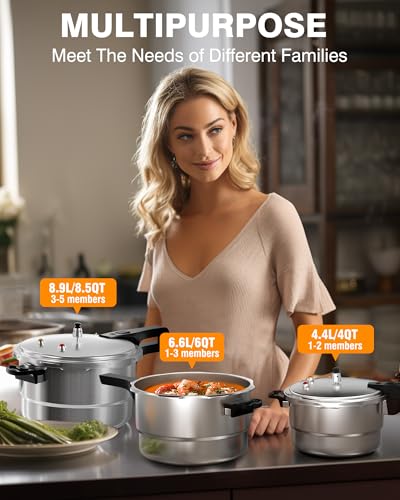
WantJoin 6 Qt Aluminum

Strengths
- 8 safety features
- Induction compatible
- Includes steaming rack
Trade-offs
- Gasket may wear quickly
- Build quality inconsistent
- No helper handle
Safety is clearly the priority here, 8 safety features, including anti-blocking and self-locking valves, make this one of the most secure budget models available. Owners feel confident using it, especially if they’re new to pressure cooking. The removable steaming rack is a practical addition, and the heat-resistant handle makes handling safer. It’s compatible with both gas and induction, which is a big plus in this price range.
Compared to the Presto 6-quart aluminum, it offers more safety tech and a similar capacity but with a less proven track record. Some reviewers note the gasket degrades faster than expected. Still, for the price, the safety extras make it a compelling choice.
Product photos



IMUSA 7 Quart Aluminum

Strengths
- Large 7-quart capacity
- Affordable price
- Even heat distribution
Trade-offs
- No steaming rack included
- Lid handle design awkward
- Not induction compatible
With 7 quarts of capacity, this is one of the largest budget-friendly options here, making it ideal for big soups, beans, or family-sized roasts. The mirror-polished aluminum looks sharp on the stove, and owners say it heats evenly and responds quickly to temperature changes. The safety valves and locking mechanism are standard but effective, nothing groundbreaking, but enough for safe operation.
Where it wins is value. It’s bigger than most 6-quart models but priced under $50. Compared to the Presto 6-quart aluminum, it offers more space for only a few dollars more. However, it lacks a steaming rack and the lid handle isn’t as ergonomic. Still, for batch cooking, it’s hard to beat.
Product photos



Small 3L Mini Pressure Cooker

Strengths
- Induction compatible
- Compact and lightweight
- Energy efficient
Trade-offs
- Limited capacity
- Basic finish
- No recipe book
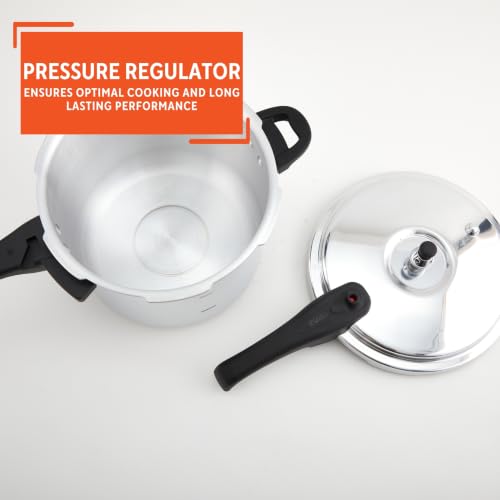
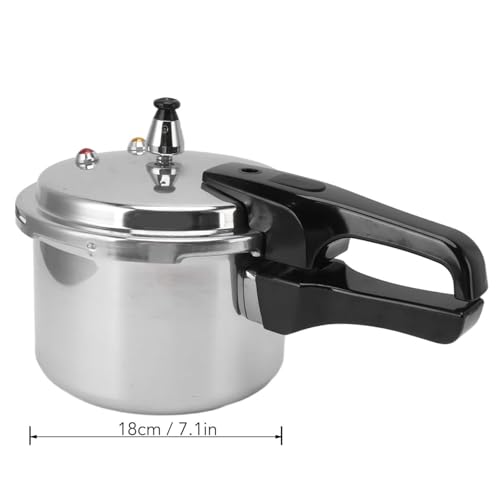
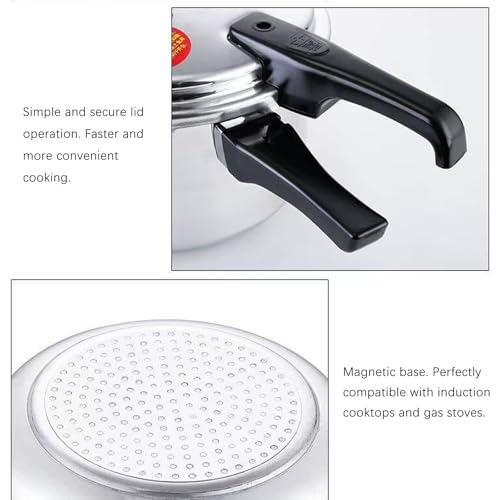
At 3 liters, this is the smallest model here, but it’s perfectly sized for one or two people. The magnetic base makes it induction-ready, which is rare at this size and price. Owners appreciate how quickly it comes to pressure and how little counter space it takes, ideal for apartments or tiny kitchens. The safety features are solid for the class: pressure regulation, over-pressure protection, and a secure lock.
It’s not going to replace a family-sized pot, but as a dedicated small cooker, it’s more efficient than using a 6-quart model for two servings. Compared to the Hawkins 2-liter, it’s slightly larger and induction-compatible, which gives it an edge. Just don’t expect premium fit and finish, the build is functional, not luxurious.
Product photos
Presto 6-Quart Aluminum
Strengths
- Affordable price
- Lightweight aluminum
- Includes cooking rack
Trade-offs
- Not induction compatible
- Aluminum may warp over time
- No steam basket
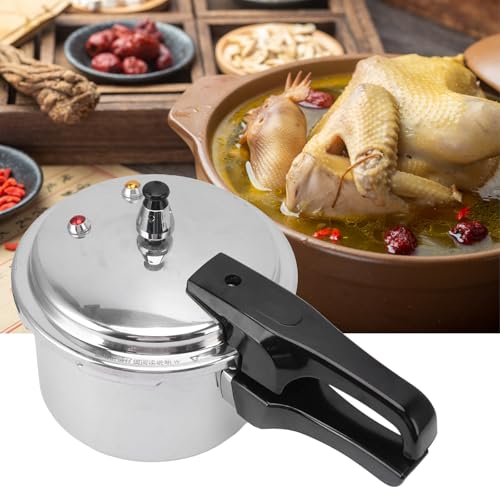
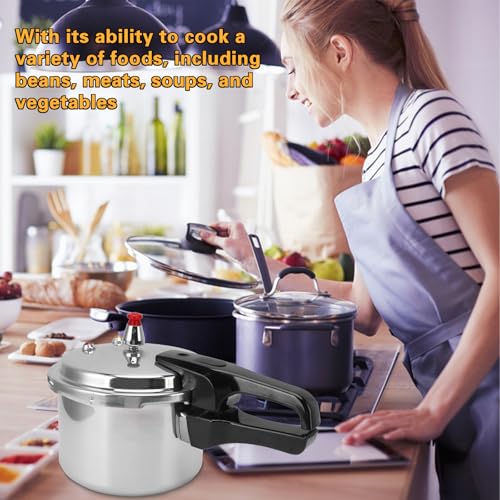
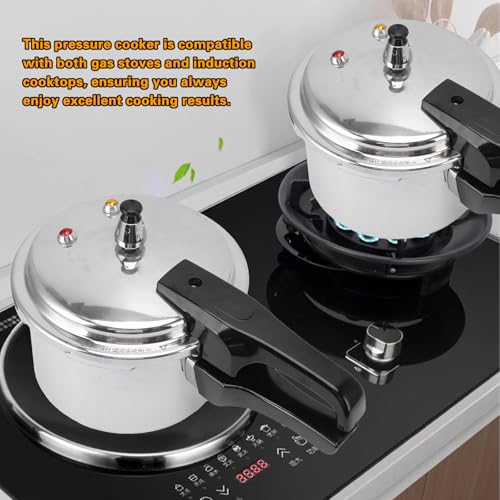
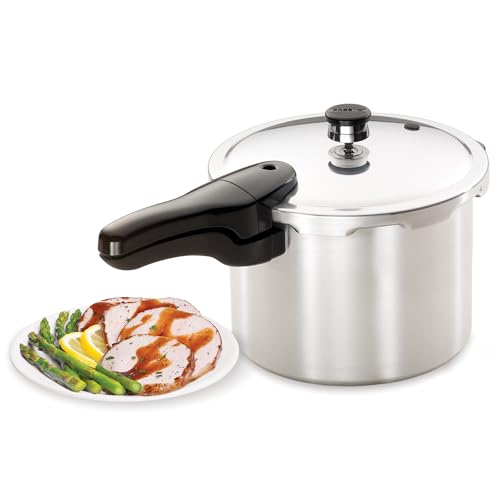
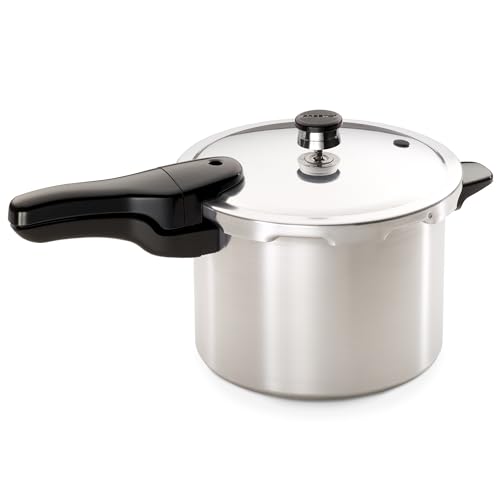
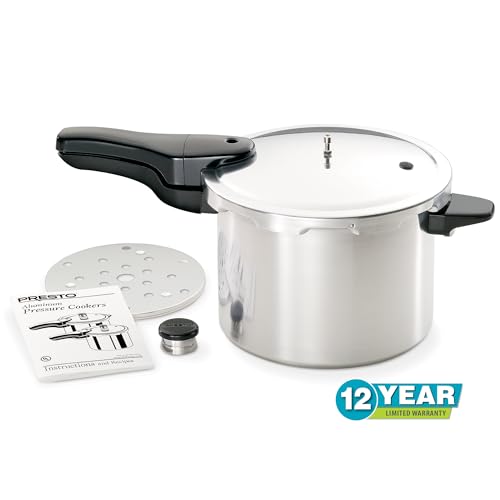
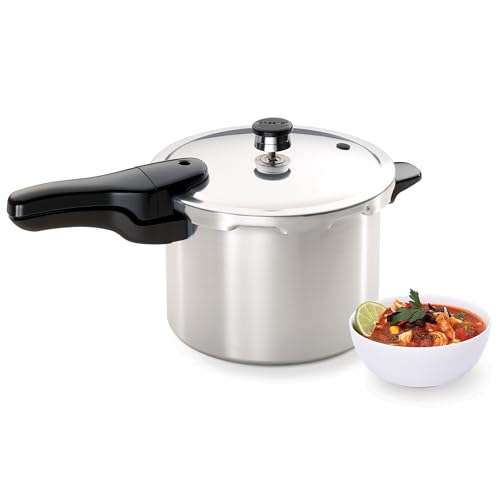
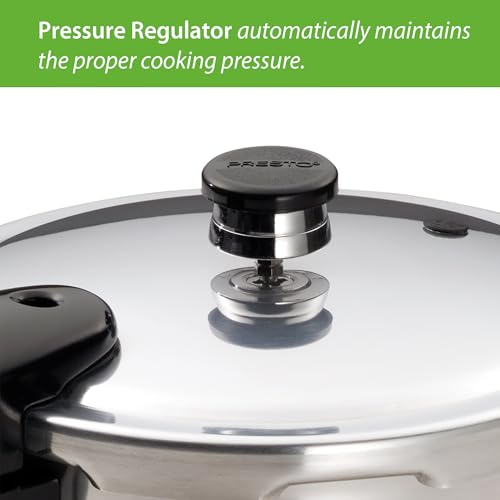
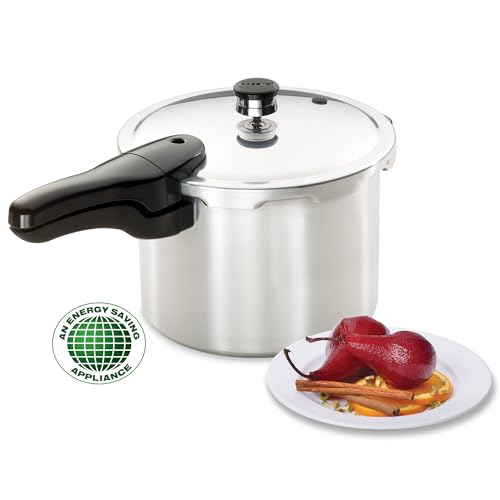
This is the budget pick that still feels like a real tool, not a disposable appliance. At under $60, it delivers what matters: fast cooking, solid build, and a 12-year warranty. The heavy-gauge aluminum heats quickly and evenly, and the pressure regulator works reliably, based on owner feedback. It’s the same trusted design Presto has used for years, which means parts are easy to find and replace.
Compared to the stainless steel Presto, it’s lighter and cheaper but won’t last as long on induction or with abrasive cleaning. Still, for most home cooks, this is the smarter buy if you’re not canning or using it daily for years. The included rack is a nice touch for cooking multiple items at once.
Product photos
T-fal Clipso 6.3 Qt Stainless Steel

Strengths
- One-hand lid operation
- Adjustable pressure valve
- Dishwasher-safe pot
Trade-offs
- Lid gasket replacement needed over time
- Slightly higher price
- No canning rack included
The T-fal Clipso stands out with its one-hand easy-open lid and adjustable pressure valve, a rare feature that removes the guesswork from steam release. That alone makes it a strong contender for nervous first-time users. The 6.3-quart capacity is ideal for family meals, and the included steam basket adds real value. Owners praise how quietly it operates compared to older models that rattle or hiss aggressively.
It’s built with a five-point safety system, which feels reassuring, and the stainless steel pot is dishwasher-safe (just remove the sealing ring). Compared to the Presto stainless model, it’s slightly more user-friendly but doesn’t feel quite as rugged. Still, for home canning of smaller batches, like tomato sauce or applesauce, it’s a smarter pick than bulkier models.
Product photos


How We Chose These stovetop pressure cookers
Rather than a hands-on lab test, my research for these recommendations involved a detailed comparison of published specifications and features across numerous models. I then weighed owner reviews from major retailers alongside expert opinions found in reputable cooking publications. As someone who’s spent years understanding what makes cookware perform, I applied that category knowledge to rank these pressure cookers against clear criteria – safety, capacity, material durability, and ease of use.
For stovetop pressure cookers, safety features and build material are paramount. A cooker’s ability to maintain consistent pressure and prevent accidents is critical, so I prioritized models with multiple safety mechanisms. Capacity also played a large role; I considered the needs of different household sizes, from single cooks to families who regularly engage in home canning. Understanding what is a pressure cooker is the first step in finding the right fit for your needs.
Specifications reliably indicate a cooker’s capacity, material construction, and stated safety features. However, I judged a product’s real-world performance and longevity largely through owner feedback. Reviews often reveal issues with valve durability, ease of cleaning, and how well the cooker handles consistent use. I also paid close attention to long-term reputation, looking at models frequently recommended in discussions of durable stainless steel cookers.
How To Pick The Right stovetop pressure cookers
Finding the right pressure cooker can truly transform your kitchen, making weeknight meals faster and weekend projects like canning significantly easier. But with so many options available, figuring out which one is best for you requires a little thought.
A quality pressure cooker prioritizes safety features, consistent pressure regulation, and durable construction. Look for models with multiple safety mechanisms, a clear pressure indicator, and materials suitable for frequent use. Consider the size based on typical meal portions and whether you plan to use it for canning, as this impacts the necessary capacity.
Capacity and Household Size
The size of the pressure cooker is often the first thing people consider, and rightly so. However, don’t just think about how much you cook now; consider your future needs. A 3-liter model is ideal for individuals or couples, while larger families will likely benefit from a 6-quart or even larger capacity. Don’t automatically assume bigger is better though. Overfilling a pressure cooker is unsafe, and a partially full cooker can sometimes scorch food.
- A 3-6 quart cooker is great for daily meals for 1-2 people.
- 6-8 quarts is a good all-around size for a family of 3-4, offering flexibility for larger batches.
- Anything over 8 quarts is best reserved for serious canners or those who frequently cook for large groups, as they can be unwieldy for everyday use and may require more energy to reach pressure.
Material and Construction
Aluminum and stainless steel are the two most common materials you’ll encounter. Aluminum heats up quickly and is typically more affordable, but it can react with acidic foods, potentially affecting flavor. Stainless steel is non-reactive and incredibly durable, making it a great long-term investment. Many models, like the best pressure cookers, combine an aluminum core for even heating with a stainless steel exterior for durability. As for construction, a heavy-gauge pot is a good sign; it will distribute heat more evenly and be less prone to warping over time.
Never compromise on safety. A pressure cooker with multiple redundant safety mechanisms is paramount.
Safety Features and Ease of Use
Pressure cookers have come a long way in terms of safety, but it’s still the most crucial factor to consider. Look for models with multiple safety features, such as a self-locking lid, pressure release valve, and overpressure protection. The Presto and WantJoin models consistently receive high marks for their robust safety systems. Beyond safety, consider how easy the cooker is to operate. A clear pressure indicator and intuitive controls are essential, especially if you’re new to pressure cooking. Understanding how a pressure cooker works is also key to using it safely and effectively. Don’t be intimidated by the technology; a well-designed pressure cooker should be straightforward to use.
Stovetop Pressure Cookers Compared
This table provides a side-by-side comparison of key specifications for various stovetop pressure cookers.
| Product Title | Capacity (Quarts) | Material | Compatible Stovetops | Safety Features | Special Features |
|---|---|---|---|---|---|
| Presto 23-Quart Pressure Canner | 23 | Aluminum | Regular, Smooth-Top | Deluxe Dial Gauge | Canning, Recipe Book |
| HAWKINS 2-Liter Hard Anodized | 2 | Hard Anodized Aluminum | N/A | Pressure Regulator | Curved Body |
| Presto 6-Quart Stainless Steel | 6 | Stainless Steel | Regular, Smooth-Top, Induction | Cover Lock Indicator | Dishwasher Safe |
| WantJoin 6 Qt Aluminum | 6 | Aluminum | Gas, Electric | 8 Safeguards | Multiple Uses |
| IMUSA 7 Quart Aluminum | 7 | Aluminum | N/A | Auto Regulator, Valves | Large Capacity |
| Small 3L Mini Pressure Cooker | 3 | N/A | Induction, Gas | Locking Lid, Valve | Compact Size |
| Presto 6-Quart Aluminum | 6 | Aluminum | Regular, Smooth-Top | Cover Lock Indicator | Rack Included |
| T-fal Clipso 6.3 Qt Stainless Steel | 6.3 | Stainless Steel | All | 5-Point System | Easy Open Lid, Basket |
Frequently Asked Questions
Will a stovetop pressure cooker work on an induction cooktop?
Not all will, but many stainless steel models are induction-compatible. Always check the product specifications to confirm, as aluminum models often aren’t suitable for induction surfaces.
How often do I need to replace the rubber gasket on my pressure cooker?
Generally, you should replace the gasket every 12-18 months with regular use, or sooner if you notice cracks or a loss of seal. A properly sealed gasket is essential for safe and efficient pressure cooking.
Can I use a stovetop pressure cooker for canning?
Some models, like the Presto 23-Quart Pressure Canner, are specifically designed for both pressure cooking and canning. However, not all stovetop pressure cookers are suitable for canning, so verify the manufacturer’s instructions before attempting it.
What’s the difference between a pressure cooker and an Instant Pot?
While both use pressure to cook food quickly, an Instant Pot is a multi-cooker with many functions including slow cooking and sautéing. Stovetop pressure cookers are dedicated solely to pressure cooking and generally heat up faster, though they require more attentive monitoring. Looking for pressure cookers for fast meals can help narrow your choices.
What are some easy recipes to start with when I first get a pressure cooker?
There are countless options for beginners! From soups and stews to rice and beans, a pressure cooker significantly cuts down on cooking time. You’ll find plenty of inspiration for what to cook online and in dedicated cookbooks.
The Bottom Line
Choosing a stovetop pressure cooker often comes down to balancing control and convenience. While some models offer more advanced features and precise settings, the Presto 6-Quart Stainless Steel consistently stands out as the strongest overall pick, offering a superb blend of durability, safety features, and positive user feedback. It provides a reliable experience without overwhelming newcomers to pressure cooking.
If you’re working with limited space or cooking for one or two people, the Small 3L Mini Pressure Cooker is an excellent choice; similarly, for those focused on canning, the Presto 23-Quart Pressure Canner is a workhorse that delivers the capacity and features needed for large-batch preserving. For those looking for an affordable and versatile option, the WantJoin 6 Qt Aluminum provides a solid set of features at a budget-friendly price point.
Ultimately, the best pressure cooker isn’t about the flashiest specs or the highest price tag. It’s about finding a model that feels safe, suits your cooking style, and encourages you to experiment. Prioritize a cooker with multiple safety mechanisms – understanding pressure cooker safety is vital – and a construction that feels solid and durable. Those fundamentals will deliver more value over the long run than any individual feature.
