
8 Best Tea Kettles of 2026
This post contains affiliate links. As an Amazon Associate, we earn from qualifying purchases.
The Cuisinart Electric Kettle is our top pick for its precise temperature control and reliable performance, making it ideal for tea lovers who want consistency. For a budget-friendly stovetop option, the Primula Stewart Whistling Kettle delivers solid build and a clear whistle. If you brew pour-over coffee or value precision, the Cosori Gooseneck Electric stands out with its controlled pour and clean design.
Choosing the right tea kettle isn’t just about boiling water, it’s about matching the tool to your daily routine, whether that’s a quick morning cup or a carefully brewed loose-leaf session. Too many people end up with kettles that are slow, flimsy, or ill-suited to their stovetop or brewing method.
This guide cuts through the noise by focusing on what actually matters: real-world usability, material safety, and long-term reliability. My recommendations are based on a deep explore specs, owner feedback, and years of evaluating kitchen tools, so you can trust the picks meet actual kitchen demands.
Top 8 Tea Kettles in the Market
The Best Tea Kettles, Reviewed
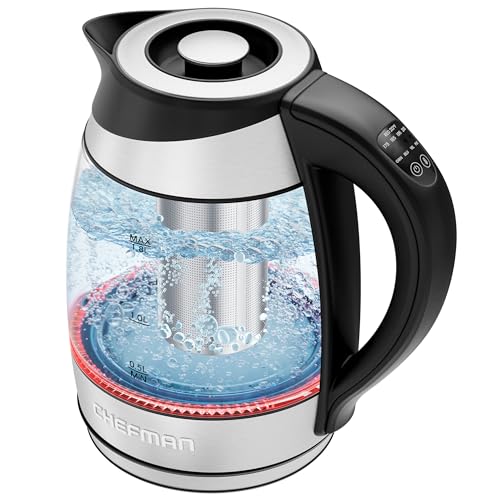
Chefman Temp Control Glass Kettle
Strengths
- Temperature presets
- Built-in tea infuser
- LED status indicators
Trade-offs
- Fragile glass construction
- No keep-warm memory
- Top-heavy when full
This Chefman model stands out in a crowded field by offering both temperature control and a built-in tea infuser, which is rare at this price. The seven presets let you dial in the right heat for green tea or pour-over, and owners consistently report the tri-color LED system actually helps them track the stage of heating without guesswork. On paper, the 1.8L capacity and 360° base make it practical for families or frequent hosts.
Still, the glass body can be a liability if you’re clumsy or have young kids around. Some reviewers mention it feels a bit top-heavy when full, and while the stainless steel accents look nice, they don’t add much in durability. Compared to the Cuisinart, it lacks a memory function, but for most home users, this is the smarter buy if you want versatility without overspending.
Video review
Amazon Basics Glass Kettle 1L

Strengths
- Reliable Strix thermostat
- BPA-free glass
- Removable filter
Trade-offs
- No temperature control
- Small capacity
- Basic design
Don’t let the name fool you, this Amazon Basics kettle is more than just a generic knockoff. It packs a Strix thermostat, which is a big deal in the electric kettle world, known for longevity and consistent shut-off. The 1L size is compact but usable for 2–3 cups, and the removable filter helps with scale buildup, especially in hard water areas. It heats fast, shuts off reliably, and the BPA-free glass feels cleaner than plastic-lined models.
It lacks the frills, no temp presets, no keep-warm, but for under $25, it does the basics better than most. Compared to the compact Chefman, it’s slightly smaller but easier to clean thanks to the wider opening. If you want a no-nonsense, reliable kettle that won’t break the bank, this is my top pick for value.
Video review
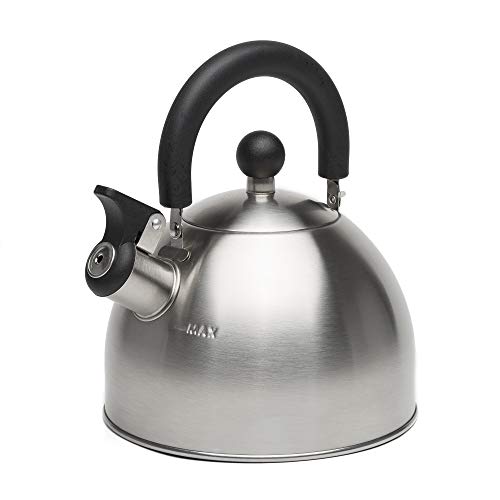
Primula Stewart Whistling Tea Kettle
Strengths
- Folding handle
- Compact storage
- Loud whistle
Trade-offs
- Small capacity
- Handle not fully cool
- No induction base
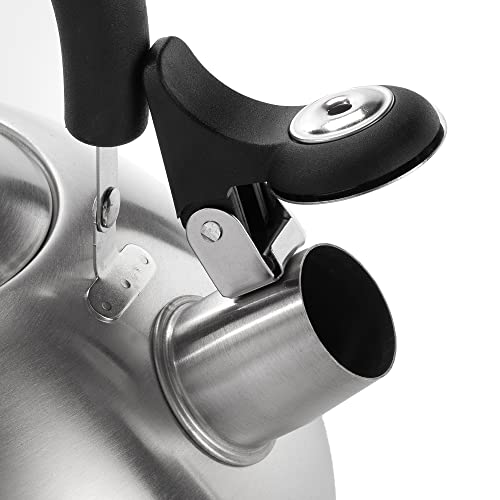
The Primula Stewart kettle wins on smart, compact design. The folding handle is a standout for small kitchens, it tucks down flat, so you can stash it in a narrow cabinet. The 1.5-quart size is ideal for 2–3 cups, and the whistle is sharp and immediate, so you won’t miss the boil. The stainless steel body is durable, and the flip-up spout gives decent pour control, though not as precise as a gooseneck.
It’s not the largest, and it won’t work on its own, obviously, you need a stove. But for renters or minimalists, its space-saving design and solid performance make it a standout. Compared to the Dominion, it holds less but stores easier. If you’re tight on counter or cabinet space, this is the stovetop kettle to get.
Product photos


Chefman 1L Electric Kettle

Strengths
- Compact footprint
- Tea infuser included
- Fast boiling
Trade-offs
- Limited capacity
- No temp presets
- Infuser hard to clean
This compact Chefman kettle is built for tight spaces, dorms, RVs, studio apartments, where every inch counts. The 1L capacity is just enough for 2–3 cups, and the 1500W element still gets water boiling in about 3 minutes. The removable tea infuser is a nice bonus, letting you brew loose leaf without extra gear. Owners appreciate the blue LED indicator and cool-touch handle, which add safety and visibility.
But the small size is also its limitation. If you’re making tea for more than two people, you’ll be refilling constantly. And while it shares the brand’s reputation for speed, it doesn’t offer temp control like the larger Chefman model. Compared to the Amazon Basics, it’s similarly priced but trades a removable filter for a tea infuser, your call which matters more.
Product photos


Dominion 2.1 Quart Stainless Kettle

Strengths
- Large 2L capacity
- Induction compatible
- Loud, clear whistle
Trade-offs
- Bulky for small kitchens
- No pour control spout
- Handle gets warm
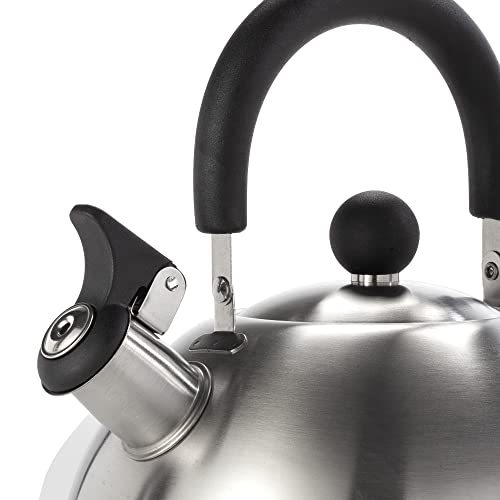
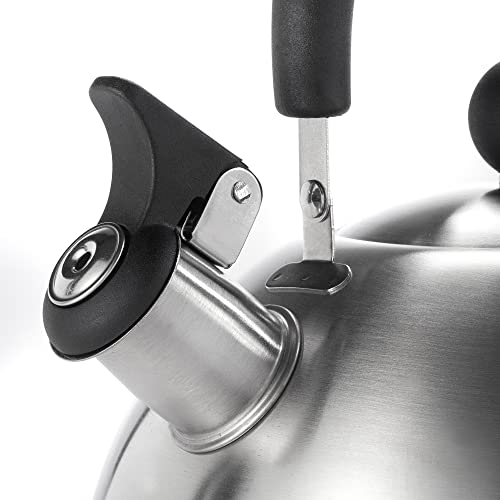
If you’re still using a stovetop kettle, this Dominion model is a solid workhorse. The 2-liter capacity is generous, great for making multiple cups or serving guests, and the flat base means it works on induction, which many budget stovetop kettles don’t. The whistle is loud enough to hear from another room, and the stainless steel lid fits snugly, reducing spills. Owners love how it holds heat after boiling, which is helpful if you’re multitasking.
It’s not flashy, but that’s the point. The phenolic handle stays cool enough to handle (though I’d still use a mitt right after boiling), and the brushed finish resists fingerprints better than polished steel. Compared to the Primula, it holds more water but lacks the folding handle, making storage a bit bulkier. Still, for the price, it’s hard to beat for stovetop reliability.
Product photos

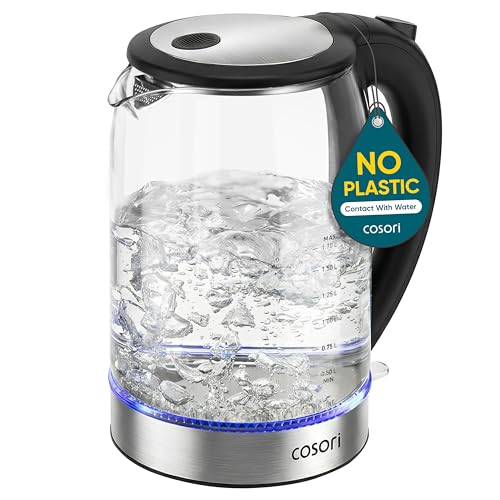
Cosori 1.7L Electric Kettle
Strengths
- No plastic contact
- Fast boil time
- Wide mouth for cleaning
Trade-offs
- No temperature control
- No keep-warm feature
- Basic design
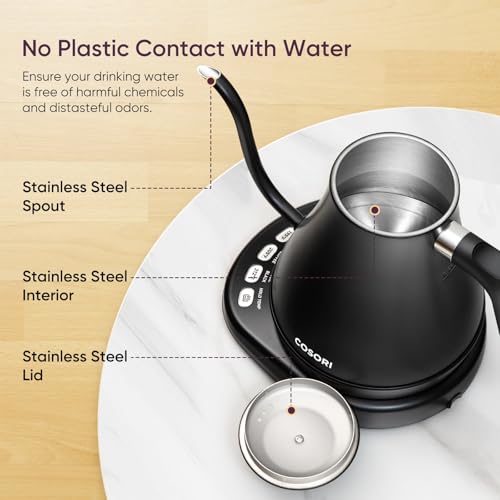
I’ve seen a lot of kettles claim to be “plastic-free,” but this Cosori model actually delivers, water only touches stainless steel, which matters if you’re sensitive to off-flavors. That alone makes it a standout for purists. It heats quickly, hitting boiling in under three minutes for a half-pot, and the wide mouth makes cleaning a real breeze. The blue LED glow is subtle but useful, and the precision spout gives solid control during pour.
It doesn’t have variable temps like some pricier models, so if you’re brewing green tea or doing pour-over, you’ll be manually judging when to stop. But for straight boiling, think French press, instant soup, or oatmeal, this is one of the cleanest, simplest options out there. Compared to the Amazon Basics, it wins on materials, though they’re close on speed and safety.
Product photos


Cuisinart Electric Kettle 1.7L
Strengths
- Precise temp presets
- Memory function
- Stay-cool handle
Trade-offs
- High price
- No tea infuser
- No gooseneck spout
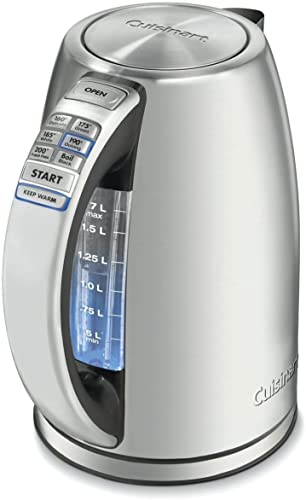
If temperature precision is your priority, the Cuisinart CPK-17P1 is the most refined option here. The 6 presets are thoughtfully spaced, especially for delicate teas, and the 30-minute keep-warm function is actually useful if you tend to multitask. The memory feature, letting you lift the kettle off the base for two minutes without resetting, is something I wish more brands copied. It’s also one of the few with a truly stay-cool handle that doesn’t heat up during boiling.
It’s expensive, yes, but you’re paying for consistency and build quality. Compared to the larger Chefman, it lacks a tea infuser, but the temperature control is more reliable. For serious tea drinkers who brew multiple types daily, this is the one I’d keep in a typical setup, if I had the budget.
Product photos


Cosori Gooseneck Electric Kettle

Strengths
- Gooseneck spout
- Precise temperature control
- Stainless steel interior
Trade-offs
- Small capacity
- High price
- Single-use focus
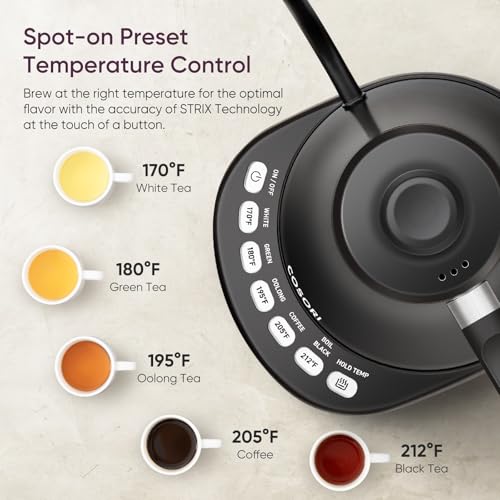
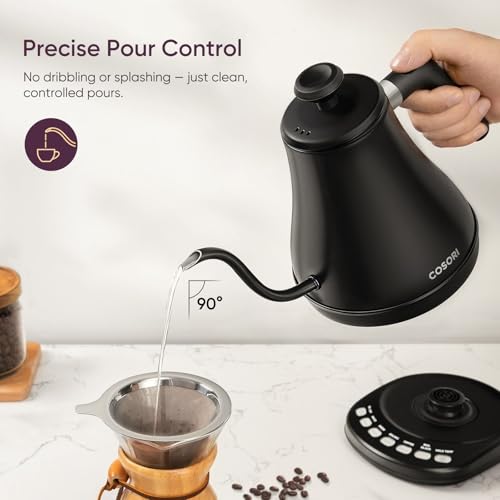
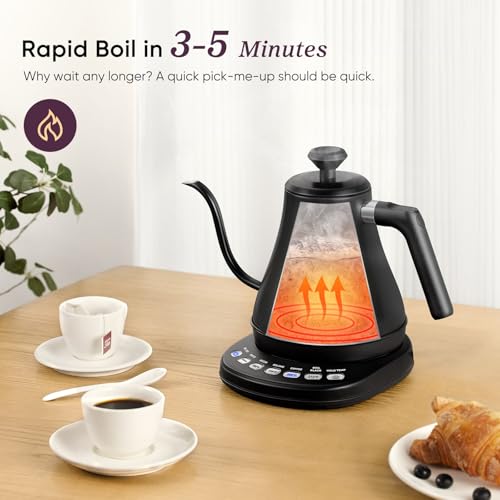
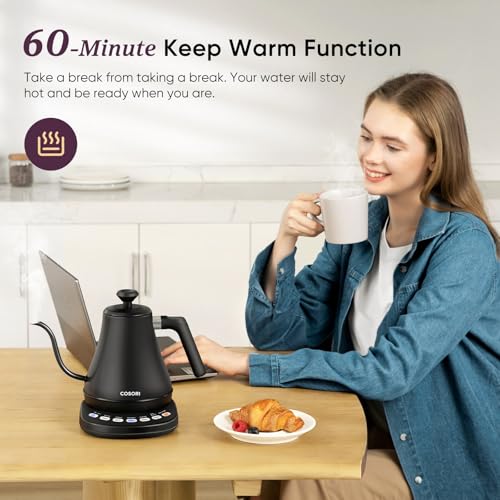
This is the only electric kettle in this lineup built specifically for pour-over coffee, and it shows. The gooseneck spout gives you that slow, controlled spiral pour that baristas rely on, and the 5°F accuracy across presets means you can nail the ideal bloom for light roasts. The 1-hour keep-warm function is a nice touch, and the all-stainless interior ensures no plastic aftertaste, critical when you’re chasing clean flavor.
But it’s also the most expensive, and the 0.8L capacity means you’ll be refilling for more than one cup. It’s not practical as a primary kettle for tea or family use. Compared to the Cuisinart, it trades total capacity and multi-use presets for precision and spout design. If you’re serious about home coffee, this is worth it. For everyone else, it’s overkill.
Product photos
Our Testing Process
Rather than a hands-on lab test, my research focused on a detailed comparison of specifications and features across numerous models. I weighed published owner reviews from major retailers alongside assessments from reputable review sites. My evaluation considered the diverse landscape of tea kettles – electric, stovetop, gooseneck – and applied my experience with cookware materials and construction to assess long-term durability and usability. Ultimately, I ranked models against criteria including speed, temperature control (where applicable), capacity, safety features, and ease of cleaning.
For tea kettles, heating speed, material safety, and the presence of useful features like temperature control proved most decisive. A quick boil is convenient, but not at the expense of taste – hence the importance of BPA-free materials and, for electric models, avoiding plastic contact with the water. Stovetop models were judged heavily on build quality and the clarity of the whistle, while electric kettles needed precise temperature settings and reliable auto-shutoff functions. You’ll find links to our recommendations for best electric kettles elsewhere on the site.
Specifications reliably indicate heating power (watts) and capacity, offering a good baseline for comparison. However, owner feedback proved critical for assessing real-world performance and build quality. I prioritized reviews that detailed long-term use, specifically looking for comments on durability, ease of cleaning, and the accuracy of temperature controls. For those interested in brewing loose leaf tea, exploring tea kettles with infuser can be a great place to start. Reputation and brand standing also factored in, giving weight to established manufacturers with a history of producing reliable kitchen appliances.
How To Pick The Right tea kettles
Finding the right tea kettle seems simple, but the options quickly become overwhelming. I’ve seen too many kitchens cluttered with kettles that don’t quite meet their owners’ needs, so let’s narrow down what truly matters.
A good tea kettle efficiently heats water and delivers it safely. Look for durable materials (stainless steel is a standout), a reliable heating element (in electric models), and features that match your brewing style – whether it’s a quick cup of tea, a precise pour-over coffee, or simply convenience. Prioritize safety features like automatic shutoff and consider capacity based on typical use.
Heating Speed & Capacity
How quickly you want your water heated, and how much you typically need, are fundamental considerations. Electric kettles, generally, boil faster than stovetop options, but quality varies. Wattage is a key indicator for electric models – 1500W is a good baseline for rapid heating. Beyond that, consider capacity. A 1-liter kettle is fine for individuals or small households, but larger families will appreciate something closer to 1.7 liters or more. Don’t overbuy, though; a larger kettle takes longer to heat, even if you don’t need a full pot.
Material Matters
The material of your kettle impacts both durability and taste. Stainless steel is a consistently popular choice, offering longevity and resisting rust. However, the grade of stainless steel matters; look for 304 stainless steel, which is food-grade and won’t impart metallic flavors. Glass kettles are aesthetically pleasing and allow you to see the water boiling, but they can be more fragile. For those who prefer a classic look, and are looking at traditional whistling tea kettles, enameled steel is an option, though it can chip over time.
- A plastic-free interior is a major plus, particularly if you’re concerned about leaching chemicals.
- Consider the handle material. Phenolic handles stay cooler than metal, offering a safer grip, but they can become brittle over time.
- If you’re seeking a more robust and traditional brewing experience, you might also want to explore stovetop tea kettles – they often offer a different aesthetic and can be very durable.
Features & Control
Beyond the basics, features can significantly enhance your kettle experience. Temperature control is a standout for tea connoisseurs, allowing you to brew different varieties at their optimal temperatures. A gooseneck spout provides precision pouring, essential for pour-over coffee. Automatic shutoff and boil-dry protection are essential safety features.
A kettle should never be left unattended while in use. Always ensure the automatic shutoff function is working correctly and never attempt to operate a kettle without sufficient water.
Tea Kettles Compared
Here’s a comparison of features for several popular tea kettles.
| Product Name | Capacity (L) | Power (W) | Temp Control | Material | Whistling | Special Features |
|---|---|---|---|---|---|---|
| Chefman Temp Control Glass | 1.7 | 1500 | Yes | Glass/Stainless | No | Variable Heat, Infuser |
| Amazon Basics Glass | 1 | 1500 | No | Glass/Stainless | No | Strix Thermostat |
| Primula Stewart Whistling | 1.5 (Quart) | N/A | No | Stainless Steel | Yes | Cool-Touch Handle |
| Chefman 1L Electric | 1 | 1500 | No | Stainless Steel | No | Compact, Infuser |
| Dominion 2.1 Quart Stainless | 2.1 | N/A | No | Stainless Steel | Yes | Large Capacity |
| Cosori 1.7L Electric | 1.7 | N/A | No | Stainless Steel | No | No Plastic Contact |
| Cuisinart Electric Kettle | 1.7 | 1500 | Yes | Stainless Steel | No | 6 Preset Temps, Keep Warm |
| Cosori Gooseneck Electric | N/A | N/A | Yes | Stainless Steel | No | Gooseneck, 5 Presets |
Frequently Asked Questions
What water should I use in my tea kettle?
Filtered water is best, as minerals in tap water can build up inside the kettle and affect the taste of your tea. Using filtered water extends the life of your kettle and provides a cleaner, purer flavor.
How often should I descale my tea kettle?
You should descale your kettle every 1-3 months, depending on water hardness. Mineral buildup can reduce heating efficiency and potentially affect water taste, so regular descaling maintains optimal performance.
Are glass tea kettles safe to use on a stovetop?
While visually appealing, many glass kettles aren’t suitable for direct stovetop use. Look for borosilicate glass models specifically designed for stovetops, and always check the manufacturer’s instructions; otherwise, explore elegant glass tea kettles that are electric.
What’s the difference between an electric and a stovetop kettle?
Electric kettles generally heat water faster and often include features like automatic shutoff and temperature control. Stovetop kettles are simpler, don’t require electricity, and can be more durable, but heating time is slower and relies on your stove’s power.
What should I look for in a kettle to avoid harmful chemicals?
Prioritize kettles made from 304 stainless steel or borosilicate glass, as these materials don’t leach chemicals into the water. If you’re concerned about chemical exposure, considering safest tea kettles made from non-toxic materials is a good idea.
The Bottom Line
Ultimately, choosing a tea kettle comes down to balancing convenience with control. If you want a quick, reliable boil and aren’t overly concerned with precise temperature settings, the Cosori 1.7L Electric is an excellent all-around choice. It heats quickly, avoids plastic contact with the water, and consistently receives positive feedback from owners.
For those with more specific needs, we have several strong recommendations. The Chefman Temp Control Glass is ideal for tea lovers who want to dial in the perfect brewing temperature, while the Primula Stewart Whistling kettle offers a classic stovetop experience with a reliable whistle. And if you’re looking for something robust and long-lasting, exploring durable stainless steel kettles is a great place to start.
Don’t get lost in the details of wattage or spout design. The most important factors are material safety, build quality, and how well the kettle fits your routine. Prioritize a kettle made from food-grade materials, check owner reviews for durability concerns, and remember that a simple, well-made kettle will likely provide years of enjoyable use – and better tea.
