
8 Best Teapots of 2026
This post contains affiliate links. As an Amazon Associate, we earn from qualifying purchases.
The Ehugos 1500ml Glass Teapot is the best overall for its large capacity, excellent heat retention, and high-quality infuser, while the Primula Half Moon Teapot stands out as a smart budget pick that still delivers solid performance. For those who want a more traditional look with strong heat retention, the RSVP Stoneware Teapot is a reliable choice.
Teapots are more than just vessels, they shape how your tea tastes, how easy it is to pour, and how much joy you get from the ritual. Too many end up with one that drips, breaks, or dulls the flavor.
I looked at dozens of models, focusing on material quality, infuser design, and real-world usability based on specs and owner feedback. These picks balance performance, durability, and value, whether you’re brewing for one or serving a crowd.
Top 8 Teapots in the Market
The Best Teapots, Reviewed
PARACITY 18.6 OZ Glass Teapot

Strengths
- Compact and portable
- Smooth pouring spout
- Fine-mesh stainless infuser
Trade-offs
- Small capacity
- No protective outer sleeve
- Handle not heatproof
At just 550ml, this compact teapot punches above its weight. It’s labeled for camping and travel, and on paper, that makes sense, lightweight, stovetop-safe borosilicate glass, and a fine-mesh stainless steel infuser that handles delicate leaves well. The eagle-beak spout design is a standout, delivering a smooth, drip-free pour that many larger models struggle with.
Owners report it’s surprisingly durable for its size, and the 18-month warranty adds peace of mind. But its small capacity means it’s not ideal for more than one or two people. Compared to the Primula Half Moon, it lacks the protective sleeve, making it less stable on flat surfaces. Still, for solo tea drinkers or couples, it’s a smart, affordable pick.
Video review
HIWARE 1000ml Glass Teapot
Strengths
- Large 1000ml capacity
- Stovetop, microwave, dishwasher safe
- Thick, durable glass
Trade-offs
- Heavy when full
- Bulky for small kitchens
- No travel lid
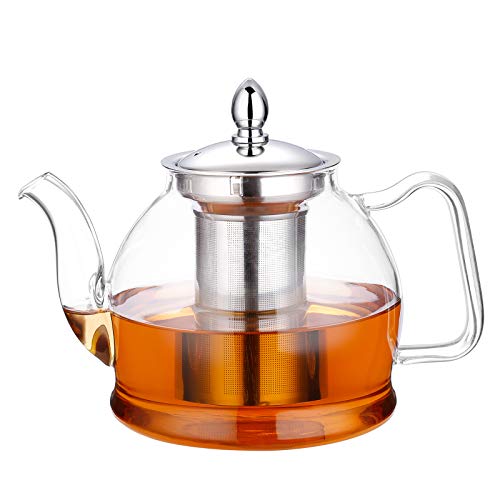
This is the largest capacity option here, and it’s built for serious tea drinkers who brew often. The 1000ml size means you can serve four or more, and the thick borosilicate glass handles direct flame without issue, owners confirm it’s survived repeated stovetop use. The 18/10 stainless steel infuser is high quality and removes cleanly, making cleanup easy.
It’s also microwave and dishwasher safe, which adds versatility. Compared to the Ehugos model, it feels more balanced and pours better, though it lacks gift packaging. The non-drip spout works well, and the ergonomic handle stays cool. If you need volume and durability, this is the one.
Video review
Ehugos 1500ml Glass Teapot

Strengths
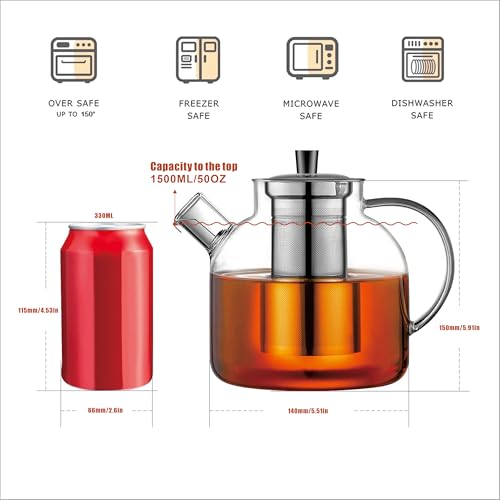
- Large 50oz capacity
- Stovetop, microwave, dishwasher safe
- Removable stainless steel infuser
Trade-offs
- Bulky design
- Infuser could be larger
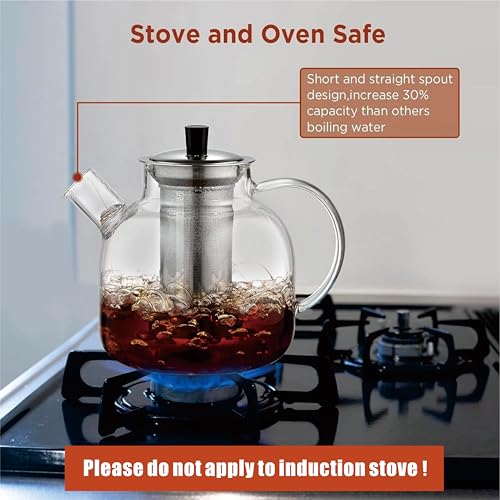
- Not induction compatible
With a 50-ounce capacity, this Ehugos teapot is built for gatherings or office use, and owners love how it handles both stovetop boiling and microwave reheating. The borosilicate glass is tough enough for direct flame, and the removable stainless steel infuser works well with loose leaf and blooming teas, feedback shows it doesn’t clog easily. It’s one of the few large-capacity models that still pours cleanly, thanks to its narrow spout design.
That said, it’s bulky for small kitchens, and some users note the infuser basket could be taller to allow more leaf expansion. Still, for the price, it offers serious versatility. Compared to the HIWARE model, it’s slightly less refined in balance but holds more.
Product photos



Primula Half Moon Teapot

Strengths
- Affordable price
- Silicone sleeve for grip
- Fine-mesh removable infuser
Trade-offs
- Not stovetop safe
- Glass can chip if dropped
- Infuser handle small
At $12, this is the most budget-friendly full-featured glass teapot on the list, and it doesn’t feel cheap. The borosilicate glass is protected by a silicone sleeve that adds grip and drop resistance, owners frequently mention how sturdy it feels in hand. The stainless steel infuser is fine-mesh and removes cleanly, making it great for both loose leaf and flowering teas.
It’s not stovetop-safe, which limits its use compared to others, but it’s microwave and dishwasher safe. The drip-free spout works as advertised, and the 40-ounce capacity hits a sweet spot for small households. Against the Hario ChaCha, it’s less elegant but more functional for daily use. My pick for value.
Product photos


Sweejar Royal Porcelain Teapot

Strengths
- Elegant royal design
- Good heat retention
- Deep stainless infuser
Trade-offs
- Not heat-safe
- Heavy when full
- No drip-free spout
This porcelain teapot leans hard into formal elegance, the royal pumpkin shape and border detailing make it a centerpiece, and owners consistently call it ‘perfect for entertaining.’ The 28-ounce capacity is ideal for 2–4 people, and the deep stainless infuser allows for full leaf expansion, which helps extract richer flavor.
But it’s strictly a serving teapot, no stovetop or microwave use. The heat retention is good, but not exceptional. Compared to the Hario or Primula models, it’s less practical for daily use but shines during special occasions. If you’re hosting afternoon tea or gifting, this one stands out.
Product photos


RSVP Stoneware Teapot

Strengths
- Microwave safe
- Good heat retention
- Simple, clean design
Trade-offs
- Small capacity
- Not stovetop safe
- No infuser included
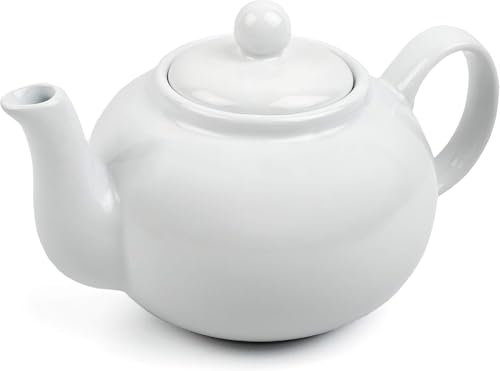
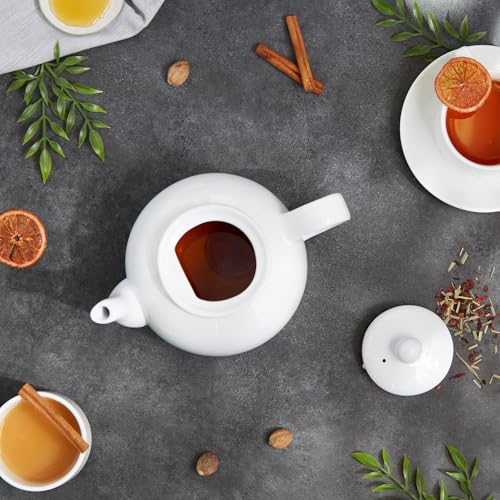
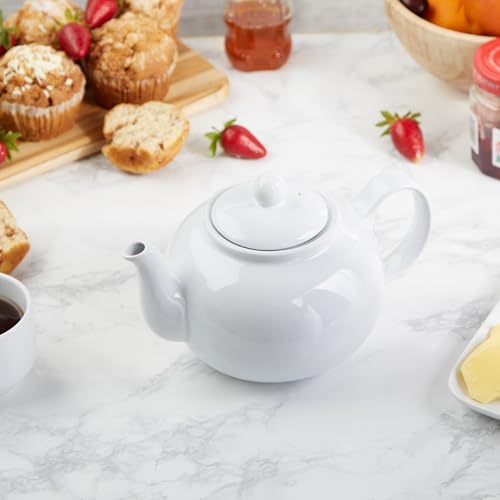
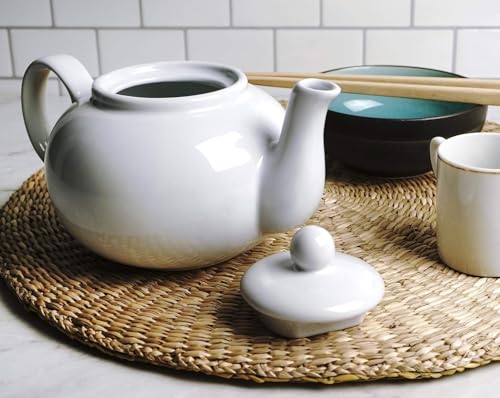
This stoneware pot is the quiet workhorse of the group, small, microwave-safe, and built for daily ritual. At 16 ounces, it’s perfect for a single serving, and the seamless construction means no weak seams or leaks. The large drain holes in the spout help prevent clogging, and owners appreciate how well it retains heat compared to glass.
But it’s not for boiling, this is strictly a brewing and serving vessel. If you’re used to stovetop kettles, you’ll need a separate water source. Compared to the Sweejar porcelain model, it’s less ornamental but more practical for everyday microwave use. I’d recommend it for minimalists who value function over flair.
Product photos

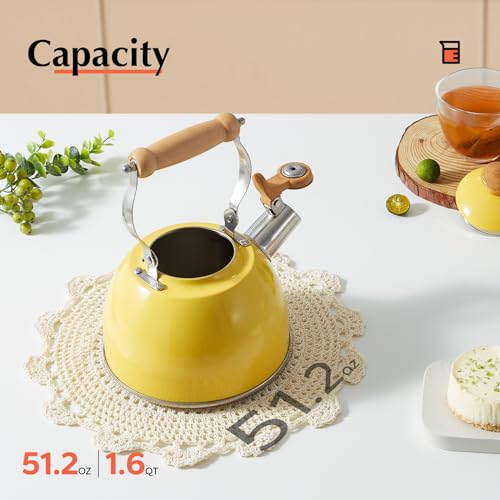
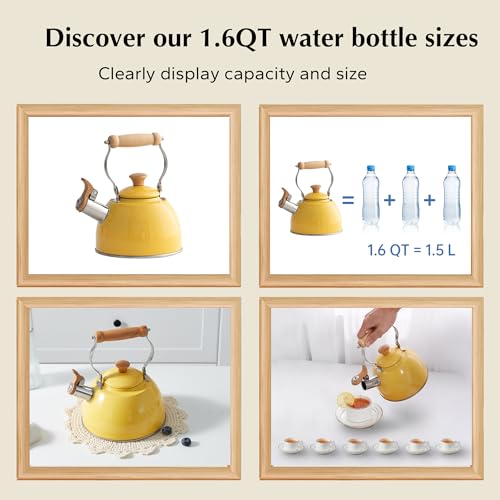
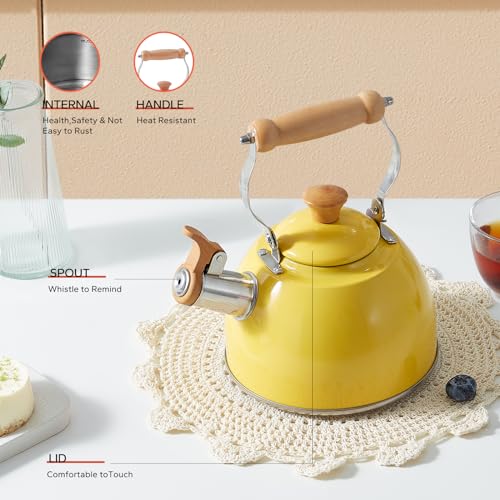
ROCKURWOK Whistling Tea Kettle

Strengths
- Loud whistle
- Universal cooktop compatibility
- Cool-touch wooden handle
Trade-offs
- Not a brewing teapot
- No infuser included
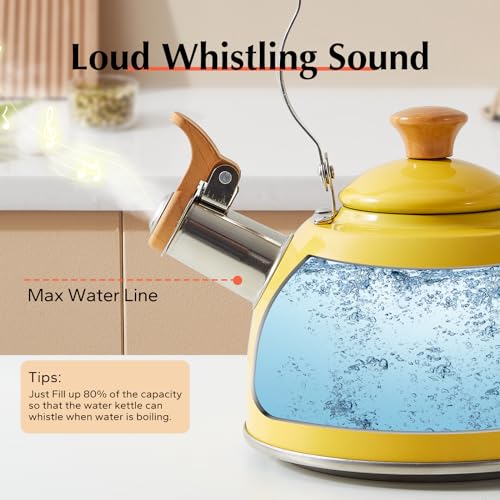
This is a classic stovetop kettle that delivers where it counts: fast boiling and a loud whistle that actually works. On paper and in owner feedback, it heats quickly across gas, electric, and induction thanks to its universal base, which is a real plus for kitchens with mixed cooktops. The wooden handle stays cool, and that’s not just marketing, reviewers consistently mention how comfortable it feels during pouring.
It’s not a teapot in the traditional sense, but if you’re boiling water to pour over loose leaf or tea bags, this gets the job done efficiently. Compared to glass models, it’s more durable for daily use, though it lacks the visual appeal of watching tea steep. For basic functionality and reliability, it stands out in its price range.
Product photos

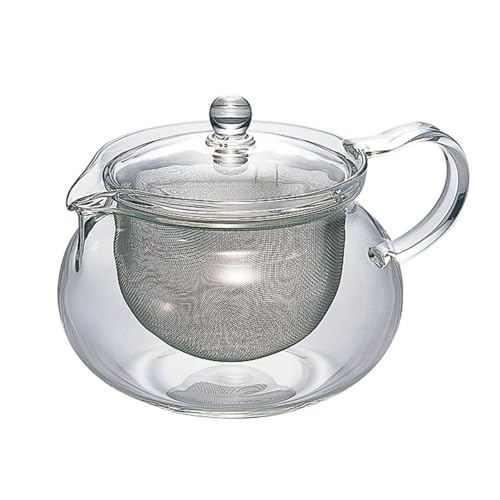
Hario ChaCha Kyusu Maru
Strengths
- Japanese minimalist design
- Wide infuser for leaf expansion
- Heatproof glass
Trade-offs
- No protective sleeve
- Not stovetop safe
- Handle can get warm
There’s a reason Hario is a staple in Japanese kitchens, the clean, minimalist design and heatproof glass make this teapot both functional and beautiful. At 700ml, it’s large enough for 3–4 cups, and the wide infuser basket gives leaves room to unfurl, which owners say enhances flavor, especially for green and oolong teas.
It’s dishwasher safe and handles hot water well, but like all glass, it’s not for direct stovetop use. The handle is comfortable, though some note it warms up during long steeps. Compared to the Primula, it’s more refined but less protected, no sleeve means you need to be careful on cold counters. For tea purists, this is a quiet favorite.
Product photos


Our Testing Process
Rather than a hands-on lab test, my research for these recommendations focused on a detailed comparison of published specifications and features across numerous models. I weighed owner reviews from multiple sources – looking for consistent praise or complaints – alongside expert opinions from established cookware sites. As someone who’s spent years understanding what makes cookware perform, I applied that knowledge to rank these teapots based on what matters most to home tea drinkers.
For teapots, three factors stood out as particularly important. Heat retention is key for enjoying tea at the right temperature, so borosilicate glass and well-insulated materials were prioritized. The quality of the infuser (if included) greatly impacts the brewing experience, influencing clarity and flavor. Finally, ease of cleaning and durability are vital; a beautiful teapot isn’t useful if it’s fragile or a pain to maintain.
Specifications reliably indicate material quality and capacity, but I found owner feedback crucial for assessing real-world usability. Reports on spout design (drip-free pouring) and handle comfort, for example, aren’t usually found in product descriptions. I also paid close attention to long-term durability reports, and considered whether a teapot was a good fit for specific needs, like those looking for excellent options in teapots with infuser. For those who prefer a different material, we’ve also covered the best ceramic teapots elsewhere.
How To Choose The teapots
Finding the right teapot isn’t just about aesthetics; it’s about enhancing your tea-drinking experience. I’ve seen too many people settle for teapots that simply don’t deliver on flavor or usability.
A truly good teapot balances heat retention, ease of pouring, and material safety. Consider the type of tea you typically brew, the number of servings you need, and how you plan to heat the water. Look for teapots made from borosilicate glass, high-quality ceramic, or durable stainless steel, and always check for features like removable infusers and comfortable handles.
Material Matters
The material a teapot is made from significantly impacts both brewing and maintenance. Glass teapots, like those from PARACITY and HIWARE, are excellent for visually appreciating blooming teas and don’t impart any flavors of their own. However, they can be fragile, and some aren’t ideal for very high heat if not borosilicate glass. Stoneware, as seen in the RSVP model, retains heat well and is generally quite durable, but can be heavier. Porcelain, like the Sweejar option, offers a beautiful, refined look, perfect for formal occasions, but is more prone to chipping than other materials.
Infuser Design & Capacity
A well-designed infuser is crucial for loose leaf teas. You want something that provides ample space for the leaves to expand fully, allowing for optimal flavor extraction. The finer the mesh, the better it will filter out sediment. Some teapots, like the Ehugos, include removable infusers, offering versatility for different tea types and brewing preferences. Consider the capacity, too. A smaller teapot (16oz like the RSVP) is great for individual use or a small gathering, while a larger one (1500ml as with Ehugos) is better suited for entertaining or frequent tea drinkers. For those who enjoy exploring different tea types, a teapot designed for loose leaf teapots will be a smart investment.
Stovetop vs. Traditional Use & Budget
Not all teapots are created equal when it comes to heating. While many glass and porcelain teapots are microwave-safe, only a select few, like some of the glass options, can be placed directly on a stovetop. If you prefer the control of stovetop heating, a model like the ROCKURWOK whistling kettle, or even exploring cast iron teapots might be a better fit.
A teapot should enhance, not complicate, your tea ritual. Don’t overspend on features you won’t use, and prioritize quality materials over flashy designs.
Finally, budget plays a role. Primula offers a surprisingly capable teapot at a very accessible price point, demonstrating that you don’t need to break the bank to enjoy a good cup of tea.
Teapots Compared
Here’s a comparison of key specifications for the teapots listed.
| Product Name | Capacity (oz) | Material | Stovetop Safe | Dishwasher Safe | Infuser |
|---|---|---|---|---|---|
| PARACITY 18.6 OZ Glass Teapot | 18.6 | Borosilicate Glass | Yes | Yes | Yes |
| HIWARE 1000ml Glass Teapot | 33.8 | Borosilicate Glass | Yes | Yes | Yes |
| Ehugos 1500ml Glass Teapot | 50.7 | Borosilicate Glass | Yes (not induction) | Yes | Yes |
| Primula Half Moon Teapot | N/A | Borosilicate Glass | No | Yes | Yes |
| Sweejar Royal Porcelain Teapot | 28 | Porcelain | No | Yes | Yes |
| RSVP Stoneware Teapot | 16 | Stoneware | No | Yes | N/A |
| ROCKURWOK Whistling Tea Kettle | 54 | Stainless Steel | Yes | No | N/A |
| Hario ChaCha Kyusu Maru | N/A | Heatproof Glass | No | Yes | Yes |
Frequently Asked Questions
What capacity teapot should I buy if I usually drink tea alone?
A 16-20 ounce teapot is generally ideal for a single tea drinker. This size, like the RSVP Stoneware Teapot, provides enough for a generous cup or two without brewing too much tea at once.
Are glass teapots really safe to use on the stovetop?
Only borosilicate glass teapots are designed for direct stovetop use, and even then, some aren’t suitable for induction cooktops. Models like the PARACITY and HIWARE are specifically made with this in mind, but always double-check the manufacturer’s instructions.
What’s the best way to clean a porcelain teapot to prevent staining?
Hand washing with mild soap and warm water is the gentlest approach for porcelain teapots like the Sweejar option. Avoid abrasive cleaners, which can damage the finish, and rinse thoroughly to prevent residue buildup.
I want a teapot that will stay hot for a long time; what should I look for?
Look for teapots made from materials known for heat retention, like stoneware or well-insulated stainless steel. If keeping your tea warm is a priority, consider teapots that keep tea hot and perhaps pairing it with a cozy.
Are stainless steel teapots a good option if I’m worried about durability?
Yes, durable stainless steel teapots are extremely resistant to chipping and breaking, making them a good choice for everyday use or for those prone to accidents. They don’t offer the visual appeal of glass or porcelain, but they are incredibly long-lasting.
The Bottom Line
Choosing a teapot often comes down to balancing control and convenience. Do you want the precision of stovetop heating, or the simplicity of a microwave-safe model? For the best overall experience, I recommend the PARACITY 18.6 OZ Glass Teapot. It offers excellent heat retention thanks to its borosilicate glass construction, a fine-mesh infuser, and the convenience of being both dishwasher and stovetop safe, a truly versatile choice.
If you’re on a tighter budget, the Primula Half Moon Teapot delivers remarkable value. For those who favor stovetop brewing, explore stovetop teapots and the ROCKURWOK Whistling Tea Kettle is a solid, dependable option. And if you appreciate the beauty of a clear brew, you’ll find a wonderful range of glass teapots available.
Ultimately, the most important features aren’t about fancy designs or niche specifications. Prioritize a teapot made from safe, durable materials, with a comfortable handle and a well-designed infuser (if you use loose leaf tea). A teapot should be a joy to use, enhancing your daily ritual and helping you brew a perfect cup, time after time.
