
Is a Dutch Oven Cast Iron? The Two Types That Truly Matter
This post contains affiliate links. As an Amazon Associate, we earn from qualifying purchases.
A Dutch oven is a heavy, lidded pot most commonly made from cast iron. The answer splits into two distinct categories: enameled cast iron and seasoned (bare) cast iron. Each type handles heat retention and even cooking, but their care, durability, and what you can cook in them differ completely. An enameled Le Creuset can’t go camping; a seasoned Lodge can’t simmer tomato sauce.
That distinction is the whole game. The term “cast iron” covers both, but picking the wrong one for your kitchen leads to chipped enamel or a rusted, sticky mess.
What follows is a breakdown of those two materials, the brands that define them, and the specific maintenance rules that keep each type working for decades. By the end, you’ll know exactly which cast iron Dutch oven fits your stovetop, your recipes, and your cleaning routine.
Key Takeaways
- Two materials, one name: “Cast iron Dutch oven” means either enameled cast iron (porcelain-coated, no seasoning needed) or seasoned cast iron (bare metal, requires a polymerized oil layer).
- Enamel chips for a reason: The coating on models like Lodge’s enameled line can crack from lid impact or metal utensils. One test lost a chunk just from putting the lid on.
- Acid is the enemy of seasoning: You cannot simmer tomato sauce or wine-based braises in a seasoned cast iron pot. The acid strips the protective layer.
- Dishwasher safe is a lie for enamel: Manufacturers like All-Clad may claim it, but repeated dishwasher cycles degrade the enamel’s gloss and longevity. Hand-wash only.
- Your default pick: For 95% of home cooks, a 5.5 to 6-quart enameled cast iron Dutch oven is the right choice. It’s versatile, easy to maintain, and doesn’t react with food.
The Two Real Types of Cast Iron Dutch Ovens
Forget the generic term. When someone asks if a Dutch oven is cast iron, they’re usually picturing the classic heavy pot. But that pot comes in two flavors, and confusing them ruins the cookware.
Enameled cast iron has a glass-like porcelain coating fused to the iron at high heat. This creates a non-reactive, non-porous cooking surface that doesn’t require seasoning. Seasoned cast iron is bare metal that has been coated with a thin layer of polymerized oil, creating a natural non-stick patina through use and maintenance.
The enameled version is what you see in colorful Le Creuset or Staub pots. The coating means no rust, easy cleaning, and no chemical reaction with acidic foods. The trade-off is weight and careful handling, that glassy surface can chip.
The seasoned version is the black, pebbly-finish pot from brands like Lodge. It’s incredibly durable and perfect for high-heat searing or outdoor use. The trade-off is that it requires a maintenance ritual to keep it non-stick and rust-free, and it bans long simmers with tomatoes or wine.
| Type | Best For | Worst For | Key Limitation |
|---|---|---|---|
| Enameled Cast Iron | Braising, soups, acidic sauces, baking bread. | High-impact use, metal utensils, extreme thermal shock. | The enamel coating can chip if the lid is dropped onto the rim or if struck with metal. |
| Seasoned Cast Iron | Camping, deep frying, searing meats, outdoor baking. | Simmering acidic foods (tomatoes, wine), easy-care cleaning. | Requires regular re-seasoning; acidic ingredients strip the protective oil layer. |
Your choice hinges on your cooking style. Do you make weekly chili or coq au vin? Go enameled. Do you need a pot for a campfire or a dedicated deep fryer? Go seasoned. Most kitchens need the enameled type.
What “Cast Iron” Actually Brings to Your Kitchen
Why is cast iron the default material a Dutch oven is made from? The answer is in the physics, not the marketing.
Cast iron is terrible at conducting heat quickly, it heats slowly and unevenly at first. But once hot, its massive thermal mass makes it brilliant at retaining that heat steadily. This is why it excels at slow, even braises and maintains a stable temperature for frying. When you sear meat in a Dutch oven, the iron doesn’t cool down when you add the roast; it transfers intense, consistent heat to create a deep crust.
This same mass makes it a superior baking vessel for bread. A preheated Dutch oven traps steam from the dough, creating the humid environment needed for a crispy, well-risen crust. No other common cast iron cookware material, not stainless steel, not ceramic-coated aluminum, holds heat with the same stubborn consistency.
Where this goes sideways: Preheating an empty enameled Dutch oven on high heat. The iron core heats much faster than the enamel coating, creating stress that can cause hairline cracks or “crazing” in the glassy surface over time. Always start with at least a film of oil or liquid in the bottom.
The weight is the trade-off. A 5.5-quart Le Creuset weighs about 11 pounds empty. That’s a consideration for anyone with wrist or mobility concerns. Newer ceramic or aluminum-core options exist for this reason, but they sacrifice the legendary heat retention.
Enameled Cast Iron: The Indoor Workhorse
This is the category that includes most of the best cast iron Dutch ovens for home use. Brands like Le Creuset, Staub, and the affordable Lodge enameled line dominate here.
The enamel is essentially a layer of powdered glass fired onto the iron at around 1500°F. A good enamel job is smooth, glossy, and resistant to staining. The underside of the lid often has self-basting spikes or dimples. Staub’s are particularly pronounced, designed to condense steam and drip moisture back onto the food.
Why the enamel matters:
- Non-reactive: You can simmer a tomato sauce for hours without a metallic taste.
- Non-porous: It doesn’t absorb flavors or odors, so your chili won’t taste like last week’s fish stew.
- Easy clean-up: Food release is good, and the surface doesn’t require seasoning.
But enamel has a fragility. The Serious Eats review noted a Lodge USA Enamel Cast Iron Dutch oven lost a chunk of enamel when the tester put the lid on. It’s a reminder: treat the rim gently. Metal utensils are forbidden. Sudden temperature shocks, like running a hot pot under cold water, are a guaranteed way to crack the coating.
Common mistake: Believing “dishwasher safe” means “dishwasher recommended.” The All-Clad manual for its electric Dutch oven says the removable cast iron pot is dishwasher safe. But the caustic detergents and high-heat drying cycle will dull the enamel’s finish over many washes. Hand-washing preserves the gloss for decades.
For most people building a kitchen, a 5.5-quart round enameled Dutch oven is the single most versatile pot you can own. It moves from stovetop to oven to table. The enameled Dutch ovens from Le Creuset and Staub are lifetime purchases, often backed by lifetime warranties.
Seasoned Cast Iron: The Outdoor Survivor
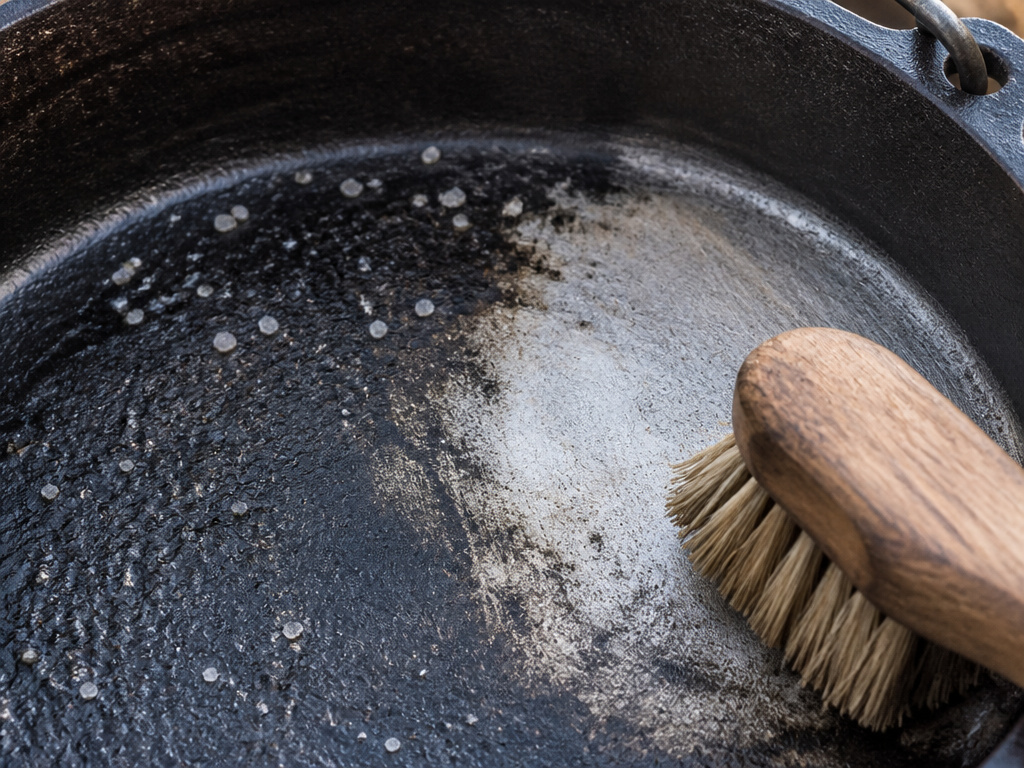
This is raw, uncoated cast iron. Its non-stick property comes from a layer of polymerized oil, the seasoning, that you build and maintain. This is the traditional camp Dutch oven, often with a flat lid designed to hold coals.
The process of seasoning a Dutch oven involves coating the bare iron with a thin layer of fat (flaxseed oil, crisco, or grapeseed oil are common) and baking it at a high temperature (450°F+) for an hour. This bonds the oil to the metal, creating a semi-non-stick, rust-resistant patina.
The critical limitation is chemical. That polymerized oil layer is broken down by acids. Simmer a tomato sauce or a wine reduction in it, and you’ll strip the seasoning right off, leaving a patch of bare iron that will rust and cause sticking food. This is why these pots are often marketed specifically for bread baking or deep frying.
The part nobody mentions: A well-seasoned pot isn’t black because of the iron. It’s black from the carbonized oil. That layer is what prevents rust. If you see silver metal, the seasoning is gone and rust is next.
Maintenance is the whole relationship. You never wash it with soap (modern mild soaps are okay, but purists avoid them). You scrub it with coarse salt and hot water, dry it immediately and thoroughly on the stove, and give it a whisper-thin coat of oil before storing. For a full guide, see our article on cleaning a cast iron Dutch oven.
If you cook over open flame, bake bread weekly, or want a dedicated frying pot, seasoned cast iron is a champion. For a general-purpose kitchen pot, its rules are too strict for most.
Electric and Specialty Dutch Ovens: Where Cast Iron Meets Appliances
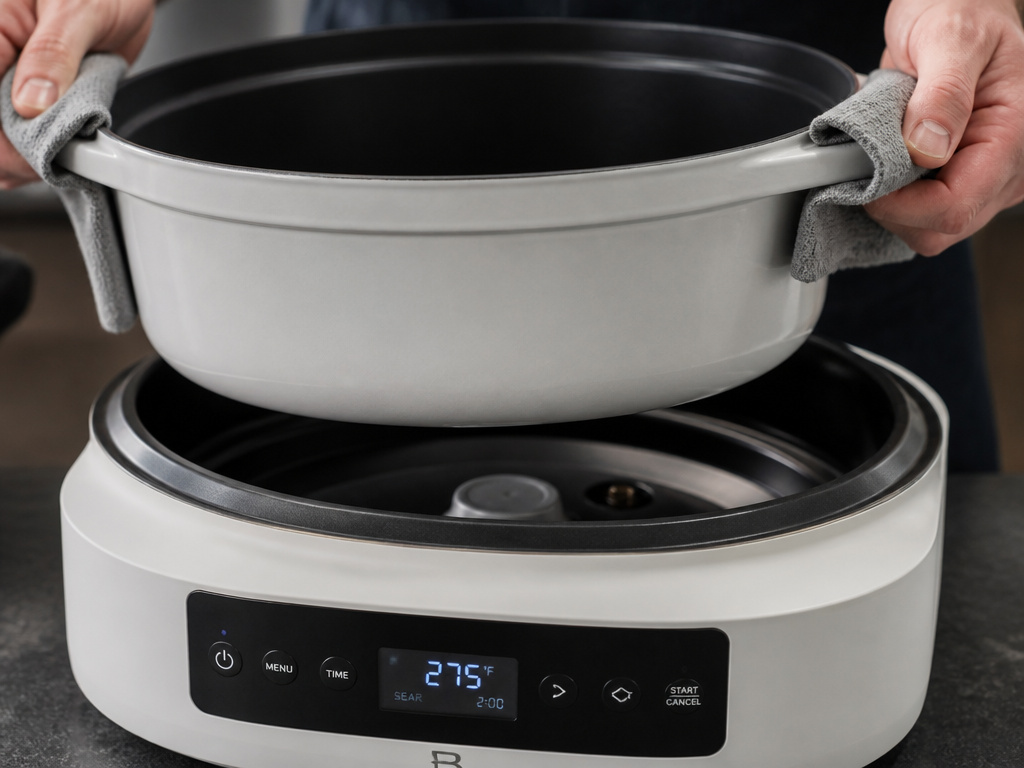
The definition expands with appliances like the All-Clad SD922D51 Electric Dutch Oven and the MasterPro MPDUTCHOVEN. These units pair a removable enameled cast iron cooking pot with an electric heating base that offers programmed functions.
The All-Clad manual confirms its removable pot is oven-safe and can be used on gas, electric, or induction cooktops separately. This hybrid design adds convenience, set-it-and-forget-it slow cooking, without sacrificing the searing capability of cast iron.
But these appliances introduce new rules straight from the manual: – Do not cut food directly in the pot. (A common cause of enamel chips). – Never let the cast iron pot air dry. “Might increase the risks of rusting.” – The electric base is never to be used on a stovetop or immersed in water.
They also highlight a key tension. While All-Clad states the pot is dishwasher safe, every expert recommendation says to hand-wash enameled cast iron to preserve it. The manual itself warns that abrasive cleaners may damage the housing.
These aren’t replacements for a traditional Dutch oven. They’re convenience tools that use cast iron’s properties in a new way. For someone who wants programmable braising without babysitting a pot on the stove, they’re a compelling option. For a purist, they’re an unnecessary complication.
How to Choose Your Dutch Oven: A Decision Matrix
Stop looking at colors and prices first. Answer these three questions, and the right type picks itself.
-
What will you cook most often?
- Stews, braises, acidic sauces, bread → Enameled Cast Iron
- Deep frying, campfire cooking, bread only → Seasoned Cast Iron
-
How do you want to clean it?
- Hand-wash with mild soap, occasional baking soda paste → Enameled Cast Iron
- Scrub with salt/chainmail, dry on heat, oil after each use → Seasoned Cast Iron
-
Where will you use it?
- Indoor stove and oven only → Enameled Cast Iron
- Outdoor grill, campfire, or oven → Seasoned Cast Iron
If you answered mostly “Enameled,” your next decision is size and brand. The 5.5-quart capacity is the universal workhorse, large enough for a chicken or a batch of soup, small enough to manage. From there, your budget decides: * Investment Tier: Le Creuset or Staub. The gold standard for enamel quality and durability. * Value Tier: Lodge Enameled or Tramontina. Excellent performance for a fraction of the cost.
If you answered “Seasoned,” you’re likely looking at Lodge or a similar camp oven. Focus on getting a size that matches your typical use, a 5-quart for bread, a 7-quart for a crowd.
Frequently Asked Questions
Is Le Creuset cast iron?
Yes, Le Creuset pots are made from enameled cast iron. The iron provides the heat retention, and the signature colored enamel coating provides the non-stick, non-reactive cooking surface. They are the archetype of the enameled Dutch oven.
Can you use metal utensils on a cast iron Dutch oven?
Never on an enameled one. Metal will scratch and eventually chip the glass coating. Use wood, silicone, or plastic. On a seasoned cast iron Dutch oven, metal utensils are generally okay, they might scratch the seasoning, but you can re-season that spot. However, harsh scraping can gouge the iron itself over time.
Why is my enameled Dutch oven staining?
Brown or golden stains on the white or light-colored interior enamel are typically polymerized oils. They are not harmful and do not affect performance. A paste of baking soda and water, left to sit overnight, usually lifts them. Avoid abrasive scrubbers that can dull the gloss.
What’s the best first Dutch oven to buy?
For a beginner, a 5.5-quart round enameled cast iron Dutch oven from Lodge or Tramontina. It’s affordable, versatile, and forgiving. It lets you explore Dutch oven recipes from braises to bread without the maintenance hassle of seasoned iron. Once you know you use it daily, you can invest in a heirloom brand.
Do I need to season an enameled Dutch oven?
No. The enamel coating is glass, not porous metal. Seasoning is a process for bare cast iron to create a non-stick layer. Applying oil and baking an enameled pot will just create a sticky, gummy mess on the surface that is difficult to clean.
Before You Go
A Dutch oven is cast iron, but that’s just the opening sentence. The real story is whether you need the easy-care, kitchen-friendly enameled version or the rugged, ritualistic seasoned version. Most home cooks are served perfectly by an enameled model, it’s the one-pot solution for 80% of hearty cooking.
Remember the stakes. Choose enameled for its versatility with acids and easy cleaning. Choose seasoned for its unmatched durability and high-heat tolerance. Don’t get seduced by a hybrid that doesn’t fit your habits. Pick the type that matches how you actually cook, clean, and store your pots. Then go make a braise that proves you right.
