
Is Steam Supposed to Escape Your Instant Pot? Key Facts
This post contains affiliate links. As an Amazon Associate, we earn from qualifying purchases.
Steam is supposed to come out of an Instant Pot during the quick-release method and sometimes during pre-heating, but a continuous, steady leak from the float valve or steam release valve for longer than three minutes while trying to pressurize is a critical failure. This three-minute threshold is the manufacturer’s official line between normal operation and a problem requiring immediate shutdown.
That three-minute rule changes everything. It’s not a vague “some steam is okay.” It’s a timed countdown printed in the manual. If the leak doesn’t stop by the time you count to 180, you unplug the unit.
What follows is a breakdown of every scenario: the normal steam you expect, the exact leak that means trouble, and the specific parts, like the sealing ring and float valve, that usually cause it. By the end, you’ll know in ten seconds whether your pot is working or warning you.
Key Takeaways
- A steady stream of steam leaking from the float valve or steam release valve for more than 3 minutes during pre-heat or cooking means turn it off. Unplug it.
- The Steam program is designed to cook without pressure, so the float valve should not rise. If it does, vent immediately.
- A worn or misaligned sealing ring is the #1 cause of continuous steam leaks. Replace these silicone rings every 12-18 months.
- Quick release creates a loud, visible plume of steam from the release valve. This is normal and safe if you keep hands and face clear.
- Natural release lets pressure drop silently over 10-40 minutes with no visible steam. This is the default for most recipes.
How an Instant Pot Builds Pressure (And Where Steam Escapes)
An Instant Pot is a sealed pressure cooker. It works by trapping steam. Understanding the three stages of its cycle shows you where steam belongs and where it doesn’t.
First, the pot pre-heats, boiling the liquid inside to create steam. This steam has nowhere to go, so pressure builds. A small metal pin called the float valve rises once enough pressure is inside, locking the lid. That’s when the cooking timer starts. During the cook, the heating element pulses to maintain that pressure, no steam should escape. When the timer ends, you either release the steam quickly or let it seep out slowly.
The float valve is a simple but critical safety device. When it’s up, the lid is mechanically locked and cannot be opened. When pressure is fully released, it drops, signaling it’s safe to open. If it doesn’t drop after a natural release, pressure remains inside.
The entire system relies on one silicone sealing ring making an airtight seal between the lid and the pot. If that seal fails, steam escapes from the gap instead of building pressure. That’s the most common leak.
The Critical Parts That Control Steam
| Part | Its Job | What Failure Looks Like |
|---|---|---|
| Sealing Ring | Creates an airtight seal between lid and pot. | Cracked, stretched, or greasy. Steam leaks from the lid’s edge. The pot never pressurizes. |
| Float Valve | Rises to lock lid when pressure is achieved; drops when safe to open. | Clogged with food debris. Won’t rise, so lid won’t lock. Or won’t drop, trapping pressure. |
| Steam Release Valve | Directs steam during quick release; must be set to “Sealing” for cooking. | Set to “Vent” during cook. Steam blasts out continuously. Anti-block shield missing. Food clogs the pipe. |
| Anti-Block Shield | A small cap that sits under the release valve to prevent food clogging. | Lost or not installed. Starchy foods like oatmeal can shoot into the valve, causing a blockage and irregular steam release. |
The 3-Minute Leak Rule (And When to Panic)
Here is the non-negotiable rule from multiple Instant Pot manuals: if steam escapes in a steady stream from the float valve or steam release valve for longer than three minutes during pre-heating or cooking, turn the appliance off and unplug it.
This isn’t a suggestion. It’s the manufacturer’s threshold for an abnormal condition. The clock starts when you see a continuous jet, not a few wisps, coming from one of those two spots.
Where this goes sideways: Ignoring a 3-minute leak. The pot will never reach pressure, so your food won’t cook. Worse, the heating element will cycle endlessly trying to heat a pot that can’t trap steam, which can lead to a Burn error or, in extreme cases, damage the thermal sensor.
Why three minutes? During pre-heat, some initial steam venting is normal as the system purges air and builds pressure. But once the sealing ring expands and the float valve seats, the leak should stop within that window. If it doesn’t, the seal has failed.
What to do when the rule triggers:
- Press Cancel.
- Turn the steam release handle to Vent to safely release any partial pressure.
- Unplug the unit and let it cool completely.
- Once cool, inspect the sealing ring for nicks, folds, or food debris. Check that the float valve moves freely. Ensure the release valve is clean and the anti-block shield is in place.
This procedure is your first line of defense. Nine times out of ten, the issue is a dirty or deformed sealing ring.
Normal vs. Abnormal Steam: A Visual Guide
Not all steam is created equal. Use this table to diagnose what you’re seeing at a glance.
| Scenario | What You See & Hear | Is This Normal? | What to Do |
|---|---|---|---|
| Quick Release | Loud, forceful jet of steam from release valve; audible hissing. | Yes. This is the intended function. | Keep hands/face away. Let it vent until the float valve drops. |
| End of Natural Release | A few final wisps of steam when you nudge the release valve after the float valve drops. | Yes. Residual pressure is escaping. | It’s safe to open the lid. |
| Pre-Heat (First 3 mins) | Intermittent puffing or hissing from the release valve/float valve area. | Yes, but watch the clock. The system is purging air. | Ensure it stops within 3 minutes. If not, see the rule above. |
| Steam Program | Steam from the release valve; float valve should not rise. | Yes. This is a non-pressurized steam function. | If the lid is hard to open after, turn the release valve to Vent. |
| Continuous Leak (>3 mins) | Steady stream from float valve or release valve while the display says “On”. | No. This is a problem. | Follow the 3-minute rule: Cancel, Vent, Unplug, Inspect. |
| Leak from Lid Edge | Steam escaping from between the lid and the pot, often silent. | No. This is a sealing failure. | Check and likely replace the sealing ring. |
The “Steam” Program Edge Case
This is a common point of confusion. The Steam program on most Instant Pot models (like the Instant Pot Duo Plus) is a non-pressurized function. It boils water to create steam for cooking vegetables or fish, but it’s not designed to build pressure.
The manual for the Instant Pot Pro WiFi explicitly states the float valve should not rise during this program. If it does, it means an unexpected pressure buildup has occurred, likely because the release valve was accidentally left in the “Sealing” position. The fix is simple: move the release switch to “Vent.” If the lid is still difficult to remove after cooking, manually venting will release that slight pressure.
This program highlights why knowing your pot’s functions matters. Steam from the valve during “Steam” is fine; a sealed, pressurized pot during “Steam” is not.
How to Fix a Leaky Instant Pot: The Usual Suspects
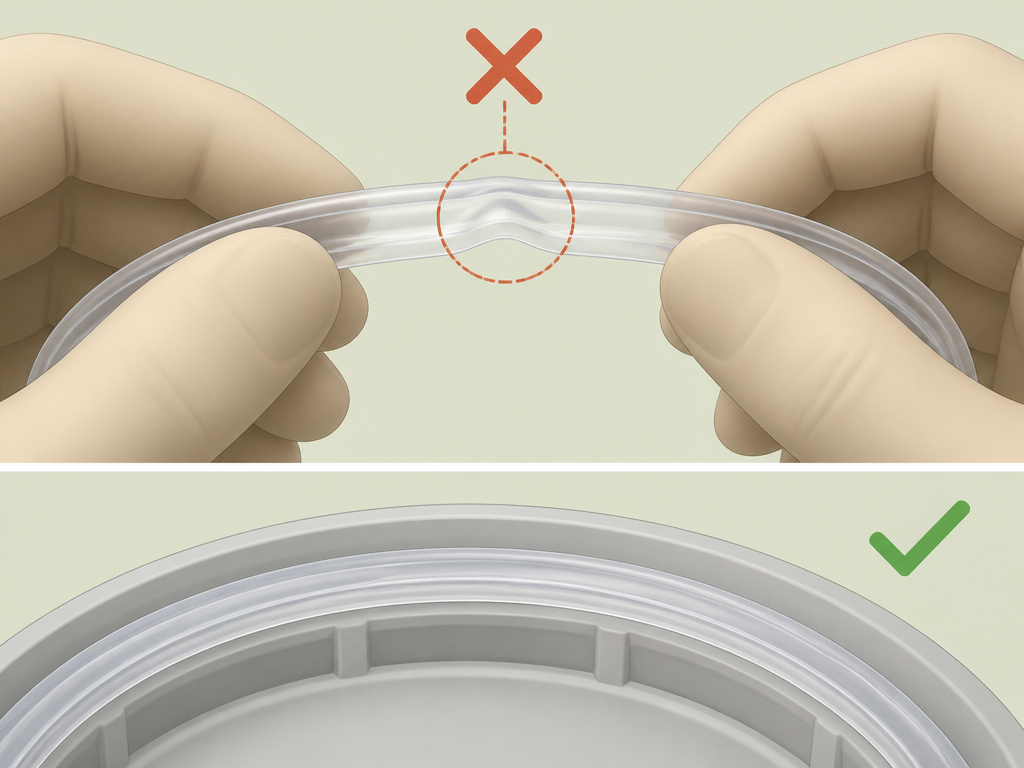 When your pot fails the 3-minute test, you’re looking at a mechanical issue. Don’t guess. Follow this diagnostic sequence.
Before you start: Ensure the pot is off, unplugged, and completely cool. Never inspect or remove parts while the unit is under pressure or hot.
1. Inspect and Clean the Sealing Ring
Remove the clear silicone ring from the groove inside the lid. This is public enemy number one.
- Look for damage: Stretch it slightly. Look for permanent folds, cracks, or cuts. A ring that doesn’t snap back to a perfect circle is tired.
- Feel for grease: Run your finger around it. A greasy or oily ring won’t seal against the stainless steel pot. Wash it in warm, soapy water.
- Check the seat: Ensure it’s seated evenly in its groove all the way around. A kinked ring is a leaking ring.
Common mistake: Using a single sealing ring for savory curries and yogurt. The silicone absorbs odors. The “extra sealing ring” in the box isn’t just a spare; it’s meant for separating strong-smelling foods from delicate ones. Using a garlic-infused ring for vanilla yogurt guarantees weird flavors.
If the ring is deformed or older than 18 months, replace it. Only use official Instant Pot sealing rings, generic ones often have slightly different dimensions that cause leaks.
2. Clear the Float Valve and Steam Release Valve
Food debris is the second most common culprit.
- Float Valve: Push up on the small metal pin underneath the lid. It should move smoothly and spring back down. If it’s sticky, remove it (usually by twisting or pulling straight out), wash it, and ensure its hole is clear.
- Steam Release Valve: Pull the plastic valve and its anti-block shield off the lid. Rinse both parts. Look through the metal steam pipe in the lid to ensure it’s not clogged with starchy food like oatmeal or macaroni.
A clean valve assembly is non-negotiable. A clog here can cause erratic pressure and strange steam behavior.
3. Verify the Inner Pot and Lid Are Correct
It sounds obvious, but it happens. You must use the stainless steel inner pot that came with your specific model. A pot from a different brand or even a different Instant Pot line might be a millimeter too short, breaking the seal.
Also, ensure the lid is fully closed and turned to the locked position, aligning the arrow on the lid with the unlock symbol on the base. An unlocked lid will never pressurize.
Frequently Asked Questions
Why is steam coming out of the sides of my Instant Pot lid?
Steam escaping from the gap between the lid and the pot, rather than from the valves, indicates a failed seal. The sealing ring is almost certainly the cause. It is either damaged, dirty, greasy, or incorrectly seated in its groove. Turn the pot off, let it cool, and inspect the ring.
Is it safe if my Instant Pot releases steam for a long time?
It depends on why it’s releasing steam. During a natural release, which can take 40 minutes, no steam should be visibly released, the pressure drops internally. During a quick release, a loud, continuous jet of steam for 1-2 minutes is normal and safe. A continuous leak while the pot is trying to pressurize is unsafe and violates the manufacturer’s 3-minute rule. Unplug it.
Does the Steam setting on Instant Pot release steam?
Yes, but differently. The Steam program actively releases steam from the release valve during cooking because it operates like a stovetop steamer, without pressure. This is normal. The key is that the float valve should not rise. If it does, vent the pot manually.
What does it mean if the float valve is up but steam is leaking?
If the float valve is raised (lid locked) but steam is still steadily leaking from around it or the release valve, the seal is compromised. The pot has achieved enough pressure to lift the valve but cannot maintain it. This points directly to a worn sealing ring or a clogged float valve seat. Cancel the cook and inspect those parts.
Can I stop my Instant Pot from steaming so much?
You can control when it steams. To avoid the loud, rapid steam of a quick release, use the natural release method for recipes that allow it. To prevent steam leaks, maintain your sealing ring and keep the valves clean. You cannot, and should not, stop the steam during a proper quick release, that’s how the pressure safely leaves the pot.
Before You Go
Steam from an Instant Pot isn’t a mystery. It’s a signal. A short, forceful blast means you’re using the quick release correctly. A silent, slow drop in pressure means natural release is working. But a steady, hissing leak that goes past a three-minute countdown is the pot telling you to stop.
The fix is almost always physical: a clean sealing ring, a clear float valve, and the correct lid position. Keep a spare official sealing ring on hand and replace it yearly. Listen to the three-minute rule, it’s the single most important spec in the manual. Your Instant Pot is a precise tool, not a magic box. Treat its mechanics with attention, and it will deliver reliable, fast meals for years.
