
5 Best Oils for Blackstone Griddle 2026
This post contains affiliate links. As an Amazon Associate, we earn from qualifying purchases.
The best oil for a Blackstone griddle is Chosen Foods 100% Pure Avocado Oil, it handles extreme heat with a 500°F smoke point and builds a strong seasoning layer. For a budget-friendly option, Pompeian 100% Grapeseed Oil delivers solid performance at 510°F, while Graza Frizzle High Heat Olive Oil offers a smart middle ground for those who want flavor neutrality with high-heat stability.
If you’ve ever dealt with food sticking, smoke rolling off the surface, or a seasoning layer that never quite sets right, you know the wrong oil can turn griddle cooking into a mess. After years of researching how oils interact with high-heat cookware, I’ve learned that the right choice makes a real difference, not just in cooking, but in maintenance and long-term performance.
This guide cuts through the noise, focusing on smoke point, flavor neutrality, and how well each oil supports a durable seasoning. We looked at specs, owner feedback, and real-world use to find the ones that actually work on a Blackstone.
Top 5 Oil For Blackstone Griddle in the Market
The Best Oil For Blackstone Griddle, Reviewed
Algae Cooking Club Chef-Grade Algae Oil

Strengths
- Highest smoke point here
- Exceptional stability
- Heart-healthy fat profile
Trade-offs
- Very high price
- Limited availability
- Newer brand, less long-term feedback
This is the oil that makes you rethink what’s possible on a Blackstone. With a 535°F smoke point and oxidative stability that outperforms avocado oil by 3 to 5 times, it’s built for the kind of relentless heat that griddles generate. Owners note it leaves no residue, burns cleanly, and contributes to a stable seasoning layer over time, exactly what you want.
The neutral, slightly buttery flavor works across applications, and the health profile is strong: more omega-9s, less saturated fat. Yes, it’s expensive, but you’re paying for a next-gen oil that performs like nothing else in its class. I’d choose this over avocado oil for long cook sessions or commercial-style use.
Video review
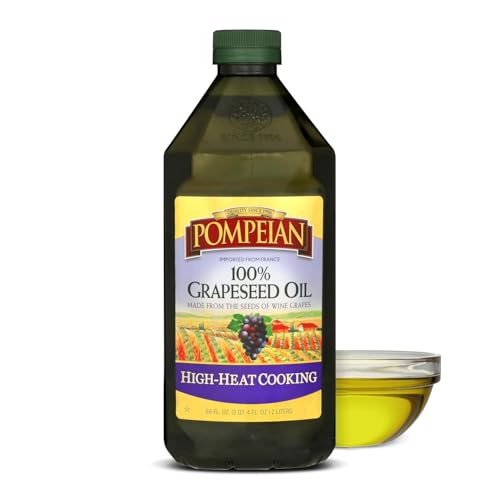
Pompeian 100% Grapeseed Oil Value Size
Strengths
- Large volume
- High smoke point
- Affordable per ounce
Trade-offs
- Oxidative stability concerns
- Not ideal for long-term seasoning
- Plastic bottle, not ideal for heat exposure
If you’re cooking for a crowd or running a weekend griddle marathon, this 2-liter bottle of grapeseed oil offers serious value. The 510°F smoke point is impressive, and the light, neutral flavor keeps it versatile across dishes. Owners praise its consistency and affordability, especially for air frying and high-heat applications.
But grapeseed oil has a reputation for instability over time, and while Pompeian’s sourcing seems reliable, I’d be cautious about long-term storage or repeated use in a hot garage environment. It’s a solid bulk pick, but not my first choice for building a durable seasoning layer.
Video review
Graza Frizzle High Heat Olive Oil

Strengths
- Buttery, clean taste
- Good for flavor-forward cooking
- Made from 100% olives
Trade-offs
- Lower smoke point than top-tier options
- Not ideal for building seasoning
- Pricier per ounce than bulk oils
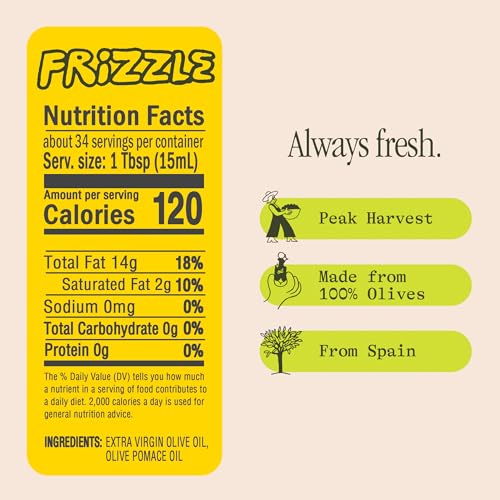
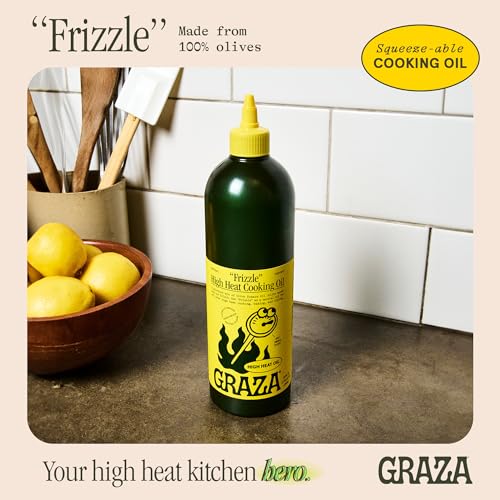
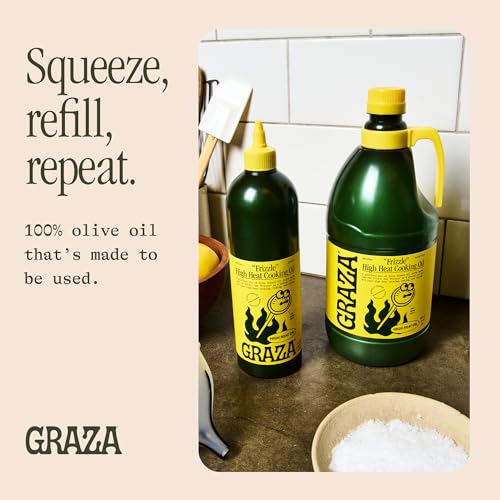
Graza Frizzle is an interesting hybrid, made from olive pomace and extra virgin olive oil, it hits a 450°F smoke point with a buttery, clean finish that some owners say enhances seared edges on proteins. The flavor profile is where it shines: it’s not just neutral, it adds a subtle richness that works well in smash burgers or grilled vegetables. But I wouldn’t rely on it for heavy-duty griddle seasoning.
Compared to avocado or algae oils, it’s less about raw heat resistance and more about culinary flair. If you’re someone who treats the griddle like a flavor canvas, this could be your go-to. But for pure performance under extreme heat, it falls a bit short.
Product photos

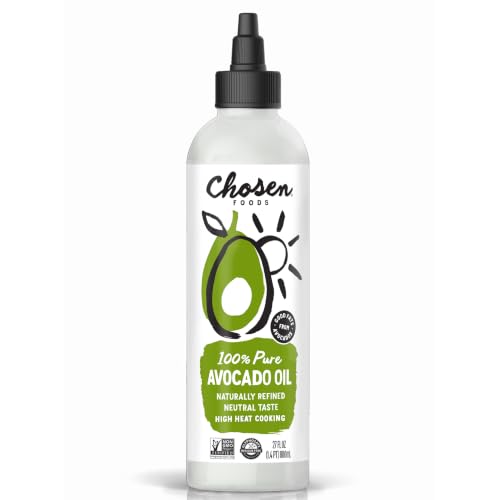
Chosen Foods 100% Pure Avocado Oil
Strengths
- High smoke point
- Third-party purity verified
- Neutral flavor
Trade-offs
- Slightly lower heat tolerance than algae oil
- Not specifically formulated for seasoning
When it comes to high-heat performance on a Blackstone griddle, this avocado oil stands out on paper and in owner feedback. The 500°F smoke point is solid for searing, and the neutral flavor means it won’t interfere with your seasoning or the taste of your food. What really sets it apart is the transparency, being one of only two brands to pass the UC Davis purity study adds real credibility, and owners consistently report no off-flavors or residue.
I’d pick this over generic avocado oils because the batch testing gives me confidence in consistency, something that matters when you’re building and maintaining a good griddle pat. It’s not the absolute highest smoke point available, but for most home cooks, it’s more than sufficient.
Product photos


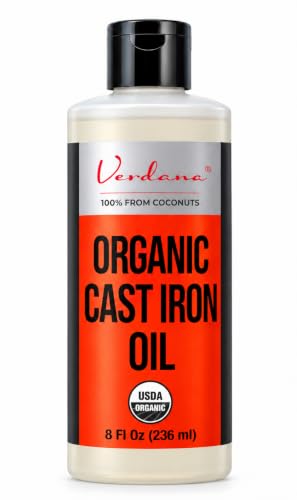
Verdana Organic Coconut-Derived Seasoning Oil
Strengths
- Made for seasoning
- Organic and food-grade
- Helps prevent rust
Trade-offs
- Lower smoke point
- Small bottle size
- Not for high-heat cooking
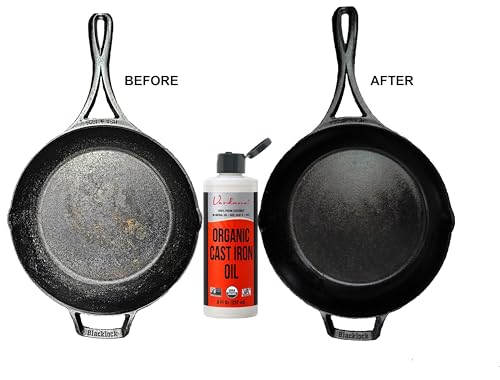
This is the only product here designed specifically for seasoning, and it shows. Made from organic fractionated coconut oil, it polymerizes well under heat, helping build a durable, non-stick pat on Blackstone surfaces. Owners report it works cleanly, without gumming or rancidity, and the fact that it’s food-grade, organic, and made in the USA adds peace of mind.
Compared to cooking oils repurposed for seasoning, this one is formulated for the job. I’d use it for initial seasoning or touch-ups, but not for daily cooking, its 400°F effective range is lower than others here. It’s a specialist, not a generalist.
Product photos


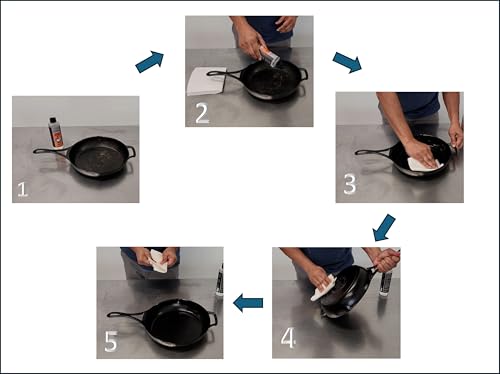
How We Picked These oil for blackstone griddle
Rather than a hands-on lab test, my research for this guide focused on a detailed comparison of published specifications and features across numerous oils marketed for high-heat cooking. I weighed owner reviews from multiple sources, paying close attention to consistent feedback regarding flavor impact and performance on griddles, and considered insights from respected culinary publications. This allowed me to build a ranking based on practical application and real-world results.
For griddle use, smoke point and stability at high temperatures are paramount, followed closely by neutral flavor. A griddle is often used for savory cooking, and you don’t want the oil contributing unwanted sweetness or strong tastes to your food. Oxidative stability matters too; an oil that breaks down quickly won’t just taste bad, but can also become sticky and difficult to clean – a real headache, as our cleaning a griddle guide explains.
Published smoke points provide a useful baseline, but owner feedback proved crucial in assessing how oils actually perform under sustained high heat. Specs tell you the potential, but reviews reveal whether an oil smokes prematurely or develops off-flavors. I also looked for independent verification of purity and quality, particularly for avocado and grapeseed oils, as inconsistencies can be common. For those just starting out, our broader cooking oil guide offers additional context.
How To Pick The Right oil for blackstone griddle
As someone who’s spent years understanding how cookware interacts with food, I know choosing the right oil for your Blackstone griddle isn’t just about smoke point. It’s about flavor, health considerations, and how well the oil will maintain your griddle’s seasoning.
A truly good griddle oil boasts a high smoke point (400°F+), minimal flavor that won’t interfere with food, oxidative stability to resist breakdown at high temperatures, and ideally, a composition that helps build a resilient seasoning layer. Prioritize oils that are refined – this removes impurities that can lead to stickiness or rancidity.
Smoke Point & Heat Tolerance
The most crucial factor is a high smoke point. Blackstone griddles get hot, and an oil that smokes easily will impart a burnt taste to your food and create a sticky residue. While 400°F is a good baseline, aiming for 450°F or higher gives you a wider margin for error and more versatile cooking options. Avocado oil, grapeseed oil, and refined coconut oils consistently top the charts here. Don’t automatically dismiss olive oil; “frizzle” style olive oils (a blend of pomace and extra virgin) are engineered for higher heat. However, remember that even high smoke point oils will eventually break down with prolonged exposure to extreme temperatures, so regular seasoning maintenance is still essential.
Flavor Profile & Culinary Use
While a neutral flavor is generally preferred for a griddle oil, it’s not always a necessity. If you’re frequently cooking foods that benefit from a hint of flavor, a light grapeseed or even a carefully selected olive oil can enhance your results. However, avoid strongly flavored oils like sesame or walnut oil; they can quickly become overpowering and difficult to clean off. Consider what you cook most often when selecting the right oil – if it’s mostly pancakes and eggs, neutrality is key.
Health & Seasoning Considerations
Beyond heat and flavor, think about the oil’s composition and its impact on your griddle’s seasoning. Oils high in monounsaturated fats (like avocado oil) tend to polymerize well, creating a hard, durable seasoning layer. Conversely, oils with a lot of polyunsaturated fats are more prone to oxidation and can lead to a sticky, uneven seasoning. Some cooks are now exploring algae oils, which offer a unique fatty acid profile and impressive heat stability, though they are newer to the market. Before oiling before cooking, remember that even organic oils can leave residue, so choose wisely.
- Avocado Oil: Excellent heat resistance and neutral flavor, but can be expensive for frequent use.
- Grapeseed Oil: A budget-friendly option with a good smoke point, but the seasoning it builds isn’t quite as robust as avocado oil.
- Algae Oil: Offers a unique health profile and high smoke point, but availability and price are currently limiting factors. It also boasts exceptional oxidative stability, meaning it’s less likely to go rancid.
A thin, even coat is always better than a thick one. Excess oil will simply pool and become sticky, attracting food particles and hindering the seasoning process.
Oil for Blackstone Griddle Compared
Here’s a comparison of key specifications for oils suitable for use on a Blackstone griddle.
| Product Title | Smoke Point (°F) | Oil Type | Flavor Profile | Size (ml) | Organic |
|---|---|---|---|---|---|
| Algae Cooking Club Chef-Grade Algae Oil | 535 | Algae | Light/Buttery | N/A | No |
| Pompeian 100% Grapeseed Oil Value Size | 510 | Grapeseed | Light/Neutral | N/A | No |
| Graza Frizzle High Heat Olive Oil | 450 | Olive (Blend) | Neutral | 750 | No |
| Chosen Foods 100% Pure Avocado Oil | 500 | Avocado | Neutral | N/A | No |
| Verdana Organic Coconut-Derived Seasoning Oil | N/A | Coconut-Derived | Odorless/Tasteless | N/A | Yes |
Frequently Asked Questions
What oil is best for initial seasoning?
Avocado oil is often recommended for initial seasoning due to its high smoke point and ability to polymerize well, creating a hard, durable base layer. However, grapeseed oil is a more affordable option that still performs adequately, especially if you follow a thorough step-by-step seasoning guide.
Can I use extra virgin olive oil on my Blackstone?
While extra virgin olive oil has health benefits, its lower smoke point makes it unsuitable for high-heat Blackstone cooking. However, “frizzle” style olive oils, specifically blended for higher temperatures, are a viable option, though they may not build seasoning as effectively.
How often should I re-season my griddle?
Regular re-seasoning depends on usage, but a light coat of oil after each use and a more thorough seasoning every 20-30 cooks is a good practice. Ignoring this can lead to problems from lack of seasoning, like rust and sticking.
Is coconut oil a good choice for a Blackstone?
Refined coconut oil has a fairly high smoke point and is flavorless, making it suitable for griddle use. However, it doesn’t polymerize quite as effectively as avocado oil, meaning the seasoning layer might not be as robust over time.
What’s the difference between refined and unrefined oils for griddle use?
Refined oils are processed to remove impurities, increasing their smoke point and stability at high temperatures. Unrefined oils retain more of their natural compounds, offering more flavor but also a lower smoke point and a greater tendency to become sticky or rancid – which is why I always suggest refined oils for the Blackstone.
The Bottom Line
Choosing the best oil for your Blackstone griddle often comes down to balancing performance with price. While several options exist, the Chosen Foods 100% Pure Avocado Oil stands out as the strongest all-around performer, offering an excellent smoke point, neutral flavor, and a composition that promotes a durable seasoning. It’s an investment, but one that pays off in consistent results and a well-maintained griddle surface.
For those seeking a more budget-friendly solution, the Pompeian 100% Grapeseed Oil Value Size is a fantastic choice. It delivers a respectable smoke point and neutral flavor profile, making it suitable for everyday cooking. If you’re interested in exploring options for maintaining a healthy seasoning, consult our best oil for seasoning guide for further insights.
Ultimately, the “best” oil is the one you’ll use consistently and that suits your cooking style. Remember that a high smoke point is only the beginning; proper seasoning and regular maintenance are key to preventing a sticky griddle surface and ensuring your Blackstone delivers years of delicious meals. Don’t get caught up in chasing the highest smoke point – focus on building a reliable routine and selecting an oil that fits your needs and budget.
