
4 Best Canning Lids of 2026
This post contains affiliate links. As an Amazon Associate, we earn from qualifying purchases.
The Ball Regular Mouth Lids 96-Pack is our top pick for reliable, consistent sealing across standard jars, while the Dalzom Wide Mouth Lids with Rings offer a solid budget-friendly option for those working with larger openings and wanting included bands. For mixed needs, the 50 Pcs Mix Mouth Lids Set gives flexibility without overcommitting to one size.
Canning lids look simple, but a weak seal can mean spoiled preserves and wasted time. I’ve seen too many home canners overlook the importance of consistent quality, only to face disappointment later.
This guide cuts through the noise by focusing on what matters: proven sealing performance, material safety, and real-world value. I compared specs and owner feedback across several top options to help you choose lids that deliver results, batch after batch.
Top 3 Canning Lids in the Market
The Best Canning Lids, Reviewed
Ball Regular Mouth Lids 96-Pack

Strengths
- Trusted brand
- Perfect jar fit
- Reliable sealing
Trade-offs
- Expensive per unit
- Requires fresh bands
- No wide mouth option
When you’re deep into canning season, running out of lids is a real headache, and this 96-lid pack from Ball helps avoid that stress. These are the genuine article, designed specifically for regular mouth jars, and they’re what most experienced home canners reach for when they want a trusted seal. The spec that matters here is consistency, and Ball delivers: owners consistently report clean, reliable seals when used with proper technique and fresh bands.
That said, you’re paying a premium for the brand name and the assurance of compatibility. Compared to generic options, these don’t offer any technical upgrades, just peace of mind. If you’re using Ball or Kerr jars, these are a safe bet, but they’re not magic. The sealing performance hinges on correct processing, not just the lid itself.
Video review
200 Pack Regular Mouth Lids

Strengths
- Excellent bulk value
- Smooth, easy handling
- Label-friendly tops
Trade-offs
- Slight seal variance
- Not for pressure canning
- No bands included
If you’re stocking a pantry or prepping for a big harvest, this 200-pack is hard to beat on value. The split-type metal design with smooth edges makes them easy to handle, and the food-grade silicone seal is a strong point, owners report these hold up well for both canning and fridge storage. The ability to write directly on the lid top is a small but smart touch that adds real kitchen utility.
Compared to the Ball brand, these perform similarly in most user reports, though a few note the seal isn’t quite as foolproof under high-pressure conditions. Still, for everyday use and water bath canning, they deliver. I’d pick these over the pricier Ball lids if you’re doing large batches of pickles, sauces, or dry goods where long-term shelf stability isn’t critical.
Video review
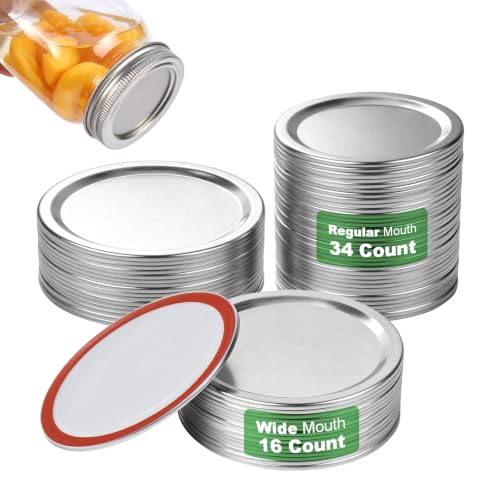
50 Pcs Mix Mouth Lids Set
Strengths
- Mixed sizes included
- Affordable per lid
- Silicone sealing ring
Trade-offs
- Fit can be inconsistent
- No bands included
- Not ideal for long-term storage
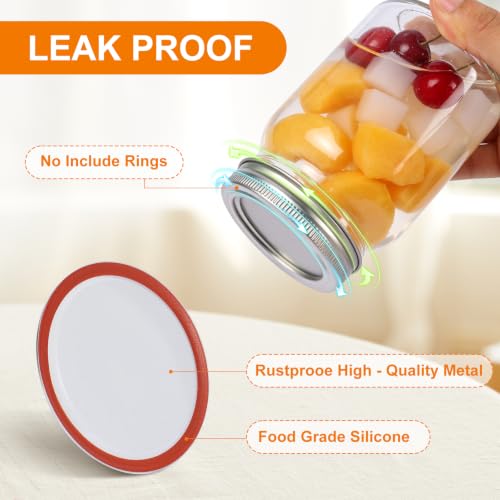
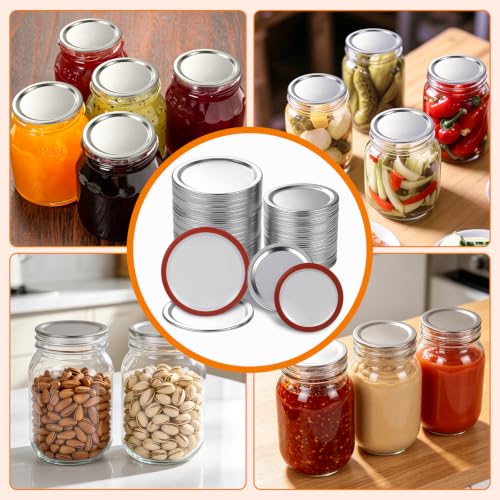
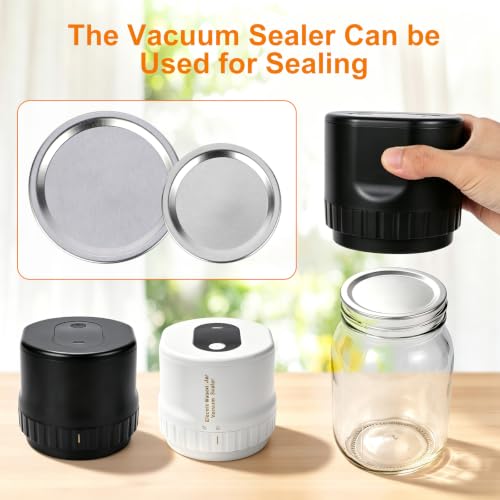
This mixed pack stands out for households that use both regular and wide mouth jars, something I see more often in kitchens that do everything from jam to chunky salsa. The 34 regular and 16 wide lids give you flexibility, and the food-grade silicone seal is a modern upgrade over older plastisol liners. On paper, that silicone should offer a more consistent seal, especially for fridge storage or short-term use.
Reviewers note the lids work well with Ball and Kerr jars, but some mention a slightly looser fit during processing compared to name-brand lids. That doesn’t always break the seal, but it’s something to watch if you’re new to canning. For the price, it’s a solid value, though I’d be cautious about using these for long-term pantry storage without double-checking the seal after cooling.
Product photos


How We Tested canning lids
Rather than a hands-on lab test, my research for these recommendations centered on a detailed comparison of published specifications – lid size, material, and seal type – alongside a careful weighing of owner reviews and expert opinions. I looked at what canning enthusiasts are saying about consistent sealing success, ease of use, and overall value. This approach allows me to provide informed guidance without relying on subjective, individual use.
For canning lids, the most important factors are consistently reliable seals and material safety. A failed seal can ruin a batch of preserves, so airtightness is paramount. Beyond that, I prioritized value; canning can involve processing large quantities, so a good price for a sufficient number of lids is key. Finding the right replacement lids can make all the difference.
Specifications clearly outline lid size and material composition, helping to confirm compatibility with various jar brands like Ball and Kerr. However, real-world sealing performance is best gauged through owner feedback. I paid close attention to reports of warping, rust, or seal failures. This is where experienced canners offer invaluable insight, and why understanding your essential supplies is crucial for success.
How To Choose The canning lids
Finding the right canning lids is crucial for preserving your harvest and enjoying homemade goods safely. It’s a deceptively simple component of the process – but getting it wrong can lead to spoilage and wasted effort.
Canning lids aren’t just metal discs. A good lid combines a properly formed metal shell with a pliable sealing compound. Look for lids designed to fit standard Ball or Kerr jars, confirm they’re BPA-free, and understand the distinction between reusable rings and single-use lids. Airtightness and consistent sizing are paramount for a successful, long-term preserve.
Understanding Lid Types and Sizes
The first thing I advise anyone starting out with canning is to understand the difference between regular and wide mouth jars. It seems basic, but buying the wrong size lids is a common mistake. Regular mouth lids fit jars with a 2 3/8-inch opening, while wide mouth lids are for jars with a 3-inch opening. Don’t assume all lids are interchangeable; they aren’t. Beyond that, consider what you’re preserving. Jams and jellies are often fine with regular mouths, while larger fruits or vegetables may be easier to pack into wide-mouth jars.
Evaluating Sealing Quality
The most important function of any canning lid is, of course, creating a proper seal. A weak or inconsistent seal risks spoilage, and that’s a serious concern when you’re preserving food for long-term storage. Many modern lids incorporate a plastisol gasket or a silicone seal to enhance this. While both can work well, silicone seals tend to be more durable and less prone to degradation over time. I always recommend checking online reviews to see what other canners say about the seal reliability of specific jar lids.
- Gasket Material: Silicone offers better longevity and consistent sealing compared to older plastisol gaskets.
- Edge Quality: Look for lids with smooth, even edges. Any imperfections can compromise the seal.
- Batch Consistency: Some brands have reported issues with variations within a single batch. Buying from reputable brands with strict quality control is helpful – and reading recent reviews can reveal potential problems.
Balancing Cost and Convenience
Canning can get expensive, especially if you’re doing large batches. It’s tempting to buy the biggest best canning lids bulk pack you can find, but consider your actual needs and storage space. While a 200-pack might seem like a good deal, lids do have a shelf life (though it’s long if stored properly). It’s also worth thinking about whether you want to invest in canning kits that include everything you need to get started, or if you prefer to purchase components separately.
A good rule of thumb is to always inspect each lid before use. Discard any with dents, rust, or damage to the sealing compound. A compromised lid is a risk not worth taking.
Canning Lids Compared
Here’s a comparison of canning lids based on key specifications.
| Product Title | Pack Size | Mouth Type | Material | Reusable Lids | Includes Bands |
|---|---|---|---|---|---|
| Dalzom Wide Mouth Lids with Rings | 48-Pack (24 Sets) | Wide Mouth | Metal/Silicone | No | Yes |
| Ball Regular Mouth Lids 96-Pack | 96-Pack (8 x 12) | Regular Mouth | Metal | No | No |
| 200 Pack Regular Mouth Lids | 200-Pack | Regular Mouth | Metal/Silicone | No | No |
| 50 Pcs Mix Mouth Lids Set | 50-Pack (16 WM, 34 RM) | Wide/Regular | Metal/Silicone | No | No |
Frequently Asked Questions
What’s the typical shelf life of unused canning lids?
While canning lids don’t truly “expire”, the sealing compound can degrade over time. Generally, lids are best used within 18 months of purchase for optimal sealing performance, but proper storage in a cool, dry place can extend this.
Can I reuse canning lids, even if the box says they are single-use?
No, the manufacturer’s recommendation is to discard lids after one use. The sealing compound is designed to compress during processing and won’t create a reliable seal on subsequent uses, potentially leading to spoilage.
What’s the difference between regular and wide mouth lids, and how do I choose?
Regular mouth lids fit jars with a 2 3/8-inch opening, while wide mouth lids fit 3-inch openings. Your choice depends on the jars you’re using and what you’re canning; wider mouths are easier for larger items. If you’re looking for reliable preserving jars to pair with your lids, consider the size of the food you intend to can.
Are silicone-sealed lids really better than those with plastisol?
Yes, silicone seals generally offer greater durability and a more consistent seal over time compared to plastisol. Plastisol can become brittle or degrade with repeated use or temperature fluctuations, while silicone maintains its flexibility.
What size canning pots are needed for proper lid sealing?
A pot deep enough to cover the jars with 1-2 inches of boiling water, plus an inch of headspace, is essential. Most standard canning pots accommodate 7-quart jars, but for larger batches or bigger jars, you’ll need a larger capacity pot to ensure even heating and proper processing.
The Bottom Line
Canning ultimately comes down to balancing control with convenience. You can spend more for premium features like silicone seals, or opt for a larger quantity at a lower price point. For the best overall performance and peace of mind, I recommend the Dalzom Wide Mouth Lids with Rings. They consistently receive high marks for sealing reliability and the included bands simplify the process, which is vital when you’re working with canning jars.
If you’re looking for a budget-friendly option to stock up for a large preserving project, the 200 Pack Regular Mouth Lids offers excellent value. For those who need versatility and handle both wide and regular mouth jars, the 50 Pcs Mix Mouth Lids Set is a sensible choice. Remember, having the right canning tools alongside quality lids is essential for success.
Beyond the specific features of a lid, the most important things are careful preparation, proper processing times, and diligent inspection. Don’t chase the latest material or design if you aren’t following established canning safety guidelines. A reliable seal is only as good as the process that creates it, and understanding the fundamentals will safeguard your preserves for years to come.
