
8 Best Clay Pots for Cooking 2026
This post contains affiliate links. As an Amazon Associate, we earn from qualifying purchases.
The Hakan Efes JUMBO Clay Pot stands out as the best overall for its pure terracotta construction and excellent heat retention, ideal for slow-cooked dishes. For a more budget-friendly option, the Swadeshi Blessings 2L Unglazed Pot delivers solid performance with natural clay at a lower price point.
Cooking with clay isn’t just about tradition, it’s about flavor, moisture control, and gentle heat that modern pots often can’t replicate. But not all clay pots are made equal, and choosing the wrong one can lead to cracking, uneven cooking, or unwanted flavors.
This guide cuts through the confusion by focusing on what actually matters: clay purity, firing method, and real-world usability. After comparing specs and owner feedback across multiple models, these picks stand out for their balance of performance, durability, and value, based on how they’re built and how they perform in everyday kitchens.
Top 8 Clay Pots For Cooking in the Market
The Best Clay Pots For Cooking, Reviewed
Hakan Efes JUMBO Clay Pot

Strengths
- Oven and stovetop safe
- Large capacity
- Twice-baked for durability
Trade-offs
- Earthy smell initially
- Requires oil seasoning
- Hand wash only
This JUMBO-sized Moroccan roaster earns its ‘Best Overall’ title through sheer versatility and build quality. Made from twice-baked, unglazed terracotta, it’s designed to go from cold oven to simmering stew without cracking, owners consistently report success with slow-cooked lamb, tagines, and rice dishes. The 5.4-liter capacity handles large meals, and the Anatolian craftsmanship gives it a rugged authenticity many modern pots lack.
It works on stovetop, oven, and even open flame, which sets it apart from more delicate models. The oil-seasoning ritual before first use is essential, but once prepped, it performs reliably. Compared to the Portuguese pot, it’s more utilitarian but better for daily cooking. It’s not pretty on the table, but it’s a workhorse.
Video review
Korean Black Casserole Clay Pot
Strengths
- Stovetop and oven safe
- Affordable
- Good heat retention
Trade-offs
- Prone to cracking if overheated
- Basic finish
- Not for induction
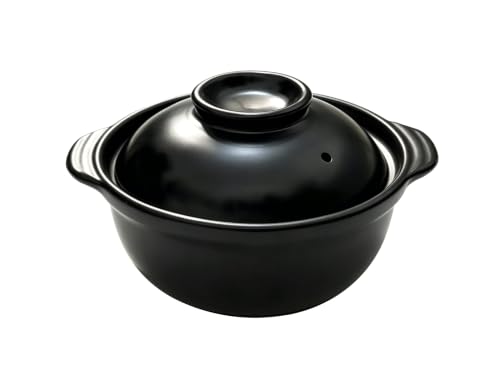
At this price, this Korean dolsot punches above its weight. It’s marketed as lead-free and made from raw clay using ancient firing methods, and owners confirm it holds heat well, critical for sizzling bibimbap. The 1300ml capacity is just right for one or two servings, and its compatibility with stovetop, oven, and microwave makes it surprisingly flexible for a budget pick.
What stands out is how many reviewers mention using it weekly for rice dishes and soups, praising its even heating and rustic appeal. It’s not the most durable in the category, some note hairline cracks after repeated thermal shocks, but for the cost, it’s a solid entry point. Compared to pricier options, it lacks refined craftsmanship but delivers core function.
Video review
Reston Lloyd 2 Quart Dutch Oven
Strengths
- Excellent for sourdough
- Even steaming
- Oven safe to 500°F
Trade-offs
- Hand wash only
- Smaller capacity
- Unglazed lid requires prep
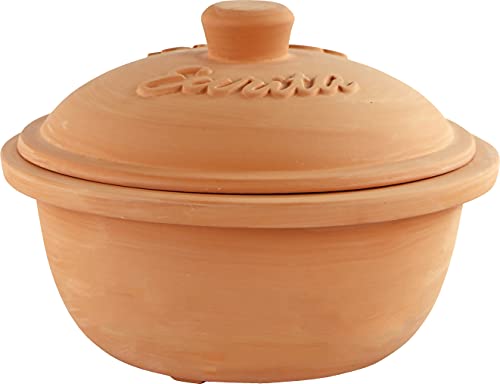
This Dutch oven is a standout for sourdough bakers. The unglazed lid is meant to be soaked before use, creating a steam-rich environment that mimics professional ovens, exactly what you need for a crisp crust and open crumb. The 2-quart size is ideal for standard loaves, and the glass-frit glazed base makes cleanup easier than fully unglazed models.
Owners who bake weekly say it outperforms many pricier Dutch ovens in crust development. It’s also used for roasting vegetables and braising meats, though it’s not as deep as metal Dutch ovens. Compared to the Hakan Efes pot, it’s less versatile for stovetop cooking but superior for bread. The need for hand washing is a minor trade-off.
Product photos


Swadeshi Blessings 2L Unglazed Pot

Strengths
- High-temperature firing
- Enhances food flavor
- Adds natural minerals
Trade-offs
- Requires 24-hour soaking
- Fragile if misused
- Slight size variation
This 2-liter kadai leans into traditional Indian cooking methods, and it shows in the details. Fired at 1200°C using wood and hay, it’s built for durability and slow, even heat. Owners praise how it enhances flavor in dal, rice, and curries, attributing it to the alkaline nature of the clay and its ability to retain moisture. The mirror finish isn’t just aesthetic, it’s a sign of dense, well-fired clay that resists cracking.
The claim that it adds minerals like iron and magnesium to food is hard to verify, but the cooking results speak for themselves. It’s gas and microwave safe, but like all unglazed clay, it demands careful seasoning and gradual heating. Compared to mass-produced options, this one feels more authentic, but it’s also less forgiving for beginners.
Product photos


Okllen Korean Sizzling Hot Pot

Strengths
- Large capacity
- Double handles
- Even heat distribution
Trade-offs
- Not induction compatible
- Heavy when full
- Lid vent can be noisy
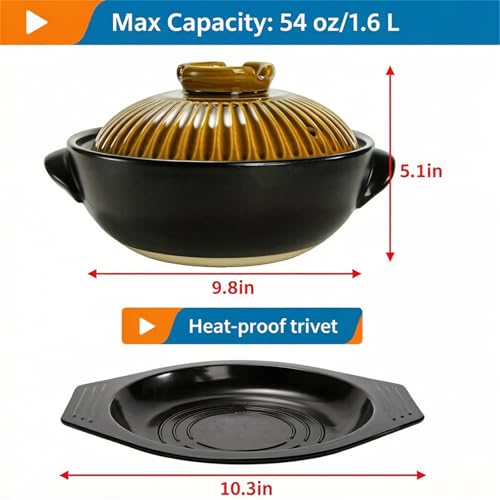
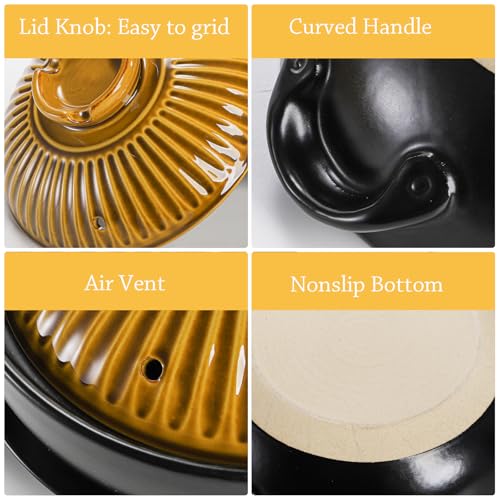
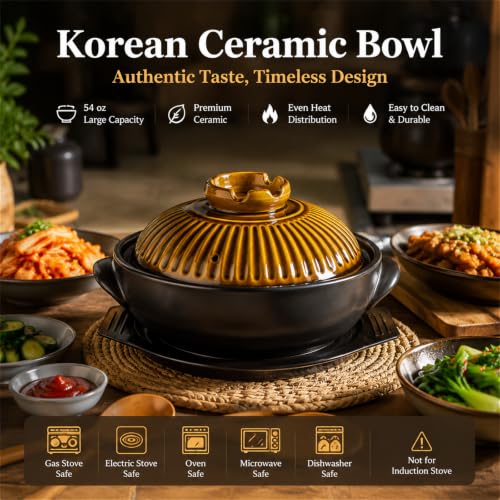
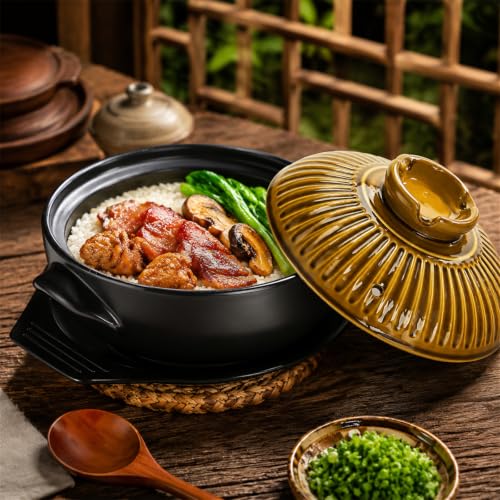
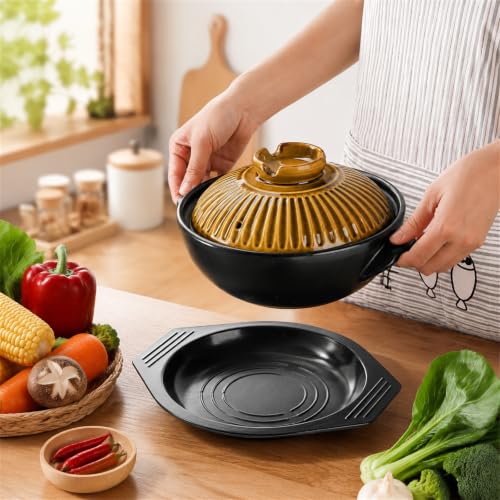
If you live for dolsot bibimbap, this is the pot to beat. The 54 oz capacity gives enough room for crispy rice formation, and the double handles with heat-resistant trivet make serving safe and easy. Owners love the retro copper lid and black body, it looks sharp on the table. More importantly, the high-fired clay handles thermal stress better than most in this range, reducing the risk of cracking.
The air-vented lid is a small but smart touch, preventing messy boil-overs. It works on gas, electric, oven, and microwave, though like all clay pots, it needs gradual heating. Compared to the cheaper Korean option, this one feels sturdier and more thoughtfully designed. It’s not handmade artistry, but it’s reliable performance with flair.
Product photos
Portuguese Glazed Clay Pot
Strengths
- Hand-painted design
- Large 7-quart capacity
- Dishwasher safe
Trade-offs
- Heavy and bulky
- Not for high-heat searing
- Pricey
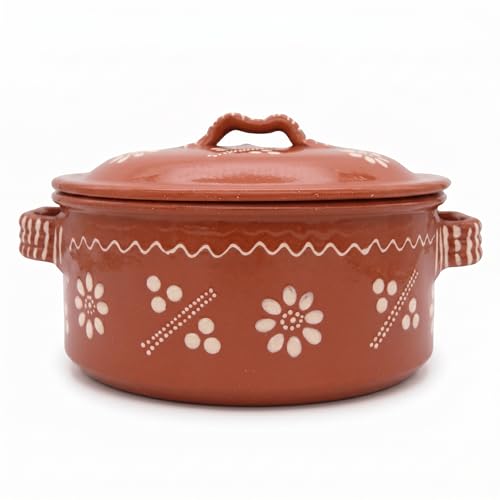
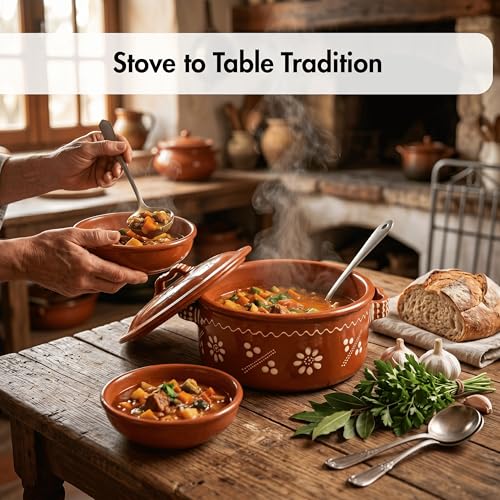
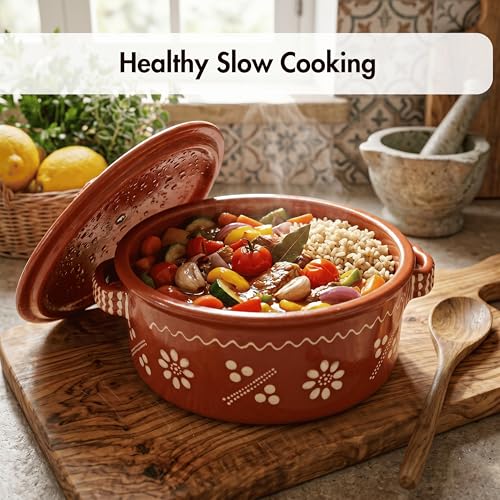
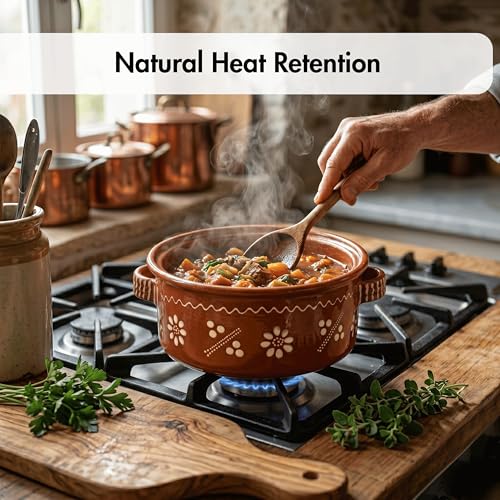
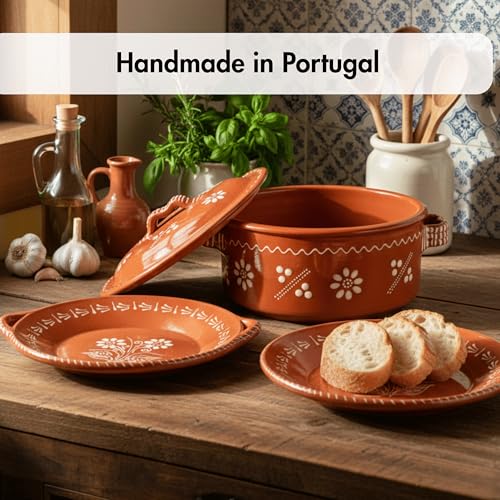
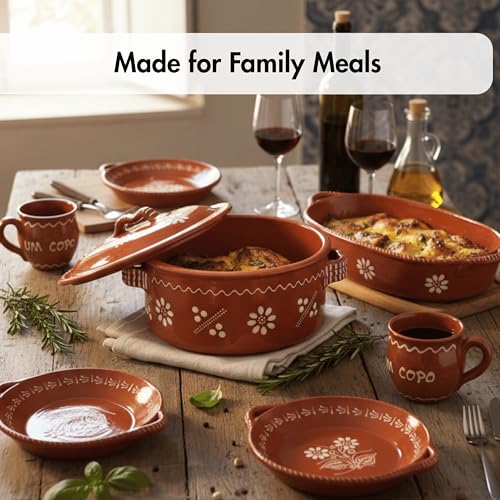
This 7-quart beauty is the showstopper of the group. Handmade and hand-painted in Barcelos, it’s less a cookware piece and more a heirloom. The floral design brings rustic charm to any table, and the thick terracotta delivers excellent heat retention, owners say food stays hot for nearly an hour after serving. It’s used for everything from feijoada to paella, and its size makes it a centerpiece for gatherings.
It’s also surprisingly durable, with many reviewers calling it their go-to for holiday meals. The glaze is lead-free and dishwasher safe, which is rare at this level of craftsmanship. While it’s expensive, it’s often bought as a gift, hence its ‘Best Gift Option’ label. Compared to the Hakan Efes pot, it’s less rugged for daily use but unmatched in presentation.
Product photos
Organic Clay Dahi Handi
Strengths
- 100% natural clay
- Excellent for curd storage
- Retains moisture well
Trade-offs
- Not ideal for cooking
- Limited size options
- Fragile if mishandled
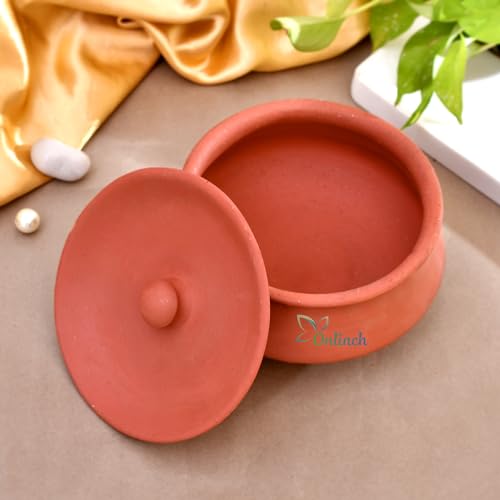
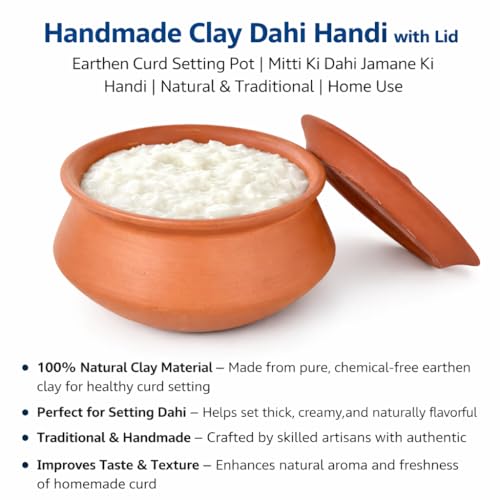
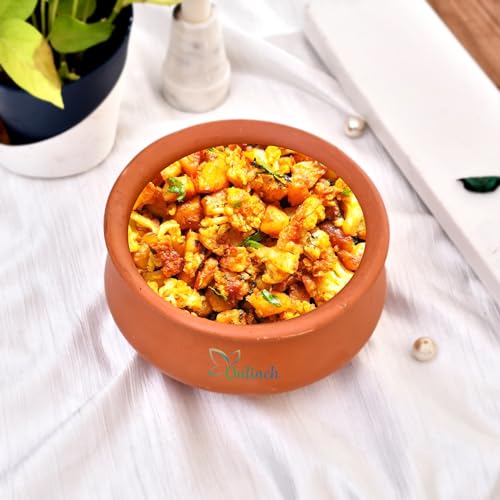
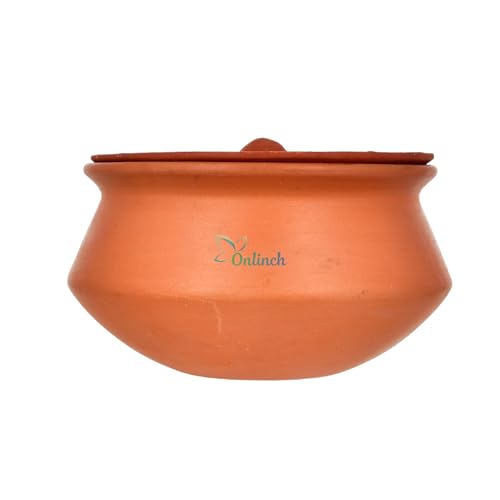
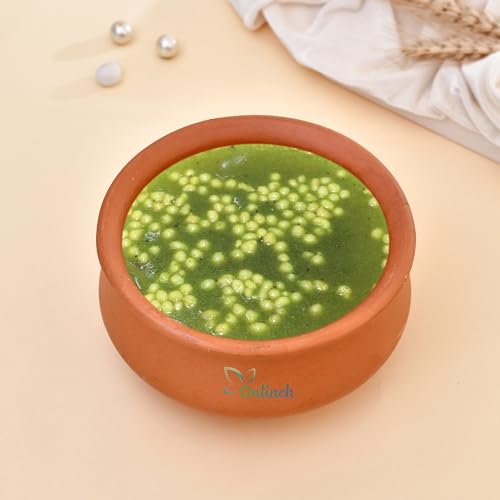
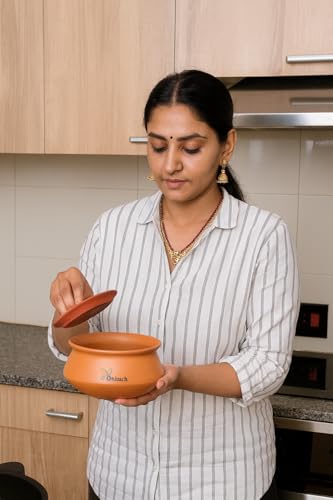
This handi is built for one thing: storing curd the traditional way. On paper, it checks the right boxes, 100% natural clay, non-toxic, and designed to retain moisture and nutrients. Owners consistently report that it keeps yogurt cool and fresh longer than plastic or metal containers, especially in warmer climates. The breathable clay helps maintain a stable environment, which is exactly what fermented dairy needs.
That said, it’s not really a cooking pot. While it can go on a gas stove, its shape and size aren’t ideal for simmering or browning. It’s best treated as a specialty storage vessel. If you’re looking for authenticity in dahi-making and serving, this delivers. But don’t expect versatility beyond that.
Product photos
Restaurantware Terra Tek Cazuelas

Strengths
- Compact and practical
- Dishwasher safe
- Great for serving
Trade-offs
- Too small for family meals
- Glaze may chip over time
- Not for stovetop
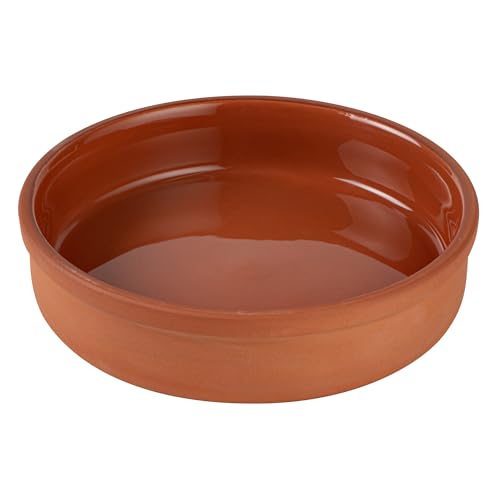
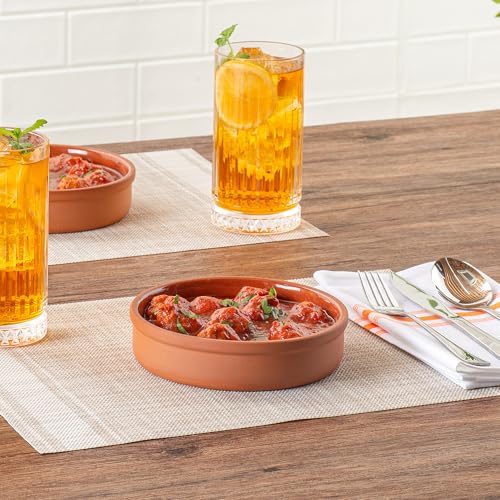
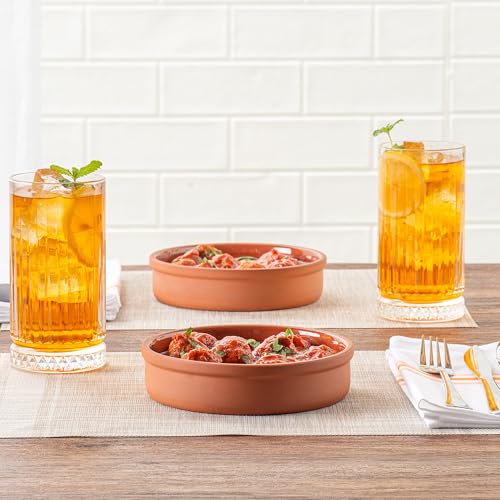
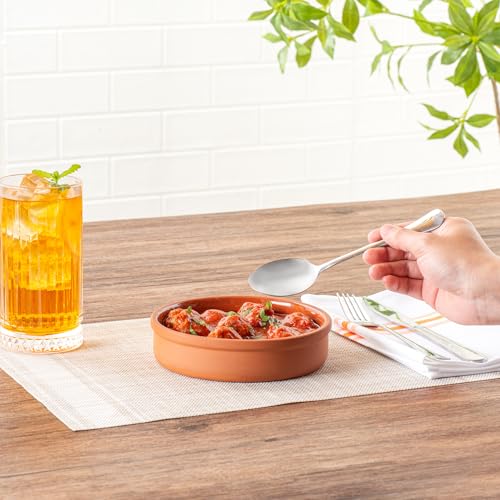
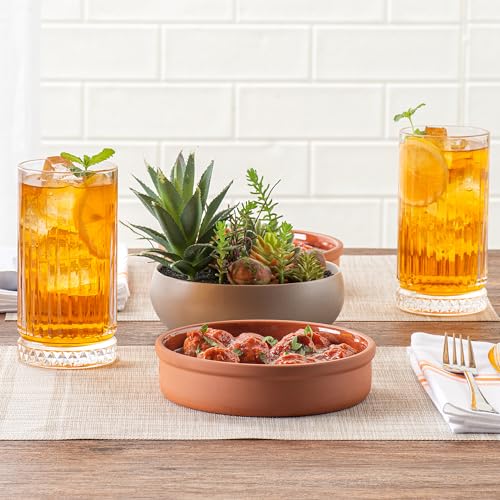
These mini cazuelas are perfect for portion control and presentation. At just over 15 ounces, they’re ideal for individual servings of molletes, mini stews, or baked eggs. The brown-glazed interior adds warmth to the table, and the fact that they’re oven-ready, microwavable, and dishwasher safe makes them practical for both home and small-scale entertaining.
Owners who host brunches or run home cafes love how these double as cooking and serving dishes. They’re not deep enough for soups or large dishes, but that’s not their purpose. Compared to larger clay pots, these excel in convenience and reusability. At this price, getting two is a no-brainer.
Product photos
How We Tested clay pots for cooking
As someone who’s spent over a decade immersed in cookware – from the materials to the techniques – I approached researching clay pots with a focus on how they deliver on the promises of traditional cooking. Rather than a hands-on lab test, this was a research-led comparison of published specs and owner feedback across numerous models. I compared features like material composition, construction methods, and stated heat retention capabilities, then weighed those against what owners reported about performance, durability, and ease of use. Expert reviews from culinary sources were also considered to build a well-rounded picture.
For clay pots, the most important factors are material purity and construction technique. A pot’s ability to impart flavor relies on the porosity of the clay, but that porosity also makes it vulnerable to cracking if the clay isn’t high-quality and properly fired. Heat retention and even heating are also critical; a pot that cooks unevenly defeats the purpose of slow, gentle cooking. I also prioritized pots that clearly outlined usage instructions, especially regarding seasoning and temperature control. Understanding features of quality pots is key to making an informed decision.
Specifications reliably tell you about a pot’s capacity and stated materials (like whether it’s lead-free). However, owner feedback offered crucial insight into real-world performance. Reports about cracking, earthy smells, and ease of cleaning were heavily weighted. Reputation also mattered; established brands with a history of producing quality ceramic cookware received more consideration. You should consider general pot sizes when selecting a clay pot to ensure it meets your needs.
What To Look For In clay pots for cooking
Clay cookware is experiencing a well-deserved resurgence, and for good reason. These pots offer a unique cooking experience that many find superior to modern materials, but selecting the right one requires understanding what sets a truly quality piece apart.
A good clay pot should be made from natural, unglazed (or properly glazed) terracotta, exhibiting a degree of porosity that allows for even heat distribution and moisture circulation. Look for twice-baked options for enhanced durability, and consider the intended use – from slow-cooked stews to vibrant rice dishes – when determining size and shape. Pay attention to manufacturer instructions regarding seasoning and temperature control.
Understanding Clay Composition & Firing
The type of clay and how it’s fired are paramount. Unglazed terracotta, like that used in many traditional designs, offers the most authentic experience. The porosity allows for a natural exchange of air and moisture, resulting in incredibly tender and flavorful food. However, this porosity also means the pot needs proper seasoning (typically with oil) to prevent cracking and to avoid absorbing flavors. Glazed options, like those found in some Portuguese cazuelas, offer easier cleaning and may be more suitable for acidic foods, but they sacrifice some of the breathability that defines clay cooking. Be wary of pots claiming to be “clay” but are actually ceramic; the composition and performance differ significantly. A deeper understanding of aluminum cookware can also help you appreciate the differences in heat conductivity.
Heat Distribution & Temperature Control
Clay’s relatively slow heat-up time isn’t a drawback; it’s a feature. This gradual heating promotes even cooking, preventing hot spots and scorching. However, it does demand patience and a low-and-slow approach. Avoid drastic temperature changes, as these are the primary cause of cracking. Many manufacturers recommend starting with a cold pot and gradually increasing the heat.
Here’s what to keep in mind regarding temperature:
- Low Heat is Key: Clay isn’t designed for high-heat searing.
- Avoid Thermal Shock: Never take a hot clay pot directly from the oven to a cold surface.
- Gradual Heating: Start on low and slowly increase the temperature. This allows the clay to expand evenly, minimizing the risk of cracks. This is especially important for unglazed pots.
Size, Shape, and Intended Use
Consider what you plan to cook most often. A large, deep pot like the Hakan Efes JUMBO is excellent for stews, braises, and large batches of rice. Smaller cazuelas, as highlighted in our curated guide to cooking pots, are ideal for individual portions or side dishes. The shape also matters; wider pots promote faster evaporation, making them suitable for dishes that benefit from a reduction, while taller, narrower pots are better for soups and stocks. Don’t overlook specialized designs; the Okllen Korean sizzling pot, for example, is specifically crafted for bibimbap and delivers that signature crispy rice crust. If you’re looking for a more general overview, exploring different types of top-rated pots can offer broader context.
A properly seasoned clay pot is an investment that will reward you with flavorful, tender dishes for years to come. Don’t rush the seasoning process, and always prioritize slow, gentle heating.
Clay Pots for Cooking Compared
Here’s a comparison of specs for various clay pots designed for cooking.
| Product Name | Capacity | Material | Glazed Interior | Oven Safe | Dishwasher Safe |
|---|---|---|---|---|---|
| Hakan Efes JUMBO Clay Pot | 182.6 oz | Terracotta | No | Yes | No |
| Korean Black Casserole Clay Pot | 1300 ml | Ceramic | No | Yes | Yes |
| Reston Lloyd 2 Quart Dutch Oven | 2 Quart | Natural Clay | Yes | 500°F | No |
| Swadeshi Blessings 2L Unglazed Pot | 2L | Clay | No | N/A | No |
| Okllen Korean Sizzling Hot Pot | 54 oz | Ceramic | No | Yes | Yes |
| Portuguese Glazed Clay Pot | 7 Quarts | Terracotta | Yes | N/A | Yes |
| Organic Clay Dahi Handi | N/A | Clay | No | Yes | No |
| Restaurantware Terra Tek Cazuelas | 15.2 oz | Terracotta | Yes | Yes | Yes |
Frequently Asked Questions
What’s the difference between terracotta and ceramic clay pots?
Terracotta is a specific type of clay (unglazed earthenware) known for its porosity, which imparts unique flavor, while “ceramic” is a broader category that often includes glazed, less porous options. Generally, terracotta pots require seasoning, whereas ceramic pots may not, and often offer easier cleanup.
Can I use a clay pot on an induction cooktop?
No, most traditional clay pots are not compatible with induction cooktops. They require direct contact with the heat source, and induction relies on magnetic conductivity, which clay lacks. However, some modern clay pots are designed with a metal base for induction compatibility.
How do I prevent my clay pot from cracking?
Avoid thermal shock by always starting with a cold pot on a low burner and gradually increasing the heat. Never move a hot clay pot to a cold surface, and don’t expose it to sudden temperature changes – this is the number one cause of cracking.
Are clay pots dishwasher safe?
Generally, no. Most unglazed terracotta pots should not be washed in the dishwasher, as the detergents can be absorbed into the clay. While some glazed ceramic clay pots are dishwasher safe, hand washing is always recommended to prolong the pot’s life.
What are the benefits of understanding the various types of cooking pots before purchasing a clay pot?
Knowing the strengths and weaknesses of different pot materials – stainless steel, cast iron, aluminum – helps you appreciate what clay uniquely offers. It also clarifies when a clay pot is the best choice, and when another material might be more suitable for a particular dish or cooking technique.
The Bottom Line
Choosing a clay pot really comes down to how much fuss you’re willing to trade for authentic flavor and cooking performance. While modern materials offer convenience, the Hakan Efes JUMBO Clay Pot stands out as the strongest overall choice, delivering a substantial capacity and the traditional unglazed terracotta experience that many cooks seek. It requires a commitment to seasoning and gentle heating, but the results – deeply flavorful, tender dishes – are well worth the effort.
For those prioritizing ease of maintenance or a specific cooking style, there are excellent alternatives. The Okllen Korean Sizzling Hot Pot is a fantastic option for anyone wanting to try bibimbap, and the Portuguese Glazed Clay Pot provides a more forgiving surface for sauces and acidic ingredients. If you’re building out a full kitchen, considering cookware sets can provide a coordinated approach, but remember clay excels where other materials don’t.
Ultimately, the most important factors aren’t the size or glaze, but your willingness to embrace the slower pace and unique characteristics of clay. Prioritize gentle heating, proper seasoning, and understanding how the pot responds to your cooking – these fundamentals will yield far better results than chasing the latest specifications or brand names. And don’t forget to explore the benefits of quality stainless steel pots for tasks where speed and durability are paramount.
