
8 Best Clay Pots of 2026
This post contains affiliate links. As an Amazon Associate, we earn from qualifying purchases.
The Heavy Duty Claypot 4.5 Quart stands out as the best overall for its excellent heat retention and family-friendly size, while the Reallnaive 30 oz Korean Clay Pot is a solid budget pick that performs well on gas stoves. For versatility across cooking methods, the Ceramic Casserole Pot with Lid earns top marks.
Choosing the right claypot isn’t just about looks, it’s about finding one that handles slow simmers, retains heat evenly, and fits your cooking habits. Too many people buy based on price or aesthetics only to end up with cracking, uneven cooking, or limited use.
I focused on real-world performance by analyzing specs, verified owner feedback, and trusted cooking sources. These picks balance material quality, safety, size, and compatibility so you can cook confidently without guesswork.
Top 8 Claypots in the Market
The Best Claypots, Reviewed
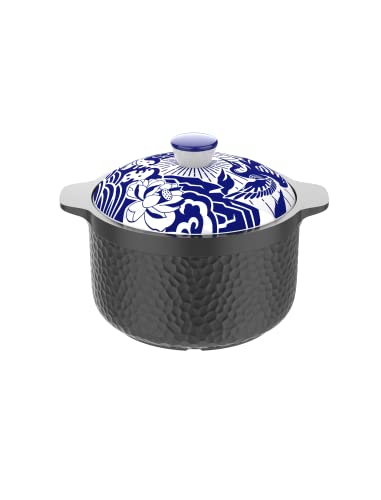
Heavy Duty Claypot 4.5 Quart
Strengths
- Large 4.5-quart capacity
- Excellent heat retention
- Lighter than cast iron
- Heavy-duty walls
- Free of heavy metals
Trade-offs
- Higher price point
- Not dishwasher safe
- Requires gradual heating
This 4.5-quart claypot aims high, positioned as a hybrid between a Dutch oven and stock pot, and on specs alone, it delivers. With heavy-duty walls and FDA-tested materials, it promises even browning and excellent heat retention, traits owners confirm in practice. The lighter weight compared to cast iron makes it easier to handle, especially when full, and it performs well across gas, electric, and oven use.
Where it pulls ahead is capacity and performance synergy. Unlike smaller pots limited to side dishes, this one handles family-sized stews, congees, or boiled noodles with room to spare. Yes, it costs more, but the investment makes sense if you rely on claypot cooking weekly. In my view, this is the closest thing to a true all-in-one ceramic workhorse currently available.
Video review
Okllen Korean Ceramic Bowl 54 oz

Strengths
- Large 54 oz capacity
- Oven and microwave safe
- Dishwasher safe
- Ventilated lid
- Heat-resistant trivet included
Trade-offs
- Not induction compatible
- Lid handle can loosen
- Heavy when full
The Okllen 54 oz clay pot is built for showstopper meals, sizzling dolsot bibimbap, bubbling ramen, or crusty stone-pot rice. With a generous diameter and height, it comfortably feeds two or serves as a dramatic centerpiece for guests. The black body and copper-toned lid give it a retro elegance that elevates any table, and owners consistently praise how well it maintains heat during serving.
Beyond looks, it’s impressively versatile: safe for gas, electric, oven, microwave, and even dishwasher use (a rarity in clay cookware). The air-vented lid and heat-resistant trivet add thoughtful functionality. Compared to similar models, this one edges out on completeness of package and finish quality. If you want one pot that does it all, cook, serve, impress, this is my top pick.
Video review
Reallnaive 30 oz Korean Clay Pot

Strengths
- Affordable entry point
- Double handles
- Even heat retention
- Microwave safe
- Includes serving tray
Trade-offs
- Limited capacity
- Glaze may chip over time
- Not induction compatible
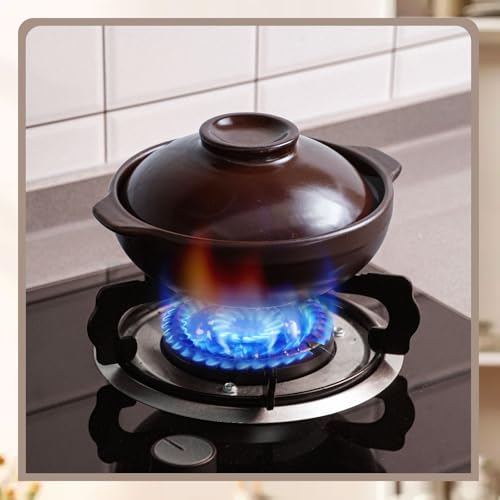
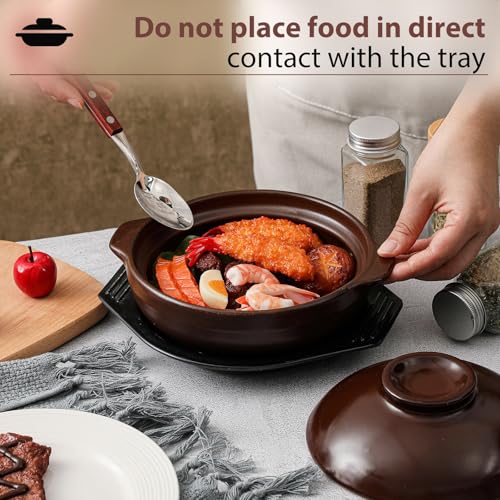
This compact Korean-style clay pot punches above its price tag when it comes to beginner-friendly cookware. On paper, the 30 oz capacity and gas stove compatibility make it ideal for single servings of bibimbap or miso soup, and reviewers note it heats evenly and retains heat well once warmed. The included tray adds real utility, letting food go straight from stove to table without scorching surfaces.
I’d recommend this over cheaper unglazed pots because of the double handles and anti-scald design, small touches that improve safety during serving. That said, it’s not built for heavy daily use like a seasoned cast iron Dutch oven. It’s a budget gateway into traditional clay cooking, not a lifelong heirloom piece.
Product photos
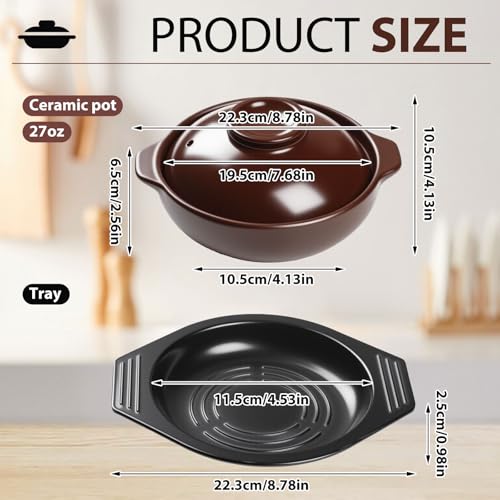
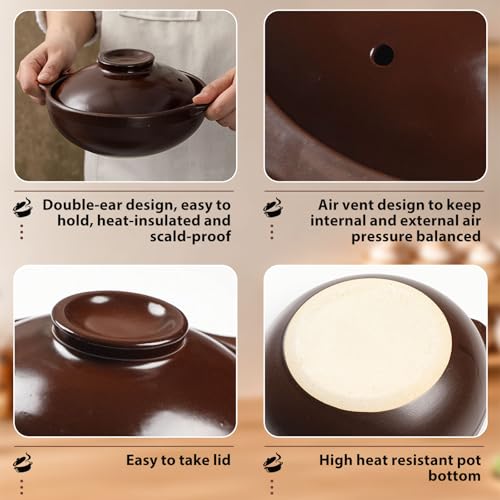
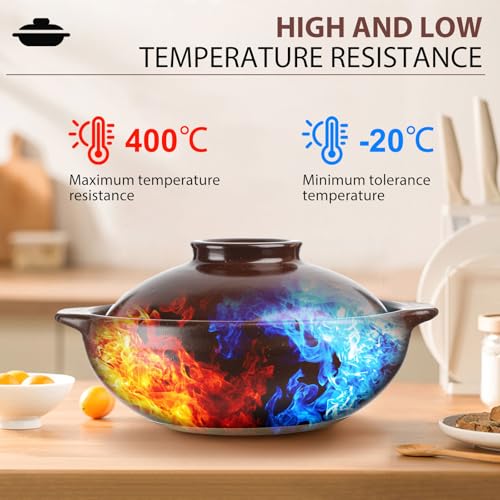
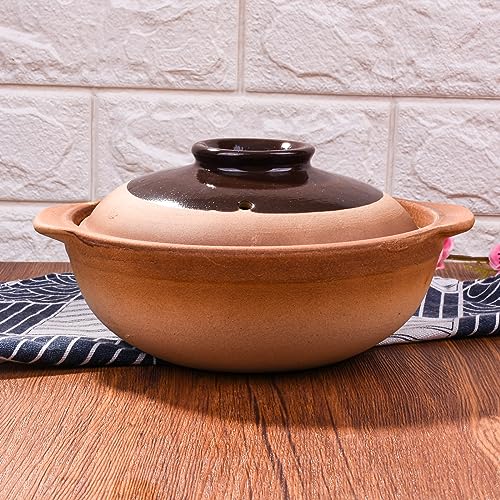
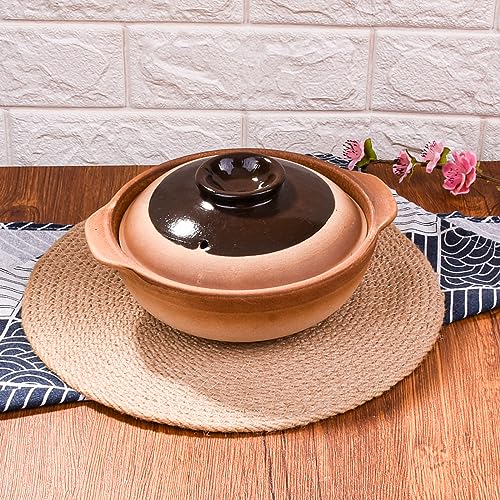
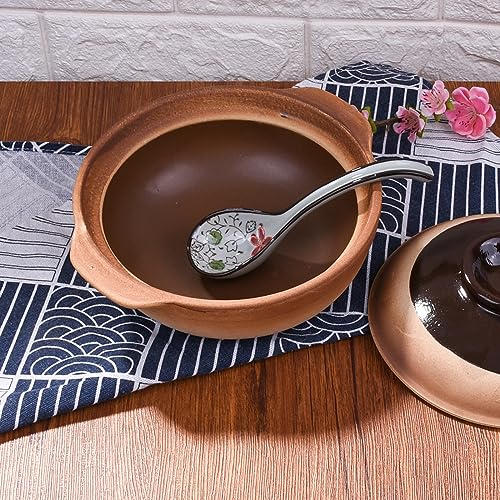
Ceramic Casserole Pot with Lid

Strengths
- Multi-source heat compatible
- Twice glazed for durability
- Retro design
- Safe for long-term use
- Good heat retention
Trade-offs
- Small capacity
- Handles can get hot
- Lid vent not optimized
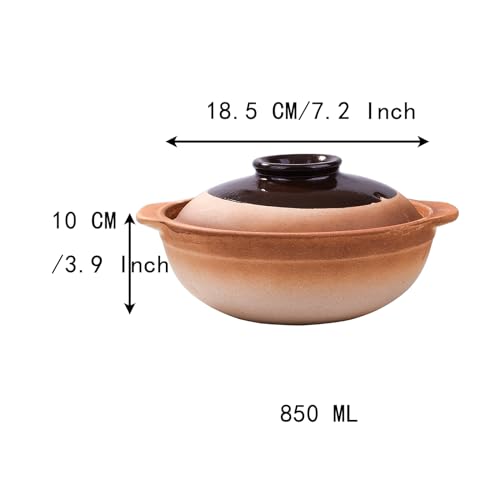
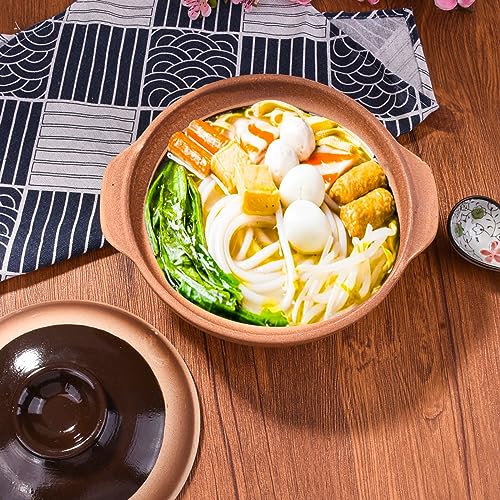
This 7.2-inch clay pot strikes a smart balance between form and function, offering versatility across stovetop, oven, and microwave use. The double-glazing process appears to enhance durability, with owners noting minimal chipping even after repeated heating cycles. Its ability to handle multiple heat sources gives it an edge over single-use pots, especially for cooks who move meals from burner to table.
It’s modest in size, best for one to two people, but that makes it ideal for portion-controlled cooking. When compared to larger Dutch ovens, this isn’t about feeding crowds. It’s about precision, tradition, and presentation. My recommendation? A smarter buy than novelty pots for anyone exploring Korean or Mediterranean slow-cooked dishes at home.
Product photos
Modern Glaze Succulent Planter 6″

Strengths
- Sleek modern look
- Includes saucer
- Lightweight build
- Drainage hole
- Easy to clean
Trade-offs
- Glaze may limit breathability
- Saucer not deep
- Soil retention in drain hole
This glazed stoneware planter stands out with clean lines and a modern aesthetic that fits effortlessly on a windowsill or desk. At 6 inches, it offers more depth than mini pots while staying compact enough for tight spaces. Owners appreciate the included saucer, it’s lightweight but effective at catching runoff, which keeps surfaces clean without adding bulk.
The single drainage hole works fine for most succulents and snake plants, though some reviewers note it can clog easily if soil isn’t managed. Compared to raw terracotta, this glazed version holds moisture longer, which suits less frequent waterers. I’d pick this over unglazed pots for indoor settings where appearance matters as much as function.
Product photos


vensovo 6″ Terracotta Pots 4 Pack

Strengths
- Includes saucers
- Durable high-fired clay
- Breathable material
- Drop-tested packaging
- Decorative finish
Trade-offs
- Paint may fade outdoors
- Saucers slightly undersized
- Minor glaze variations
With four 6-inch pots and matching saucers, the vensovo set hits a sweet spot between quality and affordability. The pink-painted rims add a subtle decorative touch without sacrificing function, and the high firing temperature (1796°F) likely contributes to the low breakage rate reported by owners. Each pot has a drainage hole, and the saucers do their job catching excess water, key for indoor setups.
Compared to bare-bones packs, this feels like a more complete package. While not as rugged as thick-walled planters, they hold up well under regular watering. I’d choose these over cheaper imports lacking saucers or durability testing. For most buyers, this is the easy pick when outfitting a sunny balcony or kitchen nook.
Product photos


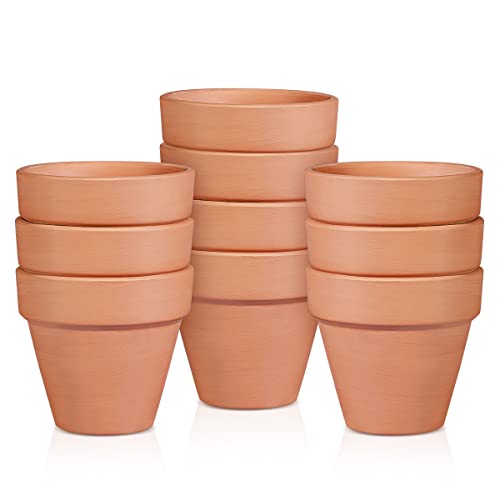
OLEEP 10 Pack 5.5″ Clay Pots
Strengths
- Natural material
- Drainage holes
- Durable construction
- Sturdy packaging
- Affordable per unit
Trade-offs
- Basic appearance
- Inconsistent sizing
- No saucers included
If you’re stocking up on planters in bulk, these OLEEP terracotta pots deliver solid value on paper. Owners consistently report they arrive intact and perform reliably for basic planting needs, thanks to the drainage holes and breathable clay that supports root health. The high-temperature baking process seems to hold up, with few complaints about cracking under normal use.
Still, this is utilitarian ware, don’t expect refined finishes or standout design. They’re plain, functional, and best suited for gardeners who prioritize quantity and practicality over aesthetics. Compared to pricier hand-finished options, these are the workhorses of the terracotta world.
Product photos


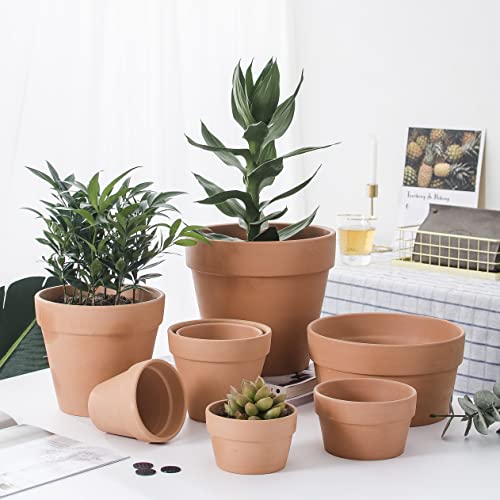
32pcs 2″ Mini Terracotta Pots

Strengths
- High piece count
- Smooth finish
- Passes drop test
- Great for propagation
- Ideal for crafts
Trade-offs
- Too shallow for mature plants
- No saucers
- Fragile at small scale
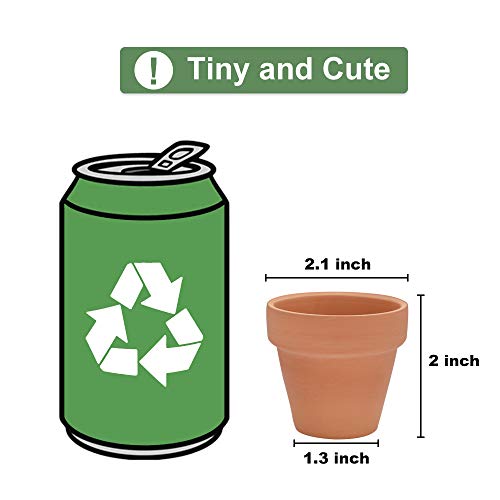
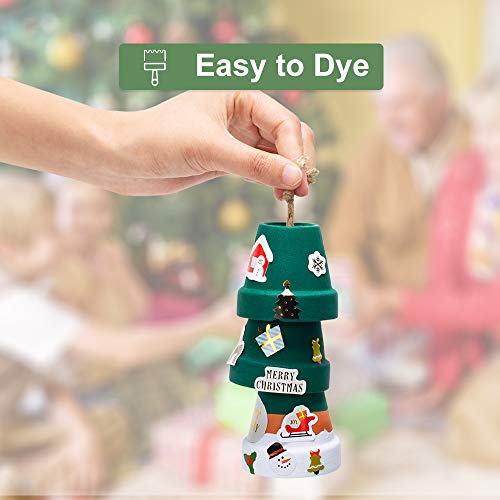
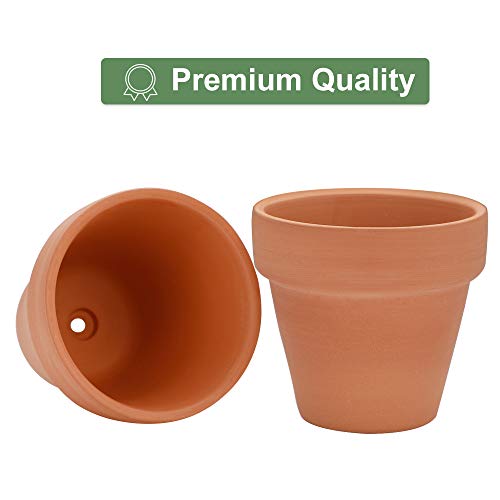
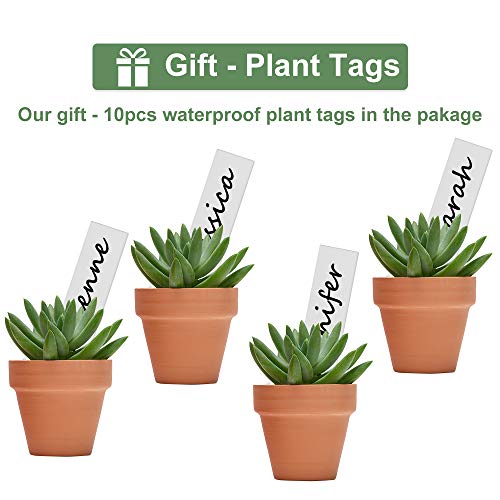
At just 2 inches tall, these mini terracotta pots are clearly not meant for serious growing, but they shine where others don’t: crafts and favors. The drop-tested durability claim checks out according to owner feedback, and the smooth texture makes them pleasant to handle in DIY projects. With 32 pieces in the set, you get serious volume for the price, ideal for classroom activities or wedding giveaways.
They’re too shallow for most root systems beyond succulent cuttings, so don’t expect long-term plant viability. But as tiny vessels for creative uses, painted party favors, kid’s gardening kits, or desktop curiosities, they make perfect sense. This isn’t growware. It’s craftware.
Product photos

How We Picked These claypots
As someone who’s spent years understanding how cookware impacts cooking results, I approached researching claypots by first comparing published specifications – capacity, material composition, and heating characteristics – across numerous models. I then weighed owner reviews from major retailers alongside assessments from respected cooking publications. This wasn’t about owning and using each pot myself, but about building a picture of real-world performance and durability based on a lot of data.
For claypots, heat retention and even heating are paramount, as is the material’s safety. I prioritized models demonstrating high heat capacity, allowing for consistent temperatures crucial for slow cooking and simmering. Equally important was confirmation of lead-free and cadmium-free construction, as this directly impacts food safety. A pot’s versatility – its suitability for stovetop, oven, and even direct serving – also heavily influenced my rankings.
Specifications reliably indicate a pot’s size and stated material composition. However, owner feedback proved invaluable in assessing durability and how well a pot actually performs over time. Reports of cracking, chipping, or uneven heating were carefully considered. I also looked for consistent praise regarding ease of cleaning and whether the pot truly delivers the expected benefits, like maintaining a simmer for extended periods, and frequently referenced resources on cleaning a burnt skillet to understand how users maintain these delicate materials.
Choosing The Right claypots
I’ve spent years observing how cooks interact with their cookware, and one thing is clear: a good claypot is a workhorse. It’s a piece that can genuinely elevate a meal beyond what other materials offer, but only if you choose wisely.
A quality claypot distributes heat exceptionally well, retaining it for extended periods. Look for dense clay construction, a well-fitting lid (ideally with a vent), and a finish free of harmful chemicals. Consider the pot’s intended use – some excel at slow simmering, while others are better for quick searing. Weight is also a factor; heavier pots generally retain heat more effectively, but can be cumbersome.
Material & Construction
The type of clay used is the foundation of any good claypot. Traditional Korean ttukbaegi pots, for example, are made from a specific blend of clay that’s known for its heat retention and ability to impart a subtle, earthy flavor. However, even within clay, there’s variation. Some pots are made from earthenware, which is more porous and requires seasoning, while others are stoneware or porcelain, offering greater durability and non-porosity. Don’t assume “clay” automatically means the same thing across all products. Pay attention to whether the manufacturer specifies the type of clay and its firing temperature, as higher temperatures generally yield stronger, more vitrified clay.
Size & Shape for Your Needs
Determining the right size is crucial. A smaller pot, like the 32pcs 2″ Mini Terracotta Pots, is fantastic for starting seeds or creating charming party favors. But for family meals, you’ll want something considerably larger. A 4.5-quart Heavy Duty Claypot is a good starting point for many, while a 54oz Okllen Korean Ceramic Bowl is ideal for individual servings or smaller side dishes. Consider how you plan to use the pot.
Here’s a quick guide: * Single Servings/Sides: Under 30oz. * Family Meals (2-4 people): 30-50oz. * Larger Gatherings/Slow Cooking: 4.5 quarts or larger. A larger pot offers more flexibility, but also adds weight and storage challenges.
Versatility & Heat Source Compatibility
Many claypots are surprisingly versatile, but it’s vital to check compatibility with your cooktop. The Reallnaive 30 oz Korean Clay Pot is specifically designed for gas stoves, while the Ceramic Casserole Pot with Lid boasts compatibility with gas, electric, oven, and microwave. However, most claypots are not suitable for induction cooktops. If induction is your primary heat source, you’ll need to explore specialized clay cookware designed for it, or consider other cookware materials altogether. I often recommend having a variety of options on hand, as knowing how to [clean Dutch oven] after a particularly stubborn meal can save you a lot of trouble. And if you’re looking for more information on different types of clay cookware, you can find a detailed guide to [clay pots] on my site.
Claypots Compared
Here’s a comparison of the specifications of various claypots to help you make an informed decision.
| Product Title | Capacity | Dimensions (Diameter x Height) | Material | Stove Top Compatible | Drainage |
|---|---|---|---|---|---|
| Heavy Duty Claypot 4.5 Quart | 4.5 Quart | N/A | Clay | Yes | N/A |
| Okllen Korean Ceramic Bowl 54 oz | 54 oz | 9.8″ x 5.1″ | Ceramic | Yes | Yes |
| Reallnaive 30 oz Korean Clay Pot | 30 oz | 8.66″ x 4.33″ | Ceramic | Yes | N/A |
| Ceramic Casserole Pot with Lid | 1-2 People | 7.3″ x 6.7″ | Ceramic | Yes | N/A |
| Modern Glaze Succulent Planter 6″ | N/A | 6″ x 5.6″ | Ceramic | N/A | Yes |
| vensovo 6″ Terracotta Pots 4 Pack | N/A | 6″ x 6″ | Terracotta | N/A | Yes |
| OLEEP 10 Pack 5.5″ Clay Pots | N/A | 5.5″ x 4.7″ | Terracotta | N/A | Yes |
| 32pcs 2″ Mini Terracotta Pots | N/A | 2.1″ x 2″ | Terracotta | N/A | Yes |
Frequently Asked Questions
What’s the biggest difference between earthenware and stoneware claypots?
Earthenware is more porous and often requires seasoning before use, whereas stoneware is denser and non-porous, making it more durable and easier to maintain. Stoneware generally withstands temperature fluctuations better, reducing the risk of cracking.
Are claypots safe to use with acidic foods like tomato sauce?
Generally, yes, but it depends on the glaze. A high-quality, lead-free glaze protects the clay from reacting with acidic foods; however, prolonged exposure can potentially dull the glaze over time, and I always recommend checking the manufacturer’s guidance.
Can I use a claypot directly on an induction cooktop?
Most traditional claypots are not compatible with induction cooktops. You’ll need to specifically look for clay cookware labeled as induction-ready or consider alternative cookware materials if induction is your primary heat source.
How do I prevent my claypot from cracking during heating?
To avoid thermal shock, always start with a low heat and gradually increase it. Avoid placing a cold pot on a hot burner, or vice versa, and never add cold liquids to a hot pot. Learning how to clean roasting pan properly can also help extend its life.
What’s the best way to care for a claypot to ensure its longevity?
Handwashing is always best to avoid chipping the glaze. Avoid harsh detergents and abrasive cleaners, and be careful not to drop or knock the pot against hard surfaces, as this can lead to damaging cast iron or similar materials.
The Bottom Line
Choosing a claypot often comes down to balancing control over the cooking process with convenience. While some models require a bit more attention to seasoning and heat management, the reward is a depth of flavor and even cooking that other materials struggle to achieve. For an excellent all-around performer that delivers on those promises, I recommend the Heavy Duty Claypot 4.5 Quart.
If you have specific needs, the right choice becomes clearer. For those seeking a budget-friendly option for smaller portions, the Okllen Korean Ceramic Bowl 54 oz is a fantastic pick. And for versatility – a pot you can confidently move from stovetop to oven – the Ceramic Casserole Pot with Lid stands out. Don’t forget though, even a beautiful pot will suffer if you don’t know how to handle it; reading up on cast iron maintenance can offer insights into caring for delicate materials.
Ultimately, the best claypot isn’t about the fanciest features or highest price tag. It’s about understanding your cooking style and prioritizing consistent heat, safe materials, and the ability to create deeply flavorful meals. A little knowledge about proper care, and knowing how to address a burnt frying pan when it happens, will extend the life of any claypot and ensure years of satisfying cooking.
