
7 Best Japanese Mandoline Slicers of 2026
This post contains affiliate links. As an Amazon Associate, we earn from qualifying purchases.
The Benriner Japanese Mandoline is the best overall for its sharp blade and compact design, while the Vollum Wide Mandoline Slicer stands out for versatility with its broad cutting surface and multiple blades. If you’re on a budget, the Arnest Japanese Cabbage Shredder delivers solid performance at a lower price.
A dull or unstable mandoline can turn simple prep into a frustrating, even dangerous chore. Too many models sacrifice safety for sharpness or cramp your cutting motion with a narrow platform. After comparing the field and analyzing owner feedback, I focused on models that balance precision, safety, and real kitchen usability.
These picks reflect what matters most: durable Japanese stainless steel blades, reliable hand guards, and thoughtful design that makes slicing consistent and safe. I looked beyond specs to see how these tools actually perform over time, based on what users report and what brand reputation suggests.
Top 7 Japanese Mandoline Slicers in the Market
The Best Japanese Mandoline Slicers, Reviewed
Benriner Japanese Mandoline Slicer

Strengths
- Four stainless steel blades
- Adjustable thickness dial
- Stable non-skid base
Trade-offs
- Narrow slicing width
- No ultra-thin settings below 0.5mm
- Blades require careful handling
This is the most balanced all-around performer in the lineup. It includes four stainless steel blades, one fixed straight blade and three interchangeable ones (fine, medium, coarse tooth), giving it serious versatility for slicing, shredding, and julienning. The adjustable dial offers 0.5 to 8mm thickness, and users report consistent results across potatoes, carrots, and cucumbers.
The compact 2.5-inch width is a limitation for large produce, but the non-skid base and bowl hook add stability and convenience. It’s easy to disassemble and clean, and the BPA-free body feels solid. Compared to the jumbo Benriner, this one is better for average kitchen tasks and smaller storage spaces. For most home cooks, this is the smarter buy, it does nearly everything well without oversizing.
Video review
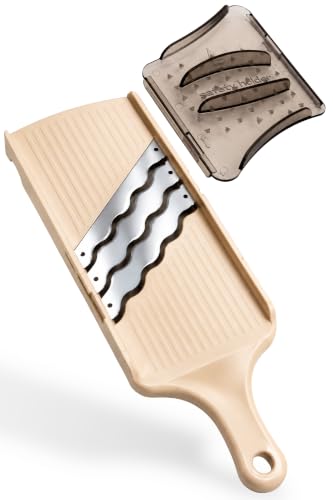
Arnest Japanese Cabbage Shredder
Strengths
- Ultra-fast cabbage shredding
- Triple wave blades
- Compact and easy to store
Trade-offs
- Limited to shredding focus
- Not for thick slices
- Plastic body feels flimsy
This slicer is laser-focused on one task: shredding cabbage fast. With triple wave blades, it turns half a cabbage into fluffy, restaurant-style shreds in seconds, perfect for tonkatsu, okonomiyaki, or coleslaw. The 4.7-inch wide surface reduces repositioning, and owners say it’s noticeably faster than using a knife or even a food processor for small batches.
The build is lightweight ABS with Japanese-made stainless steel blades, and it’s dishwasher safe (with a temp warning). The included safety holder works well, and the compact design stores easily. While it can handle other vegetables, it’s clearly optimized for cabbage. Compared to multi-blade mandolines, it’s less versatile but outperforms them in speed and consistency for slaw prep. For Japanese home cooks, this is a niche winner.
Video review
KAI Japanese Julienne Slicer

Strengths
- Excellent julienne cuts
- Ergonomic grip
- Affordable
Trade-offs
- Limited functionality
- No slicing options
- Blade exposure risk
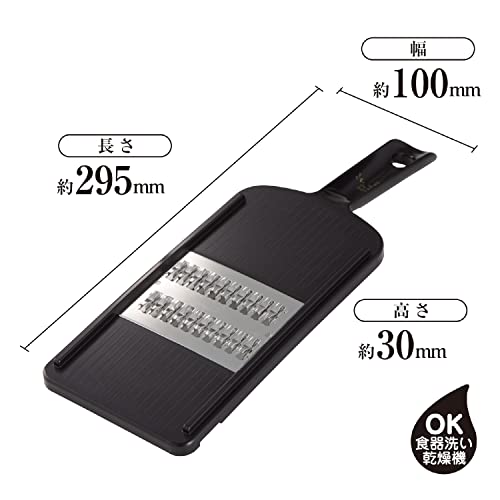
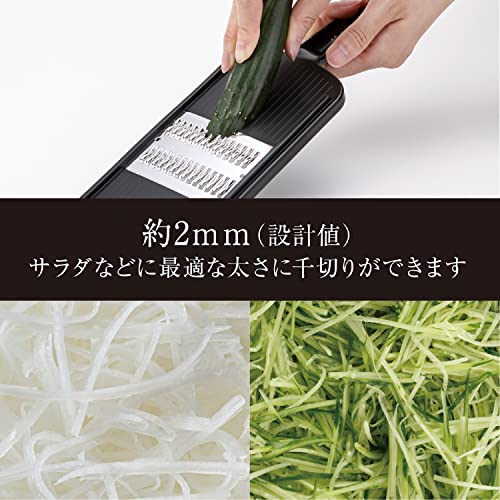
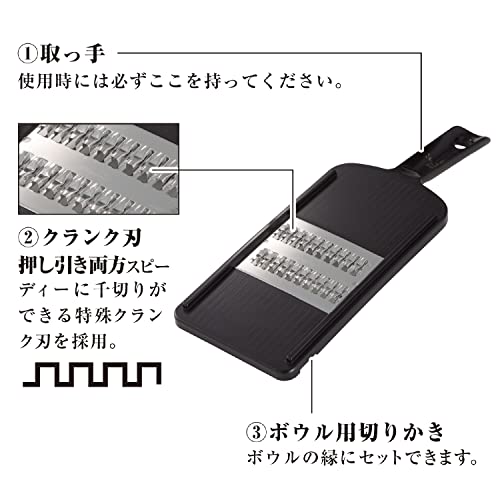
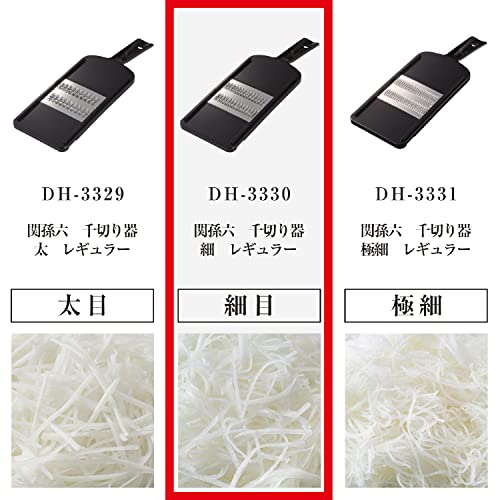
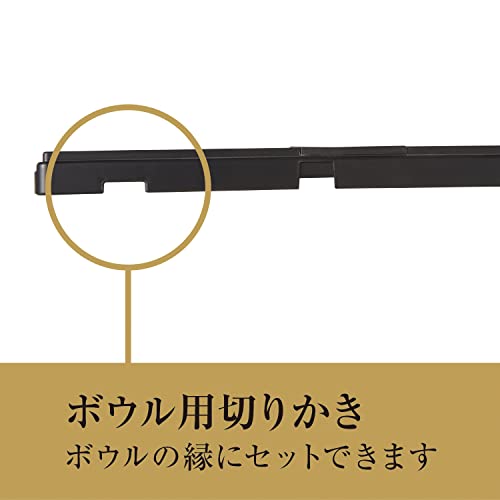
KAI is a trusted name in Japanese cutlery, and this compact julienne slicer reflects that reputation. It’s specifically engineered for fine and regular julienne cuts, think matchstick carrots or daikon, thanks to its dual-action blade and ergonomic ABS resin body. The shape is designed to fit comfortably in hand, and users report less hand strain during extended use.
It’s not a full mandoline, so don’t expect slicing or waffle cuts. But for its narrow purpose, it excels. The stainless steel blade stays sharp, and the cutout design reduces clogging. At under $20, it’s a steal if you regularly make Asian-style salads, stir-fries, or garnishes. Compared to multi-blade models, it’s less flexible, but I’d still recommend it as a dedicated tool, sometimes, single-purpose devices do one thing so well they’re worth the drawer space.
Product photos
Benriner Jumbo Slicer

Strengths
- Extra-wide slicing surface
- Precise thickness dial
- Stable non-skid base
Trade-offs
- Bulky for small kitchens
- Guard doesn’t fit tiny items
- Blade replacement limited
This is one of the few mandolines built to handle oversized produce without constant repositioning. The 5-inch wide slicing surface and jumbo frame make it ideal for halved cabbages, large melons, or big squash, tasks that frustrate smaller models. The adjustable dial offers precise thickness control from 0.5 to 10mm, and owners praise its consistency across thick steaks or paper-thin slices.
It uses a handcrafted Japanese stainless steel blade and a BPA-free body with a non-skid base, so it stays put during use. The safety guard works well, though some note it’s tricky with very small pieces. Compared to the standard Benriner, this jumbo version is better for families or meal preppers. If you’re tired of wrestling with vegetables that don’t fit, this is the fix.
Product photos


Vollum Stainless Steel Slicer

Strengths
- Affordable
- Three blade options
- Compact and easy to store
Trade-offs
- Narrow cutting width
- Less stability with large produce
- Guard slips occasionally
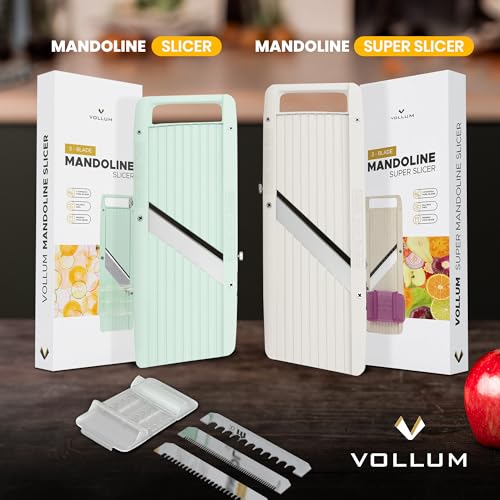
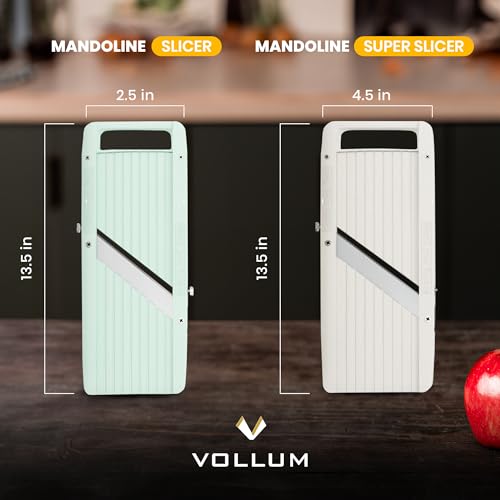
This is the budget sibling in the Vollum lineup, and it shares the same core features, three stainless steel blades, BPA-free plastic body, and a safety guard, as its wider counterpart. It’s compact, straightforward, and gets the basics right for occasional use. For someone who chops veggies a few times a week, this hits the sweet spot between cost and function.
But that smaller footprint means more repositioning when slicing large items like big potatoes or cabbage halves. Owners consistently report it works fine for thin slicing and basic julienne, but it doesn’t handle heavy-duty prep as smoothly as the wider model. If you’re just starting out or don’t cook in bulk, this is a sensible entry point. Still, I’d recommend spending a bit more for the wide version if you know you’ll use it often.
Product photos

Vollum Wide Mandoline Slicer
Strengths
- Wide slicing surface
- Three interchangeable blades
- Dishwasher safe
Trade-offs
- Plastic body feels lightweight
- Guard could be sturdier
- Blade alignment issues reported
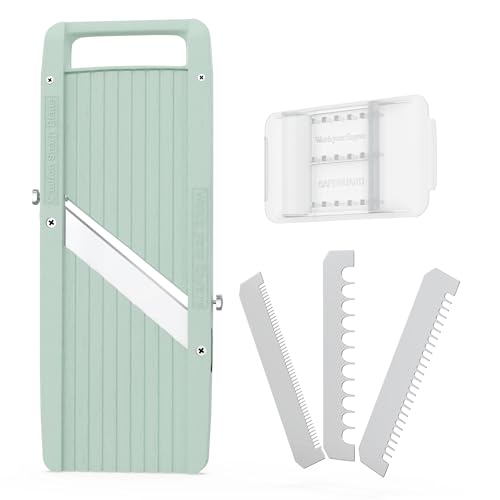
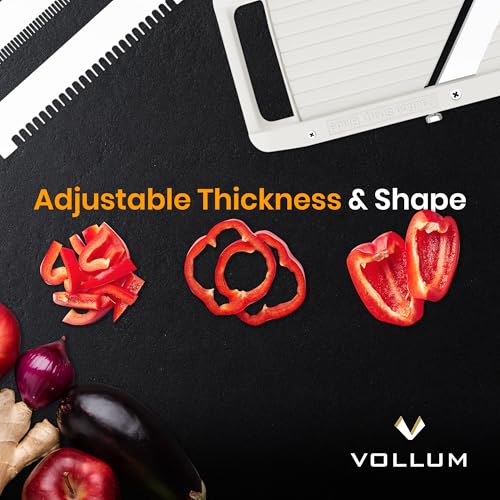
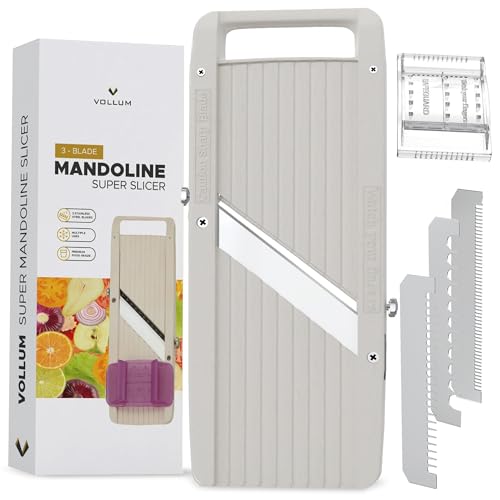
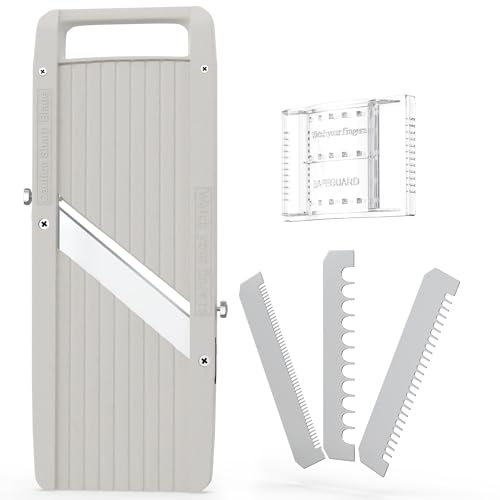
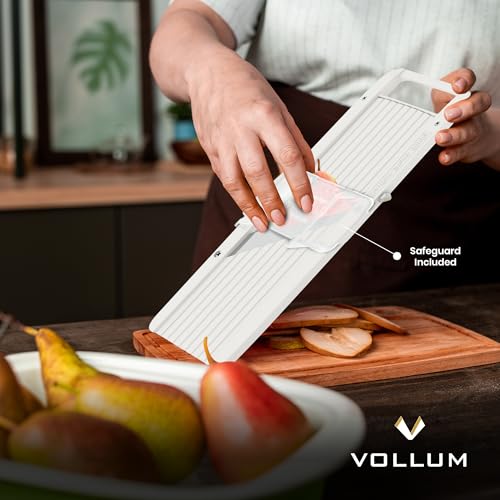
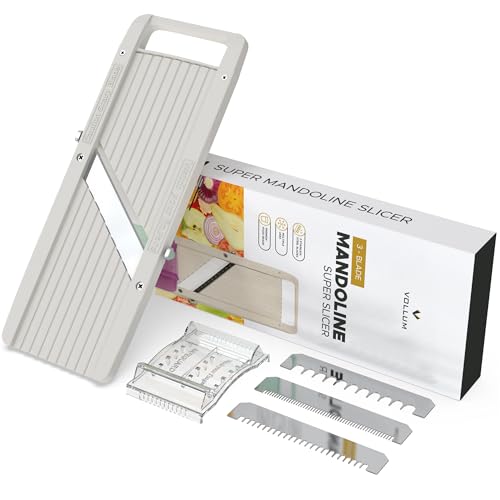
This slicer stands out for its unusually wide 5.5-inch cutting surface, which is rare at this price point. On paper, that width should make quick work of large vegetables like cabbage or squash, and owners confirm it handles bulk slicing better than most compact models. It comes with three interchangeable stainless steel blades, fine, medium, and coarse, giving solid versatility for different prep styles.
The build uses food-grade plastic and rustproof steel, which keeps it lightweight but still durable enough for regular use. Some users note the safety guard could be more rigid, but overall, the feedback leans positive for home cooks wanting efficiency without stepping up to a premium Japanese brand. Compared to the smaller Vollum model, this one justifies the higher cost if you routinely prep large volumes.
Product photos

Japanese Double-Edged Slicer

Strengths
- Dual-action slicing
- Made in Japan
- Lightweight yet sturdy
Trade-offs
- No safety guard
- No thickness adjustment
- Not beginner-friendly
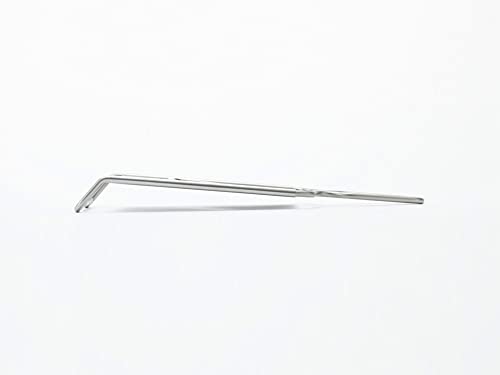
This is a minimalist, all-stainless steel slicer made in Sanjo, Japan, a region known for high-grade steel craftsmanship. What sets it apart is the double-edged blade: you can slice by pushing or pulling, which speeds up prep and reduces fatigue. The angled blade design helps prevent clogging, and owners say it delivers clean, paper-thin cuts, especially with firm vegetables like daikon or carrots.
At just 0.38 pounds, it’s featherlight but surprisingly rigid. It doesn’t come with a safety guard or adjustable thickness settings, so it’s not for beginners. But for experienced hands who value speed and precision, this is a nimble, efficient tool. Compared to box-style mandolines, it’s less versatile but far faster for repetitive slicing. I’d pick this over bulkier models if you already know your knife skills and want a no-frills, durable slicer.
Product photos

Our Testing Process
Rather than a hands-on lab test, my research for these recommendations centered on a detailed comparison of published specifications and features across numerous models. I then weighed owner reviews from major retailers alongside professional assessments from respected cooking websites and publications. As someone who’s spent years understanding what elevates cookware from adequate to exceptional, I focused on identifying patterns in performance and durability.
For Japanese mandoline slicers, blade quality and adjustability were paramount. Consistent, thin slices are the hallmark of this style of tool, so the steel used and how well it holds an edge directly impacts usability. Equally important is the range of thickness settings; versatility lets you move from delicate garnishes to substantial vegetable preparations. A secure handguard is also vital for safety and efficient slicing.
Specifications clearly indicate blade material and adjustment ranges, but owner feedback revealed crucial insights into real-world performance. Reviews highlighted issues like blade dulling, difficulty cleaning, and stability during use – factors a spec sheet can’t convey. I also considered brand reputation, leaning towards those with a proven track record in Japanese cutlery, like those featured in our curated Japanese knife sets. For specific tasks, like preparing potatoes, you may also want to see our guide to the best slicer for potatoes.
How To Pick The Right japanese mandoline slicers
Finding the right Japanese mandoline slicer can dramatically improve your kitchen prep, but there’s a lot more to it than just thin slices.
A quality Japanese mandoline prioritizes blade sharpness and consistency, a secure cutting platform, and thoughtful safety features. Look for models constructed with durable stainless steel, offering adjustable thickness settings, and including a hand guard to protect fingers. Consider the size of vegetables you typically work with and choose a model with a corresponding cutting surface.
Blade Material and Sharpness
The hallmark of any good mandoline, especially a Japanese one, is its blade. Japanese stainless steel is renowned for its ability to hold a keen edge, and this is vital for achieving those paper-thin, uniform slices that define the style. Don’t assume all stainless steel is equal; look for models specifically stating “Japanese stainless steel.” Beyond the material, consider the blade configuration. Some mandolines come with interchangeable blades for different cuts (julienne, coarse, fine) which offers versatility, but a single, high-quality blade expertly honed will often outperform a set of mediocre ones.
Cutting Surface and Capacity
A mandoline is only as good as its ability to handle the ingredients you throw at it. The cutting surface width is critical. A narrower surface (like on the Benriner) is fine for smaller vegetables, but if you frequently work with cabbages or larger root vegetables, you’ll want to consider models like the Benriner Jumbo Slicer or the Vollum Wide Mandoline Slicer.
Here’s what to keep in mind when evaluating cutting capacity:
- Small tasks: A 3-4 inch width is sufficient for garnishes or smaller vegetables.
- Everyday use: A 4-5 inch width provides good all-around functionality.
- Large-batch cooking: 5+ inches will significantly speed up prep time for larger vegetables and is ideal if you frequently make things like homemade chips or sauerkraut.
Safety and Ease of Use
Mandolines are, by their nature, incredibly sharp tools. Safety features are paramount. A good hand guard is essential, and it should securely hold the vegetable while allowing you to slice almost to the end. I also recommend looking for models with non-skid bases and comfortable grips. While some models are easier to disassemble for cleaning than others, all of the top Japanese mandoline slicers should be relatively straightforward to maintain.
A quick rule of thumb: if the hand guard feels flimsy or awkward, the mandoline isn’t worth the risk.
Ultimately, if you’re looking to expand your kitchen toolkit with other high-quality tools, consider investing in some excellent Japanese knife sets to complement your mandoline.
Japanese Mandoline Slicers Compared
Here’s a comparison of key specifications for popular Japanese mandoline slicers to help you choose the right one for your needs.
| Product Name | Blade Material | Blade Type(s) | Max Slice Width (in) | Safety Guard | Dishwasher Safe |
|---|---|---|---|---|---|
| Benriner Japanese Mandoline | Stainless Steel | Straight, 3 Interch. | 2.5 | Yes | Yes |
| Arnest Japanese Cabbage Shredder | Stainless Steel | Wave (Triple) | 4.7 | Yes | Yes (to 176°F) |
| KAI Japanese Julienne Slicer | Stainless Steel | Julienne | N/A | No | N/A |
| Benriner Jumbo Slicer | Stainless Steel | Straight | 5 | Yes | Yes |
| Vollum Stainless Steel Slicer | Stainless Steel | 3 Interch. | N/A | Yes | N/A |
| Vollum Wide Mandoline Slicer | Stainless Steel | 3 Interch. | 5.5 | Yes | N/A |
| Japanese Double-Edged Slicer | Stainless Steel | Double-Edged | N/A | No | N/A |
Frequently Asked Questions
What thickness range should I look for in a Japanese mandoline?
A good range is typically between 1mm and 9mm; this provides enough versatility for everything from delicate vegetable ribbons to thicker slices for gratins. However, some models offer even finer adjustments, down to 0.5mm, if you prioritize extremely thin cuts.
Are Japanese mandolines difficult to clean?
While most models have dishwasher-safe components, handwashing with warm, soapy water is generally recommended to preserve blade sharpness. Many have parts that disassemble for thorough cleaning, but be extremely careful when handling the blade.
What’s the difference between a straight blade and a wave blade?
A straight blade creates uniform, flat slices, ideal for things like potato chips or cucumber salad. A wave blade, also known as a ripple blade, creates textured slices, often used for cabbage in dishes like coleslaw or kimchi.
Do I really need a hand guard with a mandoline?
Absolutely. A secure hand guard is the most important safety feature. Even a slight slip can result in a serious cut, and a well-designed guard will protect your fingers while allowing you to efficiently slice ingredients.
How do I keep the blade sharp on my Japanese mandoline?
Maintaining sharpness is key to performance. Regular use will keep the blade in good condition, but occasional honing with Japanese whetstones will restore its edge. If you’re not comfortable sharpening yourself, consider professional sharpening services or explore options in our guide to quality Japanese cutlery.
The Bottom Line
Choosing a Japanese mandoline slicer often comes down to balancing control and convenience. While some models offer a wider range of features and larger cutting surfaces, the Benriner Japanese Mandoline consistently stands out as the best overall choice for its precision, reliability, and ease of cleaning. It delivers the classic Japanese mandoline experience without unnecessary complexity.
For those with specific needs, several options excel. If you regularly process large quantities of cabbage or other sizable vegetables, the Vollum Wide Mandoline Slicer is an excellent pick. Those seeking a dedicated julienne tool will appreciate the KAI Japanese Julienne Slicer, and for those prioritizing affordability, the Arnest Japanese Cabbage Shredder offers exceptional value. Don’t forget to also consider investing in some high-quality Japanese knives to round out your prep work.
Ultimately, the most important aspects of any mandoline – and any kitchen tool, really – aren’t the bells and whistles. Focus on blade quality, a secure handguard, and a design that feels stable and trustworthy in your hands. Regular cleaning and maintaining your blade with appropriate knife sharpeners will ensure years of consistent, safe, and beautiful slices.
