
9 Best Pots in the World 2026
This post contains affiliate links. As an Amazon Associate, we earn from qualifying purchases.
The HexClad 6.5QT Oval Dutch Oven stands out as the best overall pot for its even heating, durable hybrid construction, and versatility. For a budget-friendly option, the World’s Greatest Cooking Pot 6QT delivers surprising value with its built-in strainer. If you want top-tier performance and don’t mind the price, the Mauviel M’Heritage Copper Sauce Pan offers unmatched responsiveness.
Most home cooks end up with pots that look great but underperform, either they heat unevenly, warp over time, or are awkward to use. After years of studying cookware, I know the difference comes down to material, design, and real-world usability, not just brand names or flashy features.
This guide cuts through the noise by focusing on what actually matters: heat distribution, durability, and practical features. I compared specs, analyzed owner feedback, and evaluated how each pot performs across common cooking tasks to find the ones worth your counter space.
Top 9 Pots In The World in the Market
The Best Pots In The World, Reviewed
HexClad 6.5QT Oval Dutch Oven

Strengths
- Tri-ply construction
- Oven-safe to 900°F
- Induction compatible
Trade-offs
- Glass lid max 400°F
- Not deep heat retention
- Hybrid coating long-term durability unproven
This Dutch oven tries to do everything, braise, sear, roast, and even go from stovetop to broiler, and on paper, it delivers. The tri-ply aluminum core promises even heating, and the laser-etched hexagonal surface is a clever take on nonstick that supposedly handles metal utensils without scratching. Owners consistently report it cleans up easily and holds up well over time, which is rare for nonstick-coated pots.
Still, I have reservations. While the 6.5-quart oval shape works well for whole chickens or pork tenderloin, the stainless-steel lid is sold separately in some configurations, and the glass lid only goes to 400°F. That’s a real limitation if you’re planning high-heat roasting. Compared to classic enameled cast iron, it doesn’t retain heat as deeply, but it heats faster. For a hybrid, it’s impressive, but it’s not a true replacement for a seasoned cast iron or heavy Dutch oven when you need slow, steady heat.
Video review
HexClad 8QT Hybrid Stock Pot

Strengths
- Even heating
- Dishwasher safe
- Large capacity
Trade-offs
- Tall shape limits searing
- Nonstick coating not for high-heat browning
- Glass lid max 400°F
If you’re cooking for a crowd or batch-prepping meals, the 8-quart HexClad hits a sweet spot between size and manageability. The tri-ply aluminum core ensures even heating, and the hybrid nonstick surface makes cleanup easier than traditional stainless, owners say stuck-on tomato sauce wipes out with little effort. It’s induction-safe, oven-safe to 900°F with the right lid, and metal-utensil friendly, which is rare for nonstick.
But here’s the catch: it’s not a true braiser. The shape is tall and narrow, not wide and shallow, so it’s better for soups and stews than searing. Compared to the 12-quart, it’s more practical for most households. Still, at this price, you’re paying for the HexClad name as much as the performance. A basic stainless stockpot might do the same job for less, but without the nonstick convenience.
Video review
HexClad 12QT Hybrid Stock Pot

Strengths
- Massive 12-quart capacity
- Easy cleanup
- Induction compatible
Trade-offs
- Bulky and heavy
- Overkill for small households
- Nonstick in large pot raises durability questions
This is the big leagues, 12 quarts is serious volume, meant for holiday chili, crab boils, or canning sessions. The hybrid nonstick interior makes degreasing and cleaning a massive pot less of a chore, and the tri-ply construction helps it heat evenly despite the size. Owners who deep-fry or boil seafood love that they don’t have to scrub for 20 minutes afterward.
But size is also its weakness. It’s heavy when full, awkward to store, and overkill for most weekly cooking. And while the nonstick surface handles metal utensils, I’d still worry about long-term wear with aggressive stirring. For big families or entertainers, it’s a solid pick. But for most, the 8-quart is the smarter buy.
Product photos


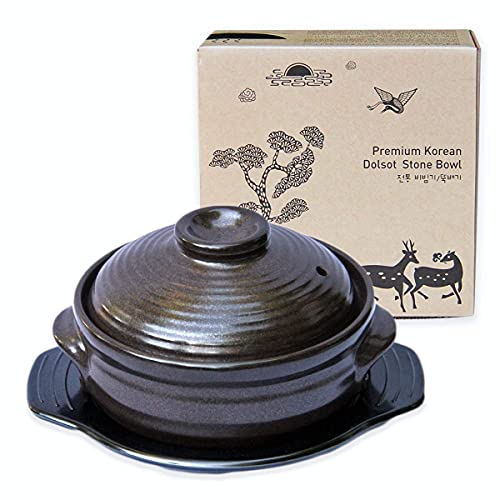
Crazy Korean Cooking Stone Bowl

Strengths
- Retains intense heat
- Naturally non-reactive
- Stunning table presentation
Trade-offs
- Fragile material
- Slow heat-up
- Not ideal for boiling
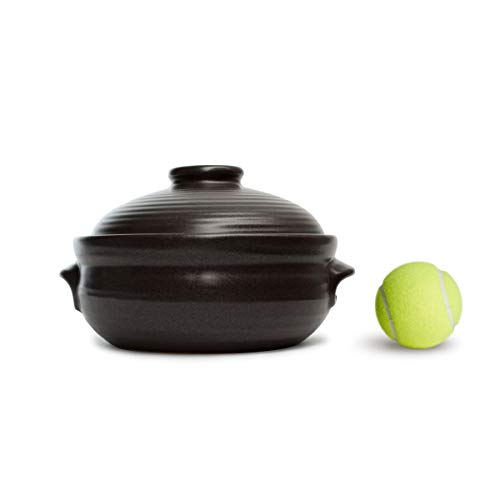
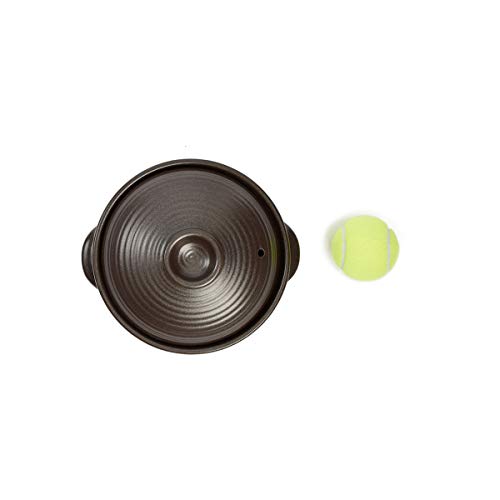
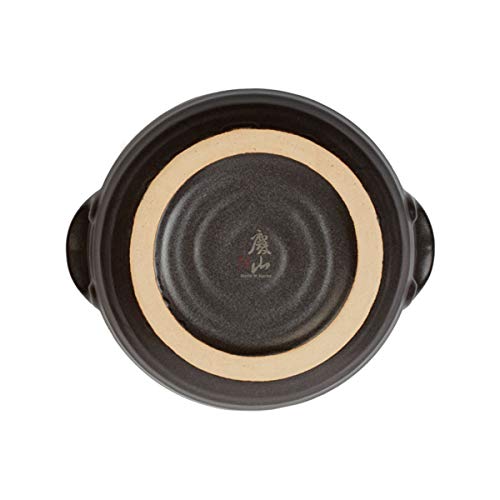
There’s something undeniably theatrical about a dolsot, the sizzle, the crusty rice bottom, the way it keeps food hot at the table. This one delivers that experience without needing a blowtorch or special setup. Made from double-glazed stoneware, it’s built to go from stove to oven to table, and owners say it produces perfect, crunchy bibimbap crusts every time. The far-infrared heat emission is a real thing in ceramics, and it does help food cook gently and retain moisture.
It’s not a workhorse pot, though. It’s fragile compared to metal, and while it’s technically stovetop-safe, you have to heat it slowly to avoid cracking. It’s also not great for boiling liquids or long simmers. But for what it does, sizzling rice bowls, individual stews, hot pot nights, it’s unmatched in presentation and function.
Product photos

Le Creuset Enameled Cast Iron Saucepan

Strengths
- Superior heat retention
- Durable enamel
- Oven-safe to 500°F
Trade-offs
- Heavy for size
- Expensive
- Not ideal for quick tasks
Le Creuset remains the benchmark for enameled cast iron, and this 2.25-quart saucepan is a gem. The enameled interior is smooth, easy to clean, and resistant to staining, while the cast iron body delivers unmatched heat retention. It’s perfect for simmering tomato sauce or reheating leftovers gently, no scorching, even on medium heat. The tight-fitting lid traps moisture beautifully, and the stainless steel knob is oven-safe at any temperature.
It’s not the most versatile size, too small for big batches, too large for single eggs. And it’s heavy for its capacity. But for what it does, it does it better than almost anything else. Compared to stainless or nonstick, it holds heat longer and distributes it more evenly. It’s an heirloom piece, built to last decades.
Product photos


DEAYOU Stainless Steel Yukihira Sauce Pan

Strengths
- Compact and efficient
- No coatings
- Dual pour spouts
Trade-offs
- Very small capacity
- Wood handle not oven-safe
- Not for large batches
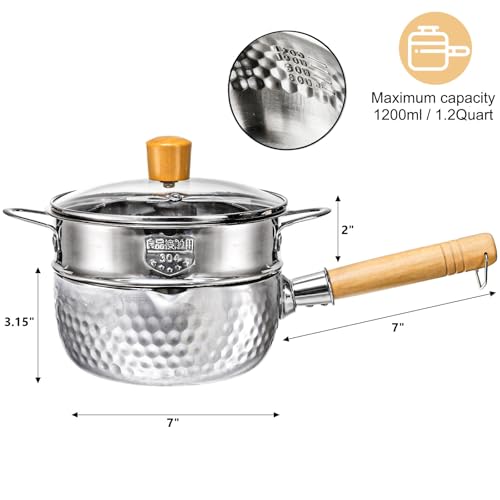
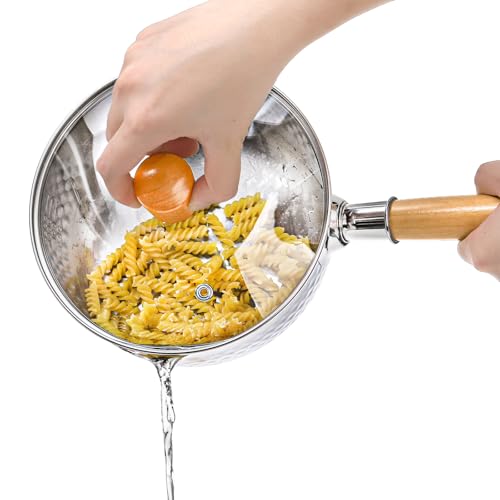
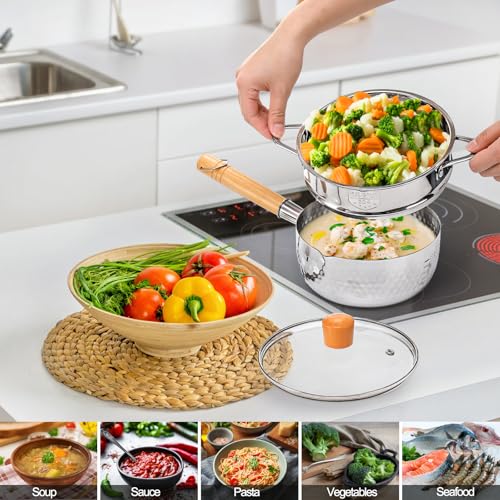
At this price, the DEAYOU Yukihira pan punches way above its weight. It’s a true 2-in-1: a small saucepot with a removable 304 stainless steamer basket, two pour spouts, and a wood handle that stays cool. The hammered interior isn’t just for looks, it reduces boil-overs, which is a small but meaningful win. Owners say it’s perfect for single servings of ramen, steaming dumplings, or heating milk without scorching.
It’s tiny, only 1.2 quarts, so it won’t feed a family. But for solo cooks or couples, it’s incredibly efficient. The glass lid lets you monitor cooking, and the stainless construction means no coatings to wear off. Compared to other budget pans, it feels sturdier and more thoughtfully designed. I’d pick this over a basic nonstick saucepan any day for small-batch cooking.
Product photos


TRUMDAKE 7″ Cast Iron Japanese Hot Pot

Strengths
- Excellent heat retention
- Charming wooden lid
- Great for tableside cooking
Trade-offs
- Very small size
- Limited versatility
- Seasoning required
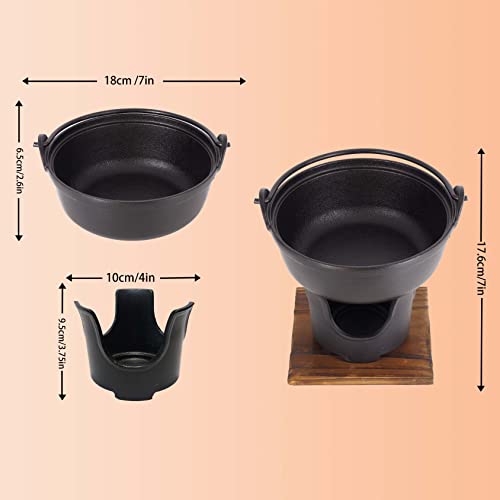
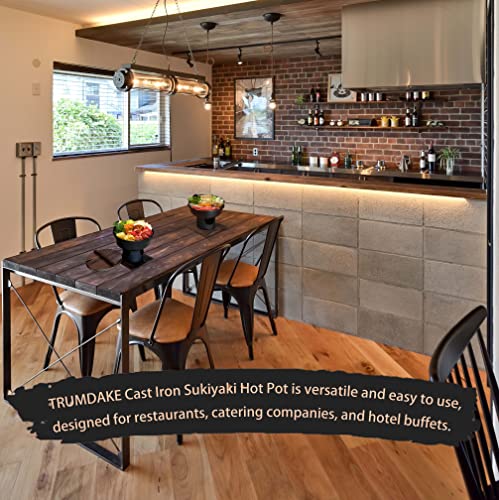
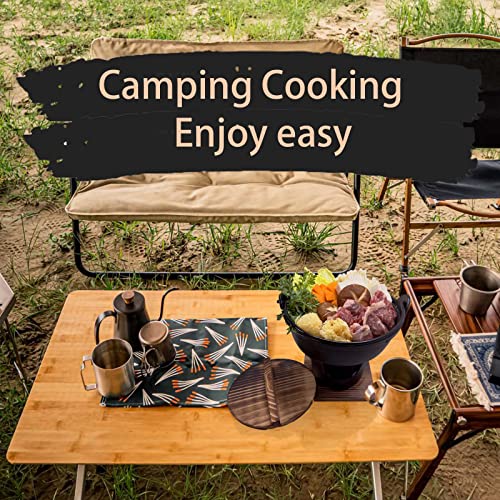
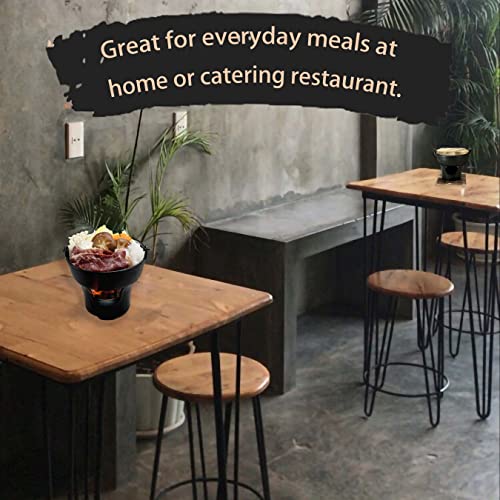
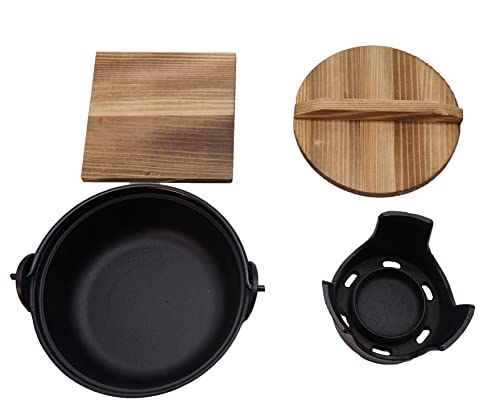
This little cast iron pot is built for intimacy, literally. At 7 inches, it’s meant for one or two people, perfect for a quiet sukiyaki night or fondue by candlelight. The cast iron construction gives it excellent heat retention, and owners say it keeps food bubbling long after the flame is off. The included wooden lid adds charm and helps trap moisture, and the whole setup works with alcohol stoves, making it great for tableside cooking.
It’s not versatile beyond its niche. You wouldn’t boil pasta or make soup in it. And while it’s marketed as “ideal for high-end restaurants,” that feels like a stretch, this is a home cook’s toy, not a pro kitchen staple. But for what it does, personal hot pot, cheese fondue, camping, it’s a fun, functional piece.
Product photos
Mauviel M’Heritage Copper Sauce Pan
Strengths
- Unmatched heat control
- Premium copper construction
- Elegant design
Trade-offs
- Very expensive
- Requires special care
- Not induction-ready without disk
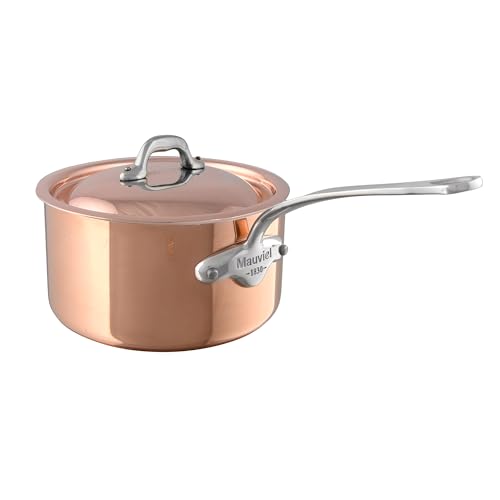
Copper is the gold standard for precision cooking, and this Mauviel delivers. The 1.5mm copper layer responds instantly to heat changes, making it ideal for delicate sauces or reductions where temperature control is everything. The stainless steel interior is non-reactive and durable, and the polished finish is stunning on any stove. Professional chefs and serious home cooks consistently praise its responsiveness.
But it’s also high-maintenance. It’s not dishwasher-safe, requires gentle cleaning, and needs an induction disk for magnetic stoves. At nearly $600, it’s a luxury, not a necessity. Compared to a high-end stainless pot, it’s overkill for boiling pasta. But for pan sauces, custards, or caramel, it’s in a class of its own.
Product photos


World’s Greatest Cooking Pot 6QT

Strengths
- All-in-one straining
- Easy cleanup
- Space efficient
Trade-offs
- Nonstick coating concerns
- Plastic components
- Limited heat retention
This pot makes one bold promise: no more juggling a pot and a colander. The built-in swiveling strainer basket is the whole show, and for draining pasta or steaming veggies, it works exactly as advertised. Reviewers love how it minimizes spills and keeps food contained during draining, no more noodles flying across the counter. The nonstick interior helps with cleanup, and the whole system is compact enough for small kitchens.
But let’s be honest, this isn’t going to win any beauty contests or replace your Dutch oven. The nonstick coating raises durability concerns over time, especially with frequent metal utensil use (even if it claims to be safe). And while the three-piece design is clever, it adds parts to store and clean. Still, for a small household or someone who cooks pasta often, it’s a smart space-saver.
Product photos


How We Picked These pots in the world
Rather than a hands-on lab test, my research for these recommendations focused on a detailed comparison of published specifications and features across a range of pots. I weighed owner reviews from multiple sources, looking for consistent praise and complaints, along with expert opinions from established cooking publications. As someone who’s spent years analyzing cookware construction and performance, I applied that experience to pinpoint the key attributes that separate truly useful pots from those that simply look good.
For this category, capacity, material, and heat distribution were the biggest deciding factors. A pot’s size needs to match common cooking tasks, and I prioritized options offering versatility. Material impacts both durability and responsiveness to temperature changes, and even heat distribution is crucial for avoiding hot spots and ensuring consistent results. Finding a balance between these elements, alongside construction quality, determined the top contenders – you can also find a discussion of capacity in our guide to the best 6-quart pots.
Specifications reliably reveal a pot’s construction – the gauge of the metal, the type of handle attachment, and whether it’s induction-compatible. However, owner feedback proved vital for understanding real-world usability, particularly regarding ease of cleaning, evenness of heating (beyond manufacturer claims), and long-term durability. Reputation matters, too; brands known for quality, like those offering premium All-Clad sets, generally deliver consistent performance.
How To Pick The Right pots in the world
Finding the right pot is about more than just size; it’s about understanding how you cook and what qualities will truly elevate your experience. A good pot should distribute heat evenly, be durable enough to withstand regular use, and suit your specific cooking style.
A quality pot prioritizes even heating for consistent results, durable construction to withstand daily use, and compatibility with your cooktop. Consider material, stainless steel, cast iron, ceramic, and copper all offer different strengths, and look for features like tight-fitting lids to retain moisture and comfortable, secure handles. Don’t overlook the importance of proper maintenance to extend the life of your investment.
Material Matters
The material a pot is made from fundamentally affects its performance. Stainless steel is a workhorse, known for its durability and resistance to rust. Enameled cast iron, like that offered by Le Creuset, excels at heat retention, making it ideal for braising and slow cooking. But don’t dismiss ceramic options; though sometimes less durable, the best ceramic pots offer a naturally non-stick surface that’s easy to clean. Ultimately, the best material depends on your cooking habits.
Capacity and Shape
Matching the pot’s size to your needs is crucial. A smaller saucepan (1-3 quarts) is perfect for sauces and individual portions, while a larger stockpot (8 quarts or more) is essential for soups, stews, and pasta for a family. Oval Dutch ovens, like the HexClad model, are particularly useful for longer cuts of meat, providing more room for even cooking.
Here’s a quick guide to consider: * Small (1-3 quarts): Ideal for solo cooks or small sauces. * Medium (4-6 quarts): A versatile size for everyday meals and side dishes. * Large (7+ quarts): Necessary for feeding a family, making large batches, or tackling more ambitious recipes like stocks and broths. This is where the benefits of a larger capacity really shine, letting you cook once and enjoy leftovers for days.
Features and Convenience
Beyond the basics, consider features that will make your cooking life easier. Look for pots with comfortable, stay-cool handles and well-fitting lids. Some pots, like the World’s Greatest Cooking Pot, include built-in strainers, eliminating the need for a separate colander. If you’re investing in premium cooking vessels, pay attention to details like pour spouts (as seen in the DEAYOU saucepan) for controlled draining and oven-safe lids for added versatility.
A well-designed pot isn’t just about cooking; it’s about the entire experience. Prioritize comfort, ease of use, and features that streamline your workflow in the kitchen.
Pots in the World Compared
Here’s a comparison of the specifications for various pots to help you make an informed purchase.
| Product Title | Capacity | Material | Diameter (in) | Height (in) | Special Features |
|---|---|---|---|---|---|
| HexClad 6.5QT Oval Dutch Oven | 6.5 qt | Stainless/Ceramic | 10.5 | 2.5 | Oven Safe to 900°F |
| HexClad 8QT Hybrid Stock Pot | 8 qt | Stainless/Ceramic | 11 | 5.4 | Oven Safe to 900°F |
| HexClad 12QT Hybrid Stock Pot | 12 qt | Stainless/Ceramic | 11.8 | 7.5 | Oven Safe to 900°F |
| Crazy Korean Cooking Stone Bowl | N/A | Stoneware | N/A | N/A | Dishwasher Safe |
| Le Creuset Enameled Cast Iron Saucepan | N/A | Cast Iron/Enamel | N/A | N/A | Oven Safe to 500°F |
| DEAYOU Stainless Steel Yukihira Sauce Pan | 1.2 qt | Stainless Steel | 7.1 | 3.15 | 2 Pour Spouts, Steamer |
| TRUMDAKE 7″ Cast Iron Japanese Hot Pot | N/A | Cast Iron | 7 | N/A | Wooden Lid |
| Mauviel M’Heritage Copper Sauce Pan | N/A | Copper/Stainless | N/A | N/A | 90% Copper, Cool Handles |
| World’s Greatest Cooking Pot 6QT | 6 qt | N/A | N/A | N/A | Built-in Strainer |
Frequently Asked Questions
What pot material is best for even heating?
Copper generally offers the most responsive and even heating, but it’s expensive and requires maintenance. Stainless steel with a thick, clad base (like aluminum or copper core) provides excellent heat distribution and is a more practical choice for most kitchens.
Are ceramic pots as durable as stainless steel?
Generally, no. While ceramic coatings offer convenient non-stick properties, they are more susceptible to scratches and chipping over time compared to the robustness of stainless steel, especially if high heat or abrasive cleaners are used.
Can I use any pot for high-acid foods like tomatoes?
Stainless steel is the best choice for acidic foods. While enameled cast iron is generally safe, prolonged simmering of acidic ingredients can potentially damage the enamel over time, whereas stainless steel is non-reactive.
What size pot do I really need for a small kitchen?
A versatile 4-to-6 quart pot is a great starting point for smaller kitchens. This size handles most everyday cooking tasks, from boiling pasta to making soups, without taking up excessive storage space. You can find more options for smaller spaces in our guide to the best cast iron pots.
Are there pots specifically designed for making large batches of preserves?
Yes, there are. Look for pots specifically labeled as best canning pots which are typically made of stainless steel and have a wide base for efficient heating and ample capacity for processing larger quantities of food safely.
The Bottom Line
Choosing the “best” pot always comes down to a trade-off between having maximum control over your cooking and minimizing fuss. For an outstanding all-around performer that balances quality and versatility, I consistently find the HexClad 6.5QT Oval Dutch Oven stands out. Its ceramic-reinforced stainless steel construction delivers excellent heat distribution and retention, and the oval shape is a boon for braising.
If you’re building a kitchen from scratch or looking for specialized tools, consider the strengths of each option. For those who frequently camp or enjoy outdoor cooking, the best camping pots are a must-have. Conversely, if you prioritize everyday stainless steel, exploring the top stainless steel pots will help you find a durable and reliable workhorse.
Ultimately, the most expensive pot won’t make you a better cook. Focusing on a pot’s weight, how comfortably the handle fits your hand, and its responsiveness to heat are far more impactful than any feature list. Prioritize even heating, solid construction, and a shape that suits your typical cooking style, those are the fundamentals that will serve you best for years to come.
