
5 Best Pots on Earth 2026
This post contains affiliate links. As an Amazon Associate, we earn from qualifying purchases.
The best pots on earth balance function, durability, and thoughtful design. After comparing the field and reviewing owner feedback, the EarthBox Container Gardening System stands out as the top overall pick for serious growers, while the Daniel’s Plants 4″ Naked Pots are the smart budget choice for seedlings. For versatility beyond gardening, the Dolsot Korean Stone Bowl brings unique value straight to the table.
Most people don’t realize how much a pot’s material and drainage affect plant health, it’s not just about looks. Poor airflow and trapped water lead to root rot, stunted growth, and frustrated gardeners.
In this guide, I break down the key factors like material breathability, proper sizing, and real-world durability, based on specs and verified user experiences. These picks aren’t just popular, they’re proven to support healthy plants and fit different growing goals, whether you’re starting seeds or building a full container garden.
Top 5 Pots On Earth in the Market
The Best Pots On Earth, Reviewed
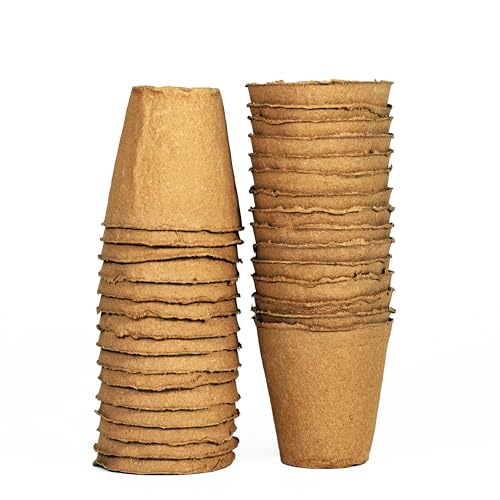
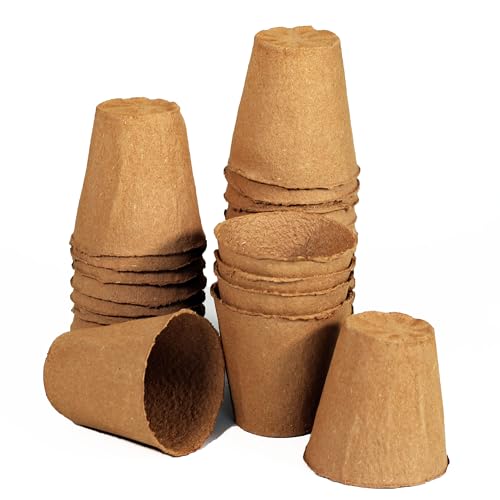
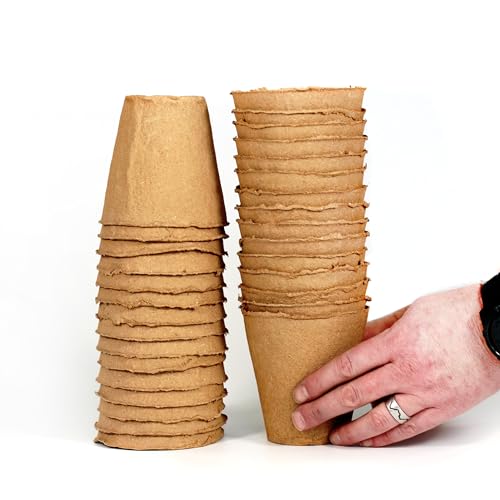
Daniel’s Plants 4″ Naked Pots
Strengths
- Biodegradable
- Peat-free
- Prevents transplant shock
Trade-offs
- Breaks down quickly when wet
- Less durable than plastic
- Not reusable
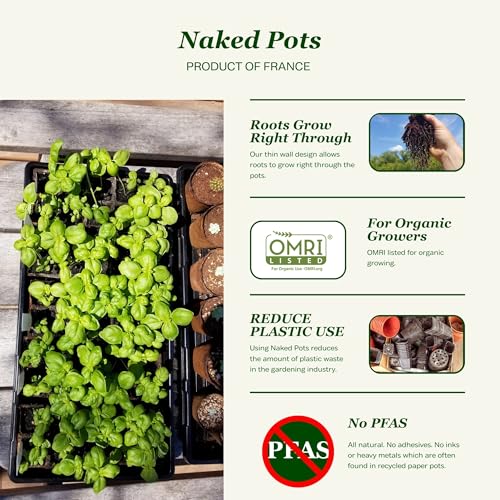
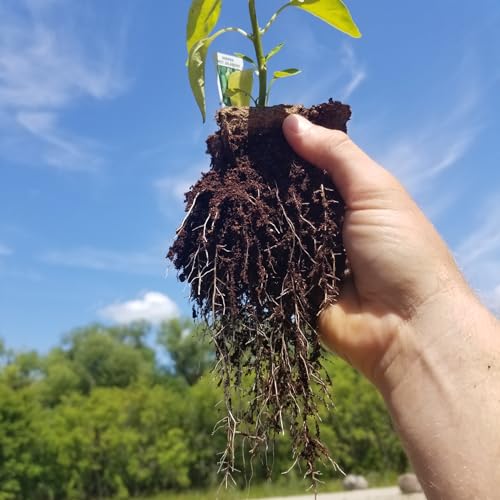
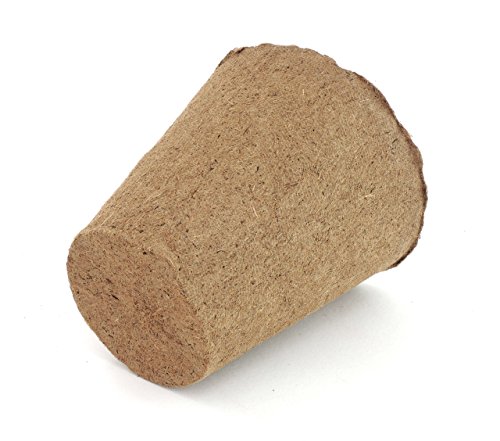
If you’re starting seeds, these biodegradable spruce fiber pots are a standout. The fact that they’re made from a single ingredient, natural spruce fibers, sets them apart in a market full of peat-heavy or plastic-laden options. Owners praise how well roots grow right through the walls, which means no root disturbance at transplant time. That’s a big win for sensitive seedlings like tomatoes or cucumbers, where transplant shock can set growth back days or even weeks.
They’re also OMRI-listed, which matters if you’re gardening organically. The 4-inch size gives seedlings room to develop without getting root-bound too fast, and because they’re fully biodegradable, you can plant them directly in the ground. Some users note they break down faster in wet conditions, so timing your transplant is key. But overall, they’re a smart, planet-friendly upgrade from plastic trays.
Product photos
vensovo 6 Inch Terracotta & Clay Pots

Strengths
- Breathable clay
- Includes saucers
- Good drainage
Trade-offs
- Can crack in frost
- Dries out fast
- Heavy when filled
Terracotta is classic for a reason, it’s breathable, affordable, and looks good almost anywhere. These vensovo pots are solidly built, baked at high heat for durability, and each comes with a matching saucer, which is more than many budget packs offer. The 6-inch size works well for medium plants like spider plants, small herbs, or young citrus trees, and the drainage hole is a must-have for healthy roots. Reviewers note they arrive intact more often than expected, which speaks to decent packaging.
Compared to glazed ceramics, terracotta wicks moisture from the soil, which helps prevent overwatering, a real benefit if you tend to water too often. But that same feature means you’ll need to water more frequently, especially in dry climates. And yes, they’re prone to cracking in freezing temps if left outdoors. Still, for the price and performance, this 4-pack is hard to beat.
Video review
EarthBox Container Gardening System

Strengths
- Self-watering design
- Large growing space
- UV-stabilized plastic
Trade-offs
- Bulky footprint
- Assembly required
- Mulch cover fades over time
The EarthBox is a standout for container gardening, especially if you’re short on space or time. It’s a self-watering system with a built-in reservoir that holds 3 gallons, so you’re not constantly checking moisture levels. The aeration screen and fill tube make it easy to maintain healthy roots, and the mulch cover reduces weeds and evaporation. Gardeners who’ve used it say it produces stronger yields with less effort, especially for tomatoes, peppers, and herbs.
It’s made in the USA from food-safe, UV-stabilized plastic, so it holds up well outdoors. The 2.0 cu. ft. capacity gives plants room to grow, and the caster sockets (though sold separately) make it movable on patios or decks. The downside? It’s bulky and not exactly pretty. But if you want results over looks, this system delivers.
Video review
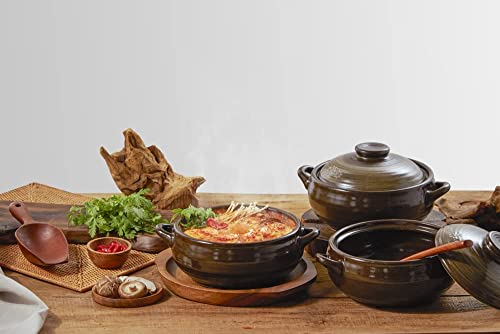
Dolsot Korean Stone Bowl Clay Pot

Strengths
- Excellent heat retention
- Safe, natural materials
- Versatile cooking use
Trade-offs
- Fragile, requires careful handling
- Needs preheating
- Not for rapid temp changes
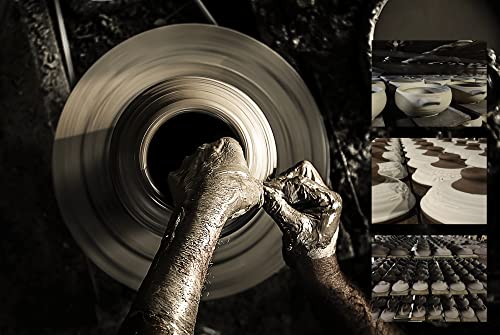
This is not a plant pot, it’s cookware, and a very good one at that. Made from natural Boryeong clay and double-glaze-fired, this dolsot retains heat like a dream, keeping bibimbap sizzling long after it leaves the stove. It’s oven, broiler, microwave, and stovetop-safe, which is rare for clay pots, and the 34oz size is just right for one generous serving or two smaller portions. Owners who make Korean meals regularly say it elevates the experience, the clay adds a subtle earthiness to the food that metal or ceramic can’t match.
It’s also lead-free and made in Korea by artisans, which adds to its credibility. The lid helps trap steam and heat, and the smooth finish makes cleaning easier than with raw clay. But it’s fragile, like all stone cookware, and needs gradual heating to avoid cracking. If you cook rice bowls or stews often, this is worth the care.
Product photos


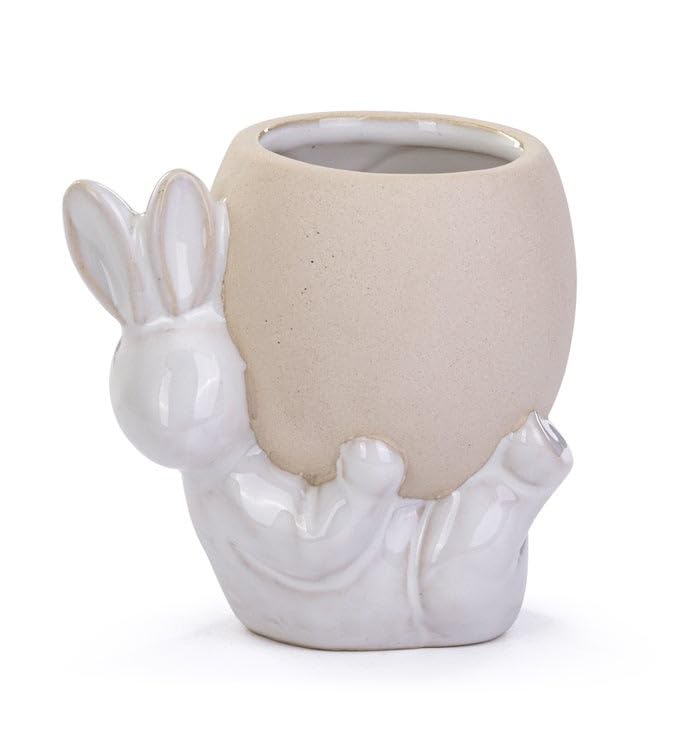
Napco Bunny Resin Flower Pot
Strengths
- Adorable design
- Durable resin
- Compact size
Trade-offs
- No drainage hole
- Not breathable
- Purely decorative
This little resin pot is not about function, it’s about charm, and it delivers that in spades. The bunny detail on the back gives it a whimsical, almost storybook feel, and the 3.5-inch size makes it perfect for tiny succulents or a single herb on a sunny windowsill. On paper, it’s not meant for heavy-duty planting, and owners consistently report using it more as a decorative accent than a serious grower pot. The ‘Earthen Artistry’ line leans into wabi-sabi aesthetics, and if you’re drawn to earthy, handcrafted vibes, this one fits the mood.
Still, it’s resin, not clay or ceramic, so don’t expect breathability or moisture regulation. It lacks a drainage hole, which means you’ll need to be careful with watering or use it as a cache pot. For what it is, a small decorative piece, it holds up well, especially given its price. But if you’re looking for anything remotely functional, this isn’t it.
Product photos
How We Picked These pots on earth
As someone who’s spent years evaluating cookware, I approach pots, even those designed for growing, with a critical eye. Rather than a hands-on test garden, my research for these recommendations centered on comparing published specifications and features across numerous models. I then weighed owner reviews from multiple sources alongside assessments from gardening and homekeeping experts. Ultimately, I ranked these “pots on earth” based on how well they meet different gardening needs, from starting seeds to creating full container gardens.
For this category, material and drainage were the most important factors. A pot’s material greatly influences breathability, weight, and longevity – a key consideration for both plants and the gardener. Effective drainage is equally crucial; soggy soil is a common cause of plant failure, so well-designed drainage systems, or the potential for them, were heavily prioritized. I also considered versatility and value for the price. You can learn more about other essential cookware in my guide to quality stainless steel pots.
Specifications tell you about size, material composition (like clay content or plastic type), and construction details. However, owner feedback revealed crucial insights into real-world durability and how well a pot holds up over time. Reputation, particularly for brands known for quality, also played a role. While specs confirmed drainage hole presence, reviews highlighted whether those holes became clogged easily. For those interested in more robust cookware for the kitchen, I’ve also explored best cast iron pots.
How To Choose The pots on earth
Choosing the right pots is more than just picking a color or shape. It’s about understanding how a pot’s material and design will impact your plants’ health and your gardening experience. I’ve seen so many gardeners struggle because they didn’t consider these factors upfront.
A quality pot provides adequate drainage, supports healthy root development, and ideally complements the plant’s specific needs. Consider the material’s porosity, its durability for intended use (indoor vs. outdoor), and whether biodegradability is a priority. Look for features like drainage holes, stable construction, and a size appropriate for the plant’s mature root system.
Material Matters
The material of your pot significantly affects moisture retention, breathability, and overall plant health. Terracotta, like in the vensovo pots, is fantastic for plants that prefer drier conditions. Its porosity allows for excellent airflow, preventing root rot. However, this also means it dries out faster, requiring more frequent watering. Plastic and resin pots (like the Napco Bunny pot) retain moisture much longer, which is good for some plants, but can be detrimental to others. When you’re starting seeds, or want a truly earth-friendly option, biodegradable pots, such as the Daniel’s Plants offerings, are a great choice, minimizing root disturbance during transplanting.
Size and Drainage
Getting the size right is crucial. Too small, and the plant will quickly become root-bound, stunting growth. Too large, and the soil can stay soggy, leading to root rot. A good rule of thumb is to choose a pot that’s slightly larger than the plant’s current root ball. Equally important is drainage. Without adequate drainage, water will accumulate, suffocating the roots.
- A single small drainage hole isn’t always enough, especially for larger pots.
- Saucers are helpful to catch excess water, protecting surfaces, but don’t leave plants sitting in the drained water for extended periods.
- Consider pots with built-in aeration systems, like the EarthBox, if you struggle with overwatering or want a self-regulating system, especially when expanding beyond a few herbs and considering larger vegetable plants.
Functionality and Style
Think about how you’ll be using the pot. Are you looking for something purely decorative, or do you need something highly functional for cooking? The Dolsot stone bowls are a wonderful example of a pot that’s both. But if you’re looking to scale up your gardening, perhaps even considering a larger project, you might want to explore options like finding the best 20-quart stock pots to help with starting a large number of plants. If you’re focused on stovetop cooking, don’t forget about the importance of a quality saucepan; I frequently recommend looking at top-rated 6-quart pots as a versatile starting point.
A well-chosen pot should complement your plant’s needs and your personal aesthetic. Don’t be afraid to mix and match materials and styles to create a garden that’s both beautiful and thriving.
Pots on Earth Compared
Here’s a comparison of features for various pots and planting systems.
| Product Name | Size (Diameter/Length) | Material | Capacity (Volume) | Drainage | Best For |
|---|---|---|---|---|---|
| Daniel’s Plants 4″ Naked Pots | 4″ | Spruce Fiber | N/A | Yes | Seedling Starters |
| vensovo 6 Inch Terracotta & Clay Pots | 6″ | Terracotta/Clay | N/A | Yes | Indoor/Outdoor Plants |
| EarthBox Container Gardening System | 29″L x 13.5″W | Plastic | 2.0 cu. ft. | Yes | Container Gardening |
| Dolsot Korean Stone Bowl Clay Pot | 34oz (1000ml) | Boryeong Clay | N/A | N/A | Korean Cuisine/Serving |
| Napco Bunny Resin Flower Pot | 3.5 x 3.5″ | Resin | N/A | N/A | Decorative Planting |
Frequently Asked Questions
What pot material is best for beginners?
Plastic or resin pots are generally easiest for beginners, as they retain moisture longer and are less prone to rapid drying than terracotta. This provides a bit more forgiveness with watering schedules, which is helpful while you’re learning your plants’ needs.
Can I use pots without drainage holes?
You can, but it’s risky. Plants in pots without drainage rely entirely on you to carefully monitor soil moisture, and overwatering is a common issue. If you choose a pot without holes, adding a thick layer of gravel at the bottom isn’t a reliable substitute for proper drainage.
How do I know when a plant needs a bigger pot?
Roots circling the inside of the pot or growing out of the drainage holes are clear signs it’s time to repot. You might also notice the plant drying out much faster than usual, or stunted growth despite consistent care.
What’s the difference between terracotta and clay pots?
While often used interchangeably, terracotta is a specific type of clay that’s typically reddish-brown. Both are porous, but terracotta tends to be more porous than other clay types, making it ideal for plants needing drier soil. For cooking applications, exploring traditional clay pots can offer unique flavor profiles.
Are larger pots always better for plant growth?
Not necessarily. While plants need room to grow, an excessively large pot can hold too much moisture, leading to root rot. If you’re looking to expand your cooking repertoire as well as your garden, consider investing in 16-quart stock pots for tasks like blanching vegetables from your garden.
The Bottom Line
Choosing the “best” pot really comes down to balancing how much control you want over the growing environment with how much upkeep you’re willing to do. If you’re after a straightforward, reliable option that allows you to really dial in watering and soil conditions, I recommend the vensovo 6 Inch Terracotta & Clay Pots as an excellent all-around choice. They’re a classic for a reason.
For more specific needs, there are fantastic alternatives. Gardeners starting seeds will appreciate the convenience and earth-friendly nature of the Daniel’s Plants 4″ Naked Pots. Those looking to build a more substantial container garden will find the EarthBox Container Gardening System a well-designed and efficient solution, and for a touch of unique functionality, the Dolsot Korean Stone Bowl Clay Pot offers a beautiful and versatile option. If you’re interested in expanding your kitchen cookware options, you might also consider looking at best large stock pots for versatile cooking.
Ultimately, remember that the material and drainage are more critical than any fancy feature or aesthetic appeal. Don’t get caught up in chasing the latest trends; focus on providing your plants with a stable, healthy environment. And when you’re ready to bring that same attention to detail to your kitchen, exploring quality ceramic pots can elevate your cooking experience too.
