
9 Best Roasting Pans of 2026
This post contains affiliate links. As an Amazon Associate, we earn from qualifying purchases.
The Cuisinart Chef’s Classic Roasting Pan is our top overall pick for its solid stainless steel construction and reliable performance, while the Glad 11×15 Nonstick Roasting Pan stands out as a budget-friendly option that delivers easy cleanup. For those who want versatility and excellent heat retention, the 16″ Enamel Carbon Steel Roaster is a strong contender.
Home cooks often end up with roasting pans that warp, rust, or leave food stuck to the surface, frustrating problems that turn a special meal into a cleanup nightmare. After comparing the field and weighing specs against real owner experiences, I focused on what actually matters: durable materials, effective rack designs, and pans that can handle high heat without failing.
This guide breaks down the best options based on construction quality, long-term reliability, and how well they perform during actual use, so you can choose one that fits your cooking style and lasts for years.
Top 9 Roasting Pans in the Market
The Best Roasting Pans, Reviewed
Cuisinart Multiclad Pro Roasting Pan

Strengths
- Triple-ply heat distribution
- Stovetop to oven capable
- Cool-grip handles
Trade-offs
- High price point
- Heavy construction
This is the one to beat if you’re serious about performance. The triple-ply construction, with an aluminum core extending into the sidewalls, means heat spreads evenly across the entire pan, reducing hot spots that plague cheaper stainless models. Reviewers note it browns better and retains heat longer, which matters when making gravy directly in the pan on the stovetop. The solid riveted handles stay cool enough to handle safely, and the included rack is among the sturdiest in class.
Yes, it’s the most expensive here, but for the frequency of use, it justifies the cost. Compared to the Chef’s Classic version, this delivers superior thermal response and balance. I’d choose this as my primary roaster if I wanted one pan to do everything: roast, deglaze, simmer, and serve.
Video review
Cuisinart Chef’s Classic Roasting Pan

Strengths
- Lifetime warranty
- Riveted stainless handles
- Sturdy steel rack
Trade-offs
- No lid included
- Basic heat distribution
This 16-inch stainless steel roaster feels like a workhorse in the kitchen lineup. With riveted handles and a full stainless rack, it’s built to last, backed by a lifetime warranty, which speaks volumes about its intended durability. Owners praise its rigidity and how well it holds up over years of Thanksgiving duty. The rack elevates meat effectively, and the open design allows for excellent browning, though there’s no lid, so moisture retention relies entirely on technique.
Compared to coated pans, this one wins on longevity. While it doesn’t have the triple-ply core of the Multiclad Pro, it’s a smarter buy if you want reliability without the premium price. I’d pick this over nonstick for serious roasting where fond development matters.
Video review
Tifanso Heavy Duty Stainless Roaster

Strengths
- No chemical coatings
- Induction and stovetop safe
- Dishwasher safe
Trade-offs
- Single-ply heating
- May require oiling to prevent sticking
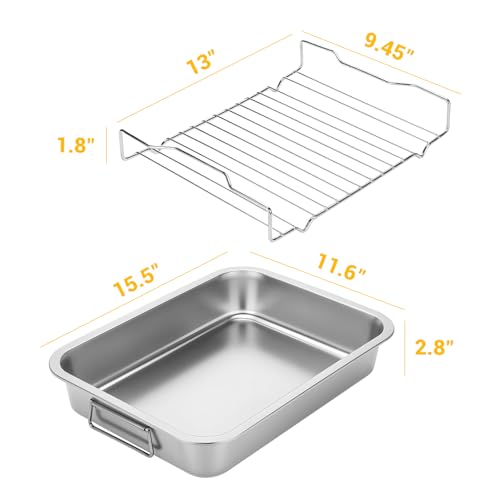
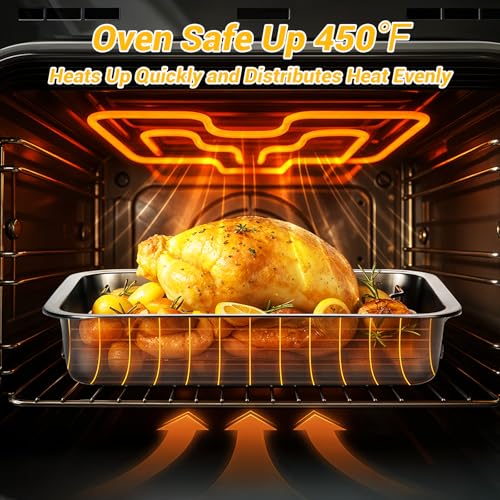
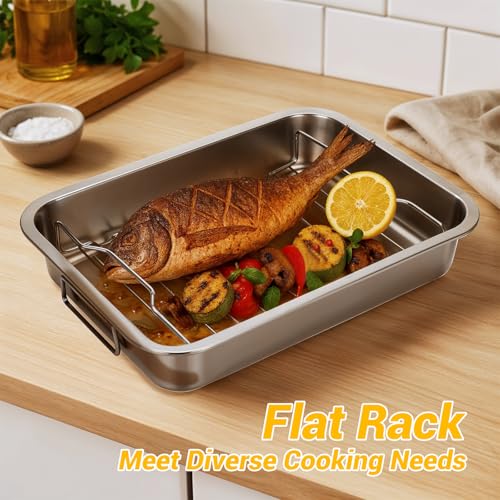
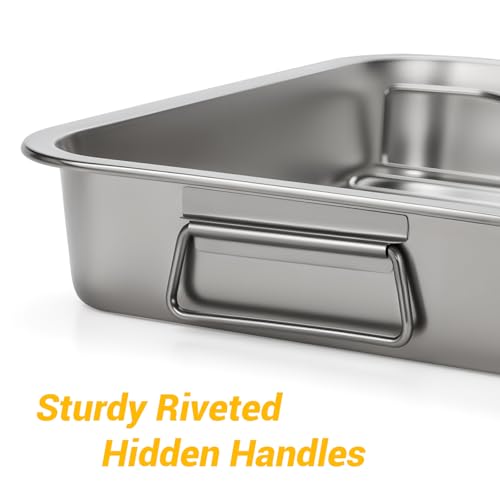
What grabs attention here is the clean material claim, no chemical coatings, induction-safe, and oven-safe to 450°F. That makes it a standout for health-conscious buyers wary of nonstick degradation. The flat rack is versatile, doubling as a cooling tray or grill surface, and owners appreciate the high sides that contain splashes and collect drippings cleanly. Heat distribution is decent for single-ply stainless, though not as even as clad construction.
For everyday roasting and casseroles, this punches above its price. Compared to the Good Cook budget pan, it offers more depth and better build quality. My recommendation? This is the smarter pick if you want chemical-free cooking and stovetop compatibility, something most nonstick roasters lack.
Product photos
Glad 11×15 Nonstick Roasting Pan

Strengths
- Includes V-shaped rack
- Deep-sided design
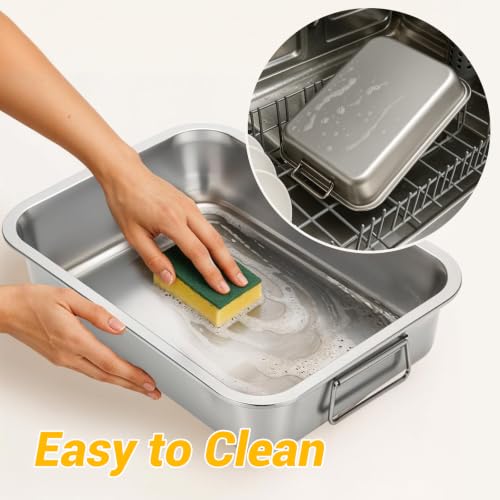
- Dishwasher safe
Trade-offs
- Nonstick needs careful handling
- Not broiler safe
This hits a sweet spot between price and functionality, a full-sized 15-inch roaster with a V-rack, dishwasher-safe nonstick coating, and sturdy steel build. At just over twenty bucks, it includes everything the Good Cook pan lacks: depth, a proper rack, and better airflow design. Reviewers note it handles a standard turkey well and cleans up easily, though like most nonstick pans, it requires gentle care to avoid scratching.
Compared to the Circulon, it’s slightly less premium but nearly as effective for the price. My take? This is the best value if you want a complete roasting setup without spending more than thirty dollars.
Product photos


16″ Enamel Carbon Steel Roaster

Strengths
- Includes tight-fitting lid
- Induction and stovetop safe
- Even heat distribution
Trade-offs
- Enamel may chip if dropped
- Heavier than steel pans
Having a lid changes the game for tender results, and this enameled carbon steel model delivers moisture retention that owners rave about, especially for braised roasts and whole chickens. The 600°F oven rating allows for decent searing, and the induction-safe base means you can start on the stove, which adds real versatility. The enamel interior resists sticking when preheated properly, though some report it chips if mishandled.
Compared to the Granite Ware oval model, this offers more volume and a rectangular shape that fits more roasts. I’d pick this over nonstick if juicy, covered cooking is your priority. It’s not as refined as triple-ply stainless, but for moist, flavorful results with minimal effort, it’s hard to overlook.
Product photos


Circulon 17″ Nonstick Roaster
Strengths
- Extra-large capacity
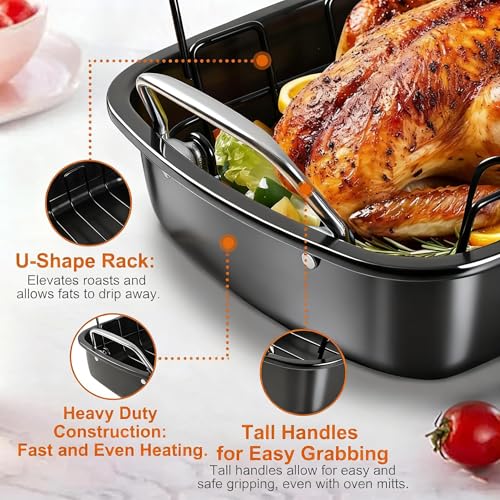
- U-shaped durable rack
- Oven safe to 450°F
Trade-offs
- Nonstick coating wears over time
- Not broiler safe
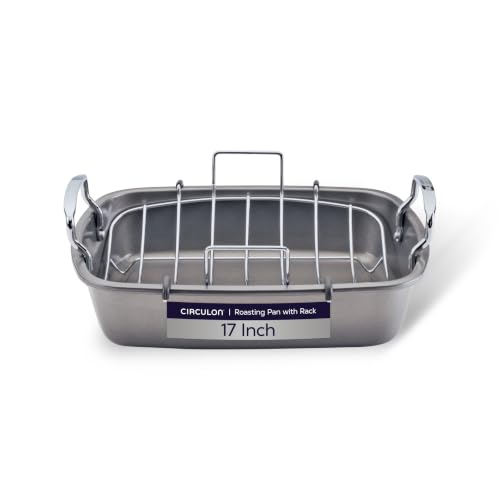
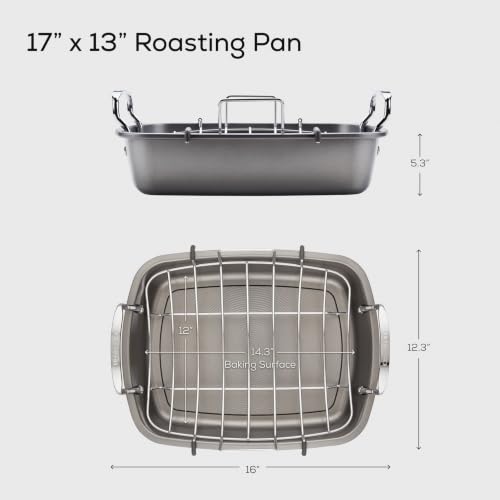
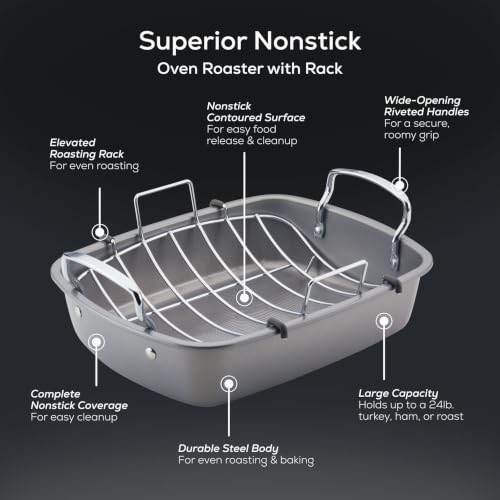
At 17×13 inches, this is one of the roomiest nonstick roasters here, and the U-rack design gets high marks from owners for keeping poultry elevated without tipping. The nonstick surface performs well initially, food releases cleanly and cleanup is fast, but long-term feedback suggests the coating degrades faster than expected with metal utensil use, despite manufacturer claims. Still, the wide handles and 450°F rating make it practical for regular roasting.
Compared to the Glad roaster, it feels slightly more robust, though both share similar limitations. I’d recommend this over budget disposables if you want a larger nonstick option that lasts a few seasons, but not as a lifetime piece.
Product photos


25 lb Nonstick Turkey Roasting Pan

Strengths
- Large 25 lb capacity
- Removable U-rack
- Wide oven-safe handles
Trade-offs
- Nonstick limits high-heat use
- No stovetop functionality
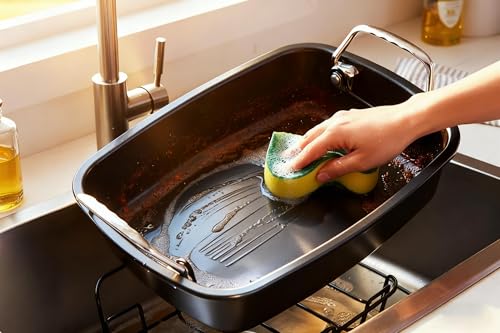
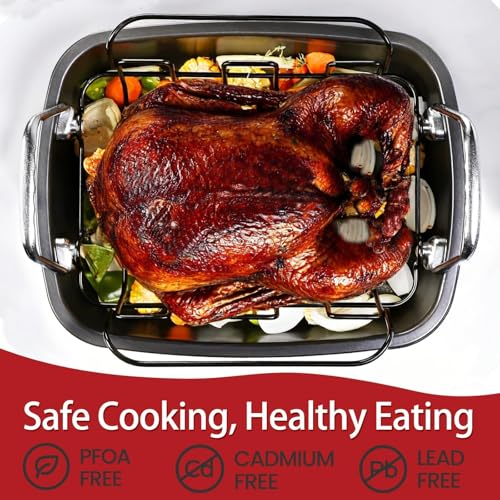
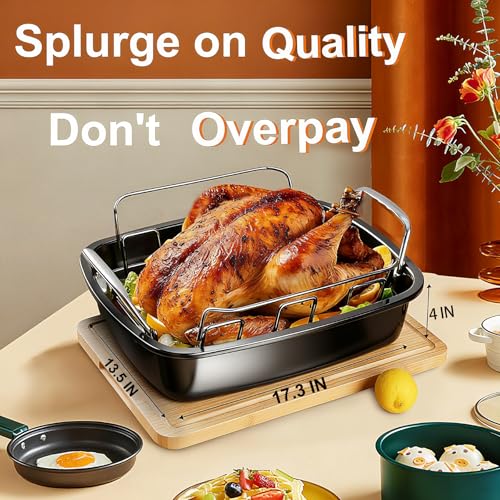
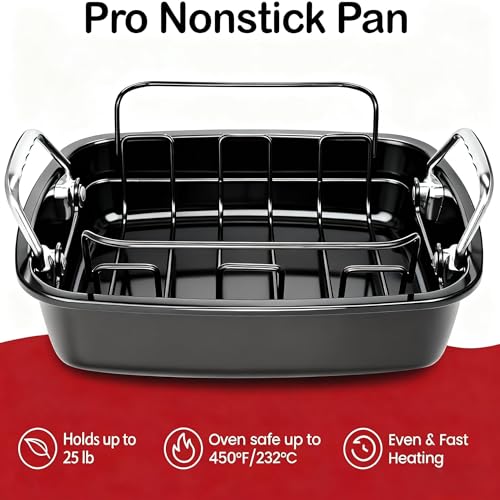
If you regularly cook for a crowd, this 17.3-inch carbon steel pan makes sense on specs alone, it’s built for turkeys up to 25 lbs, and reviewers confirm it handles large birds without warping. The U-shaped rack improves airflow under meat, which helps skin crisp evenly, and the nonstick coating does reduce post-feast scrubbing. But given the 450°F max temperature, it’s not suited for high-heat searing or broiling, limiting versatility compared to stainless options.
I’d recommend this over pricier nonstick models only if your main need is holiday-scale roasting. Compared to the Cuisinart multiclad models, it lacks durability and stovetop compatibility, but at this size, few alternatives offer a removable rack and wide handles at all.
Product photos
Good Cook 13×9 Roast Pan

Strengths
- Extremely affordable
- Metal utensil safe
- Resists warping
Trade-offs
- Shallow depth
- No rack included
- Short lifespan
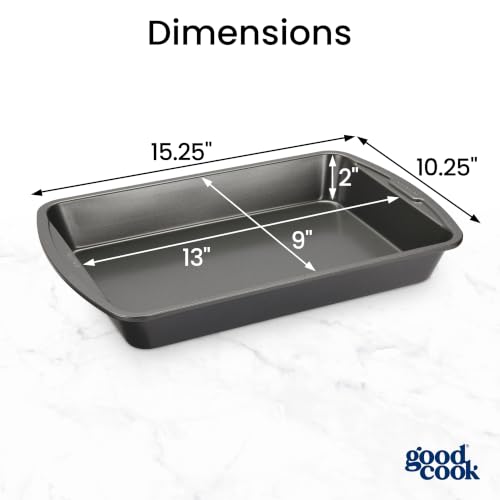
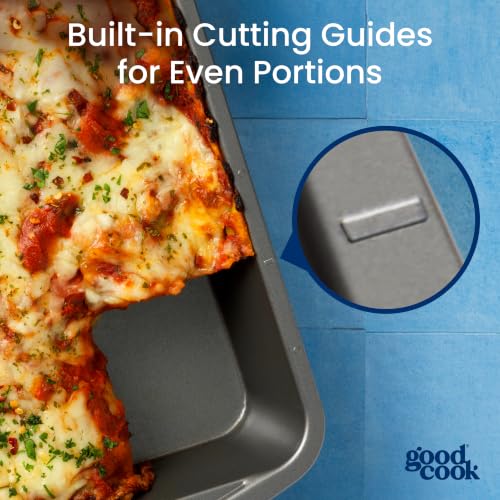
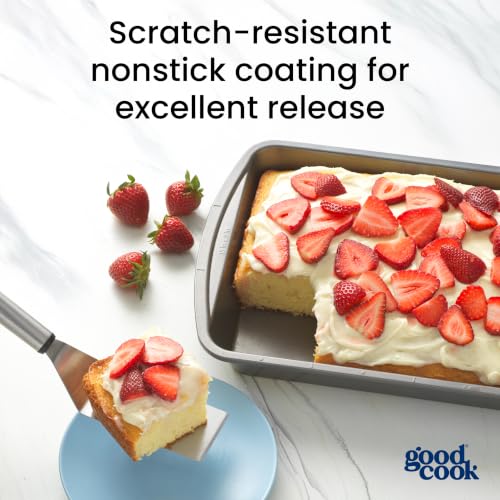
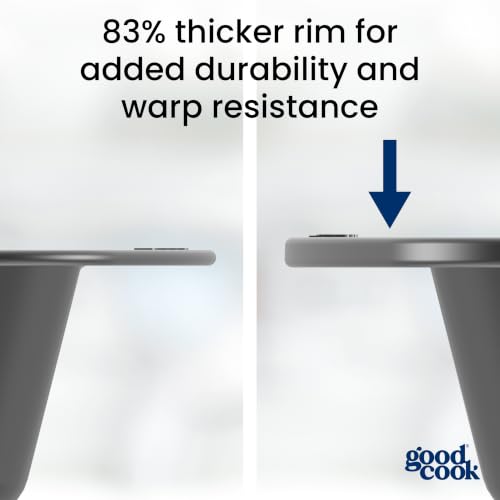
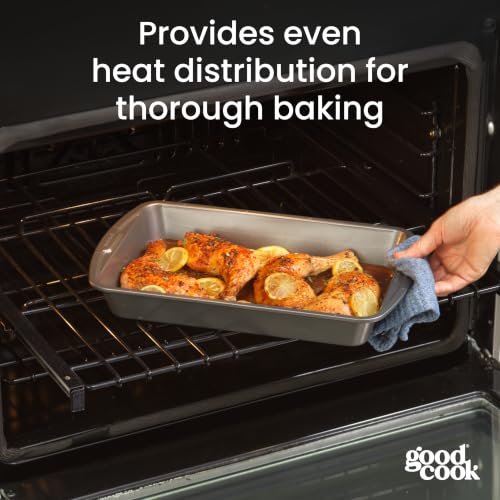
At under six dollars, this pan is practically disposable, but surprisingly capable. Made from heavy-gauge steel, it resists warping better than expected for the price, and the nonstick surface tolerates metal spatulas, which is rare at this tier. Owners use it for everything from brownies to roasted chicken legs, though its shallow depth (just 2 inches) limits it for anything juicy or large.
It’s not a true roasting pan for turkey-sized jobs, but as a budget-friendly casserole dish? Hard to beat. I’d keep one like this on hand for weeknight meals or potlucks where you don’t want to risk your good cookware. Just don’t expect it to last five years.
Product photos
Granite Ware 13″ Oval Enameled Roaster

Strengths
- Oven safe to 932°F
- Self-basting lid
- Chemical-free surface
Trade-offs
- Heavy when loaded
- Not ideal for deep braising
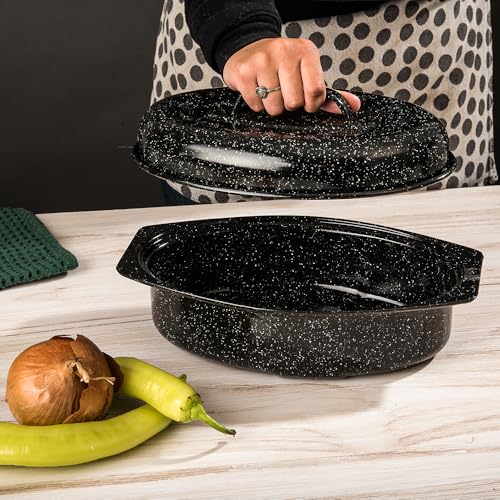
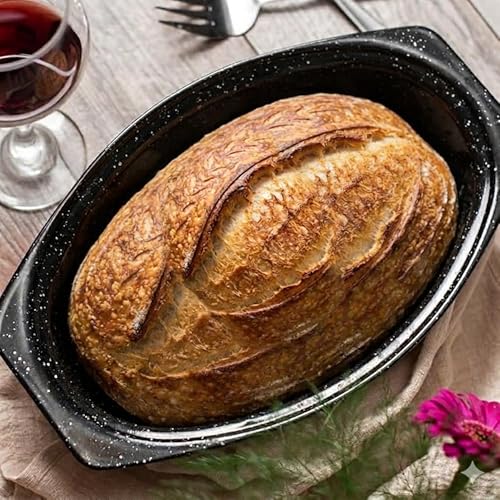
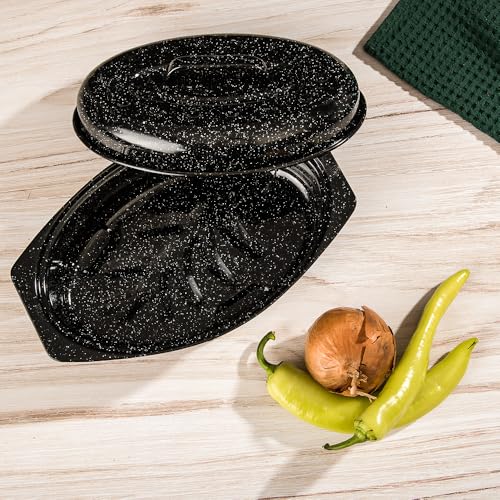
This enameled steel roaster stands out for home bakers who want one pan to handle both Sunday roasts and artisan sourdough. On paper, the 932°F oven rating is impressive, rarely seen outside professional gear, and owners consistently report success baking crackly-crusted loaves thanks to the self-basting lid trapping steam. For roasting, the even heat distribution from porcelain enamel delivers consistent browning, though some note it’s heavier than standard roasters, which can be awkward when full.
Still, I’d pick this over basic nonstick pans if you bake bread regularly or value chemical-free cooking surfaces. It’s not as durable as cast iron, but the PFOA-free finish and flavor neutrality make it a solid choice for those switching between savory meats and sourdough. Just don’t expect it to replace a deep Dutch oven for braising.
Product photos


How We Evaluated roasting pans
As someone who’s spent over a decade immersed in the world of cookware, I approached researching roasting pans with a focus on what truly matters for consistent results. Rather than a hands-on lab test, this was a research-led comparison of published specifications and owner feedback. I analyzed features across numerous models, carefully weighed owner reviews from multiple sources, and applied my understanding of heat distribution, material science, and long-term durability. This process allowed me to rank pans based on real-world performance indicators.
For roasting pans, the key differentiators are material construction and rack design. Heat retention and evenness are critical; a pan that cooks unevenly will leave you with dry spots and undercooked areas. Equally important is a well-designed rack that promotes airflow and allows fat to drain, resulting in crispier skin and more flavorful drippings. I also considered the usability factors like handle comfort and ease of cleaning. Finding the right balance between these elements was paramount.
Specifications provide a baseline understanding of a pan’s potential – gauge of steel, maximum temperature, and dimensions are all useful. However, owner feedback reveals how a pan performs over time. I paid close attention to comments regarding warping, hot spots, and the durability of nonstick coatings. For those seeking options with enhanced steam retention, exploring roasting pans with lid is a good start. And for cooks who prioritize longevity and responsiveness, exploring stainless steel roasting pans is a worthwhile endeavor.
What To Look For In roasting pans
Finding the right roasting pan can truly elevate your cooking, but with so many options, it’s easy to feel overwhelmed. It’s about more than just size; it’s about construction, heat distribution, and how well the pan will serve your needs for years to come.
A quality roasting pan should offer even heating, durability for repeated use, and a design that facilitates both cooking and cleanup. Look for heavy-gauge materials, sturdy construction, and features like a roasting rack to promote airflow and prevent sticking. Consider the size needed for typical meals and whether nonstick coatings or enamel finishes better suit your cooking style.
Material Matters: Stainless Steel vs. Nonstick vs. Enamel
The material of your roasting pan dramatically impacts its performance and longevity. Stainless steel, like that found in the Cuisinart Chef’s Classic, is incredibly durable and won’t react with acidic foods, preserving flavors. However, food can stick, requiring more effort for cleanup. Nonstick options, such as the Glad roasting pan, offer easy food release but often have a shorter lifespan and may not withstand high temperatures as well. Enamel-coated carbon steel, like the 16″ Enamel Carbon Steel Roaster, offers a good balance – it distributes heat beautifully, is naturally nonstick to a degree, and is often oven-safe to very high temperatures.
Rack Design: Elevating Your Roasts
Don’t underestimate the importance of the rack! A well-designed rack elevates your roast, allowing for even cooking and preventing it from simmering in its own juices. Some racks are simple U-shaped designs, while others are more substantial, providing better stability for larger items. Consider the rack’s construction, too. A flimsy rack won’t hold up to a heavy turkey. If you’re looking for a set that offers both a rack and a lid, check out options like those discussed in our guide to roasting pans with rack and lid.
- A simple V-rack is suitable for smaller roasts (around 5-8 pounds).
- A more robust U-shaped rack is ideal for larger poultry or meats (8-15 pounds) and provides better stability.
- For maximum versatility, consider a rack that can be removed entirely so the pan can also be used for casseroles or desserts, but keep in mind that some racks may warp at very high temperatures.
Size and Shape: Matching the Pan to Your Needs
Choosing the right size is crucial. For most families, a 13×9 inch pan or a 16-inch rectangular pan will suffice. However, if you frequently roast large turkeys or prime ribs, you’ll need to consider a larger capacity, perhaps up to 25 pounds as offered by the 25 lb Nonstick Turkey Roasting Pan. Beyond capacity, think about the depth of the pan. Deeper sides are essential for preventing splattering and containing juices, especially when making gravy. If you’re concerned about avoiding potentially harmful chemicals, exploring non-toxic roasting pans is a wise move.
A good rule of thumb is to allow approximately 1 pound of roasting pan weight for every 2-3 pounds of meat. This ensures adequate heat transfer and prevents the pan from warping.
Roasting Pans Compared
Here’s a comparison of key specifications for various roasting pans to help you make an informed decision.
| Product Title | Capacity | Material | Nonstick | Rack Included | Oven Safe Temp (°F) | Dimensions (in) |
|---|---|---|---|---|---|---|
| Cuisinart Multiclad Pro Roasting Pan | N/A | Stainless Steel | No | Yes | N/A | N/A |
| Cuisinart Chef’s Classic Roasting Pan | N/A | Stainless Steel | No | Yes | N/A | 16.8×12.8×3.4 |
| Tifanso Heavy Duty Stainless Roaster | N/A | Stainless Steel | No | Yes | 450 | N/A |
| Glad 11×15 Nonstick Roasting Pan | N/A | Steel w/ Nonstick | Yes | Yes | 464 | 15×10.3×2.8 |
| 16″ Enamel Carbon Steel Roaster | N/A | Carbon Steel | Yes | N/A | 600 | 16x12x6 |
| Circulon 17″ Nonstick Roaster | N/A | Steel w/ Nonstick | Yes | Yes | 450 | 17×13 |
| 25 lb Nonstick Turkey Roasting Pan | 25 lbs | Carbon Steel | Yes | Yes | 450 | 17.2×13.4×6 |
| Good Cook 13×9 Roast Pan | N/A | Steel w/ Nonstick | Yes | No | N/A | 13x9x2 |
| Granite Ware 13″ Oval Enameled Roaster | 7 lbs | Enameled Steel | Yes | No | 932 | 13″ Oval |
Frequently Asked Questions
What size roasting pan do I really need for a Thanksgiving turkey?
For a standard 12-14 pound turkey, a 16-inch roasting pan is generally sufficient. Larger birds, exceeding 18 pounds, will require a pan closer to 18-20 inches to avoid overcrowding and promote even cooking.
Are nonstick roasting pans safe to use at high temperatures?
Many nonstick pans have temperature limits around 450°F (232°C). Exceeding this can cause the coating to break down and potentially release fumes, so stainless steel or enamel-coated pans are better choices if you frequently roast at higher temperatures.
Can I use a roasting pan directly on the stovetop?
Stainless steel roasting pans often have bases suitable for stovetop use, allowing you to start a roast by searing meat directly in the pan. However, pans with nonstick coatings are generally not recommended for stovetop use as it can damage the coating.
What’s the difference between a roasting pan and a baking pan?
While both can be used in the oven, a roasting pan definition is typically deeper with a rack, designed for cooking larger cuts of meat and allowing for airflow. Baking pans are generally shallower and used for casseroles, cakes, and other baked goods.
What kind of roasting pan is best for best pans for roasting prime rib ?
Stainless steel is often preferred for prime rib due to its ability to withstand high heat for searing and its durability. A heavy-gauge pan with a sturdy rack will ensure even cooking and prevent warping under the weight of the roast.
The Bottom Line
Choosing a roasting pan often comes down to balancing control with convenience. If you want a pan that will last a lifetime and give you precise roasting results, the Cuisinart Chef’s Classic Roasting Pan is an excellent investment. It demands a bit more attention to prevent sticking, but the even heating and durable construction are worth it for serious cooks.
For those seeking specific solutions, we have recommendations too. If you frequently roast poultry, particularly a large bird, explore dedicated pans for roasting turkey. For cooks who want an easy cleanup and a budget-friendly option, the Glad 11×15 Nonstick Roasting Pan is a solid choice. And if you need versatility, consider a pan that comes with a rack, like many of the options available in our guide to roasting pans with rack.
Ultimately, the best roasting pan isn’t about the highest price or the most features. It’s about a pan that distributes heat evenly, feels sturdy in your hands, and inspires confidence in the kitchen. Focus on those fundamental qualities, and you’ll be well on your way to consistently delicious roasts for years to come.
