
Discover Why a Cast Iron Skillet is Better Than Other Pans
This post contains affiliate links. As an Amazon Associate, we earn from qualifying purchases.
A cast iron skillet is better because it is a single, lifetime investment that improves with use, outperforming other pans in heat retention for searing and developing a superior, natural non-stick surface through seasoning. It transfers dietary iron, resists physical damage, and works on every stovetop, including induction.
That last point about seasoning is where most guides stop. They don’t tell you what happens when that layer is thin, or what it actually looks like when it’s working. A real seasoned surface isn’t just black; it’s a specific kind of slick that changes how you cook.
What follows is a breakdown of the four mechanical advantages that make cast iron unique, the one genuine trade-off you can’t avoid, and the maintenance facts that separate a heirloom from a rusty paperweight.
Key Takeaways
- Cast iron’s poor heat conductivity is a feature, not a bug, it creates unmatched heat retention for a perfect sear without temperature drop.
- The non-stick “seasoning” is a polymerized oil coating you build yourself; a strong layer takes about a year of consistent use and care.
- Cooking in cast iron can increase the iron content of your food, a benefit noted in a National Library of Medicine review, though it’s not a substitute for medical needs.
- The biggest enemy is moisture, not soap. A quick vinegar soak for rust should never exceed 15 minutes, or it damages the metal.
- For a default pick that works forever: a standard Lodge skillet. For a smoother, artisan finish: a Smithey. For zero maintenance and acid-friendly cooking: an enameled Le Creuset Dutch oven.
What Cast Iron Actually Does Better
Most cookware discussions start with heat distribution. Cast iron fails that test. Its thermal conductivity is low, meaning heat moves slowly across its surface. That’s the wrong metric. Cast iron wins on heat retention, its ability to hold onto energy once it gets hot.
This is the physics behind the perfect sear. When you lay a cold steak on a stainless steel pan, the metal siphons heat away to cooler areas, causing the temperature to plummet. Cast iron doesn’t transfer that energy as quickly. The spot under the steak stays fiercely hot, creating a faster, darker crust without steaming the meat. For tasks like searing steak, deep-frying, or baking cornbread where consistent, high heat is the goal, this property is unbeatable.
Cast iron’s high heat retention comes from its density and material composition. Once heated, the mass of iron releases energy slowly and steadily, maintaining a stable cooking temperature even when cold food is added.
The second advantage is the surface. A seasoned cast iron skillet develops a non-stick coating through use, a process called polymerization. When you heat a thin layer of oil past its smoke point, the fat molecules break down and reform into a hard, plastic-like layer bonded to the metal. This isn’t a chemical coating that wears off; it’s a surface you own and repair.
Where this goes sideways: Rushing the seasoning with thick layers of oil. It creates a sticky, gummy coating that flakes into your food. A proper layer is so thin it looks barely there.
| Advantage | How It Works | Best Use Case |
|---|---|---|
| Heat Retention | Dense iron holds thermal energy, preventing temperature drop. | Searing meat, frying, baking. |
| Seasoning | Polymerized oil creates a durable, natural non-stick surface. | Eggs, fish, grilled cheese. |
| Durability | Thick, cast metal resists warping and physical impact. | Daily driver, campfire cooking, lifetime use. |
| Versatility | Works on all heat sources (gas, electric, induction, oven, grill). | One-pan meals, stove-to-oven recipes. |
The Maintenance vs. Longevity Trade-Off
Yes, a cast iron skillet requires specific care. The trade is that this care directly fuels its decades-long lifespan. The routine isn’t complicated, but it is non-negotiable.
Cleaning is the first habit to change. You clean while the pan is warm, not hot. Use hot water and a stiff brush or chainmail scrubber. A little soap is fine despite the old myth; modern detergents won’t strip a well-established polymerized oil coating. What strips seasoning is abrasion (steel wool) and acid (prolonged soaking). The real rule is dry it immediately and completely. Any residual moisture is an invitation for rust.
I won’t recommend the extended vinegar soak for rust. The NC Cooperative Extension guide states you must check the pan every 15 minutes because leaving it too long actively damages the metal. It’s a repair step, not a cleaning one.
Seasoning is ongoing maintenance. After cleaning and drying, you apply a microscopic layer of a high-smoke-point oil (like vegetable or canola) and warm the pan. This is the two-minute wipe-and-heat you do after you wash it. This continual top-up is what builds the legendary non-stick surface.
The timeline nobody mentions: a truly robust, slidey-egg seasoning takes about a year of consistent use. Early on, you’ll still need a little cooking fat. That’s normal. The layer thickens and hardens with every use.
The One Real Downside (And How to Beat It)
Cast iron has a weight and reactivity that you must plan around. It’s heavy. A 12-inch skillet weighs over 8 pounds. For some, that’s a deal-breaker for daily use. The other factor is its reactivity with acidic foods.
A well-seasoned pan can handle a tomato sauce or wine reduction, but the clock starts immediately. The general consensus, noted by sources like Cook’s Illustrated, is to limit acidic cooking to 30 minutes and then get the food out. The acid can begin to break down the seasoning layer, imparting a metallic taste to the food. If you’re simmering a bolognese for three hours, use an enameled cast iron or stainless steel pot instead.
This reactivity is also why you must be cautious with rust removal. The equal-parts vinegar and water bath recommended by the University of Maine Extension guide works, but it’s a race. Leave the pan in for 45 minutes and you’re etching the iron itself.
For these specific tasks, the alternative is clear: 1. For long-cooked acids: Enameled cast iron. 2. For quick, delicate foods where non-stick is king: A quality ceramic or traditional non-stick skillet used on medium heat. 3. For the weight-averse: A lighter carbon steel pan, which seasons similarly but is noticeably lighter.
Cast iron is the foundational pan you need.
Cast Iron vs. Everything Else: A Use Case Guide
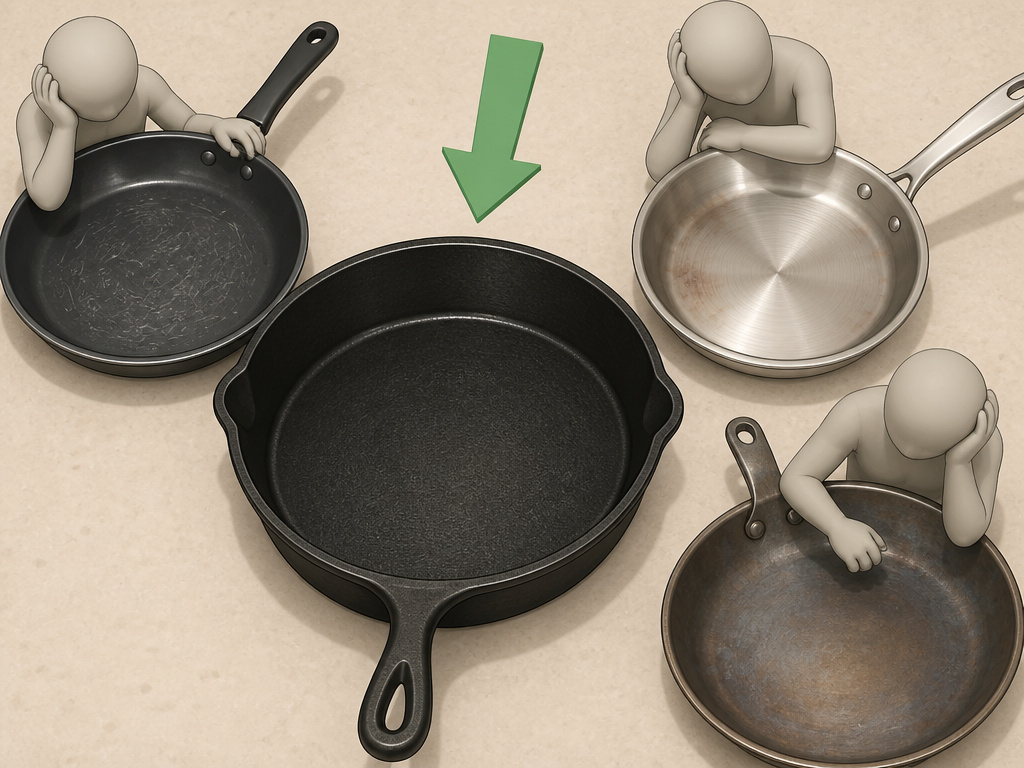
This is where abstract benefits become concrete decisions. Your cast iron skillet isn’t competing with other pans; it’s claiming specific territory.
Versus Non-Stick: This is the most common comparison. A non-stick pan is a specialist for low-to-medium heat cooking where effortless release is everything, eggs, pancakes, delicate fish. Its coating wears out in 2-5 years. Cast iron is a generalist that can do those tasks (with a little fat) while also blasting on high heat for a sear. It’s the difference between a disposable tool and a permanent asset. Our full cast iron vs non-stick breakdown covers the chemical and performance details.
Versus Stainless Steel: Stainless is the ultimate reactive-pan. You can deglaze it with wine, scrub it with steel wool, and forget it in the sink. It’s brilliant for building fond and making pan sauces. Cast iron can’t match that chemical indifference. What it beats stainless on is heat retention for browning and its natural non-stick capability for foods like potatoes or grilled cheese.
Versus Carbon Steel: This is cast iron’s closest relative. Carbon steel seasons the same way, is significantly lighter, and heats faster. It’s a favorite of chefs for sauteing. Cast iron wins on heat retention for baking and searing, and its thicker walls make it less prone to warping on high heat.
The bottom line: If you could only have one pan for survival cooking, it’s cast iron. For a modern kitchen, it’s the high-heat, high-durability anchor that your stainless and non-stick pans complement.
The Health and Heirloom Factor
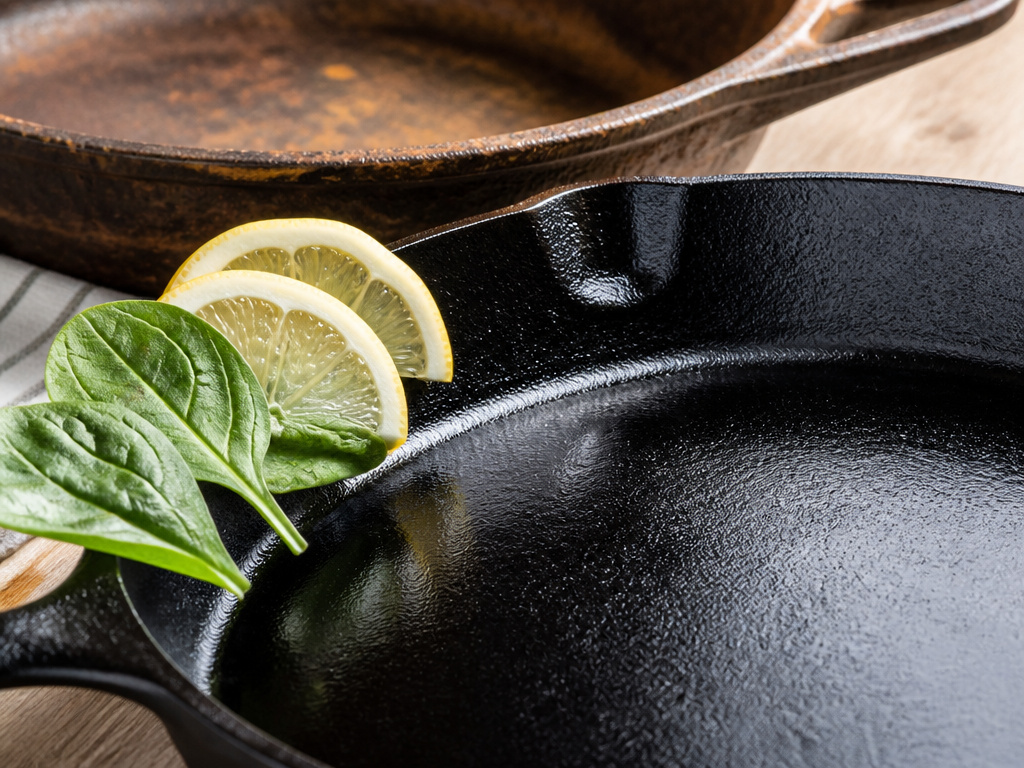
Two often-overlooked advantages have nothing to do with cooking technique.
First, the health implication. Cooking in an uncoated cast iron pan can increase the iron content of your food. A 2021 systematic review published by the National Library of Medicine reported evidence of increased blood hemoglobin levels from food cooked in iron pots. The amount transferred depends on the food’s acidity, moisture, and cooking time. It’s a minor dietary boost, not a treatment for deficiency. For individuals with hemochromatosis (iron overload), it’s a reason to avoid it.
Second, the durability transcends product lifecycles. A Lodge skillet you buy today is functionally identical to one made in 1950. There are no composites to de-laminate, no coatings to scratch, no encapsulated layers to fail. This makes it the only common kitchen tool that is a genuine heirloom. Its value appreciates with use, not in dollars, but in performance and history.
That longevity is also sustainability. You aren’t sending a flaking non-stick pan to landfill every few years. You’re maintaining a single piece of metal for decades. The initial seasoning process is the only real work required. After that, it’s just use.
Frequently Asked Questions
Is a cast iron skillet really non-stick?
Yes, but not immediately. A seasoned cast iron surface becomes non-stick through the buildup of a polymerized oil coating. This takes months of regular use and proper care. A new or poorly seasoned skillet will stick. You always use a little fat when cooking, even on a well-seasoned pan.
Can I use soap to clean my cast iron skillet?
Yes. Modern dish soaps are mild and won’t harm a well-established seasoning layer. The old rule came from lye-based soaps that would strip oil. Avoid abrasive scrubbers like steel wool, which will scratch the seasoning off.
What foods should I not cook in cast iron?
Limit lengthy cooking of highly acidic foods (like tomato sauce, wine reductions) to 30 minutes or less, as acid can degrade the seasoning and leach iron into the food, affecting taste. For long simmers, use an enameled pot.
How do I fix a rusty cast iron skillet?
Scrub the rust off with salt, a scouring pad, or fine steel wool (this is the one time abrasives are okay). For heavy rust, a 50/50 vinegar and water soak can help, but do not exceed 15 minutes without checking. Rinse, dry thoroughly, and then re-season the pan completely.
Why is my cast iron skillet sticky after seasoning?
Stickiness means you used too much oil during the seasoning process. The oil pooled and polymerized into a thick, tacky layer. To fix it, heat the pan in a 450°F oven for an hour to harden the layer, let it cool, and then scrub the sticky spots with a stiff brush and hot water. Re-season with a much thinner layer of oil.
Is cast iron good for induction hobs?
Yes. Cast iron is magnetic, which is the requirement for induction cooking. Its excellent heat retention makes it a top performer on induction cooktops.
Before You Go
A cast iron skillet is better because it is permanent. Its value compounds with every sear, every seasoning layer, and every year it stays out of a landfill.You trade the convenience of forgetting a pan in the sink for the capability to blast a steak with heat that thinner metals can’t hold.
The default choice is a Lodge, it’s affordable, pre-seasoned, and indestructible. If you want a smoother cooking surface from the start, the investment in an artisan brand like Smithey is worth it. And if the maintenance seems like too much, an enameled piece like a Le Creuset gives you the heat retention without the seasoning upkeep.
Get the one that fits your kitchen. Then use it. The rest, the seasoning, the history, the heirloom status, follows from that.
