
Why Is My Griddle Sticky? Soy Lecithin & Dishwasher Causes
This post contains affiliate links. As an Amazon Associate, we earn from qualifying purchases.
A sticky griddle surface almost always comes from one of three things: aerosol cooking sprays (specifically the soy lecithin additive), a dishwasher-damaged nonstick coating, or burnt sugar residue that has polymerized onto the metal. The fix depends entirely on which cause you’re dealing with, a ceramic nonstick surface with spray residue needs a different approach than a seasoned cast iron plate with sticky oil.
That soy lecithin note is straight from a manufacturer manual. It’s not a guess; it’s a documented chemical interaction that leaves a gummy film no amount of scrubbing will lift if you don’t use the right solvent. Dishwasher damage is similarly concrete, the nonstick coating doesn’t just wear; it loses its slickness in a specific, predictable way after repeated cycles.
What follows is a breakdown of each culprit, the physical reason it sticks, and the exact step-by-step fix. You’ll also get the warnings the manuals print in bold: the one cleaner that destroys ceramic coatings, and why “just seasoning over it” is the worst move for a modern electric model.
Key Takeaways
- Soy lecithin in aerosol sprays is the #1 cause of sticky nonstick griddles. It bakes into a varnish-like film that standard dish soap cannot dissolve.
- Dishwashers degrade ceramic nonstick coatings permanently. The Presto manual states multiple washes will “slowly diminish” the nonstick properties, leading to inherent stickiness.
- Burnt sugar polymerizes around 350°F (177°C). This creates a hard, sticky carbon layer that bonds to the metal, different from burnt grease or protein.
- Never use abrasive pads or powdered cleaners on a ceramic nonstick surface. You will scratch the microscopic pores and make the stickiness permanent.
- Sticky cast iron is a seasoning problem, not a cleaning one. It means the oil wasn’t fully polymerized and needs to be stripped and re-applied correctly.
The Three Most Common Culprits (And How to Fix Them)
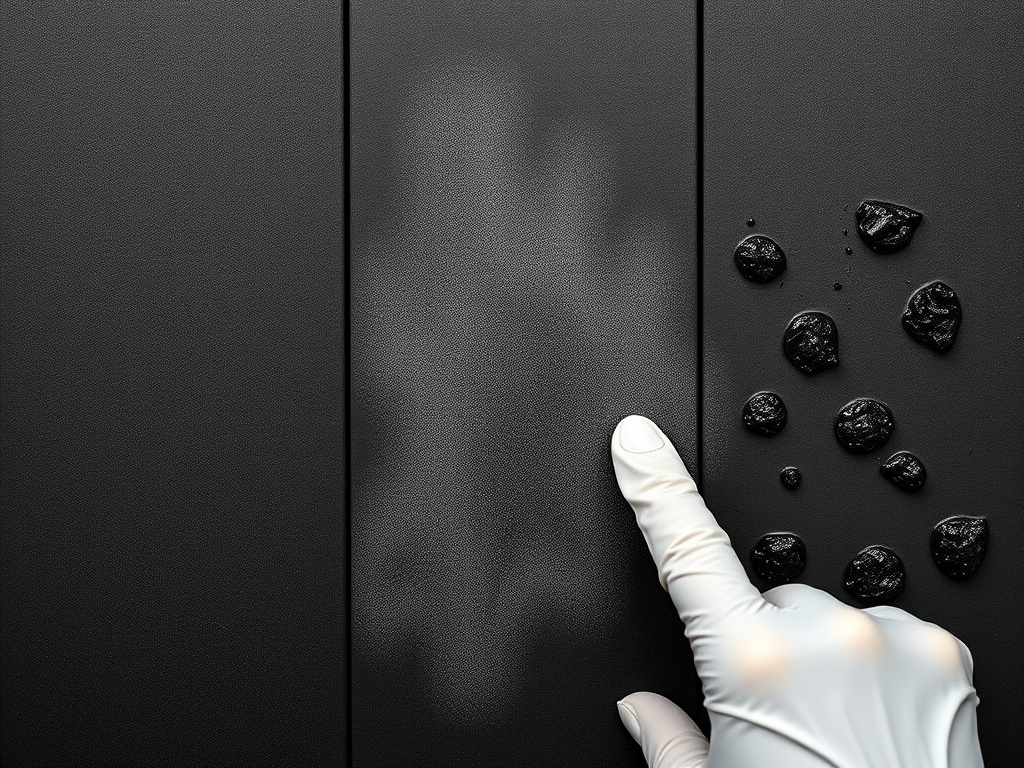
Diagnose your sticky griddle by matching it to one of these scenarios. Each has a distinct look and feel.
The Dash Everyday Griddle manual states: “Aerosol cooking sprays often contain soy lecithin, an additive that can cause nonstick surfaces to become sticky and hard to clean over time.” This is a primary-source specification, not anecdote.
Culprit 1: Aerosol Cooking Spray Residue
This stickiness feels tacky or gummy, even when the griddle is cold and clean. It’s uniform across the surface. The chemistry is simple: soy lecithin is an emulsifier designed to make oil stick to food. On a hot surface, it bakes into a thin, durable polymer that bonds to the nonstick coating. Water and soap slide right over it. – The Fix: You need a solvent that breaks down oils. Mix equal parts white vinegar and water in a spray bottle. Heat the griddle to just warm (about 150°F), spray the solution on, and let it sit for 10 minutes. The acetic acid softens the lecithin film. Wipe with a soft sponge, then wash with dish soap. Repeat if any tackiness remains.
Culprit 2: Dishwasher-Damaged Nonstick Coating
This stickiness is different. Food doesn’t just stick; it fuses, and the surface itself may look slightly cloudy or scratched. The Presto 22-inch Electric Griddle manual is explicit: “many washings in a dishwasher will cause the nonstick properties of the ceramic coating to slowly diminish.” The high heat and harsh detergents microscopically etch the surface, creating tiny pores for food to latch onto. – The Fix: This is damage, not dirt. You cannot restore the original coating. Your goal is to make the damaged surface as non-porous as possible. After a very gentle cleaning process, apply a thin, thin layer of pure avocado or grapeseed oil (high smoke point) and heat the griddle to just below its smoke point for 20 minutes. Let it cool completely. This will fill some micro-scratches. Understand this is a mitigation, not a repair.
Culprit 3: Polymerized Sugar (Burnt-On Residue)
This stickiness is spot-specific, often under where pancakes or sausages cooked. It’s hard, shiny, and dark. When sugar heats past 350°F, it caramelizes, then polymerizes into a glass-like carbon deposit. It’s not grease; it’s a sugar-carbon composite welded to the metal. – The Fix: You need to dissolve the carbon bonds. Make a paste of baking soda and a tiny amount of water. Spread it over the spots on a completely cold griddle. Let it sit for an hour, the alkaline paste works slowly. Then, add a small drizzle of white vinegar over the paste. The foaming reaction helps lift the debris. Gently scrub with a soft-bristle nylon brush, not a sponge. Rinse and dry immediately.
| Culprit | What It Looks/Feels Like | Primary Fix |
|---|---|---|
| Aerosol Spray Residue | Uniform tacky film, gummy when cold | Warm vinegar-water solution, soft sponge |
| Dishwasher Damage | Cloudy, scratched surface; food fuses | Gentle clean, then a thin oil bake to fill micro-scratches (mitigation only) |
| Burnt Sugar | Localized hard, shiny, dark spots | Baking soda paste with vinegar lift, soft nylon brush |
What About a Sticky Cast Iron or Seasoned Griddle?
If you have a raw steel or cast iron griddle, like the Furrion 25″ model with a cast iron plate, stickiness means one thing: failed seasoning. A properly polymerized oil layer is dry and slick. A sticky layer means the oil wasn’t heated high enough or long enough, so it remains semi-cured and gummy.
Common mistake: Adding more oil to a sticky seasoned layer. You’re just putting wet oil on top of gummy oil. The whole mess needs to come off before you restart.
This is a different problem from cleaning a nonstick surface. The solution is to strip the bad seasoning and re-apply a correct layer. This involves scrubbing with coarse salt and oil, or in stubborn cases, using a dedicated cast iron cleaning method. Once bare, the seasoning process for a cast iron griddle must be followed with precision: a microscopically thin layer of oil, heated past its smoke point until it stops smoking and becomes a dry, hard polymer.
The Step-by-Step Fix for a Sticky Griddle
Follow this sequence. Do not skip the diagnostic step.
- Cool & Diagnose. Ensure the griddle is completely cool. Identify the type of stickiness using the table above. Is it gummy, scratched, or spotty? This decides your path.
- Dry Clean. Use a plastic scraper or stiff nylon brush to remove any loose debris. This prevents grinding particles into the surface during wet cleaning.
- Apply Targeted Cleaner.
- For spray residue: Use the warm vinegar solution.
- For sugar spots: Use the baking soda paste.
- For dishwasher-damaged surfaces: Use only mild dish soap and a soft sponge. Abrasives are forbidden.
- Gentle Agitation. Use the correct tool: a soft sponge for films, a nylon brush for spots. Scrub in small circles with minimal pressure. Let the chemical do the work.
- Rinse & Dry Thoroughly. Rinse with hot water. Immediately dry every speck of moisture with a towel, then place the griddle over low heat for 2-3 minutes to evaporate any residual dampness. Water left on cast iron or carbon steel will cause flash rust.
- Condition (If Needed). For cast iron or raw steel, apply your pre-cooking oil, a single drop spread over the entire warm surface. For a damaged nonstick coating, do the thin oil bake mitigation step described earlier.
Where this goes sideways: Using steel wool or abrasive cleaners on a ceramic nonstick griddle. The Dash manual explicitly warns this “may damage the ceramic nonstick surface.” One scrub session can turn a cleanable sticky layer into a permanently scratched, always-stick surface.
How to Prevent a Sticky Griddle Moving Forward
Prevention is straightforward once you know the mechanisms. These aren’t tips; they are rules derived from the failure modes above.
- Ban Aerosol Sprays. Use a pump spray bottle filled with a high-smoke-point oil (avocado, grapeseed) or a silicone basting brush to apply oil. This avoids soy lecithin entirely.
- Hand-Wash Only. Even if the griddle plate is removable, do not put it in the dishwasher. The combination of heat, detergent, and water pressure is what degrades coatings. Hand-wash with a soft sponge and dry immediately.
- Control Sugar and Marinades. Cook sugary items like pancakes or glazed meats at medium heat, not high. Use a infrared thermometer to keep the surface below 350°F if possible. Wipe up sugary spills immediately with a damp cloth while the griddle is still hot.
- Season Correctly. For seasoned surfaces, the key is a layer of oil so thin it looks like a mistake. Wipe it on, then use a fresh paper towel to wipe it all off. What remains is the perfect amount to polymerize. This prevents the common causes of stickiness from recurring.
- Use the Right Tools. Silicone, nylon, or wooden utensils only. Metal spatulas will scratch and create nucleation points for stickiness to begin.
| Prevention Target | Wrong Move | Right Move |
|---|---|---|
| Spray Residue | Using PAM or equivalent aerosol | Using a Misto oil sprayer or brush with pure oil |
| Coating Damage | Tossing the plate in the dishwasher | Hand-washing with a soft sponge and towel-drying within 5 minutes |
| Burnt Sugar | Cooking pancakes on high heat | Preheating to medium (325°F) and adjusting down if the butter browns too fast |
| Bad Seasoning | Applying a visible layer of oil | Applying oil, then buffing until the surface looks dry |
Frequently Asked Questions
Can I fix a sticky griddle without harsh chemicals?
Yes, for spray residue and sugar, the primary fixes (vinegar, baking soda) are non-harsh. For severe polymerized grease, a paste of baking soda and a drop of dish soap is effective. Avoid “grill cleaner” or oven cleaner on any griddle with a nonstick coating.
Is a sticky griddle ruined?
Not usually. A sticky film from sprays or sugar is almost always cleanable. A scratched ceramic nonstick coating from abrasives or a dishwasher is permanently compromised, it will always be more sticky than new, but you can mitigate it. A sticky cast iron seasoning layer is a standard maintenance issue, not a ruinous one.
Why is my new griddle sticky?
New nonstick griddle should not be sticky. If it is, it may have a manufacturing residue or protective coating that wasn’t washed off before first use. Wash it with warm soapy water, dry thoroughly, and try again. A new seasoned griddle, however, can feel slightly tacky if the factory initial seasoning was applied too thickly. A round of oven seasoning can fix this.
Does high heat cause stickiness?
Indirectly. High heat burns sugars and oils onto the surface, creating sticky polymers. It can also break down the bonds in some lower-quality nonstick coatings over time. Cooking at the manufacturer’s recommended medium heat preserves both your food and your griddle.
Can I use cooking spray if I wipe it off?
No. The soy lecithin and propellants deposit almost instantly on a hot surface. By the time you wipe, the chemical reaction has started. If you must use a spray, apply it to the food, not the griddle.
The Bottom Line
A sticky griddle is a symptom, not a life sentence. Match the symptom to the cause: gummy film points to spray residue, fused food points to dishwasher damage, hard spots point to burnt sugar. The fixes are specific and mechanical, not guesswork. Stop the problem at its source by ditching aerosol sprays, banning the dishwasher, and managing heat. For seasoned iron, stickiness just means it’s time to strip and re-do the proper seasoning, a routine part of ownership, not a failure.
